
酒类

Search documents
ST通葡: 通化葡萄酒股份有限公司关于股票被实施其他风险警示相关事项的进展公告
Zheng Quan Zhi Xing· 2025-07-30 16:13
Core Viewpoint - Tonghua Grape Wine Co., Ltd. has been placed under "other risk warning" due to violations of the Shanghai Stock Exchange listing rules, necessitating monthly disclosures of related progress and risks [1][2]. Group 1: Risk Warning Implementation - The company triggered the "other risk warning" due to specific conditions outlined in the Shanghai Stock Exchange listing rules, leading to the implementation of this warning [1]. - The company will disclose updates on the risk warning monthly, as per the revised listing rules [1]. Group 2: Legal and Financial Issues - The company has faced legal challenges, including an arbitration case involving a former actual controller, with a claim amounting to 306.3 million yuan [2][3]. - The arbitration tribunal ruled that the company's guarantee to Dalian Dinghua was invalid, but the company must bear a compensation responsibility within a certain range [3]. - The company has made provisions for expected liabilities related to the arbitration and has initiated legal action against the former actual controller for damages [3]. Group 3: Operational Status - As of the announcement date, the company's production and operations are reported to be normal, and it will continue to provide timely updates on the situation [3].

英敏特:2025年中国消费者报告-深耕价值
Sou Hu Cai Jing· 2025-07-30 11:52
Group 1 - The core viewpoint of the report is that Chinese consumers are increasingly discerning in defining what is "worth buying," balancing rationality and self-indulgence, with emotional resonance becoming more important than mere functionality [1][4][15] - In 2024, China's consumer spending is projected to reach 48.7 trillion yuan, with a forecasted growth rate of 3.6% in 2025, bringing total spending to 50.5 trillion yuan, where nearly 60% of expenditures will focus on essential living needs [1][20][27] - Long-term growth in consumer spending is expected to be driven by service-oriented and quality-focused consumption, with a compound annual growth rate (CAGR) of 3.4% from 2024 to 2029, reaching 57.7 trillion yuan by 2029 [1][21][32] Group 2 - Different consumer categories are showing varied development trends, with essential goods like household food and dining services remaining resilient, while non-alcoholic beverages and health products are experiencing growth [2][11][21] - The report highlights a shift towards experience-driven consumption, with consumers increasingly valuing health, self-indulgence, and emotional connections with brands, indicating a need for brands to innovate based on real demands [1][21][24] - The report emphasizes that while consumers still appreciate the professionalism and innovation of "successful" brands, there is a growing preference for brands that exhibit warmth and empathy, reflecting a desire for trust and companionship in a challenging environment [1][24][15]


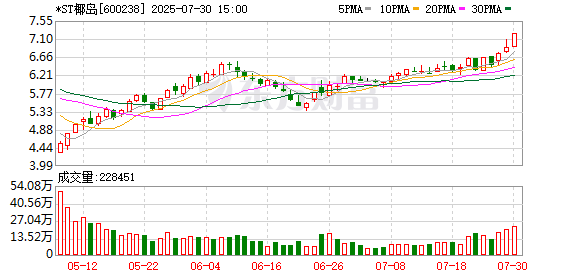
*ST椰岛:7月30日召开董事会会议
Mei Ri Jing Ji Xin Wen· 2025-07-30 11:13
Group 1 - The company *ST Yedao (SH 600238) announced on July 30 that its 47th meeting of the 8th board of directors was held, discussing the proposal to provide mortgage guarantees for bank loans to its subsidiaries [2] - For the year 2024, the company's revenue composition is as follows: liquor revenue accounts for 72.69%, specialty food and beverage accounts for 25.69%, and other businesses account for 1.62% [2]

茅台品藏家联谊会停止运作,茅台品藏馆将重新接受考核
Jing Ji Guan Cha Wang· 2025-07-29 14:16
Core Viewpoint - The management structure of the Moutai wine collection hall has changed, with the Moutai Collectors Association ceasing operations and a new association being established to oversee the collection halls [1][5]. Group 1: Management Changes - The Moutai Collectors Association, previously responsible for the approval and management of Moutai collection halls, has stopped operations, and the existing 56 collection halls will receive refunds of 800,000 yuan in deposits [1][2]. - A new Moutai Old Wine Association has been formed, with a focus on regulating the old wine market and establishing a new operational model [1][3]. - The new association's management structure is still being finalized, and it is not yet clear if Moutai will directly manage the collection halls [1][3]. Group 2: Historical Context and Development - The concept of the Moutai collection hall was introduced by former chairman Ding Xiongjun in 2022, aiming to create a comprehensive platform for old wine trading and appreciation [2][4]. - The Moutai Collectors Association was established in 2022, and by March 2024, it had authorized 56 collection halls across four batches [2][3]. Group 3: Market Dynamics - The Moutai old wine market is significant, with a market size of approximately 850 billion yuan and an annual transaction volume of about 110 billion yuan, accounting for over 85% of the entire old wine market [5]. - In 2023, the 45 authorized Moutai collection halls achieved a transaction volume of 7.05 billion yuan, representing 7% of China's annual old wine transaction volume [5]. - The price of Moutai products has been declining, with the market price of Flying Moutai dropping nearly 20% year-on-year to 1,900 yuan per bottle as of July 29, 2023 [6].

巴乔、卡洛斯空降“村超” 国台酒以“通透”之名相邀共赴足球盛宴
Xin Hua Cai Jing· 2025-07-29 07:23
Core Viewpoint - The "Village Super League" (村超) has resumed, showcasing the resilience and spirit of the Guizhou people after severe flooding, with a major event titled "Village Super League: World Football Stars Guizhou Tour" sponsored by Guizhou Guotai Liquor Group [1][2] Group 1: Event Overview - The "Village Super League" has grown from 20 teams in 2023 to 108 teams in 2025, indicating increasing participation and enthusiasm [2] - The event features international football stars like Roberto Baggio and Roberto Carlos, who engage with local fans and promote cultural exchange through football [2][4] - The "Guotai Liquor | Village Super League World Football Stars Guizhou Tour" will run until October, including various international football matches and community events [5] Group 2: Product Launch - Guotai Liquor launched the "Guotai Football Culture Wine," designed to honor football legends, featuring a bottle inspired by the World Cup trophy and incorporating elements of Guizhou's Miao embroidery [3] - The commemorative wine will be available for purchase on platforms like JD.com and Tmall starting in August [3] Group 3: Brand Philosophy - The event embodies the brand's core value of "transparency," reflecting a positive mindset in the face of adversity and a commitment to community and cultural connection [4] - Guotai's brand slogans emphasize the connection between football and liquor, promoting a shared experience of passion and enjoyment [5]
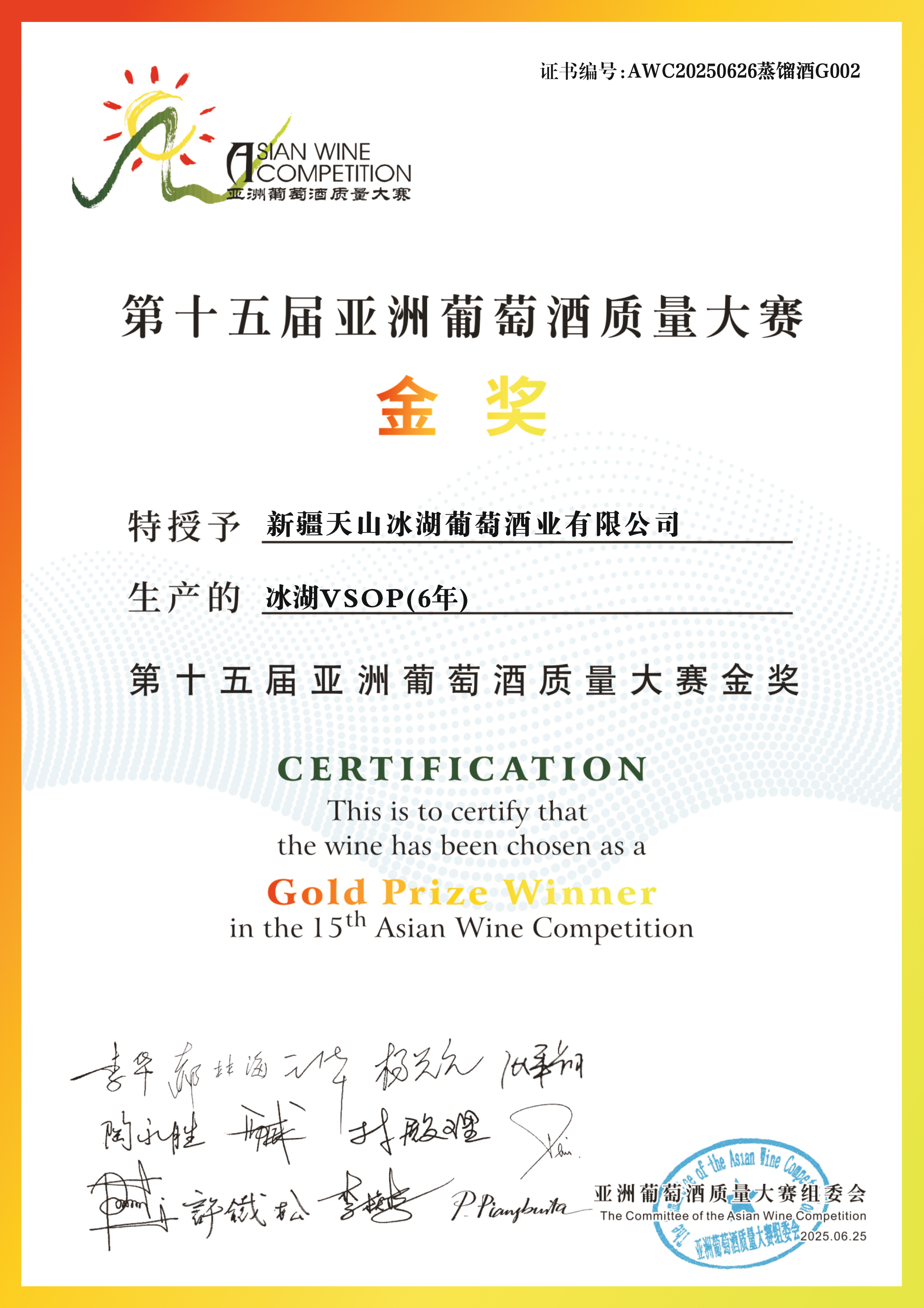
新疆冰湖白兰地荣膺第十五届亚洲葡萄酒质量大赛金奖
Qi Lu Wan Bao· 2025-07-29 02:14
齐鲁晚报·齐鲁壹点 孟广鑫 在近日落幕的第十五届亚洲葡萄酒质量大赛上,新疆冰湖葡萄酒业有限公司匠心打造的冰湖白兰地凭借卓越品质,从众多国际参赛酒款中脱颖而出,荣膺大 赛最高荣誉——金奖(证书编号:AWC20250626蒸馏酒G002)。这一国际权威认证,不仅彰显了中国白兰地的非凡品质,更标志着新疆产区在世界烈酒版 图中的崛起。 国际舞台上的品质见证 亚洲葡萄酒质量大赛作为亚太地区最具影响力的专业赛事之一,以其严苛的评审标准和权威性著称。本届大赛采用国际通行的双盲品评机制,由来自全球的 资深评委从酒体结构、风味复杂度、平衡度等12个专业维度进行严格评定。冰湖白兰地在此次大赛中的优异表现,充分展现了其国际一流的品质水准。 生产的 冰湖VSOP 第十五届亚洲 CERTI This is the wine h Gold P in the 15th As 老年 Jo th its in ing 2 24 Hotel IF e 7 r 1 ogaror ZART Cold Prize Winner 4 ICELAKE 807 发展 2017-07-1 冰湖 ▪○©▷▲ OHT BRANDY the sty 最近 VSOP ...
昨日两市ETF份额净减少28.09亿份,股票型ETF份额减少40.55亿份
news flash· 2025-07-29 01:28
Core Insights - As of July 28, the net decrease in ETF shares across the two markets was 2.809 billion shares [1] - Notable increases in shares were observed in specific ETFs: Huabao Zhongzheng Bank ETF (512800) increased by 11.422 billion shares, Huaxia Shanghai Stock Exchange Sci-Tech Innovation Board 50 Component ETF (588000) increased by 9.392 billion shares, and Wine ETF (512690) increased by 6.969 billion shares [1] ETF Market Overview - The overall trend indicates a significant net reduction in ETF shares, suggesting a potential shift in investor sentiment or market conditions [1] - The increase in shares for specific ETFs may indicate a targeted investment strategy focusing on market leaders and sectors poised for rebound [1]
追加对美投资与采购!美欧达成15%关税协议,欧盟:严重损害利益
Sou Hu Cai Jing· 2025-07-28 23:41
Group 1 - The trade agreement between the US and EU, while appearing as a truce, is characterized as an "asymmetrical" deal where the EU commits to significant future energy purchases and investments in exchange for a relatively lenient tariff environment [3][5] - The agreement includes a commitment from the EU to purchase up to $750 billion in energy products from the US over the coming years, alongside an additional $600 billion investment commitment, which is seen as a substantial benefit for the US [5] - The agreement does not signify the end of US-EU trade disputes but may herald a new round of negotiations, as evidenced by past tensions and tariff threats from the Trump administration [5][7] Group 2 - The EU's negotiating position appears weak due to its own economic challenges, as retaliatory tariffs could harm European consumers and specific industries, particularly in countries like France and Italy [7] - There are significant discrepancies in the interpretation of key details of the agreement, particularly regarding tariffs on steel and aluminum, indicating a lack of true consensus on core issues [8] - The agreement highlights Europe's vulnerability due to over-reliance on a single trade partner, raising concerns about the need for strategic autonomy and diversification of trade relationships [11]

法国葡萄酒和烈酒联合会:欧盟-美国贸易协议有望确认烈酒的免税贸易。
news flash· 2025-07-28 17:25
Group 1 - The core viewpoint of the article highlights the potential confirmation of duty-free trade for spirits under the EU-US trade agreement, which is seen as a positive development for the spirits industry [1] Group 2 - The French Wine and Spirits Association is optimistic about the trade agreement, indicating that it could significantly benefit the spirits sector by eliminating tariffs [1] - The agreement is expected to enhance market access for European spirits in the US, which is a key market for the industry [1]
美欧仍在就葡萄酒和烈酒的关税豁免进行讨论
news flash· 2025-07-28 09:52
Group 1 - The core discussion between the US and EU revolves around the potential tariff exemptions for wine and spirits, which are still under negotiation despite the overall framework of the trade agreement being established [1] - According to data from the European Union's statistical office, alcoholic beverages are one of the main export products from the EU to the US [1]