酒ETF

Search documents
策略周报:行业轮动ETF策略周报-20260323
金融街证券· 2026-03-23 07:58
Strategy Overview - The report recommends a strategy focused on industry and thematic ETFs, particularly in the film, liquor, and telecommunications sectors for the week of March 23, 2026[2] - New holdings include Film ETF, Liquor ETF, Telecom ETF from E Fund, Media ETF from Guangfa, and Communication ETF from Southern[2] Performance Metrics - From March 16 to March 20, 2026, the strategy recorded a cumulative net return of approximately -6.60%[3] - The strategy's excess return relative to the CSI 300 ETF was about -4.44% during the same period[3] - Since October 14, 2024, the cumulative return of the strategy is approximately 29.26%, with an excess return of about 8.24% compared to the CSI 300 ETF[3] Risk Indicators - The timing signals for some ETFs and indices provided daily or weekly risk alerts as of last weekend[2] - The report highlights potential rapid style shifts within a week and abnormal increases in the discount rates of certain ETFs[6] ETF Holdings and Changes - The report lists specific ETFs with their market values and weekly performance, indicating adjustments in holdings based on recent performance trends[11][12] - The average return of the ETF portfolio was -6.60%, while the excess return compared to the CSI 300 ETF was -4.44%[12]
行业轮动ETF策略周报-20260224
金融街证券· 2026-02-24 12:53
Core Insights - The report emphasizes the construction of a strategy portfolio based on industry and thematic ETFs, leveraging insights from previous strategy reports on industry rotation and ETF market overview [2]. Strategy Update - The strategy portfolio includes various ETFs with specific holdings and weightings, such as: - Wine ETF with a market value of 184.16 billion, holding a significant position in the liquor industry (84.84%) [3]. - Real Estate ETF valued at 6.61 billion, fully invested in real estate development (100%) [3]. - Tourism ETF at 88.57 billion, primarily focused on the aviation and airport sector (33.21%) [3]. - New additions include Agriculture and Fishery ETF and Grain ETF, with respective holdings in aquaculture (46.89%) and planting (49.63%) [3]. - The strategy's performance for the period from February 9 to February 13, 2026, showed a cumulative net return of approximately -0.38%, underperforming the CSI 300 ETF by about -0.85% [3]. Performance Tracking - Since October 14, 2024, the strategy has achieved a cumulative return of approximately 37.93%, outperforming the CSI 300 ETF by about 14.43% [3][4]. - The report includes a performance chart illustrating the cumulative return of the industry rotation ETF strategy since its inception [4]. Weekly Holdings and Performance - The report details the weekly performance of various ETFs, indicating that the strategy will continue to hold Wine, Real Estate, Tourism, and Traditional Chinese Medicine ETFs while adding Agriculture and Grain ETFs [11]. - The average return of the ETF portfolio for the week was -0.38%, with a notable underperformance compared to the CSI 300 ETF [11].
ETF 周报:上周光伏、酒、银行 ETF 逆势上涨-20260211
Guoxin Securities· 2026-02-11 14:11
- The report does not contain any quantitative models or factors related to quantitative investment analysis. The content primarily focuses on ETF performance, scale changes, valuation, financing, and other market-related data[1][2][3][4][5][6][7][8][9][10][11][12][13][14][15][16][17][18][19][20][21][22][23][24][25][26][27][28][29][30][31][32][33][34][35][36][37][38][39][40][41][42][43][44][45][46][47][48][49][50][51][52][53][54][55][56][57][58][59][60][61][62][63][64][65][66][67][68][69][70][71][72][73][74][75][76][77][78][79][80][81][82][83][84]
ETF周报:上周光伏、酒、银行ETF逆势上涨-20260211
Guoxin Securities· 2026-02-11 13:52
- The report primarily focuses on ETF performance, scale changes, and valuation metrics, with no mention of quantitative models or factors[1][2][3][4] - It provides detailed data on ETF weekly returns, net subscriptions/redemptions, and valuation percentiles across various categories like broad-based, sector, and thematic ETFs[2][3][36] - Specific thematic ETFs such as AI, chip, and photovoltaic ETFs are highlighted for their performance and valuation metrics, but no quantitative models or factors are discussed[19][36][45]
ETF周报:上周光伏、酒、银行 ETF 逆势上涨-20260211
Guoxin Securities· 2026-02-11 12:28
1. Report Industry Investment Rating - No information provided regarding the report industry investment rating 2. Core Viewpoints of the Report - Last week (from February 2, 2026, to February 6, 2026), the median weekly return of equity ETFs was -1.71%. Among broad - based ETFs, the Shanghai Stock Exchange 50 ETF had the smallest decline, and among sector ETFs, consumer ETFs had the highest return. Among hot - topic ETFs, photovoltaic ETFs had the highest return. Last week, equity ETFs had a net redemption of 2.056 billion yuan, with the Science and Technology Innovation Board ETF having the highest net subscription among broad - based ETFs, technology ETFs having the highest net subscription among sector ETFs, and AI ETFs having the highest net subscription among topic - based ETFs. As of last Friday, Huaxia, E Fund, and Huatai - Peregrine ranked in the top three in terms of the total scale of listed, non - monetary ETFs [1][2][61] 3. Summary According to Relevant Catalogs ETF Performance - The median weekly return of equity ETFs last week was -1.71%. Among broad - based ETFs, the Shanghai Stock Exchange 50 ETF had a median change of -0.82%, the smallest decline. By sector, consumer ETFs had a median change of 0.10%, the highest return. By topic, photovoltaic ETFs had a median change of 3.09%, the highest return. The median changes of bond, money - market, cross - border, and commodity ETFs were 0.02%, 0.02%, -2.19%, and -6.07% respectively [1][12][18] ETF Scale Changes and Net Subscriptions/Redeemptions - As of last Friday, the scales of equity, cross - border, and bond ETFs were 3.097 trillion yuan, 1.0195 trillion yuan, and 721.3 billion yuan respectively. The scales of commodity and money - market ETFs were relatively small, at 322.9 billion yuan and 160 billion yuan respectively. Among broad - based ETFs, the CSI 300 and A500 ETFs had relatively large scales. Last week, equity ETFs had a net redemption of 2.056 billion yuan and a total scale reduction of 80.468 billion yuan; money - market ETFs had a net subscription of 6.311 billion yuan and a total scale increase of 6.325 billion yuan. Among broad - based ETFs, the Science and Technology Innovation Board ETF had the highest net subscription of 5.501 billion yuan, and its scale decreased by 5.248 billion yuan; the CSI 500 ETF had the highest net redemption of 11.647 billion yuan, and its scale decreased by 15.917 billion yuan. By sector, technology ETFs had the highest net subscription of 10.405 billion yuan, and their scale decreased by 18.479 billion yuan; cyclical ETFs had the highest net redemption of 9.527 billion yuan, and their scale decreased by 21.091 billion yuan. By hot - topic, AI ETFs had the highest net subscription of 4.472 billion yuan, and their scale decreased by 3.271 billion yuan; photovoltaic ETFs had the highest net redemption of 0.8 billion yuan, and their scale decreased by 0.198 billion yuan [2][22][29] ETF Benchmark Index Valuation - As of last Friday, in the broad - based ETFs, the ChiNext and Shanghai Stock Exchange 50 ETFs had relatively low valuation quantiles. By sector, the large - finance and consumer ETFs had relatively moderate valuation quantiles. By sub - topic, the wine and new energy vehicle ETFs had relatively low valuation quantiles. Compared with the previous week, the valuation quantile of the wine ETF increased significantly [3][44][47] ETF Margin Trading - From last Monday to Thursday, the margin trading balance of equity ETFs decreased from 52.343 billion yuan in the previous week to 52.046 billion yuan, and the short - selling volume increased from 2.205 billion shares in the previous week to 2.312 billion shares. Among the top 10 ETFs in terms of average daily margin purchases and short - selling volumes, the securities ETFs and Science and Technology Innovation Board ETFs had relatively high average daily margin purchases, and the CSI 1000 ETFs and CSI 500 ETFs had relatively high average daily short - selling volumes [4][51][54] ETF Managers - As of last Friday, Huaxia Fund ranked first in the total scale of listed, non - monetary ETFs, with a relatively high management scale in multiple sub - fields such as scale - based index ETFs, topic - based, style, and strategy - based index ETFs, and cross - border ETFs. E Fund ranked second, with a relatively high management scale in scale - based index ETFs and cross - border ETFs. Huatai - Peregrine Fund ranked third, with a relatively high management scale in scale - based index ETFs and topic - based, style, and strategy - based index ETFs [55]
策略周报:行业轮动ETF策略周报-20260209
金融街证券· 2026-02-09 08:33
Group 1: Report Overview - The report is a weekly strategy report on industry rotation TF from February 2, 2026, to February 8, 2026, released on February 9, 2026 [1][2] - The strategy is based on two previous reports and constructs an ETF - based strategy portfolio [2] Group 2: Investment Recommendations Current Holdings and Changes - ETFs to be continued to hold include Building Materials ETF (159745, market value 21.67 billion yuan), Real Estate ETF (159707, market value 6.40 billion yuan), Petrochemical ETF (159731, market value 17.46 billion yuan), Chemical ETF (159870, market value 340.36 billion yuan), and Rare Metals ETF (562800, market value 62.40 billion yuan) [3] - ETFs to be newly added or adjusted to hold include Tourism ETF (159766, market value 91.07 billion yuan), Wine ETF (512690, market value 192.66 billion yuan), Traditional Chinese Medicine ETF (560080, market value 26.52 billion yuan), New Energy Vehicle ETF (515700, market value 19.75 billion yuan), and Agricultural ETF Harvest (516550, market value 2.03 billion yuan) [3] - ETFs to be removed from the portfolio include Non - Ferrous Metals ETF (512400, market value 352.52 billion yuan), Gold Stocks ETF (517520, market value 151.34 billion yuan), Grain ETF (159698, market value 4.66 billion yuan), Securities and Insurance ETF E Fund (512070, market value 201.73 billion yuan), and Agricultural ETF (159825, market value 26.26 billion yuan) [11] Sector Recommendations - The model recommends allocating to sectors such as cement, real estate development, and airport aviation in the week of February 9, 2026 [12] - In the next week, the strategy will newly hold Game ETF, Wine ETF, Traditional Chinese Medicine ETF, and New Energy Vehicle ETF, and continue to hold Building Materials ETF, Real Estate ETF, and Petrochemical ETF [12] Group 3: Performance Tracking - From February 2 to February 6, 2026, the cumulative net return of the strategy was approximately - 3.85%, and the excess return relative to the CSI 300 ETF was approximately - 2.53% [3] - From October 14, 2024, to February 6, 2026, the out - of - sample cumulative return of the strategy was approximately 38.45%, and the cumulative excess return relative to the CSI 300 ETF was approximately 15.41% [3]
ETF午评 | CPO板块大爆发,创业板人工智能ETF大成涨7%
Ge Long Hui· 2026-02-09 06:57
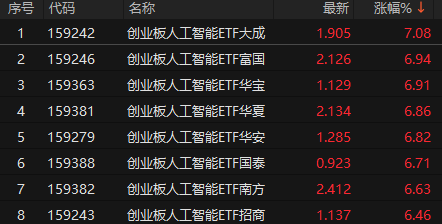
Group 1 - The three major A-share indices collectively rose in the morning session, with the Shanghai Composite Index up 1.17%, the Shenzhen Component Index up 2.07%, and the ChiNext Index up 3.11% [1] - The total trading volume in the Shanghai, Shenzhen, and Beijing markets reached 1,504.5 billion yuan, an increase of 109.6 billion yuan compared to the previous day [1] - Over 4,400 stocks in the market experienced gains, indicating a broad-based rally [1] Group 2 - The CPO sector saw significant gains, with the AI ETFs on the ChiNext rising by 7.08%, 6.94%, and 6.91% respectively [1] - The film and television sector was active, with the Silver Hua Fund Film ETF and the Guotai Fund Film ETF increasing by 6% and 5.73% respectively [1] - The photovoltaic sector also performed well, with the Guotai Photovoltaic ETF and the E Fund Photovoltaic ETF both rising by 4.46% [1] Group 3 - The white wine sector underperformed, with the wine ETF and consumer ETF declining by 0.54% and 0.38% respectively [2] - The basic ETF from Jianxin fell by 1% [2]

ETF午盘:创业板人工智能ETF大成涨7.08% 基本面ETF建信跌1.02%
Sou Hu Cai Jing· 2026-02-09 03:53
Core Viewpoint - The ETF market showed mixed performance on February 9, with significant gains in AI-related ETFs while fundamental and sector-specific ETFs experienced declines [1][2]. Group 1: Performance of AI ETFs - The leading performer was the Chuangyeban AI ETF Dachen (159242), which rose by 7.08% [1][2]. - Other notable AI ETFs included Chuangyeban AI ETF Fuguo (159246) with a 6.94% increase and Chuangyeban AI ETF Huabao (159363) up by 6.91% [1][2]. - Additional AI ETFs also showed strong performance, with Chuangyeban AI ETF Huaxia (159381) increasing by 6.86% and Chuangyeban AI ETF Hu'an (159279) rising by 6.82% [2]. Group 2: Performance of Other ETFs - The worst performer was the Fundamental ETF Jianxin (159916), which fell by 1.02% [1][2]. - The Wine ETF (512690) decreased by 0.54%, and the Consumer ETF (159928) dropped by 0.38% [1][2]. - Other declining ETFs included the Food and Beverage ETF (516900) down by 0.34% and the Medical Innovation ETF (516820) down by 0.28% [2].

重生之我在大A开超市...
Xin Lang Cai Jing· 2026-02-02 12:52
Group 1 - The market witnessed significant volatility in February, with a notable decline in gold and silver prices, attributed to market reactions to potential changes in U.S. Federal Reserve leadership and monetary policy [8][6]. - Gold prices dropped from 5600 to 4682, while silver experienced a nearly 40% intraday pullback, indicating severe market stress and liquidity issues [6][8]. - The decline in gold is not fundamentally driven but rather a result of liquidity squeeze and increased implied volatility, with the market reacting to Trump's nomination of a Fed chair with a history of advocating for interest rate cuts and balance sheet reductions [8][10]. Group 2 - The telecommunications sector is facing increased tax burdens as the VAT rate for telecom services is set to rise from 6% to 9%, which will impact revenue and profit margins for major operators [14][15]. - Major telecom companies, including China Unicom, China Telecom, and China Mobile, experienced significant stock price declines following the announcement, with China Unicom's H-shares dropping over 11% at one point [14][15]. - The adjustment in tax policy may lead to a shift in industry dynamics, potentially reducing inefficient competition and encouraging a focus on technological innovation and high-quality services [14]. Group 3 - The real estate sector is under severe pressure, exemplified by Vanke's projected net loss of 82 billion, marking a 65.7% increase in losses compared to the previous year, which is expected to be the largest annual loss in A-share history [12][13]. - This situation reflects the broader challenges facing the real estate industry, with recovery dependent on both individual company strategies and overall market stabilization [12][13]. Group 4 - The liquor industry, particularly high-end brands like Moutai, is showing signs of recovery with price stabilization and potential for valuation improvement, despite ongoing challenges [17][18]. - The liquor sector is characterized by low expectations, low valuations, and low holdings, with public fund holdings in liquor stocks at a historical low of 3.93% [17][18]. - Analysts suggest that 2026 may present a bottoming opportunity for the industry, with expectations of a recovery phase beginning to emerge [18][19].





几点思考:黄金要跌多久?跌到哪?
Sou Hu Cai Jing· 2026-02-02 09:18
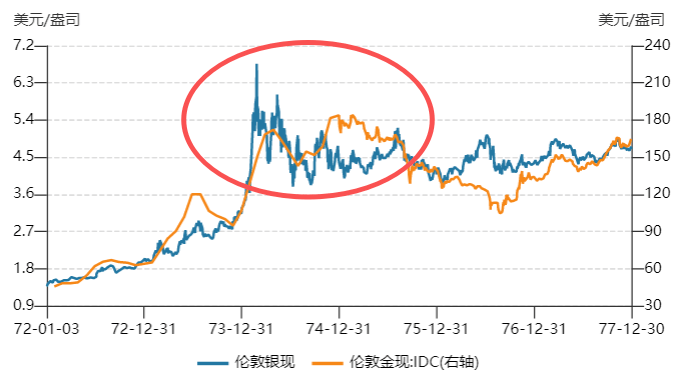
Group 1 - The article discusses the recent extreme fluctuations in gold and silver prices, indicating a potential market peak due to significant deviations from the 60-day moving average, with silver deviating by 66% and gold by 25% [1][6] - Historical patterns suggest that extreme surges in silver prices often signal market tops, and these tops are typically not singular points but rather ranges, followed by significant declines to wash out leveraged positions [6][7] - The performance of gold during market fluctuations is highlighted, with past instances showing that while silver experiences volatility, gold tends to remain more stable, suggesting a focus on gold's ability to reach new highs during these periods [7][8] Group 2 - The article emphasizes the importance of macroeconomic narratives in determining the future of gold prices, particularly the narrative surrounding the collapse of the US dollar credit system and the implications of rising US debt levels [12] - It notes that the current debt situation, exacerbated by multiple rounds of quantitative easing and fiscal policies, poses a significant risk to the stability of the US financial system [12] - The potential appointment of Kevin Warsh as the new Federal Reserve Chairman is discussed, with his proposed policies aimed at restoring financial discipline and addressing the debt crisis [12] Group 3 - The article draws parallels between current market conditions and those of early 2018, where rising interest rate expectations led to declines in global markets, including A-shares [24] - It suggests that the recent downturn in precious metals has similarly impacted the broader market, with significant declines observed in various sectors, including energy and commodities [31][32] - The performance of specific funds, such as the Guotou Silver LOF, is highlighted, indicating a significant drop in value and the challenges faced by investors in navigating the current market volatility [29][31]