两轮电动车

Search documents
率先布局“AI+两轮电动车”,首驱科技获亿元级天使轮融资丨硬氪首发
3 6 Ke· 2025-08-22 01:05
Core Insights - Shouqu Technology has recently secured nearly 100 million yuan in angel round financing, which will primarily be used for the development of an intelligent cockpit platform, application development of the S-Smart system, and mass production of new national standard products, while accelerating global market expansion [1][4] - The company focuses on the short-distance electric transportation sector, aiming to provide innovative and reliable two-wheeled electric mobility solutions, with over 70% of its R&D team having experience in leading international automotive manufacturers and related industries [1][4] - The product lineup includes three main series: new national standard electric self-series, pedal series, and cross-riding series, targeting younger demographics such as post-2000 and post-2005 generations [1][4] Industry Overview - The two-wheeled electric vehicle market in China has surpassed 400 million units in ownership and annual sales exceed 50 million units, with a market size exceeding 100 billion yuan as of December 2024 [4] - The global market is expected to exceed 800 billion yuan by 2027, driven by the replacement of old models due to new national standards and growing demand in Southeast Asia and India [4] - The industry faces challenges including price wars affecting profit margins, insufficient charging infrastructure, and rapid technological advancements requiring higher R&D capabilities from traditional manufacturers [4][6] Competitive Advantages - Shouqu Technology emphasizes a user-centric approach, focusing on social safety, driving safety, and after-sales service experience [6] - The company leverages AI algorithms to enhance product performance, achieving a 10%-15% improvement in battery management and a 5%-10% increase in motor performance [6][5] - The product positioning is mid-to-high-end, with price ranges from 5,000 to over 500,000 yuan, and the company has already begun generating revenue despite being newly established [11][12]

天风证券晨会集萃-20250822
Tianfeng Securities· 2025-08-21 23:45
Group 1: Macro Strategy and Market Overview - The report highlights that the financing balance has surpassed 2 trillion, indicating a significant increase in market activity and investor risk appetite, with net inflows in both northbound and southbound capital [3][22][23] - The overall liquidity situation shows a net outflow of 247.5 billion, with total funding supply at 77.8 billion and demand at 325.3 billion, suggesting a tightening liquidity environment [22][23] - The report emphasizes the importance of monitoring developments in US-China negotiations and potential meetings between leaders, which could impact market sentiment [3][22] Group 2: Banking Sector Analysis - As of August 18, 2025, the valuation of the banking sector has increased by 32.53% over the past year, with a price-to-book (PB) ratio of 0.72 and a return on equity (ROE) of 8.92% [4] - The report identifies three main reasons for the persistent undervaluation of banks: asset quality risks, declining revenue capabilities, and high growth in net assets per share, which collectively contribute to a lower market valuation [4] - The theoretical PB corresponding to the current ROE is estimated at 0.63, indicating that a return to a PB of 1 would require an ROE of approximately 14.15% [4] Group 3: Power Generation Sector Insights - The report discusses the profitability disparities among thermal power assets in Guangdong, highlighting that different regions experience varying electricity prices, impacting overall profitability [6] - It notes that high-efficiency coal-fired power units are expected to perform better in terms of profitability, particularly the 1 million kilowatt units, which have a net profit per kilowatt-hour above 0.01 yuan [6] - The outlook for electricity prices is relatively stable, with expectations of limited downside, and a focus on capacity price changes in the future [6] Group 4: Company-Specific Performance - Spring Wind Power reported a revenue of 9.855 billion yuan for H1 2025, a year-on-year increase of 30.9%, with a net profit of 1.002 billion yuan, up 41.35% [10][26] - The company achieved a gross margin of 28.38% and a net profit margin of 10.17%, indicating strong operational efficiency despite a slight decline in gross margin [10][26] - The report projects an upward revision in profit forecasts for Spring Wind Power, estimating profits of 1.858 billion, 2.483 billion, and 2.936 billion yuan for 2025-2027 [10][30] Group 5: Pharmaceutical Sector Developments - BeiGene reported a total revenue of 2.433 billion USD for H1 2025, reflecting a 45% year-on-year growth, with a significant turnaround in profitability [11][35] - The company’s core product, Zanubrutinib, saw global sales of 950 million USD in Q2 2025, marking a 49% increase year-on-year [11][35] - Future milestones include several drugs entering Phase III clinical trials, with expected approvals and significant revenue contributions anticipated in the coming years [11][35] Group 6: Retail and Consumer Goods Performance - Pop Mart achieved a revenue of 13.88 billion yuan in H1 2025, a 204.4% increase, with overseas revenue growing by 440% [12][36] - The company’s gross margin improved to 70.3%, driven by an increase in overseas sales and product design optimization [12][36] - The report highlights the successful expansion of Pop Mart's IP portfolio, with significant contributions from various product categories, indicating a diversified revenue stream [12][37]



打工人养不起的“智能小电驴”,还能狂奔多久?
3 6 Ke· 2025-08-20 03:36
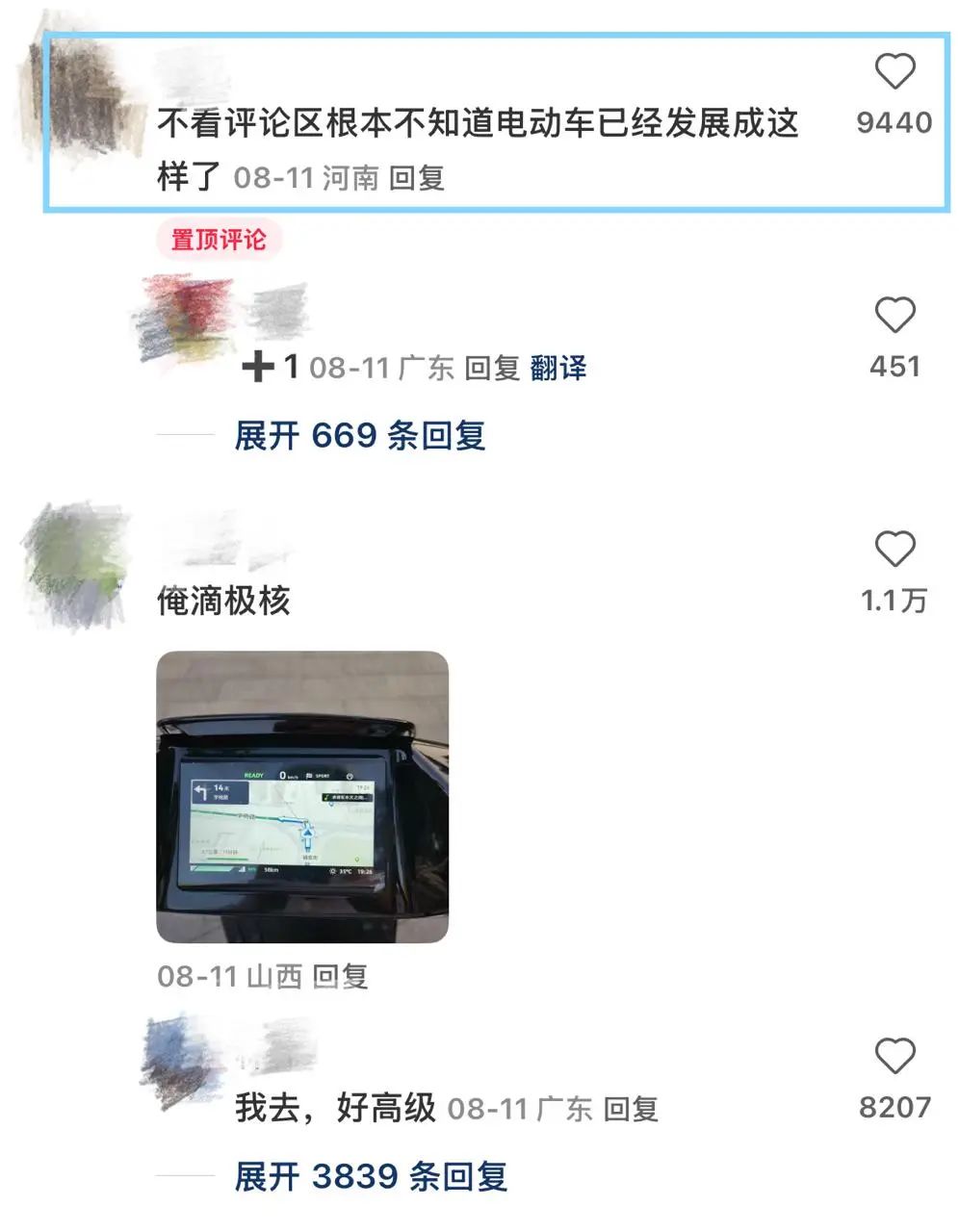
Core Viewpoint - The electric two-wheeler market in China is evolving rapidly, with a shift towards high-end, smart electric vehicles that appeal to younger consumers, despite rising prices and concerns about the necessity of smart features [1][4][6]. Industry Overview - As of 2024, the number of electric two-wheelers in China has exceeded 350 million, indicating a significant penetration rate with an average of one vehicle for every 3-4 people [7]. - The demand for smart features is growing, with 76.4% of consumers aged 18-25 prioritizing smart functionalities when purchasing electric two-wheelers [4]. Company Performance - Niu Technologies, known as the "Tesla of two-wheelers," has seen its sales grow from 80,000 units in 2016 to over 1 million in 2021, but faced a decline in revenue and profit in 2022, with a revenue of 3.169 billion yuan, down 14.5% year-on-year, and a net loss of 49.46 million yuan [11]. - In the first half of 2025, Niu Technologies reported a revenue of 1.256 billion yuan, a 33.5% increase year-on-year, and a net profit of 5.9 million yuan, marking a turnaround after 13 consecutive quarters of losses [11]. - Ninebot, a competitor, achieved a revenue of 11.742 billion yuan in the first half of 2025, a 76.1% increase, with a net profit of 1.242 billion yuan, reflecting strong market performance [12]. Market Trends - The introduction of new national standards for electric bicycles in September 2025 is expected to benefit high-end brands like Niu and Ninebot while potentially disadvantaging lower-cost competitors [13][14]. - The average selling price (ASP) of Niu's products has decreased from over 4,900 yuan in 2019 to around 3,200 yuan in 2024, indicating a strategy to penetrate the mass market [14]. Consumer Sentiment - There is growing consumer frustration regarding the rising costs of smart features, with subscription service fees for Niu's smart services increasing from 38 yuan per year to 69 yuan per year [15]. - Reports of service issues, such as connectivity problems with Niu's smart features, have led to negative consumer sentiment, highlighting the importance of ongoing service quality in a competitive market [17]. International Expansion - China has become the largest exporter of electric two-wheelers, with exports reaching 20.63 billion yuan in the first seven months of 2024, growing over 9% year-on-year [18]. - Niu Technologies aims to expand its international presence, focusing on markets in the U.S., Europe, and Southeast Asia, despite overseas revenue accounting for only 8.2% of total revenue in Q2 2025 [20]. - Ninebot has already established a strong foothold in international markets, with overseas revenue contributing 37.7% of its total revenue in the first half of 2025 [20].
苦电鸡久矣的路人,正在悄悄给电动车放气
虎嗅APP· 2025-08-15 13:56
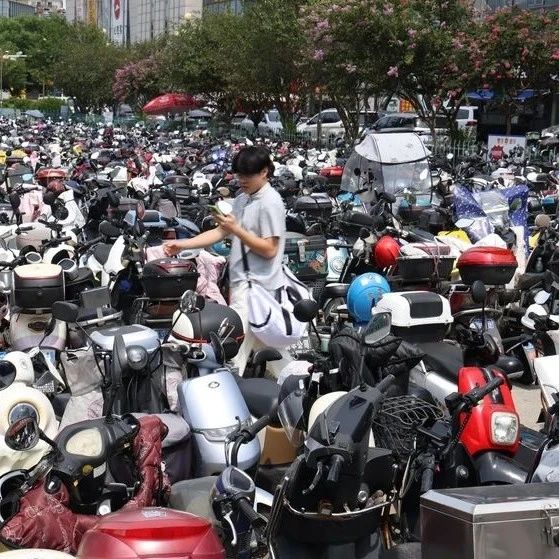
Core Viewpoint - The article discusses the challenges and societal implications of electric scooters (referred to as "电鸡") in urban environments, particularly in Guangzhou, highlighting the tension between pedestrians and scooter riders due to safety and parking issues [5][10][71]. Group 1: Electric Scooter Prevalence - As of the end of 2024, the social ownership of electric two-wheelers in China is approximately 425 million, surpassing the number of cars at 353 million, making them the most common short-distance travel tool [56]. - In 2023, China accounted for nearly 6 million electric two-wheeler sales, representing 78% of global sales, establishing it as the largest market for electric scooters [56]. - The rapid urbanization and the lack of efficient public transport options have created a significant demand for electric scooters as a cost-effective and efficient means of transportation [58][60]. Group 2: Urban Planning and Policy Impact - The ban on motorcycles in cities has led to a policy vacuum, where electric scooters have filled the gap, but without designated lanes, leading to conflicts with pedestrians and vehicles [60][67]. - Guangzhou's infrastructure is particularly inadequate for electric scooters, with only 32% of main and secondary roads having non-motorized vehicle lanes, compared to 90% in cities like Beijing and Shanghai [64][67]. - The historical context of urban planning in Guangzhou, which prioritized public transport over two-wheeled vehicles, has contributed to the current challenges faced by electric scooter users [67][70]. Group 3: Safety and Social Dynamics - Electric scooters are involved in a significant percentage of traffic injuries, with data indicating they account for 60%-80% of trauma cases in major hospitals in Guangzhou [72]. - The article notes a growing resentment towards electric scooters, with some advocating for their outright ban, reflecting a societal struggle to balance convenience and safety [73][75]. - The dynamics between pedestrians, scooter riders, and vehicle drivers create a competitive environment for road space, leading to a cycle of frustration and conflict among all parties involved [80][81].
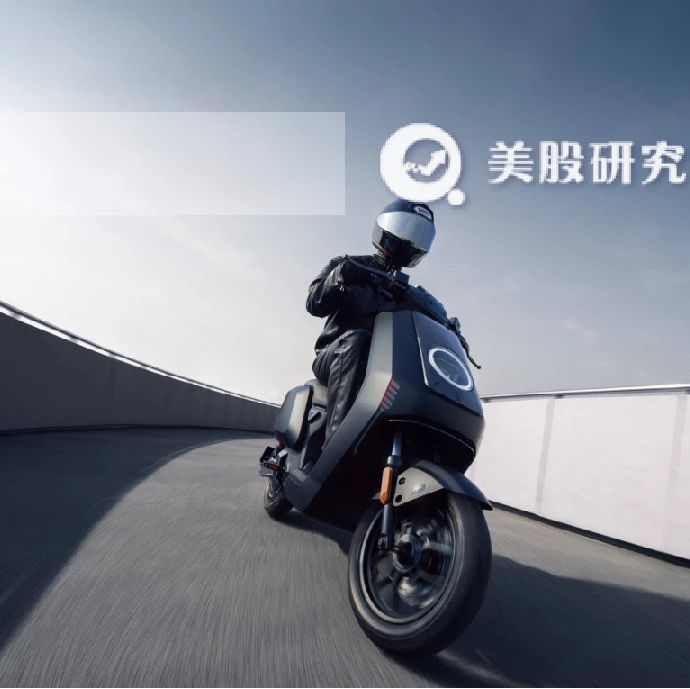
二季度扭亏为盈,坚守的小牛电动,守得云开见月明
美股研究社· 2025-08-14 10:01
Core Viewpoint - Niu Technologies has successfully turned a profit in Q2, achieving a net profit of 5.9 million yuan, ending a streak of ten consecutive quarters of losses, amidst a challenging global electric vehicle market characterized by rising costs and price wars [1][10]. Revenue Growth and Market Strategy - Niu Technologies reported total revenue of 1.256 billion yuan, a year-on-year increase of 33.5%, with gross profit reaching 371 million yuan, up from 255 million yuan in the same period last year [4]. - The company sold 350,090 electric scooters, marking a 36.7% year-on-year increase, with domestic sales reaching 318,719 units, a 53.6% increase, while international sales fell by 35.5% to 31,371 units [5][4]. - The "technology for all" strategy has been pivotal, allowing Niu to introduce high-end features at lower price points, thus penetrating the commuter market and driving domestic vehicle revenue up by 45.4% to 1.057 billion yuan, accounting for 84.2% of total revenue [6][5]. Channel Expansion and Product Innovation - Niu's domestic store count reached 4,304, a 38% increase year-on-year, supporting sales growth through an "All in online" strategy that enhanced customer conversion [7]. - Significant investment in R&D, which increased by 35.5%, has led to the introduction of innovative technologies, reinforcing Niu's position in the high-end market [7][9]. - The launch of the Dual Master series achieved record sales of 228 million yuan on its first day, highlighting the brand's enhanced pricing power due to technological advancements [8]. Financial Position and Future Outlook - As of June 30, 2025, Niu's cash and cash equivalents totaled 1.2266 billion yuan, providing a solid foundation for future strategic initiatives [9]. - The company anticipates Q3 revenue to reach between 1.433 billion and 1.638 billion yuan, representing a year-on-year growth of 40% to 60%, driven by continued innovation and channel optimization [16]. Competitive Landscape and Market Challenges - The electric scooter market is becoming increasingly competitive, with Niu facing challenges from established players like Ninebot, which reported a 61.54% revenue increase in Q2 [14][15]. - The global smart scooter market is projected to reach $50 billion by 2025, with significant growth opportunities in emerging markets despite a currently limited distribution network [14]. - Niu's ability to control costs is crucial for its future success, as production costs per unit decreased by 12.5% year-on-year, and operating expenses as a percentage of revenue fell from 32.7% to 24.2% [16].

订阅服务涨价,小牛得了特斯拉的病?
Tai Mei Ti A P P· 2025-08-07 12:32
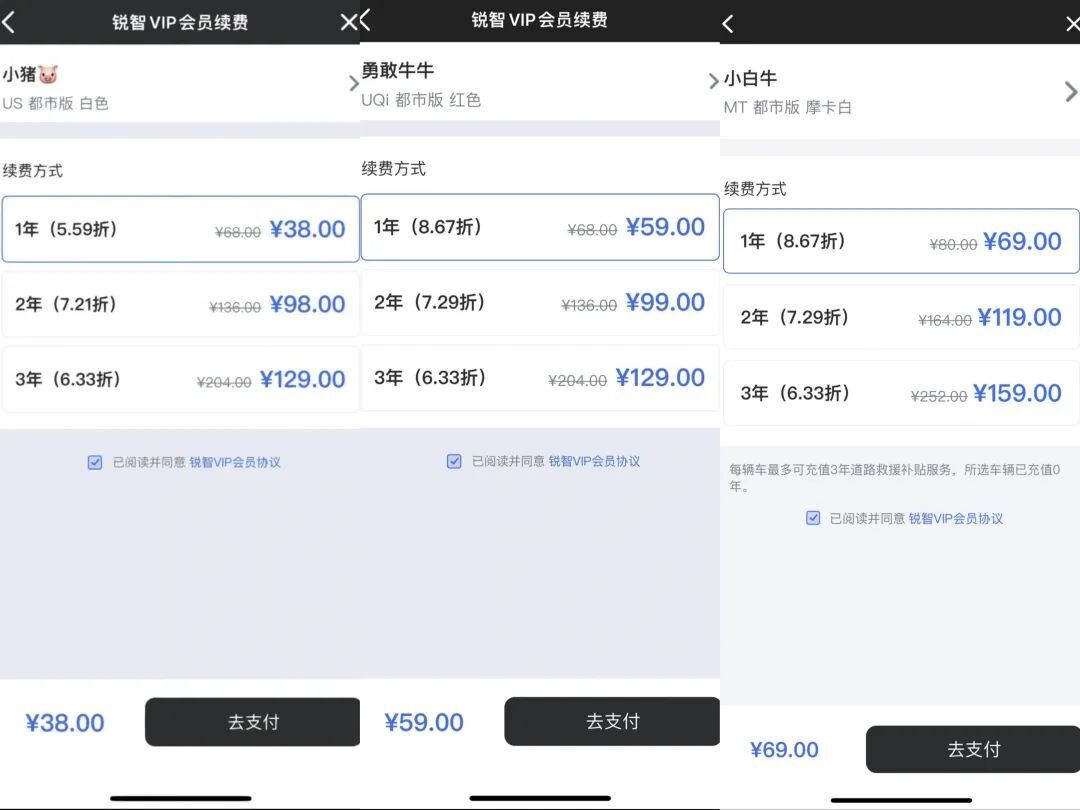
Core Viewpoint - The article discusses the challenges faced by Niu Technologies in maintaining its high-end positioning and pricing strategy in the increasingly competitive electric two-wheeler market, particularly as smart features become more common and subscription service costs rise [2][10][12]. Group 1: Smart Service Pricing - Niu's subscription service fees have increased significantly over the years, from 38 yuan per year in 2015 to 69 yuan per year currently, with three-year packages rising from 129 yuan to 159 yuan [4][10][11]. - Users are questioning the value of Niu's smart services, perceiving them as overpriced compared to competitors [6][10]. - The increase in subscription fees has led to dissatisfaction among long-term users, with some opting not to renew after the free service period [6][10]. Group 2: Competitive Landscape - The electric two-wheeler market has seen a rise in competitors offering similar smart features at lower prices, diminishing Niu's unique selling proposition [11][12][15]. - Niu's smart service fees are the highest in the market, compared to competitors like Ninebot and Yadea, which offer lower annual fees [11][12]. - The gap in technology and features among brands is narrowing, making it harder for Niu to justify its premium pricing [12][15]. Group 3: Financial Performance and R&D Investment - Niu's R&D investment from 2019 to 2024 totaled 764 million yuan, significantly lower than Ninebot's 826 million yuan in 2024 alone [18]. - Despite a temporary increase in sales due to favorable policies, Niu has not demonstrated the profitability expected from a high-end brand [17][21]. - Niu's average selling price has decreased from 4,928 yuan in 2019 to 3,203 yuan in 2024, indicating a shift towards a more price-sensitive market strategy [17][21]. Group 4: Future Strategies - Niu is exploring international markets and higher-end electric motorcycle segments to sustain growth and maintain its high-end narrative [18][19]. - The company faces intense competition from both traditional motorcycle manufacturers and emerging electric brands, necessitating a strong product offering to convince consumers [19][21].
台铃洱海重磅发布封神新品,贺王一博生日五城应援同燃
Cai Fu Zai Xian· 2025-08-06 09:25
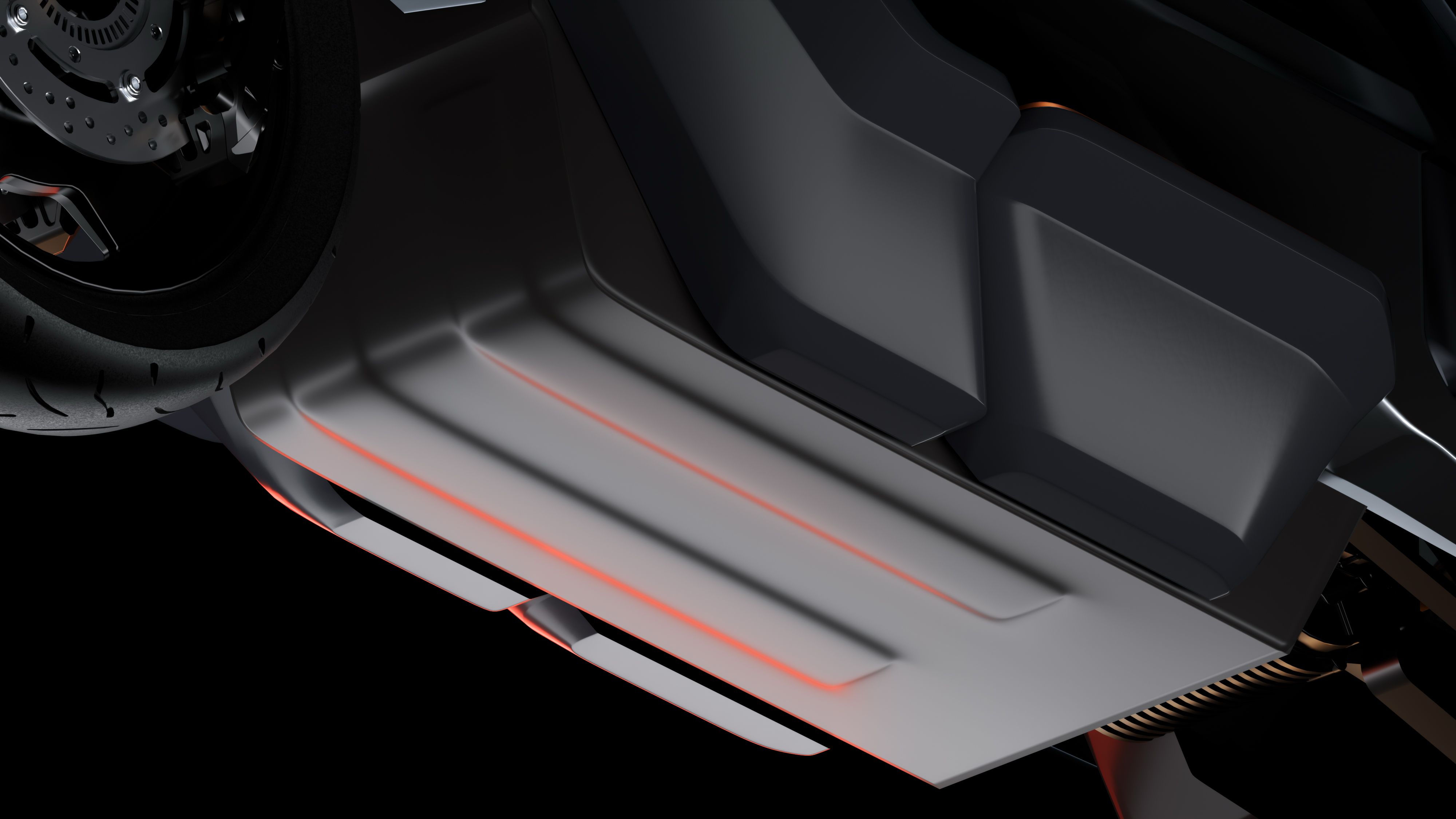
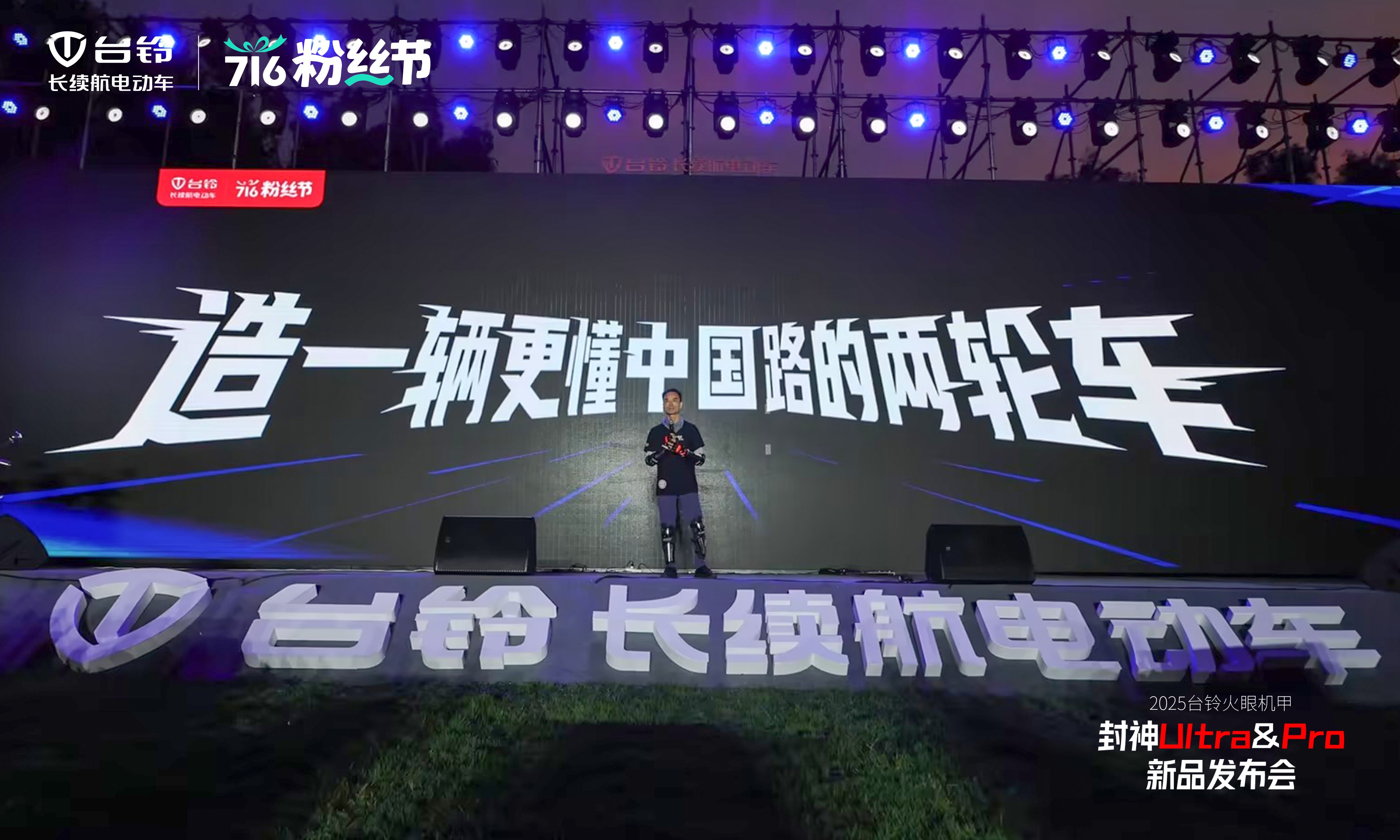
8月5日,台铃勇闯第4季长江溯源骑行队抵达云南大理,在洱海畔重磅发布火眼机甲·封神Ultra&Pro,以 硬核机甲美学设计与卓越性能内核,为用户带来进阶出行体验。同时台铃也在五大城市为品牌全球代言 人王一博点亮应援大屏,送上专属生日祝福。 台铃封神Ultra&Pro重磅发布 延续"火眼机甲"家族设计美学,封神Pro在智能化、安全、电池、外观实用功能四大维度实现显著进 阶,搭载全新7英寸TFT全屏仪表、台铃蓝极鲸钠电池、智能坐垫锁、底盘护甲等核心配置,打造中高 端市场配置标杆与体验旗舰。 封神Ultra则进一步超越,拥有峰值功率3700W强磁电机、车规级双通道ABS、12寸赛车级半热熔轮胎、 绚丽七彩智能氛围灯、坐垫感应、无感锁车等配置,实现性能跃迁、全域安防、美学新境、体验升维四 大层面的进化,堪称万元以下当之无愧的"地面王者"。 "无论你是都市通勤的务实派,还是热爱驾驭的性能控,或是追求极致的探索者,总有一款火眼机甲封 神,与你心意相通,伴你征服每一段旅程!"执行总裁孙木楚表示,火眼机甲封神家族全面覆盖各类使 用需求,以实力诠释"正宗长续航",势必会为广大用户带来更优质的出行体验。 新品发布+代言人生诞 诠 ...
比亚迪、宁德时代纷纷下场两轮车业务,谁更胜一筹?
Zhong Guo Chan Ye Jing Ji Xin Xi Wang· 2025-08-05 07:50
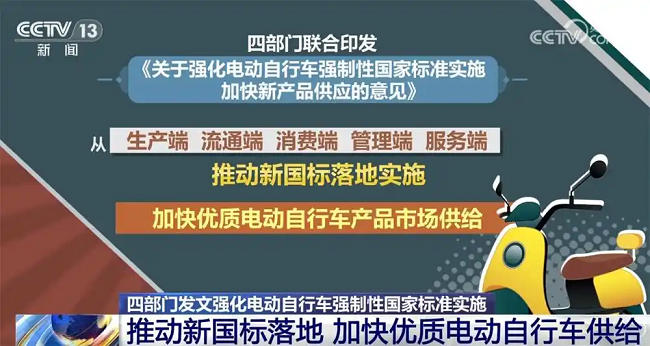
当超3亿辆的存量车替换需求,撞上加速高质量锂电化的趋势,一场由政策与消费升级共同驱动的产业 风暴,正在重塑两轮出行市场。 多个锂电巨头跨界布局"抢赛道" 政策之余,两轮锂电也在用户需求转变的背景下,从"大众供给"转向精准定制,实现从"能用"到"好 用"的价值跃迁。 这其中,尤以18-35岁区间内的年轻用户为主,他们对两轮车的需求早已经超越基础代步,而是裂变为 多元化的细分场景。追求极致性能体验的用户群体,对车辆"推背感"的乐此不疲;长距离通勤人群则关 注100km+真实续航解决里程焦虑;同时也有部分用户依赖-20℃至50℃的宽温域电池应对极端环境;同 时还有外卖配送、共享出行等企业级用户,对高安全与极速补能的需求。 *电摩公社收集整理 9月1日,电动自行车新国标即将正式实施。以安全与合规为双刃剑,新标准一方面严控非法改装与超标 电池,另一方面也通过重量限制倒逼技术升级。 业界观点表示,纵然传统铅酸电池在新国标体系下依旧有着比较广阔的使用前景,但同等重量下的锂电 能量密度优势依旧巨大,比如车辆搭载48V30Ah锂电池实现100公里以上续航,是同等重量下铅酸电池 的几乎两倍,这也将驱使更多人转向锂电池。 而市场数 ...


两轮电动车_汽车经销商调研
2025-08-05 03:17
Summary of Conference Call Records Industry or Company Involved - The records primarily discuss the electric bicycle industry, focusing on companies such as Ninebot (九号) and Xiaoniu (小牛). Core Points and Arguments 1. **Changes in National Subsidy Policy**: The national subsidy for electric bicycles has shifted from a daily allocation to a weekly allocation, leading to decreased participation from merchants due to concerns over compliance and payment delays. Many merchants have opted out of the program entirely [1][2][4]. 2. **Shift in Product Focus**: Companies are transitioning from electric bicycles to electric mopeds, with significant sales changes noted around July 15, when the focus shifted entirely to electric mopeds [2][4]. 3. **Sales and Complaints**: There has been a notable increase in customer complaints regarding product availability and delivery issues, particularly with the Ninebot brand, as many customers are unable to secure their orders [3][4]. 4. **Inventory Management**: Companies are currently managing high inventory levels, with expectations that stock will last through the transition period until new regulations take effect in September [6][10]. 5. **Sales Performance**: Sales in July showed a significant increase for Ninebot, with reported sales of approximately 15,000 units, marking a 50% increase from the previous month [23][24]. 6. **Market Dynamics**: The market is experiencing a shift in consumer preferences, with a noted decline in the popularity of electric bicycles due to increased complaints and regulatory scrutiny [4][12][13]. 7. **Profit Margins**: Profit margins for dealers have decreased by approximately 10-20% due to increased competition and promotional activities, with current margins reported around 7-8% [25][36]. 8. **Future Expectations**: There is an expectation of continued strong sales through the end of the year, with preparations for increased inventory ahead of the new regulations [30][35]. Other Important but Possibly Overlooked Content 1. **Impact of Weather**: Adverse weather conditions have negatively impacted foot traffic and sales, with reports of a 20-25% decline in sales across various stores due to heat and rain [12][15]. 2. **Consumer Behavior**: Customers are increasingly hesitant to make purchases without the assurance of subsidies, leading to a wait-and-see approach regarding future government incentives [39][40]. 3. **Competitive Landscape**: Other brands, such as Yadi and Aima, are also focusing on electric mopeds, indicating a broader industry trend away from traditional electric bicycles [32]. 4. **Regulatory Environment**: The upcoming changes in national standards for electric vehicles are expected to significantly impact production and sales strategies across the industry [10][28]. This summary encapsulates the key discussions and insights from the conference call records, highlighting the current state and future outlook of the electric bicycle and moped industry.
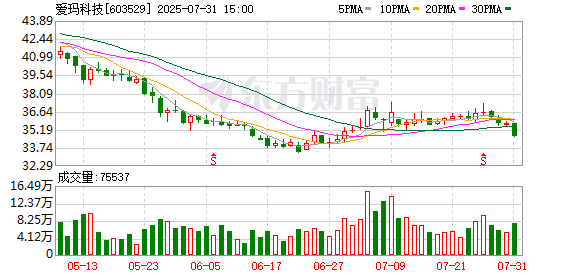
国金证券给予爱玛科技买入评级:产品&渠道优化推动量价齐升,两轮电动车龙头开启新成长周期
Mei Ri Jing Ji Xin Wen· 2025-07-31 09:29
Group 1 - The core viewpoint of the report is that Aima Technology (603529.SH) is rated as a "buy" with a target price of 56.64 yuan, reflecting a positive outlook on the company's growth potential [2] - The report highlights that advancements in three-electric technology and smart features are driving an increase in average selling price (ASP), with clear growth logic in product and channel optimization [2] - The second growth curve for the company includes international expansion and the electric tricycle segment, which opens up new growth opportunities [2] Group 2 - The report mentions potential risks such as weak stimulus for terminal replacement through trade-in programs, intense competition leading to price wars, significant fluctuations in raw material prices, risks associated with share unlocks, and the risk of convertible bonds trading above the current stock price [2]