
核能

Search documents
核能新贵遭唱空!拉登堡塔尔曼大砍Nano Nuclear Energy(NNE.US)目标价至9美元
智通财经网· 2025-08-19 06:38
Core Viewpoint - Ladenburg Thalmann downgraded Nano Nuclear Energy (NNE.US) from "Buy" to "Sell" with a target price of $9 due to anticipated rising costs, significant dilution risks, and increasing competitive pressure [1] Company Analysis - Analyst Michael Legg expressed disappointment that Nano Nuclear Energy's management continues to pursue a broad diversification strategy, including fuel, transportation, and consulting, rather than focusing on core projects like the Kronos reactor [1] - The company is still in its startup phase, with reactor revenue not expected until 2031, and previous management forecasts, including consulting revenue by the end of 2024, have not been met [1] - Current predictions regarding the commercialization of the company's ALIP technology by late 2025 or early 2026 remain unverified, and the analyst will closely monitor order developments [1]

中国铀业上市背后的全球核博弈
投中网· 2025-08-19 06:25
Core Viewpoint - The article discusses the complex geopolitical dynamics surrounding uranium resources, emphasizing the strategic importance of uranium enrichment technology and its implications for global power relations, particularly in the context of the ongoing Russia-Ukraine conflict and the historical "Megatons to Megawatts" agreement between the U.S. and Russia [6][8][15]. Geopolitical Context - The "Megatons to Megawatts" agreement allowed Russia to convert 500 tons of weapons-grade highly enriched uranium into low-enriched uranium, supplying the U.S. with 50% of its nuclear power fuel from 1993 to 2013, generating $13 billion for Russia [6]. - The U.S. has become increasingly dependent on Russian uranium, with Russian exports to the U.S. rising to 510,000 tons from 2011 to 2020, accounting for over 20% of the U.S. market share [12]. - European countries also heavily rely on Russian uranium, with some nations depending on it for 40%-60% of their nuclear power generation [14]. Uranium Supply and Demand - China imports approximately 60% of its uranium from Kazakhstan and 30% from Namibia, with increasing reliance on Russian uranium in recent years [15]. - The global uranium supply is significantly influenced by geopolitical factors, as seen in the case of Niger, which has threatened to cut uranium supplies to France following a coup [19][21]. Financial Dynamics - The Sprott Physical Uranium Trust (SPUT) has been active in the uranium market, purchasing over 700 tons of uranium in June 2023, which led to a 12.7% increase in spot prices [22]. - The World Bank's recent decision to lift the ban on nuclear project financing is expected to stimulate capital inflow into the uranium sector, reflecting a growing recognition of nuclear power's role in energy security [25][28]. China's Uranium Strategy - China aims to increase its nuclear power capacity significantly by 2035, necessitating a rise in uranium demand [31]. - The China National Nuclear Corporation (CNNC) is focusing on expanding its uranium production capabilities both domestically and internationally, with plans to enhance its control over uranium resources [32][34]. - The IPO of China Uranium Industry is seen as a strategic move to leverage capital markets for expanding uranium mining operations [34].


特朗普政府据悉将收购英特尔10%股份;奥尔特曼承认AI投资泡沫丨全球科技早参
Mei Ri Jing Ji Xin Wen· 2025-08-19 00:01
Group 1: Google and Nuclear Energy - Google announced a partnership with Kairos Power and TVA to deploy an advanced nuclear power plant by 2030, marking TVA as the first U.S. utility to purchase power from a GEN IV reactor [1] - The Hermes 2 nuclear plant in Oak Ridge, Tennessee, will supply TVA with up to 50 megawatts of reliable power, supporting Google's data centers in Tennessee and Alabama [1] Group 2: U.S. Government and Intel - The Trump administration is reportedly in talks to acquire approximately 10% of Intel, potentially making the U.S. federal government the largest shareholder of the chip manufacturer [2] - This move reflects the U.S. government's strategic intent to gain control over the semiconductor industry, which could reshape Intel's competitive position [2] Group 3: Novo Nordisk and Ozempic Pricing - Novo Nordisk announced a significant price reduction for its diabetes drug Ozempic in the U.S., with cash-paying patients now able to purchase it for $499 per month, down from nearly $1,350 [3] - This price cut aims to lower medication costs for patients and increase drug accessibility, potentially impacting the pricing strategies of similar diabetes medications [3] Group 4: OpenAI and AI Market - OpenAI CEO Sam Altman acknowledged that the AI market is entering a bubble phase, driven by exaggerated trends [4] - Altman also indicated that OpenAI plans to invest tens of billions of dollars in data center expansion in the near future, highlighting the company's ambition in AI infrastructure [4] Group 5: Google and TeraWulf - TeraWulf's stock surged over 19% following Google's announcement of increasing its stake in the company from 8% to 14%, providing $14 billion in incremental guarantees [5] - This strategic move by Google aims to bolster its data center resources to support AI and cloud computing needs while instilling confidence and funding for TeraWulf's growth [5]




大摩:美国核能复兴已经到来,接下来会发生什么?
美股IPO· 2025-08-18 15:15
Core Viewpoint - The revival of nuclear energy in the U.S. is driven by both policy support and market demand, indicating a significant shift in the energy landscape [4][5]. Group 1: Challenges and Opportunities in Nuclear Energy - Large new nuclear projects face challenges such as long construction periods and cost overruns, which have hindered capacity growth in the past [3][6]. - The rapid advancement of nuclear unit life extension and restart projects, along with the promising development of Small Modular Reactors (SMRs), is seen as a key direction to overcome growth bottlenecks [3][6][7]. - SMRs offer advantages like shorter construction times and lower initial costs, making them suitable for diverse and decentralized power needs [6][7]. Group 2: Policy and Market Drivers - U.S. federal and state governments are increasing support for nuclear energy through tax incentives, subsidies, and streamlined approval processes, providing certainty for the industry [5][6]. - The growing demand for stable, efficient, and low-carbon power from data centers, driven by the rise of AI and cloud computing, is creating new growth opportunities for nuclear energy [5][6]. Group 3: Capacity Expansion and Technological Innovation - By 2050, U.S. nuclear capacity is projected to reach 150 GW, significantly higher than current levels, driven by new projects, life extensions, and the scaling of SMRs [7]. - The U.S. is exploring diverse nuclear energy pathways, including the commercialization of SMRs and advancements in fourth-generation nuclear technology and nuclear fusion [7]. - The entry of major tech companies into nuclear fusion research indicates strong capital expectations for breakthroughs in nuclear technology, which could accelerate growth in the sector [7]. Group 4: Cost Advantages of Nuclear Energy - While natural gas plants have shorter construction times and lower initial costs, they are heavily impacted by fuel price volatility and have higher carbon emissions compared to nuclear energy [8]. - Once initial investments are recouped, nuclear energy has low marginal generation costs and stable fuel costs, highlighting its cost advantages and low-carbon attributes over the lifecycle [8].
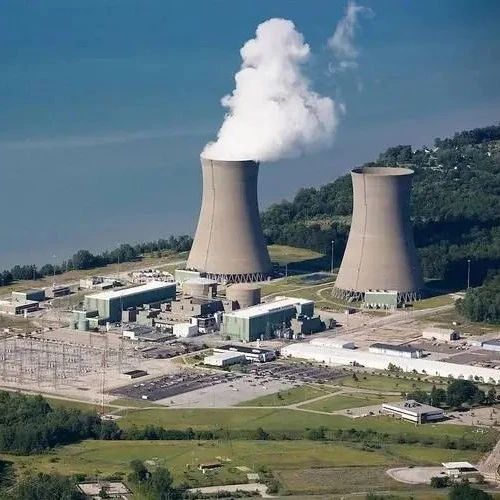
美国核能复兴已经到来,接下来会发生什么?
Hua Er Jie Jian Wen· 2025-08-18 13:09
Core Insights - The revival of nuclear energy in the U.S. is becoming clearer, reshaping the energy structure and potentially restructuring the global nuclear industry chain [1][2] - The growth in nuclear capacity is expected to reach 150 GW by 2050, driven by policy support, market demand, and technological advancements [4] Group 1: Policy and Market Drivers - The revival of U.S. nuclear energy is supported by federal and state government policies, including tax incentives, subsidies, and streamlined approval processes [2] - The increasing demand for stable, efficient, and low-carbon energy from data centers, driven by the growth of AI and cloud computing, is creating new opportunities for nuclear energy [2] Group 2: Challenges in Large Projects - Large nuclear projects face challenges such as long construction periods and cost overruns, often taking over 10 years to complete [3] - Despite these challenges, there is rapid progress in extending the life of existing nuclear units and restarting projects, with small modular reactors (SMRs) seen as a key solution to growth bottlenecks [3] Group 3: Capacity Expansion and Technological Innovation - The projected increase in nuclear capacity to 150 GW by 2050 will rely on the longevity of existing units, the scaling of SMRs, and efficiency improvements from technological advancements [4] - The exploration of diverse nuclear energy paths, including fourth-generation nuclear technology and nuclear fusion, indicates a strong interest in technological breakthroughs [4] Group 4: Cost Comparison with Natural Gas - Nuclear energy has a low marginal cost of electricity generation once initial investments are recovered, with fuel costs being a small portion of total operating costs [5] - In contrast, natural gas plants have shorter construction cycles and lower initial costs but are heavily impacted by fuel price volatility and have higher carbon emissions [5]
大摩闭门会-世界机器人大会向我们展示了什么?核能复兴时代已经到来
2025-08-18 01:00
Summary of Key Points from Conference Call Industry Overview - The conference call discusses advancements in the **robotics industry** and the **nuclear energy sector**. [1][8] Robotics Industry Insights - **Expansion of Applications**: Intelligent robots are transitioning from industrial manufacturing to commercial services, showcasing potential in tasks like room cleaning, folding clothes, and selling popcorn. [1][2][5] - **Technological Improvements**: Significant enhancements in operational control and hardware capabilities were noted, with improvements in the fluidity of movements in boxing and soccer robots, as well as stability in dancing robots. [2] - **Development Bottlenecks**: Key challenges include data collection and model training, with ongoing debates about the use of virtual versus real data for training. Dexterous hands require further optimization in speed, efficiency, accuracy, and consistency. [3][4] - **Market Drivers**: The second half of the year is expected to drive the robotics sector as companies actively pursue commercial orders. [6] - **Upcoming Events**: The World Robot Sports Conference will showcase current robotic capabilities and applications, aiding in understanding the industry's status and potential. [6] - **Investor Sentiment**: Positive outlook on the robotics sector, particularly with the potential showcasing of new technologies and companies with strong sales potential, such as Yushu and Zhiyuan. [7] Nuclear Energy Sector Insights - **Revival Trends**: A significant revival in nuclear energy is underway, supported by increased policy backing, with nuclear stocks outperforming MSCI ACWI by approximately 30 percentage points. [8] - **Future Projections**: By 2050, global nuclear power capacity is projected to grow from 398 GW to 860 GW, with an investment exceeding $2 trillion, primarily in China, India, and the U.S. [3][8] - **Key Growth Areas**: The U.S. has committed to building 300 GW of nuclear capacity, with a target of achieving 150 GW. [3][8] - **Investment Opportunities**: Notable companies in the nuclear sector include CGN, NTPC, and LNT, with a focus on utility companies. [10] - **Global Trends**: Three major trends are identified: 1. Increased demand for clean energy from tech giants and data centers. 2. Geopolitical factors favoring South Korean companies in certain regions. 3. Long-term technological advancements, including small modular reactors (SMR) and fourth-generation reactors. [9] Additional Noteworthy Points - **ESG Considerations**: The proportion of ESG funds excluding nuclear energy is decreasing, currently around 2%. [8] - **Market Dynamics**: The financing environment is favorable, with initiatives like green bonds in South Korea. [8] - **Potential Winners**: Companies like Curtis Wright, Even Nova, and Rolls Royce are highlighted for their potential in long-term technological advancements in nuclear energy. [9][10]

中国铀矿大发现:从贫铀到铀矿大国,核能未来何在?
Sou Hu Cai Jing· 2025-08-17 15:24
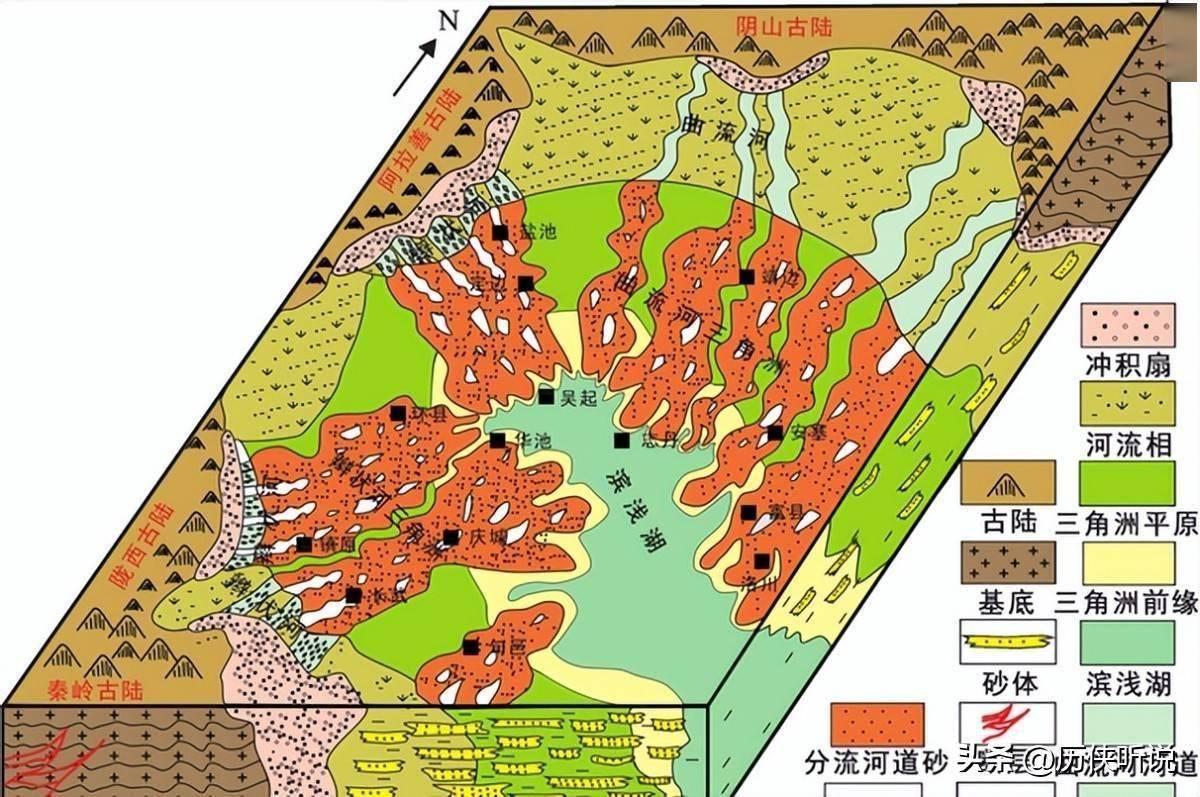
Core Insights - China is increasingly reliant on nuclear energy, especially during the critical period of energy structure transformation, facing challenges due to past uranium resource scarcity [1] - The historical development of China's nuclear industry began with minimal uranium exploration, leading to significant reliance on imports for energy security [1][3] - Recent breakthroughs in uranium exploration have shifted focus to previously overlooked sedimentary basins, enhancing domestic uranium resource availability [5][7] Group 1: Historical Context - In the early years of the People's Republic of China, uranium exploration started from scratch, with the first significant discovery occurring in 1957 at the 711 mine in Hunan [1] - By 2009, China's total uranium resource was only 174,000 tons, while annual demand reached 9,830 tons, resulting in 80% reliance on imports [3] Group 2: Recent Developments - Geologists have identified rich uranium resources in northern and northwestern sedimentary basins, such as the Ordos and Songliao basins, which were previously neglected [5] - The discovery of the Daying uranium deposit in the Ordos basin in 2013, with reserves exceeding 50,000 tons, marked a significant shift in China's uranium mining landscape [7] - The emergence of multiple large uranium deposits in regions like the Songliao and Tarim basins has significantly increased China's uranium resource reserves and self-sufficiency [7] Group 3: Future Outlook - China has transformed from a "poor uranium country" to a major uranium producer, with ongoing innovations in mining technology and increasing resource reserves promising a brighter future for its nuclear power industry [9] - This transformation highlights China's capabilities in independent innovation and technical strength in the nuclear energy sector, presenting new opportunities and challenges in the global energy market [9]
创新能力:自立自强有底气
Jing Ji Ri Bao· 2025-08-16 21:47
Core Viewpoint - The article emphasizes China's commitment to advancing technological self-reliance and innovation during the "14th Five-Year Plan" period, highlighting significant achievements in research and development, as well as the establishment of a robust national innovation system [1][2][4]. Group 1: R&D Investment and Innovation Achievements - China's R&D expenditure is projected to increase by nearly 50% compared to the end of the "13th Five-Year Plan," reaching an additional 1.2 trillion yuan, with an R&D intensity of 2.68%, approaching the OECD average [2]. - The number and quality of basic research outcomes have significantly improved, with total basic research investment rising to 249.7 billion yuan, accounting for 6.91% of total R&D spending [3]. - The artificial intelligence industry in China is expected to exceed 700 billion yuan in scale, maintaining a growth rate of over 20% for several consecutive years [6]. Group 2: Technological Advancements and Industry Impact - The launch of the domestically developed general-purpose processor, Longxin 3C6000, marks a significant milestone in China's semiconductor industry, with a 72.6% increase in integrated circuit production compared to the end of the "13th Five-Year Plan," adding approximately 190 billion units [5]. - The aerospace sector has seen substantial growth, with the number of civil unmanned aerial vehicle companies reaching 809 and product numbers exceeding 3.74 million [7]. - The automotive industry achieved record production and sales, with new energy vehicles accounting for 44.3% of total new car sales in the first half of the year [7]. Group 3: Strategic Goals and Future Directions - The 20th National Congress of the Communist Party of China set a strategic goal for achieving high-level technological self-reliance and building a strong technological nation by 2035 [8]. - The establishment of the Central Science and Technology Committee and the restructuring of the Ministry of Science and Technology aim to enhance the management and leadership of scientific research [10]. - The focus on nurturing young talent in scientific research is evident, with over 5 million graduates in science, technology, engineering, and mathematics each year, contributing to the country's innovation capacity [12].
Where Will Oklo Be in 3 Years?
The Motley Fool· 2025-08-15 10:15
The excitement even extends beyond our planet, with Sean Duffy, Secretary of the Department of Transportation and acting National Aeronautics and Space Administration (NASA) administrator, floating the idea of using nuclear power on the Moon. Oklo aims to revolutionize nuclear energy. Here's what investors can expect from the company over the next few years. Nuclear energy stocks are heating up, and for good reason. This year, U.S. President Donald Trump has put nuclear power in the spotlight, and countries ...

“十四五”能源创新:多轮驱动的能源供应体系构建
Xin Hua Wang· 2025-08-15 06:38
Strategic Background - Energy security and green transition are dual challenges faced by the industry, necessitating the establishment of a modern energy system as outlined in the "14th Five-Year Plan" [2][11] - China's reliance on imported energy is significant, with oil and natural gas dependency rates at 72% and 45% respectively, highlighting the risks associated with external supply uncertainties [2][3] - The urgency of achieving carbon peak by 2030 and carbon neutrality by 2060 imposes immediate requirements for energy structure adjustment and green transformation [2][3] Multi-Wheel Drive Strategy - The "multi-wheel drive" strategy leverages the unique advantages of various energy types, positioning coal as the "ballast stone" for energy security, oil and gas as stabilizers, nuclear energy as a base-load power source, and renewable energy as a growth driver [3][4] - This strategy aims to create a resilient and low-carbon energy supply system through the complementary advantages and collaborative innovation of different energy types [3][4] Energy Supply System Development - During the "14th Five-Year" period, China is promoting the coordinated development of coal, oil, gas, nuclear, and renewable energy through technological innovation and industrial upgrades [4][5] - Coal's clean and efficient utilization is emphasized, with initiatives to enhance efficiency and reduce emissions through advanced technologies like ultra-supercritical power generation [4][5] - Oil and gas sector reforms are underway to optimize the market system, enhancing resource allocation efficiency and supply stability [4][5] Future Outlook - Renewable energy will be the primary focus for high-quality development in the energy transition, with significant advancements expected in wind and solar power [8][9] - Traditional energy sources will continue to play a crucial role in ensuring energy security, with efforts to enhance clean utilization technologies and develop unconventional oil and gas resources [9][10] - The integration of energy technology and innovation will drive the intelligent upgrade of the energy system, improving efficiency and flexibility across the energy production, transmission, and consumption chain [10][11]