
电动汽车

Search documents
炸裂!马斯克成人类史上首位7000亿美元富豪,超第二名5000亿
华尔街见闻· 2025-12-21 11:47
Core Insights - Elon Musk's personal net worth has surged to $749 billion, making him the first individual in history to surpass a net worth of $700 billion [2] - This milestone in wealth growth is attributed to a ruling by the Delaware Supreme Court, which reinstated previously revoked Tesla stock options valued at $139 billion [3][4] - The court deemed the 2024 ruling that annulled Musk's compensation plan as improper and unfair, resulting in a single-day increase of $139 billion in his net worth [4] Summary by Sections Wealth Increase - Musk's wealth now exceeds that of the second richest person, Google co-founder Larry Page, by nearly $500 billion, solidifying his position as the world's richest individual [5][15] - The compensation plan, initially valued at $56 billion, has grown to $139 billion due to the rise in Tesla's stock price [9] Legal and Compensation Developments - Musk's 2018 compensation plan has faced a tumultuous judicial review process, having been deemed invalid by a lower court two years ago due to its excessive scale and procedural issues [6][7] - The recent ruling by the Delaware Supreme Court overturned the lower court's decision, allowing the compensation plan to remain in effect [8] Company Valuation and Future Prospects - Reports suggest that Musk's aerospace startup, SpaceX, is planning an internal share sale, with a potential valuation reaching $800 billion, making it the highest-valued private company globally [11][12] - Tesla shareholders have approved a $1 trillion compensation plan, the largest corporate compensation scheme in history, reflecting investor confidence in Musk's vision of transforming Tesla into a leader in AI and robotics [13][14] Wealth Disparity - The wealth gap between Musk and the second richest individual has reached nearly $500 billion, marking the largest wealth divide on the global billionaire list [15] - This disparity is comparable to the annual GDP of a medium-sized developed country [16]



彭博商业周刊:美国需要认识到对中国没有“赢”的可能
美股IPO· 2025-12-21 10:55
Core Argument - The article argues that the notion of "winning" against China is misguided, as China has proven to be a formidable competitor with significant advantages in various sectors, particularly in technology and manufacturing [1][4][6]. Group 1: China's Economic Strengths - China has demonstrated resilience against U.S. pressures, showcasing its ability to maintain and expand its competitive advantages in key industries such as electric vehicles, clean energy, and robotics [6][12]. - The trade dispute highlighted China's control over the rare earth mineral supply chain, which is critical for numerous U.S. industries, including electric vehicles and consumer electronics [9][11]. - China's solar power capacity is double that of the combined capacity of the U.S. and Europe, and it produces 70% of the world's electric vehicles [12][13]. Group 2: Technological Advancements - China is leading in quantum communication and making rapid advancements in quantum computing and sensing, while also surpassing other countries in AI-related patents [13]. - The ability of China to scale technology quickly and apply it across various economic sectors is a significant advantage, particularly in electric vehicles and renewable energy [13][14]. - Chinese companies like DJI dominate the commercial drone market, holding a 70% share, while the U.S. lags in military drone technology [12][14]. Group 3: Military Developments - Although the U.S. maintains the strongest military force, China is rapidly catching up, having produced more vessels in the past year than the U.S. has since World War II [14]. - China's nuclear arsenal has doubled since 2020, and it has enhanced its submarine capabilities, indicating a significant military buildup [14]. Group 4: Changing Perceptions in the U.S. - There is a noticeable shift in American perceptions of China, with fewer people viewing it as an enemy compared to previous years, possibly influenced by cultural exchanges and the relative stability of China compared to U.S. political turmoil [14].
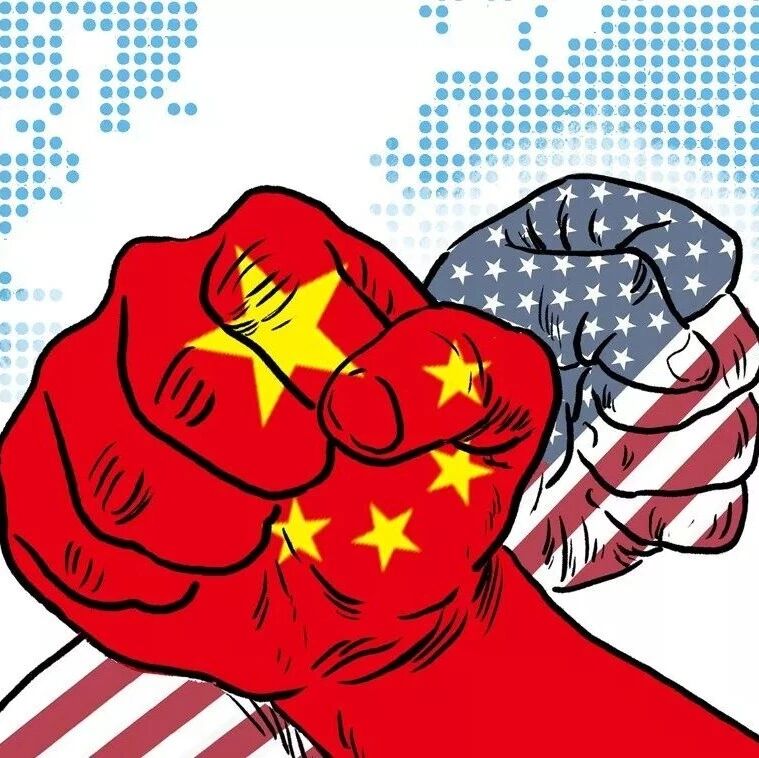
中方对欧加税不到24小时,马克龙通告全球,欧盟必须对华开放
Sou Hu Cai Jing· 2025-12-21 07:42
Group 1 - The Chinese Ministry of Commerce announced an anti-dumping tax on imported pork from the EU, with rates ranging from 4.9% to 19.8%, highlighting the complexities in China-EU trade relations [1] - EU pork has long relied on government subsidies to enter the Chinese market at low prices, impacting domestic farming in China, where some farmers report that the subsidized prices are below their production costs [1] - The Chinese tariff measures are seen as a legitimate protection of domestic industry under WTO rules, aimed at ensuring the sustainable development of local farming [1] Group 2 - Following the tax announcement, French President Macron emphasized the need for the EU to maintain an open policy towards China and attract Chinese investment, acknowledging the imbalance in EU-China trade due to the EU's own productivity issues [3][5] - Analysts suggest that China's anti-dumping measures reflect a commitment to international rules and serve as a reciprocal response to EU protectionist actions in the electric vehicle sector [3] - Macron's pragmatic shift indicates a recognition that excessive reliance on the Chinese market and supply chains is unsustainable, advocating for open cooperation instead of tariffs and quotas [5] Group 3 - The interaction between the tariff announcement and Macron's statements signals that unilateralism and double standards are increasingly untenable in the global trade system [5] - China's response to unfair competition demonstrates that effective action is to respond decisively based on international rules while maintaining an open stance [5] - The future of economic globalization is expected to focus more on rules and balance, entering a new phase that emphasizes fair competition and mutual growth among nations [5]

薪酬案逆转助推 马斯克净资产飙升至7490亿美元
Huan Qiu Wang Zi Xun· 2025-12-21 01:42
Core Insights - Elon Musk's net worth has surpassed $700 billion, setting a personal wealth record following a court ruling that reinstated a $56 billion Tesla stock option plan [1][3] - The Delaware Supreme Court deemed the previous decision to revoke Musk's compensation plan as unfair, leading to a significant increase in his wealth [3] - The reinstated stock option plan is valued at $139 billion, contributing to Musk's current net worth of approximately $749 billion (around 5.28 trillion RMB) [3] Company Developments - Tesla shareholders approved a long-term incentive plan for Musk, potentially worth up to $1 trillion, marking it as the largest compensation plan in corporate history [3] - This approval reflects investor confidence in Musk's vision to transform Tesla from an electric vehicle manufacturer into a leader in artificial intelligence and robotics [3] Market Position - Musk's wealth now exceeds that of Google's co-founder Larry Page by nearly $500 billion, highlighting his dominant position among the world's wealthiest individuals [3] - Recent rumors regarding the potential IPO of Musk's space exploration company, SpaceX, have also contributed to his financial ascent [3]
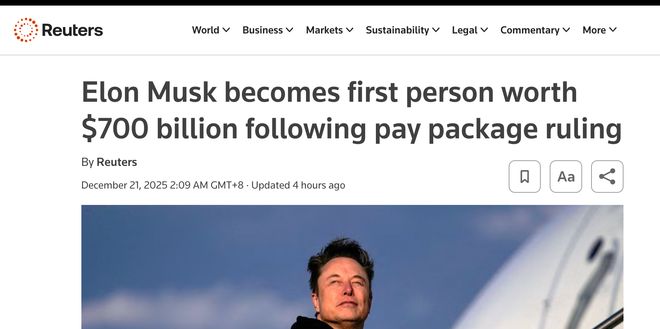
薪酬方案裁决落地 埃隆・马斯克成全球首位身家超 7000 亿美元人士
Xin Lang Cai Jing· 2025-12-20 22:52
据《福布斯》亿万富豪指数显示,特拉华州最高法院恢复了去年被作废的价值 1390 亿美元特斯拉股票 期权后,特斯拉首席执行官埃隆・马斯克的身家于上周五晚间飙升至 7490 亿美元。 马斯克 2018 年的薪酬方案曾价值 560 亿美元,两年前被下级法院认定 "离谱" 而驳回,如今特拉华州最 高法院于本周五宣布恢复该方案。 最高法院表示,2024 年撤销这份薪酬方案的裁决存在不当之处,且对马斯克有失公允。 本周早些时候,有报道称其航天初创企业太空探索技术公司(SpaceX)或即将上市,随后马斯克的身 家突破 6000 亿美元,成为全球首位达成该成就的富豪。 今年 11 月,特斯拉股东还以独立投票的方式批准了一项面向马斯克的价值 1 万亿美元薪酬计划,这一 方案创下全球企业薪酬规模之最。投资者此举意在认可马斯克的愿景 —— 将这家电动汽车制造商转型 为人工智能及机器人领域的巨头。 据《福布斯》亿万富豪榜单数据,马斯克目前的身家已远超全球第二富豪、谷歌联合创始人拉里・佩 奇,领先优势接近 5000 亿美元。 责任编辑:王许宁 据《福布斯》亿万富豪指数显示,特拉华州最高法院恢复了去年被作废的价值 1390 亿美元特斯拉 ...
全球富豪榜揭晓:美首富造火箭,俄首富搞天然气,中国首富在干啥
Sou Hu Cai Jing· 2025-12-20 10:46
Group 1: Wealth Overview - In 2025, the number of billionaires worldwide surpassed 3000 for the first time, reaching 3028 individuals, with a total wealth of $16.1 trillion, exceeding the GDP of any country outside the US and China [3][9] - The wealth of the top 15 billionaires exceeds $2.4 trillion, which is greater than the combined wealth of the bottom 1500 billionaires [3] - The number of billionaires in Russia reached 140, with a total wealth of $580 billion, primarily concentrated in the energy sector [18][20] Group 2: Key Billionaires - Elon Musk, CEO of Tesla, has a net worth of $483 billion, with significant contributions from Tesla, SpaceX, and xAI [7] - Larry Page and Sergey Brin, co-founders of Google, have net worths of $262 billion and $242 billion respectively, reflecting the dominance of tech giants in wealth accumulation [7][8] - Jeff Bezos, founder of Amazon, has a net worth of $245 billion, while Mark Zuckerberg of Meta has $222 billion [8][15] Group 3: Regional Wealth Dynamics - The US leads with 902 billionaires, followed by China with 823, and India with 205 [9] - Singapore is emerging as a haven for new billionaires, attracting global capital [9] - The wealth growth in China is driven by consumer-oriented businesses, with a notable increase in self-made billionaires [20][24] Group 4: Industry Insights - Musk's business empire spans electric vehicles, aerospace, social media, and artificial intelligence, with SpaceX valued over $200 billion [12][15] - The energy sector remains central to Russian wealth, with companies like Lukoil producing over 80 million tons of oil annually [16][18] - The beverage industry in China, led by Zhong Shanshan of Nongfu Spring, highlights the success of consumer-focused businesses, with his wealth reaching $771 billion [20][22] Group 5: Future Trends - The Asia-Pacific region is becoming a new engine for wealth growth, with a significant increase in billionaires and total wealth [31] - The transfer of wealth is expected to reshape the business landscape, with an estimated $6.9 trillion to be inherited globally by 2040 [31][33] - The technology sector is projected to continue leading wealth creation, with increasing interest in Chinese tech developments [33]



马斯克560亿美元薪酬方案恢复,特斯拉方面未予置评,马斯克:被证明是清白的
Sou Hu Cai Jing· 2025-12-20 09:26
Core Viewpoint - The Delaware Supreme Court ruled that Elon Musk's $56 billion compensation plan must be reinstated, reversing a lower court's decision that deemed it too extreme [1][3]. Group 1: Court Rulings and Legal Context - The Delaware Supreme Court stated that the lower court did not allow Tesla the opportunity to explain how the compensation was fair [1]. - The initial compensation plan, approved by Tesla's board and shareholders in 2018, was valued at approximately $56 billion and included 12 performance targets for stock options [3]. - The lower court had previously ruled the compensation plan invalid, but the Delaware Supreme Court's recent ruling may end years of disputes regarding Musk's high compensation [3][4]. Group 2: Compensation Plan Details - The original $56 billion compensation plan has increased in value to about $140 billion, and if Musk exercises all stock options, his ownership stake could rise to 18.1% [3]. - A new compensation plan, approved by over 75% of shareholders, could potentially value Musk's stock at $1 trillion, with a target of 12 performance metrics [5]. - Tesla's shareholders had previously created a "Plan B" to allow Musk to purchase approximately 96 million shares at the price set by the original compensation plan, but this plan is now void [5]. Group 3: Corporate Governance and Future Implications - To prevent future lawsuits from shareholders, Tesla has relocated its corporate registration from Delaware to Texas, implementing laws that restrict lawsuits from investors holding less than 3% of shares [5]. - Musk's current ownership in Tesla is approximately 13%, and he has been declared the world's first person with a net worth exceeding $600 billion [7].
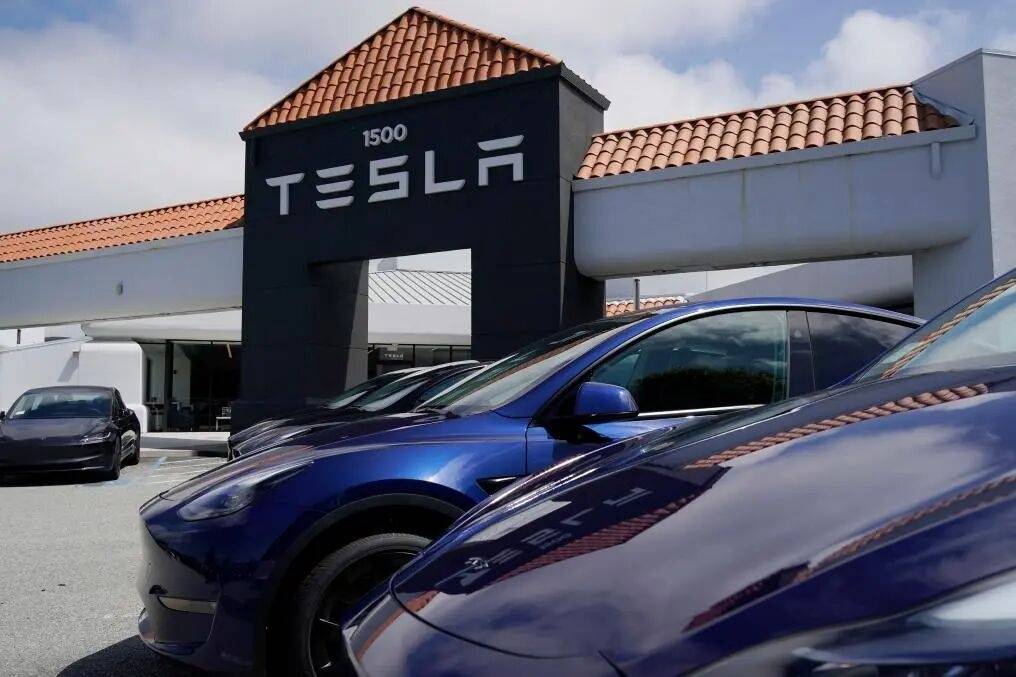
陈春花:2026年的经营关键词
Jing Ji Guan Cha Bao· 2025-12-20 07:17
Core Insights - The future business environment in 2026 will be shaped by a combination of global dynamics, technological advancements, policy regulations, and societal expectations, emphasizing the importance of human connections in business [1][3][12] Group 1: Economic Climate - The global economy is on a path of moderate recovery, undergoing structural reorganization influenced by central bank monetary policies and geopolitical factors, which will affect capital costs and corporate financing [1][2] - China is focusing on "high-quality development," with 2026 marking a harvest period for the 14th Five-Year Plan and a sowing period for the 15th, emphasizing innovation, supply chain resilience, data security, and financial stability [2] Group 2: Technological Revolution - Technological breakthroughs are transitioning from being influencing factors to decisive variables, with AI becoming integral across industries, and advancements in energy systems and life sciences accelerating commercialization [3][8] - The emergence of new roles such as AI caretakers and ethical guardians will enhance the relationship between humans and technology, fostering a warmer and more trustworthy interaction [8][10] Group 3: Competitive Landscape - The market is finding a new balance between clear regulatory frameworks and the normalization of cross-industry integration, leading to a more transparent and fair competitive environment [5][10] - Consumers are evolving into discerning decision-makers who value emotional connections with brands, prompting companies to shift from mere product providers to experience creators [7][10] Group 4: Organizational Health - Companies must invest in their workforce, focusing on skill enhancement and fostering a sense of purpose and trust, which are essential for organizational resilience and adaptability [11][12] - A healthy organization is characterized by agile connections, intelligent redundancy, and a strong value system that guides its direction amidst change [11][12] Group 5: Business Essence - The essence of business in 2026 will revolve around creating genuine value for customers, providing growth opportunities for employees, and ensuring sustainable practices for society [12][13] - Companies are encouraged to embrace complexity with humility and openness, building a solid foundation for sustainable development through resilient coexistence and meaningful innovation [13]
张健:对华经贸合作,欧洲需要更开放
Huan Qiu Wang· 2025-12-19 22:57
中欧本应是一对天然的合作伙伴,完全可以相互成就,共同发展。当前,中欧仍在就电动汽车问题进行 磋商,就如中国商务部所说,希望欧方真正拿出诚意,尽早解决电动汽车关税问题。这将是欧盟能否转 变心态、以开放促发展的试金石。(作者是中国现代国际关系研究院副院长) 简而言之,开放能带来进步,开放能带来发展,中英电动汽车领域的合作已经给两国带来显著效益,未 来也必将带来更大的好处。从这一角度来看,欧盟确实应该向英国学习。过去几年,欧盟因为经济困 难,保护主义持续抬头,堡垒化的趋向愈发明显。欧盟以所谓反补贴为由,对中国电动汽车加征关税; 以各种莫须有的名义,频繁针对中国企业进行歧视性的突袭式搜查、调查等,严重毒化了中欧之间的经 贸氛围。 欧盟的确面临严峻经济挑战,特别是竞争力下滑问题,但欧盟应更多从自身找原因,而不是去找替罪 羊。事实上,欧盟很多经济学家和政治领导人也都认识到这一问题,即欧盟需要强化统一大市场建设, 减少过度的监管等等。《提升欧洲竞争力》报告的作者、欧洲央行前行长德拉吉就提醒欧盟不要搞保护 主义。将自身困境归咎于他国显然解决不了自身问题,反而会让问题更加复杂难解。封闭保护更像是饮 鸩止渴,保护了一时,保不了长 ...
泡沫隐忧与稳健标的:2026年科技股走势前瞻
Xin Lang Cai Jing· 2025-12-19 16:20
Core Insights - 2025 is expected to be a pivotal year for investors, with the expansion of the artificial intelligence (AI) trend and increasing market concerns about potential bubbles in tech stocks and the disruptive impact of AI technology [1][9] - Despite strong stock price increases for tech giants like Alphabet and Nvidia, sectors such as memory chips and hard drives are emerging as superior investment opportunities [1][8] - The sustainability of massive investments in AI computing power and the ability to generate reasonable returns are under unprecedented scrutiny as the US stock market enters its fourth year of a bull run [9] New Cloud Service Providers' Anxiety - New cloud service providers focused on AI-customized services are expected to be market focal points in 2025, but by 2026, they may become indicators of AI bubble risks [2][10] - OpenAI's ongoing inability to achieve profitability raises doubts about its capacity to fulfill substantial spending commitments, including a $300 billion cloud computing agreement with Oracle [2][10] - Oracle's stock has dropped over 45% since peaking in September, primarily due to risks associated with OpenAI, although it saw a 6% increase following news of a TikTok acquisition [2][10] Decline of New Cloud Service Providers - CoreWeave's market value has shrunk by about two-thirds since its peak in June, while Nebius Group's stock has fallen over 42% from its October high [3][11] Undervalued "Traditional Tech" - Investors are discovering new investment avenues by following the flow of hundreds of billions in capital expenditures in the AI sector, with companies like SanDisk, Western Digital, and Seagate leading the S&P 500 annual gainers [4][12] - The trend of increasing capital expenditures is expected to continue into 2026, with more investors focusing on undervalued software stocks [4][12] - The emergence of investment highlights in edge technology is noted, as a complete ecosystem around AI infrastructure is gradually forming [4][12] Software Sector's Struggles - Despite attractive valuations, software stocks have not effectively attracted investors, particularly SaaS companies, which have faced significant declines due to fears of being disrupted by AI [5][12] - The introduction of AI tools like ChatGPT and Google's Gemini is eroding market demand and pricing power for traditional software products [5][12] - Analysts indicate that AI poses an existential competitive threat to certain software companies, with the battle for dominance among AI chatbots and intelligent agents becoming a core industry battleground [5][13] Continued Weakness in Software Sector - The decline in the software sector may persist into 2026, with some analysts suggesting that the current downturn has been excessive, as SaaS companies are trading at a 30% to 40% discount to their fundamental value [14] Strong Performers: High Valuation Stocks Reaching New Highs - Concerns that high valuation stocks would stagnate in 2025 have proven unfounded, as companies like Palantir have seen stock price increases despite high P/E ratios exceeding 200 [6][15] - Palantir's stock ranks eighth in the S&P 500 with a nearly 150% increase, and analysts expect a 43% revenue surge in 2026 [6][15] - Tesla, despite facing valuation controversies and challenges, has reached historical highs, driven by investor confidence in its future prospects [6][15] Outlook for 2026 - The overall landscape of the tech industry in 2026 is expected to resemble that of the previous year, with high valuations but real growth opportunities [7][16] - The ability of companies to deliver on performance promises will be crucial for driving stock prices higher, as market expectations are already elevated [7][16]
