咖啡

Search documents
咖啡行业进入0脂时代 挪瓦咖啡推出0脂拿铁
Jing Ji Guan Cha Bao· 2025-09-23 05:41
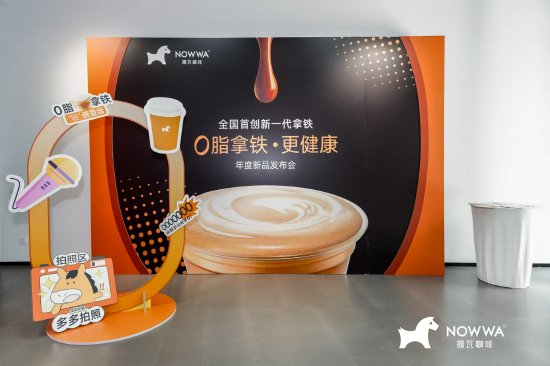
Core Viewpoint - Nova Coffee has launched a zero-fat latte, marking a significant shift in the coffee industry towards healthier options, addressing consumer concerns about weight management while enjoying coffee [1] Group 1: Product Innovation - The zero-fat latte is made from high-quality raw milk and utilizes advanced membrane concentration technology to reduce fat while maintaining a protein content of 3.5 grams per 100 milliliters, equivalent to two eggs [1] - The product combines rich milk flavor with award-winning coffee beans, achieving a balance between health and taste [1] - Prior to the zero-fat latte, Nova Coffee introduced other health-focused beverages such as low-sugar coconut lattes and lactose-free A2 lattes to meet consumer demands for tasty yet low-calorie options [1] Group 2: Market Position and Expansion - Founded in 2019, Nova Coffee has rapidly expanded to over 7,000 stores across more than 300 cities, including Southeast Asia and Australia, positioning itself among the top five global coffee chains [2]
东博会搭台,中外企业双向奔赴谋共赢(环球热点)
Ren Min Ri Bao· 2025-09-22 22:50
Group 1: Event Overview - The 22nd China-ASEAN Expo concluded with over 700 achievements, including more than 500 economic and trade project signings and over 270 multi-field results [1] - A total of 3,260 exhibiting companies from 60 countries participated, highlighting the event's international appeal [1] Group 2: Economic Impact - The RCEP agreement has reduced trade barriers, expedited customs processes, and provided tax incentives, leading to significant cost savings for businesses [2] - From January to July 2023, trade between China and ASEAN reached $597 billion, marking an 8.2% year-on-year increase [7] - By July 2025, cumulative bilateral investment between China and ASEAN is expected to exceed $450 billion [7] Group 3: Industry Participation - The AI technology sector showcased innovative products, including smart glasses and humanoid robots, indicating a shift towards digital and intelligent solutions [4][5] - Companies from ASEAN countries, such as Vietnam and Laos, reported increased sales and customer engagement through participation in the expo [2] Group 4: Future Opportunities - The expo serves as a platform for unlocking new cooperation possibilities, with businesses expressing confidence in expanding their markets through RCEP's favorable policies [8] - Companies are looking to deepen their integration into regional supply chains and enhance their technological capabilities through partnerships formed at the expo [8][9]
2025中国新消费品牌势能创新增长研究白皮书
Sou Hu Cai Jing· 2025-09-22 15:57
Core Insights - The report highlights the failure of traditional brand marketing models in the new commercial era, emphasizing that new consumer brands achieve exponential growth through innovative strategies [1][10][16] - It introduces the PMC (Potential Marketing Communication) model, which focuses on customer value innovation, niche market penetration, and content marketing as key drivers for brand growth [1][16][48] Group 1: Market Environment Changes - The competitive landscape has dramatically shifted, leading to the decline of traditional brands and the rise of new consumer groups and consumption ideologies [1][10][14] - New consumer brands are not relying on traditional advertising but are instead focusing on value innovation and brand engagement to drive growth [1][10][46] Group 2: Case Studies of New Consumer Brands - High Fan achieved the top position in high-end down jackets within three years, breaking the 2000 price barrier with innovative materials and marketing strategies [1][18] - Li Du created the most expensive light bottle liquor in China, becoming the first liquor stock in Hong Kong, with a tax revenue increase of 100 times over ten years [1][19][21] - Orange Du led the domestic makeup market, achieving significant sales growth by expanding product categories and targeting diverse consumer demographics [1][22][24] - Babycare entered the top tier of the mother and baby market within three years, offering a wide range of products and achieving over 50 billion in sales by 2024 [1][26][28] - Three Dots Half surpassed Nestlé in the instant coffee market, achieving a valuation of 4.5 billion with innovative product offerings and marketing strategies [1][29][30] - Lululemon's market value surpassed Adidas, becoming the third-largest sports brand globally, with a revenue increase of 19% in 2023 [1][31][35] - Tineco achieved a valuation of 10 billion within five years by redefining the cleaning appliance market through user-centric innovations [1][36][37] - De You created a new category in wet toilet paper, achieving over tenfold growth in four years, with a market share exceeding 50% [1][38][40] - NIO became the highest-valued car company in China within six years, surpassing traditional automotive giants through innovative branding and customer engagement strategies [1][41][42] Group 3: New Marketing Strategies - The shift from advertising to customer value innovation is a fundamental change in brand building, with a focus on creating star products and enhancing consumer experience [1][47] - Niche market selection has become the primary path for new consumer brands, allowing them to build competitive advantages in less saturated markets [1][48] - High-end strategies have led to exponential growth for many new consumer brands, emphasizing the importance of brand equity and emotional connection with consumers [1][49]


挪瓦咖啡首创0脂拿铁,定义健康咖啡新标准
Xin Lang Cai Jing· 2025-09-22 09:16
Core Insights - Nova Coffee has launched the world's first zero-fat latte, setting a new standard for healthy coffee and leading the industry into the zero-fat era [2] - The zero-fat latte is made from high-quality raw milk and utilizes advanced membrane concentration technology, achieving 3.5g of high-quality protein per 100ml, equivalent to two eggs [2] - The company has over 7,000 stores across more than 300 cities, including Macau, and has expanded into Southeast Asia and Australia [2] Product Performance - The launch of the zero-fat latte aims to provide a delicious taste without the concern of weight gain for consumers [2] - Nova Coffee has previously introduced innovative products such as Super Fruit and Vegetable Coffee and Ton Ton Barrel [2] Marketing Success - A collaboration with the trendy brand Wakuku resulted in nearly 1,000 cups sold daily on the launch day, with the co-branded package selling out in advance and a 1,100% increase in member acquisition efficiency compared to the previous week [2] - On the day of the autumn equinox, order volume increased by 458% year-on-year, with some stores seeing sales growth exceeding 1,000% and multiple cities experiencing order increases over 600% [2] - Nearly 70% of cities reported order growth exceeding 200%, setting new sales records for the brand [2]
库迪咖啡在安徽新设物流和运输公司
Zheng Quan Shi Bao Wang· 2025-09-22 09:09
人民财讯9月22日电,企查查APP显示,近日,库迪物流(安徽)有限公司、库迪运输(安徽)有限公司成 立,注册资本均为1000万元。企查查股权穿透显示,上述两家公司均由库迪供应链(安徽)有限公司全资 持股。 ...
GridCoffee“2025年云南产地季”营收同比增长近三成 门店数量将突破百家
Zheng Quan Ri Bao Wang· 2025-09-22 08:46
本报讯 (记者梁傲男)在9月份启动的2025年云南产地季期间,GridCoffee推出了来自云南秋珀庄园、 佐园、德宏侏椤庄园的三款精品咖啡豆,以及品牌自持"莺歌2025",5款限定产品定价区间30元至36 元,上线以来拉动整体营收同比增长近30%,印证了市场端对于云南精品咖啡的消费意愿。 今年,全球精品咖啡生豆赛事Cup of Excellence(以下简称"卓越杯")首次在云南举办试点赛,标志着 云南咖啡正式被纳入国际精品咖啡的评审体系。近日,Grid Coffee携手卓越杯云南试点赛冠军秋珀庄 园,在北京举办分享会,与大家分享云南咖啡产地的成长故事。 GridCoffee定位"单一产地咖啡",自创立起就坚信云南咖啡拥有足以迈入世界精品咖啡体系的实力与潜 质,亦从创立之初就深耕云南产区,每年举办一次"中国云南产地季"活动,通过产地溯源、产品开发, 制作《追山羊》专题杂志及丰富的文化周边,系统性地传递云南风土的丰富层次和精品潜力,推动云南 咖啡进入主流精品市场视野,强调其在全球精品咖啡语境中的中高端定位与文化表达的潜力。 GridCoffee方面对记者表示,今年10月份,品牌在中国将突破100家门店。 ...
第二十二届中国—东盟博览会取得成果超700项 共享机遇,共促未来,构建更为紧密的中国—东盟命运共同体
Ren Min Ri Bao· 2025-09-21 22:21
Group 1: Event Overview - The 22nd China-ASEAN Expo and China-ASEAN Business and Investment Summit concluded in Nanning, Guangxi, attracting 3,260 enterprises from 60 countries and regions, with a record attendance of 226,000 [1] - Over 700 outcomes were achieved, including more than 500 economic and trade project signings, indicating a deepening of China-ASEAN cooperation [1] Group 2: Technological Innovations - The expo featured a dedicated AI pavilion covering 10,000 square meters, showcasing around 1,200 exhibits, with a trade turnover exceeding 140 million RMB [2] - Companies presented advanced AI applications, including real-time translation glasses and drones, highlighting the growing integration of technology in various sectors [2][3] Group 3: Economic Opportunities - The RCEP and the upgraded China-ASEAN Free Trade Area 3.0 are facilitating easier market access for products like Malaysian durians and Vietnamese coffee, enhancing trade efficiency [4][5] - CuberAI showcased AI-driven cross-border logistics solutions, emphasizing the potential for AI applications in improving trade processes between ASEAN countries and China [3] Group 4: Cultural Exchange and Future Cooperation - The event included cultural activities that fostered people-to-people connections, which are essential for strengthening economic ties [6][7] - The focus on youth collaboration was highlighted, with initiatives aimed at building a community of future leaders to enhance long-term relations between ASEAN and China [7]

王守诚出任永辉超市CEO;“鸭脖大王”绝味食品拟被ST;海蓝之谜等品牌撤下全智贤代言内容 | 品牌周报
36氪未来消费· 2025-09-21 08:46
Group 1 - The outdoor brand Arc'teryx collaborated with artist Cai Guoqiang to launch an art fireworks project in the Himalayas, which sparked significant controversy due to environmental concerns [3] - The project used biodegradable materials for fireworks, but critics questioned the actual effectiveness of these materials and the potential environmental impact [3] - Following the backlash, Arc'teryx and Cai Guoqiang's studio issued an apology and removed related content from social media platforms [3][4] Group 2 - Yonghui Supermarket appointed Wang Shoucheng as CEO, who has been with the company since 2017 and has held various positions [5] - The company reported a revenue decline of 20.73% year-on-year for the first half of 2025, with a net loss of 241 million yuan compared to a profit of 275 million yuan in the same period last year [5][6] Group 3 - Jewei Food, known as the "Duck Neck King," received an administrative penalty notice for false financial reporting, leading to a potential ST (special treatment) status for its stock [8] - The company reported a revenue decline of 15.57% year-on-year for the first half of 2025, with a net profit decrease of 40.71% [10] - Jewei Food has seen a reduction of approximately 4,000 stores over the past year, impacting its overall performance [10] Group 4 - M Stand opened a new concept store in Shanghai, introducing innovative food products and a "day coffee, night bar" operational model [12] - Gap officially entered the beauty and personal care market, launching beauty sections in 150 Old Navy stores, with a focus on affordable products [14][15] - The beauty and personal care market in the U.S. is projected to exceed $100 billion by 2025, indicating significant growth potential [15] Group 5 - Lucky Coffee has expanded its presence in Beijing, reaching 70 stores, and has signed over 1,200 new stores nationwide in July [18] - Bawang Tea Ji opened its second store in North America, located in a major shopping center in Los Angeles, and plans to open its 200th store in Malaysia [19] - Salia plans to expand its breakfast menu across Japan by 2027, responding to consumer feedback [20] Group 6 - Deji Plaza is accelerating its expansion with the establishment of two new companies focused on commercial complex management and outlet development [21]



“浓奶茶”有了新爆款!3天卖断货,全网催上架
东京烘焙职业人· 2025-09-21 08:32
以下文章来源于咖门 ,作者张瑾 咖门 . 聚焦茶饮、咖啡行业,关注饮品新风潮 可可,正 以意想不到的热度 掀起消费潮 。 8月底,1点点 限时回归 可可芭蕾,不到3天多地门店纷纷断货,网友"求重新上架"的呼声刷屏。 此外,百分茶、酸奶罐罐、周四晚、真茶屋等品牌集中上新 可可饮品 , 甚至引发"全网催更" 。 以往"冬季限定"的 可可为什么提前火了? 一杯难求、全网催货 可可饮品提前回归 还没入冬,可可就先热了起来。 "打了10家门店电话,跑了20多公里才买到!"一位博主分享自己购买1点点可可芭蕾的经历。 今年七夕前夕, 1点点官宣 限时回归 可可芭蕾 ,消息一出立刻勾起老粉 的 消费热情。 真茶屋也上架了醇香可可系列 ,其中的可可香橙冰,采用"可可粉+鲜橙"的搭配,酸甜冰爽解腻,被网友视为"神仙CP"。 酸奶罐罐 回归 薄荷巧克力酸奶昔 ,还推出轻巧酸奶昔; 楼下酸奶把可可搬进冷萃碗 ,先后上架蜜桃生巧冷萃碗、泰式海盐凤梨黑巧脆皮冷萃碗。 这款产品的 核心原料仅有可可粉与奶基底,入口是浓郁的可可风味 。不少 网友 还 自行开发隐藏菜单:加冰淇淋、奶霜、布丁、薄荷糖浆、藏青盐…… 解 锁更多可可的 创意喝法。 ...

星巴克的月饼,年年难卖年年卖
Sou Hu Cai Jing· 2025-09-21 04:09
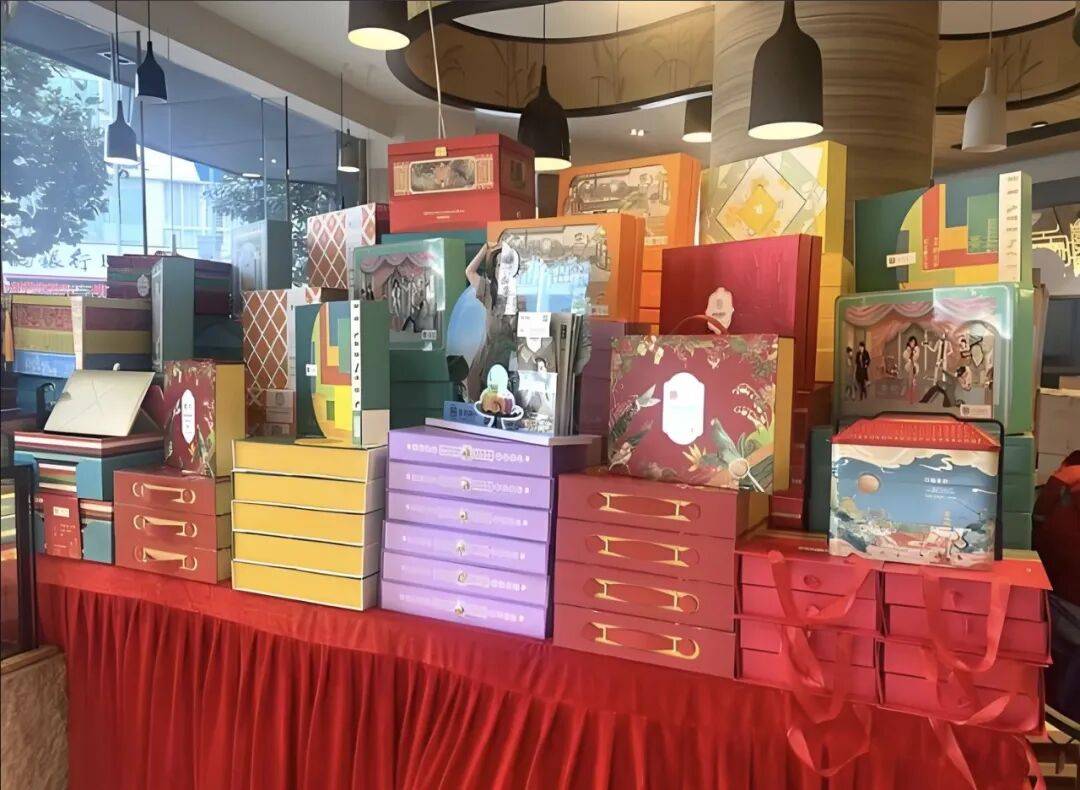
Core Viewpoint - The article highlights the internal pressure faced by Starbucks employees regarding mooncake sales, revealing a broader issue of operational challenges within the company and the retail industry as a whole [2][3][5]. Group 1: Employee Pressure and Sales Challenges - Employees at Starbucks have reported significant pressure to meet mooncake sales targets, with some resorting to purchasing mooncakes out of their own pockets, leading to financial strain [2][3]. - A survey indicated that 67% of chain restaurants impose mooncake sales targets on employees, with Starbucks facing some of the highest pressure in this regard [5]. - Despite the high profit margins of mooncakes (65%), the low repurchase rate (23%) indicates a struggle to sell these products effectively [7]. Group 2: Starbucks' Operational Struggles - Starbucks has experienced its first revenue decline in China for 2024, with same-store sales and average transaction values also decreasing, despite an increase in store count and membership [11]. - The competitive landscape has shifted, with local brands like Luckin Coffee offering significantly lower prices, leading to increased price sensitivity among consumers [11][13]. - The company's slower pace of product innovation has resulted in a perception among younger consumers that Starbucks lacks novelty, with 42% of consumers aged 18-30 expressing this sentiment [13]. Group 3: Industry-Wide Issues - The mooncake sales dilemma reflects a broader "Mid-Autumn curse" affecting the retail and dining sectors, with many businesses struggling to sell mooncakes despite their prominent marketing [14][16]. - The total production of mooncakes in China is projected at 420,000 tons for 2024, with a market value of 21.8 billion yuan, yet there are significant structural issues, including inflated prices and declining demand [16][18]. - The cultural shift away from mooncake gifting, exacerbated by anti-corruption measures, has led to a 78% decrease in reported violations related to mooncake gifts since 2019 [18][22]. Group 4: Changing Consumer Behavior - Consumer purchasing power and willingness to spend have declined, with a 23% drop in corporate mooncake procurement compared to 2023 [19][21]. - Younger consumers are increasingly favoring practical gifts over traditional mooncakes, with sales of alternative gifts like crabs and tea rising significantly [22][24]. - The traditional high-priced mooncake gift boxes are seeing a drastic decline in sales, with a 67% drop in those priced over 500 yuan since 2019, while more affordable options are gaining traction [24][26]. Group 5: Need for Industry Transformation - The article suggests that the traditional mooncake sales model needs reform, emphasizing the importance of aligning with consumer needs rather than relying solely on cultural traditions [26]. - For international brands like Starbucks, the challenge lies in balancing respect for local traditions with maintaining their global brand identity while addressing operational costs and risks [26].