跨境电商

Search documents
2026义乌跨境电商博览会:感觉全世界都在采购“马”年商品!
Sou Hu Cai Jing· 2025-12-18 04:36
我们即将迎来中国春节被列入联合国教科文组织人类非物质文化遗产名录后的第二个春节,全球目光正不约而同地投向这里,年味热潮较往年更盛 —— 无 论是chinagoods、阿里巴巴等全球批发平台的采购热度,还是京东等零售平台的个人选购流量,"马年文创""生肖马年货" 搜索量均呈现爆发式增长。近一个 月来,淘宝 "马年文创" 搜索量同比暴涨 240%,抖音马年生肖日历单场直播销售额环比飙升 10 倍,马年商品正在成为消费增长新引擎。 而这场春节狂欢的 "货源心脏",正是被誉为 "世界超市" 的义乌国际商贸城 —— 距离 2025 马年春节尚有两月,这里已呈现 "货柜排成长龙、订单飞满屏幕" 的火爆景象,义乌正以海量的创意与敏锐的嗅觉,将抽象的年味转化为"马上开心"、"马上有钱"的具象商品,用 "传统焕新 + 跨界破圈 + 全球融合" 的三重 魔法,让马年年味既扎根文化根脉,又迸发潮流活力,更跨越山海连接世界。 随着春节列入联合国教科文组织人类非物质文化遗产,义乌进口商品城成为 "全球年味中转站"。来自 100 多个国家和地区的优质商品,被巧妙地编织进中 国年的叙事脉络中,成就了"洋年货"的独特年味。 义乌进口商品城汇 ...

国产电视机五大品牌集体布局速卖通
Cai Jing Wang· 2025-12-18 03:32
Group 1 - The core viewpoint is that AliExpress has become a primary platform for Chinese television brands to expand internationally, with a 300% year-on-year increase in sales of Chinese TVs on the platform, making it the fastest-growing category among large appliances [1][3] - Major Chinese TV brands such as Xiaomi, TCL, Hisense, Skyworth, and Konka have established a presence on AliExpress, with Xiaomi TV achieving the top sales in the European market during the "Overseas Double 11 & Black Friday" promotions [1][5] - In 2025, AliExpress launched the "Super Brand Going Abroad Plan," which aims to provide brands with dedicated channels and marketing support, enhancing the competitiveness of large appliances like TVs in overseas markets [3][5] Group 2 - On the first day of the 2025 "Black Friday" sales, AliExpress surpassed Amazon in app downloads across multiple European countries, indicating its growing competitiveness in the international market [3][5] - The platform's ability to provide quick support for logistics and after-sales service is expected to significantly enhance local consumers' willingness to purchase large appliances [3]

华凯易佰涨2.08%,成交额3010.56万元,主力资金净流入171.71万元
Xin Lang Cai Jing· 2025-12-18 02:13
12月18日,华凯易佰盘中上涨2.08%,截至09:57,报10.80元/股,成交3010.56万元,换手率0.80%,总 市值43.67亿元。 资金流向方面,主力资金净流入171.71万元,特大单买入101.34万元,占比3.37%,卖出0.00元,占比 0.00%;大单买入801.48万元,占比26.62%,卖出731.11万元,占比24.28%。 华凯易佰所属申万行业为:商贸零售-互联网电商-跨境电商。所属概念板块包括:AIGC概念、元宇宙 概念、人脸识别、电子商务、设计咨询等。 截至9月30日,华凯易佰股东户数1.98万,较上期增加2.52%;人均流通股17764股,较上期减少2.47%。 2025年1月-9月,华凯易佰实现营业收入67.40亿元,同比增长10.21%;归母净利润4940.63万元,同比减 少73.90%。 分红方面,华凯易佰A股上市后累计派现1.54亿元。近三年,累计派现1.36亿元。 机构持仓方面,截止2025年9月30日,华凯易佰十大流通股东中,香港中央结算有限公司位居第九大流 通股东,持股186.49万股,为新进股东。 责任编辑:小浪快报 华凯易佰今年以来股价跌24.10%,近 ...

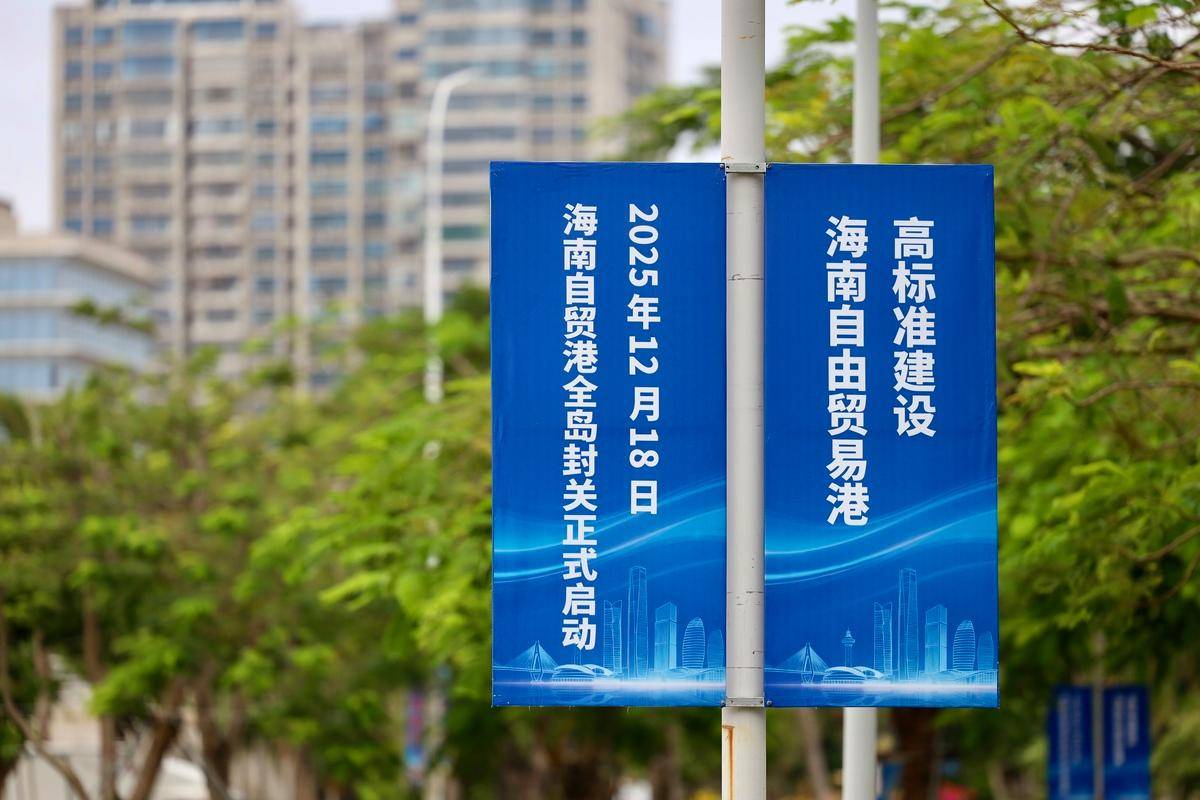
海南自贸港封关运作启动,免税购物升级
Sou Hu Cai Jing· 2025-12-18 01:37
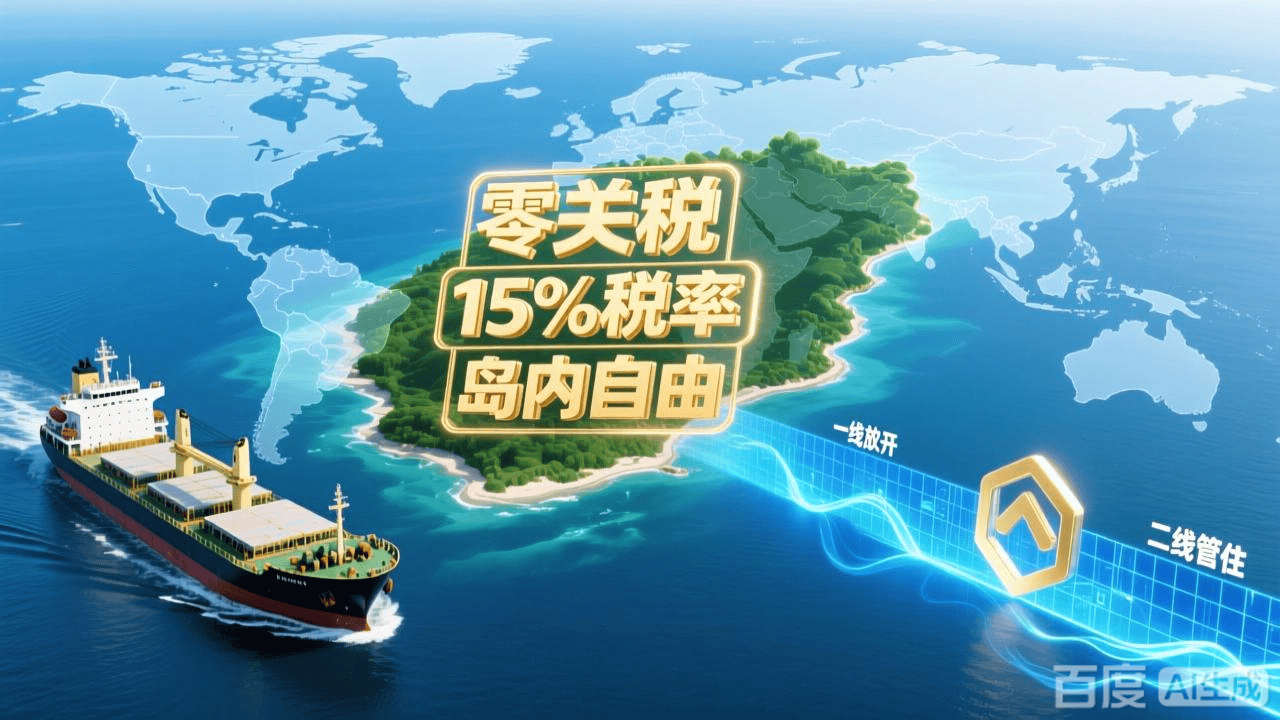
Group 1: Consumption and Lifestyle - The range of zero-tariff imported goods has expanded from 1,900 items to over 6,600, covering 74% of tax categories, with prices of cosmetics, luxury goods, and electronics generally 20%-50% lower than mainland prices [2] - Imported fruits and maternal and infant products are expected to see price reductions due to tariff exemptions, with Chilean cherries potentially decreasing by 20% [3] - Tourists can retain a duty-free quota of 100,000 yuan per year, and a new "buy now, pick up" model for items priced ≤20,000 yuan has been introduced [2] Group 2: Employment and Entrepreneurship - Individual income tax for residents living in Hainan for over 90 days is capped at 15%, significantly lower than the mainland's maximum of 45%, resulting in substantial tax savings [8] - Corporate income tax for encouraged industries has been reduced to 15%, alongside zero tariffs on imported equipment, leading to a 20% reduction in operational costs for businesses [8] - New high-paying job opportunities are emerging in cross-border e-commerce, international logistics, and biomedicine, with salary increases potentially exceeding 30% [8] Group 3: Business Benefits - "First-line" imported goods that meet conditions can be directly released, while "second-line" goods entering the mainland will be managed through classified channels [9] - Companies can freely allocate global funds through Hainan Free Trade Port accounts, enhancing offshore trade settlement efficiency, with offshore trade volume expected to reach $11.95 billion by 2024 [10] Group 4: Medical and Educational Internationalization - The Boao Lecheng International Medical Tourism Pilot Zone has introduced over 500 types of foreign new drugs and medical devices, with approval times reduced to 72 hours [5] - Twelve new international schools have been established in areas like Lingshui Li'an, offering international education programs such as the IB curriculum [6] Group 5: Challenges and Risks - The tourism peak season may lead to increased local prices for fruits and seafood, and there is a need to guard against "proxy purchasing" smuggling [11] - The influx of talent may raise employment thresholds, leading to intensified competition for high-end positions [12]

海南澄迈 扬帆出海 连接未来
Ren Min Ri Bao· 2025-12-18 00:43
优环境、引项目,激活招商引资强磁场 高质量发展的背后,是一流营商环境的硬核支撑。澄迈深刻认识到,"干部强则营商环境强",全力锻造 一支具有"开放思维、开明作风、开拓能力"的"三开"干部队伍。推动政府服务由"可不可以办"的技术判 断向"应不应该办"的价值判断转变,让"有事找我"及"不转身就干"成为常态。 2025年12月18日,海南自由贸易港全岛封关运作正式启动。海南省澄迈县以"开局即冲刺"的奋进之姿, 全力拼经济、奋楫闯新路,于琼北大地奏响了"扬帆自贸港"的激扬乐章。服务封关运作,澄迈锚定关键 三事,始终坚持把"全力拼经济"作为第一选项,把"要'出海'、来澄迈"作为城市标签,把"重构产业、重 塑形象、重新出发"作为战略路径,矢志打造中国与世界互联互通的国际平台,连续14年经济总量位居 全省县域经济体首位、连续3年入选全国综合实力百强县,在"'澄'接世界、迈向未来"的征程上全速前 行。 当前,澄迈县在谈招商项目537个、计划总投资近1500亿元,覆盖先进制造、现代服务、农产品精深加 工、数字经济等重点领域,呈现"储备扩容、洽谈推进、签约见效"的良好态势。澄迈通过精准上门拜 访、线上视频洽谈等多元方式,加速意向投 ...
海南今日封关,谁利好?谁焦虑?| 马上评
Sou Hu Cai Jing· 2025-12-18 00:41
Core Insights - Hainan Island officially opens as a free trade port, marking a significant shift in China's economic landscape and its integration with the global economy [1][10][29] - The transformation is characterized by a policy of "one line open, one line controlled, and free movement within the island," creating a unique economic environment [2][5] Policy Framework - The new framework includes "zero tariffs, low tax rates, and simplified tax systems," drawing inspiration from international free trade ports while incorporating distinct Chinese characteristics [3][13] - The zero tariff policy now covers 74% of imported goods, significantly increasing from 21%, allowing most products to enter Hainan without customs duties [12][21] Economic Impact - For consumers, the zero tariff policy is expected to lower prices of imported goods, with a notable increase in duty-free shopping, which surged by 27.1% year-on-year to 2.38 billion yuan in November 2025 [4][15] - Businesses in encouraged sectors like biomedicine and high-end manufacturing will benefit from a 15% corporate tax rate, which is 10 percentage points lower than the national standard, enhancing their competitive edge [4][18] Market Dynamics - The opening of Hainan as a free trade port is anticipated to reshape the retail landscape, with traditional retailers facing challenges from the influx of duty-free goods [16][17] - The competitive environment will force businesses to adapt, either by collaborating with Hainan's operators or by enhancing their own service offerings [17][18] Regional and Global Implications - Hainan's emergence as a free trade hub is likely to alter China's foreign trade dynamics, positioning it as a key player alongside established ports like Shanghai and Shenzhen [21][23] - The policies may attract investment and talent from mainland China, creating a competitive pressure on traditional industries in other regions [23][24] Challenges Ahead - The transition to a free trade port will not be without difficulties, as traditional manufacturing sectors may struggle against the advantages offered to Hainan-based companies [19][28] - Regulatory challenges will persist, as Hainan must balance its appeal as an investment destination with the need to avoid becoming a tax haven [28][30]
掌舵新出海时代:从“流量水手”到“品牌船长”
Mei Ri Jing Ji Xin Wen· 2025-12-18 00:23
Core Insights - The event "Captain's Night" organized by Amazon Advertising aims to facilitate discussions among leaders of Chinese cross-border e-commerce brands, focusing on global brand expansion and the importance of integrated marketing strategies in the current consumer landscape [1][2] - Amazon China's Vice President Yang Tong emphasized that brand building is essential for sustainable sales growth, indicating a shift from a sales-driven approach to a brand-centric model in cross-border e-commerce [2][8] Group 1: Event Overview - The "Captain's Night" event took place on December 7, featuring discussions on the evolution of cross-border e-commerce and the need for brands to adapt to a new era of marketing [1] - The event also marked the launch of the second session of the Amazon Advertising Outbound Executive Program, which includes courses on consumer insights and leadership [2][9] Group 2: Marketing Evolution - The transition from a "selling era" to a "branding era" in cross-border e-commerce highlights the need for brands to focus on long-term value and customer experience [1][8] - The traditional linear shopping funnel is being disrupted by non-linear consumer behavior, with consumers engaging in multiple "micro-moments" throughout their shopping journey [4][5] Group 3: Consumer Insights - Research indicates that 75% of consumers consider shopping multiple times a week, reflecting a shift towards a continuous shopping mindset [5] - 54% of consumers discover brands through entertainment content, showcasing the integration of shopping with daily life and the importance of engaging advertising [6][7] Group 4: Brand Strategy - The success of cross-border brands hinges on effective brand building, as sales without brand support are deemed unsustainable [2][8] - The rise of streaming media presents a significant opportunity for brands to enhance their visibility and connect with consumers in innovative ways [8][9] Group 5: Future Directions - The "Captain's Plan" aims to provide ongoing support and resources for Chinese brands as they navigate global markets, emphasizing the importance of brand-centric strategies [9][10] - The evolution of consumer behavior and marketing strategies necessitates that brands embrace a holistic approach to marketing, integrating various channels and consumer insights [7][9]

一位海南本土电商创业者的自贸港机遇答卷
证券时报· 2025-12-18 00:00
Core Viewpoint - The article highlights the significant growth of cross-border e-commerce in Hainan, driven by the policies of the Hainan Free Trade Port, which have transformed the business landscape for local entrepreneurs like Wang Jian [1][2][3]. Group 1: Policy Impact - The establishment of the Hainan Free Trade Port has led to a series of policy advantages, including zero tariffs on 74% of goods, which has significantly reduced costs and increased profit margins for local e-commerce businesses [2][3]. - The approval of cross-border e-commerce comprehensive pilot zones in Haikou and Sanya has facilitated smoother customs processes, allowing for faster and more efficient shipping [1][2]. Group 2: Business Development - Wang Jian's company has expanded its operations beyond local sales to a cross-border e-commerce network covering six Southeast Asian countries, showcasing the potential for local products to reach international markets [1][2]. - The introduction of a 1 billion yuan industry guidance fund and various financing services has alleviated the financial challenges faced by small and medium-sized enterprises in the region [3]. Group 3: Future Prospects - The article suggests that the unique tax policies, along with improved logistics and infrastructure, will create diverse opportunities for new business models in cross-border e-commerce [3]. - Wang Jian envisions a future where Hainan's specialty products are sold globally, while also bringing international goods to Chinese consumers, indicating a reciprocal trade dynamic [3].

一位海南本土电商创业者 的自贸港机遇答卷
Zheng Quan Shi Bao· 2025-12-17 22:23
Core Insights - The article highlights the significant growth of cross-border e-commerce in Hainan, driven by the establishment of the Hainan Free Trade Port and supportive government policies [1][2][3] Group 1: Policy Impact - The establishment of the Hainan Free Trade Port has led to a favorable environment for local entrepreneurs, enabling them to expand their businesses beyond the island [1] - Key policies such as zero tariffs and low tax rates have significantly reduced operational costs for e-commerce companies, allowing for increased profitability [2][3] - The approval of cross-border e-commerce comprehensive pilot zones in Haikou and Sanya has facilitated smoother customs processes and logistics [1][2] Group 2: Business Expansion - Companies are leveraging the advantages of the free trade port to set up overseas warehouses, which has improved their profit margins by reducing logistics costs [2] - Local entrepreneurs are now collaborating with Southeast Asian influencers to promote Hainan's unique products, indicating a shift towards a more integrated marketing approach [2][3] - The government has established a 100 million yuan industry guidance fund to support local e-commerce businesses, addressing financing challenges faced by small and medium enterprises [3] Group 3: Future Outlook - The article suggests that the Hainan Free Trade Port's policies will continue to evolve, providing diverse pathways for cross-border e-commerce growth [3] - There is optimism among local entrepreneurs about the potential to sell Hainan's specialty products globally while also bringing international goods to Chinese consumers [3]

海南今日封关运作,零关税商品超6600个,会成为下一个香港吗?
Sou Hu Cai Jing· 2025-12-17 20:38
Group 1 - Hainan Island will officially open to global investors and consumers with a new policy of "one line open, two lines controlled, and free movement within the island" starting from December 18, 2025 [1][3] - The number of zero-tariff goods will increase from 1,900 to 6,600, raising the coverage rate to 74% [1][6] - Enterprises will benefit from a unified corporate income tax rate of 15%, and 85 countries' citizens will be able to enter Hainan visa-free [1][6] Group 2 - The infrastructure for Hainan's closure has been completed, including the world's largest new roll-on/roll-off hub at Haikou Port, capable of handling 35 million passengers and 5.6 million vehicles annually [3] - Three airports on the island can accommodate an annual passenger throughput of 68 million, supported by a matrix of eight open ports and ten "second-line ports" [3][4] Group 3 - The term "closure" signifies a higher level of openness, allowing free movement of goods and people between Hainan and foreign countries, while implementing precise management with the mainland [4][6] - The policy will significantly relax import and export management, effectively reducing costs for enterprises [4][6] Group 4 - The zero-tariff policy will cover 6,600 categories of goods, with tax exemptions potentially amounting to hundreds of billions of RMB post-closure [6][15] - Consumers will have access to a wider range of duty-free products, with authorities considering a positive list management for imported goods for residents [7][15] Group 5 - Hainan's closure is part of China's broader opening-up strategy, aiming to explore and accumulate beneficial experiences for institutional opening [15][16] - The island will establish a trade management system for free movement, improve financial policies, and enhance entry and exit management [15][16] Group 6 - In the short term, Hainan may compete with Hong Kong in tourism and shopping, benefiting consumers with more competitive duty-free products [16][18] - Long-term cooperation is expected, leveraging Hainan's manufacturing and consumption advantages alongside Hong Kong's expertise in finance and professional services [16][18]