设施农业

Search documents
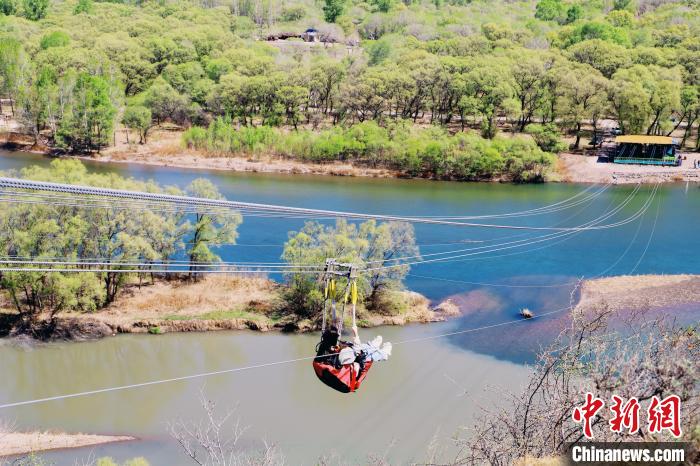
(乡村行·看振兴)内蒙古东北乡村激活“花样经济”
Zhong Guo Xin Wen Wang· 2025-07-08 05:17
Core Insights - The article highlights the transformation of rural areas in Inner Mongolia, particularly focusing on the development of a "flower economy" that enhances local tourism and agricultural practices [1] Group 1: Ecological and Economic Development - The Tiao'er River National Wetland Park has undergone significant changes, with investments exceeding 70 million yuan in infrastructure and beautification, leading to improved living conditions for local residents [2][3] - The park now integrates various ecological resources and offers diverse experiences, including 21 new attractions that promote rural tourism and local economic growth [3] Group 2: Employment and Income Generation - The establishment of the Shenjun Bay Ecological Experience Area has created job opportunities for over 50 local villagers, with an average disposable income of 25,000 yuan per person [5][6] - The area is expected to generate 900,000 yuan for the village collective economy in 2024, showcasing the financial benefits of rural tourism [6] Group 3: Agricultural Innovation - The introduction of a patented greenhouse technology for dragon fruit cultivation has resulted in high yields, with one greenhouse producing over 20,000 pounds annually [7] - The integration of smart agriculture and tourism has generated over 3 million yuan in annual income for the village collective, benefiting more than 130 households [7]

从成都平原到甘孜高原,从科技园区到乡村田野,台湾省全国人大代表在四川开展视察活动 感受血脉深情 推动川台多领域合作
Si Chuan Ri Bao· 2025-06-11 00:27
Group 1 - The National People's Congress representatives from Taiwan conducted a field inspection in Sichuan, highlighting the integration and development between the two regions [1] - Sichuan's innovation capabilities were showcased through visits to key facilities, including the National Supercomputing Center in Chengdu, demonstrating the province's advancements in technology and its impact on various industries [2] - Policies such as "70 measures for Sichuan-Taiwan cooperation" and "12 measures to support Taiwanese enterprises" have been positively received by Taiwanese businesses, enhancing their operational environment and fostering economic collaboration [3] Group 2 - Representatives emphasized the importance of deepening cooperation in "hard technology" sectors such as integrated circuits, electronics manufacturing, and precision machinery to expand exchanges between Sichuan and Taiwan [6] - Successful agricultural collaborations have been noted, with Taiwanese agricultural standards being implemented in Sichuan, leading to increased economic benefits for local communities [5] - The integration of rural tourism and low-altitude economy is emerging as a new industry chain in Sichuan, with innovative delivery services like drone coffee delivery enhancing the visitor experience [4]
土特产”唱响“致富经
Jin Rong Shi Bao· 2025-06-10 03:18
Core Viewpoint - Ningxia's Tongxin County has transformed its arid land into a modern agricultural hub through financial empowerment, ecological construction, and technological development, showcasing a model for rural revitalization in drought-prone areas [1] Financial Support for Agriculture - The People's Bank of China Tongxin Branch has focused on supporting agricultural development, with agricultural loan balances reaching 16.12 billion yuan, a year-on-year increase of 14.8% as of April 2025 [1] - The county has issued 2.3 billion yuan in seed loans, benefiting 16,000 households [2] Agricultural Industry Structure Optimization - Financial institutions are innovating credit products to support the adjustment of agricultural industry structures, with a focus on creating a distinctive agricultural system [2] - The area dedicated to traditional Chinese medicine has reached 39,000 acres, with Tongxin Silver Chaihu recognized as the sole production area in the country [2] Technological Integration in Agriculture - The county is promoting efficient water-saving irrigation and has provided 565 million yuan in loans to support the construction of high-standard farmland and modern irrigation projects, resulting in significant water savings and economic benefits [3] - The introduction of "water-saving loans" has facilitated a shift from traditional farming to smart agriculture [3] New Agricultural Business Models - A service mechanism linking new agricultural entities with designated banks has been established, leading to a 19% year-on-year increase in small loans for agricultural support, totaling 1.55 billion yuan [4] - The county has fostered three industry alliances, enhancing collective development among villages [4] Collaboration with Private Enterprises - The People's Bank of China has guided private enterprises to collaborate with local villages, resulting in investments in various agricultural projects and increasing collective income [5] - The beef market has shown signs of recovery, with wholesale prices rising significantly, leading to a 16.5% increase in beef farming loans [5][6] Infrastructure Development in Agriculture - The county has issued 2.48 billion yuan in loans for facility agriculture, supporting the construction of over 1,600 greenhouses [6] - The establishment of an expert studio for high-value crops has led to significant advancements in local agricultural practices [7]
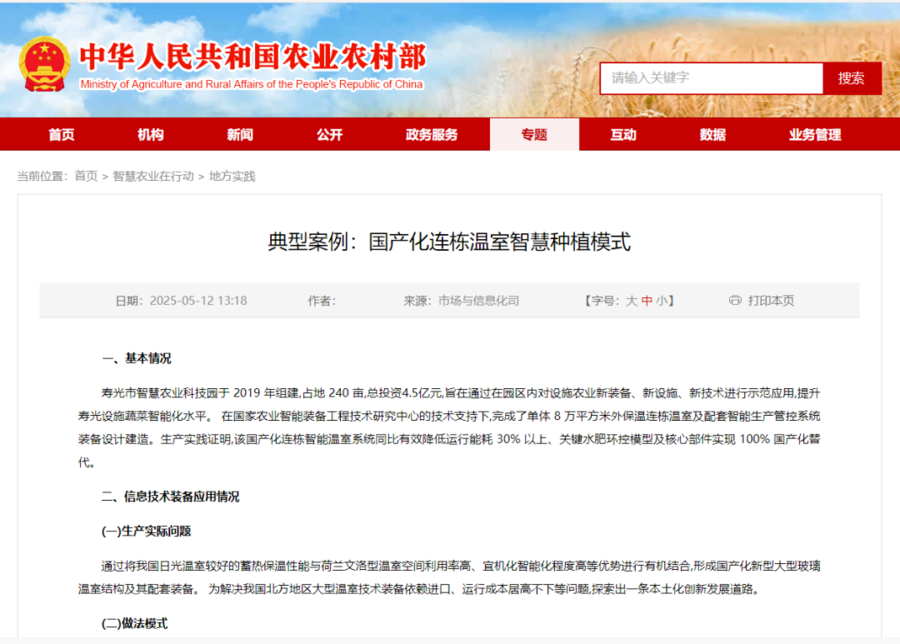
潍坊寿光设施蔬菜智慧种植模式入选农业农村部智慧农业典型案例
Qi Lu Wan Bao Wang· 2025-05-29 13:51
Core Insights - The article highlights the successful inclusion of Shouguang City's smart agriculture model in the Ministry of Agriculture and Rural Affairs' list of 14 typical cases of smart agriculture, marking it as the only case from Weifang [1] Group 1: Smart Agriculture Innovations - Shouguang City's smart agriculture technology park features a design that includes "sunken style, large slope, and external insulation," utilizing advanced technologies such as pressure ventilation, intelligent CO2 and fertilizer application, and integrated water and fertilizer management [1] - The smart greenhouse system has achieved 100% domestic replacement of key components, leading to precise environmental control, intelligent production management, and efficient resource utilization [1] Group 2: Performance Metrics - The implementation of the domestic smart greenhouse system has resulted in over a 30% reduction in operational energy consumption year-on-year, an increase in land utilization rate to over 80%, and a doubling of water and fertilizer efficiency [1] - Labor requirements have been reduced by more than two-thirds, showcasing significant improvements in operational efficiency [1] Group 3: Future Developments - Shouguang City plans to continue implementing a digital agriculture strategy, focusing on the innovation of digital seedlings and smart equipment, aiming for a comprehensive digital upgrade across the entire agricultural value chain [11] - The goal is to promote the transformation of facility agriculture towards greener, smarter, and higher-end practices, establishing a replicable "Shouguang model" for modern agricultural transformation nationwide [11]

拼多多“千亿扶持”加码农业科创 第五届“多多农研科技大赛”开启全球招募
Guan Cha Zhe Wang· 2025-05-08 06:52
Group 1 - The "Duoduo Agricultural Research Technology Competition" aims to enhance strawberry production and quality while improving economic benefits for farmers [1][2] - The competition is organized by Pinduoduo, Shanghai Academy of Agricultural Sciences, and other institutions, focusing on modern facility agriculture and plant factory development [1][2] - This year's competition requires teams to design and build a 50 square meter plant factory for a six-month strawberry cultivation challenge, emphasizing high yield, quality, low cost, and energy consumption [1][3] Group 2 - Pinduoduo has launched a "100 billion support" plan to invest over 100 billion yuan in agricultural innovation and digital development over the next three years [2][8] - The competition serves as a platform for innovative agricultural technology, attracting talent and enterprises to contribute to high-quality agricultural development and rural revitalization [2][8] - The plant factory concept is seen as a significant advancement in addressing issues related to population, resources, and health, with China leading globally in the number of artificial light plant factories [3][6] Group 3 - The competition's initial phase requires teams to submit comprehensive project proposals, with a budget cap of 500,000 yuan for plant factory construction [4] - The final evaluation will consider crop yield, growth consistency, commercialization rate, and nutritional value, with a total prize pool exceeding 1 million yuan [4][5] - Previous competitions have demonstrated the potential for technology integration in strawberry cultivation, with significant improvements in production efficiency and energy consumption [6][7] Group 4 - The competition aims to explore replicable and scalable plant factory models to enhance agricultural modernization across China [9][10] - The event has successfully fostered collaboration between researchers and technology companies, providing a practical platform for applying research outcomes to real-world agricultural challenges [8][9] - Pinduoduo's ongoing commitment to agricultural technology innovation is a key driver for the platform's high-quality development and digital transformation efforts [8][9]

协力补好现代设施农业短板
Jing Ji Ri Bao· 2025-05-07 22:14
Core Viewpoint - Modern facility agriculture in China is experiencing significant growth, driven by technological advancements and supportive government policies, positioning it as a key component of agricultural modernization [1][2]. Group 1: Current State of Modern Facility Agriculture - Modern facility agriculture is characterized by controlled environments and engineering techniques for efficient production, becoming a representative of new agricultural productivity [1]. - The area of modern facility cultivation in China has reached over 40 million acres, accounting for more than 80% of the world's total facility agriculture area [1]. - Approximately 70% of meat, eggs, and milk, as well as 52% of aquaculture products, are provided by facility farming [1]. Group 2: Government Policies and Future Outlook - The "National Modern Facility Agriculture Construction Plan (2023-2030)" aims to expand the scale and improve the layout and technological conditions of modern facility agriculture by 2030 [2]. - By 2035, the goal is to achieve comprehensive upgrades in facility agriculture, meeting diverse and high-quality food consumption needs [2]. Group 3: Challenges and Solutions - Existing challenges include regional development imbalances, lack of policy coordination, weak resource guarantees, and slow green transformation [2][3]. - Proposed solutions involve enhancing top-level design, establishing a multi-faceted support system, and promoting green technology innovation [3]. Group 4: Standards and Innovation - Emphasis on standard and brand development to enhance agricultural product competitiveness, including the establishment of a technical standard system for the entire facility agriculture industry [4]. - Initiatives to improve the logistics service system and promote integrated models such as "facility farms + community group buying + e-commerce live streaming" [4].
锚定四大攻坚方向!设施农业绿色高效生产项目启动
Nan Fang Nong Cun Bao· 2025-04-24 09:32
Core Viewpoint - The project on "Green and Efficient Production Technology Integration and Demonstration Promotion in Facility Agriculture" has been launched to enhance agricultural modernization and support the national strategy of food security [2][38]. Group 1: Project Overview - The project launch meeting took place in Guangzhou, organized by the Chinese Society for Horticulture and hosted by the Horticulture College of South China Agricultural University, with over 40 representatives from various research institutions, universities, and industry enterprises attending [3][4]. - The project aims to focus on key technologies such as mechanized production, efficient cultivation, green pest control, and non-arable land utilization, forming a technology system that can be promoted [18][38]. Group 2: Expert Insights - Chinese Academy of Engineering academician Li Tianlai emphasized five major development directions for agricultural modernization: production modernization, green development, product quality enhancement, efficient management, and regional balance [7][8]. - Li proposed four key strategies for facility agriculture: promoting the intelligent transformation of old facilities, innovating precision fertilization techniques, strengthening the breeding of disease-resistant quality varieties, and developing green and efficient cultivation technologies [9][10]. Group 3: Regional Development and Challenges - Experts highlighted that facility vegetables in Guangdong only account for 4% of the total area, significantly lower than the national average, facing challenges such as insufficient mechanization and a shortage of key technical equipment [25][26]. - Recommendations include focusing on the development of facilities resistant to high temperatures and heavy rain, breeding resilient varieties, and establishing collaborative mechanisms between government and enterprises to create a model for southern facility agriculture [26][27]. Group 4: Collaborative Mechanisms - The project will establish a collaborative mechanism involving cross-disciplinary expert teams to achieve "problem co-research, resource co-investment, and result sharing," facilitating the transformation of experimental results into field technologies and industry standards [19][20]. - The meeting served as an important opportunity for the development of facility horticulture disciplines, with experts conducting on-site investigations of facility vegetable bases to lay the groundwork for project implementation [33][36].

徐州携手荷兰共拓农业新质生产力
Xin Hua Ri Bao· 2025-04-21 23:20
Group 1 - The collaboration between Xuzhou and Dutch agricultural experts aims to enhance modern agricultural productivity through advanced technology and practices [1][2] - Xuzhou is a significant agricultural production base in China, with annual outputs of 21.2 million tons of vegetables, 2.84 million tons of fruits, and 600,000 tons of meat [1] - The signing of multiple cooperation agreements during the exchange meeting indicates a strong commitment to modern agricultural projects, including smart greenhouse initiatives and flower breeding collaborations [1][2] Group 2 - The investment of 650 million yuan in a smart greenhouse project by the Dutch Van der Hoeven Group is expected to yield cherry tomatoes with a market price of approximately 50 yuan per kilogram, leading to a potential output value of 1 million yuan per acre [2] - The establishment of the Jiangsu Huaihai Tomato Quality Breeding Research Center focuses on digital and intelligent enhancements, aiming for an annual seedling supply of over 50 million plants [3] - Xuzhou's agricultural enterprises are leveraging Dutch platforms to expand overseas markets, including the development of a comprehensive trading service platform for ornamental horticulture [3]
交通、农业、科研……设备更新支持领域不断“扩围” 激活经济新动能
Yang Shi Wang· 2025-03-31 03:35
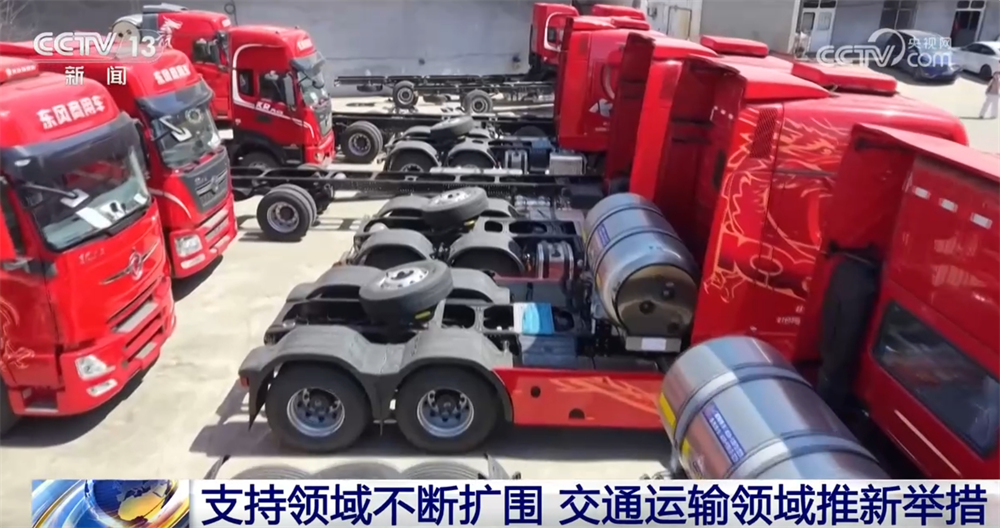
Group 1 - The Chinese government has allocated 200 billion yuan for special long-term bonds to support equipment upgrades, an increase of 50 billion yuan compared to last year [1] - The support scope has expanded to include electronic information, facility agriculture, safety production, and grain and oil processing [1] - In the electronic information sector, server manufacturers are accelerating equipment updates to meet the surge in orders for AI servers driven by the application of AI models like DeepSeek [1] Group 2 - In the transportation sector, a new round of equipment updates has been initiated, supporting the scrapping and replacement of National III and IV emission standard trucks [3] - In Henan province, subsidies of up to 95,000 yuan are available for scrapping old trucks or purchasing new ones, with an additional annual operating subsidy of up to 15,000 yuan for new energy trucks [3] Group 3 - Facility agriculture is one of the newly included areas for equipment upgrades, with a focus on the use of new logistics transportation equipment in greenhouses [4] - A new automated pallet forklift system has been implemented in a smart seedling factory in Heilongjiang, enabling unmanned transportation of seedling trays [5] Group 4 - The upgraded smart seedling factory is expected to improve operational efficiency by 20% and reduce labor costs by 15%, enhancing seedling uniformity and supporting cost reduction and quality improvement for spring farming [8] - Smart inspection robots will also be introduced to monitor seedling growth conditions in the greenhouse [8] Group 5 - The research sector is also a key focus for equipment upgrades this year, with increased funding and broader coverage compared to last year [9] - At West Lake University, new high-precision research instruments are being introduced, including a multi-electron beam scanning electron microscope for inspecting the internal structure of AR glasses lenses [11] Group 6 - The new equipment is expected to significantly shorten the time from basic research to commercialization, potentially reducing it from several years to just a few months [13] - High-value research instruments account for over 60% of the equipment updates at West Lake University, focusing on cutting-edge interdisciplinary fields and future industries [13]
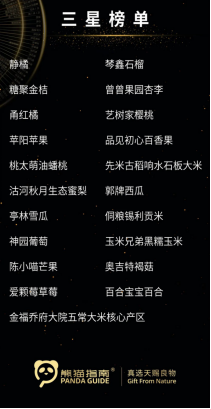
“郭牌西瓜”获熊猫指南中国优质农产品榜三星认证,续写行业传奇
Qi Lu Wan Bao Wang· 2025-03-25 06:42
Core Insights - "Guo Brand Watermelon" has been awarded the highest three-star certification by the Panda Guide in the 2025 China Quality Agricultural Products List, reinforcing its status as "China's No. 1 Watermelon Brand" [1][3] Company Overview - Founded in the early 1980s by Guo Hongze, known as the "Father of Greenhouse Watermelons," "Guo Brand Watermelon" established the first large-scale premium watermelon cultivation base in Weifang, Shandong [3] - The brand registered its trademark in 1993, pioneering the branding of fruit products in China [3] - Over 40 years, the brand has developed a comprehensive management system covering the entire industry chain, with 270 cultivation nodes ensuring data-driven control from seed selection to market delivery [3] Quality Management - The brand utilizes a "Watermelon Quality Traceability and Integrated Management Platform" and a "Non-destructive Intelligent Detection and Sorting Production Line," ensuring over 200 pesticide residue tests and maintaining a sugar content of over 13 degrees [3] - "Guo Brand Watermelon" has received A-level certification for green food and was the first watermelon production base in China to obtain export qualifications through dual registration with the entry-exit inspection and quarantine bureau in 2014 [3] Awards and Recognition - The brand has accumulated numerous prestigious awards, including the Gold Award at the China (Shouguang) International Vegetable Science and Technology Expo and the Green Food Expo Gold Award, among others [3] - The recent three-star certification from the Panda Guide signifies that its quality management has reached a leading level in the country [3] Panda Guide Evaluation - The Panda Guide, regarded as the "Michelin Guide" for agricultural products in China, employs a three-dimensional evaluation system based on blind testing, laboratory analysis, and field surveys [4] - The evaluation criteria include five standards: superior environment, superior variety, superior cultivation, superior quality, and value for money, with the entire process being free to ensure independence, scientific rigor, and fairness [4] - Only 0.7% of the products evaluated received the three-star certification, highlighting the stringent standards applied [5]