可再生能源

Search documents
冠军科技集团(00092.HK)盈警:预期年度归属股东合并净亏(未包括其他全面收益及支出)约4200万港元至4600万港元
Ge Long Hui· 2025-09-22 14:39
Summary of Key Points Core Viewpoint - Champion Technology Group (00092.HK) anticipates a consolidated net loss attributable to shareholders of approximately HKD 42 million to HKD 46 million for the fiscal year ending June 30, 2025, compared to a loss of about HKD 12 million for the fiscal year ending June 30, 2024 [1] Group Analysis - The expected losses are primarily due to several factors: - Geopolitical issues have led to a shortage of key components for data centers, significantly hindering the development of the smart city industry. This has resulted in a notable decrease in revenue and operational performance for the company's smart city solutions business, along with a significant increase in expected credit losses from accounts receivable due to delayed customer payments [1] - The Hong Kong government has indicated that the subsidy program for online electricity prices is unlikely to be extended beyond its expiration in 2033. Consequently, investors in general renewable energy projects are becoming hesitant, leading to a significant reduction in revenue and operational performance for the company's renewable energy business [1] - During the fiscal year ending June 30, 2024, the company recorded a one-time gain of HKD 32.1 million from the disposal of a hotel in Dongguan, which is considered non-recurring in nature [1]
冠军科技集团发盈警 预期年度股东应占亏损增至约4200万-4600万港元
Zhi Tong Cai Jing· 2025-09-22 14:37
Core Viewpoint - Champion Technology Group (00092) expects a consolidated net loss attributable to shareholders of approximately HKD 42 million to 46 million for the year ending June 30, 2025, compared to a loss of about HKD 12 million for the year ending June 30, 2024 [1] Summary by Relevant Categories Financial Performance - The expected loss for the upcoming fiscal year is significantly higher than the previous year's loss, indicating a deteriorating financial outlook for the company [1] - The company recorded a one-time gain of HKD 32.1 million from the disposal of a hotel in Dongguan for the year ending June 30, 2024, which is classified as non-recurring [1] Business Operations - The anticipated losses are attributed to several factors, including a shortage of key components for data centers due to geopolitical issues, which has severely hindered the development of the smart city industry [1] - There has been a significant reduction in revenue and operational performance from the smart city solutions business [1] - The renewable energy business also experienced a notable decline in revenue and operational performance, partly due to the Hong Kong government's indication that the subsidy program for online electricity prices may not be extended beyond 2033, leading to hesitance among investors in renewable energy projects [1]
冠军科技集团(00092)发盈警 预期年度股东应占亏损增至约4200万-4600万港元
智通财经网· 2025-09-22 14:36
Group 1 - The company expects a consolidated net loss attributable to shareholders of approximately HKD 42 million to HKD 46 million for the year ending June 30, 2025, compared to a loss of approximately HKD 12 million for the year ending June 30, 2024 [1] - The anticipated loss is primarily due to geopolitical factors causing shortages in key components for data centers, severely hindering the development of the smart city industry [1] - The company's smart city solutions business has experienced a significant decrease in revenue and operational performance, alongside a notable increase in expected credit losses from accounts receivable due to delayed customer payments [1] Group 2 - The Hong Kong government has indicated that the subsidy program for online electricity prices is unlikely to continue after its expiration in 2033, leading to hesitance among investors in renewable energy projects [1] - The company's renewable energy business has also seen a significant reduction in revenue and operational performance [1] - A one-time gain of HKD 32.1 million from the disposal of a hotel in Dongguan during the year ending June 30, 2024, is classified as non-recurring [1]
第十届电力与可再生能源国际会议(ICPRE 2025)在杭州召开
Sou Hu Cai Jing· 2025-09-22 12:54
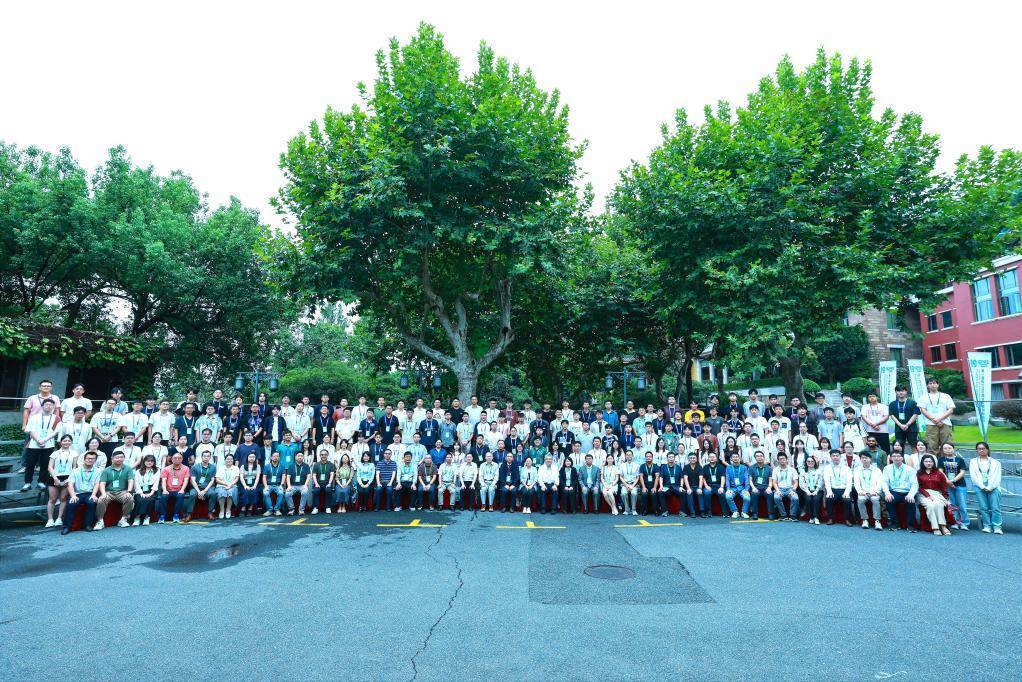
Group 1 - The 10th International Conference on Power and Renewable Energy (ICPRE 2025) will be held from September 19 to 22, 2025, in Hangzhou, Zhejiang, attracting nearly 500 experts and scholars from various countries to discuss cutting-edge topics in power generation, transmission, storage, and renewable energy applications [1][2] - The conference emphasizes the profound changes in the power and renewable energy sector due to the "dual carbon" goals and the deep adjustment of the global energy structure, highlighting the importance of technological innovation and system reconstruction [2][3] - The conference serves as an international academic exchange platform, marking its tenth edition, which signifies its ongoing role in gathering global wisdom and promoting the transformation of cutting-edge research results and interdisciplinary collaboration [2] Group 2 - Keynote speeches will be delivered by prominent figures, including John D. McDonald from GE, focusing on grid modernization and the integration of microgrids and distributed generation [7][9] - The conference will address critical directions such as low-carbon energy systems and the challenges of fault detection and equipment compatibility in DC applications, proposing innovative technical solutions [11]

首届中国—东盟绿色能源转型与零碳园区能力建设培训出炉!
中国能源报· 2025-09-22 10:24
Core Insights - The report emphasizes the need for energy transformation in the Asia-Pacific region to achieve sustainable development goals, particularly focusing on SDG7 [1][3] - It highlights that the Asia-Pacific region is the largest energy-consuming area globally, with fossil fuels accounting for 85% of energy consumption and contributing to 60% of global carbon emissions [3] Group 1: Energy Consumption and Emissions - The Asia-Pacific region's reliance on fossil fuels remains high, with a significant impact on global carbon emissions and climate governance [3] - The carbon intensity in this region is higher than in other areas, indicating a pressing need for energy transition strategies [3] Group 2: Sustainable Development Goals - The report systematically analyzes the progress, challenges, and pathways for energy transition in relation to SDG7, focusing on electricity accessibility, clean cooking fuels, renewable energy share, and energy efficiency [1][3] - Targeted transformation recommendations are provided to address the identified challenges in achieving sustainable energy systems [1]

内蒙古出台新规激发用能企业绿电消费潜力
Zhong Guo Fa Zhan Wang· 2025-09-22 08:08
Core Viewpoint - The notification aims to optimize the renewable energy electricity consumption mechanism in Inner Mongolia, promoting a transition towards a greener economy and providing a replicable model for national green electricity consumption innovation [1][2] Group 1: Overall Requirements - The notification includes five main aspects: overall requirements, solidifying the green electricity consumption accounting system, strengthening the mandatory renewable energy electricity consumption mechanism, improving the voluntary renewable energy electricity consumption mechanism, and ensuring supporting measures [1] Group 2: Green Electricity Consumption Accounting System - The green electricity consumption accounting system focuses on three areas: defining the scope of green electricity consumption accounting, preventing double counting of green electricity consumption, and enhancing the scale of green certificate trading [1] Group 3: Mandatory Renewable Energy Consumption Mechanism - The mandatory renewable energy consumption mechanism emphasizes three key points: strict green electricity consumption requirements for new projects, increasing the mandatory green electricity consumption ratio for existing enterprises, and promoting the integration of new energy with industrial development [1] Group 4: Voluntary Renewable Energy Consumption Mechanism - The voluntary renewable energy consumption mechanism includes three components: expanding practical channels for voluntary green electricity consumption, cultivating application scenarios for voluntary green electricity consumption, and conducting green electricity consumption certification within the region [1] Group 5: Supporting Measures - Supporting measures consist of three areas: enhancing dynamic supervision and management, strengthening incentives and guidance for green electricity consumption, and improving services for green electricity applications [1] Group 6: Industry Transformation - The notification aims to guide high-energy-consuming industries to deeply integrate with green electricity consumption, facilitating a shift in Inner Mongolia's industrial structure from "high energy consumption, high emissions, low efficiency" to "high efficiency, high green electricity, low emissions" [2]
毕马威《世界能源统计年鉴2025》:全球能源系统正持续向电气化方向转变
Zheng Quan Shi Bao Wang· 2025-09-22 05:51
Group 1 - Fossil fuels will continue to dominate the global energy structure in 2024, accounting for 87% of total energy consumption, with oil, natural gas, and coal all experiencing growth [1][2] - Renewable energy (excluding hydropower) is the fastest-growing energy type, with a growth rate of 9%, significantly outpacing the average growth rate of total energy demand over the past five years [1][2] - In 2024, renewable energy generation will account for one-third of global electricity supply, but only 8% of total energy demand, indicating substantial room for improvement in renewable energy penetration in end-use energy [2][4] Group 2 - The global energy transition is challenged by increasing energy demand and carbon emissions, which are projected to reach historical highs in 2024 [2][4] - Wind and solar energy generation will see a 16% increase, raising their share of total global electricity generation from 13% to 15%, with China being a major driver of this growth [2][4] - Countries are increasingly viewing renewable energy investments as a cornerstone of energy security, helping to reduce dependence on fossil fuel imports and stabilize economies against price fluctuations [4][5] Group 3 - Advanced technologies like artificial intelligence are playing a significant role in driving the demand for renewable energy, presenting complex challenges for energy development and utilization [3][5] - China plays a dual role in the global energy landscape, being the largest consumer of coal while also leading in renewable energy capacity, electric vehicle sales, and battery storage deployment [5] - The introduction of the "total energy supply" metric provides a more comprehensive view of energy system efficiency and the benefits of low-carbon and zero-carbon energy sources [4]
生态环境部:风电、太阳能发电装机总量已提前完成2030年国家自主贡献目标
中国有色金属工业协会硅业分会· 2025-09-22 02:07
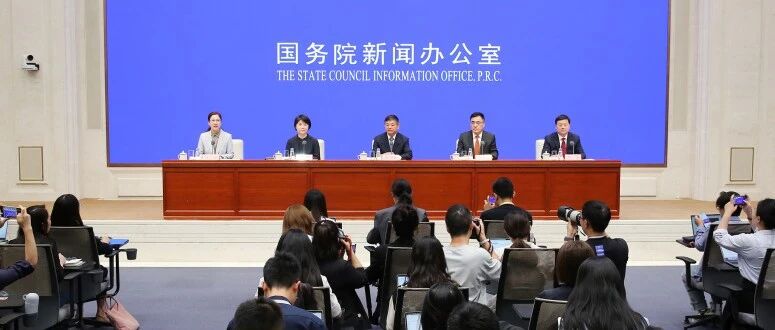
Core Viewpoint - The article emphasizes the importance of high-quality development through ecological and environmental protection, highlighting China's proactive measures in addressing climate change and achieving carbon neutrality goals. Group 1: Climate Change and Policy Framework - Climate change is identified as a significant global challenge, with increasing extreme weather events leading to severe losses and ecological damage, necessitating urgent action [3] - The Ministry of Ecology and Environment is advancing a policy framework for carbon peak and carbon neutrality, focusing on energy and industrial transformation, and has achieved early completion of renewable energy installation targets [3] - During the 14th Five-Year Plan period, China's carbon dioxide emission intensity is expected to continue decreasing, alongside efforts to control non-CO2 greenhouse gas emissions [3] Group 2: Carbon Market Development - China has established the world's largest carbon trading market, which now covers over 60% of national carbon emissions, with new sectors like steel and cement included this year [4] - As of September 18, 2025, the cumulative trading volume in the carbon market reached 714 million tons, with a total transaction value of 48.961 billion yuan [4] - The carbon market's regulatory framework is being enhanced, with over 30 institutional regulations developed to support its operation [4] Group 3: Product Carbon Footprint Management - The Ministry has released over 100 product carbon footprint accounting standards and established a national greenhouse gas emission factor database to aid companies in meeting international carbon trade standards [4][5] - Regular updates on national electricity carbon footprint data are provided to assist enterprises in navigating carbon-related trade barriers [4][5] Group 4: Climate Adaptation Initiatives - The Ministry is implementing the "National Climate Change Adaptation Strategy 2035," focusing on long-term adaptation goals and enhancing climate resilience in vulnerable regions [5] - Pilot projects for climate-adaptive cities are being deepened, and early warning systems are being developed to promote adaptive actions [5] - Future efforts will include strengthening the carbon market and improving product carbon footprint standards to facilitate green and low-carbon transitions [5]
毕马威:可再生能源成全球增长最快的能源类型,中国是主要推动力
Huan Qiu Wang· 2025-09-22 01:30
Group 1 - Fossil fuels still dominate the global energy structure, accounting for 87% of the total [1] - Renewable energy (excluding hydropower) is the fastest-growing energy type globally, with a growth rate of 9% [1] - China is the main driver of renewable energy growth, contributing 57% of the world's new wind and solar power generation [1] - Solar power generation in China has nearly doubled in two years [1] Group 2 - The report from Guosheng Securities indicates that the recent policy on market-oriented pricing for renewable energy will promote full market entry for renewables [4] - Increased competition in the renewable energy sector is expected, which may accelerate the recovery of national renewable energy subsidies [4] - This development is likely to alleviate cash flow pressures for green power operators, benefiting long-term industry growth [4]
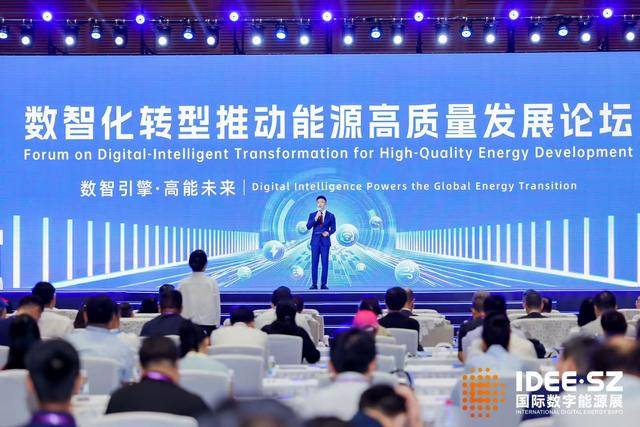
2025国际数字能源展主论坛在深圳举办
Sou Hu Cai Jing· 2025-09-21 10:08
Group 1 - The 2025 International Digital Energy Exhibition main forum was held in Shenzhen, focusing on how digital transformation can empower high-quality development in the energy industry, gathering top experts and industry leaders to discuss future trends and challenges in digital energy [1][3] - Zhao Tianshou, Director of the Carbon Neutral Energy Research Institute at Southern University of Science and Technology, highlighted that despite China's wind and solar installed capacity surpassing coal power, the average curtailment rate for wind and solar energy is 5%, with some regions exceeding 30%, indicating the need for long-duration energy storage technologies [5] - The China Electric Power Construction Group is exploring intelligent construction development systems for major clean energy projects, utilizing drones and satellite remote sensing to enhance surveying efficiency and create a comprehensive digital design system [5] Group 2 - Liang Rui, Vice President and Chief Sustainability Officer of Xinwanda Electronics, emphasized the strategic value of new energy storage in achieving carbon peak and carbon neutrality, noting that electrochemical storage is becoming a major growth direction in the rapidly expanding global storage market [7] - Kiu Kin Hong, Executive Director of Honghua Smart Energy, stated that the company is investing in photovoltaic and storage assets while applying AI technology for energy management and power trading predictions, aiming for overall optimization of energy, heat, and cooling [7] - The roundtable discussion on "Opportunities and Challenges of Digital Energy in Global Energy Transition" concluded that digital technology is a core driver to solve the energy "impossible triangle," advocating for enhanced standard collaboration, data sharing, and financial innovation [9] Group 3 - China General Nuclear Power Group has been undergoing digital transformation since 2012, achieving real-time monitoring and maintenance of equipment through comprehensive data collection [11] - China Resources Power, which has nearly 50% of its installed capacity in clean energy, is developing smart power plants and has established an AI laboratory to foster talent and explore digital applications in the energy sector [12] - Shenzhen Energy Group has developed a comprehensive smart energy management platform, successfully implementing it in various scenarios to maximize economic benefits and balance energy supply and consumption [12]