低空经济

Search documents
“2025超级枢纽博览会”在港开幕 展现物流运输先进技术
Zhong Guo Xin Wen Wang· 2025-11-04 12:01
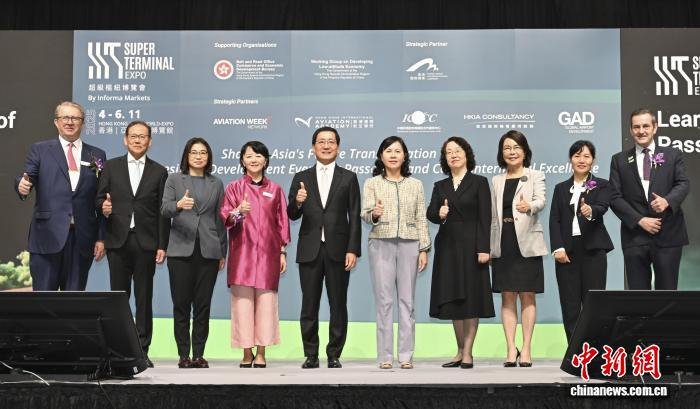
中新社香港11月4日电 (华净雯)"2025超级枢纽博览会"4日在香港亚洲国际博览馆开幕。一连3天的博览 会集中展示运输物流界的顶尖服务与先进技术,涵盖绿色运输创新技术、数字化枢纽解决方案、智慧物 流系统等内容,全方位呈现联运交通领域的最新发展趋势。 11月4日,"2025超级枢纽博览会"在香港亚洲国际博览馆开幕。图为香港特区政府运输及物流局局长陈 美宝(右五)等嘉宾合照。 (香港机场管理局供图) 另一参展商航景科技有限公司展示"卫星导航干扰预警系统"。该系统可为无人机飞行侦察空域,提供专 属预测。该公司业务发展主任颜伟华对记者表示,随着无人机应用增加,安全问题非常关键,"希望通 过此次参展展现无人机应用的安全性,从而增强大家的信心。" 香港特区政府运输及物流局局长陈美宝在开幕典礼致辞表示,香港地理位置优越,是作为中国内地的客 货运门户,因此香港绝对是探讨"塑造亚洲未来交通枢纽"议题的最佳地点。随着香港国际机场三跑道系 统于去年投入服务,特区政府及香港机场管理局不仅积极扩展运力,更致力增强与全球合作联系,以迎 接出现空前增长的时代。 此外,本届博览会特设主题研讨环节,内容涵盖可持续发展运输、数字化转型、智慧物 ...

成都锦江区构建“1+6+2”未来产业发展新格局
Zhong Guo Fa Zhan Wang· 2025-11-04 11:01
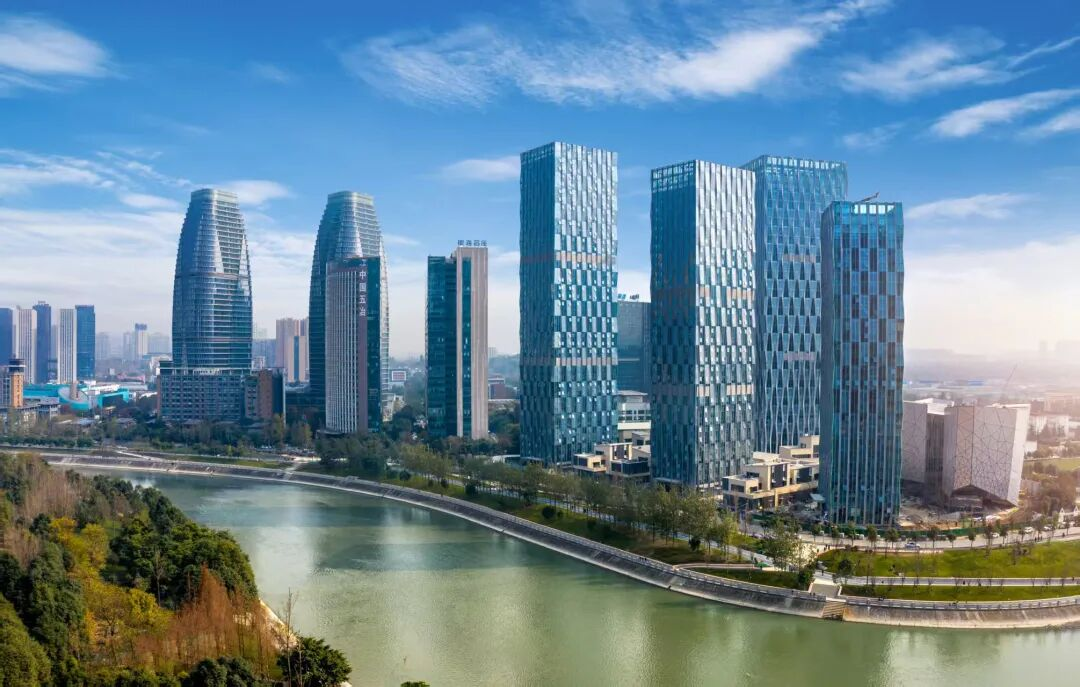
Core Viewpoint - The Jinjiang District is actively promoting the development of future industries, focusing on six key sectors, to drive high-quality regional growth and innovation [1][3][4]. Group 1: Future Industry Development - The "14th Five-Year Plan" emphasizes the acceleration of future industry layout, with Jinjiang District aligning its strategies to build a modern industrial system [3][4]. - Jinjiang District aims to establish a "100 billion-level future industry pilot zone" and attract over 1,000 high-growth enterprises by 2027 [9][12]. Group 2: Key Sectors - The six key sectors identified for development include: - **Intelligent 6G**: Focus on semantic communication and integrated sensing, with plans to incubate over 10 key projects [8][15]. - **Brain-Computer Interface**: Establishing a research system to attract leading enterprises and produce globally influential innovations [11][15]. - **Quantum Technology**: Promoting the integration of technology breakthroughs with industry applications [12][15]. - **Embodied Intelligence**: Launching the world's first dual-legged robot for specific applications, enhancing the "Jinjiang-made" brand [12][15]. - **Low-altitude Economy**: Developing a drone theme park and promoting various application scenarios [12][15]. - **Intelligent Connected Vehicles**: Completing initial smart road upgrades to support integrated applications [12][15]. Group 3: Strategic Initiatives - Jinjiang District is implementing innovative administrative models to enhance collaboration across departments and support future industry development [12][15]. - The district is diversifying investment paths, including "fund + direct investment" models, to provide comprehensive financial support for innovative enterprises [12][15]. - High-standard infrastructure is being developed, including specialized buildings for 6G and embodied intelligence, to support industry growth [12][15]. Group 4: Policy Support - A comprehensive policy toolkit has been introduced to support future industry development, including incentives for startups, original research, talent acquisition, and enterprise growth [17]. - The district is committed to fostering a new ecosystem for future industries by integrating key resources such as talent and research [17].
美联储降息与中美会谈双利好!A股却跳水,三大原因戳破市场预期
Sou Hu Cai Jing· 2025-11-04 11:00
Group 1 - The core point of the article is that despite two significant external positive events (the Federal Reserve's interest rate cut and the China-U.S. meeting in Busan), the A-share market did not respond positively and instead experienced a decline [3][30]. - The market had already priced in the expected interest rate cut by the Federal Reserve, leading to a lack of momentum when the announcement was made [5][16]. - The ambiguity surrounding future interest rate cuts from the Federal Reserve created uncertainty in the financial markets, contributing to the negative reaction [7][30]. Group 2 - The Busan meeting did not yield significant breakthroughs on key strategic issues, which led to a lack of positive surprises for the market [11][13]. - The performance of high-tech sectors, which had previously driven the A-share market's rise, fell short of expectations in their quarterly reports, leading to a broader market decline [19][21]. - The overall market reaction was a result of external positive news being fully digested and internal performance not meeting high expectations, highlighting the importance of actual earnings supporting stock prices [28][32].

机械行业周报:低空稳步发展,工程机械增长向好-20251104
Guoyuan Securities· 2025-11-04 09:45
Investment Rating - The report maintains a "Recommended" investment rating for the mechanical industry [6]. Core Insights - The low-altitude economy is highlighted as a strategic focus in national policy, with significant support for its commercialization and scale-up [3]. - The engineering machinery sector is expected to continue its steady growth, supported by positive indicators such as tower crane utilization rates and rental price increases [3]. Weekly Market Review - From October 27 to October 31, 2025, the Shanghai Composite Index rose by 0.11%, while the Shenzhen Component Index increased by 0.67% and the ChiNext Index by 0.50%. The Shenwan Mechanical Equipment Index saw a slight increase of 0.04%, outperforming the CSI 300 Index by 0.47 percentage points, ranking 20th among 31 Shenwan first-level industries [2][11]. - Among sub-sectors, the Shenwan General Equipment and Automation Equipment saw increases of 1.56% and 0.05%, respectively, while Engineering Machinery and Rail Transit Equipment II experienced declines of 1.64% and 2.34% [11][14]. Key Sector Tracking - The low-altitude economy is included in the national strategic emerging industries, with a focus on new technologies and products [3]. - The tower crane rental industry reported a utilization rate of 57.3% in September 2025, with a rental price index of 497.31 points, indicating a positive trend in the engineering machinery sector [3]. Investment Recommendations - For the low-altitude economy, recommended companies include Deep City Transportation, Sujiao Science and Technology, and Wan Feng Aowei [4]. - In the mechanical equipment sector, recommended companies include Sany Heavy Industry, XCMG, and Anhui HeLi [4].
四川巴中:革命老区,不“老”
Mei Ri Jing Ji Xin Wen· 2025-11-04 07:43
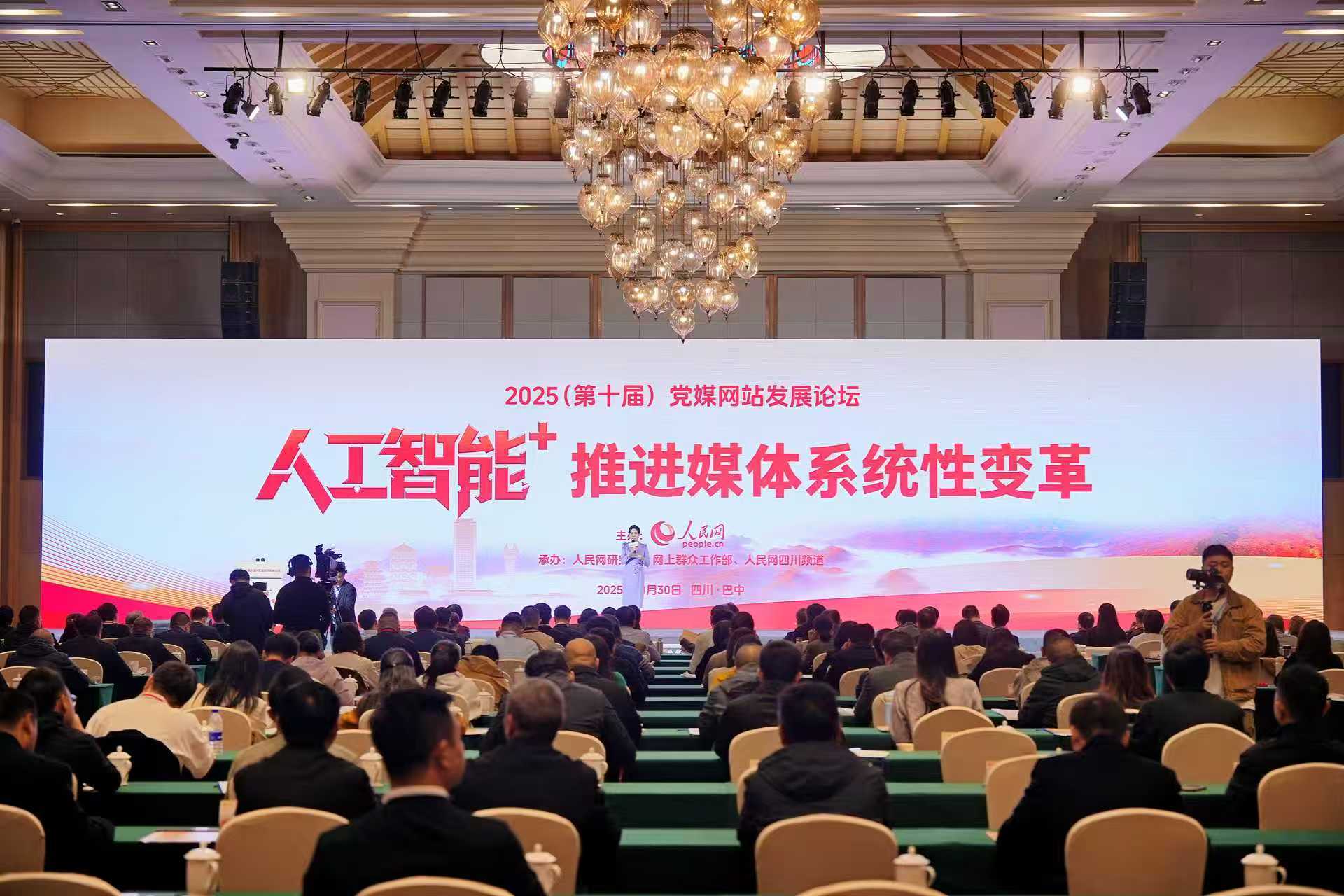
Core Viewpoint - The city of Bazhong, known for its revolutionary history, is undergoing a transformation with a focus on tourism and economic development, particularly through the promotion of its autumn foliage and natural resources [1][15]. Group 1: Tourism Development - The "Golden Corridor of Chinese Red Leaves" promotional event was held in Bazhong, highlighting the region's natural beauty and tourism potential [1][13]. - The Light Fog Mountain area has seen a 275% increase in popularity as a fall foliage destination, indicating a significant rise in tourist interest [4]. - The city is transitioning from a single sightseeing destination to a comprehensive tourism experience that integrates technology, sports, and cultural activities [6]. Group 2: Economic Growth - Bazhong's GDP grew by 6.0% in the first three quarters of the year, with a focus on developing five key industries: energy and chemicals, advanced materials, food and beverage, electronic information, and healthcare [13]. - The city is leveraging its oil and gas resources, with significant reserves of 2.5 billion tons of light shale oil and 14 trillion cubic meters of natural gas, to drive economic growth [9]. - The integration of a "ticket root" economic model aims to enhance visitor experiences and maximize economic benefits from tourism [6]. Group 3: Cultural Heritage - Bazhong's cultural identity is deeply rooted in its revolutionary history, with initiatives to promote its cultural assets alongside natural attractions [11][15]. - The city is home to significant cultural landmarks and has been recognized for its contributions to education and science, further enhancing its appeal as a tourist destination [11]. Group 4: Infrastructure and Innovation - The development of low-altitude economy initiatives, including drone delivery and low-altitude tourism, is seen as essential for Bazhong's growth, given its mountainous terrain [10]. - The city has successfully implemented various technological advancements in tourism, such as AI integration and immersive experiences, to attract a younger demographic [4][6].
收评:沪指跌0.41% 福建本地股领涨 金属股领跌
Xin Hua Cai Jing· 2025-11-04 07:30
Market Performance - On November 4, the three major stock indices in Shanghai and Shenzhen opened lower, with the Shanghai Composite Index experiencing a slight rise before consolidating, while the ChiNext Index declined after filling a gap [1] - By the end of the trading day, the Shanghai Composite Index closed at 3960.19 points, down 0.41%, with a trading volume of approximately 852.9 billion; the Shenzhen Component Index closed at 13175.22 points, down 1.71%, with a trading volume of about 1062.8 billion; the ChiNext Index closed at 3134.09 points, down 1.96%, with a trading volume of around 481.3 billion [1] Sector Performance - The Fujian and banking sectors led the gains, while tourism and the snow industry saw significant increases; however, metal stocks experienced notable adjustments, leading to declines in non-ferrous and lithium sectors [1] - The PEEK materials, sci-tech growth sectors, and AI mobile PC sectors also saw significant declines [1] Institutional Insights - According to institutional views, the current market volatility is seen as a buildup of momentum for the year-end and cross-year market trends, with expectations of clearer directions following a period of consolidation [2] - Recommendations include focusing on high-growth sectors such as semiconductors, consumer electronics, artificial intelligence, robotics, and low-altitude economy for potential investment opportunities [2] Policy Developments - The National Health Commission and other departments released guidelines to promote and regulate the application of "AI + healthcare," aiming to establish high-quality data sets and intelligent applications in healthcare by 2027, with full coverage of intelligent diagnostic assistance by 2030 [3] - The guidelines emphasize the creation of a robust AI application standard system in healthcare, aiming to enhance the quality of the health industry [3] Strategic Directions - The State-owned Assets Supervision and Administration Commission (SASAC) emphasized the need to cultivate emerging industries and open new growth avenues, focusing on upgrading traditional industries and fostering a modern industrial system centered on advanced manufacturing [4] - The SASAC also highlighted the importance of technological self-reliance and innovation, advocating for deep integration of technological and industrial innovation to stimulate new productive forces [4]
视频丨从概念蓝图到千亿级规模 广东低空经济具象化了
Yang Shi Xin Wen· 2025-11-04 06:33
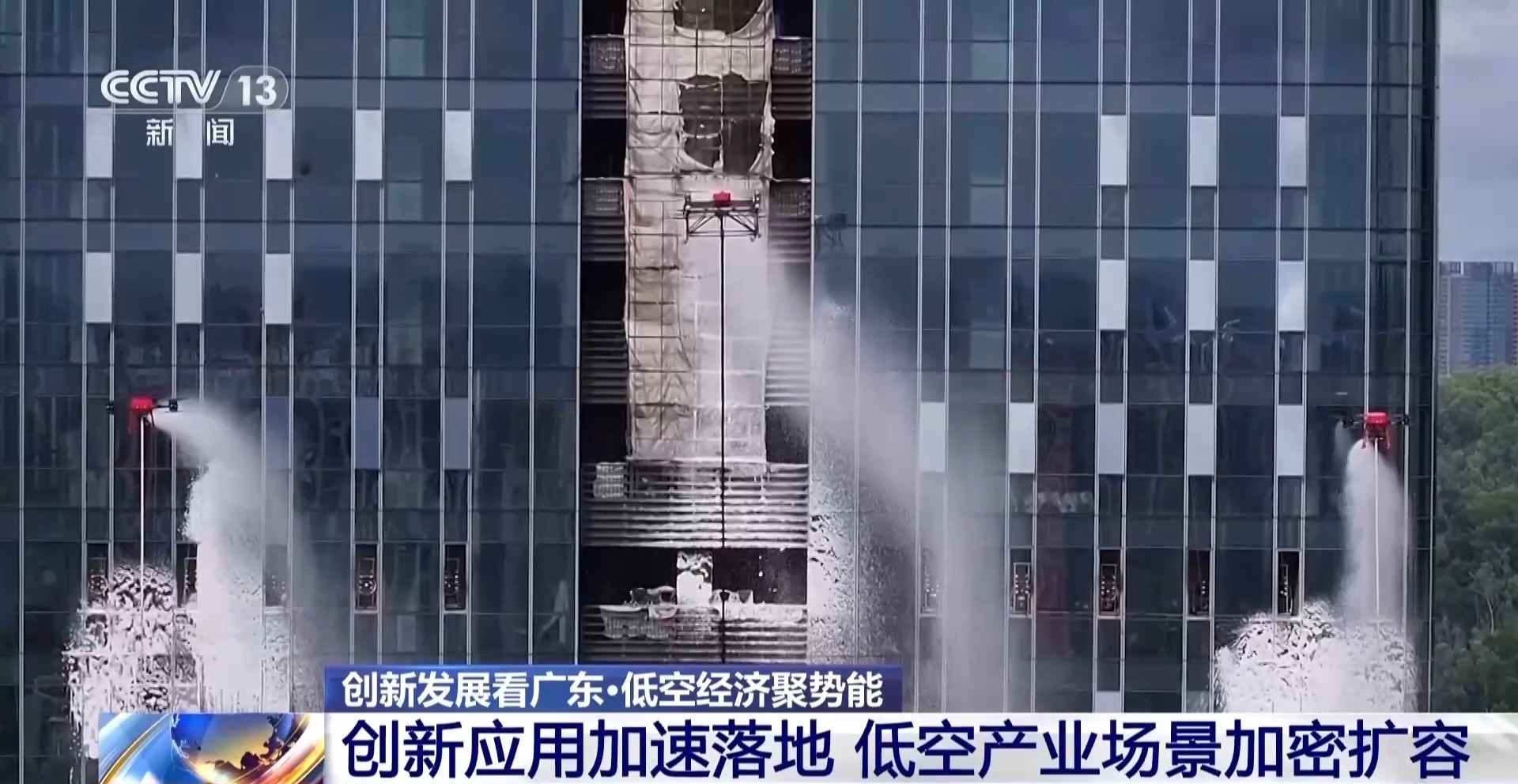
Core Viewpoint - The 20th Central Committee's Fourth Plenary Session emphasizes the acceleration of building a modern industrial system, particularly focusing on nurturing strategic emerging industries like the low-altitude economy, which is now being integrated into practical applications in Guangdong [1] Group 1: Low-altitude Economy Development - The low-altitude economy is being actively promoted in Guangdong, transitioning from conceptual plans to practical implementation [1] - The first torch relay using a low-altitude flying vehicle took place during the 15th National Games in Shenzhen, showcasing the practical application of low-altitude technology [1] - Guangdong has opened over 700 drone logistics routes, covering various sectors such as agriculture, marine inspection, security monitoring, and medical emergencies [8] Group 2: Innovation and Application - Recent events, such as a drone-controlled "technology fireworks show" in Hunan, highlight the rapid expansion of low-altitude industry applications [2] - Drones are being utilized for urban management, including traffic monitoring and emergency response, indicating a broadening of application scenarios [4] - A successful test flight of an 80-kilometer intercity low-altitude logistics route demonstrates the commercial potential of long-distance low-altitude transport [4][6] Group 3: Manufacturing and Cross-industry Integration - The low-altitude application landscape is expanding, leading to increased demand for various types of flying vehicles [9] - Automotive companies are entering the aviation sector, leveraging existing technologies and supply chains to reduce costs in aircraft manufacturing [11][15] - The integration of electric vertical take-off and landing (eVTOL) aircraft production is being supported by the existing infrastructure of the drone and electric vehicle industries in Guangdong [15][17] Group 4: Safety and Governance - The development of a safety and governance framework is crucial for the sustainable growth of the low-altitude economy, focusing on weather monitoring, communication coverage, and airspace management [19][21] - A comprehensive low-altitude flight management service platform is being established to monitor flight status, weather, and airspace dynamics in real-time [23] - The approval process for airspace management has been significantly streamlined, reducing the time required from weeks to just a few days [23][25] Group 5: Economic Scale and Market Potential - Guangdong's low-altitude economy has reached a scale of over 100 billion, with more than 2,000 manufacturing companies and over 15,000 related enterprises, accounting for over 30% of the national low-altitude economy industry chain [19] - The production of civil drones in Guangdong saw a year-on-year increase of 58.2% in the first half of 2025, indicating rapid growth in the manufacturing sector [19]
荆门“十四五”产业突围:链动转型 赋能未来 书写高质量发展新篇章
Zhong Guo Fa Zhan Wang· 2025-11-04 05:58
Core Insights - Hubei's Jingmen City has achieved significant industrial transformation during the 14th Five-Year Plan, with high-tech manufacturing's share increasing from 5.45% to 16% and the number of billion-dollar enterprises doubling from 2 to 6 in three years [1] - The city has adopted a "chain thinking" approach to enhance industrial resilience and promote collaborative development across various sectors [2] Group 1: Industrial Development Strategies - Jingmen has shifted from a traditional "single-point investment" model to a "cluster rise" strategy, establishing a modern industrial system with four pillar industries: green chemicals, new energy materials, automotive and intelligent equipment manufacturing, and agricultural products processing [2] - The automotive sector has seen a significant investment of 6 billion yuan from Great Wall Motors, leading to a production value increase from 18.24 billion yuan in 2022 to 52.46 billion yuan in 2024 [2] - The new energy materials sector has also thrived, with a total output value of 85.21 billion yuan in 2024, marking a 28.6% year-on-year growth [3] Group 2: Traditional and Emerging Industries - Traditional industries are being revitalized through innovation, such as the transformation of Jingmen Petrochemical's production capabilities, which is expected to increase specialty oil production capacity from 790,000 tons to 1,367,000 tons by 2026 [3] - Emerging industries are scaling up, with the electronic information sector projected to reach a production value of 50.77 billion yuan in 2024, representing a 43.9% share of the city's industrial output [6] Group 3: Digital Transformation - Digital technology is being integrated into the manufacturing process, with 153 small and medium-sized enterprises undergoing digital transformation, achieving a digital coverage rate of 78% in large-scale industries [7] - The establishment of an industrial internet platform aims to enhance connectivity across the supply chain, facilitating real-time monitoring and optimization of operations [8] Group 4: Future Industry Development - Jingmen is positioning itself as a leader in the low-altitude economy, with a dedicated industrial park and plans to develop a full ecosystem for low-altitude vehicles, targeting a revenue of over 2 billion yuan by 2030 [6] - The city aims to strengthen its competitive edge in advanced manufacturing and renewable energy sectors, with a focus on high-quality industrial development [9]
推动新技术新产品规模化商业化应用 场景培育开放政策即将出台
Xin Hua Wang· 2025-11-04 02:09
Core Insights - The Chinese government is set to accelerate the cultivation of application scenarios and the opening of related policy documents to promote the large-scale commercialization of new technologies and products, aiming to create a favorable innovation ecosystem [1][3] Group 1: Policy Initiatives - The State Council's recent meeting emphasized leveraging China's vast market and diverse application scenarios to prioritize new fields and high-value scenarios for innovation [1][3] - The government plans to implement demonstration actions for large-scale applications of new technologies and products, particularly in emerging industries like commercial aerospace and deep-sea technology [3][4] Group 2: Current Progress - Significant advancements in scenario-based open innovation have been made, with platforms like the National New Generation Artificial Intelligence Open Innovation Platform being established to enhance corporate innovation capabilities [2] - Emerging industries such as autonomous driving, virtual reality, and smart healthcare are witnessing the rise of new technologies and products [2] Group 3: Challenges and Recommendations - Experts highlight that scenario-based open innovation is still in its early stages, facing systemic barriers that hinder the establishment of standards and regulatory frameworks [2][4] - There is a need for effective institutional design and policy support to facilitate the development of new scenarios, ensuring a balance between innovation and regulatory safety [4]
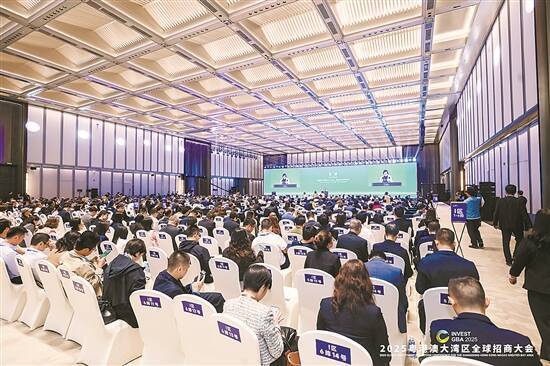
湾有引力,铸就全球投资“强磁场”
Sou Hu Cai Jing· 2025-11-04 01:15
Core Insights - The 2025 Guangdong-Hong Kong-Macao Greater Bay Area Global Investment Conference has evolved into a significant international brand, showcasing China's high-level openness and regional economic vitality [4][12] - Over three years, the conference has signed 3,645 investment and trade projects, amounting to 7 trillion yuan, with an overall project commencement rate of 88.1% as of September this year [5][9] - The conference has attracted 465 Fortune Global 500 companies and numerous high-level executives, reinforcing the Greater Bay Area's status as a preferred global investment destination [6][25] Investment and Trade Projects - The conference has facilitated the establishment of landmark projects by global companies such as Siemens Healthineers, Shell, and Mitsubishi Heavy Industries, contributing to the upgrade of strategic emerging industries in Guangdong [5][9] - The investment landscape includes significant projects in biomedicine, green petrochemicals, new energy vehicles, and new materials, enhancing Guangdong's position in the global value chain [5][25] Strategic Directions for Investment - The conference has identified eight key investment directions: aerospace technology, bio-economy, artificial intelligence and robotics, integrated circuits, modern marine ranching, new materials, new energy storage, and intelligent connected new energy vehicles [8][29] - A newly released "Guangdong Province Industrial Investment Map" provides comprehensive guidance for global enterprises looking to invest in Guangdong, focusing on strategic industry clusters and future industries [8][28] Foreign Investment Trends - Guangdong has established over 370,000 foreign-invested enterprises, with actual foreign investment exceeding $600 billion, demonstrating strong foreign investor confidence despite global uncertainties [9][30] - In the first nine months of this year, Guangdong saw a 33.7% increase in newly established foreign-invested enterprises, with actual foreign investment amounting to 78.13 billion yuan, marking an 8.8% year-on-year growth [9][30] Industry Perspectives - Executives from major companies like Panasonic and Kone have highlighted Guangdong's favorable business environment, talent pool, and strategic advantages as key factors for their continued investment and operations in the region [36][38][41] - The Greater Bay Area's unique geographical advantages and robust supply chain capabilities position it as a leading hub for innovation and business collaboration [35][41]