
集成电路

Search documents
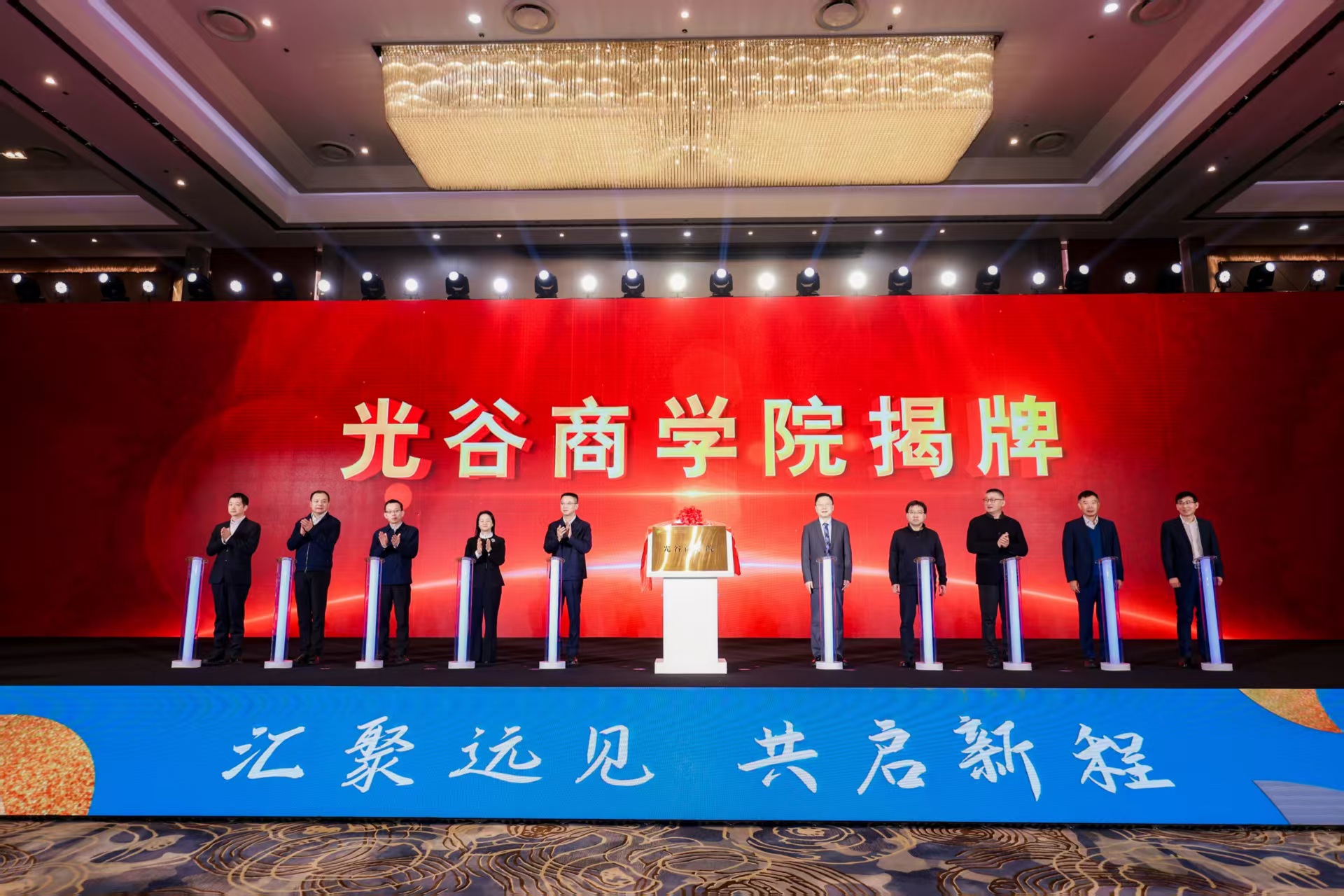
光谷商学院揭牌开班,地方政府为何热衷面向企业家办学?
Di Yi Cai Jing· 2026-01-13 09:05
地方政府牵头成立的企业家商学院仍需采取市场化运作,若完全依赖政府拨款,易陷入"办活动、发补贴"的行政化模式。 1月13日,光谷商学院揭牌仪式暨首期"卓越班"开班典礼在武汉举行。华工科技董事长马新强担任院长,蔚来创始人李斌、联影集团薛敏、长江存储董事长 陈南翔等来自新能源汽车、生物医药、集成电路等领域的产业领军人物为学院提供战略指导。 但在建设"世界光谷"的征程中,光谷企业家队伍还存在一些迫切需要解决的问题。沈悦指出,从企业层面看,企业总体上数量可观但有高原缺高峰,不少企 业存在规模小、成长慢、抗风险能力不强、发展后劲不足等问题,参与国际竞争的能力不够、底气不足,缺少总部在本地的"明星企业"。从企业家层面看, 很多企业创始人是科学家、教授出身,但普遍存在重科研轻市场、重技术轻管理等问题,尤其不善于战略规划,不善于市场拓展,不善于资本运作,缺少能 够挑大梁、带动一个行业上下游一起发展的优秀企业家。 为加速培育一支能够引领光谷走向世界的企业家队伍、打造一批世界一流的领军企业,东湖高新区设立光谷商学院。其定位为科技企业的"认知升维引擎、 团队加速基地、资源链接枢纽",构建"领航班""卓越班""初创班"三层精准培育体系 ...

利好!事关芯片,广州公开征求意见
是说芯语· 2026-01-13 08:22
Core Viewpoint - The article outlines Guangzhou's policies aimed at promoting high-quality development of the integrated circuit industry during the "15th Five-Year Plan" period, focusing on innovation, scale development, and efficient collaboration to establish Guangzhou as a core area for national integrated circuit industry development [2]. Integrated Circuit Design Policies - The policy aims to enhance chip design innovation capabilities, supporting the development of high-end general-purpose chips and specialized chips, with subsidies covering up to 50% of the first round of wafer fabrication costs, capped at 5 million yuan per enterprise annually [3]. - A mechanism will be established to ensure capacity support for small and medium-sized design enterprises, prioritizing those involved in national technology projects [3]. Integrated Circuit Manufacturing Policies - The policy supports advanced IDM and foundry enterprises in establishing R&D and production centers, particularly for 12-inch wafer production lines, with significant projects receiving up to 20% support for new equipment purchases [3][4]. - Encouragement for technology upgrades in manufacturing enterprises includes post-investment rewards of up to 30 million yuan for new equipment purchases and 5 million yuan for construction projects [4]. Integrated Circuit Testing and Packaging Policies - The initiative promotes advanced packaging technologies and testing methods, providing subsidies of up to 20% for new equipment purchases, with a maximum of 20 million yuan per project [5]. - Companies are encouraged to invest in technology upgrades, with rewards similar to those in manufacturing policies [5]. Integrated Circuit Materials and Equipment Policies - The policy focuses on developing high-end materials and equipment, supporting enterprises in producing key materials and equipment, with subsidies for new material applications capped at 300,000 yuan per product and 800,000 yuan per enterprise annually [6]. Integrated Circuit Collaborative Policies - The policy encourages collaboration across the supply chain, supporting enterprises in various sectors to engage with integrated circuit companies through regular meetings and application scenarios [7]. - Support for certification of automotive-grade products includes subsidies of up to 30% of certification costs, capped at 200,000 yuan per enterprise annually [7]. Integrated Circuit Resource Assurance Policies - The initiative aims to accelerate the construction of specialized industrial parks for integrated circuits, with rewards of up to 50 million yuan for developing public facilities and services [8]. - Financial support for major projects includes encouraging banks and financial institutions to provide loans and financing, with incentives for industry leaders to support significant projects [8]. Additional Policies - The policy emphasizes optimizing the industrial development environment and promoting high-level international cooperation in the integrated circuit sector [9].

事关芯片,广州公开征求意见
Zheng Quan Shi Bao· 2026-01-13 08:12
Group 1 - The article discusses Guangzhou's initiative to promote high-quality development in the integrated circuit industry, aligning with national strategies [1] - The city aims to secure support from national and provincial integrated circuit industry development funds for major project construction [1] - Financial institutions are encouraged to support project construction and enterprise operations through various financing methods, including bank credit and leasing [1] Group 2 - There is a focus on accelerating the design of high-end general-purpose chips, including processors, storage chips, and edge computing chips [2] - The development of specialized chips such as RISC-V, automotive-grade, display drivers, sensors, optical communication, and 6G is actively supported [2] - Subsidies of up to 50% of the wafer fabrication costs are offered to qualifying enterprises for chips with independent intellectual property rights at 28nm or below [2]
关键核心技术必须牢牢掌握在自己手中
Xin Jing Bao· 2026-01-13 08:10
Core Viewpoint - The article emphasizes the importance of developing key core technologies for China's economic high-quality development and national security, advocating for a shift from simple imitation to independent innovation in critical areas such as integrated circuits, advanced materials, and biomanufacturing [1][2]. Group 1: Importance of Independent Innovation - The "15th Five-Year Plan" period is crucial for China to advance towards an innovative nation, highlighting the fatal flaws of simple imitation, which fails to grasp core technologies and leads to a passive cycle of dependence [2][3]. - Over-reliance on imitation can result in a loss of vitality in the innovation system, trapping industries in the low-end of the value chain and exposing them to risks from external technology blockades [2][3]. Group 2: Strengthening Basic Research - A primary task is to enhance the supply of basic research, as the root of the "bottleneck" issue lies in weak foundational theories, with China's basic research funding at 6.91% of total R&D expenditure, significantly lower than the 12%-23% ratio in developed countries [3]. - The "15th Five-Year Plan" should establish a stable growth mechanism for basic research investment, optimize evaluation systems, and encourage exploration in foundational disciplines and cutting-edge fields [3][4]. Group 3: Original Innovation and New Standards - To solve the "bottleneck" problem, it is essential to pursue original innovation and explore new methods, with China making strides in carbon-based and quantum chips, as well as in the electric vehicle sector, where it leads globally in production and market share [4][5]. - Original innovation is seen as a fundamental path to creating new technological paradigms and industrial ecosystems, supporting self-reliance in technology [4][5]. Group 4: System Integration and Collaborative Innovation - Enhancing system integration innovation capabilities is necessary due to the interdisciplinary nature of modern technology, requiring a new type of national system to facilitate cross-departmental and cross-disciplinary collaboration [5][6]. - Establishing innovation consortia centered around leading enterprises can promote efficient allocation of innovation resources and improve the resilience of industrial ecosystems [5][6]. Group 5: Reforming the Innovation Ecosystem - Deepening reforms in the technology system is crucial to foster an environment that stimulates original innovation, with a focus on creating a technology innovation system led by enterprises and integrating market demands [6][7]. - The "15th Five-Year Plan" aims to enhance the overall effectiveness of the innovation system by breaking down institutional barriers that hinder technological innovation [6][7]. Group 6: Cultivating an Innovative Culture - Cultivating a culture that encourages exploration and tolerates failure is vital, with an emphasis on enhancing public scientific literacy and integrating science and technology education into schools [7]. - The article advocates for an open and confident approach to global innovation networks, promoting international cooperation while fostering domestic talent [7].
事关芯片,广州公开征求意见
证券时报· 2026-01-13 08:06
Core Viewpoint - The article discusses Guangzhou's initiative to promote high-quality development in the integrated circuit industry, aligning with national strategies and seeking public input on relevant policies [1]. Group 1: Policy Support - The city aims to secure support from the National Integrated Circuit Industry Fund for major project construction and encourage social capital participation in mergers and acquisitions within the integrated circuit sector [2]. - Financial institutions and local organizations are encouraged to support project construction and enterprise operations through bank credit and financing leasing, with incentives for interest subsidies on significant projects [2]. - The policy promotes the use of multi-tiered capital markets for fundraising and encourages venture capital and private equity funds to invest in the integrated circuit field [2]. Group 2: Technological Development - There is a focus on accelerating the design of high-end general-purpose chips, including processors, storage chips, and edge computing chips [3]. - The initiative supports the development of specialized chips based on RISC-V architecture, automotive-grade, display drivers, sensors, optical communication, and 6G technologies [3]. - The policy includes financial support for companies achieving first-round chip production with independent intellectual property rights, offering subsidies of up to 50% of the production costs for qualifying enterprises [3].
后年建成全智能工厂
Xin Lang Cai Jing· 2026-01-13 07:26
Core Insights - The Shanghai Municipal Government has released the "Three-Year Action Plan to Support the Transformation and Upgrading of Advanced Manufacturing (2026-2028)", aiming to build a modern industrial system centered on advanced manufacturing [1] - The plan targets the addition of 100 manufacturing enterprises with an annual output value exceeding 1 billion yuan by 2028, bringing the total to over 600 [1] - The initiative aims to drive the addition of 500 industrial enterprises above designated size in the supply chain and significantly increase the proportion of R&D expenses in revenue for manufacturing enterprises [1] Group 1: Structural Upgrading - The plan emphasizes a multi-dimensional industrial upgrade matrix, accelerating iterations in traditional advantageous industries [1] - Specific strategies include petrochemical companies shifting towards new functional materials, steel companies enhancing specialty steel production, and light industry companies creating trendy domestic products [1] - Leading industries will focus on breakthroughs in the integrated circuit industry chain, biomedicine innovation, and intelligent computing chip development, fostering international leading enterprises [1] Group 2: Emerging Industries - The plan promotes simultaneous development of key and emerging industries, including the growth of six major sectors such as next-generation electronic information and smart connected new energy vehicles [1] - New fields like low-altitude economy and commercial aerospace will be explored, with a focus on scaling products like eVTOL and humanoid robots [1] Group 3: Innovation and Incentives - The plan introduces significant incentive policies for core technology breakthroughs, focusing on frontier technologies such as laser manufacturing and quantum technology [2] - Key links in the industrial chain, including integrated circuits and large aircraft, will be prioritized for technological advancements [2] Group 4: Digital and Green Transformation - The "Action for Upgrading Capability and Quality" outlines a transformation path, implementing "AI + Manufacturing" initiatives for digital transformation [2] - By 2027, large enterprises are expected to achieve full coverage of digital applications, with the goal of establishing fully intelligent factories by 2028, achieving a robot density of 600 units per 10,000 people [2] - In terms of green transformation, the plan aims to add over 100 national-level green factories [2]
中芯国际股价连续3天下跌累计跌幅5.01%,长安基金旗下1只基金持2407股,浮亏损失1.57万元
Xin Lang Cai Jing· 2026-01-13 07:08
来源:新浪基金∞工作室 数据显示,长安基金旗下1只基金重仓中芯国际。长安沪深300非周期指数A(740101)三季度持有股数 2407股,占基金净值比例为1.59%,位居第八大重仓股。根据测算,今日浮亏损失约9700.21元。连续3 天下跌期间浮亏损失1.57万元。 长安沪深300非周期指数A(740101)成立日期2012年6月25日,最新规模2097.02万。今年以来收益 3.89%,同类排名3546/5517;近一年收益27.52%,同类排名3115/4203;成立以来收益125.77%。 长安沪深300非周期指数A(740101)基金经理为肖洁。 截至发稿,肖洁累计任职时间3年341天,现任基金资产总规模5.17亿元,任职期间最佳基金回报 23.53%, 任职期间最差基金回报-26.3%。 风险提示:市场有风险,投资需谨慎。本文为AI大模型自动发布,任何在本文出现的信息(包括但不 限于个股、评论、预测、图表、指标、理论、任何形式的表述等)均只作为参考,不构成个人投资建 议。 1月13日,中芯国际跌3.16%,截至发稿,报123.63元/股,成交81.54亿元,换手率3.26%,总市值 9890.90亿 ...

加快建设现代化产业体系——访工业和信息化部党组书记、部长李乐成
Ren Min Ri Bao· 2026-01-13 07:02
Core Viewpoint - The Chinese government emphasizes the integration of technological and industrial innovation to build a modern industrial system with international competitiveness, as highlighted by General Secretary Xi Jinping and the Central Economic Work Conference [1]. Group 1: Industrial Economic Development - The industrial economy in China is expected to maintain stability and growth, with a focus on four key areas: stability, expansion, innovation, and enhancement [2]. - Stability involves ensuring growth in key industries and regions, which account for 80% of the industrial total, through targeted support and policy measures [2]. - Expansion focuses on increasing effective demand by promoting flexible manufacturing and accelerating the application of new technologies [2]. - Innovation aims to enhance value creation through the revitalization of traditional industries and the development of emerging industries [3]. - Enhancement seeks to boost the vitality of business entities, particularly small and medium-sized enterprises, by improving cash flow and reducing burdens [3]. Group 2: Manufacturing Development Strategies - The Ministry of Industry and Information Technology plans to promote intelligent, green, and integrated development in manufacturing during the 14th Five-Year Plan period [4]. - Traditional industries will undergo revitalization through the implementation of targeted improvement plans and the adoption of digital and green technologies [4]. - Emerging industries will be accelerated through the establishment of demonstration bases and large-scale applications of new technologies [5]. - Future industries will be strategically developed, focusing on areas such as quantum technology and 6G, to achieve breakthroughs [5]. Group 3: Enhancing Technological Innovation - The government aims to increase high-quality technological supply and enhance the integration of technology and industry [7]. - Policies will be implemented to strengthen the role of enterprises in technological innovation, including tax incentives and support for specialized small and medium-sized enterprises [7]. - Efforts will be made to streamline the conversion of technological achievements into practical applications, including the establishment of a national service network for manufacturing [8]. Group 4: Digital Transformation in Manufacturing - The Ministry will focus on the large-scale application of industrial internet and the integration of artificial intelligence in manufacturing [9]. - A strong emphasis will be placed on building a solid digital foundation by improving data collection and utilization in key manufacturing sectors [9]. - The government will enhance network connectivity and promote the development of digital solutions tailored to specific industries and scenarios [10]. - Initiatives will be launched to implement artificial intelligence in manufacturing, fostering the development of intelligent enterprises and applications [10].
今年工业经济发展形势如何?将采取哪些措施保增长?访工信部部长
Xin Lang Cai Jing· 2026-01-13 06:22
Core Viewpoint - The construction of a modern industrial system in China is being accelerated, focusing on the integration of technological and industrial innovation to enhance international competitiveness [1] Group 1: Industrial Economic Development - The industrial economy in China is expected to maintain stability and growth, with a focus on four key areas: stability, expansion, innovation, and enhancement [2] - Stability involves supporting key industries and regions that account for 80% of industrial output, implementing growth plans, and ensuring policy support [2] - Expansion focuses on increasing effective demand through flexible manufacturing and promoting new technologies, while also initiating major engineering projects [2] - Innovation aims to enhance value creation by upgrading traditional industries and developing emerging sectors, such as integrated circuits and aerospace [3] - Enhancement emphasizes improving the vitality of enterprises, particularly small and medium-sized ones, by reducing burdens and ensuring timely payments [3] Group 2: Manufacturing Development - The focus during the "14th Five-Year Plan" period will be on intelligent, green, and integrated development of manufacturing, ensuring supply chain security and stability [4] - Traditional industries will undergo renewal through the implementation of targeted upgrade plans and the adoption of smart and green technologies [4] - Emerging industries will be promoted through the establishment of demonstration bases and large-scale application of new technologies [5] - Future industries will be strategically developed, focusing on areas like quantum technology and 6G, with an emphasis on innovation and ecosystem building [5] Group 3: Technological Innovation - The integration of technological and industrial innovation is prioritized to enhance productivity and secure a competitive edge in global markets [6] - High-quality technological supply will be increased through national projects and collaboration between enterprises and research institutions [6] - The role of enterprises in technological innovation will be strengthened, with policies to support R&D investments and enhance participation in major projects [7] Group 4: Digital Transformation - The promotion of digital transformation in manufacturing will be driven by the large-scale application of industrial internet and artificial intelligence [8] - A strong digital foundation will be established by focusing on high-quality data collection and usage, particularly in key manufacturing sectors [8] - The development of industrial internet platforms and smart solutions will be prioritized to enhance connectivity and application in various industries [9]
集成电路ETF(159546)回调超2.7%,市场关注AI芯片成本下探与行业复苏,回调或可布局
Mei Ri Jing Ji Xin Wen· 2026-01-13 06:12
Core Viewpoint - The electronic and semiconductor industry is currently performing outstandingly in the dual mainline market of technology and cycles, with the global semiconductor cycle showing over nine consecutive quarters of year-on-year positive growth since Q1 2023, demonstrating unprecedented structural depth and resilience in capital expenditure [1] Industry Summary - The current semiconductor cycle, driven by GPU and generative AI, surpasses previous cycles led by consumer electronics in both duration and intensity [1] - Communication equipment, such as optical communication, benefits from the expansion of AI computing power, data center growth, and the electronic upgrade of smart vehicles, showing a structural increase in demand similar to the 5G base station construction period of 2019-2020 [1] - The core driving factor in the industry is ΔG (marginal change in profit growth), with no significant turning point observed, indicating that the AI hardware sector is likely to maintain its strength in a favorable valuation environment [1] - The commercialization of AI applications is accelerating under the resonance of policy, demand, ecology, and capital, with improvements in domestic large model capabilities driving scenario realization, although caution is advised regarding the risk of growth rate shifts due to high base effects [1] Company Summary - The Integrated Circuit ETF (159546) tracks the Integrated Circuit Index (932087), which selects listed companies involved in integrated circuit design, manufacturing, packaging, testing, and related materials and equipment to reflect the overall performance of the integrated circuit industry [1] - This index features high technical content and growth characteristics, effectively representing the development status of China's integrated circuit industry [1]