半导体芯片

Search documents
越南芯片,史上首次
半导体芯闻· 2025-12-31 08:56
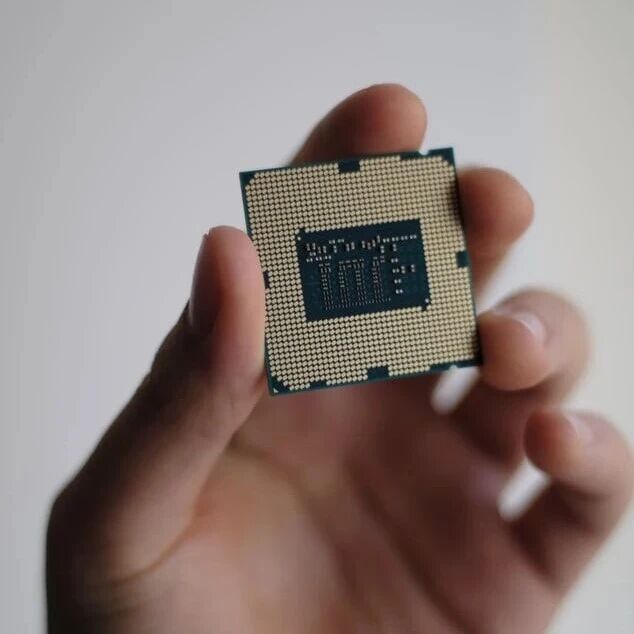
Core Viewpoint - FPT has successfully exported commercial semiconductor chips to Japan, marking a significant milestone for Vietnam in the semiconductor industry and demonstrating its capabilities in core technology [1][3]. Group 1: Product Development and Market Entry - FPT is building a comprehensive power integrated circuit ecosystem, including PMICs, LDOs, buck converters, LED drivers, and power MOSFETs, aimed at providing stable power and low-energy solutions for electronic devices [1]. - The recently exported power chips are specifically designed for high-performance multifunction printers (MFPs) in office and enterprise environments, ensuring reliable operation under high load conditions [1]. - A strategic cooperation agreement was signed between FPT and Restar during a high-tech and green transformation forum, with plans for Restar to distribute 10 million chips designed and manufactured by FPT in the Asia-Pacific region over three years [1][2]. Group 2: Quality Assurance and Compliance - The chips underwent extensive testing, including electrical characteristics analysis, stability, noise and load response assessments, JEDEC reliability testing, and compliance with Japanese industrial standards for overvoltage, overcurrent, and thermal stability [2]. - The products also meet environmental material requirements and manufacturing processes, utilizing the chemSHERPA tool for chemical substance information disclosure, ensuring compliance with green supply chain standards [2]. Group 3: Future Collaboration and Market Potential - Following the initial product delivery, FPT and Restar will continue to collaborate to increase delivery volumes to meet growing market demand, and they will jointly develop new semiconductor products for the Japanese market [2]. - The global power integrated circuit market is projected to reach approximately $59 billion by 2030, with the Japanese market alone expected to approach $3 billion during the same period, driven by increasing demand across various sectors [3]. - FPT's recent shipment coincides with a heightened need for supply chain diversification and reliable alternative suppliers due to recent disruptions in the semiconductor supply chain [3].

通业科技5.61亿跨界收购思凌科 标的公司增值率近400% 业绩补偿条款或增加中小股东风险
Xin Lang Cai Jing· 2025-12-30 07:53
Core Viewpoint - Tongyi Technology plans to acquire 91.69% of Beijing Siling Semiconductor Technology Co., Ltd. for 561 million yuan, indicating a strategic move to enhance its technological capabilities and market position in the rail transit electrical equipment sector [1][2]. Group 1: Acquisition Details - The total assessed value of Siling's 100% equity is 612 million yuan, representing a 387.41% increase over its book net assets of 126 million yuan [1][3]. - Despite a loss of 3.253 million yuan in the first seven months of 2025 due to seasonal factors in power grid procurement, Siling's core products have entered the State Grid supply chain, achieving net profits of 27.7129 million yuan in 2023 and 20.318 million yuan in 2024 [1][4]. Group 2: Strategic Rationale - The acquisition is not a blind expansion but a precise layout based on technological synergy and market complementarity, as Tongyi Technology seeks new growth points amid slowing revenue growth [1][2]. - In the first three quarters of 2025, Tongyi Technology reported revenues of 294 million yuan and a net profit of 26.6136 million yuan, with revenue growth of 11.97% year-on-year but a net profit decline of 15.56% [1][3]. Group 3: Performance Commitments - To protect shareholder interests, a strict performance commitment and compensation agreement has been signed, requiring Siling to achieve a cumulative net profit of no less than 175 million yuan from 2026 to 2028, averaging approximately 58.33 million yuan per year, which is about double the net profits of 27.7129 million yuan in 2023 and 20.318 million yuan in 2024 [2][5]. - If performance targets are not met, compensation will be limited to the after-tax proceeds from the sale of all shares held by Siling in Tongyi Technology, which may be affected by stock price declines or dilution [5]. Group 4: Industry Context - The acquisition aligns with the trends of semiconductor localization and new infrastructure development, marking a strategic upgrade driven by technology for Tongyi Technology [2][5].
沪指九连阳后或有惯性上冲,获利盘了结需求也在积累
British Securities· 2025-12-30 02:06
Market Overview - The A-share market experienced fluctuations with the Shanghai Composite Index narrowly maintaining a nine-day winning streak, closing at 3965.28 points, up 0.04% [5] - The total trading volume across both exchanges exceeded 2 trillion yuan, indicating increased market activity [5][10] - The market's recent upward trend is attributed to multiple factors, including alleviated global liquidity concerns, favorable policies, and improved exchange rates [9][10] Sector Performance - The oil sector saw gains due to U.S. sanctions on Venezuelan oil tankers, suggesting potential opportunities in industry-leading companies [6] - The commercial aerospace sector remained active, driven by recent policy clarifications and the establishment of a dedicated regulatory body, which enhances the industry's growth prospects [6] - The robotics sector showed significant growth, with notable increases in stock prices since early January, supported by strong internal growth dynamics and favorable government policies [7] Investment Strategy - The report suggests maintaining a consistent investment approach, focusing on sectors with strong earnings support, including technology growth (semiconductors, AI, robotics), cyclical industries (solar, batteries, chemicals), and dividend stocks (banks, utilities) [2][9] - Investors are advised to avoid high-valuation stocks lacking earnings support, emphasizing the importance of selecting fundamentally sound companies for low-cost entry [2][9]
152亿元!宁德时代,联手两大巨头跨界
DT新材料· 2025-12-29 16:05
Core Viewpoint - CATL is making significant strides in the energy sector by diversifying its investments into water power and semiconductor industries, indicating a strategic shift towards becoming a comprehensive energy service provider and enhancing its competitive edge in the clean energy market [2][4][6]. Group 1: Energy Sector Developments - CATL has signed multiple contracts for energy storage, including a 50GWh contract with Siyi Electric and a contract of no less than 200GWh with Haibo Shichuang, alongside a 10-year deepening contract with Lantu Automotive for high-end technologies [1]. - The company is set to apply sodium batteries on a large scale in 2026 across various sectors, including battery swapping and energy storage, which is expected to create a new trend of "sodium-lithium dual stars" [1][2]. - CATL's investment in the Dadu River hydropower project, with a total investment of 15.273 billion yuan and a capacity of 1.15 million kilowatts, reflects its strategy to secure high-quality energy assets and transition towards a comprehensive energy service provider [3][4]. Group 2: Semiconductor Sector Developments - CATL has entered the semiconductor industry by investing in the establishment of Ziguang Tongxin Microelectronics Technology Co., with a registered capital of 300 million yuan, where CATL holds a 5% stake [5][6]. - The acquisition of automotive domain control chip assets from Ziguang Tongxin positions CATL to play a crucial role in the automotive smart core components sector, enhancing its capabilities in intelligent vehicle technology [6]. - CATL has previously invested in various semiconductor companies to build a self-controlled chip supply system, ensuring the needs of its battery systems are met [6]. Group 3: Broader Investment Landscape - CATL's investment portfolio extends beyond energy and semiconductors, including significant investments in electric vehicle companies and the eVTOL sector, indicating a broadening of its strategic focus [6][7]. - The company has also invested in robotics, leading funding rounds for companies like Xinuo Future and Galaxy General, showcasing its interest in the burgeoning robotics field [7].


壹快评丨“募资即理财”现象蔓延,科技企业为何偏离研发初心
第一财经· 2025-12-29 12:49
2025.12. 29 本文字数:1670,阅读时长大约3分钟 作者 | 第一财经 魏中原 这些现象引发了市场对科技企业"重融资、轻研发"的担忧。需要厘清的是,问题不在于资本市场制度 本身,而在于执行与监督环节的缺失。以科创板为例,该板块的创新性制度设计的初衷是通过市场化 机制引导资金流向真正需要的硬科技研发,推动科技企业做大做强。 创新政策带来了溢价,使得市场给予的部分科技企业高估值与超募资金,本质上是社会对科技企业突 破技术"卡脖子"的深切期待,是国家为支持创新提供的特殊政策支持。这份政策支持的初心,始终指 向"研发突破"而非"理财躺赚"。 笔者认为,当前科技型上市公司募资理财现象背后有三方面深层原因。 企业层面,部分企业对研发周期和资金消耗速度缺乏准确评估,担心资金投入过快导致"烧钱"压力过 大,选择"慢撒网、稳推进"策略。 政策支持科技企业上市的初心,始终是为中国科技突破"卡脖子"技术提供资本支撑,为国家科技自立 自强注入源头活水。科创板等上市板块的设立,是国家推动科技创新、实现产业自主可控的战略性制 度安排。这一制度设计本身具有前瞻性与积极意义,其目标在于引导资本"脱虚向实",推动科技企业 真正在研 ...

“募资即理财”现象蔓延,科技企业为何偏离研发初心
Di Yi Cai Jing· 2025-12-29 11:56
Core Viewpoint - The initial intention of supporting technology companies to go public is to provide capital support for China's technological breakthroughs in critical areas, injecting vital resources for national technological self-reliance [1][2] Group 1: Current Issues - The phenomenon of "IPO for financial management" has evolved from isolated cases to a systemic behavior among technology companies, raising concerns about their commitment to research and development [1][2] - Companies like Moer Thread and Huahong Semiconductor have been reported to allocate substantial IPO funds (e.g., 7.5 billion yuan and over 20 billion yuan respectively) into low-risk financial products instead of investing in production and R&D [1] - This trend of diverting funds from essential projects to financial products distorts market resource allocation efficiency and undermines the integrity of the capital market [1] Group 2: Underlying Reasons - At the enterprise level, some companies lack accurate assessments of R&D cycles and funding consumption rates, leading them to adopt a cautious approach to funding allocation [3] - The market environment has seen inflated valuations in the primary market, prompting companies to rationalize their financial management strategies to maintain high valuations [4] - The responsibility of intermediary institutions has been lacking, as they fail to effectively supervise the use of raised funds, which should be directed towards actual projects rather than financial management [4] Group 3: Successful Examples - The design of the Sci-Tech Innovation Board has successfully supported the growth of several companies in sectors like semiconductors and biomedicine, with examples including SMIC and Zhongwei Technology, which have achieved technological breakthroughs and market value growth through effective fundraising [4] Group 4: Recommendations for Improvement - Strengthening the responsibility of intermediary institutions by incorporating continuous supervision into core assessment metrics and implementing thorough oversight of financial management behaviors [5] - Optimizing information disclosure requirements for companies to provide detailed funding usage plans and R&D progress, establishing a correlation assessment system between funding use and technological breakthroughs [5] - Creating positive incentives for companies with high R&D investment ratios and significant technological breakthroughs by offering green channels for refinancing, fostering a virtuous cycle between R&D investment, technological breakthroughs, and market value [5] Group 5: Conclusion - The development of the capital market requires professionalism and accountability from "gatekeepers," as well as a commitment from technology companies to their original intentions, ensuring that the Sci-Tech Innovation Board remains focused on strengthening China's technological capabilities rather than merely generating profits [6]
壹快评丨“募资即理财”现象蔓延,科技企业为何偏离研发初心
Di Yi Cai Jing Zi Xun· 2025-12-29 11:48
Group 1 - The core intention of policies supporting technology companies' IPOs is to provide capital support for breakthroughs in critical technologies and to inject fresh resources for national technological self-reliance [1][2] - The establishment of the Sci-Tech Innovation Board and other listing platforms is a strategic arrangement aimed at promoting technological innovation and achieving industrial autonomy [1][2] - There is a growing concern in the market regarding technology companies focusing more on financing rather than research and development, as evidenced by the trend of companies using IPO funds for financial management instead of investing in production and R&D [2][3] Group 2 - The phenomenon of using IPO funds for financial management has evolved from isolated cases to a systemic behavior among technology companies, particularly in the semiconductor sector [1][2] - The lack of accurate assessment of R&D cycles and funding consumption speed at the enterprise level has led some companies to adopt a cautious approach, opting for a "slow and steady" strategy [3][4] - The high valuations in the primary market have inflated financing expectations, prompting some companies to rationalize their use of funds to maintain these valuations [4] Group 3 - The responsibility of intermediary institutions has been lacking, as they fail to effectively supervise the use of raised funds, which should be directed towards actual projects rather than financial products [4] - The successful design of the Sci-Tech Innovation Board has led to the growth of several companies in sectors such as semiconductors and biomedicine, demonstrating the potential for technology breakthroughs and market value growth through proper funding [4][5] Group 4 - Recommendations for improving the mechanism include strengthening the responsibilities of intermediary institutions, optimizing information disclosure, and establishing positive incentives for companies with significant R&D investments [5][6] - A clear connection between funding usage and technological breakthroughs should be established to enhance transparency for investors [5] - The development of the capital market requires both professional oversight from "gatekeepers" and a commitment from technology companies to their original mission of driving technological advancement [6]
盘中,20%涨停!A股,集体异动!
券商中国· 2025-12-29 07:01
Core Viewpoint - The semiconductor sector in A-shares is experiencing significant activity, driven by the launch of the National Venture Capital Guidance Fund, which is expected to mobilize trillions in funding for early-stage projects in integrated circuits and artificial intelligence [1][3]. Group 1: Market Activity - A-shares semiconductor stocks have shown notable movements, with companies like Maiwei Co., Ltd. hitting a 20% limit up [1][3]. - The semiconductor index rose over 1.5% on December 29, with individual stocks such as Maiwei Co., Ltd. and Dongwei Semiconductor seeing substantial gains [3]. - Korean chip giants SK Hynix and Samsung Electronics have also seen their stock prices rise, contributing to positive sentiment in the A-share semiconductor market [4]. Group 2: National Policy Impact - The National Venture Capital Guidance Fund was officially launched on December 26, aiming to attract a wide range of investments from local governments, central enterprises, financial institutions, and private capital, targeting a total fund size of one trillion yuan [3]. - The fund will focus on early-stage projects in strategic emerging industries, including integrated circuits and artificial intelligence, to enhance innovation and productivity [3]. Group 3: Industry Growth Projections - According to Statista Market Insights, the global semiconductor market is projected to reach $659.1 billion in 2024, representing a 20% year-on-year increase, with integrated circuits accounting for 73.9% of the market [6]. - The fastest growth is expected in AI chips, with a projected increase of 49.3% [6]. - Investment opportunities are anticipated in third-generation semiconductor materials, computing chips, and RF communication chips, driven by domestic policy and international dynamics [7].



海南自贸港全岛封关首周,政策红利释放带动消费市场活跃
Mei Ri Jing Ji Xin Wen· 2025-12-29 02:45
Group 1: Market Performance - The Hong Kong stock market opened with the Hang Seng Index up by 0.43%, the National Index up by 0.59%, and the Hang Seng Tech Index up by 0.88% [1] - New energy vehicle stocks saw a broad increase, while copper and other non-ferrous metal stocks led the rise in the sector [1] - Semiconductor stocks showed strong performance, while the consumer sector experienced slight fluctuations with the Hong Kong Consumer ETF (513230) showing a small decline [1] Group 2: Hainan Free Trade Port Developments - In the first week of the Hainan Free Trade Port's full closure, policy benefits have stimulated market activity, with impressive data in duty-free shopping and foreign trade [1] - Duty-free shopping figures for the first week reached 1.1 billion yuan, with 775,000 items purchased and 165,000 shoppers, representing year-on-year increases of 54.9%, 11.8%, and 34.1% respectively [1] - The number of newly registered foreign trade enterprises in Hainan increased by 1972, a year-on-year growth of 230%, with over 30,000 new registered customs declaration units for the year, up over 40% [1] - The passenger throughput at Meilan Airport during the first week post-closure increased by 11.8% year-on-year, with significant growth in ticket bookings for the New Year holiday [1] Group 3: Government Initiatives - The Ministry of Finance announced plans to significantly boost consumption in the coming year, implementing special actions to support consumer spending [2] - The government will continue to allocate funds for consumer goods trade-in programs and adjust subsidy ranges and standards [2] Group 4: Related ETFs - Tourism ETF (562510) is positioned to benefit from holiday catalysts and the ice and snow economy [3] - Food and Beverage ETF (515170) is seen as undervalued in the context of boosting domestic demand [3] - Hong Kong Consumer ETF (513230) is linked to e-commerce leaders and new consumption trends [3]
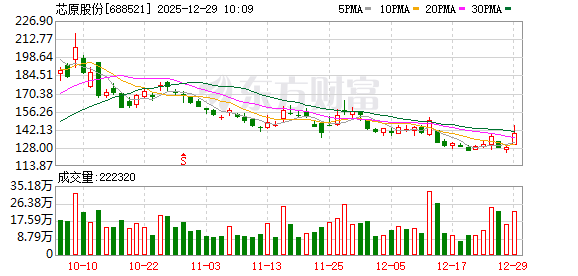
半导体芯片股震荡拉升,芯原股份涨超10%
Mei Ri Jing Ji Xin Wen· 2025-12-29 02:08
Group 1 - Semiconductor stocks experienced a significant rally on December 29, with notable gains in several companies [2] - Chipone Technology saw its stock price increase by over 10%, leading the surge in the semiconductor sector [2] - Other companies that performed well include New Clean Energy, Weicai Technology, Sirepu, Canxin Technology, and Demingli, all of which had substantial price increases [2]