石油

Search documents
德邦证券市场双周观察(第七期)
Tebon Securities· 2026-03-29 04:08
Macro Economic Overview - Global markets remain cautious, influenced by geopolitical conflicts and inflation concerns, with oil prices significantly elevated due to the blockade in the Strait of Hormuz[3] - The U.S. Federal Reserve maintained interest rates at 3.50%-3.75%, with market expectations shifting towards a potential rate hike later this year[3] - China's economic growth target for 2026 is set at 4.5%-5%, indicating continued policy support amid external pressures[3] Stock Market Performance - Major indices in A-shares, H-shares, and U.S. markets experienced declines, with the Shanghai Composite Index falling by 1.09% and the S&P 500 down by 2.12% over the two-week period[7] - The ChiNext Index showed relative resilience, declining only 0.4%, while the Hang Seng Index and Hang Seng China Enterprises Index saw increased losses[7] - Valuation metrics indicate that A-shares are trading at relatively high PE ratios compared to historical averages, with the Shanghai Composite at 68.9 for the past year[8] Bond Market Insights - U.S. Treasury yields remain elevated, with the 10-year yield at 4.43% and the 30-year yield at 4.97%, reflecting market expectations of sustained high rates[14] - China's bond yields show a bullish trend in the short end, with the 2-year yield at 1.30% and a notable decline in yields across most maturities[19] - The probability of a rate cut by the Federal Reserve this year is low, with expectations for only one rate cut in 2027[16] Commodity Market Trends - The commodity market displayed mixed performance, with energy and chemical products strengthening, while precious metals like gold and silver faced downward pressure[33] - Brent crude oil prices rose significantly, reaching $112.57 per barrel, while WTI crude oil was at $99.64 per barrel[33] - Domestic commodity prices showed a split, with energy products like LPG and methanol seeing gains, while agricultural products like soybeans and live pigs weakened[36] Real Estate Market Dynamics - New housing prices in major cities showed slight month-on-month fluctuations, with Beijing's prices at 100.2% of the previous month and Shanghai at 100.2% year-on-year[40] - Overall, the real estate market remains under pressure, reflecting broader economic uncertainties and policy adjustments[40]
中国不怕石油危机
对冲研投· 2026-03-29 04:08
Core Viewpoint - The article discusses the implications of the ongoing US-Iran conflict on global oil prices and China's preparedness for potential oil crises, highlighting China's strategic oil reserves and alternative energy technologies as key factors in mitigating risks associated with oil dependency [3][5][10]. Group 1: Impact of US-Iran Conflict on Oil Prices - The conflict has escalated to target energy facilities, with significant attacks on oil infrastructure, leading to a surge in international oil prices, with Oman crude exceeding $160 per barrel [4][5]. - Analysts predict that continued destruction of Middle Eastern oil facilities could result in a loss of 40% of global oil production capacity, potentially triggering a third oil crisis [5][6]. Group 2: China's Preparedness for Oil Crises - Despite a high dependency on foreign oil (over 70%), China appears unaffected by the oil crisis due to extensive preparations made over the years [10][11]. - China's strategic oil reserve program, initiated in 2004, has evolved to include underground storage facilities, which are more secure and efficient than surface tanks [15][19][30]. Group 3: Underground Oil Storage Technology - China employs advanced underground storage techniques, utilizing water-sealed technology to prevent oil leakage and ensure safety [25][27]. - The country has also developed a network of underground salt cavern storage, which is cost-effective and allows for rapid oil reserve turnover [28][30]. Group 4: Coal-to-Oil Technology - China has developed coal-to-oil technology, which allows for the conversion of coal into high-quality synthetic fuels, providing an alternative to crude oil [40][48]. - The successful development of catalysts for this process has positioned China as a leader in coal-to-oil technology, enabling the production of clean fuels suitable for military and industrial use [46][49]. Group 5: Fertilizer Production and Food Security - China has advanced coal-based fertilizer production technologies, ensuring a stable supply of nitrogen fertilizers, which are critical for agriculture [56][62]. - This capability positions China to maintain food security and potentially control global fertilizer supply during oil crises, impacting global food production significantly [64][66]. Group 6: Diversified Oil Import Sources - China has diversified its oil import sources, limiting any single country's contribution to 15-20% of total imports, thereby reducing vulnerability to supply disruptions [82][86]. - The country has established energy cooperation projects with multiple oil-producing nations, ensuring a stable supply chain even during geopolitical tensions [89][91]. Group 7: Domestic Oil Production and New Energy - China maintains a domestic oil production level of over 200 million tons annually, which can sustain essential services even if global oil trade ceases [97][98]. - The development of shale oil technology and a shift towards renewable energy sources further reduce China's reliance on imported oil, positioning it for energy independence [100][102]. Group 8: Economic Implications of Oil Price Increases - While the oil crisis may lead to increased costs for consumers, China's industrial base is less likely to suffer catastrophic disruptions compared to smaller nations [120][124]. - The crisis may accelerate the transition to electric vehicles, further decreasing oil demand and enhancing China's energy autonomy [108][113].

古巴外长:美方否认对古巴燃料供应实施封锁,这是在“厚颜无耻地撒谎”
中国能源报· 2026-03-29 03:15
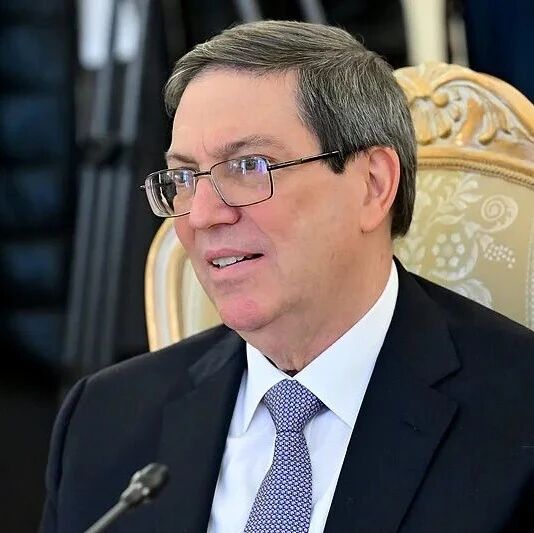
Core Viewpoint - The Cuban Foreign Minister Rodriguez accuses the U.S. of "shamelessly lying" about fuel supply restrictions imposed on Cuba, asserting that the U.S. is responsible for the energy shortages faced by the Cuban people [3]. Group 1: U.S. Actions and Statements - Rodriguez highlights that U.S. officials' statements in Europe aim to "create chaos," denying any maritime blockade against Cuba while the reality is a severe fuel supply blockade [3]. - The U.S. Secretary of State Rubio claimed that Cuba's energy shortages stem from attempts to "obtain oil for free," contradicting the evidence of U.S. sanctions [3]. - The U.S. has intensified pressure on Cuba following military actions against Venezuela, including new oil restrictions and threats of tariffs on countries supplying oil to Cuba [3]. Group 2: Historical Context - The U.S. President Trump signed an executive order on January 29, threatening to impose tariffs on goods from countries providing oil to Cuba, indicating a strategic escalation in U.S. policy towards Cuba [3]. - Following military actions against Venezuela and Iran, Trump issued threats against Cuba, stating "Cuba is next," which reflects a broader geopolitical strategy [3].
霍尔木兹海峡,突发大消息!俄罗斯:禁止汽油出口!
券商中国· 2026-03-28 14:53
Core Viewpoint - The ongoing conflict in the Middle East is escalating the risk of spillover effects, particularly in the energy and agricultural sectors [1]. Group 1: Energy Market Impact - The Russian government has announced a ban on gasoline exports starting April 1, aimed at stabilizing prices amid the turmoil in the Middle East and prioritizing domestic supply [2][4]. - The ban will last until July 31, with the Russian Deputy Prime Minister indicating that the crisis has caused significant volatility in global oil and petroleum product markets [4]. - The conflict has severely disrupted shipping routes in the Strait of Hormuz, leading to dramatic fluctuations in international oil prices [5]. - Approximately 40% of Russia's oil supply is reportedly affected by Ukraine's intensified attacks on its oil industry, which could have long-term implications for Russia's export capabilities [5]. Group 2: Agricultural Sector Risks - Economists warn that the current conflict has triggered one of the most severe shocks to global commodity flows in recent years, leading to soaring natural gas prices and tightening fertilizer supplies [6]. - The United Nations World Food Programme has highlighted that the poorest farmers in the Northern Hemisphere are heavily reliant on fertilizer imports from the Gulf region, with shortages coinciding with the planting season [6]. - The Strait of Hormuz is a critical channel for global energy and fertilizer transport, handling about 20 million barrels of oil daily, which constitutes approximately 35% of global crude oil transport [7]. - The supply of nitrogen and phosphate fertilizers is under direct threat, with around 30% of global urea trade already impacted by the conflict [7]. - Countries like Ethiopia, which depend on Gulf imports for over 90% of their nitrogen fertilizer, are facing severe shortages [7].

泰国、伊朗达成协议
中国能源报· 2026-03-28 14:31
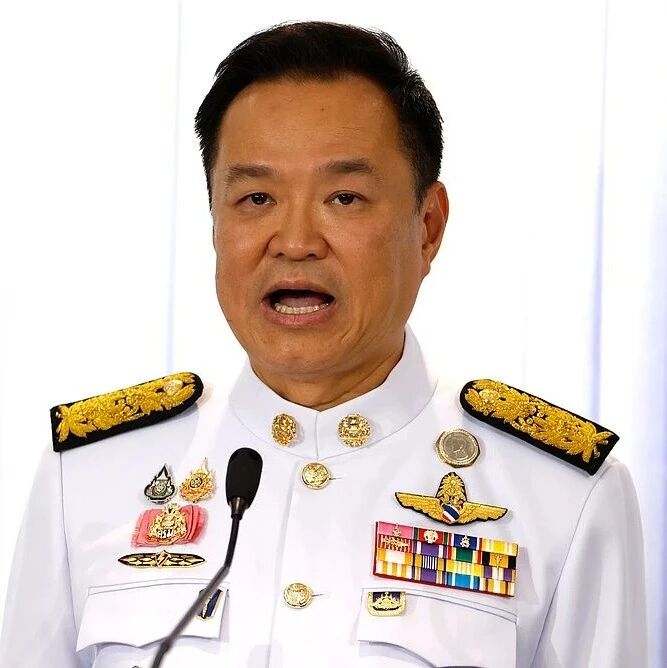
Core Viewpoint - Thailand has reached an agreement with Iran allowing Thai oil tankers to safely pass through the Strait of Hormuz amid rising domestic oil prices due to the Middle East situation [3]. Group 1: Government Response - Thai Prime Minister Anutin stated that the government will focus on four areas: diplomatic coordination, energy security, commodity price control, and public welfare to address oil price fluctuations [3]. - The Thai Foreign Minister, Sihasak, proposed a special ASEAN foreign ministers' meeting to discuss solutions for easing tensions in the region [3]. Group 2: Energy Security - Thailand currently maintains stable oil reserves and is actively seeking additional energy sources through diplomatic channels [3]. - The recent attack on a Thai cargo ship in the Strait of Hormuz, which resulted in the rescue of 20 crew members and three missing, highlights the ongoing risks in the region [3].
伊朗:哈尔克岛石油出口正常
中国能源报· 2026-03-28 13:30
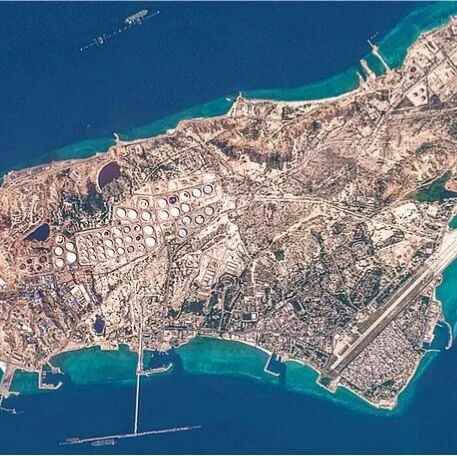
Core Viewpoint - The security situation on Khark Island is stable, and oil exports are proceeding normally despite external threats [1][3]. Group 1: Security and Oil Export - The Iranian Parliament's National Security and Foreign Policy Committee spokesperson stated that the security situation on Khark Island is stable, and oil exports are normal [1][3]. - Khark Island is described as a symbol of Iran's oil industry strength and resistance spirit, with the committee chairman emphasizing that the safety of the Persian Gulf and surrounding countries can only be ensured if foreign forces withdraw [3]. - The Iranian oil industry is reportedly better prepared than ever in terms of storage, loading, and sales, unaffected by threats from Israel and the United States [3]. Group 2: Military Actions and Implications - On March 13, U.S. military forces conducted a large-scale strike on Khark Island, claiming to have successfully targeted over 90 military objectives, including facilities for storing naval mines and missiles, while leaving oil infrastructure intact [3]. - Reports indicate that the Trump administration is considering options to occupy or blockade Khark Island to pressure Iran into reopening the Strait of Hormuz [3].
俄罗斯:4月1日起将禁止汽油出口
中国能源报· 2026-03-28 10:14
Core Viewpoint - The Russian government has announced a ban on gasoline exports starting April 1, aimed at stabilizing domestic prices amid turmoil in the energy market due to conflicts in the Middle East [1]. Group 1: Government Actions - The ban on gasoline exports will last until July 31, as directed by Deputy Prime Minister Alexander Novak [1]. - The decision follows a meeting of the Russian cabinet regarding the domestic oil product market situation [1]. Group 2: Market Conditions - The Middle East crisis has caused significant volatility in global oil and petroleum product markets, leading to sharp price fluctuations [1]. - Despite the turmoil, there remains a high demand for Russian energy resources in foreign markets, which is viewed as a positive factor [1]. Group 3: Domestic Supply and Production - Russia's crude oil processing volume is currently on par with last year, ensuring stable supply of petroleum products [1]. - The government has previously implemented temporary restrictions on gasoline and diesel exports to stabilize the domestic market [1]. Group 4: Future Outlook - President Putin expressed hope for a resolution to the Middle East conflict in the coming weeks, acknowledging that while the situation has led to excess profits for Russia as an energy exporter, this is not expected to last long [1].
周末!霍尔木兹海峡,传来大消息!以色列,出动50余架战机!
券商中国· 2026-03-28 09:40
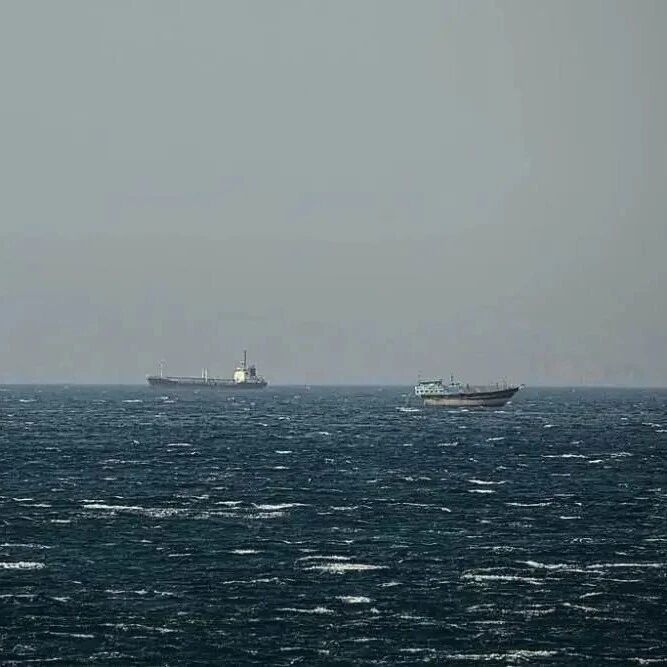
Core Viewpoint - The article discusses the recent developments in the Strait of Hormuz, highlighting agreements between Thailand and Iran for safe passage of oil tankers, as well as the ongoing tensions involving military actions and threats from Iran and Israel [1][2][3]. Group 1: Agreements and Developments - Thailand's Prime Minister Anutin announced an agreement with Iran allowing Thai oil tankers to safely pass through the Strait of Hormuz, aimed at addressing domestic oil price crises [2]. - Malaysia's Prime Minister Anwar stated that Iran will permit Malaysian vessels to transit the Strait, indicating a broader regional cooperation [3]. - Morgan Stanley reported an increase in vessel traffic through the Strait, with up to 12 ships passing from March 23 to 26, compared to only three ships during the previous four days [1][3]. Group 2: Military Actions and Threats - The Israeli Defense Forces conducted airstrikes on Iranian nuclear facilities and weapon bases, escalating military tensions in the region [1]. - Iran's Islamic Revolutionary Guard Corps warned that any military actions in the Strait could lead to its complete closure, emphasizing the potential for severe repercussions [6][7]. - Iran has stated that any vessels associated with U.S. and Israeli allies are prohibited from passing through the Strait, reflecting the heightened security measures in place [7]. Group 3: Energy Market Implications - The New York Times noted that while Iran has allowed a limited number of ships to pass, this will not alleviate the pressures on the shipping and energy markets in the short term [8]. - The ongoing conflict has led to a significant reduction in shipping traffic, with nearly 3,000 vessels waiting to transit the Strait, compared to approximately 120 vessels per day before the conflict [8][9]. - Analysts predict that the congestion and risks associated with shipping in the region may delay the return to pre-war shipping levels, maintaining pressure on global oil and gas markets [9][10].

霍尔木兹海峡新消息,泰国与伊朗达成协议
21世纪经济报道· 2026-03-28 09:38
Group 1 - The Thai government is actively addressing the crisis caused by rising oil prices due to the Middle East situation, focusing on diplomatic coordination, energy security, price control, and public welfare [1] - Thailand's Foreign Minister has proposed a special ASEAN foreign ministers' meeting to discuss solutions for easing tensions, while the country maintains stable oil reserves and seeks additional energy sources through diplomatic channels [1] - A recent incident involving a Thai cargo ship in the Strait of Hormuz highlights the ongoing risks in the region, with one ship attacked and three crew members missing [1] Group 2 - The article mentions a significant drop in cryptocurrency values, with nearly 120,000 traders facing liquidation, indicating volatility in the digital asset market [2] - Gold prices have surged past $4,550, reflecting a potential safe-haven investment trend amid geopolitical tensions [2] - The situation surrounding Iran's nuclear facilities has escalated, with threats of severe retaliation and expectations of military conflict concluding within weeks [2]
俄罗斯突然宣布:4月1日起将禁止汽油出口
第一财经· 2026-03-28 09:30
Core Viewpoint - The Russian government has announced a ban on gasoline exports starting April 1, 2026, to stabilize domestic prices amid turmoil in the energy market due to conflicts in the Middle East [3][4]. Group 1: Government Actions - Deputy Prime Minister Alexander Novak instructed the Energy Ministry to draft an administrative order for the gasoline export ban, which will last until July 31, 2026 [3]. - The Russian government held a meeting regarding the domestic oil product market situation, leading to the announcement of the export ban [3]. Group 2: Market Conditions - The Middle East crisis has caused significant volatility in global oil and petroleum product markets, with prices experiencing large fluctuations [3]. - Despite the turmoil, there remains high foreign demand for Russian energy resources, which is viewed as a positive factor [3]. Group 3: Economic Implications - President Putin indicated that while the Middle East conflict has resulted in excess profits for Russia as an energy exporter, this situation is not expected to last long [4]. - The Russian government has previously implemented temporary restrictions on gasoline and diesel exports to stabilize the domestic market [4].