潮玩

Search documents
港股“新消费三姐妹”股价持续调整 多元增长能力将成为估值修复基石
Zheng Quan Shi Bao· 2025-12-18 18:08
Core Viewpoint - The new consumption sector in Hong Kong, represented by the "new consumption three sisters" (Pop Mart, Laopuhuang, and Mixue Group), has experienced significant stock price declines, indicating a market correction of previously high valuations and a reassessment of the sustainability of their business models [1][2][3] Group 1: Market Performance and Valuation - The "new consumption three sisters" saw stock price drops of 43%, 39%, and 35% from their peak values as of December 18 [1] - High valuations were noted earlier in the year, with Laopuhuang's dynamic P/E ratio exceeding 142 times and Pop Mart reaching 113 times, compared to Disney's 20-40 times and LVMH's around 20 times [2] - The market correction was driven by a concentration of funds exiting the sector, as many funds significantly reduced their holdings in these stocks during the third quarter [2] Group 2: Business Model Challenges - Experts indicate that the stock price declines stem from market skepticism regarding valuation bubbles and the viability of business models [2] - Pop Mart's reliance on youth and IP is questioned due to declining interest in its flagship products, while Laopuhuang faces demand contradictions due to high gold prices affecting middle-class consumers [2] - Mixue Group is challenged by intense competition in the tea beverage market, with its business model being easily replicable, leading to potential market share dilution [3] Group 3: Growth Strategies - Despite stock price declines, the fundamentals of the "new consumption three sisters" remain strong, with Mixue Group reporting a 39.3% revenue growth and a 44.1% net profit increase in the first half of the year [4] - The companies are actively pursuing a "second growth curve" through international expansion, supply chain innovation, and brand value enhancement [4] - Mixue Group's coffee brand has surpassed 10,000 global stores, indicating rapid market penetration for affordable coffee in China [4] Group 4: Long-term Transformation - The current market correction serves as a "stress test" for the growth logic of the "new consumption three sisters," necessitating a shift from being trend-driven to building brand equity [7] - Recommendations for transformation include elevating value from product sales to cultural storytelling, creating a robust ecosystem beyond single product reliance, and fostering deep trust with consumers [7][8] - Strong brand culture and continuous innovation in product development and supply chain management are essential for sustaining competitiveness in the rapidly changing new consumption sector [8]

AI突围战,盯上数字文娱风口
2 1 Shi Ji Jing Ji Bao Dao· 2025-12-18 15:34
Core Insights - The article highlights the rapid growth and transformation of the digital entertainment industry in China, driven by AI technology and changing consumer demands [2][4][9] Industry Overview - The digital entertainment market in China is projected to reach a scale of 1.75 trillion yuan by 2024, indicating continuous market expansion [4] - The "14th Five-Year Plan" emphasizes the importance of cultural and technological integration, guiding the development of new cultural formats [2][4] Emerging Trends - New formats such as micro-short dramas are gaining popularity, with user numbers nearing 700 million and a market size expected to reach 50.4 billion yuan in 2024, reflecting a year-on-year growth of 34.9% [4] - Traditional sectors like gaming and trendy toys are revitalizing through IP innovation and technological empowerment, showcasing a competitive landscape with significant growth potential [4][5] AI Integration - AI is significantly enhancing production efficiency across various entertainment sectors, with game development time reduced from 10 days to just 1 hour for certain tasks [7] - Over 87.2% of companies in the gaming sector believe that AI-generated content (AIGC) technologies will be crucial for reducing development costs and improving creative processes [7] Consumer Engagement - The integration of AI is reshaping content production and business models, transitioning from selling assets to providing tools for unique content generation [8] - The demand for immersive and personalized experiences is driving innovation in content delivery, with AI facilitating tailored recommendations for consumers [9] Future Outlook - The convergence of AI and digital entertainment is expected to create new supply models and business opportunities, enhancing the industry's dynamism and creativity [9] - The future of top IPs may involve a complex ecosystem where AI generates content based on a defined worldview, shifting the focus from content control to ecosystem management [9]


“犒赏经济”崛起:情绪买单撬动千亿消费新蓝海
Jin Rong Jie· 2025-12-18 13:53
Core Insights - The article defines "Reward Economy" as a new engine for driving domestic demand and expanding consumption, particularly among the younger demographic, with the collectible toy industry projected to reach a market size of 110.1 billion yuan by 2026 [1] Economic New Concept - "Reward Economy" is characterized by consumers purchasing non-essential goods or experiences to fulfill psychological needs and achieve immediate gratification, differing fundamentally from the "lipstick effect" which is a reaction to economic downturns [2] Market New Forces - The collectible toy industry exemplifies the "Reward Economy," experiencing explosive growth and evolving beyond the single "blind box" model into a multi-billion yuan "emotional business" [4] - As of April 2025, there are over 50,000 collectible toy-related companies in China, with leading brand Pop Mart expected to surpass 10 billion yuan in revenue for the first time in 2024 [4][5] Consumer New Portrait - Young consumers are reshaping their spending habits under the "Reward Economy," balancing frugality in essential goods with willingness to spend on emotionally resonant items like collectible toys and experiences [6] - Female consumers are increasingly driving demand, especially in artistic collectible toys, while over 60% of consumers spend no more than 5,000 yuan on collectibles [6] Industry New Changes - The rise of the "Reward Economy" is fostering innovation and cross-industry integration, leading to new business models like "Emotion+" that extend beyond collectibles into beauty and travel sectors [7] - Cultural consumption is being revitalized, with significant spending in areas like domestic cultural products and traditional crafts, contributing to the growth of the cultural industry [7] Cultural and Tourism New Scenes - The "Reward Economy" is invigorating the cultural and tourism sectors, emphasizing immersive experiences and personalized satisfaction, with local governments promoting this trend through various events [8] - Innovative models like "ticket root economy" are connecting tourism with consumption, enhancing the value of experiences through discounts and integrated services [8] Future New Directions - The future of the "Reward Economy" presents challenges, including the risk of over-commercialization and the need for sustainable product and IP development [9] - There is potential for deeper integration with technology, such as AI in design and personalized recommendations, which could enhance consumer interaction and experience [9] Regulatory New Guidance - The healthy development of the "Reward Economy" requires regulatory frameworks to promote rational consumption and address issues like quality and pricing in the market [10] - Companies are encouraged to focus on high-quality products that provide emotional value rather than merely selling experiences, fostering a market based on genuine consumer connection [10]
“拼酷”潮玩,为何跨越千里来成都开店?
Mei Ri Jing Ji Xin Wen· 2025-12-18 11:52
Core Insights - Chengdu's digital cultural and creative industry is thriving, showcasing its potential in creativity, consumption, and industry, particularly through the interaction between Dongguan's toy companies and Chengdu's market [3][12] - The "Cool Pin Workshop" in Chengdu represents a shift in consumer engagement, focusing on a slow entertainment model that contrasts with the fast-paced nature of typical toy sales [4][7] - Chengdu consumers are willing to invest in products that provide emotional satisfaction, making the city an ideal testing ground for "emotional value" products [8][9] Group 1: Market Dynamics - The collaboration between Dongguan's precision manufacturing and Chengdu's consumer market highlights the importance of being close to the consumer to understand market demands [12][13] - The workshop serves as a social space where customers engage with products and staff, providing valuable feedback that enhances the manufacturing process [11][17] - The integration of local cultural elements into product design is crucial, as simple collaborations are no longer sufficient to attract Chengdu consumers [14] Group 2: Challenges and Opportunities - There are challenges in relocating design centers or achieving deep collaboration across regions, which involve cost management and team dynamics [16] - The ongoing exploration of these challenges fosters resilient inter-city connections, allowing Dongguan's production capabilities to adapt to Chengdu's market needs [17] - The workshop acts as a signal receiver for market trends, capturing subtle changes in consumer preferences and relaying them back to manufacturers [17]
A股新概念来了!何为“犒赏经济”?消费ETF(159928)再获1400万份净申购!港股通消费50ETF(159268)回调超1%,2026新消费如何看?
Xin Lang Cai Jing· 2025-12-18 09:50
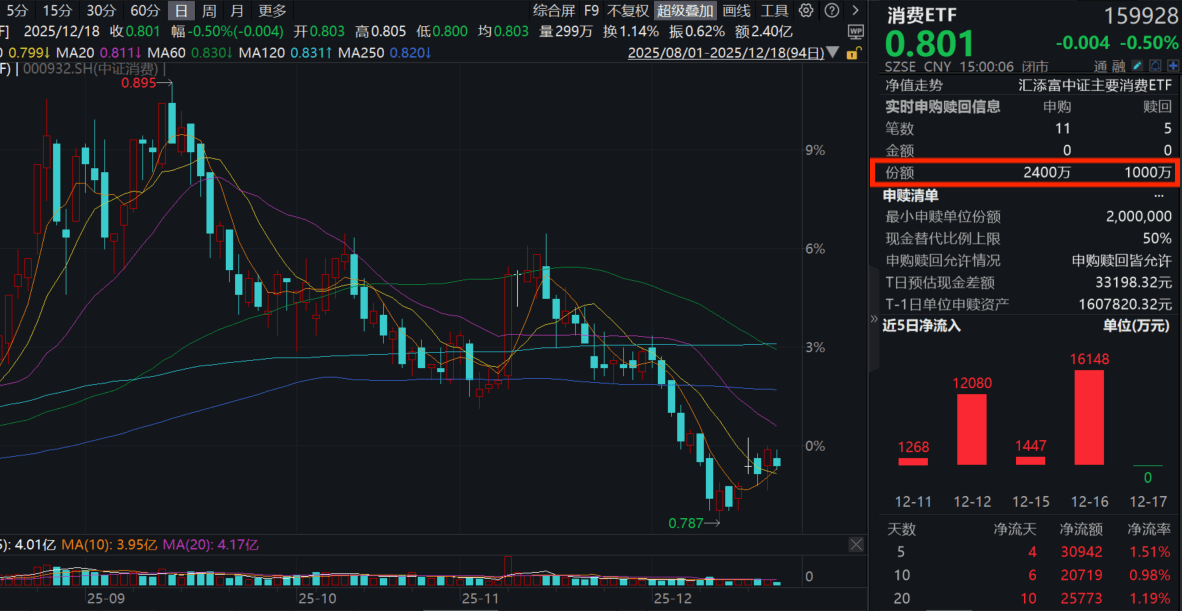
Group 1: Consumer Sector Performance - The consumer sector experienced a pullback, with the Consumer ETF (159928) declining by 0.5% and a total trading volume of 240 million yuan, while it saw a net subscription of 14 million shares, accumulating over 300 million yuan in the last five days [1] - The "Reward Economy" concept gained traction, indicating that consumers are increasingly purchasing non-essential items or experiences to alleviate stress and fulfill psychological needs, reflecting the vitality and resilience of the current consumer market [3] - The valuation of the Consumer ETF (159928) remains attractive, with a TTM price-to-earnings ratio of 19.4, placing it in the 3.17% percentile over the past decade, indicating it is cheaper than 97% of the historical time frame [4] Group 2: Market Trends and Insights - Seasonal patterns in Q4 suggest a tendency for market style shifts, particularly in December, where low valuation stocks may gain favor among investors [5] - The new consumption upgrade is driven by quality supply, with a focus on innovation and user-centric approaches, indicating a shift from previous consumption upgrades that were investment-driven [7] - The trend of "external expansion" in quality consumer supply is emerging, with opportunities for Chinese manufacturing to expand globally, particularly in personal care and textile sectors [8] Group 3: Future Opportunities in Consumption - AI applications are expected to enhance consumer products, with AI smart glasses anticipated to enter the market, presenting significant growth potential [10] - The K-shaped recovery in purchasing power highlights the resilience of luxury consumption, with a shift towards high-end experiences and services becoming more prominent [11] - Moutai's strategy to control product supply and focus on high-quality development aims to stabilize its distribution channels and enhance profitability for distributors [12][15]

逆势开大店,这些品牌在商场开出“经济上行期的美”?
Sou Hu Cai Jing· 2025-12-18 06:40
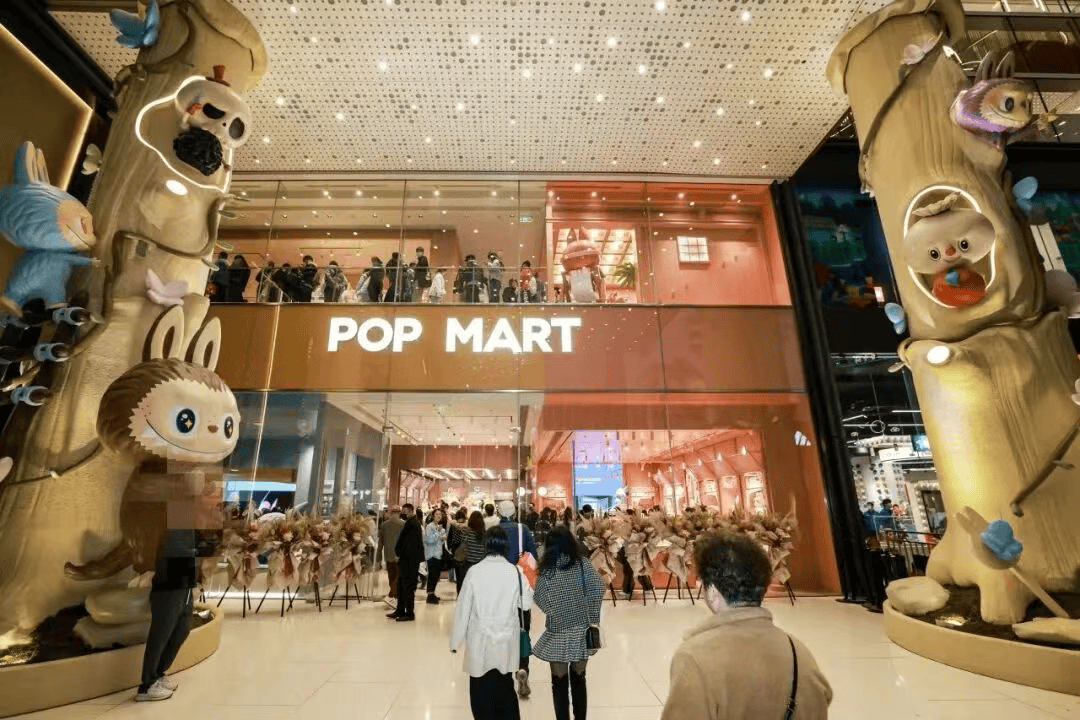
Core Insights - The essence of business is to create value that meets social needs while earning profits through reasonable transactions and operations. This principle applies to the expansion of brand stores in the market, where brands and distributors are generally cautious about store expansion amid rational consumer sentiment. However, some brands are still opening large stores in shopping centers despite the prevailing trend of store closures and market exits [1][2]. Group 1: Brand Expansion Trends - Pop Mart opened its largest flagship store in Shanghai on November 29, covering nearly 800 square meters, and has plans for more large stores in various shopping centers [4][10]. - Miniso is implementing a "big store strategy + global IP" expansion model, with new store formats like MINISO LAND and MINISO FRIENDS, focusing on immersive experience spaces [14][18]. - On has rapidly expanded its presence in the Greater Bay Area, opening its largest direct store in Hong Kong and a significant store in Guangzhou, reflecting a strong growth trajectory [41][46]. Group 2: Consumer Electronics Growth - The consumer electronics sector is experiencing rapid growth in offline retail, with the share of electronic products in Shanghai's retail market increasing from 21% in 2023 to 36% by Q3 2025 [21]. - Huawei opened over 1,400 stores in August and October 2025, including a 2,800 square meter smart living store in Hangzhou, showcasing a trend towards larger retail spaces [22][24]. - Xiaomi's sales have surged, with over 35,000 cars sold in November 2023 alone, supported by a significant increase in physical store openings [33][35]. Group 3: Outdoor Sports Market Dynamics - The outdoor sports industry in China is projected to reach a total scale of 852.6 billion yuan by 2025, with a 13.48% year-on-year growth in the outdoor products market [40]. - On has opened new stores in Guangzhou and Hong Kong, with plans for further expansion, indicating strong market demand and brand performance [41][47]. - Decathlon has launched its first outdoor concept store in Chengdu, focusing on specialized outdoor categories, which reflects a shift towards professional and segmented offerings in the outdoor market [48][51].
学习时报:何为“犒赏经济”
财联社· 2025-12-18 06:20
Core Viewpoint - The rise of the "Reward Economy" among young consumers in China reflects a shift in consumption patterns, driven by the desire for self-care and emotional fulfillment, as the economy transitions from high-speed growth to high-quality development [1][2][3] Group 1: Definition and Characteristics of the "Reward Economy" - The "Reward Economy" refers to consumers purchasing non-essential goods or experiences to gain immediate pleasure and psychological relief in response to work and life pressures [1] - Unlike the traditional "lipstick effect," which is a reaction to economic downturns, the "Reward Economy" showcases a proactive approach where consumers prioritize emotional value over mere functionality [2] - This consumption behavior indicates a significant shift in consumer decision-making, where emotional and psychological needs are increasingly prioritized alongside basic necessities [2][3] Group 2: Psychological and Social Drivers - The "Reward Economy" is supported by psychological resilience, where self-rewarding behaviors help individuals cope with stress and enhance mental well-being [3] - A notable increase in emotional and self-actualization needs, as per Maslow's hierarchy, drives consumers to seek products that provide emotional significance beyond their functional use [3] Group 3: Impact on Industry and Market Dynamics - The "Reward Economy" is reshaping consumer behavior and placing higher demands on supply-side industries, prompting innovation and the development of unique, high-quality products and services [4] - It encourages cross-industry integration, where traditional sectors like manufacturing and services merge to create new business models that enhance emotional value [4] - Cultural consumption is significantly boosted, particularly in areas like creative cultural products, which fosters the development of traditional culture through innovative transformation [4] Group 4: Regulatory and Market Considerations - The government is encouraged to promote rational consumption and prevent the pitfalls of consumerism associated with the "Reward Economy," ensuring that it serves broader human development goals [5] - Market regulation is essential to address issues like product quality and deceptive marketing practices, ensuring a trustworthy environment for consumers [5] - Companies are urged to enhance their supply capabilities and focus on delivering high-quality, emotionally resonant products, moving beyond superficial marketing tactics [5]

A股新概念来了!犒赏经济概念多股涨停,投资机会几何?
Zhong Guo Zheng Quan Bao· 2025-12-18 06:03
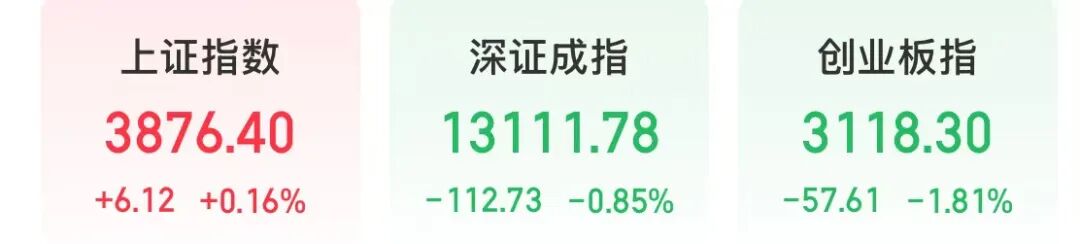
今天上午,大消费上涨,影视院线、IP经济、啤酒等板块涨幅居前。 最近《疯狂动物城2》和《阿凡达3》两部影片引发市场关注。据灯塔专业版实时数据,截至12月17日17时15分,影片《疯狂动物城2》票房突破36亿元。12 月19日,《阿凡达3》将正式上映,猫眼专业版数据显示,截至12月17日18:10,《阿凡达3》点映及预售总票房已破6500万元。 《疯狂动物城2》的银幕热潮,正席卷潮玩市场。目前已有多家品牌与《疯狂动物城2》达成联名合作,合作领域涵盖潮玩、餐饮、服饰、珠宝、日用品等多 个赛道。其中,合作企业包括泡泡玛特、名创优品、52TOYS、瑞幸、李宁、老凤祥等知名品牌。 A股新概念又来了——犒赏经济。 12月17日,《学习时报》发表文章《何为"犒赏经济"》,所谓"犒赏经济",是指消费者在面对工作生活压力或特定的心理需求时,通过购买价格在承受范围 内的非必需品或体验服务,以获取即时性愉悦感、自我确认感和心理疗愈的一种经济活动。 今天上午,犒赏经济概念上涨,广博股份、奥佳华、瑞贝卡、德艺文创等多股涨停。 大消费上涨 东兴证券表示,2025年新消费投资情绪经历了从高涨到谨慎的过程。2026年,对于新消费领域的投资将 ...

年终特稿|出彩、出圈、出海,中国向世界呈现文化新样貌
Huan Qiu Wang· 2025-12-18 05:55
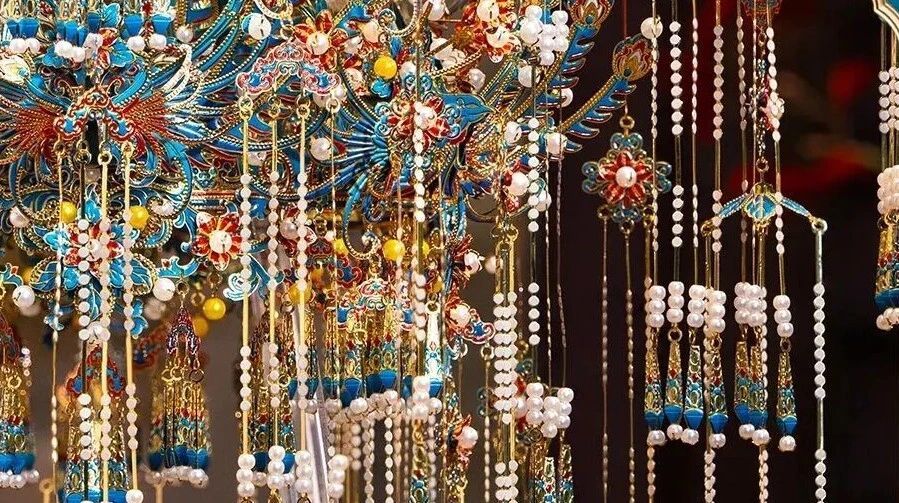
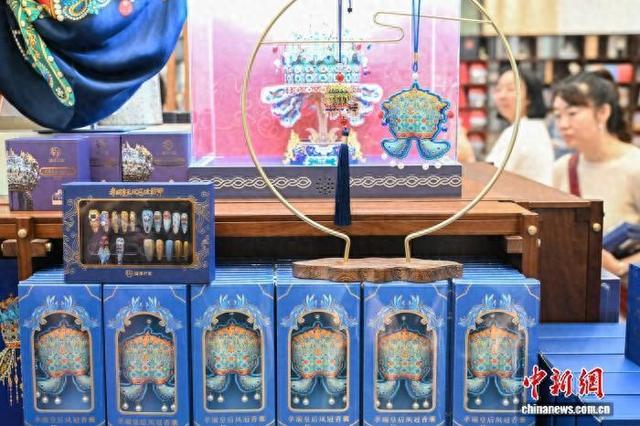
Group 1 - The film "Ne Zha" has broken global animation box office records, showcasing the potential of Chinese cultural IPs in the global market [1][3] - The cumulative sales of the cultural product, the Fengguan refrigerator magnet, have surpassed 2 million units, indicating the strong demand for traditional culture in contemporary consumer markets [3][4] - The success of these cultural products reflects a shift in consumer behavior, where purchases are increasingly driven by emotional satisfaction rather than mere necessity [4][6] Group 2 - The LABUBU character has gained international popularity, with significant sales achievements in various global markets, including a record-breaking first-day revenue of 10 million RMB in Thailand [6] - The emergence of new cultural phenomena in 2025 highlights the innovative transformation of traditional IPs and the impact of technology on cultural expression [6][7] - The international appeal of Chinese cultural products is enhancing the global perception of "Made in China," showcasing the country's cultural soft power [6][7]
多股涨停!A股新概念来了
Zhong Guo Zheng Quan Bao· 2025-12-18 04:36
Group 1: Reward Economy - The concept of "Reward Economy" refers to consumers purchasing non-essential goods or experiential services within their financial means to gain immediate pleasure, self-affirmation, and psychological healing in response to work and life pressures [1] - Stocks related to the Reward Economy, such as Guangbo Co., Aojiahua, Ruibeka, and Deyi Culture, saw significant price increases, with some reaching the daily limit [1] Group 2: Consumer Sector Performance - The consumer sector showed strong performance, particularly in areas like film exhibition, IP economy, and beer, with notable gains [2] - The film "Zootopia 2" has surpassed 3.6 billion yuan in box office revenue, while "Avatar 3" has already generated over 65 million yuan in pre-sales and screenings [3] Group 3: Collaboration and Market Trends - The success of "Zootopia 2" has led to collaborations across various sectors, including toys, dining, apparel, jewelry, and daily necessities, involving brands like Pop Mart and Luckin Coffee [4] - The new consumption investment sentiment is expected to shift from short-term narratives to sustainable business models and profitability, with a focus on health, new practicality, and emotional consumption [4] Group 4: Pharmaceutical Sector Activity - The pharmaceutical sector is experiencing active performance, with significant gains in medical commerce, family doctor services, and dental care [5] - Notable stocks include Shangyu Pimin and Yingte Group, both achieving substantial price increases [6] Group 5: Innovations in Healthcare - Ant Group has upgraded its AI health application to "Ant Aifu," focusing on comprehensive health management for users [7] - Baidu has launched the "Wenxin Health Steward," an AI-driven family health service, enhancing its healthcare offerings [7] Group 6: International Collaboration in Pharmaceuticals - The Chinese pharmaceutical industry is witnessing strong innovation and international collaboration, highlighted by a strategic partnership between Yaoyou Pharmaceutical and Pfizer worth over 2 billion USD [8] - The industry is moving towards internationalization and technological upgrades, with a focus on major business development transactions and companies with robust R&D pipelines [8]