半导体制造

Search documents
497亿半导体巨头面临上市以来最难时刻,公司最新回应
2 1 Shi Ji Jing Ji Bao Dao· 2025-10-19 12:07
Core Viewpoint - The situation surrounding Nexperia, a subsidiary of Wentech Technology, has become precarious following the Dutch government's directive to freeze its operations, leading to significant operational and governance challenges for the company [8][10][11]. Group 1: Company Operations and Employee Relations - Nexperia China has assured employees that all operations and employee benefits are functioning normally, emphasizing that the domestic team operates independently and is committed to safeguarding employee interests [5][6]. - The company has established that any external directives not authorized by its legal representatives can be refused by employees without breaching work discipline [5][6]. Group 2: Governance and Legal Challenges - The Dutch court has imposed emergency measures, including suspending the CEO's powers and appointing an independent foreign director with decisive voting rights, which has temporarily stripped Wentech of governance over Nexperia [10]. - Wentech has expressed strong opposition to the Dutch government's actions, labeling them as excessive interference based on unfounded national security concerns [10][11]. Group 3: Financial Performance and Market Reaction - Since the Dutch government's directive on September 30, Wentech's stock price has declined over 20%, although it has seen a slight recovery recently, closing at 38.5 yuan per share with a market capitalization of 479 billion yuan [8][9]. - The ODM/OEM business of Wentech has faced significant setbacks, resulting in a revenue of 17.485 billion yuan in the first half of 2025 but incurring losses of 685 million yuan, prompting the company to divest this segment [12]. Group 4: Historical Context and Strategic Moves - The challenges faced by Nexperia can be traced back to geopolitical tensions, with the company previously encountering regulatory hurdles in the UK regarding its acquisition of Newport Wafer Fab [14][15]. - The sale of Newport Wafer Fab for $177 million to Vishay in 2023 indicates that Nexperia has become a target of investment restrictions against Chinese enterprises [15]. Group 5: Internal Dynamics and Management Changes - Recent management changes at Wentech have seen significant departures, including the resignation of key executives, which may have contributed to the current governance crisis [12][20]. - The involvement of foreign executives in the recent legal actions against Wentech has raised concerns about potential power struggles within the company [18][21].



安世半导体公开信背后:外资企业的中国式生存之道
Sou Hu Cai Jing· 2025-10-19 11:13
Core Insights - The public letter from Anshi Semiconductor China highlights the challenges foreign companies face in China, particularly regarding employee compensation and operational autonomy [2][3] Group 1: Key Information from the Public Letter - Anshi Semiconductor emphasizes that "all operations and employee benefits in China are normal," suggesting that there may be external concerns about the company's stability [3] - The letter clarifies that employee salaries and benefits are issued by the "Anshi domestic company rather than the Nexperia Netherlands entity," indicating potential conflicts between the multinational headquarters and the Chinese subsidiary [3] - It states that "all employees have the right to refuse external instructions not approved by the legal representative of the Anshi domestic company," which serves as a safeguard against direct interference from the overseas headquarters [3] Group 2: Localization vs. Globalization - The situation with Anshi Semiconductor is part of a broader trend where foreign companies in China are facing increasing localization pressures due to improved regulatory environments and heightened data sovereignty awareness [4] - Successful foreign enterprises in China often understand the importance of adapting to local needs and granting autonomy to local teams, while those applying a uniform global strategy tend to struggle [4] Group 3: Strategies for Balancing Globalization and Localization - Anshi Semiconductor's approach suggests three strategies for foreign companies: 1. Clearly define legal boundaries by respecting Chinese laws and ensuring local entities have operational autonomy [5] 2. Protect employee rights by managing core benefits within a local framework to prevent disruptions from multinational structural changes [5] 3. Establish communication mechanisms that allow local teams to have a significant voice in global decision-making processes [5] - The Chinese market is evolving from a "world factory" to an "innovation center," necessitating a reevaluation of foreign companies' strategic positioning in China [5]
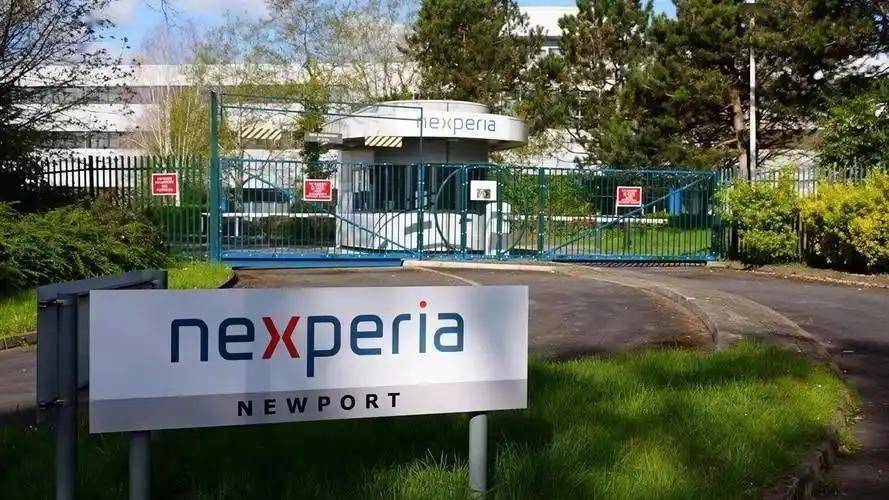
安世中国致全体员工信(全文)
是说芯语· 2025-10-19 04:04
Core Viewpoint - The article discusses the operational status and employee welfare of Nexperia China amidst external pressures and government interventions affecting its parent company in the Netherlands. It emphasizes the independence of the Chinese entity and reassures employees about their rights and compensation. Group 1: Company Operations - Nexperia China has confirmed that all domestic operations and employee salaries are functioning normally despite the recent account restrictions imposed by the Dutch headquarters [1][4] - The company is taking measures to ensure the continuity of its supply chain and operations in response to potential risks from Europe [1][3] Group 2: Employee Communication - An open letter from Nexperia China reassured employees that they are part of an independent Chinese enterprise and should follow domestic company directives [3][4] - Employees are entitled to refuse any external instructions that are not authorized by the legal representative of the domestic company, ensuring their rights are protected [3][4] Group 3: Government and Industry Response - The Chinese Ministry of Commerce has expressed hope that the Dutch side will adhere to contractual obligations and rectify any erroneous actions [3] - The China Semiconductor Industry Association has stated it will continue to monitor the situation and express concerns through legal means [3]
稀土战火烧到世贸:七天博弈如何改写全球产业链命运?
Sou Hu Cai Jing· 2025-10-18 16:34
Core Viewpoint - The recent changes in China's rare earth export regulations have triggered a significant geopolitical response, highlighting the strategic importance of rare earth elements in global supply chains and the escalating tensions between China and Western nations [1][3][11]. Group 1: China's New Export Regulations - China's Ministry of Commerce and Customs has implemented comprehensive export controls on rare earth elements, affecting the entire supply chain from mining to manufacturing, requiring detailed reporting and approval for exports [3][5]. - The new regulations include a stringent "0.1% Chinese content" rule, meaning any foreign product containing even trace amounts of Chinese rare earths will require extensive approval for export [3][5]. - This move is seen as a strategic maneuver by China to leverage its market position and resource advantages in the global value chain [3][11]. Group 2: Western Response - In response to China's actions, Western allies, particularly the U.S. and EU, have mobilized quickly, with the EU Trade Commissioner indicating that China's controls have led to production halts in some EU companies [5][9]. - The Netherlands has taken aggressive steps by nationalizing ASML, a key player in the semiconductor supply chain, to prevent Chinese influence [5][9]. - The U.S. has also ramped up its search for rare earth resources, committing $7 billion to global mining efforts, but faces challenges in execution due to geopolitical instability in regions like Pakistan [9][11]. Group 3: WTO's Role and Double Standards - The World Trade Organization (WTO) has shown a bias in its responses, suggesting that China should rebalance its economy while ignoring similar actions taken by the U.S. against Chinese companies [7][8]. - The WTO's stance reflects a broader Western hypocrisy regarding export controls, as similar measures are often justified under national security by the U.S. [7][8]. Group 4: Implications for Global Supply Chains - China's dominance in the rare earth permanent magnet market, holding over 70% of the global share, poses a significant threat to Western industries that rely on these materials [9][11]. - The inability of Western nations to establish alternative supply chains or sources for rare earths highlights their vulnerability in the face of China's strategic moves [9][11]. - The ongoing conflict over rare earth resources signifies a deeper clash over industrial dominance in the 21st century, with China positioned to reshape the underlying logic of global supply chains [11].
最新!安世芯片危机,荷兰经济部长紧急寻求对华谈判
是说芯语· 2025-10-18 00:52
Group 1 - The article discusses the urgent diplomatic efforts by the Dutch government to negotiate the lifting of a chip export ban on Nexperia, a semiconductor company, in response to a crisis in the global automotive chip supply chain [1][2] - The ban, which affects over 50 billion chips produced annually in China, is a result of the Dutch government's intervention citing "supply chain security" concerns, leading to significant disruptions for major automotive manufacturers like BMW and Volkswagen [1][4] - Nexperia, acquired by China's Wingtech Technology in 2019, has its largest production facility in Dongguan, China, and is a key supplier in the semiconductor market, particularly for automotive applications [1][4] Group 2 - The Dutch Minister Karremans emphasized the need to resolve the situation for the benefit of the economies of the US, the Netherlands, Europe, and China, while denying any US pressure in the decision-making process [2] - However, court documents indicate that the US had previously requested changes in Nexperia's management structure, which raises questions about the independence of the Dutch government's actions [2] - The European Automobile Manufacturers Association (ACEA) warned of severe disruptions in European automotive production if supply issues are not resolved quickly, with current inventories only sufficient for a few weeks [4] Group 3 - The supply chain crisis is already impacting the market, with predictions of chip shortages for major car manufacturers within weeks, as Nexperia's products hold significant market shares in various semiconductor categories [4] - Nexperia's small signal diodes and ESD protection devices rank first globally in shipment volumes, while its automotive-grade Power MOSFETs rank second, indicating a substantial impact on the mature chip market if supply is interrupted [4] - The Dutch Ministry of Economic Affairs is in communication with both Nexperia and Chinese authorities, indicating a willingness to reconsider the decisions affecting the company [4]

商务部、外交部发声反对荷兰干预安世!欧美汽车协会警告断供危机
Zheng Quan Shi Bao Wang· 2025-10-17 13:02
Core Viewpoint - The Chinese government strongly opposes the Netherlands' intervention in the operations of Nexperia, a subsidiary of Wingtech Technology, emphasizing the need to maintain global supply chains and protect legitimate rights of Chinese investors [1][2][3]. Group 1: Government Response - The Chinese Ministry of Foreign Affairs reiterated its stance against discriminatory practices targeting specific national enterprises, urging the Netherlands to correct its actions and uphold market principles [2][3]. - The Chinese Ministry of Commerce condemned the Netherlands for broadening the concept of national security and interfering in corporate affairs, which could harm the business environment in the Netherlands [2][3]. - The Chinese government highlighted that the U.S. had previously communicated demands to the Netherlands regarding changes in Nexperia's management structure to avoid sanctions, indicating a broader geopolitical influence on corporate governance [2]. Group 2: Industry Impact - The European Automobile Manufacturers Association (ACEA) warned that the control over Nexperia could lead to severe disruptions in the automotive supply chain, potentially halting production due to a lack of necessary chips [4]. - Reports indicate that some materials from Nexperia are experiencing shortages, price increases, and supply chain disruptions, reflecting the urgency of the situation [5]. - Nexperia is a leading global manufacturer of discrete and power semiconductors, with a significant product portfolio that includes over 16,000 product types, crucial for the automotive industry [5][6]. Group 3: Company Developments - Despite the challenges posed by the loss of control over Nexperia, Wingtech Technology is proceeding with its employee stock ownership plan and aims to stabilize its domestic production capacity, which constitutes 80% of its overall capacity [6]. - Wingtech Technology's stock experienced volatility, initially dropping significantly before recovering with a 4.28% increase on October 17, closing at 38.5 yuan per share [1][6].
独家 | 安世半导体内乱始末: 安世半导体CEO张学政如何失去控制权
Di Yi Cai Jing· 2025-10-17 12:00
来自美国的压力,影响了荷兰政府政策走向,也击碎了安世半导体高管群体之间本就脆弱的互信。在如 何定位安世半导体,怎样发展全球业务等核心议题上,张学政与安世的首席法务官以及首席财务官等出 现严重分裂。 在中国国庆假期里,安世半导体的CEO张学政被暂停行使职权,闻泰科技(600745.SH)对安世的持股 也被托管。闻泰科技耗资334亿人民币控股安世半导体,现在后者正在渐渐脱离掌控。 【独家 | #安世半导体内乱始末#: #安世半导体CEO张学政如何失去控制权#】失意的张学政已经离开了 荷兰。 张学政本意要解聘几位高管,但没想到反被几人联手推翻。 ...
安世半导体内乱始末: CEO张学政是如何失去控制权的
Di Yi Cai Jing· 2025-10-17 11:32
Core Points - Zhang Xuezheng, CEO of Anshi Semiconductor, has been suspended from his duties amid internal conflicts and external pressures, particularly from the U.S. [1][9] - The management team at Anshi Semiconductor is experiencing severe divisions regarding the company's strategic direction and response to geopolitical pressures [9][11] - The Dutch government has imposed conditions on Anshi Semiconductor, including the requirement for a Dutch board member, which has led to tensions with its parent company, Wentai Technology [12][13] Group 1: Company Background - Anshi Semiconductor was acquired by Wentai Technology for 334 billion RMB, marking the largest semiconductor acquisition in Chinese history [3] - The company was previously part of NXP Semiconductors and has a significant production capacity at its Hamburg facility, producing approximately 700 billion semiconductor chips annually [3] Group 2: Management Changes - Zhang Xuezheng's tenure as CEO began in 2020 after the previous CEO, Frans Scheper, retired [3][4] - Stefan Tilger is currently serving as the acting CEO and CFO, recognized for his professional capabilities [4] - Zhang attempted to dismiss several executives in September 2025, but faced backlash and was ultimately suspended [20][21] Group 3: External Pressures - In January 2023, the U.S., Netherlands, and Japan agreed to impose export controls on semiconductor equipment to China, affecting Anshi Semiconductor's operations [8] - Anshi Semiconductor established a new department to engage with the Dutch government to secure its status as a key player in the semiconductor industry [8][11] Group 4: Governance Issues - The Dutch Ministry of Economic Affairs has raised concerns about Anshi's governance structure, demanding the establishment of a supervisory board with veto powers over critical decisions [13][14] - Wentai Technology has resisted these demands, arguing that they would undermine its control over Anshi Semiconductor [13][14] Group 5: Legal Proceedings - Following Zhang's suspension, legal actions were initiated by the remaining executives, leading to a court ruling that upheld the suspension and placed Anshi's shares under independent management [21][22] - The court proceedings have been characterized by a rapid response, with significant implications for the company's governance and operational autonomy [21][22]
中国功率芯片,已然崛起
半导体芯闻· 2025-10-17 10:20
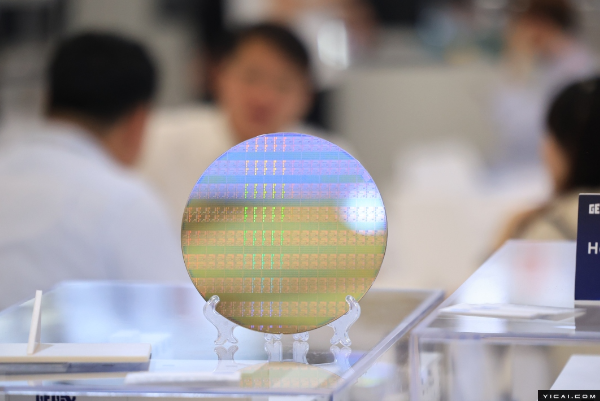
Core Viewpoint - The article discusses China's ambitious goal of achieving a 70% self-sufficiency rate in semiconductor production by 2025, which is deemed unrealistic, with projections suggesting a self-sufficiency rate of only 14% by 2025 and around 30% by 2030. The impact of export restrictions on companies like Huawei is also highlighted, indicating a need for the Chinese government to adjust its targets based on current realities [1]. Logic: Ongoing Regulatory Challenges - Western countries have imposed restrictions on Huawei due to security concerns, particularly in the 5G sector, which has hindered China's ability to produce advanced semiconductors. The restrictions on ASML's EUV lithography equipment and TSMC's supply to Huawei have significantly impacted production capabilities [2]. - Despite these challenges, Huawei has managed to release 5G-compatible smartphones, indicating that it has found ways to utilize non-regulated equipment to achieve 7nm processes, prompting further regulatory actions from the U.S. government [2]. Advanced Semiconductor Design Capabilities - Chinese companies, including Huawei and Cambricon, possess advanced capabilities in designing cutting-edge SoCs, but they currently lack the manufacturing technology to produce these systems. The potential for China to develop its own EUV lithography equipment exists, but it may take a decade or more to realize [3]. Other Semiconductors: Power Semiconductors as a Key Area - The article identifies power semiconductors, including analog and discrete devices, as a growing segment where China could significantly increase its market share and potentially disrupt the global market [4]. - In 2023, despite a downturn in the semiconductor industry, equipment shipments to mainland China increased significantly, indicating a strategic response to export restrictions. By 2024, shipments to China are expected to continue growing, capturing about half of the global market share [6]. Electric Vehicle Market Influence - The demand for power semiconductors, particularly discrete devices, is rapidly increasing due to the growth of the electric vehicle market in China. This trend suggests that China will inevitably strengthen its manufacturing capabilities in this critical area [6]. - The article draws parallels between the rapid decline in lithium-ion battery prices and the potential for similar price reductions in the power semiconductor market, suggesting that Chinese manufacturers could emerge as significant players [7].

安世被禁,汽车大厂慌了
半导体芯闻· 2025-10-17 10:20
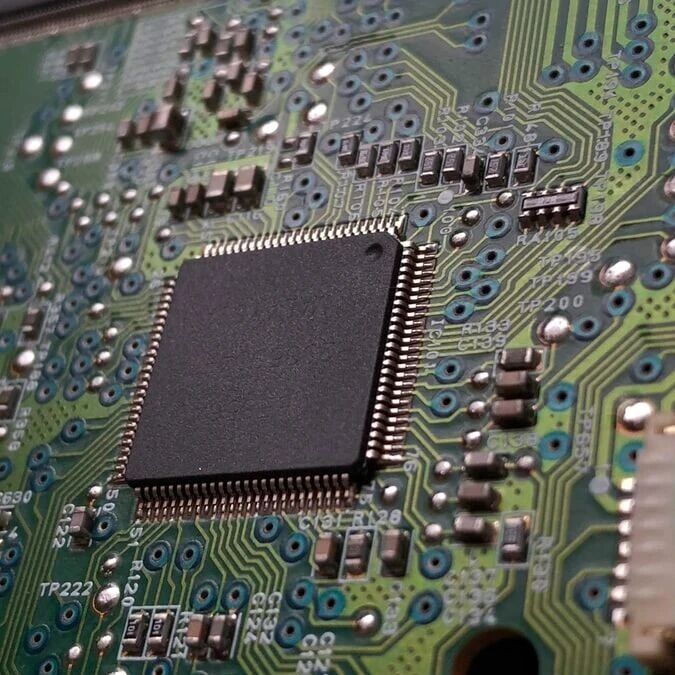
Core Insights - The automotive industry is facing significant supply chain disruptions due to the unexpected actions of Nexperia, a Dutch semiconductor manufacturer, which has halted component shipments, citing "force majeure" [1][2] - Nexperia holds approximately 40% market share in the basic chip sector, which includes transistors and diodes, making it a critical player despite being a smaller entity in the overall automotive chip market [1] - Major automotive manufacturers, including General Motors, Toyota, and Volkswagen, are actively assessing their exposure to Nexperia's supply issues and exploring alternative chip sources to mitigate production impacts [2] Group 1 - Nexperia's decision to stop shipments affects a wide range of automotive applications, from headlights to electronic control units, potentially halting production for brands like BMW, Toyota, and Mercedes-Benz [1] - The automotive sector has previously experienced multiple production interruptions this year due to various supply chain challenges, including strict controls on rare earth magnets and aluminum supply disruptions [2] - Toyota has identified that delays in product shipments from some suppliers are linked to Nexperia's situation, rather than the previously suspected rare earth mineral export restrictions from China [2]