渔业

Search documents
香港特区政府欢迎世贸组织《渔业补贴协定》正式生效
Zhong Guo Xin Wen Wang· 2025-09-16 07:37
Core Points - The Hong Kong SAR government welcomes the official implementation of the WTO's Fisheries Subsidies Agreement, which took effect on September 15, 2023 [1] - The agreement marks a significant step towards sustainable ocean development and highlights the WTO's role in addressing global issues [1] - The agreement regulates fisheries subsidies among WTO members, promoting sustainable fishing practices and reducing harm to marine and global fish resources [1] - The implementation of the agreement is expected to benefit trade, development, and the environment [1] Summary by Sections - **Agreement Details** - The Fisheries Subsidies Agreement was adopted at the WTO's 12th Ministerial Conference in June 2022 and opened for member accession thereafter [1] - China approved the agreement on June 27, 2023, becoming one of the early major members to complete the ratification process [1] - **Regulatory Aspects** - The agreement requires the elimination of subsidies for illegal, unreported, and unregulated fishing, as well as for overfished species and unregulated high seas fishing [1] - It incorporates elements of fisheries management such as enforcement, resource sustainability assessment, policy transparency, and international cooperation [1] - **Local Implementation** - Following the acceptance of the agreement in August 2023, the Hong Kong SAR government's Agriculture, Fisheries and Conservation Department has made appropriate adjustments to relevant fisheries subsidy and support program guidelines [2]
农业农村部:2024年全国粮食产量首次突破1.4万亿斤 谷物基本自给、口粮绝对安全
智通财经网· 2025-09-16 05:55
Core Viewpoint - The "14th Five-Year Plan" period has seen significant achievements in agricultural and rural development in China, with a focus on ensuring food security, modernizing agriculture, and improving rural living conditions [4][5][6]. Agricultural Production - National grain production is projected to exceed 1.4 trillion jin in 2024, an increase of 74 billion jin compared to 2020, with per capita grain availability reaching 500 kg [4][5]. - The total output of livestock products reached 175 million tons by the end of last year, an increase of 27.78 million tons or 18.8% from 2020 [26]. Rural Development and Poverty Alleviation - The government has invested 10.8 trillion yuan in agricultural and rural affairs since the start of the "14th Five-Year Plan," with fixed asset investment in the primary industry reaching 5.47 trillion yuan [2][29]. - Over 6 million individuals at risk of returning to poverty have been identified and assisted, with a stable employment scale of over 30 million for the formerly impoverished population [5][6]. Agricultural Modernization - More than 100 million acres of high-standard farmland have been established, with the contribution rate of agricultural technology progress reaching 63.2% [6][7]. - The mechanization rate for crop farming exceeds 75%, and the coverage rate of high-quality seeds is over 96% [6]. Environmental Sustainability - Agricultural water usage has decreased by an average of 3.6 billion cubic meters annually, with fertilizer and pesticide usage also declining [2][43]. - The recycling rate of agricultural film reached 85%, and the comprehensive utilization rate of straw exceeded 88% [43]. Income and Economic Growth - Rural residents' per capita disposable income reached 23,119 yuan, with the urban-rural income ratio decreasing from 2.56:1 in 2020 to 2.34:1 [7]. - The revenue of large-scale agricultural processing enterprises is projected to reach 1.8 trillion yuan in 2024 [29]. Policy Support and Reform - The government has implemented a comprehensive support policy for agriculture, including subsidies, price supports, and insurance, to stabilize farmers' income [29]. - The second round of land contracts has been extended for another 30 years, ensuring stability in land use rights for farmers [31].
老百姓餐桌越来越丰富 四个方面表现“舌尖”上的幸福感
Zhong Guo Xin Wen Wang· 2025-09-16 05:24
Core Viewpoint - The Chinese government has made significant progress in diversifying food supply systems during the "14th Five-Year Plan" period, focusing on enhancing agricultural productivity and food security through various initiatives and technological advancements [1][2][3] Group 1: Modern Livestock Development - The level of modern livestock development has been significantly improved, with the total output of meat, eggs, and milk reaching 175 million tons by the end of last year, an increase of 27.78 million tons or 18.8% compared to 2020 [1] - Per capita consumption of meat and eggs in China reached 72 kg and 25 kg respectively, both exceeding the global average, while per capita milk consumption increased to 40.5 kg, up by 2.3 kg from 2020 [1] Group 2: Modern Fisheries Development - The total output of aquatic products in China reached 73.58 million tons in 2024, marking a 12.3% increase from 2020, maintaining the country's position as the world's largest producer of aquatic products for 36 consecutive years [2] - The variety and supply of aquatic products, including fish, shrimp, crab, and shellfish, have become increasingly abundant [2] Group 3: Facility Agriculture Development - During the "14th Five-Year Plan" period, facility agriculture has rapidly developed, with the area of agricultural facilities reaching 40 million acres and annual vegetable production exceeding 20 million tons, achieving year-round balanced supply [2] - The production of edible mushrooms from facility agriculture has reached over 42 million tons, accounting for 85% of global production, while the availability of facility-grown fruits like strawberries and cherries has extended their market season [2] Group 4: Expansion of Agricultural Development Space - The agricultural sector is expanding from traditional crops and livestock to a wider range of biological resources, accelerating the development of biotechnology and new food products [2] - China has achieved breakthroughs in key core technologies related to algae cultivation, with various species now available on the dining tables of the public [2] Group 5: Nutritional Improvement - The nutritional health levels of food consumed by urban and rural residents in China are approaching those of developed countries, with balanced intake of protein, fat, and carbohydrates [3] - The overall food supply not only meets the caloric needs but also enhances the quality and nutritional value of the diet for the population [3]

国新办举行新闻发布会 介绍“十四五”时期农业农村发展成就(文字实录)
2 1 Shi Ji Jing Ji Bao Dao· 2025-09-16 04:32
Core Viewpoint - The press conference highlighted the achievements of China's agricultural and rural development during the "14th Five-Year Plan" period, emphasizing food security, poverty alleviation, agricultural modernization, and rural revitalization as key areas of progress [2][3][4]. Group 1: Food Security - China's grain production reached a new high, surpassing 1.4 trillion jin in 2024, an increase of 74 billion jin compared to 2020, with per capita grain availability reaching 500 kg [2][3]. - The country has maintained a stable supply of various agricultural products, ensuring a diverse and rich diet for the population [2]. Group 2: Poverty Alleviation - The successful completion of the poverty alleviation campaign in 2020 has been followed by efforts to consolidate and expand these achievements, with over 6 million individuals identified for assistance to prevent a return to poverty [3][4]. - The income growth rate of farmers in poverty-stricken areas has outpaced the national average, with over 30 million people employed in various sectors [3]. Group 3: Agricultural Modernization - Significant advancements in agricultural modernization have been made, with over 100 million acres of high-standard farmland established and a mechanization rate exceeding 75% [4][5]. - The contribution rate of agricultural science and technology reached 63.2%, indicating a strong focus on modernizing agricultural practices [4]. Group 4: Rural Revitalization - The construction of livable and workable rural areas has progressed, with improvements in rural infrastructure and public services, including a 76% sanitation toilet coverage rate [4][5]. - The income of rural residents has seen rapid growth, with per capita disposable income reaching 23,119 yuan, and the urban-rural income gap narrowing from 2.56:1 in 2020 to 2.34:1 [5]. Group 5: Agricultural Reform and Development - The government has deepened rural reforms, extending land contracts for an additional 30 years and promoting the establishment of over 2 million farmer cooperatives [5]. - The agricultural social service system has been strengthened, with over 1.1 million operational service entities covering more than 2.29 billion acres [5]. Group 6: Agricultural Technology Innovation - The agricultural technology innovation system has been enhanced, with over 800 research institutions and 120,000 researchers contributing to advancements in agricultural practices [31][32]. - Key breakthroughs in agricultural technology have been achieved, including the development of high-yield crop varieties and advanced agricultural machinery [32][33]. Group 7: Food Safety and Quality - The national agricultural product quality safety monitoring rate has remained stable at over 97.5%, ensuring food safety for consumers [36][37]. - New regulations and monitoring systems have been implemented to enhance the safety and quality of agricultural products [36]. Group 8: Green Development - Efforts to promote green agricultural practices have led to a reduction in fertilizer and pesticide usage, with a 5% decrease in fertilizer application compared to 2020 [41][42]. - The recycling and utilization of agricultural waste have improved, with a significant increase in the rates of straw and manure recycling [42].
“十四五”时期我国农业农村发展解锁哪些新成就?发布会详解
Yang Shi Xin Wen· 2025-09-16 04:15
Core Insights - The Chinese government is committed to achieving high-quality agricultural development during the "14th Five-Year Plan" period, focusing on rural revitalization and ensuring food security for its 1.4 billion population [1][3]. Agricultural Production - Grain production is set to exceed 1.4 trillion jin (approximately 700 million tons) in 2024, an increase of 74 billion jin (37 million tons) compared to 2020, with per capita grain availability reaching 500 kg [3]. - The production of cotton, oil, sugar, fruits, vegetables, meat, eggs, milk, and aquatic products has been consistently increasing, leading to a more diverse food supply for consumers [3]. Agricultural Modernization - Over 100 million acres of high-standard farmland have been established, with agricultural technology contributing 63.2% to productivity, and the mechanization rate for crop farming exceeding 75% [3]. - The coverage rate of quality seeds for crops has surpassed 96%, indicating significant advancements in agricultural practices [3]. Poverty Alleviation and Income Growth - More than 6.9 million individuals have been identified and assisted to eliminate the risk of returning to poverty, with stable employment for over 30 million people in recent years [5]. - Rural residents' per capita disposable income is projected to reach 23,119 yuan in 2024, with the urban-rural income ratio decreasing from 2.56:1 in 2020 to 2.34:1 [5]. Rural Development and Infrastructure - The rural environment has improved significantly, with a 76% penetration rate of sanitary toilets and over 90% of administrative villages maintaining effective waste management [7]. - The total length of rural roads has exceeded 4.64 million kilometers, and the access rate of tap water in rural areas has reached 94% [7]. Agricultural Diversification - The development of modern livestock and aquaculture has seen significant growth, with total meat, egg, and milk production reaching 17.5 million tons in 2023, an 18.8% increase since 2020 [10]. - The total aquatic product output has reached 7.358 million tons in 2024, marking a 12.3% increase since 2020, maintaining China's position as the world's largest producer of aquatic products for 36 consecutive years [11]. Nutritional Improvement - The nutritional intake of urban and rural residents is approaching that of developed countries, with balanced consumption of protein, fats, and carbohydrates [11].

珠海打造“年鱼经济”城市IP,“媒体+”助力鱼经济破圈
Sou Hu Cai Jing· 2025-09-16 03:21
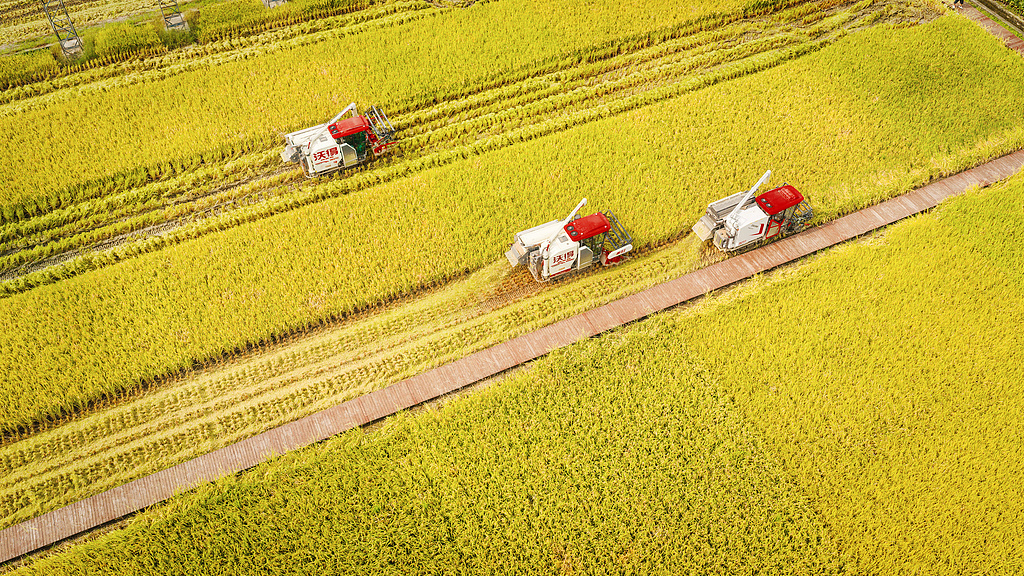
Core Viewpoint - Guangdong is leveraging the "Media+" strategy to enhance the agricultural product market system, particularly focusing on the "Bai Jiao Sea Bass" brand to drive the "Year Fish Economy" and support the "Hundred Million Project" [1][3][12] Group 1: Media Empowerment - The "Media+" initiative aims to transform media's communication and connection capabilities into intrinsic motivation for agricultural market system development [1][3] - Zhuhai has issued specific guidelines to promote the "Bai Jiao Sea Bass" brand and related festive economic activities, emphasizing the importance of media in brand building [1][3][8] - The integration of media and agriculture is seen as a catalyst for industry fusion, enhancing brand visibility and market reach [10][12] Group 2: Economic Impact - The "Year Fish Economy" concept, first proposed in Zhuhai, has gained traction through media promotion, leading to significant sales and brand recognition [8][12] - The "Bai Jiao Sea Bass" has become a key product, with its market sales exceeding 800 million yuan in a recent live-streaming event [3][12] - The overall economic value of the "Year Fish Economy" has reached 186 billion yuan, showcasing its impact on the agricultural sector and cultural identity [12][13] Group 3: Brand Development - The "Bai Jiao Sea Bass" is recognized as a national geographical indication product, contributing to the establishment of a comprehensive industrial chain in Zhuhai [6][12] - The brand's promotion includes various cultural and culinary events, enhancing its appeal and market presence [11][12] - The successful marketing strategies have positioned "Bai Jiao Sea Bass" as a cultural symbol, reflecting the integration of agriculture and local traditions [12][13]
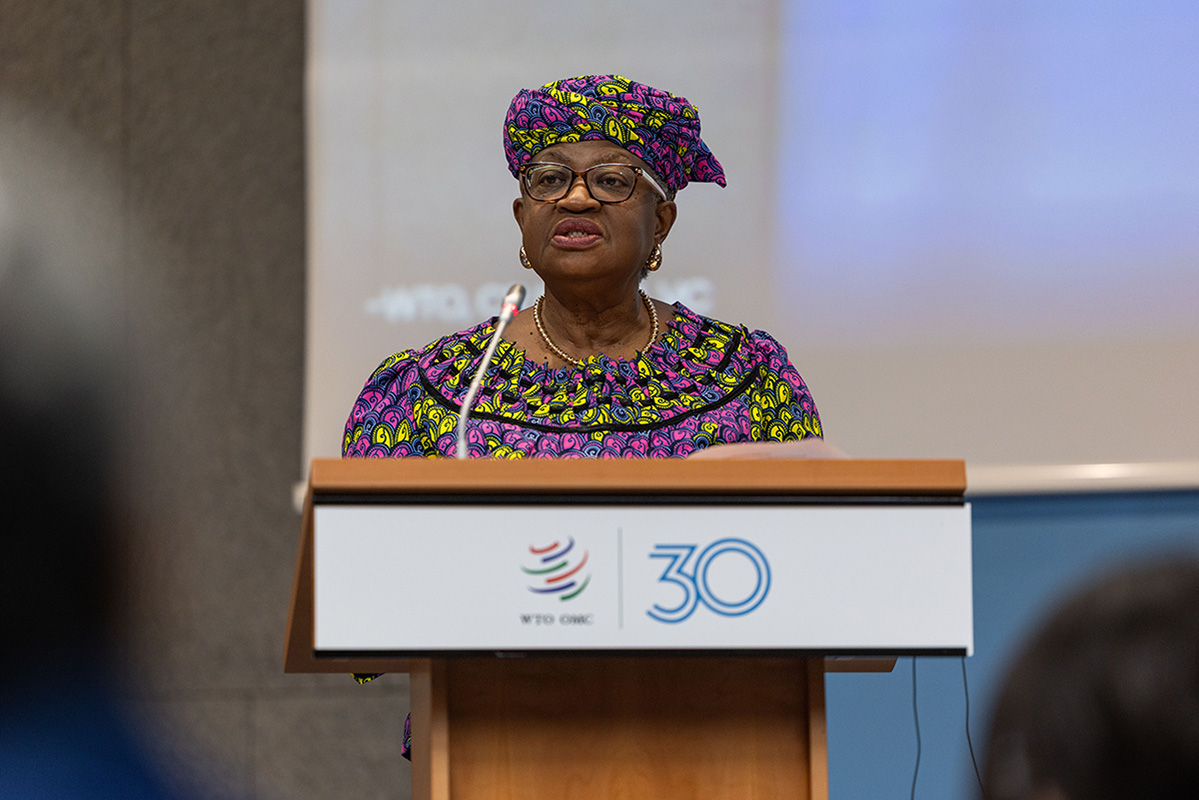
WTO《渔业补贴协定》正式生效,中国是率先完成批约程序主要成员
第一财经· 2025-09-16 00:59
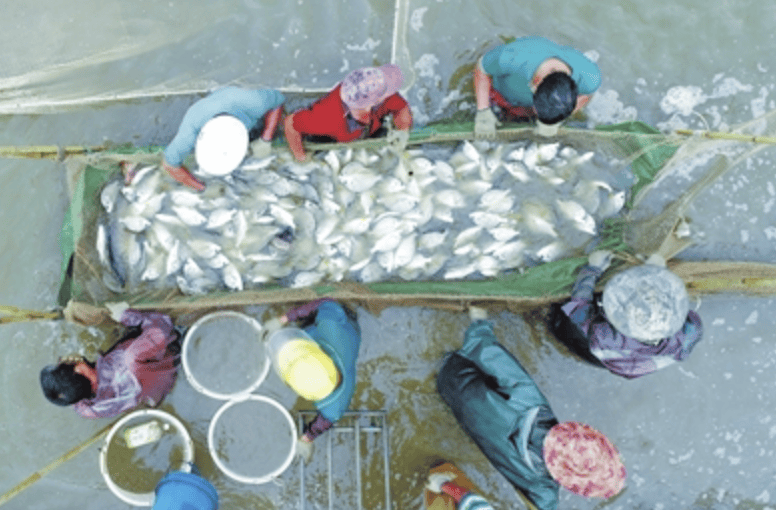
Core Viewpoint - The WTO's Fisheries Subsidies Agreement has officially come into effect, marking a significant milestone in global governance and multilateral trade, with the aim of addressing global challenges and promoting sustainable development in fisheries [3][6]. Summary by Sections Agreement Overview - The Fisheries Subsidies Agreement was passed at the WTO's 12th Ministerial Conference in June 2022, taking 21 years to negotiate, making it the longest in WTO history and the second new multilateral agreement in 30 years [6]. - The agreement aims to eliminate harmful fishing subsidies, particularly those contributing to overfishing and illegal, unreported, and unregulated (IUU) fishing [7]. Global Impact - The agreement is expected to protect global fish resources and the livelihoods of millions who depend on fishing for food and income [6][8]. - In 2021, 35.5% of global fish stocks were overfished, a significant increase from 10% in 1974, highlighting the urgent need for sustainable practices [6]. Implementation and Participation - The agreement requires the elimination of IUU subsidies, excessive fishing subsidies, and unregulated high seas fishing subsidies, while promoting transparency and international cooperation in fisheries management [7]. - China was the first major WTO member to complete the ratification process on June 27, 2023, demonstrating its commitment to sustainable fisheries management [8]. Future Outlook - The WTO Director-General encourages all remaining members to ratify the agreement before the 14th Ministerial Conference scheduled for March 2026, aiming for collective achievement in global fisheries governance [7].
WTO《渔业补贴协定》正式生效,中国是率先完成批约程序主要成员
Di Yi Cai Jing· 2025-09-15 23:08
Core Points - The WTO Fisheries Subsidies Agreement has officially come into effect, marking a significant milestone in global governance and multilateral trade systems [1][3] - The agreement aims to eliminate harmful fishing subsidies and promote sustainable fishing practices, addressing global challenges in fisheries management [3][4] Group 1: Agreement Overview - The Fisheries Subsidies Agreement was passed in June 2022 after 21 years of negotiations, making it the longest-negotiated agreement in WTO history and the second new multilateral agreement in 30 years [3][4] - The agreement is designed to achieve environmental sustainability goals and aligns with the United Nations' 2030 Sustainable Development Goals [3][4] Group 2: Key Provisions - The agreement mandates the elimination of illegal, unreported, and unregulated (IUU) fishing subsidies, as well as subsidies for overfished species and unregulated high seas fishing [4][5] - It incorporates elements of fisheries enforcement, resource sustainability assessment, policy transparency, and international cooperation [4] Group 3: Impact and Implementation - The implementation of the agreement is expected to enhance the management of fisheries subsidies, improve fish population recovery, and promote global marine sustainability [5] - China has been proactive in this initiative, being the first major WTO member to complete the ratification process, demonstrating its commitment to sustainable fisheries management [4][5]
一站式体验番禺乡村“靓嘢笋嘢”!番禺丰收节将在9月20日开启
Nan Fang Nong Cun Bao· 2025-09-15 10:32
Core Viewpoint - The Panyu Harvest Festival will take place on September 20-21, 2025, celebrating agricultural abundance and promoting local products and culture [4][59]. Group 1: Event Overview - The Harvest Festival will be held at Huafenghui Commercial Center in Panyu District [5][60]. - The theme of the festival is "Celebrating Agricultural Harvest and Enjoying a Better Life" [61]. - The event aims to boost urban-rural consumption and enhance the sales of local agricultural products [15][19]. Group 2: Activities and Features - The festival will feature a combination of agricultural exhibitions, food experiences, and cultural interactions [12][13]. - There will be five main exhibition areas showcasing Panyu's unique agricultural products, fisheries, flowers, and supportive agricultural products [18][19]. - Attendees can enjoy outdoor cooking and tasting areas, allowing them to sample fresh local produce [28][30]. Group 3: Cultural Integration - The festival will showcase intangible cultural heritage products and traditional food-making demonstrations [37][39]. - It aims to promote the integration of agriculture, culture, and tourism, enhancing the cultural soft power of modern agriculture [39]. - Local farmers will be the main focus, with performances by community teams to celebrate agricultural achievements [41][43]. Group 4: Engagement and Participation - The event will include participation from local influencers and online personalities to attract a wider audience [45][52]. - The festival encourages direct communication between consumers and producers, allowing attendees to learn about the stories behind the products [34][35]. - It is positioned as a celebration of hard work and a tribute to a better life, inviting families and friends to join in the festivities [55][63].

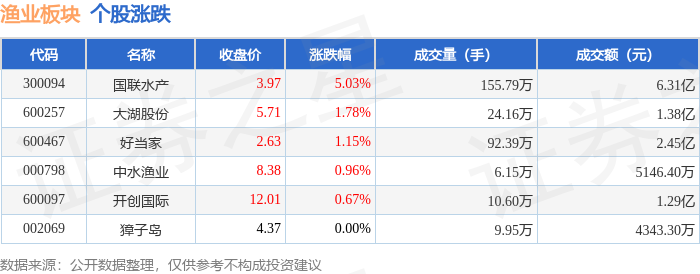
渔业板块9月15日涨1.78%,国联水产领涨,主力资金净流入6437.99万元
Zheng Xing Xing Ye Ri Bao· 2025-09-15 08:35
Core Viewpoint - The fishery sector experienced a rise of 1.78% on September 15, with Guolian Aquatic leading the gains, while the overall market showed mixed results with the Shanghai Composite Index down by 0.26% and the Shenzhen Component Index up by 0.63% [1] Group 1: Market Performance - The fishery sector's main stocks showed varied performance, with Guolian Aquatic closing at 3.97, up by 5.03%, and Dahu Co. rising by 1.78% to 5.71 [1] - The trading volume for Guolian Aquatic reached 1.5579 million shares, with a transaction value of 631 million yuan [1] - The overall trading performance of the fishery sector is summarized in a table, indicating the closing prices and percentage changes for various stocks [1] Group 2: Capital Flow - The fishery sector saw a net inflow of 64.3799 million yuan from main funds, while retail investors experienced a net outflow of 60.4898 million yuan [1] - Guolian Aquatic had a significant net inflow of 72.3959 million yuan from main funds, while retail investors withdrew 64.7718 million yuan [2] - The capital flow data indicates that while main funds were positive, retail investors were largely negative across several stocks in the sector [2]