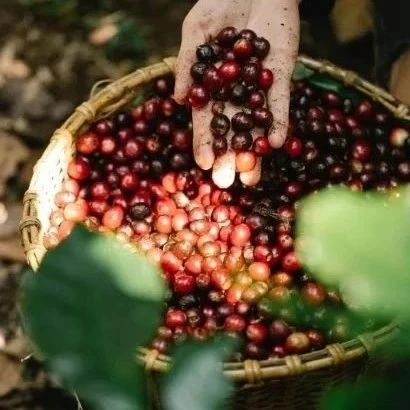
咖啡

Search documents
哈根达斯与星巴克踏入同一条河流
Guan Cha Zhe Wang· 2025-08-15 02:16
Group 1: Company Overview - Häagen-Dazs' parent company, General Mills, is considering selling its ice cream stores in China, with potential transaction amounts between $500 million to $800 million [1] - Starbucks China is also evaluating over 20 interested institutions for a potential sale, while retaining a 30% stake in the business [1] - Both companies are facing significant challenges in maintaining their brand positioning and growth in the Chinese market [2][20] Group 2: Market Positioning and Strategy - Häagen-Dazs entered the Chinese market in 1996 with a high-end positioning, targeting affluent urban consumers [2][3] - The brand's premium pricing strategy, with ice cream priced at 25 yuan during a time when average monthly wages were around 500 yuan, aligned with its luxury image [3] - Starbucks adopted a similar strategy, initially entering through joint ventures and later transitioning to direct control of its stores in China [8][9] Group 3: Financial Performance and Challenges - Häagen-Dazs experienced rapid growth in China from 2006 to 2015, with annual sales growth rates around 23% [5] - However, by 2023, Häagen-Dazs began closing stores, with over 60 closures reported in 2024, reducing its total to approximately 250 stores [16][20] - Starbucks has also faced declining same-store sales for five consecutive quarters, with a market share drop from 42% in 2017 to an estimated 14% by 2024 [11][28] Group 4: Competitive Landscape - The rise of new tea brands and coffee competitors like Luckin Coffee has significantly impacted both Häagen-Dazs and Starbucks, leading to price wars and market share erosion [9][11] - Häagen-Dazs has started to pivot towards retail and e-commerce channels, while Starbucks is focusing on expanding into lower-tier cities [10][12][13] - The high fixed costs associated with their premium positioning have exposed structural weaknesses for both brands, leading to a search for external capital to alleviate current crises [20][21] Group 5: Future Outlook - The Chinese ice cream market is projected to reach 183.5 billion yuan in 2024, with new players entering the high-end segment [23] - Starbucks is exploring partnerships with major investment firms to enhance its market presence and supply chain in China [28] - Both Häagen-Dazs and Starbucks are navigating a challenging landscape, seeking to adapt their strategies to maintain relevance and profitability in a rapidly changing market [20][28]



咖啡便利店新赛道,适配度≠成功率
Sou Hu Cai Jing· 2025-08-15 01:58
Core Viewpoint - The coffee industry is experiencing intensified competition, with brands exploring new strategies such as entering the convenience store sector to achieve growth and meet diverse consumer demands [1][2][3]. Group 1: Industry Competition - The coffee market is saturated, and brands are struggling to expand rapidly, as evidenced by a previous plan to open 8,000 store-in-store locations, which only resulted in 1,300 openings [3]. - The convenience store sector has been expanding, presenting an opportunity for coffee brands to leverage their strengths in brand recognition and digital management to enhance store performance [2][4]. - Major convenience store brands like 7-Eleven and Lawson already have established coffee operations, creating a competitive landscape for new entrants [6]. Group 2: Strategic Shifts - Kudi Coffee has announced a shift to a convenience store model, aiming to increase store efficiency and revenue by offering a mix of coffee, fast food, and traditional convenience store items [2][11]. - The brand maintains a target of 50,000 stores by the end of 2025, reflecting a proactive approach to adapt to market demands and differentiate itself from competitors [2][3]. - The integration of coffee with fast food is seen as a way to enhance SKU variety and drive additional revenue, although it poses challenges in managing different operational models [6][9]. Group 3: Operational Challenges - The new convenience store model requires significant investment in supply chain management and operational efficiency, which may lead to increased costs and complexity [9][10]. - The brand faces challenges in maintaining product quality and consistency across its expanding network, as evidenced by reports of ingredient shortages and varying coffee quality among locations [17]. - The shift towards a multi-product strategy may dilute the brand's identity, necessitating careful management of brand perception and consumer expectations [10][16]. Group 4: Market Dynamics - The convenience store market is undergoing digital transformation and diversification, requiring brands to adapt their strategies to align with industry trends [5][12]. - The introduction of a "0 yuan franchise" model aims to attract franchisees, but the actual costs and operational complexities may deter potential partners [14][15]. - The competitive landscape is further complicated by online coffee brands like Luckin and Starbucks, which offer convenient delivery options, challenging traditional retail models [6][12].
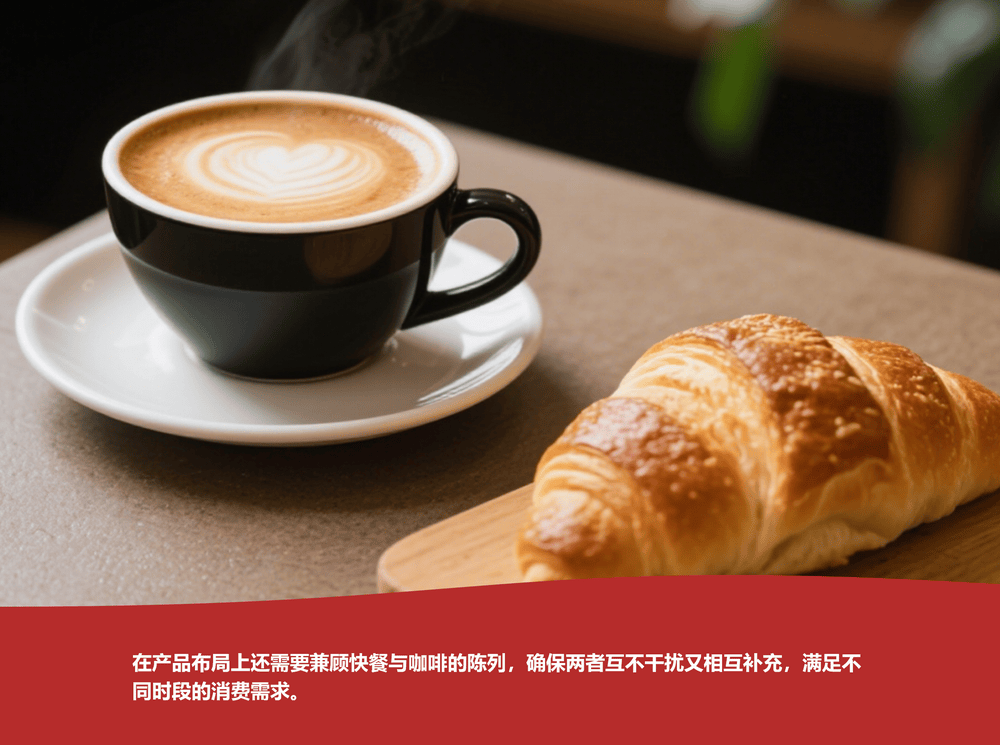
新消费派 | 从一颗豆到一座城——透视上海“咖啡经济”的世界坐标
Xin Hua Cai Jing· 2025-08-14 13:55
Core Viewpoint - Shanghai is emerging as a global hub for coffee, with a significant number of coffee shops and a growing influence on coffee flavor preferences, marking a shift from traditional Western standards to a more localized Chinese palate [1][2][6]. Group 1: Coffee Market Dynamics - Shanghai leads the nation with 9,115 coffee shops, showcasing its dominance in the coffee market [1][6]. - The "China's Choice" global specialty coffee bean competition featured 82 entries from 16 countries, highlighting the international interest in Chinese consumer preferences [1][2]. - The competition results indicate a shift in quality perception, with the winning coffee beans showcasing diverse origins and flavors, challenging the notion that only specific varieties can produce high-quality coffee [3][4]. Group 2: Industry Growth and Standards - The coffee industry in China has surpassed 300 billion yuan, with Shanghai's coffee culture evolving from a luxury to a daily necessity [6][7]. - The establishment of the Hongqiao International Coffee Port has facilitated trade, linking over 200 companies and generating more than 3 billion yuan in trade annually [2][6]. - The competition aims to create a new sensory standard for coffee, with the "sweetness index" potentially influencing global coffee trade [6][7]. Group 3: Consumer Preferences and Localization - The competition reflects a growing desire among Chinese consumers for flavors that resonate with local tastes, moving away from merely imitating Western coffee standards [6][7]. - The introduction of auctioning the top coffee beans from the competition aims to engage local coffee enthusiasts and businesses, further integrating consumer preferences into the market [5][6]. Group 4: Talent and Innovation - Shanghai is positioned as a talent hub for the coffee industry, providing comprehensive support for coffee entrepreneurs, from business setup to financial services [7]. - The city's coffee culture has undergone significant transformations, evolving from a Western influence to a unique local expression, with a focus on innovation and quality [7][8].
同比少卖了7亿元,康师傅上半年饮料业务失速
Guan Cha Zhe Wang· 2025-08-14 11:39
Group 1: Company Performance - In the first half of 2025, Master Kong's revenue declined by 2.7% to approximately 400.92 billion yuan, marking a continuous decline in revenue for two consecutive years [1] - The net profit attributable to shareholders increased significantly by 20.5% to 22.71 billion yuan [1] - Beverage revenue, particularly from tea drinks, fell by 2.6% to 263.59 billion yuan, with tea beverage revenue specifically dropping by 6.3% to 106.7 billion yuan [1] Group 2: Market Dynamics - The decline in Master Kong's beverage sales is attributed to increased competition from low-priced hand-shaken tea drinks and the rising market share of unsweetened tea, which has impacted the sweetened tea segment [2] - The tea beverage market is experiencing a shift towards affordable options, with a clear competitive landscape favoring low-cost tea drinks [3][4] Group 3: Industry Trends - The tea beverage industry is witnessing a rapid chain development, with the affordable tea segment showing strong ecological advantages and a clear competitive structure [3] - The industrial model in the tea beverage sector is more advantageous, allowing for a "winner-takes-all" scenario, where early movers can achieve significant scale and cost advantages [4] Group 4: Coffee Market Insights - In the first half of 2025, the coffee market saw a net increase of 11,841 stores, representing a growth of 21.64% compared to the end of 2024 [8] - Luckin Coffee maintained its leading position with a net increase of 3,866 stores, achieving a growth rate of 17.31% [8] - Some international brands, such as Costa Coffee and Starbucks, faced store reductions due to intense competition from local brands [9]


茶咖日报|同比少卖了7亿元,康师傅上半年饮料业务失速
Guan Cha Zhe Wang· 2025-08-14 11:36
Group 1: Company Performance - In the first half of 2025, Master Kong's revenue declined by 2.7% year-on-year to approximately 400.92 billion yuan, marking the third consecutive year of revenue decline [1] - The beverage segment of Master Kong saw a 2.6% drop in revenue to 263.59 billion yuan, with tea beverage sales falling by 6.3% to 106.7 billion yuan [1] - The net profit attributable to shareholders increased significantly by 20.5% to 22.71 billion yuan [1] Group 2: Market Dynamics - The rise of low-priced hand-shaken tea drinks and the no-sugar tea market has negatively impacted Master Kong's market share in the sugary tea segment [2] - The tea beverage market is experiencing a shift towards more affordable options, with a clear competitive landscape favoring budget tea brands [3][4] Group 3: Industry Trends - The tea beverage industry is witnessing a rapid chain development, with budget tea brands benefiting from a large and stable customer base [3] - The industrial model in the tea beverage sector is more advantageous, allowing for a "winner-takes-all" scenario, which could lead to significant market consolidation [4] Group 4: Coffee Market Insights - In the first half of 2025, the coffee market saw a net increase of 11,841 stores, representing a growth rate of 21.64% compared to the end of 2024 [8] - Major coffee brands like Luckin Coffee and Kudi Coffee are expanding rapidly, while some international brands are facing store reductions due to competition from local brands [9]

腾讯视频,付费会员数下滑了300万丨消费参考
2 1 Shi Ji Jing Ji Bao Dao· 2025-08-14 01:35
Group 1: Tencent's Performance - Tencent reported a revenue increase of 15% year-on-year to 184.5 billion yuan for Q2 2025, with a net profit growth of 17% to 55.6 billion yuan [1] - However, Tencent Video's paid membership decreased by 3 million to 114 million, showing a decline both year-on-year and quarter-on-quarter [1][5] Group 2: Advertising Market Pressure - The advertising revenue for competitors like iQIYI and Mango TV has also faced declines, with iQIYI's advertising revenue dropping by 10.4% to 1.33 billion yuan in Q1 2025 and Mango TV's down by 2.7% to 3.438 billion yuan in 2024 [2] - The competition from short video platforms is significantly impacting long video services, with short video users in China reaching 1.04 billion and a usage rate of 93.8% as of December 2024 [3] Group 3: Industry Adaptation - Tencent Video is adapting by launching over 20,000 vertical short dramas, which have gained significant traction with 3 billion views and 87 trending topics [4] - The company acknowledges the need for faster adaptation to changes in content consumption driven by AI and the rise of vertical short dramas [4][5]
巴西出台援助计划 帮扶受关税冲击企业
Yang Shi Xin Wen· 2025-08-14 00:34
Group 1 - Brazilian President Lula signed an executive order to implement an aid plan for Brazilian export companies affected by high tariffs imposed by the U.S. [1] - The aid plan focuses on strengthening financial credit and government procurement, particularly for companies struggling to find alternative markets [1] - The U.S. raised tariffs on certain Brazilian goods from 10% to 50%, impacting industries such as coffee, beef, seafood, textiles, footwear, and fruits [1] Group 2 - The Brazilian government will provide a credit line of 30 billion reais (approximately 39.9 billion yuan) through the existing export guarantee fund managed by the Brazilian Development Bank [1] - An additional 4.5 billion reais will be allocated to strengthen support for small and medium-sized enterprises [1] - The aid plan includes tax relief for export companies to help maintain their competitiveness in the U.S. market [1] Group 3 - The Brazilian government will support the purchase of goods originally intended for the U.S. market and redistribute them to public schools and hospitals [1] - The executive order requires approval from the Brazilian Congress within four months to remain effective [1]
锅圈计划开出机器人现炒门店
Sou Hu Cai Jing· 2025-08-13 19:24
Group 1 - Tianfu and Nova Coffee are collaborating to promote a "convenience store + coffee" model, leveraging Nova's product strength and Tianfu's 7,500 convenience store channels to enhance operational efficiency and target younger consumers [1] - The China Securities Regulatory Commission has requested additional materials from Banou regarding its Hong Kong IPO application, focusing on key issues such as equity structure and compliance [3] - JD Group's CEO stated that the company will not participate in the "malicious subsidies" in the food delivery market, which he believes disrupts the pricing system and creates a lose-lose situation for all parties involved [4] Group 2 - Suning.com announced a debt settlement with Carrefour, planning to pay 220 million yuan to clear related debts, which will result in Suning indirectly holding 100% of Carrefour China [6] - Guizhou Moutai reported a net profit of 45.403 billion yuan for the first half of 2025, with a revenue of 89.389 billion yuan, reflecting a year-on-year growth of 9.1% [6] - The fruit juice brand "Guolifang" under the Bottle Planet Group continues to show strong growth, with sales exceeding 10 million in four cities in the first half of the year [7] Group 3 - Sam's Club in Zhongshan is set to open in September, marking the first "Green Building Three-Star" Sam's store in the Greater Bay Area [7] - Walmart China celebrated the 29th anniversary of its first store opening, emphasizing its commitment to becoming the most trusted omnichannel retailer in China [6] - Taobao Hong Kong launched a limited-time "zero threshold" shipping promotion, allowing users to enjoy free shipping on single items without a minimum purchase requirement [10]






上半年咖啡:每天净增63家,平价品牌攻占北上广
3 6 Ke· 2025-08-13 14:42
2025年,咖啡行业似乎恢复了元气。 2025年上半年,壹览商业长期跟踪的27家连锁咖啡品牌门店存量达66568家,净增门店11841家,较2024年底,增长了21.64%,行业正式迈入新一轮扩张 周期。 进入到新一轮的门店增长期 从单品牌门店扩张来看,有19个连锁咖啡品牌净增门店量为正。其中,有10个品牌呈两位数增速增长。 | 品牌 | 2024年底门店量 | 2025年Q2末门店量 | 净增门店 | 门店规模增速 | | --- | --- | --- | --- | --- | | 瑞幸咖啡 | 22340 | 26206 | 3866 | 17.31% | | 库迪咖啡 | 10000 | 15000 | 5000 | 50.00% | | 星門克 | 7685 | 7828 | 143 | 1.86% | | 幸运咖 | 4500 | 6140 | 1640 | 36.44% | | Manner Coffee | 1638 | 1987 | 349 | 21.31% | | 沪咖 | 1861 | 1862 | 1 | 0.05% | | 肯悦咖啡 | 1051 | 1688 | 637 | 60 ...

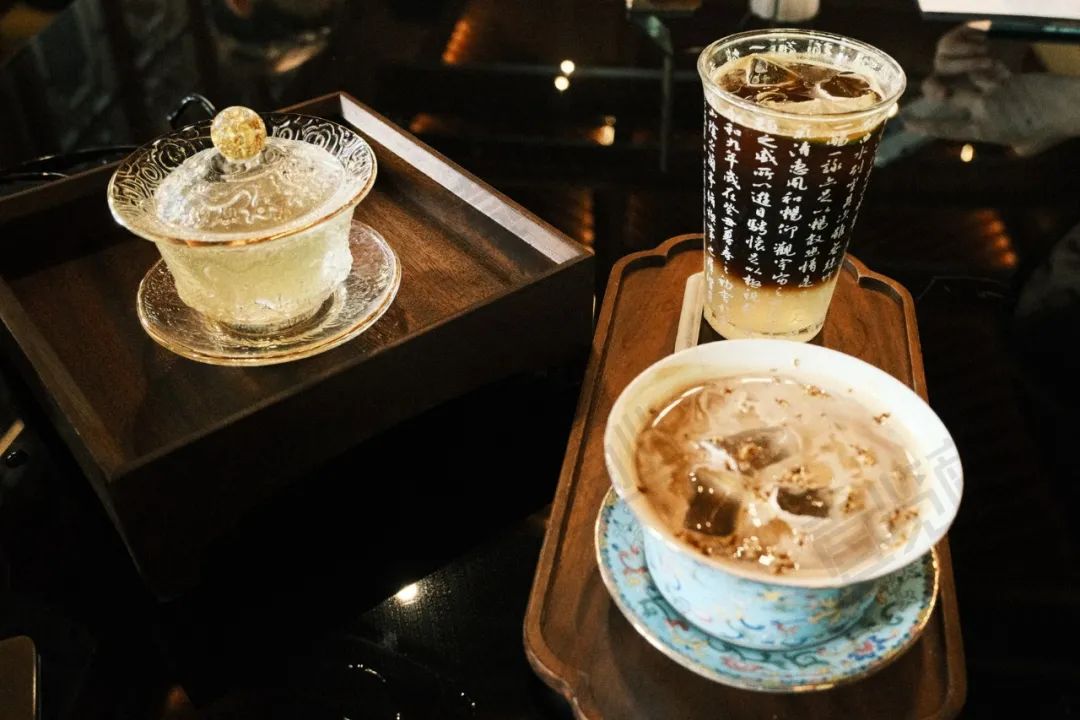
我为什么劝你少喝9.9元的咖啡?
洞见· 2025-08-13 12:36
Core Viewpoint - The article emphasizes the rising popularity and quality of Yunnan coffee, particularly highlighting its unique flavor profile and health benefits, while promoting a specific freeze-dried coffee product developed by Yunnan Agricultural Academy. Group 1: Yunnan Coffee Overview - Yunnan is recognized as a prime coffee-growing region, comparable to Colombia, benefiting from high altitude and temperature variations that enhance the flavor of coffee beans [44][45]. - Major coffee brands like Starbucks and Luckin Coffee have invested significantly in Yunnan coffee, with Luckin reportedly purchasing 1,000 tons last year [47][49]. - The Yunnan Arabica coffee beans are noted for their rich sweetness, low caffeine content, and high antioxidant properties, making them gentler on the stomach [49][70]. Group 2: Product Features - The featured product is a freeze-dried coffee developed by Yunnan Agricultural Academy, made from high-altitude Arabica beans, ensuring a balanced flavor and rich aroma [11][13][26]. - The freeze-drying process preserves the coffee's freshness and nutrients, resulting in a taste that rivals freshly brewed coffee [15][78]. - The product contains no additives, such as sugar or creamers, making it suitable for health-conscious consumers [19][53]. Group 3: Health Benefits - Coffee is highlighted as a modern essential for boosting energy and aiding digestion, with soluble dietary fibers contributing to a feeling of fullness [58][61]. - Regular coffee consumption is associated with potential anti-aging effects due to its polyphenol content, such as chlorogenic acid [65]. - The lower caffeine content in Yunnan Arabica beans allows for consumption without the jitters often associated with higher caffeine coffees [70]. Group 4: Pricing and Promotions - The official price for the coffee is set at 59 yuan per can, with a promotional offer of 2 cans for 59 yuan available for a limited time [39][57]. - Each can is capable of making approximately 50 cups of coffee, providing a cost-effective alternative to café prices [35][32].