年节经济

Search documents
9天超长假期点燃“茶饮春节档”,双引擎驱动市场开门红
Guang Zhou Ri Bao· 2026-02-27 13:03
Core Viewpoint - The 2026 Spring Festival, known for its "longest" 9-day holiday, significantly boosted the ready-to-drink tea industry, driven by the "holiday economy" and "return home economy" [1] Group 1: Sales Performance - Tea beverage sales surged in tourist areas, with cities like Chongqing, Chengdu, Shanghai, Beijing, and Hangzhou leading the national sales [3] - Some lesser-known destinations experienced explosive growth, with sales in certain scenic spots increasing by up to 4500% [3] - A specific store in Guangxi's Jingxi city saw daily sales rise from over 1,000 cups to more than 3,200 cups during the holiday, attracting many Vietnamese tourists [3] Group 2: Market Trends - The "return home economy" is emerging as a new driver for Spring Festival consumption, with urban consumption habits being brought back to hometowns [5] - In Guangdong, a store's sales on the first day of the new year increased by 565.30% compared to regular days, with overall sales in the region up nearly 15% year-on-year [5] - The peak sales day on the sixth day of the new year reached over 2 million yuan, indicating a strong demand for tea beverages during the holiday [5] Group 3: Consumer Behavior - The trend of "00s" becoming the main consumers during the Spring Festival has led to tea beverages being included in family reunion meals, with group orders of five or more cups increasing to 1.5 times the usual [6] - Classic tea flavors remain popular, while refreshing fruit tea products performed well due to warmer weather in Guangdong during the holiday [6] - New product launches, such as the "Qilan Pink Guava," have also contributed to the differentiation strategy of brands like Heytea, becoming popular among consumers [6]
新茶饮的“最强春节档” 有门店业绩环比增超1500%
2 1 Shi Ji Jing Ji Bao Dao· 2026-02-27 08:39
Core Insights - The new tea beverage market experienced significant growth during the 2026 Spring Festival, driven by a combination of a 9-day holiday and increased consumer spending [1][6] - Major brands reported explosive sales increases, with some stores seeing sales growth of over 130% year-on-year and certain locations achieving up to 790% growth compared to pre-holiday levels [1][2] Group 1: Sales Performance - Jasmine Milk White's nationwide store GMV increased by over 130%, with some stores achieving a 790% increase in sales compared to the period before the holiday [1] - Sweet Lala reported some stores with over 1500% growth, and over 800% growth in more than a thousand rural stores [1] - Popular tourist cities like Chongqing, Chengdu, and Shanghai led in sales, with brands like Bawang Tea Ji and Jasmine Milk White performing exceptionally well [2] Group 2: Consumer Behavior - Consumers indulged more during the holiday, with reports of daily purchases of tea beverages, indicating a shift in spending habits during festive periods [1] - The influx of tourists, including international visitors, contributed to increased sales, particularly in scenic areas and transportation hubs [2][3] Group 3: Operational Strategies - Many brands adopted a "24-hour operation" strategy during the holiday, which significantly boosted sales, especially during late-night hours [3][4] - Brands prepared extensively for the holiday by hiring additional staff and stocking up on inventory to meet the increased demand [5] Group 4: Marketing and Promotions - Brands implemented various marketing strategies, including festive decorations and themed packaging, to enhance the holiday shopping experience [6] - The strong performance during the Spring Festival highlighted the robust growth potential of the new tea beverage industry, particularly in lower-tier markets and during peak consumption periods [6]
新茶饮的“最强春节档”
2 1 Shi Ji Jing Ji Bao Dao· 2026-02-27 00:34
Core Insights - The new tea beverage market experienced explosive growth during the 2026 Spring Festival, driven by a record 9-day holiday and increased consumer spending [1][2] - Brands like Jasmine Milk White and Sweet Lala reported significant sales increases, with some stores seeing sales growth of over 1500% compared to pre-holiday levels [1][2] Group 1: Market Performance - Jasmine Milk White's nationwide store GMV increased by over 130%, with some locations experiencing a 790% increase in sales compared to the previous period [1] - Sweet Lala's performance was remarkable, with certain stores achieving over 1500% growth and over 800% growth in rural locations [1][2] - Popular tourist cities such as Chongqing, Chengdu, and Shanghai led in sales, with brands like Bawang Tea Princess also performing strongly [2] Group 2: Consumer Behavior - Consumers indulged more during the holiday, with reports of daily purchases of tea beverages, reflecting a shift in spending habits during the festive season [1] - The influx of tourists, including international visitors, contributed to increased sales, particularly in scenic areas and transportation hubs [2][3] Group 3: Operational Strategies - Many stores operated 24/7 during the holiday, leading to increased sales, especially during nighttime hours, with peak orders reaching 300-400 cups per hour [3][4] - Brands prepared extensively for the holiday, with significant inventory investments to avoid stock shortages, ensuring a steady supply to meet demand [5][6] Group 4: Marketing and Promotions - Brands implemented various marketing strategies, including festive decorations and themed packaging, to enhance the holiday shopping experience [6] - The strong performance during the Spring Festival highlighted the potential for growth in the new tea beverage sector, particularly in lower-tier markets and through nighttime sales [6]
新茶饮的“最强春节档” 丨咖啡茶饮龙门阵
2 1 Shi Ji Jing Ji Bao Dao· 2026-02-27 00:29
Core Insights - The new tea beverage market experienced significant growth during the 2026 Spring Festival, driven by a combination of a long holiday and increased consumer spending [1][6] - Brands such as Jasmine Milk White and Sweet Lala reported explosive sales increases, with some stores seeing sales growth of over 1500% compared to pre-holiday levels [1][2] Group 1: Sales Performance - Jasmine Milk White's nationwide store GMV increased by over 130% year-on-year, with some stores experiencing a 790% increase compared to the pre-holiday period, selling nearly 10 million cups of tea [1] - Sweet Lala reported that some stores saw a 1500% increase in sales, with over 800% growth in rural stores [1][2] - The performance of tea brands was particularly strong in major tourist cities, with sales in Chongqing, Chengdu, Shanghai, Beijing, and Hangzhou leading the market [2] Group 2: Consumer Behavior - Consumers indulged more during the holiday, with reports of daily purchases of tea beverages, reflecting a shift in spending habits during the festive season [1] - The influx of tourists, including international visitors, contributed to increased sales, with some stores reporting daily sales tripling compared to normal [2][3] Group 3: Operational Strategies - Many stores operated 24 hours during the holiday, leading to significant increases in nighttime orders, with peak hours seeing up to 400 orders per hour [3] - Brands prepared extensively for the holiday, with significant stockpiling to avoid shortages, and implemented flexible strategies to manage high demand [5][6] Group 4: Marketing and Promotions - Brands engaged in various marketing activities to enhance the festive atmosphere, including customized packaging and promotional displays [6] - The strong performance during the Spring Festival highlighted the robust growth potential of the new tea beverage industry, particularly in lower-tier markets and tourist areas [6]
新茶饮春节景区门店业绩大增 核心产品增长明显
Xin Jing Bao· 2026-02-24 09:37
Group 1 - The "Spring Festival Economy" has led to a surge in consumer demand, with many businesses offering "Spring Festival Open" services, resulting in a strong start to the year for the consumption market [1] - Popular tourist cities such as Beijing, Shanghai, Chengdu, Chongqing, Shenzhen, Guangzhou, Xi'an, Hangzhou, Nanjing, and Wuhan have been identified as the top 10 travel destinations, driving significant sales growth for new tea beverage brands [1] - Tea brands like Cha Bai Dao reported a staggering 4500% increase in sales at scenic area stores, while Ba Wang Cha Ji saw over 200% growth in sales at key locations such as scenic spots and transportation hubs [1] Group 2 - The "One Cup of Good Tea, Good Luck Added" marketing campaign by Tian La La resulted in a remarkable increase in customer traffic, with some stores experiencing over 1500% growth in performance [2] - Yi He Tang achieved a revenue increase of over 35% during the Spring Festival period, with total cup sales rising by 28% compared to the previous year [2] - The best-performing provinces for Yi He Tang were Guangxi, Hebei, and Henan, showcasing a dual-driven growth strategy [2] Group 3 - New tea products from brands like Hi Tea, including Qi Lan Pink Guava and Qi Lan Apple Apricot, became popular during the Spring Festival, contributing to significant sales [3] - Yi He Tang's sales volume reached over 2.2 million cups for its baked milk tea, maintaining its top position in sales, followed by other popular products [3] - Cha Bai Dao implemented various incentive policies for franchisees to meet the high demand during the Spring Festival, resulting in significant profit increases for stores that remained open [3]
新茶饮春节景区门店业绩大增,核心产品增长明显
Xin Jing Bao· 2026-02-24 09:25
Core Insights - The "Spring Festival Economy" has led to a surge in consumer demand, with many businesses offering "Spring Festival Open" services, resulting in strong sales performance for various tea brands during the holiday period [1] Group 1: Market Performance - Popular tourist cities such as Beijing, Shanghai, Chengdu, Chongqing, Shenzhen, Guangzhou, Xi'an, Hangzhou, Nanjing, and Wuhan ranked as the top 10 travel destinations, driving significant sales for tea brands [1] - Tea brand Cha Bai Dao reported a staggering 4500% increase in sales at scenic area stores in major tourist cities [1] - Ba Wang Cha Ji experienced over 200% sales growth in key stores located in scenic areas, highway service areas, and transportation hubs during the holiday [1] Group 2: Brand-Specific Achievements - Tian La La's marketing campaign "A Good Cup of Tea, Good Luck Added" resulted in a customer traffic surge, with some stores seeing a 1500% increase in performance, and over 800% growth in more than a thousand rural stores [2] - Yi He Tang achieved a revenue increase of over 35% year-on-year during the Spring Festival period, with total cup sales rising by 28% compared to the previous year [2] - On the first day of the Lunar New Year, Yi He Tang's revenue grew by 10% compared to the same day in the previous year, with cup sales increasing by 4% [2] Group 3: Product Innovations - New tea products from Hi Tea, such as Qi Lan Pink Guava and Qi Lan Apple Apricot, became popular during the Spring Festival, showcasing a successful product strategy [3] - Yi He Tang's baked milk tea reached over 2.2 million cups sold, leading the sales chart, followed by Mint Milk Green and Pearl Milk Tea with over 1.55 million and 900,000 cups sold, respectively [3] - Ba Wang Cha Ji's classic products continued to dominate sales, with new special tea products receiving positive consumer feedback [3] Group 4: Operational Strategies - Cha Bai Dao implemented various incentive policies for franchisees to meet the high consumer demand during the Spring Festival, resulting in increased store openings during the holiday [3] - A franchisee from Guangdong reported an additional profit of approximately 50,000 yuan from operating continuously during the Spring Festival, despite increased operational costs [3]
“00 后”成“春节主理人”,“多料奶茶”热卖近百万杯,“小众景区”奶茶销量涨4500%
Yang Zi Wan Bao Wang· 2026-02-24 07:06
Core Insights - The trend of "post-00s" taking charge of the Spring Festival celebrations has led to a significant increase in the popularity of milk tea, with various unique flavors becoming staples during the holiday season [1][2] - The tourism market has seen a surge, particularly in lesser-known destinations, with some locations experiencing a sales increase of up to 4500% for milk tea during the Spring Festival [2] Group 1: Milk Tea Consumption Trends - During the Spring Festival, the sales of group meals (5 cups or more) increased to 1.5 times the usual volume, indicating a strong preference for milk tea among young consumers [1] - Different regions show varying preferences for milk tea, with fresh fruit tea being more popular in Shaanxi, Shanxi, and Beijing, while fresh milk tea is favored in Guangxi, Zhejiang, and Tibet [1] - A specific collaboration product, the "Peanut Nougat" roasted tea series, has sold nearly 1 million cups, highlighting the demand for rich-flavored milk tea among consumers from Hunan, Shanghai, and Jiangxi [1] Group 2: Impact of the Spring Festival on Business - The combination of the winter vacation and the longest 9-day Spring Festival holiday has resulted in a booming tourism market, with many businesses remaining open during the holiday to capitalize on the "New Year economy" [2] - Many milk tea shops reported a significant increase in customer traffic, with some stores implementing incentive policies for franchisees to meet the high demand during the holiday [2] - A franchisee from Guangdong noted that operating continuously during the Spring Festival resulted in an additional profit of approximately 50,000 yuan after accounting for increased operational costs [2]
年节经济焕新活力 消费市场韧性尽显
Yang Guang Wang· 2026-01-31 01:17
Group 1: Consumer Trends During Spring Festival - The Spring Festival consumption is evolving, moving away from traditional bulk buying and family gatherings to a more diverse and modern approach that combines tradition with contemporary preferences [1][4] - The demand for takeout options for New Year's Eve dinners has surged, with semi-finished dishes and small portion family meals becoming popular among younger consumers [1] - Local governments are actively stimulating the market by issuing electronic consumption vouchers and promoting special dining events, enhancing both online and offline dining experiences [1] Group 2: Travel and Transportation Insights - The Spring Festival travel period will last 40 days, from February 2 to March 13, with an expected total of 9 days of holiday, leading to a projected 9.5 billion trips, marking a historical high [2] - Self-driving trips are expected to dominate, accounting for approximately 80% of travel, with significant increases in bookings for warm winter destinations and ice tourism products [2] - The trend of "reverse New Year" is gaining popularity, where parents visit their children's cities for celebrations, boosting consumer activity in urban areas like Shanghai and Shenzhen [2] Group 3: New Year Goods and Cultural Consumption - Health foods, smart home appliances, and traditional handicrafts are becoming mainstream choices for New Year goods, with cultural consumption experiencing rapid growth [3] - The Ministry of Commerce plans to promote domestic products through events like the "Old Brand Carnival," creating a one-stop shopping platform that meets diverse consumer needs [3] - The focus on rational and quality consumption is expected to deepen, making the New Year shopping experience both vibrant and meaningful [3] Group 4: Economic Implications of Festival Consumption - The changes in festival consumption reflect a dual empowerment of supply-side innovation and upgraded consumer demand, showcasing the robust vitality and potential of China's consumer market [4] - The essence of the Spring Festival remains unchanged, whether through takeout or home-cooked meals, indicating a strong desire for quality and diverse experiences in the consumer landscape [4]

年味拉满!年节经济涌动消费新潮流
Yang Guang Wang· 2026-01-28 07:59
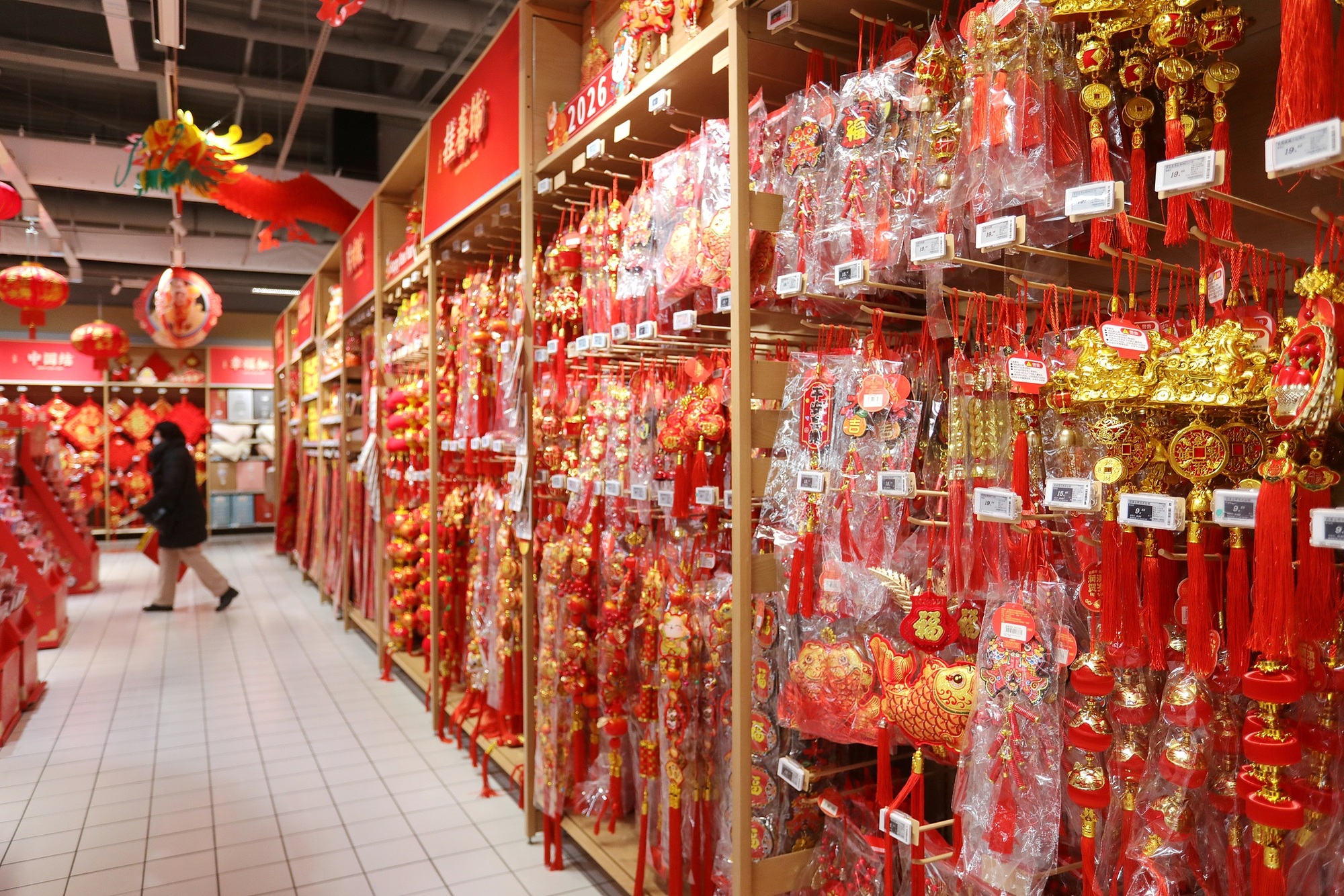
Core Insights - The Chinese New Year consumption market is experiencing significant growth and innovation this year, with new consumption scenarios and trends emerging [1][2][3] Group 1: Market Trends - The flower market is thriving, with new domestic varieties like Amaryllis and artificially cultivated orchids gaining popularity, contributing to the "flower economy" valued in the billions [1] - Traditional "supply and marketing New Year goods fairs" are attracting large crowds, with events like the Jiangsu New Year goods festival seeing over 100,000 visitors in a single day [2] - The integration of electronic consumption vouchers by local governments is enhancing consumer engagement and driving foot traffic to physical markets [2] Group 2: Consumer Behavior - Families are increasingly interested in capturing memories through family portraits during the New Year, with the family photo business growing over 30% annually [3] - New consumption highlights include family outings to cinemas for festive films and personalized services like home photography, reflecting a shift towards experiential and service-oriented consumption [3] - The evolving consumer preferences indicate a trend towards personalized, quality, and experience-driven purchases, moving from mere product consumption to a focus on cultural and emotional value [3]
好评中国丨年味拉满!年节经济涌动消费新潮流
Yang Guang Wang· 2026-01-28 05:10
Core Insights - The Chinese New Year consumption market is particularly vibrant this year, showcasing new consumption scenarios, business models, and innovative practices that reflect the robust vitality of the festive economy [1] Group 1: Flower Market - The flower market is entering a peak sales season, with popular domestic varieties like Amaryllis and artificially cultivated orchids gaining favor due to their affordability and auspicious meanings [1] - The "fresh flower economy," valued in the billions, is particularly prominent during the New Year flower season, adding warmth and novelty to the festive economy [1] Group 2: Traditional Markets and Local Products - Traditional "New Year goods fairs" are thriving nationwide, supported by electronic consumption vouchers to attract customers, with notable regional events like the "Winter Fishing Festival" in Northeast China and the "Mountain Lake Goodies" in Qinghai [3] - Local traditional products, such as painted gourds symbolizing good fortune and woodblock New Year paintings, are gaining popularity alongside trendy zodiac-themed toys [3] Group 3: Cultural Experiences and Events - The bustling atmosphere of traditional markets includes live cooking of famous local foods, cultural performances, and interactive experiences that resonate with consumers, especially the younger demographic [4] - The Ministry of Commerce reported that last year's key events for traditional brands generated over 5 billion yuan in direct sales and stimulated more than 16 billion yuan in online and offline consumption [4] Group 4: Family Activities and New Trends - Families are increasingly interested in capturing memories through family portraits, with the business growing over 30% annually, reflecting a trend towards personalized and emotional experiences [5] - New consumption highlights include family outings to cinemas for festive films, traveling for unique New Year experiences, and customized beauty services, indicating a shift towards experiential consumption [5] Group 5: Consumer Trends - The evolving consumption landscape reflects a shift from product consumption to service and experiential consumption, emphasizing cultural significance, emotional value, and spiritual satisfaction [7] - The interaction between innovative supply and changing consumer demand is fostering a positive cycle, laying a strong foundation for consumption growth throughout the year [7]