AI编程

Search documents
江苏卓易信息科技股份有限公司2025年度业绩快报公告
Xin Lang Cai Jing· 2026-02-27 21:34
Financial Performance Summary - In 2025, the company achieved operating revenue of 337.70 million yuan, an increase of 4.42% compared to the previous year [2] - The net profit attributable to the parent company was 82.12 million yuan, reflecting a significant increase of 150.05% year-on-year [2] - The net profit attributable to the parent company after deducting non-recurring gains and losses was 44.24 million yuan, up by 197.07% compared to the previous year [2] - Total assets at the end of the reporting period were 1.49 billion yuan, a decrease of 3.76% from the beginning of the period [2] - Equity attributable to the parent company increased by 6.60% to 900.83 million yuan [2] Factors Influencing Performance - The company successfully optimized its asset structure and human resource allocation, leading to strategic adjustments that included the divestment of non-core and underperforming businesses [3] - The company focused on AI+IDE product development, launching core products EazyDevelop and SnapDevelop, which are expected to drive future growth [3] - The core firmware business for computing devices also maintained steady growth, contributing to overall profitability [3] - Management implemented cost control measures, resulting in a significant decrease in management expenses during the reporting period [3] - Returns from early-stage industrial investments provided additional income, positively impacting the company's financial performance [3] Significant Changes in Financial Metrics - Operating profit reached 91.34 million yuan, an increase of 143.33% year-on-year [4] - Total profit amounted to 90.90 million yuan, reflecting a growth of 140.78% compared to the previous year [4] - Basic earnings per share were 0.68 yuan, up by 151.85% year-on-year [4] - Investment returns from indirect investments in the industrial investment fund, particularly from the listing of Hengkun New Materials, contributed approximately 30 million yuan to pre-tax profit [4]

冲高回落,希望还有吗?
Ge Long Hui· 2026-02-27 20:52
Market Performance - The three major indices experienced a pullback, with the Shanghai Composite Index down 0.17%, the Shenzhen Component Index down 0.68%, and the ChiNext Index down 1.46% [1] - Over 2900 stocks declined in the two markets, with a total trading volume of 1.59 trillion yuan [1] Sector Highlights - The computing power leasing concept saw a collective surge, with companies like Huasheng Tiancai hitting the limit up for three consecutive days, and others like Tuowei Information and Litong Electronics also reaching the limit up [1] - The non-ferrous metal sector remained active, with Zhangyuan Tungsten achieving five limit up days in seven, and Xianglu Tungsten and Zhong Rare Metals hitting the limit up [1] - The AI programming concept strengthened, with Jinxiandai and Puyuan Information both reaching a 20% limit up [1] - The space photovoltaic concept rebounded, with Junda Co. hitting the limit up [1] Sector Adjustments - The glass fiber sector opened lower and continued to decline, down 3.17% at midday, with companies like International Composite Materials and Honghe Technology hitting the limit down with declines over 10% [1] - The electronic cloth concept continued to adjust, with Honghe Technology hitting the limit down [1] - Other sectors such as components, PCB, and paper also followed suit in the downward trend [1] News Impact - Post-holiday, tungsten raw material prices have surged, with tungsten powder exceeding 1800 yuan per kilogram [1] - Huawei's cloud code intelligent agent public beta was released on February 26, covering AI programming technologies such as code generation [1] - Chinese commercial aerospace representative Blue Arrow Aerospace announced that the reusable rocket Zhuque-3 plans to conduct recovery tests again in the second quarter of this year [1]
A股午评:创业板指跌超1% 算力租赁概念逆势爆发
2 1 Shi Ji Jing Ji Bao Dao· 2026-02-27 04:05
Market Overview - The market experienced fluctuations in early trading, with the Shanghai Composite Index turning negative again and the ChiNext Index dropping over 1% [1] - By the end of the trading session, the Shanghai Composite Index fell by 0.17%, the Shenzhen Component Index decreased by 0.68%, and the ChiNext Index declined by 1.46% [1] - The total trading volume in the Shanghai and Shenzhen markets was 1.59 trillion yuan, a decrease of 53 billion yuan compared to the previous trading day [1] Sector Performance - The computing power leasing concept saw a collective surge, with stocks like Huasheng Tiancheng achieving three consecutive daily limits in five days, and stocks such as Tuo Wei Information, Litong Electronics, and Chengdi Xiangjiang hitting daily limits [1] - The non-ferrous metals sector was notably active, with Zhangyuan Tungsten achieving five daily limits in seven days, and stocks like Xianglu Tungsten and Zhong Rare Metals also hitting daily limits [1] - The AI programming concept strengthened, with Jin Modern and Puyuan Information both reaching the 20% daily limit [1] - The space photovoltaic concept rebounded, with Jun Da Co., Ltd. hitting the daily limit [1] - Conversely, the electronic cloth concept continued to adjust, with Honghe Technology hitting the daily limit down [1]





午评:创业板指半日跌超1%,算力租赁概念逆势爆发
Feng Huang Wang· 2026-02-27 03:54
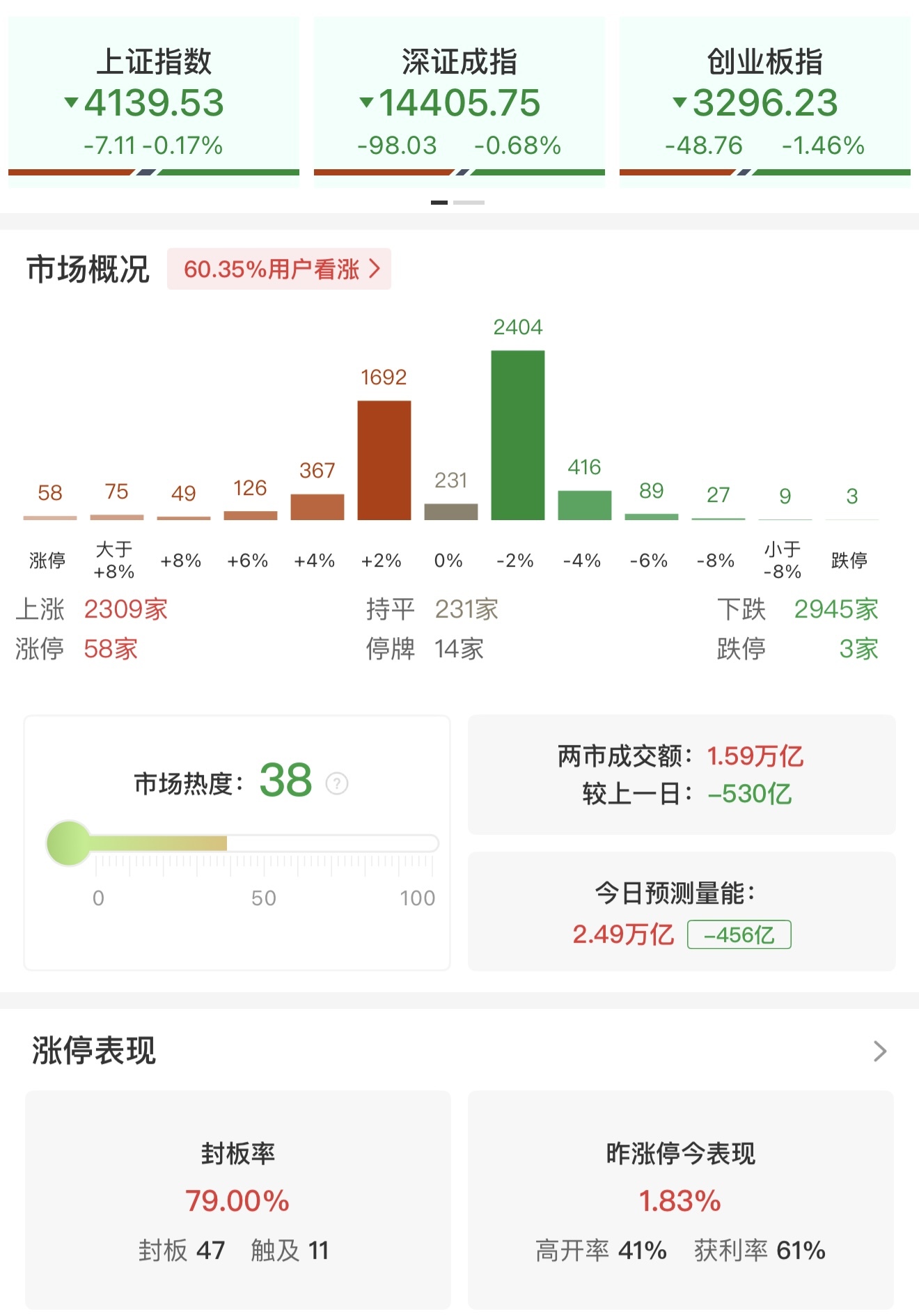
Market Overview - The market experienced fluctuations with the Shanghai Composite Index turning negative, and the ChiNext Index dropping over 1% [1] - The total trading volume in the Shanghai and Shenzhen markets was 1.59 trillion yuan, a decrease of 53 billion yuan compared to the previous trading day [1][8] - Over 2,900 stocks in the market declined, indicating a broad-based sell-off [1] Sector Performance - The computing power leasing sector saw a collective surge, with Huasheng Tiancheng hitting the limit up for three consecutive days, and other companies like Tuo Wei Information and Li Tong Electronics also reaching the limit up [1] - The non-ferrous metals sector was active, with Zhangyuan Tungsten Industry achieving five limit ups in seven days, and Xianglu Tungsten Industry and Zhongxi Rare Metals also hitting the limit up [1] - The AI programming concept strengthened, with Jin Modern and Puyuan Information both reaching the limit up [1] - The space photovoltaic concept rebounded, with Jun Da shares hitting the limit up [1] - Conversely, the electronic cloth concept continued to adjust, with Honghe Technology hitting the daily limit down [1] Index Performance - The Shanghai Composite Index closed at 4,139.53, down 0.17% [2][5] - The Shenzhen Component Index closed at 14,405.75, down 0.68% [2][5] - The ChiNext Index closed at 329, down 1.46% [2][5] Limit Up and Down Statistics - The limit up rate was 79%, with 47 stocks hitting the limit up and 11 stocks touching the limit down [4][10] - The performance of yesterday's limit up stocks was 1.83%, with a high opening rate of 41% [4][10] Market Sentiment - 60.35% of users are bullish on the market outlook [6]

智谱GLM Coding Plan上线即售罄
Zheng Quan Ri Bao· 2026-02-12 09:39
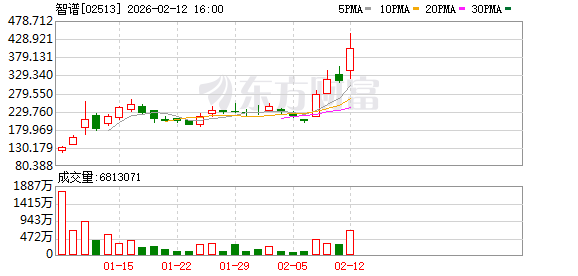
Core Insights - The GLM Coding Plan by Zhipu has sold out shortly after its launch, indicating a rare occurrence in the industry [2] - The company has experienced strong growth in market demand, user base, and usage volume for the GLM Coding Plan [5] Pricing and Subscription Details - The GLM Coding Plan offers three subscription tiers: Lite, Pro, and Max, with annual prices set at ¥411, ¥1251, and ¥3939 respectively [3] - A structural price adjustment has been implemented, with an overall increase starting from 30%, while existing subscribers will retain their current pricing [5] - The company has removed the first purchase discount but continues to offer discounts for quarterly and annual subscriptions [5] Market Performance - Following the announcement of the GLM Coding Plan and its pricing adjustments, Zhipu's stock price rose by 28.68%, reaching a market capitalization of HKD 179.229 billion [5]
未知机构:存储芯片射频芯片AI编程轮胎药房创新药调研-20260202
未知机构· 2026-02-02 02:00
Summary of Conference Call Notes Industry: Storage Chips - HBF is expected to partially replace HBM in AI servers, balancing performance and cost, with mass production anticipated in Q4 2026 to Q1 2027 at a price of approximately $10–11 per GB [1][2] - HBF is beneficial for SanDisk and Kioxia as they do not engage in HBM business, allowing them to expand their market through HBF [1][2] - Current supply and demand for HBM are generally balanced [1][2] - Production capacity is planned to expand to 476,000 wafers per month by 2026, suggesting a stable to declining price for HBM in 2026 [2] Industry: RF Chips - The RF chip industry is expected to see moderate recovery in 2026, with intense price competition in the 4G sector, while the 5G sector's L-PAMiD modules maintain a profit margin exceeding 20% with relatively eased competition [2] - Satellite direct connection in mobile phones is emerging as a new growth area, with the Mate80 series supporting low-altitude direct connection, primarily in collaboration with Zhaoshengwei; Xiaomi, Vivo, OPPO, and Samsung are following suit [2] Industry: AI Programming - Current AI programming tools are categorized into three main types: plugin-based, AI-native IDEs, and Agent types, represented by GitHub Copilot, Cursor, and Claude Code respectively [2] - GitHub Copilot shows the fastest commercialization progress with a monthly active user payment rate exceeding 20%; Cursor's latest ARR has reached $1 billion; Claude Code's API call volume is approximately 60% of Anthropic's, indicating significant revenue potential [3] - Leading domestic programming models include DeepSeek, Zhipu, Alibaba Qianwen, and Kimi, with a focus on the B-end market, while C-end free IDE products are currently underperforming [3] Industry: Tires - The global demand for giant tires is expected to grow by 35% from 2025 to 2029, driven primarily by increased demand from overseas mining projects [3] - Foreign brands like Michelin, Bridgestone, and Goodyear plan to raise giant tire prices by over 10% in 2026, while domestic brands like Hai'an will not increase prices to capture market share [3] - Hai'an's overseas growth this year is primarily focused on markets in Russia, Northwest Africa, and South Africa, with other domestic brands like Sailun and Zhongce also accelerating their international expansion [3] Industry: Pharmacies - Recent policy documents appear macro in nature and lack specific measures, but they provide a framework and space for subsequent detailed regulations from various ministries [3] - The industry is still undergoing a natural clearance process, with an expected annual exit of 10,000 to 20,000 stores, predicting a dynamic balance when the total number of stores stabilizes around 600,000 [3] - The O2O average transaction value has increased from below 50 yuan to approximately 55 yuan, with future O2O growth expected to maintain over 20% [3] Industry: Innovative Drugs - Competition in the CXO sector from South Korea is intensifying, with Samsung entering the ADC and cell therapy production markets [4] - To address patent cliff issues, BMS has launched seven new core products, while Merck has engaged in extensive mergers and acquisitions to enter new disease areas [4] - Major pharmaceutical companies are actively investing in AI, but few have the capability for significant computational investment like Eli Lilly [4]
海外教育科技过亿元融资观察:六起大单勾勒的投资风向
3 6 Ke· 2025-09-23 01:11
Core Insights - The education technology sector is experiencing a tightening in investment, with fewer financing cases and a decline in valuation systems, indicating a more cautious approach from capital compared to the peak during the pandemic [1][21] - Despite the overall cautious environment, significant financing rounds are still occurring, particularly for companies with essential value and technological barriers [1][21] Group 1: Major Financing Events - AMBOSS, a medical education platform, completed a €2.4 billion financing round, marking its largest funding to date, with plans for an IPO [5][7] - AI programming company Windsurf (formerly Codeium) raised $2.6 billion, with its valuation soaring to $28.5 billion, reflecting strong investor confidence in its transition from a tool to a platform [3][4] - Manabie, an education SaaS provider, secured $23 million in B-round financing, highlighting structural opportunities in Southeast Asia's low penetration market [8][10] - Knowunity, a learning platform, raised €27 million in B-round financing, emphasizing the appeal of user-generated content combined with AI capabilities [11][13] - Eruditus, focused on executive education, completed a $130 million refinancing round, showcasing the global demand for high-level education [14][16] - Lingokids, a children's interactive learning platform, announced a $120 million financing round, driven by the large market potential in early childhood education [17][19] Group 2: Trends and Market Dynamics - The trend indicates that capital is not withdrawing entirely but is instead becoming more selective, focusing on projects with essential needs and technological advantages [1][21] - The education technology financing landscape has shifted from a broad investment strategy during the pandemic to a more selective approach, prioritizing companies with clear user value and differentiation [21] - Companies that are positioned in essential markets, have global expansion potential, and leverage AI for efficiency and personalization are attracting significant investment [21]
被理想i8撞到四轮弹起!乘龙卡车:被摆了一道;前毫末智行产品副总裁蔡娜已加入Momenta;乐道高管:L90顶配不超过32万元
雷峰网· 2025-07-31 00:55
Group 1 - Li Xiang, CEO of Li Auto, reflects on being ousted by a trusted partner during a financial crisis at Autohome in 2008, ultimately choosing reconciliation over resentment [4][5][6] - Li Xiang emphasizes the importance of understanding others' perspectives to avoid self-harm and achieve personal peace [5][6] Group 2 - Former Vice President of Product at Haomo.ai, Cai Na, has joined Momenta, bringing valuable experience from her previous roles [9][10] - Momenta aims to achieve profitability by 2026 and is involved in various autonomous driving projects [10] Group 3 - Li Auto's new electric SUV, the Li i8, has undergone rigorous safety testing, showcasing its structural integrity during crash tests [11] - Controversy arose when the truck used in the testing was identified as a Chenglong truck, leading to safety concerns and legal responses from the truck manufacturer [11] Group 4 - Alibaba has adjusted its stock vesting schedule for new employees to 15%, 25%, 30%, and 30% over four years, effective from April 1, 2024 [14][15] - This change aims to provide more immediate stock benefits to employees compared to the previous vesting schedule [14][15] Group 5 - ByteDance's AI programming tool, Trae, has been accused of unauthorized data collection, prompting concerns over user privacy [16][17] - ByteDance responded by stating that data collection practices are in line with industry standards and do not involve personal identification [17] Group 6 - Xiaomi's new end-to-end driving assistance system for its SU7 series has been launched, with a reminder that it is not equivalent to full autonomous driving [13] - The system has seen significant improvements in highway scenarios, but users are urged to remain attentive while driving [13] Group 7 - Stellantis reported a net loss of €2.3 billion in the first half of the year, with a 13% decline in net revenue compared to the previous year [35][36] - The company faces challenges in various markets, including China and India, and plans to launch several new models by the end of the year [36][37] Group 8 - Samsung is reconsidering a $7 billion investment in advanced packaging production in Texas, driven by demand for advanced process chips [44] - This move aligns with the growing need for localized chip production in the U.S. market, particularly for companies like Tesla [44]


速递|"船长弃船"后的72小时细节:临时CEO的过山车式谈判,Cognition72小时内完成对剩余资产收购
Z Potentials· 2025-07-21 03:55
Core Insights - The acquisition of AI programming startup Windsurf by Cognition involved dramatic twists and uncertainties, including failed negotiations with OpenAI and the departure of key personnel to Google DeepMind [1] - The deal, valued at $2.4 billion, allows Google to obtain technology licensing from Windsurf without holding equity in the company, reflecting a trend of "reverse talent acquisition" among large tech firms [1] - Windsurf's interim CEO, Mr. Wang, expressed understanding for the departing executives but noted the low morale among remaining employees after the announcement of the acquisition [2] Group 1 - Windsurf's interim CEO described the atmosphere during an all-hands meeting as very gloomy, with some employees in tears and expressing concerns about the company's future [2] - Despite losing top talent, Windsurf retains its intellectual property, products, and a strong marketing team, which positions the company to seek further funding or continue independent operations [2] - The management team prioritized the acquisition by Cognition and quickly initiated negotiations, considering other potential offers while trying to retain remaining engineers [3] Group 2 - Mr. Wang emphasized the importance of properly accommodating all Windsurf employees as a key part of the acquisition deal, ensuring they receive compensation and accelerating equity vesting [4] - The acquisition agreement was signed on a Monday morning, following a very difficult Friday for the team, marking a significant turnaround in morale [4]

靠 AI 起死回生,上线5个月后收入4000万美金
Hu Xiu· 2025-07-18 02:15
Core Insights - The article discusses the rapid growth and success of Bolt.new, an AI coding assistant that has achieved an annual recurring revenue (ARR) of $40 million within just five months of its launch, making it one of the fastest-growing software products in history [2][8][10]. Company Overview - Bolt.new was launched by StackBlitz, which previously focused on browser-based coding environments. The company pivoted to develop Bolt.new after facing financial difficulties and recognizing the potential of AI in simplifying software development for non-technical users [5][6][8]. - The product allows users to create complete applications by simply describing their needs in natural language, significantly lowering the barrier to entry for software development [3][10][15]. Growth Metrics - Within one week of its launch, Bolt.new's user base doubled compared to all previous users of StackBlitz. In four weeks, its ARR reached $4 million, and by eight weeks, it surpassed $20 million. After five months, the ARR hit $40 million, with over 3 million registered users and more than 1 million monthly active users [2][8][9][10]. Market Context - The AI programming market is rapidly expanding, projected to grow from $4.29 billion in 2023 to $24.46 billion by 2031, with an average annual growth rate of 24.3% [20]. - Bolt.new operates in a competitive landscape with other AI coding tools like Lovable, Cursor, and Windsurf, each targeting different user segments and offering varying functionalities [21][26]. Competitive Advantages - Bolt.new targets a consumer market (BtoC) focused on users with no coding background, differentiating itself from competitors that cater to experienced developers [10][20]. - The product emphasizes community engagement and user feedback for rapid iteration and improvement, which has contributed to its viral growth [28][29]. Financial Performance - The company has successfully raised significant funding, including a recent $83.5 million round led by Emergence Capital and GV, which has substantially increased its valuation [9][22]. - Bolt.new's subscription model is designed to cater to both light and heavy users, allowing for flexible pricing based on token consumption, which aligns with user demand for scalable solutions [29][31]. Future Outlook - The success of Bolt.new highlights a broader trend in the tech industry where simplifying complex processes can unlock new markets and user bases. However, the company faces challenges from larger competitors and the need for continuous innovation to maintain its growth trajectory [35][36].