
《黑神话:悟空》游戏

Search documents
镜观中国丨影像回眸“十四五”——文化强国 繁荣兴盛
Xin Hua She· 2026-02-27 08:08
Core Insights - During the 14th Five-Year Plan period (2021-2025), China's economic and social development has achieved groundbreaking progress, transformative changes, and historic accomplishments, drawing global attention to China's achievements [1] Group 1: Cultural Development - The cultural sector and cultural industries in China have flourished during the "14th Five-Year" period, with a rich variety of spiritual cultural products contributing to cultural prosperity and the construction of a culturally strong nation [1] - Public cultural services have expanded to cover urban and rural grassroots, leading to continuous improvement in the civilizational quality and social civilization level of the populace [4] - The protection and utilization of cultural heritage and relics have been comprehensively strengthened, enhancing international communication effectiveness and increasing national cultural soft power and the influence of Chinese culture [6] Group 2: Cultural Events and Achievements - In 2025, the "National Tide" trend swept across China, with domestic intellectual properties (IPs) rising strongly, blending traditional and modern expressions that invigorate contemporary Chinese cultural landscapes and consumer trends [11] - The National Art Fund has supported over 3,500 projects in creation, performance, exhibitions, and talent development, leading to the emergence of high-quality works such as "The Great Journey," "Justice Must Prevail," and "Only This Green" [13] - By the end of 2024, there were 3,248 public libraries, 7,046 registered museums, and nearly 44,000 grassroots cultural institutions across the country, with significant improvements in the status of cultural relics protection [20] Group 3: Economic Impact of Cultural Industries - In 2025, the revenue of large-scale cultural and related industry enterprises reached 15,213.5 billion yuan, an increase of 1,045.1 billion yuan, representing a growth of 7.4% compared to the previous year [28] - The integration of culture and tourism has been deeply promoted, with the "Cultural + Hundreds of Industries" and "Hundreds of Industries + Cultural" approaches releasing multiplier effects that invigorate commerce, agriculture, sports, and transportation sectors [31] Group 4: International Cultural Exchange - China has engaged in extensive intergovernmental cooperation dialogues with various countries, strengthening exchanges with organizations like UNESCO and the United Nations World Tourism Organization, and expanding overseas Chinese cultural centers and tourism offices to over 70 [33] - The implementation of inbound tourism promotion plans and the optimization of visa, payment, and tax refund policies have made "China Travel" and "China Shopping" new trends among foreign visitors [41][44]


国际论道丨破圈出海 中国品牌加速登陆全球市场
Ren Min Ri Bao Hai Wai Ban· 2026-01-26 03:07
Group 1 - The core viewpoint is that Chinese brands are rapidly expanding globally, establishing a new image through innovative product design, marketing strategies, and cultural output [1][2][10] - The perception of Chinese products has shifted positively, especially among younger generations in the U.S., leading to a historical high in consumption of Chinese-made goods [2][12] - Chinese tea and beverage brands are successfully entering the U.S. market, with several brands expanding their presence and establishing operations in Southeast Asia and Australia [4][5] Group 2 - Chinese automotive brands have significantly increased their market share in Kazakhstan, rising from approximately 2% in 2020 to 34.5% in the first nine months of 2025 [5] - The global cosmetics market is witnessing a rise in Chinese brands, driven by strong domestic demand and successful international expansion [5][6] - Chinese brands are competing not only on price but also on quality and creativity, with a notable increase in global trust and influence over the past six years [6][11] Group 3 - The innovative capabilities of Chinese companies are being recognized globally, with a growing number of products showcasing advanced technology and design [7][10] - Chinese brands are increasingly focusing on localizing their operations and hiring local employees to enhance cultural integration and reduce friction [8][10] - The transition from merely selling products to building ecosystems marks a significant evolution in the strategy of Chinese brands in global markets [10][11] Group 4 - The global sales network established by Chinese e-commerce platforms and the effective use of social media for targeted marketing are accelerating the globalization of Chinese brands [11] - The cultural perception of China is evolving, with a growing recognition of Chinese creativity and influence in global trends [12] - China's rise in the global soft power index reflects its increasing influence, suggesting that future cultural phenomena may emerge from Chinese cities [12]

人民日报:向新向优发展,中国经济向好
Ren Min Ri Bao· 2026-01-08 08:48
Group 1 - China's economy is expected to grow by around 5% in 2025, maintaining its position among the world's major economies, with a total economic output projected to reach 140 trillion yuan [3] - The manufacturing sector shows positive trends, with the added value of equipment manufacturing and high-tech manufacturing increasing by 9.3% and 9.2% respectively in the first 11 months of 2025, outpacing overall industrial growth [3] - High-tech product exports have performed well, with integrated circuit exports reaching 1.29 trillion yuan, a growth of 25.6%, indicating strong innovation capabilities despite external pressures [3] Group 2 - The implementation of the Private Economy Promotion Law and the reduction of market access negative lists are part of ongoing reforms aimed at enhancing market competitiveness and promoting a unified national market [4] - China's ecological environment has seen significant improvements, with the PM2.5 concentration in the Beijing-Tianjin-Hebei region dropping to 31 micrograms per cubic meter, a 54% decrease from ten years ago [4] - Social security spending as a percentage of GDP has doubled from 4% in 2012 to approximately 8% now, aligning with levels seen in middle-income countries, reflecting a commitment to improving public welfare [5] Group 3 - Economic indicators such as the Consumer Price Index and industrial profits have shown signs of improvement, with industrial profits increasing by 0.1% year-on-year in the first 11 months of 2025 [6] - The Manufacturing Purchasing Managers' Index rose to 50.1 in December, indicating a return to expansion after eight months, while the non-manufacturing business activity index also rebounded [6] - The resilience of China's economy is attributed to strong leadership and unity under the Communist Party, providing confidence to navigate challenges [6]
钟才平:向新向优发展,中国经济向好
Ren Min Ri Bao· 2026-01-08 07:44
Core Viewpoint - China's economy is resilient and capable of overcoming significant challenges, with a focus on high-quality development and internal strengthening to address external pressures [1][3]. Group 1: Economic Performance - The expected economic growth for 2025 is around 5%, with a total economic output projected to reach 140 trillion yuan [3]. - Exports to ASEAN and the EU increased by 14.6% and 8.9% respectively, while exports to Belt and Road countries grew by 11.3% [2]. - Despite an 18.3% decline in exports to the US, total exports in dollar terms still grew by 5.4% [2]. Group 2: Industrial Development - The added value of equipment manufacturing and high-tech manufacturing industries grew by 9.3% and 9.2% respectively, outpacing overall industrial growth [3]. - The share of equipment manufacturing and high-tech manufacturing in total industrial output reached 36.4% and 16.7%, showing an increase from 2020 [3]. Group 3: Innovation and Reform - High-tech product exports, particularly integrated circuits, reached 1.29 trillion yuan, growing by 25.6% [4]. - New policies to promote the private economy and reduce market entry barriers have been implemented, enhancing the business environment [4]. Group 4: Environmental and Social Progress - Significant improvements in environmental quality, with PM2.5 concentration in the Beijing-Tianjin-Hebei region dropping to 31 micrograms per cubic meter, a 54% decrease from ten years ago [5]. - Social security spending as a percentage of GDP has doubled from 4% in 2012 to approximately 8%, aligning with levels in middle-income countries [5]. Group 5: Economic Indicators - The industrial profit of large enterprises increased by 0.1% year-on-year, maintaining growth for four consecutive months [6]. - The manufacturing purchasing managers' index rose to 50.1 in December, indicating expansion, while the non-manufacturing business activity index also returned to expansion territory [6].
连续两日,人民日报刊发钟才平文章
财联社· 2026-01-08 03:10
Core Viewpoint - The articles emphasize the resilience and growth of the Chinese economy, highlighting the importance of high-quality development and adaptability in response to international challenges [2][4]. Group 1: Economic Performance and Growth - The Chinese economy is expected to grow by around 5% in 2025, with a total economic output reaching 140 trillion yuan, maintaining its position among the world's major economies [4]. - Exports to ASEAN and the EU increased by 14.6% and 8.9% respectively in the first 11 months of 2025, while exports to the US decreased by 18.3%, yet total exports in dollar terms still grew by 5.4% [3][4]. Group 2: Industrial and Technological Advancements - The added value of equipment manufacturing and high-tech manufacturing industries grew by 9.3% and 9.2% respectively, outpacing overall industrial growth by 3.3 and 3.2 percentage points [4]. - High-tech product exports, particularly integrated circuits, reached 1.29 trillion yuan, marking a 25.6% increase [5]. Group 3: Policy and Reform Initiatives - The implementation of the Private Economy Promotion Law and the expansion of the negative list for market access are part of ongoing reforms to enhance the business environment [5]. - The establishment of a unified national market and the promotion of free trade zones are key steps in advancing high-level opening-up [5]. Group 4: Environmental and Social Progress - Significant improvements in environmental quality were noted, with PM2.5 concentrations in the Beijing-Tianjin-Hebei region dropping to 31 micrograms per cubic meter, a 54% decrease from a decade ago [6]. - Social security spending as a percentage of GDP has doubled from 4% in 2012 to approximately 8% now, aligning with levels seen in middle-income countries [6]. Group 5: Future Outlook and Confidence - The manufacturing purchasing managers' index rose to 50.1 in December, indicating expansion, while industrial profits increased by 0.1% year-on-year in the first 11 months [7]. - The leadership of Xi Jinping and the centralized guidance of the Party are seen as crucial for overcoming challenges and ensuring the sustained momentum of economic development [7].

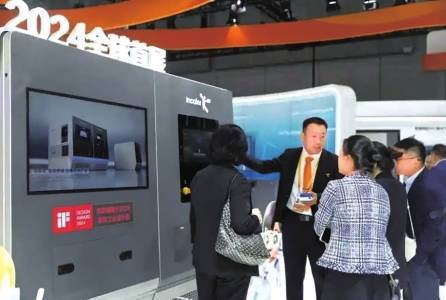
什么是“首发经济” ?
Sou Hu Cai Jing· 2025-10-30 01:47
Core Concept - The "Launch Economy" is emerging as a new engine for urban commercial vitality, emphasizing the importance of first-time product launches and experiences in driving consumer engagement and economic growth [10][13]. Group 1: Definition and Importance - The "Launch Economy" refers to the strategy where businesses debut new products, brands, or services in specific cities or platforms, generating attention, consumption, and communication, thus creating an economic chain from "debut" to "hit" [10]. - It is seen as a new battleground for commercial competition and a reflection of urban vitality and consumer power, extending the concept of "first store economy" [10][12]. Group 2: Consumer Behavior - The youth demographic is becoming a significant consumer group in the Launch Economy, characterized by their love for novelty, pursuit of personalized expression, and willingness to spend on interests and emotions [11]. - The psychological phenomenon of "first launch equals excitement" drives companies to invest in the launch market, creating topics through launches while consumers express their attitudes through purchases [11]. Group 3: Economic Impact - The Launch Economy is not merely a marketing tactic; it represents a strategic value for cities, with various regions in China actively promoting consumption activities centered around "firsts" [12]. - Notable examples include the introduction of flagship stores and innovative retail experiences that have significantly increased foot traffic and sales in urban areas, demonstrating the economic impact of the Launch Economy [12][13]. Group 4: Innovation and Feedback - The Launch Economy serves as a testing ground for innovation, allowing companies to gather real user feedback and optimize products quickly, transforming consumers from passive buyers to active participants in product evolution [13]. - Each launch acts as an invitation from the city to consumers, reinforcing the role of the Launch Economy as a barometer of commercial vitality and a driver of supply-demand cycles and industrial upgrades [13].
努力实现质与量相统一的平稳增长
Sou Hu Cai Jing· 2025-07-06 20:21
Economic Recovery and Policy Direction - The Chinese economy shows signs of recovery in the first half of 2025, with strong performance in retail sales and exports [2] - The Central Political Bureau meeting on April 25 outlined comprehensive macroeconomic policies focusing on investment, consumption, and exports, emphasizing a balanced and holistic approach [2] - The policies aim to enhance quality and ensure reasonable economic growth, integrating quality improvement with growth targets [3] State-Owned Enterprises and Market Mechanisms - The 20th Central Committee's third plenary session emphasized the need for state-owned enterprise reform, focusing on strategic industries and public services [4] - A key reform includes improving the bankruptcy mechanism to facilitate market exit, addressing issues of overcapacity and unhealthy competition [4] Private Sector and Competition - The government aims to address fairness in competition for the private sector, emphasizing equal access and protection [5] - Issues such as delayed payments and unfair enforcement practices are highlighted as significant challenges for private enterprises [5] - The phenomenon of "involution" in competition is noted, where companies engage in price-cutting, leading to reduced profits and investment willingness [5] International Trade and Globalization - China's rapid industrial upgrade has led to increased direct competition with developed countries, shifting from a complementary trade model to one of competition [6] - Despite trade tensions with the U.S., China's trade diversification strategy has shown success, maintaining stable growth in global trade [7] - Global trade has rebounded, reaching a historical high of 61.24% of global GDP, indicating a strong trend towards globalization [7][8] Digital Economy and Future Growth - The digital economy is identified as a significant opportunity for growth, with the potential for large-scale market advantages [9] - The success of digital products in international markets demonstrates the global potential of China's digital economy [8][9] - The overall economic landscape presents both opportunities and challenges, with a focus on coordinated policies to support sustainable growth [9]

强化监管,着力整治乱象(评论员观察) ——为民营经济营造更好发展环境③
Ren Min Ri Bao· 2025-06-09 22:00
Group 1 - The core viewpoint emphasizes the necessity of both internal innovation and external regulation to enhance the private economy's development [1] - The market regulatory authority is focusing on eliminating non-compliant fees and conducting strict compliance reviews to prevent the introduction of problematic policies [1] - The judicial department is working on regulating law enforcement personnel to prevent corruption and ensure qualified individuals are in charge of enforcement [1] Group 2 - The government is implementing a series of laws and regulations to optimize the business environment, including the Fair Competition Review Regulations and the Private Economy Promotion Law [2] - There is a call for regulatory bodies to avoid both excessive and insufficient actions, promoting a balanced approach to oversight [2] - The example of "Hangzhou Six Little Dragons" illustrates effective government support for businesses through practical services and funding [3] Group 3 - Efforts are being made to revise laws to combat "involution" competition and ensure fair market practices, including addressing issues like malicious price comparisons and false advertising [4] - The government is actively engaging with platform companies to ensure they fulfill their social responsibilities and protect the rights of workers [4] - Continuous improvement of market rules is essential to correct market failures and ensure the private economy progresses along the right path [4]