两用物项

Search documents
中方公布名单:禁止向20家日本实体出口两用物项
Zhong Guo Ji Jin Bao· 2026-02-24 04:35
Core Viewpoint - The Ministry of Commerce of China has announced the inclusion of 20 Japanese entities in the export control list to safeguard national security and fulfill international non-proliferation obligations [1]. Group 1: Export Control Measures - Exporters are prohibited from exporting dual-use items to the listed 20 entities, and foreign organizations and individuals are also barred from transferring or providing dual-use items originating from China to these entities [1]. - Ongoing related activities must be immediately halted [1]. Group 2: Special Export Conditions - In special circumstances where export is necessary, exporters must apply to the Ministry of Commerce [2]. Group 3: Implementation Date - The announcement is effective immediately upon publication [3]. Group 4: List of Entities - The export control list includes notable companies such as Mitsubishi Heavy Industries Shipbuilding Co., Kawasaki Heavy Industries Aerospace Systems Company, and Japan Aerospace Exploration Agency among others [5][6].
商务部将20家日本实体列入出口管制管控名单,将20家日本实体列入关注名单
Jin Rong Jie· 2026-02-24 03:14
Core Points - The Ministry of Commerce of China has announced export control measures against 20 Japanese entities involved in enhancing Japan's military capabilities, including Mitsubishi Heavy Industries and Subaru Corporation [1][3][10] - The measures include a ban on exporting dual-use items to these entities and a prohibition on foreign organizations and individuals transferring or providing such items to them [1][3][10] Group 1: Export Control Measures - The announcement includes a list of 20 entities, such as Mitsubishi Heavy Industries Shipbuilding Co. and Kawasaki Heavy Industries Aerospace Systems Company, which are now subject to export restrictions [2][3] - Exporters must immediately cease any ongoing activities related to these entities and can only apply for special export permissions under specific circumstances [1][3] Group 2: Focus List - An additional list of 20 Japanese entities, including Subaru Corporation and Fujitsu Defense & National Security, has been created due to the inability to verify the end users and end uses of dual-use items [3][9] - Exporters are prohibited from applying for general licenses or obtaining export certificates through registration for these entities, and must submit risk assessment reports for individual license applications [3][8] Group 3: Regulatory Context - The measures are framed as necessary to prevent Japan's "re-militarization" and nuclear ambitions, emphasizing that they are lawful and targeted at specific entities [10] - The Ministry of Commerce assures that these actions do not affect normal economic and trade relations between China and Japan, and compliant Japanese entities need not worry [10]

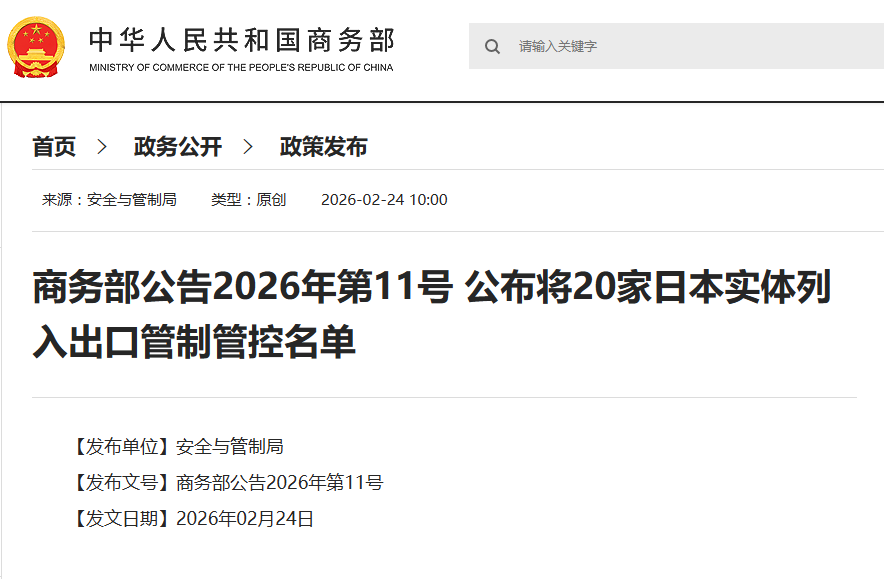
中方决定:将三菱造船株式会社等20家日本实体列入出口管制管控名单,将20家日本实体列入关注名单
Xin Lang Cai Jing· 2026-02-24 02:36
Core Viewpoint - The Ministry of Commerce of China has announced the inclusion of 20 Japanese entities in an export control list due to their involvement in enhancing Japan's military capabilities, aiming to curb Japan's militarization efforts [2][4][19]. Export Control Measures - The export control measures include a ban on exporting dual-use items to the listed entities and prohibiting foreign organizations and individuals from transferring or providing dual-use items originating from China to these entities [5][19]. - Entities on the control list include Mitsubishi Heavy Industries Shipbuilding Co. and other companies involved in military-related activities [10][23]. Attention List - An additional 20 Japanese entities, including Subaru Corporation, have been placed on an attention list due to the inability to verify the end users and final purposes of dual-use items [3][9]. - Exporters must submit risk assessment reports and written commitments that the items will not be used to enhance Japan's military capabilities when applying for export licenses to these entities [3][17]. Implementation and Compliance - The measures are effective immediately upon announcement, and compliance with the verification obligations is required for entities on the attention list to apply for removal from it [11][21]. - The Ministry of Commerce emphasizes that these measures are legitimate and do not affect normal trade relations between China and Japan for compliant entities [4][18].
商务部新闻发言人就对日相关出口管制措施答记者问:目的是制止日本“再军事化”和拥核企图
智通财经网· 2026-02-24 02:27
Core Viewpoint - The Chinese Ministry of Commerce has announced export control measures against certain Japanese entities to prevent Japan's militarization and nuclear ambitions, emphasizing that these measures are legal and reasonable, targeting only a limited number of entities and not affecting normal Sino-Japanese trade relations [1][5]. Group 1: Export Control Measures - The Ministry has placed Mitsubishi Heavy Industries and 19 other entities involved in enhancing Japan's military capabilities on a control list, prohibiting exports of dual-use items to these entities [3]. - Subaru Corporation and 19 other entities that cannot verify the end users and end uses of dual-use items have been placed on a watch list, which imposes stricter scrutiny on exports to these entities [4]. Group 2: Compliance and Enforcement - Exporters are prohibited from applying for general licenses or obtaining export certificates for entities on the watch list, and must submit risk assessment reports when applying for individual licenses [4]. - Entities on the watch list can apply for removal if they comply with verification obligations, and the Ministry will conduct a review before deciding on their removal [4].
商务部就对日相关出口管制措施答记者问
Shang Wu Bu Wang Zhan· 2026-02-24 02:16
Group 1 - The Chinese Ministry of Commerce has released a control list and a watch list targeting Japanese entities involved in enhancing Japan's military capabilities [1][2] - 20 entities, including Mitsubishi Heavy Industries, have been placed on the control list, prohibiting exports of dual-use items to these entities and restricting the transfer of such items from foreign organizations and individuals [1] - Another 20 entities, including Subaru Corporation, have been placed on the watch list, requiring stricter risk assessments and written commitments regarding the end-use of dual-use items [2] Group 2 - The measures aim to halt Japan's "remilitarization" and nuclear ambitions, asserting that the actions are legitimate and lawful [3] - The restrictions apply only to specific Japanese entities and dual-use items, ensuring that normal trade relations between China and Japan remain unaffected for compliant entities [3]
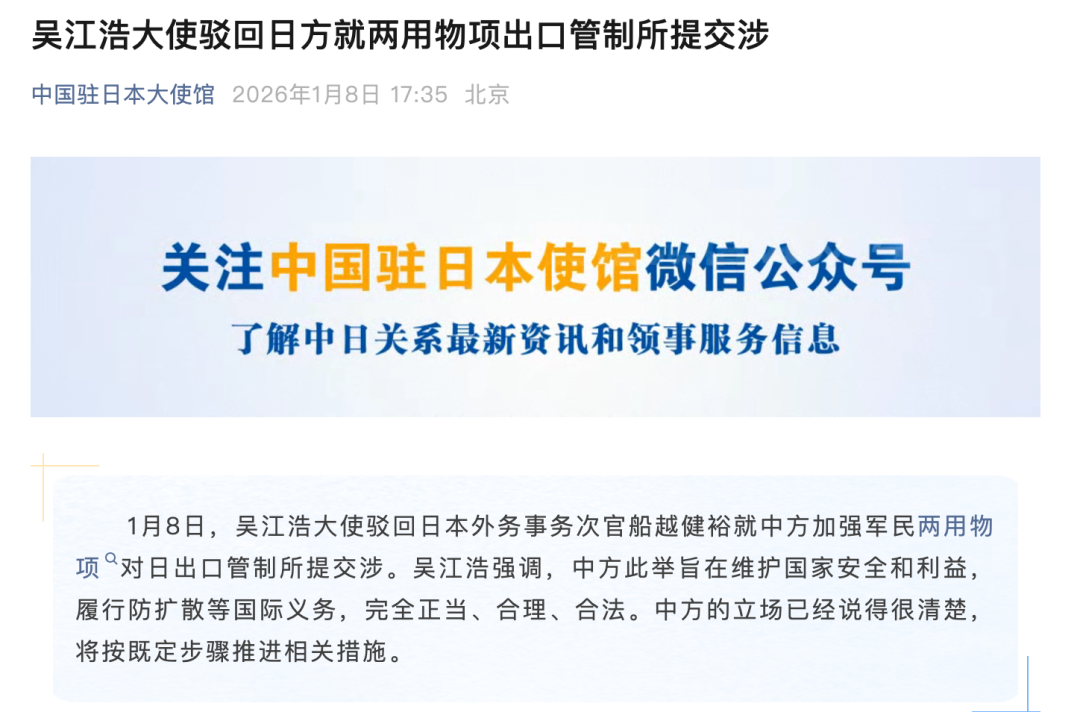
日方提出交涉,中国大使驳回:将按既定步骤推进!高市早苗遭在野党批评
Mei Ri Jing Ji Xin Wen· 2026-01-08 22:46
Group 1 - The Chinese government has strengthened export controls on dual-use items to Japan, citing national security and international obligations as the primary reasons for this decision [1][3][5] - The announcement prohibits all dual-use items from being exported to Japanese military users and any entities that could enhance Japan's military capabilities [3][5] - The Chinese Ministry of Commerce emphasized that this measure is a legitimate response to Japan's recent military policy shifts and statements from Prime Minister Fumio Kishida, which are perceived as threats to China's sovereignty [5][6] Group 2 - Japan's opposition parties have criticized Kishida's administration, labeling it as the most dangerous since World War II due to its militaristic tendencies and increased defense spending [6][10] - The Japanese government is planning to revise its "Security Three Documents," which includes increasing defense budgets and modifying its "Three Non-Nuclear Principles" [10][12] - Discussions are underway to establish a framework for Japan to provide military equipment and technology to other countries, indicating a shift towards a more proactive military stance [12][14]
环球时报社评:日本最应算清的,是地区和平这本大账
Xin Lang Cai Jing· 2026-01-07 15:06
Group 1 - The Chinese Ministry of Commerce announced strengthened export controls on dual-use items to Japan, which has led to significant concerns in Japan regarding potential impacts on key industries such as semiconductors and electric vehicles [1][2] - Japan's initial response included strong criticism of China's measures, labeling them as unacceptable and expressing regret, while also demanding a withdrawal of the controls [1][3] - The Japanese media and economists are analyzing the potential GDP loss due to these measures, indicating a focus on economic implications rather than the broader political context [1][3] Group 2 - Japan's recent military expansion and aggressive defense budget increases, including the development of offensive weapons, have raised concerns about the risks associated with the potential militarization of key materials, including rare earth elements [2] - China's export controls are specifically targeting military users and purposes in Japan, reflecting a stance on national security and regional stability [2] - The Japanese government's militaristic policies are seen as the root cause of its current diplomatic and economic challenges, suggesting a need for a shift in approach to avoid further crises [3]
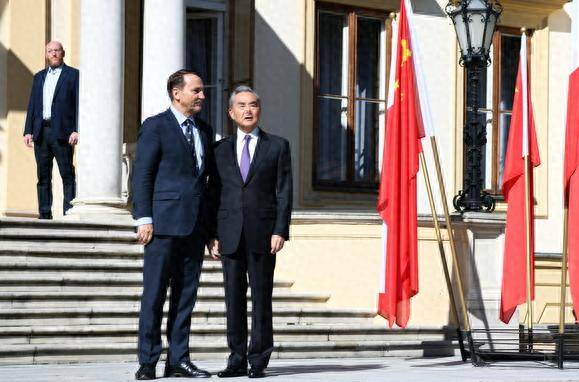
中波双方谈完,波兰当着全球公布重大喜讯,欧盟:为何运气如此好
Sou Hu Cai Jing· 2025-09-19 10:44
Core Viewpoint - The fourth meeting of the China-Poland Intergovernmental Cooperation Committee highlighted significant developments, particularly China's decision to relax export restrictions on key minerals and dual-use items, which is expected to enhance Poland's position in the European supply chain [1][3]. Group 1: Key Minerals and Economic Impact - Key minerals such as nickel, lithium, and rare earths are crucial for the new energy vehicle and battery industries, and Poland aims to strengthen its role in the European new energy supply chain [3]. - The relaxation of export restrictions is seen as a breakthrough for Poland, potentially leading to increased trade numbers and domestic processing and employment opportunities [3][5]. - Poland's acquisition of mineral resources is expected to provide it with greater negotiating power within the EU, especially in ongoing disputes over energy and mineral distribution [3][5]. Group 2: China-Poland Cooperation and Strategic Implications - The mineral export relaxation is mutually beneficial, as it stabilizes the China-Europe supply chain and enhances bilateral relations, countering discussions in Europe about reducing dependency on Chinese products [5][19]. - The "China-Europe Railway Express" has become a focal point of cooperation, with Poland's geographical position making it a key transit hub for goods moving from China to Europe [5][9]. - Both parties have agreed to optimize customs efficiency and increase transport capacity, which could alleviate financial pressures on businesses by reducing shipping times [7][9]. Group 3: Geopolitical Context and Security Concerns - The ongoing Ukraine conflict has heightened security concerns for Poland, which is directly affected by the war, leading to discussions on defense capabilities and military technology [11][12]. - Poland views China as a significant player that can maintain communication with Moscow, providing a potential avenue for conflict resolution [14][19]. - The EU's reaction to the China-Poland cooperation indicates concerns about Poland's rising influence within the EU, as it gains strategic resources that could enhance its bargaining power [16][19]. Group 4: Regional Reactions and Future Prospects - Eastern European countries have responded positively to Poland's actions, seeing it as a potential model for their own bilateral engagements with China [19]. - The EU has emphasized that all bilateral cooperation must align with EU rules, reflecting a cautious approach to Poland's growing autonomy in negotiations [19]. - China's strategic choice to highlight its cooperation with Poland serves to position itself as a collaborative partner in Europe, rather than an external disruptor [19].