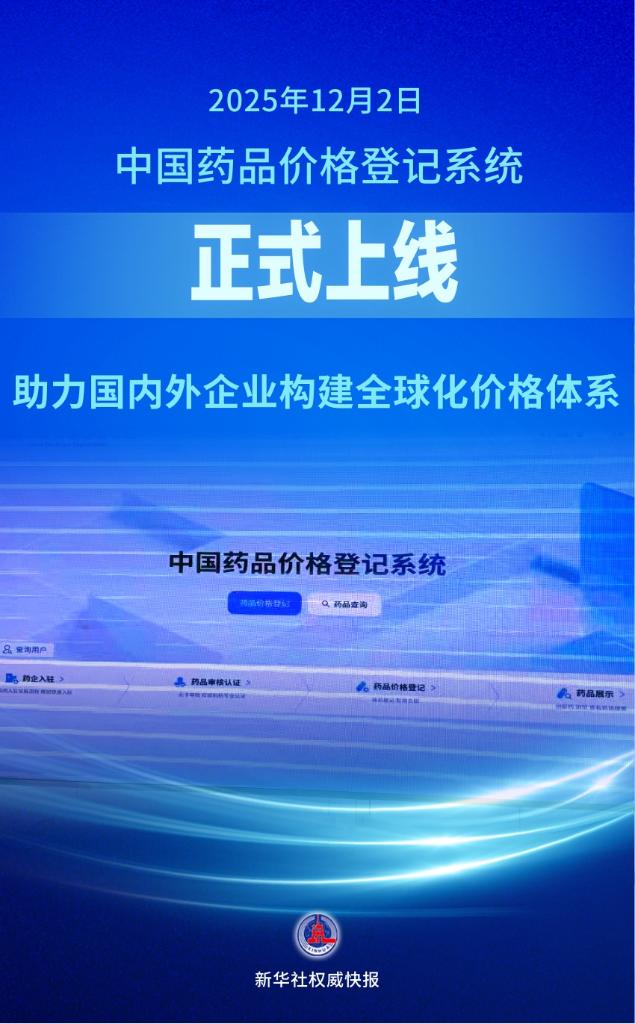
中国药品价格登记系统

Search documents
西城区区长郅海杰:做好中轴线申遗“后半篇文章”
Xin Jing Bao· 2026-01-28 04:40
Core Viewpoint - The economic development of Xicheng District during the "14th Five-Year Plan" period has been significant, with a GDP exceeding 600 billion yuan and a focus on high-quality development in the upcoming "15th Five-Year Plan" period [1][2]. Economic Development - Xicheng District's GDP surpassed 600 billion yuan during the "14th Five-Year Plan," with an average annual growth rate of approximately 5.2% [2]. - The district's per capita disposable income remains among the highest in the city [2]. - The financial sector has solidified its role as a stabilizing force, with asset management institutions expected to manage over 21 trillion yuan by 2025, accounting for about half of the city's total and one-eighth of the national total [2]. - The establishment of a national-level financial technology demonstration zone has led to a tax revenue contribution that is 36 times greater than before the relocation of the "Animal Garden Wholesale Market" [2]. Development Goals for the "15th Five-Year Plan" - The district aims to enhance the financial sector's role, improve various financial services, and strengthen the capital market ecosystem centered around the Beijing Stock Exchange [3]. - There is a focus on developing new productive forces, particularly in data industries and artificial intelligence, with plans to create high-energy data industry clusters [3]. - The district will promote domestic demand and openness through various cultural and economic events, enhancing consumer potential [3]. Urban Environment and Cultural Heritage - The successful application for UNESCO World Heritage status for Beijing's central axis presents both an honor and a responsibility for Xicheng, emphasizing the importance of cultural heritage protection and utilization [5]. - Plans include the establishment of two demonstration zones for cultural heritage protection and utilization, with efforts to open historical sites to the public [7]. Urban Renewal and Living Conditions - In the past year, over 1,000 households participated in a rental application program, and 126 old residential areas were renovated, covering 205 million square meters [8]. - The district plans to deepen the "whole courtyard retreat" model, encouraging social capital participation in urban renewal [8]. - There are ongoing efforts to improve urban infrastructure, including the construction of new parking facilities and the enhancement of public transport systems [10]. Environmental Quality - Xicheng achieved a historic low in PM2.5 annual average concentration at 29.3 micrograms per cubic meter, with over 80% of days classified as good air quality [11]. - The district will continue to implement measures to improve air quality and promote green urban development [11].
药登系统上线!创新药出海有了关键支撑
Xin Lang Cai Jing· 2025-12-17 08:15
Core Viewpoint - The launch of the China Drug Price Registration System is expected to accelerate the internationalization of Chinese innovative drugs by providing a global, authoritative, standardized, and transparent market price registration platform [1] Group 1: Overview of the Drug Price Registration System - The China Drug Price Registration System is a national-level price registration platform independent of the medical insurance network, offering services such as price registration, price inquiry, price comparison, and notarization [2][8] - Pharmaceutical companies can autonomously declare and register drug prices based on their development needs, ensuring the authenticity of the submitted information, while the operating unit only processes registration applications without interfering with pricing [2][8] Group 2: Impact on Chinese Innovative Drugs - The system aims to address the pricing challenges faced by Chinese innovative drugs in international markets, which have been hindered by reliance on medical insurance negotiation prices that may undervalue these products [3][9] - The establishment of a "one drug, one file" database will provide authoritative pricing references for companies, facilitating the construction of a consistent pricing system for domestic and international markets [3][9] Group 3: Four Major Impacts on Domestic Innovative Drugs - Accelerating Internationalization: In the first three quarters of 2025, Chinese pharmaceutical companies completed over 103 overseas licensing transactions, with a total transaction value exceeding $92 billion, highlighting the increasing reference value of China's terminal prices [6][12] - Enhancing Commercial Certainty: The system operates independently from provincial medical procurement platforms, allowing companies to declare prices applicable to various healthcare settings, including private hospitals and self-funded medical services [6][13] - Attracting Multinational Pharmaceutical Companies: The system not only supports the international expansion of Chinese innovative drugs but also attracts high-quality foreign drugs to the Chinese market, enhancing competition [6][13] - Promoting Healthy Competition and Innovation Incentives: The market identity associated with the declared prices reflects the clinical value of innovative drugs, enabling companies to achieve higher returns in non-medical insurance markets, thus fostering a positive cycle of research and development [6][13]


20cm速递|创业板医药ETF国泰(159377)飘红,市场关注医药创新与价格治理动向
Sou Hu Cai Jing· 2025-12-12 03:00
Group 1 - The launch of the National Medical Insurance Administration's drug price registration system reflects a strong support for pharmaceutical innovation and development, helping companies build a global drug pricing system and modernize drug price governance [1] - The system operates on the principle of "one location for acceptance, nationwide sharing, and global openness," providing drug price registration and inquiry services for domestic and foreign pharmaceutical companies, facilitating the internationalization of Chinese innovative drugs and attracting high-quality foreign drugs to the Chinese market [1] - The importance of China's large-scale market in the global pharmaceutical landscape is increasing, raising higher demands for improving the drug price governance system, with signs of recovery in the supply and demand sides of the pharmaceutical industry [1] Group 2 - The ChiNext Medical ETF (159377) tracks the Innovation Medicine Index (399275), which saw a daily fluctuation of 20%, selecting listed companies from the pharmaceutical and biotechnology sectors, focusing on high-growth and innovative companies in the healthcare field [1]

认可“市场身份”,支持创新药发展——中国药品价格登记系统上线
Ke Ji Ri Bao· 2025-12-04 07:49
Core Insights - The launch of the China Drug Price Registration System (China Drug Registration) is seen as a foundational infrastructure to support the development of innovative drugs in China [1][2] - The system allows for the registration of drug prices that reflect real transaction prices across multiple channels, facilitating international price comparisons and addressing the challenges of pricing for innovative drugs going abroad [2][3] Group 1: Drug Pricing and Registration - The China Drug Registration system enables drug companies to self-report prices, which can include both medical insurance discount prices and prices in private hospitals or retail pharmacies, without a unified standard [2][3] - Prior to this system, China had a relatively singular pricing structure primarily based on provincial medical procurement platform prices, which did not adequately reflect the value of original innovative drugs [2][3] - The system provides an official price certificate that can help overcome pricing skepticism when Chinese innovative drugs enter international markets [3][4] Group 2: Impact on Innovation and Market Dynamics - The dual-track pricing system established by the China Drug Registration allows for both market-based pricing and medical insurance pricing, which can stimulate innovation among pharmaceutical companies [4] - By enabling companies to set prices that reflect the clinical value of their innovative drugs, the system allows for higher returns in non-insurance markets, thereby supporting further research and development [4] - The official recognition of drug prices through this system is expected to alleviate concerns from international payers and enhance the competitiveness of Chinese innovative drugs in global markets [4]
中国药品价格登记系统上线 助力国产创新药“走出去”
Ren Min Ri Bao· 2025-12-02 22:05
Core Points - The China Drug Price Registration System officially launched on the 2nd, with nine pharmaceutical companies participating in the first batch of price registrations [1] - The National Healthcare Security Administration (NHSA) released an announcement detailing the registration scope, platform, process, and query services, aiming to guide companies in building a more comprehensive drug pricing system [1] - The system operates on the principle of local acceptance, national sharing, and global openness, providing online and offline services for drug price registration queries [2] Group 1 - The registration system allows companies to self-declare drug prices based on their development needs, taking responsibility for the authenticity of the information [1] - The system is independent of provincial medical procurement platforms, enhancing the modernization of drug price governance [2] - By 2025, Chinese pharmaceutical companies completed 103 overseas transactions, with a total transaction amount exceeding $92 billion, highlighting the increasing importance of China's market in the global pharmaceutical industry [1] Group 2 - The establishment of the registration system is a new exploration to address the innovative development of the pharmaceutical sector, providing a platform for companies to build a global and diversified drug pricing system [2] - The system aims to facilitate the internationalization of Chinese innovative drugs and attract more high-quality foreign drugs into the Chinese market, benefiting patients in China [2]
国家医疗保障局:开展药品价格登记查询服务
Cai Jing Wang· 2025-12-02 12:40
Core Viewpoint - The National Healthcare Security Administration and the Beijing Municipal Government are enhancing cooperation to support the high-quality development of innovative drugs and promote the global pharmaceutical market [1] Group 1: Drug Price Registration System - A new drug price registration system is being established, allowing companies to voluntarily declare prices for innovative drugs and other pharmaceuticals [1] - The registration process follows the principle of "one location acceptance, nationwide sharing, global openness," and is operated by a state-owned enterprise in Beijing's Xicheng District [1] - The system will provide services for registration and inquiry, ensuring that drug market information is accessible to relevant institutions and the public [1] Group 2: Price Adjustment and Verification - Drug market participants can apply for price adjustments based on clinical value, supply-demand relationships, and competitive landscape [1] - The registration unit will verify the basic information of the company and drug, as well as the proof of the declared price before processing the registration [1] - A unique file will be created for each drug, ensuring proper documentation and storage of information [1] Group 3: Access to Price Information - Registered users can query drug prices through the "China Drug Price Registration System" after logging in [1] - Drug market participants can obtain a free Chinese version of the drug price information inquiry certificate after the platform completes the qualification verification [1] - Additional services such as obtaining price information in other languages, price comparisons, and notarization will be provided on a paid basis by the operating unit [2]
今日财经要闻TOP10|2025年12月2日
Xin Lang Cai Jing· 2025-12-02 11:41
Group 1: Market Performance - The Shanghai Composite Index fell by 0.55%, the Shenzhen Component Index dropped by 0.77%, and the ChiNext Index decreased by 0.88% during the morning session [1][8] - The total trading volume in the Shanghai, Shenzhen, and Beijing markets reached 10,560 billion, a decrease of 1,807 billion compared to the previous day [1][8] - Over 3,900 stocks in the market experienced declines, with sectors such as energy metals, gaming, education, battery materials, rare earth permanent magnets, and film and television showing significant losses [1][8] Group 2: Sector Highlights - The pharmaceutical commercial sector, along with local stocks from Fujian, Hainan Free Trade Zone, tourism and hotels, AI mobile phones, real estate, and coal mining, saw notable gains [1][8] - AI mobile phone concept stocks remained active, with companies like Daoming Optics achieving a four-day consecutive rise and Furong Technology securing two consecutive gains [1][8] - Fujian local stocks continued to rise in the afternoon, with Dongbai Group hitting the daily limit, and several other stocks such as Zhaobiao Co., Pingtan Development, and Hai Xin Food also reaching their limits [3][8] Group 3: Policy Developments - The Fujian provincial government announced 12 new policies aimed at enhancing trade and cultural exchanges with Taiwan, including support for Taiwanese enterprises and optimizing tax services for Taiwanese businesses [7][14] - The launch of China's drug price registration system is set for December 2, 2025, allowing domestic and foreign pharmaceutical companies to independently declare drug prices, promoting transparency and global market integration [4][11] Group 4: International Relations - Two Japanese organizations have requested to visit China, reflecting concerns over recent remarks by Japanese Prime Minister Suga regarding Taiwan, which have strained Sino-Japanese relations [2][10] - The Chinese Coast Guard has taken measures to drive away a Japanese fishing vessel that illegally entered the waters around the Diaoyu Islands, emphasizing China's stance on territorial sovereignty [5][12]


预计四季度工业企业盈利延续弱势运行|宏观晚6点
Sou Hu Cai Jing· 2025-12-02 10:08
Group 1 - The core viewpoint of the article is that the Ministry of Finance emphasizes the direction of proactive fiscal policy during the "14th Five-Year Plan" period, focusing on expanding domestic demand, supporting high-level technological self-reliance, and mitigating local debt risks [1] - The Ministry of Finance aims to fully expand domestic demand by strengthening the domestic market, increasing residents' income through tax adjustments, social security, and transfer payments, and optimizing income distribution [1] - The article highlights the use of fiscal subsidies and loan interest discounts as policy tools to cultivate new consumption growth points and create new consumption scenarios [1] Group 2 - Five departments, including the National Development and Reform Commission and the National Data Bureau, have jointly issued opinions on strengthening the construction of data element disciplines and digital talent teams, proposing specific measures in four areas [2] - The measures include improving data element discipline, promoting vocational education in the data industry, enriching academic research in the data field, and facilitating collaboration among industry, academia, and research in the data sector [2] Group 3 - A new drug price registration system has been launched in China, indicating a significant development in the pharmaceutical industry [3]
午评:主要股指显著下跌 福建板块领涨 能源金属板块领跌
Zhong Guo Jin Rong Xin Xi Wang· 2025-12-02 04:19
Market Overview - The Shanghai and Shenzhen stock indices opened lower on December 2, with the Shanghai Composite Index down 0.55% to 3892.55 points and the Shenzhen Component Index down 0.77% to 13045.96 points, reflecting a significant decline across all major indices [1] - The trading volume was approximately 407.4 billion yuan for the Shanghai index and about 639.8 billion yuan for the Shenzhen index, indicating active market participation despite the downturn [1] Sector Performance - AI, insurance, and plant-based meat sectors showed strong performance at the opening, while sectors like photolithography, fluorochemicals, and non-ferrous metals faced declines [1] - By midday, sectors such as insurance, oil, and communication equipment experienced notable gains, while home goods, aquaculture, and military information technology sectors saw significant rebounds [1] - The Fujian and Hainan Free Trade Zones, along with pharmaceutical commerce, were among the top gainers, while energy metals and cloud gaming sectors faced the largest declines [1] Future Outlook - According to China International Capital Corporation (CICC), the A-share market is expected to maintain a reasonable valuation amid a synchronized global liquidity easing cycle, with a focus on large-cap growth styles until early next year [2] - CITIC Securities highlighted the transition of space computing from concept to reality, emphasizing the reliance on photovoltaic technology for energy supply in space, and suggested monitoring investment opportunities in perovskite technology [2] - Huatai Securities projected that the metal industry may see improved supply-demand dynamics by 2026, with gold prices potentially rising above $4800 per ounce, and recommended focusing on undervalued sectors like copper and aluminum [3] Industry Developments - The launch of the Chinese drug price registration system on December 2 aims to provide a transparent pricing mechanism for domestic and foreign pharmaceutical companies, facilitating the global market development of innovative drugs [4] - The Ministry of Industry and Information Technology is preparing to establish the China Artificial Intelligence Terminal Industry Association, which is expected to significantly contribute to the high-quality development of the AI terminal industry [4]
新华社权威快报丨中国药品价格登记系统上线
Xin Hua Wang· 2025-12-02 03:10
Core Points - The China Drug Price Registration System officially launched on December 2, 2025, allowing domestic and foreign pharmaceutical companies to independently declare and register drug prices [3] - The system is designed to be independent of provincial medical procurement platforms, providing authoritative, standardized, and transparent market price registration and inquiry services [3] - This initiative is expected to facilitate the internationalization of Chinese innovative drugs, attract high-quality foreign new drugs into the Chinese market, and contribute to the establishment of a global pricing system, promoting the development of the global market for innovative drugs [3]