固液混合电池

Search documents
央视报道:固态电池订单暴涨!
鑫椤锂电· 2026-03-25 00:58
Core Insights - The article discusses the advancements and market outlook for solid-state batteries, highlighting the increasing interest from automotive companies and the ongoing testing of hybrid solid-liquid batteries in extreme cold conditions [1][2][6]. Group 1: Solid-State Battery Market Overview - The solid-state battery market is expected to gain significant traction by 2026, with multiple automotive companies announcing timelines for their solid-state battery developments [6]. - The current market includes hybrid solid-liquid batteries, which are being tested and deployed, rather than fully solid-state batteries that are still in the experimental phase [6]. Group 2: Performance Testing - In extreme cold conditions, hybrid solid-liquid batteries demonstrated superior performance, maintaining 70% charge after being left overnight in temperatures below -30 degrees Celsius [2]. - Acceleration tests showed that vehicles equipped with these batteries can achieve 0 to 100 km/h in approximately 15 seconds while starting from a cold state [4]. Group 3: Industry Developments - Companies like Shenzhen Better Ray are ramping up production of battery materials to meet increasing orders, indicating a surge in demand for solid-state and hybrid battery technologies [4]. - The article notes that over 1,000 vehicles equipped with hybrid solid-liquid batteries have been delivered since mid-December 2025, showcasing the growing adoption of this technology [4].


固态电池近况更新与投资方向梳理
2026-01-15 01:06
Summary of Solid-State Battery Industry Conference Call Industry Overview - The solid-state battery sector is expected to show growth momentum after 2026, driven by major manufacturers' tenders and automotive road tests, with clearer technical solutions and cost reduction paths, supported by policies from the Ministry of Industry and Information Technology [1][3] - The commercialization of hybrid solid-liquid batteries is progressing positively, with companies like Delong and Hongqi collaborating, and Jinlongyu planning to establish a 2GWh production line targeting clients in drones and energy storage [1][4] - Pure solid-state batteries are currently focused on road testing and detection, with an emphasis on the demand expansion and value enhancement of materials such as lithium sulfide and lithium metal anodes [1][4] Key Developments - The solid-state battery sector has transitioned from speculative trading to policy-driven growth since Q2 2025, forming a more certain market space [3] - Significant developments include the Ministry of Industry and Information Technology emphasizing breakthroughs in solid-state battery technology in its 14th Five-Year Plan, and advancements in electrolyte technology reducing costs by over 95% [3] - Major automotive manufacturers are advancing high-energy products testing, and lithium sulfide production capacity is ramping up, clarifying technical and cost pathways [3] Commercialization Progress - The commercialization of hybrid solid-state batteries is expected to become clearer in 2026, with companies like Delong and Jinlongyu making significant strides [4] - The lithium sulfide supply chain has seen multiple companies establish production lines exceeding 100 tons, entering cost reduction phases [4] Electrolyte Development - The electrolyte segment has seen several companies establish production lines exceeding 100 tons, with traditional lithium battery leaders also exploring this area [5] - This segment is viewed as having significant potential for investment, given its value-doubling materials and alignment with long-term solid-state battery development [5] Anode-Free Solutions - Anode-free solutions are gaining attention, with companies like Zhongyin Technology and Hailiang collaborating with major clients to reserve production capacity [6] - The low-cost solutions being developed by the team from the University of Science and Technology of China may present investment opportunities [7] Material Segments to Watch - Other material segments worth monitoring include cathode materials, aluminum-plastic films, and nickel-iron current collectors, which are expected to gain traction during the new technology iteration cycle [8] - Companies like Shanghai Xiba and Xiamen Tungsten New Energy are well-positioned in the lithium sulfide sector, and those with strong client relationships, such as Guoci Dangsheng, are also recommended for investment [8] Industry Expansion Forecast - The lithium battery industry's expansion forecast for 2026 is significantly higher than previous estimates, with actual production expected to exceed 1,000GWh, up from earlier predictions of around 700GWh for 2025 [9] Equipment Company Performance - Lithium battery equipment companies are currently experiencing full order books, with many increasing their workforce to meet demand [10] - Some companies are raising prepayment and shipping ratios, with some orders reaching 70% to 80% prepayment, indicating high industry prosperity [10][11] Impact on Traditional Lithium Equipment Companies - The development of solid-state batteries presents valuation enhancement opportunities for traditional lithium equipment companies, which are involved in the construction of solid-state pilot lines [12] - Key segments include complete lines, dry processes, and isostatic pressing, with companies like Xian Dao Intelligent and Naco showing strong performance [12][13] Future Outlook for Equipment Companies - By 2026, it is expected that most lithium equipment companies will see increases in both order volume and net profit, with solid-state technology advancements likely to further enhance valuations [14]

风电深海抢滩!中国50%全球占比背后,深远海开发三大挑战
Sou Hu Cai Jing· 2026-01-06 17:15
Core Insights - The Chinese renewable energy industry has shifted focus towards high-quality development, moving away from merely scaling up and installing capacity [2][3] - The global energy transition, driven by carbon neutrality goals and the construction of new power systems, is pushing the energy structure towards cleaner and lower carbon sources [3] Energy Storage - Energy storage has gained significant attention in 2026, with global new installations expected to reach 438 GWh, a 62% year-on-year increase, and China projected to contribute 250 GWh [6] - The market is now driving energy storage development, with profit opportunities arising from price differences in electricity markets [7] - Energy storage has transitioned from a cost item to a revenue-generating asset, aided by technological innovations such as improved lithium batteries and the potential of solid-state and hybrid batteries [9][10] - New demands from AI computing centers are creating a need for high-performance energy storage systems capable of rapid response and grid regulation [10][12] - Long-duration energy storage is becoming a hot topic, with various technologies being explored to store energy for days or weeks [12][13] Photovoltaics - The photovoltaic sector faces challenges with overcapacity leading to reduced profit margins despite increased installations [15] - Technological advancements are crucial for the industry's resilience, with TOPCon technology becoming mainstream and innovations in HJT and BC cells being explored [15][17] - The potential commercialization of perovskite solar cells could significantly alter the photovoltaic landscape, with ongoing developments in tandem technology [18][20] - Investment trends are shifting towards innovative technologies rather than just scaling up existing capacities [20] Wind Power - Offshore wind power has become a key focus, with China holding 50% of the global installed capacity [20] - The industry is experiencing a small peak in project construction due to improved policy environments, although challenges remain in terms of approval processes and costs [22] - Innovative pricing mechanisms are being introduced to encourage exploration of deeper offshore projects [22] - The integration of wind power with other industries, such as aquaculture and tourism, is being promoted to enhance revenue streams and risk resilience [24] Integration of Energy Sources - The synergy between wind, solar, and storage is essential for creating a stable and efficient energy system, moving beyond individual competition to a collaborative approach [25][27] - Future competition will focus on system design, integration capabilities, and overall service rather than just hardware manufacturing [27][28] - The renewable energy sector is transitioning from rapid expansion to high-quality development, indicating a maturation phase with both challenges and opportunities [28]
动力电池的“中间道路”:固液混合技术成业界“新宠”
经济观察报· 2025-11-20 10:20
Core Viewpoint - The article emphasizes that while solid-state batteries are still in the experimental phase and facing capital speculation, semi-solid batteries are emerging as a practical choice for automakers and battery manufacturers due to their "safety, controllability, and acceptable costs" [2][4]. Industry Insights - Recent discussions at battery industry conferences highlight the overhyped capital interest in solid-state batteries, with industry leaders advocating for semi-solid batteries as a more realistic option for mass production [2]. - Industry experts predict that semi-solid batteries will become mainstream in the ternary battery sector, with companies like Honeycomb Energy and Ganfeng Lithium already achieving mass production [2][4]. - The semi-solid battery technology offers a balance between safety and performance by incorporating solid electrolytes while retaining some liquid electrolytes, making it compatible with existing production processes [4]. Production and Capacity - The production capacity for semi-solid batteries is rapidly increasing, with major companies establishing approximately 5GWh of dedicated production lines, expected to rise to over 20GWh next year [8]. - The cost of retrofitting existing production lines for semi-solid batteries is estimated to be only 30% to 40% of the cost of building new solid-state battery lines, making it a more economically viable option [4]. Market Trends - The China Automotive Engineering Society forecasts that by 2026, the adoption of semi-solid batteries will reach a scale of 100,000 units, indicating a shift from demonstration to large-scale application [7]. - The semi-solid battery market is expected to initially penetrate the high-end vehicle segment priced above 300,000 yuan, gradually moving into the mid-range market [8]. Safety and Application - Safety remains a critical focus in battery technology development, with semi-solid batteries reducing risks associated with liquid electrolytes, thus enhancing overall safety [11]. - The expansion of application scenarios, such as in low-altitude economic sectors, aligns well with the advantages of semi-solid batteries, which meet stringent performance requirements for emerging technologies like flying vehicles [12]. Industry Perspective - Industry leaders call for a rational approach to battery technology development, emphasizing the need for a balanced focus on safety, cost reduction, and efficiency rather than chasing speculative trends [11][9]. - China's position in the semi-solid battery sector is seen as advantageous compared to traditional battery powerhouses like Japan and South Korea, which are more cautious in their approach to commercialization [9].
动力电池的“中间道路”:固液混合技术成业界“新宠”
Jing Ji Guan Cha Wang· 2025-11-20 02:29
Core Viewpoint - The discussion around solid-state battery commercialization is heating up, with mixed solid-liquid batteries being viewed as a more practical choice by automakers and battery manufacturers, despite the hype surrounding all-solid-state batteries [2][3]. Group 1: Industry Perspectives - Hive Energy's chairman, Yang Hongxin, believes that the hype around all-solid-state batteries is excessive and that mixed solid-liquid batteries will become the mainstream technology in the ternary field [2]. - Ganfeng Lithium's chairman, Li Liangbin, announced that they have achieved large-scale production of mixed solid-liquid batteries with an energy density of approximately 300Wh/kg and a production line capacity of 4GWh [2]. - The industry is adopting a rational attitude towards solid-state battery technology, with mixed solid-liquid batteries being seen as a safe and cost-effective option [2]. Group 2: Technical Developments - The current lithium battery industry faces a contradiction: mainstream liquid lithium batteries are nearing their theoretical energy density limit of 300Wh/kg, while all-solid-state batteries, despite their potential, face numerous challenges [3]. - The mixed solid-liquid battery technology offers a balance between safety and performance by incorporating solid electrolytes while retaining some liquid electrolytes for ionic conductivity [3]. - The cost of retrofitting existing production lines for mixed solid-liquid batteries is estimated to be only 30% to 40% of the cost of building new all-solid-state battery production lines [3]. Group 3: Market Trends - The China Automotive Engineering Society predicts that by 2026, the number of vehicles equipped with mixed solid-liquid batteries will reach 100,000, indicating a shift from demonstration to large-scale application [5]. - Major battery companies in China have established approximately 5GWh of dedicated production lines for mixed solid-liquid batteries, with plans to increase capacity to over 20GWh next year [6]. - The initial application of mixed solid-liquid batteries will be in high-end models priced above 300,000 yuan, gradually expanding to the mid-range market [6]. Group 4: Safety and Applications - The mixed solid-liquid battery technology has shown significant advancements in user experience, with electric vehicles achieving a range of 800 to 1,000 kilometers and fast-charging capabilities [4]. - Safety remains a core focus in battery technology development, with mixed solid-liquid batteries offering inherent safety advantages by reducing the amount of liquid electrolyte, thus lowering risks of leakage and thermal runaway [8]. - The expansion of application scenarios, such as in the low-altitude economy, aligns well with the technical advantages of mixed solid-liquid batteries, which meet stringent requirements for energy density, power density, and safety [9].
财联社汽车早报【11月17日】
Xin Lang Cai Jing· 2025-11-17 01:27
Group 1: Industry Standards and Regulations - The "Automotive Data Export Security Assessment Method" group standard has been officially approved and will be implemented from the date of publication, filling a gap in the automotive industry's data export security assessment standards [1] - The standard was drafted by the China Entry-Exit Inspection and Quarantine Association's Comprehensive Quality Service Standardization Technical Committee, with contributions from 25 leading companies including BYD and China First Automobile [1] Group 2: Consumer Incentives and Market Trends - Jiangsu Province has increased its automotive consumption subsidy to a maximum of 10,000 yuan, up from 8,000 yuan, to stimulate consumer demand and enhance automotive consumption benefits [3] - The subsidy program is available on a first-come, first-served basis and applies to consumers who submitted applications since the program's launch on September 5 [3] Group 3: Market Performance Insights - The overall automotive market in China showed strong performance in October, driven by national consumption promotion policies, with notable recovery in the truck and bus markets [4] - Despite a decline in retail sales of passenger vehicles, manufacturers' sales growth remained strong due to exports and inventory increases [4] Group 4: Strategic Collaborations - Dongfeng Motor announced a new automotive brand in collaboration with Huawei, set to be unveiled on November 20, marking a significant partnership in the automotive sector [5] - The collaboration is part of a project initiated in 2023, indicating a strategic move towards innovation and technology integration in automotive development [5] Group 5: Technological Advancements - The adoption of solid-liquid hybrid batteries is expected to reach a scale of 100,000 units by 2026, highlighting a critical commercialization window for this technology [9] - The development of solid-state batteries, while promising, faces challenges and is projected to take 3-5 years for large-scale production [9] Group 6: Investment Plans - Hyundai Motor Group plans to invest approximately 862 billion USD in South Korea from 2026 to 2030, significantly exceeding previous investment levels [10] - The investment will focus on artificial intelligence, software-defined vehicles, electrification, robotics, and hydrogen energy, aiming to double the export volume of electric and hybrid vehicles by 2030 [10]
中国化学与物理电源行业协会王泽深:固液混合电池的规模装车已进入倒计时阶段
Shang Hai Zheng Quan Bao· 2025-11-16 14:15
Core Insights - The Chinese chemical and physical power source industry is experiencing a transformative leap in new energy battery technology, moving from a parallel development phase to a leading position driven by innovation [1] Industry Summary - Current new energy battery technology is in a critical exploration phase, with solid progress in liquid battery foundations and breakthroughs in solid-state battery research [1] - Innovation is identified as the core driver to address resource constraints, safety challenges, and cost pressures within the industry [1] - The acceleration of mainstream technology iteration is evident, with the next breakthrough focusing on solid-state battery technology, and the large-scale deployment of hybrid solid-liquid batteries is imminent [1] - The industry is evolving from a singular focus on automotive power applications to a multi-scenario energy carrier approach, necessitating global collaboration across the supply chain for significant breakthroughs [1]

固态电池风口之下,宁德时代等巨头为何重提液态电池?
Mei Ri Jing Ji Xin Wen· 2025-11-16 12:27
Core Viewpoint - The focus of the industry is shifting back to "traditional" liquid batteries, particularly lithium iron phosphate (LFP) batteries, despite the anticipated breakthroughs in solid-state battery technology. This shift is driven by the need for immediate profitability and the growing demand for energy storage solutions, which LFP batteries can effectively meet [1][9]. Group 1: Solid-State Battery Developments - The solid-state battery sector has seen significant stock price increases for companies like Sandi Intelligent and Yiwei Lithium Energy, indicating a market reevaluation [1]. - At the 2025 World Power Battery Conference, industry leaders discussed the challenges and timelines for solid-state battery commercialization, with estimates ranging from 2027 for small-scale demonstrations to 2035 for widespread adoption [6][11]. - Industry experts caution against overhyping minor advancements in solid-state technology, emphasizing the need for a realistic timeline and a conducive environment for research and development [4][5]. Group 2: Liquid Battery Resurgence - The LFP battery technology, which has been around for about 20 years, is experiencing renewed interest due to its cost-effectiveness and maturity in the market [3][9]. - LFP batteries are noted for their high safety, low cost, and long cycle life, making them suitable for current energy storage demands [9][12]. - The market for LFP batteries is projected to grow significantly, with estimates indicating that by 2024, LFP will account for over 80% of the combined power and storage applications [12]. Group 3: Industry Dynamics and Future Outlook - The recent actions of leading companies like CATL signal a strategic focus on both solid-state and LFP technologies, indicating a balanced approach to innovation and market needs [10][11]. - The energy storage market is expected to reach a trillion-yuan scale, driven by the increasing demand for new energy storage solutions [12]. - The industry is witnessing a shift in focus from solid-state to liquid batteries, as the latter continues to meet immediate market needs effectively [1][12].

视频丨十大创新成果 八大发展趋势 我国动力电池产业交出“亮眼答卷”
Yang Shi Xin Wen Ke Hu Duan· 2025-11-13 07:07
Core Insights - The 2025 World Power Battery Conference opened in Yibin, Sichuan, showcasing significant advancements in the battery industry, including ten innovative achievements and eight development trends [1][5]. Group 1: Innovative Achievements - The ten innovative achievements highlight a comprehensive breakthrough in the power battery industry, focusing on stable global supply chains for key materials like cathodes and anodes, the establishment of zero-carbon factories, and improved recycling systems for low-carbon development throughout the entire lifecycle [1]. - A regulatory framework covering the entire lifecycle of batteries has been established, promoting mutual recognition of standards domestically and internationally, and enhancing international trust through tools like battery passports [1]. Group 2: Development Trends - The eight development trends indicate that material innovation will drive power batteries towards higher energy density and cost-effectiveness, with solid-liquid hybrid batteries transitioning from small-scale applications to market commercialization [5]. - All-solid-state batteries are achieving technological breakthroughs and are beginning industrial demonstration [5]. Group 3: Industry Positioning - The Chinese battery industry has transitioned from a position of catching up with foreign counterparts to leading the global market, supported by hundreds of achievements and thousands of foreign patents [3]. - The lithium battery industry is expected to expand significantly into sectors such as energy storage, shipping, AI, and low-altitude economy, indicating a broad future outlook [3].
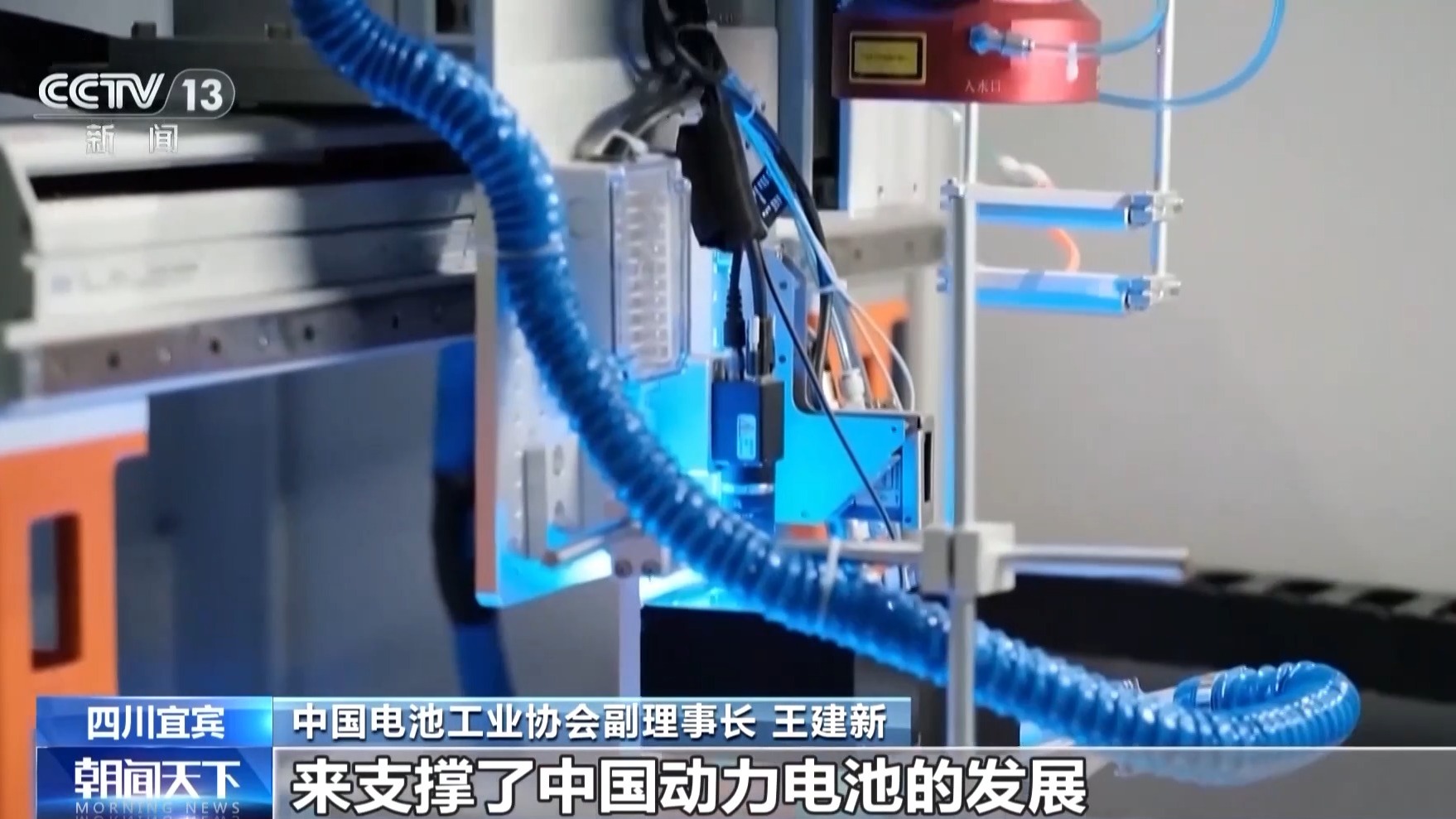
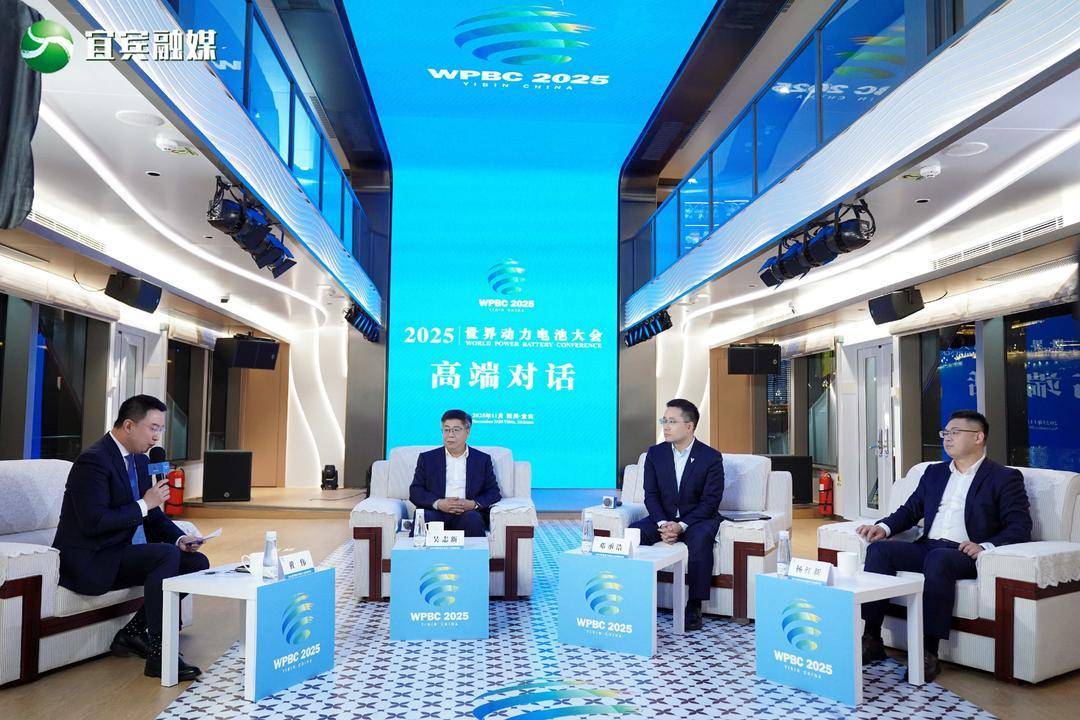
动力电池产业如何安全向好发展?技术路线与全球布局成焦点
Sou Hu Cai Jing· 2025-11-12 21:02
Core Insights - The future of the power battery industry is focused on technological evolution, safety challenges, and global strategies, as discussed at the 2025 World Power Battery Conference [1][3]. Group 1: Technological Development - The current battery technology is rapidly evolving, with semi-solid batteries becoming a key choice for mid-to-high-end models, showing over 300% year-on-year growth in installation volume in the first half of 2025 [4]. - Full-solid batteries face significant challenges and are expected to achieve commercial application around 2032-2033, while semi-solid batteries are seen as a practical transitional technology with a 5-7 year window [4]. - Liquid batteries still hold potential for upgrades through solid-liquid hybrid technology, suggesting a need for a rational approach to technology routes [4]. Group 2: Safety, Performance, and Cost - The industry faces three main challenges: safety, performance, and cost, with increasing demands from manufacturers and consumers [5]. - Innovations in materials, structures, and manufacturing processes are essential for enhancing battery safety [5]. - China's power battery energy density has improved from 130Wh/kg to 200Wh/kg over five years, with costs reduced to one-fourth of previous levels, indicating a strong potential for technological advancement [5]. Group 3: Global Expansion - China's power battery industry has established a significant global presence, with exports reaching 130GWh in the first three quarters of 2025, a 32.7% increase year-on-year [8]. - Companies are adopting a "technology export" model to navigate challenges such as policy differences and supply chain localization [8]. - The production capacity in Sichuan Province reached 168.1GWh in the first nine months of 2025, with a projected annual output exceeding 200GWh, highlighting the region's growing importance in the industry [8]. Group 4: Industry Transformation - The power battery industry is transitioning from "scale competition" to "ecosystem competition," facing challenges in technological innovation, system construction, and international cooperation [9]. - The conference aims to contribute to global green and low-carbon transformation through breakthroughs in technology and global strategies [9].