
奥利奥

Search documents
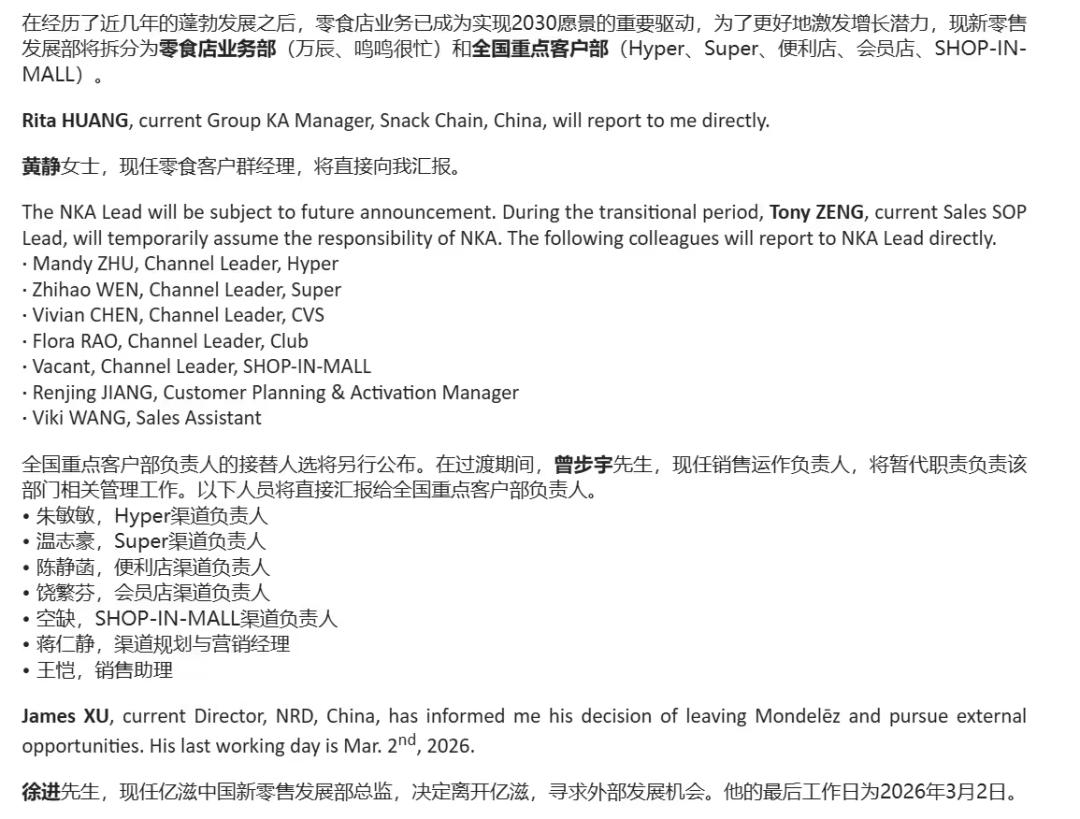
“亿滋血”注不进迈大,皇冠曲奇奥利奥不好卖了?
3 6 Ke· 2026-03-09 08:57
Core Insights - The resignation of Zhu Yijing from Mayda Group highlights the challenges faced by foreign snack brands in China, as they navigate a significant market transformation [1][2][3] - The restructuring at Mondelez China indicates a strategic shift in response to declining sales and increasing competition from discount snack retailers [8][9] Group 1: Company Changes - Zhu Yijing's departure from Mayda Group occurred just over a year after her appointment, with Henry Atmadja temporarily taking over her role [1] - Zhu's previous experience at Mondelez China involved leading the market and sales strategies for brands like Oreo, which had a significant market share in the Chinese cookie sector [3][4] - The rapid personnel changes initiated by Zhu at Mayda, including the hiring of former Mondelez employees, created integration challenges within the existing team [4][5] Group 2: Market Dynamics - The snack industry is experiencing a "mid-life crisis," characterized by a decline in traditional retail channels and the rise of discount snack stores [2][5] - The high-end gift market is facing a "K-shaped" differentiation, with consumers favoring more cost-effective products over premium options [4][5] - Mayda's positioning of its Crown Danish Cookies as a mid-to-high-end product lacks competitive pricing against discount retailers, exacerbating its market challenges [5] Group 3: Channel Conflicts - Mondelez is undergoing a significant channel restructuring, splitting its new retail development department into two to address conflicts between traditional and emerging snack retail channels [8][11] - The phenomenon of "price inversion" is prevalent, where products are sold at significantly lower prices in discount channels compared to traditional supermarkets, creating challenges for brand pricing strategies [9][10] - The fragmentation of distribution channels complicates price control for foreign brands, leading to potential brand value dilution as they struggle to maintain their premium positioning [10][12] Group 4: Competitive Landscape - The rise of discount snack retailers has shifted the competitive landscape, with these stores capturing a significant market share and emphasizing cost efficiency over brand loyalty [13][14] - The market for snack retail has seen a dramatic shift, with discount channels now accounting for 37% of sales, surpassing traditional supermarkets [14] - Brands like Oreo are attempting to adapt by introducing customized products for discount channels, but face challenges in maintaining their premium brand identity [15]


原材料价格高涨,奥利奥母公司2025财年增收不增利 可可降价后还不打算调价,原因是
Mei Ri Jing Ji Xin Wen· 2026-02-05 06:58
Core Viewpoint - The snack food industry is facing pressure from both foreign giants and local brands, with companies like Mondelez International and PepsiCo reporting revenue growth but significant declines in net profit due to high raw material costs, particularly cocoa [2][4]. Group 1: Financial Performance - Mondelez International reported a net revenue of $38.537 billion for fiscal year 2025, a 5.8% increase year-over-year, but net income fell by 46.8% to $2.451 billion due to high cocoa prices [2]. - PepsiCo's fiscal year 2025 results showed a revenue increase of 2.25% and a net profit decline of 13.97%, prompting the company to announce price cuts of nearly 15% on certain snack products [4]. Group 2: Pricing Strategies - Companies in the snack food sector, including Mondelez, have raised product prices to offset rising raw material costs, which contributed to an 8% organic net revenue growth for Mondelez in fiscal year 2025 [6]. - Recent data indicates that cocoa prices have started to decline, which may impact pricing strategies for chocolate products moving forward [6]. Group 3: Market Dynamics - The North American market is experiencing consumer pressure, with a shift towards lower-priced products and discount channels, affecting sales for both Mondelez and PepsiCo [7][8]. - Mondelez's CEO noted that the company does not plan to match PepsiCo's significant price cuts, indicating a strategic approach to pricing based on market conditions [8]. Group 4: China Market Strategy - Mondelez has made organizational adjustments in China, including the acquisition of a local frozen bakery company, which has contributed to revenue growth [9]. - The company is focusing on expanding distribution channels in China, with plans to introduce differentiated product offerings for the upcoming Chinese New Year [9][10].
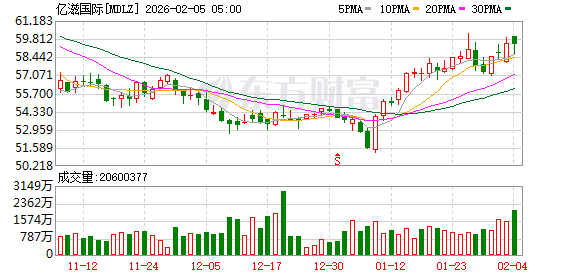
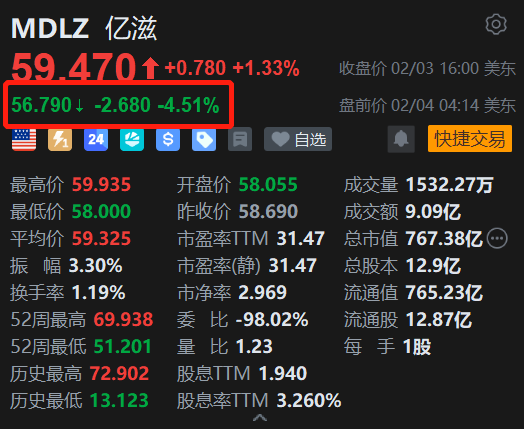
美股异动 | 亿滋盘前跌4.5% Q4业绩稳健 26年指引逊色
Ge Long Hui· 2026-02-04 09:27
Group 1 - The core viewpoint of the article is that Mondelez International (MDLZ.US) reported solid fourth-quarter results, but the stock fell 4.5% in pre-market trading due to lower-than-expected future growth projections [1] Group 2 - Mondelez's adjusted earnings per share (EPS) for the fourth quarter was $0.72, representing an 11% year-over-year increase, exceeding market expectations of $0.70 [1] - The company's revenue reached $10.5 billion, a 9% year-over-year growth, surpassing expectations by $207 million [1] - Management forecasts organic sales growth to stabilize at +2% by 2026, with adjusted EPS growth (at constant currency) expected to remain at +5%, both below long-term targets of 3%-5% and high single-digit growth [1]
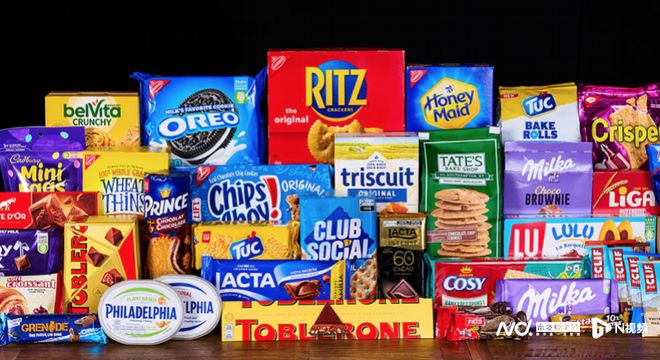
亿滋中国首次推出“自制礼盒”
Bei Jing Shang Bao· 2026-02-03 08:23
Core Insights - The article highlights that Mondelez China is launching a series of Chinese New Year gift boxes that integrate traditional culture and creative design [1] - Mondelez China is introducing a "custom gift box" option for the first time, allowing distributors to create personalized gift boxes based on regional preferences [1] Group 1 - Mondelez China is promoting multiple brands, including Oreo, Chips Ahoy, and others, through these new gift box offerings [1] - The new gift box initiative aims to meet the growing consumer demand for personalized and culturally relevant products [1] - The flexible packaging and product selection empower distributors to mix and match products to create unique New Year gift boxes [1]
苏州工业园区海关智慧监管赋能“灯塔工厂”提质增效
Xin Hua Ri Bao· 2025-12-11 21:46
Core Insights - The company, Mondelez International, has established itself as the first "end-to-end lighthouse factory" in the global snack and biscuit industry, joining the World Economic Forum's global "lighthouse factory" network in 2023 [1] - The Suzhou factory has five fully automated production lines with an annual production capacity exceeding 100,000 tons, producing popular brands such as Oreo, Chips Ahoy, and others [1] - The company's export value increased by 3.2% year-on-year in the first eleven months of the year, indicating strong demand in overseas markets [1] Group 1 - The Suzhou factory is recognized for its advanced smart manufacturing capabilities, representing the pinnacle of modern factory technology [1] - Mondelez has been investing heavily in digital transformation to optimize quality across the entire production process and enhance brand value [1] - The company has transitioned from a linear supply chain to an intelligent supply ecosystem through smart logistics [1] Group 2 - The "Hui Guan Tong" smart customs declaration platform supports efficient customs clearance for the lighthouse factory, enhancing operational efficiency [2] - The customs authority has introduced a "cloud issuance" function for inspection and quarantine certificates, allowing for rapid processing of documentation [2] - The Suzhou Industrial Park Customs is focused on continuously upgrading the "Hui Guan Tong" platform to improve customs efficiency and support companies in expanding their overseas markets [2]
解码亿滋零食城堡数字基石——AI“先手棋”赋能全价值链、扎根组织变革
Cai Jing Wang· 2025-11-20 11:17
Core Insights - The integration of AI technology is crucial for building sustainable competitive advantages in brand establishment, as demonstrated by products like "gluten-free golden Oreo" and improved classic recipes of other snacks [1][2] - Mondelez International has made significant investments in digital transformation, committing over $1 billion in 2022 and aiming for 20% of revenue to come from digital channels by 2030 [2][3] Product Development - AI tools have enhanced research and development efficiency, reducing product launch cycles by 2 to 5 times compared to traditional methods, with 70 SKUs already utilizing AI for digital recipe planning [3][4] - The use of consumer feedback platforms allows for real-time data analysis, helping to identify consumer preferences and improve product offerings [3] Supply Chain Optimization - AI has improved supply chain accuracy and responsiveness, with predictive systems enhancing decision-making and operational efficiency [3][4] - The implementation of AI visual recognition systems has significantly reduced defect rates in production, achieving a 90% decrease in cookie defects [4] Marketing Transformation - Mondelez has developed a comprehensive content management system using AI to streamline marketing processes, from creative generation to optimization [5] - The collaboration with Accenture to create a generative AI tool has led to enhanced social media content production for brands like Oreo and Milka [4][5] Digital Infrastructure - The launch of an automated smart warehouse in Beijing marks a significant step in enhancing logistics efficiency and operational speed [7][8] - The integration of AI across various facilities demonstrates the company's commitment to deepening its digital capabilities [6][8] Internal AI Integration - Mondelez has established a three-tier risk identification and management mechanism to ensure AI applications align with corporate strategy and deliver measurable business value [9][10] - The company is focused on building an AI talent culture through various training and development initiatives, enhancing employee capabilities in AI [10][11] Overall Strategy - Mondelez's approach to AI is not just about technology adoption but also about embedding AI into the organizational structure and business processes to create tangible value [9][10] - The ongoing narrative of Mondelez's journey with AI reflects its commitment to consumer-centric innovation and operational excellence [13]

可可成本大增 亿滋国际承压
Bei Jing Shang Bao· 2025-11-04 16:13
Group 1 - The core viewpoint of the article highlights that Mondelez International, the global snack giant owning brands like Oreo, reported mixed results for Q3 due to record cocoa costs and inflationary pressures, with revenue of $9.744 billion, a 5.9% year-over-year increase, but a net profit decline of 12.9% to $743 million [1] - The company adjusted its full-year earnings forecast, expecting organic revenue growth of about 4%, down from a previous target of 5%, and a projected 15% decline in adjusted earnings per share [1] - In the European market, Mondelez implemented a price increase of approximately 30% on chocolate products to cope with cocoa cost pressures, but faced a 7.5% year-over-year decline in sales volume due to competitive pricing discrepancies [1] Group 2 - Mondelez's strategy to rely on price increases to maintain performance and profit amid cost pressures may weaken brand competitiveness in a market increasingly focused on value and health [2] - The CFO indicated that cocoa costs have peaked and are expected to improve next year, with anticipated sales rebounds in Europe and positive impacts from price reductions in the U.S. market [2] - The baking segment emerged as a highlight for Mondelez, contributing $288 million in net revenue in the first three quarters, with $87 million in Q3 alone from the recently acquired Chinese frozen baking company, Enxi Village [2] Group 3 - Mondelez has identified the baking sector as a growth area, having made strategic acquisitions to enhance its presence in this market, including the purchase of North American baking manufacturer Give&Go and the European brand Chipita [3] - The company has invested in developing new products, such as the Oreo Cloud Cake, to leverage its brand strength in the baking category [3] - The global cake and pastry market is valued at $97 billion, with a high single-digit compound annual growth rate, indicating significant growth potential for Mondelez in this emerging sector [4]
欧洲市场产品涨价30%!亿滋国际第三季度收入增长近6%
Nan Fang Du Shi Bao· 2025-10-31 11:41
Core Insights - Mondelez International reported a 5.87% year-over-year revenue increase to $9.744 billion in Q3, despite a 12.90% decline in gross profit to $2.612 billion and a 35.5% drop in operating profit to $744 million [1] - The revenue growth was primarily driven by higher net pricing, favorable currency effects, and an $870 million incremental net revenue from the acquisition of Chinese frozen bakery company Enxi Village, partially offset by unfavorable volume and product mix factors [1] - The operating profit margin decreased by 4.9% to 7.6%, with adjusted operating profit margin down 6.9% to 12.0%, mainly due to higher raw material costs and unfavorable product mix, although partially mitigated by higher net pricing and lower advertising costs [1] Revenue Breakdown - By product category, cookie revenue increased by 4.21% to $4.799 billion, chocolate revenue rose by 10.53% to $3.076 billion, gum and candy revenue grew by 2.74% to $1.051 billion, and cheese and everyday consumables revenue increased by 8.09% to $601 million, while beverage revenue declined by 8.44% to $217 million [4] - By geographic region, revenue from Europe grew by 10.6% to $3.674 billion, accounting for 37.71% of total revenue; North America saw a 0.4% decline to $2.815 billion, representing 28.89%; "Asia, Middle East, and Africa" revenue increased by 9.0% to $2.017 billion, making up 20.70%; and Latin America revenue rose by 2.8% to $1.238 billion, accounting for 12.71% [4] Cocoa Cost Impact - Mondelez International anticipates that cocoa costs will be lower in 2026 compared to this year, but will continue to face cocoa costs above historical levels in the near and medium term [2] - The CEO mentioned unprecedented price increases of approximately 30% for products in the European market to address rising cocoa prices, although some price hikes have exceeded consumer acceptance [2] - The company is also exploring smaller, lower-priced chocolate product offerings as a response to these challenges [2] China Market Challenges - The company faces significant pressure in the Chinese market, with revenue growth rates only in the single digits and even experiencing single-digit negative growth in Q3 due to the consumption environment [5] - Despite short-term pressures in China, the company remains optimistic about future growth in the market [5]
亿滋三季报出炉:中国市场意外下滑,恩喜村前9个月贡献20亿,承诺为经销商分步骤完成产品差异化
3 6 Ke· 2025-10-30 00:44
Core Insights - Mondelez, the parent company of Oreo, is facing challenges in the Chinese market, reporting a low single-digit decline in Q3 2025, marking the first quarterly decline this year after several quarters of growth [1][3][5] - The CEO of Mondelez described the situation in China as a "new thing" for the company, indicating unexpected pressures despite overall positive growth earlier in the year [3][5] - The company is implementing a strategy to enhance product differentiation and improve distributor margins in response to the market challenges [6][8] Market Performance - In Q3, Mondelez's Chinese operations experienced a low single-digit decline due to weak consumer confidence and the impact of channel transformation [5][9] - Despite the decline, the company achieved positive growth earlier in the year, with a focus on expanding distribution channels [5][12] - The overall retail market for snacks in China is projected to reach 969.9 billion RMB in 2024, with a growth rate of 2.9%, slower than the previous year's 4.8% [9] Strategic Initiatives - Mondelez is focusing on product differentiation and has outlined a phased approach to enhance distributor margins by tightening sales of core products and low-priced items in various channels [6][8] - The company is also innovating with new products, such as a collaboration between Trident and Dongpeng, and expanding into the restaurant channel with Oreo products [11][12] - Operational efficiency is being improved through the establishment of new warehousing centers, enhancing logistics and supply chain responsiveness [11] Financial Performance - Mondelez's Q3 report showed a revenue increase of 3.4%, primarily driven by pricing rather than volume, leading to a downward revision of the full-year growth forecast from approximately 5% to over 4% [12][13] - The company reported that the acquisition of Enxi Village, a frozen bakery leader, contributed significantly to revenue, generating approximately 288 million USD (about 2.04 billion RMB) in net income for the first three quarters of the year [12] - The CFO indicated that cocoa costs are expected to decline in the coming year, which may positively impact profitability [16]
AI冲击广告业!奥利奥母公司已投4000万美元在AI工具,将营销内容制作成本降低 30%至50%
Hua Er Jie Jian Wen· 2025-10-25 04:09
Core Insights - Mondelez International, the parent company of Oreo, is significantly reducing marketing costs through investment in artificial intelligence, indicating a shift in the consumer goods industry towards new technologies to reshape advertising production [1] - The company has developed a generative AI tool in collaboration with Publicis Groupe and Accenture, which is expected to cut marketing content production costs by 30% to 50% [1][2] - The AI tool is already being utilized for social media content in the U.S. and Germany, with plans for broader application in major e-commerce platforms and future advertising campaigns [1][2] Group 1: AI Implementation and Cost Reduction - The AI tool has demonstrated cost efficiency in actual business applications, significantly lowering the production costs of marketing content compared to traditional methods [2] - For instance, the cost of an eight-second video for "Lacta" chocolate was reduced to a fraction of the traditional animation costs, which can reach hundreds of thousands of dollars [2] - The tool is set to enhance product displays for Oreo on major e-commerce platforms in the U.S. and will soon support marketing efforts in Brazil and the U.K. [2] Group 2: Competitive Landscape and Caution - Competitors like Kraft Heinz and Coca-Cola are also exploring AI in advertising, with Coca-Cola having previously launched an AI-generated holiday ad that sparked discussions about authenticity [3] - Mondelez International is adopting a cautious approach by avoiding the use of lifelike human images in AI-generated content and ensuring all AI outputs undergo human review [3] - The company has established clear guidelines to ensure brand safety, prohibiting AI content that promotes unhealthy eating habits or uses manipulative language [3]