
安赛蜜

Search documents
基础化工行业研究:原油继续大涨,影响时间和幅度或超预期
SINOLINK SECURITIES· 2026-03-29 08:24
Investment Rating - The report does not explicitly provide an investment rating for the chemical industry Core Insights - The geopolitical tensions, particularly between the US and Iran, have led to significant disruptions in the chemical supply chain, affecting various sectors including fertilizers and semiconductors [1][2] - The chemical market is experiencing price fluctuations due to supply chain vulnerabilities, with specific products like helium and fertilizers facing acute shortages [1][2] - The AI industry is facing challenges due to increased demand for computing power, leading to a surge in CPU prices and extended delivery times [1] - Major companies are actively expanding production capacities to meet rising demand, with significant investments in AI infrastructure [1] Summary by Sections Market Review - Brent crude oil settled at an average of 105.45 USD/barrel, down 0.87% week-on-week, while WTI crude oil averaged 92.98 USD/barrel, down 3.22% [9] - The basic chemical sector outperformed the index with a 2.31% increase, while the petrochemical sector saw a slight decline of 0.10% [10] Recent Views from the Chemical Team - The tire industry is stabilizing with a slight increase in production rates, while raw material prices are on the rise [23] - The dye market remains stable, with prices for disperse dyes holding steady and active dyes experiencing an upward trend due to strong cost support [25] - The carbon dioxide market is seeing limited price increases due to insufficient demand support [27] Key Events - Iran's response to the US ceasefire proposal has introduced new conditions, impacting market stability [2] - Australia's largest ammonia plant has been offline for two months, exacerbating global fertilizer shortages during the planting season [2] - A significant reduction in helium supply from Qatar due to Iranian attacks poses a threat to the semiconductor industry [2]
原油继续大涨,影响时间和幅度或超预期
SINOLINK SECURITIES· 2026-03-29 07:05
Investment Rating - The report does not explicitly provide an investment rating for the chemical industry Core Insights - The geopolitical tensions, particularly between the US and Iran, have led to significant disruptions in the chemical supply chain, affecting various sectors including fertilizers and semiconductors [1][2] - The chemical market is experiencing price fluctuations due to supply chain vulnerabilities, with specific products like helium and fertilizers facing acute shortages [1][2] - The AI industry is facing challenges due to increased demand for computing power, leading to a surge in CPU prices and extended delivery times [1] - Major companies are actively expanding production capacities to meet rising demand, with significant investments in AI infrastructure [1] Summary by Sections Market Review - Brent crude oil averaged $105.45 per barrel, down 0.87% week-on-week, while WTI crude oil averaged $92.98 per barrel, down 3.22% [9] - The basic chemical sector outperformed the index with a 2.31% increase, while the petrochemical sector saw a slight decline of 0.10% [10] Recent Views from the Chemical Team - The tire industry is stabilizing with a slight increase in operating rates, while raw material prices are on the rise [23] - The dye market remains stable, with prices for disperse dyes holding steady and active dyes experiencing an increase due to strong cost support [25][27] - The carbon dioxide market is seeing limited price increases due to insufficient demand support [28] Key Events - Iran's response to the US ceasefire proposal has created uncertainty in the market, impacting supply chains [2] - The shutdown of major ammonia plants in Australia and India has exacerbated the fertilizer supply crisis [2] - A significant reduction in helium supply due to attacks on Qatari facilities poses a threat to the semiconductor industry [2] Price Movements - The price of titanium dioxide has increased by 5.1% due to rising costs and supply constraints [29] - The market for vitamin A and E has seen price fluctuations, with both experiencing upward trends followed by stabilization [30] Production and Supply Chain Insights - The report highlights the ongoing challenges in the supply chain, with many companies facing production delays and increased costs due to geopolitical tensions [1][2][23] - The report notes that companies are adjusting their pricing strategies in response to rising raw material costs and supply chain disruptions [29][30]
地缘局势预期波动不改行业长期逻辑推进
Orient Securities· 2026-03-21 13:40
Investment Rating - The industry investment rating is maintained as "Positive" [5] Core Viewpoints - The geopolitical situation in the Middle East continues to impact the stability of raw material supplies, which is a primary concern for the chemical industry. Despite fluctuations in stock prices, the underlying demand for certain chemical products remains strong, particularly in sectors like polyurethane, PVC, and polyester [2][8] - The sweetener industry is showing signs of marginal improvement, with a notable increase in exports of sucralose and acesulfame K, indicating a potential recovery in demand. The domestic market for sucralose as a feed additive is also expected to expand, enhancing the industry's growth prospects [8] Summary by Relevant Sections Investment Recommendations and Targets - The report highlights several key companies across various sub-industries within the chemical sector: - MDI leader: Wanhua Chemical (600309, Buy) - PVC industry players: Zhongtai Chemical (002092, Not Rated), Xinjiang Tianye (600075, Not Rated), Chlor-alkali Chemical (600618, Not Rated), Tianyuan Co., Ltd. (002386, Not Rated) - Refining industry leaders: Sinopec (600028, Buy), Rongsheng Petrochemical (002493, Buy), Hengli Petrochemical (600346, Buy) - Agricultural chemical chain: Guoguang Co., Ltd. (002749, Buy), Xinyangfeng (000902, Buy), Shidanli (002588, Not Rated), Yuntu Holdings (002539, Not Rated), Runfeng Co., Ltd. (301035, Buy) - Phosphate chemical companies benefiting from energy storage growth: Chuanheng Co., Ltd. (002895, Not Rated), Yuntianhua (600096, Not Rated) - Oxalic acid industry: Hualu Hengsheng (600426, Buy), Huayi Group (600623, Buy), Wankai New Materials (301216, Buy) - Titanium dioxide leaders: Tianyuan Co., Ltd. (002386, Not Rated), Longbai Group (002601, Increase) - Sweetener industry: Jinhui Industrial (002597, Buy), Cooch Chemical (603968, Not Rated) [3]




涨价通胀或成为主线-买什么
2026-03-01 17:23
Summary of Key Points from Conference Call Records Industry Overview - The focus is on the chemical industry, particularly in the context of rising prices and inflation trends, which are expected to become a significant theme in the near future [1][2]. Core Insights and Arguments 1. **Inflation and Price Increases**: - Inflation expectations are rising, with price increases observed in sectors like electronic fabrics and chemicals, suggesting a shift from passive destocking to active restocking in certain products [1][2]. - The chemical sector is positioned favorably as many products have experienced a downturn over the past four years, and price and stock levels are now advantageous [2]. 2. **Wanhua Chemical's Performance**: - Wanhua Chemical is projected to achieve a revenue of 16 billion in 2026, primarily driven by improvements in petrochemical and new energy materials [1][5]. - MDI/TDI price sensitivity is high; a price increase of 1,000 RMB per ton could enhance profits by 3.4 billion RMB [5][6]. 3. **Sweetener Industry Dynamics**: - The sweetener market, particularly for aspartame and sucralose, shows a strong competitive landscape with significant pricing power. If aspartame prices exceed 30,000 RMB, profits could increase by over 300 million RMB [1][7]. 4. **Pesticide Sector Positioning**: - The pesticide sector is currently at a low point, with potential price increases driven by U.S. policies aimed at ensuring supply. The market needs to observe whether these expectations materialize [1][8]. 5. **Phosphate Industry Outlook**: - The phosphate industry is experiencing high demand, particularly for domestic use, with strict export controls in place. The focus remains on domestic operations, with potential changes in export policies to be monitored post-spring farming [1][9]. 6. **Yellow Phosphorus Supply and Demand**: - Yellow phosphorus demand is primarily in non-replaceable applications, with supply constraints due to carbon neutrality policies. Price support is expected from high sulfur prices [1][10]. 7. **Urea and Potash Fertilizer Trends**: - Urea prices have seen an uptick due to strong downstream demand, while potash fertilizer remains stable, with key observations needed post-spring farming [1][11]. 8. **Silicone Supply Dynamics**: - The silicone industry is expected to see no new capacity in 2026, with overseas supply constraints providing a favorable environment for price increases [1][12]. 9. **Titanium Dioxide and PVC Market Changes**: - Titanium dioxide prices are at historical lows, with recent price increases announced. PVC may experience export demand spikes due to policy changes [1][13][14]. 10. **Acrylic Fiber and PTA Market Insights**: - The acrylic fiber market is anticipated to improve due to demand recovery, while PTA prices have seen slight increases, with a focus on companies with integrated supply chains [1][15]. Additional Important Insights - The chemical sector is advised to focus on five main investment directions: "Davis Double Play" opportunities, resource-related stocks, leading companies in traditional cycles, products nearing inflection points, and those under significant pressure but with potential for recovery [1][4]. - The overall sentiment in the chemical industry is cautiously optimistic, with several sectors poised for recovery and price increases, driven by both domestic and international factors [1][2][4].
未知机构:3月金股醋化股份藏不住了有2万吨双乙苯胺类染料中间体产能跟随染料涨-20260211
未知机构· 2026-02-11 02:10
Summary of Conference Call Notes Company and Industry Involved - The discussion centers around **醋化股份 (Cuhua Co., Ltd.)**, a company involved in the production of dye intermediates, specifically **双乙苯胺类染料 (Diphenylamine dye intermediates)**. - The industry context includes the **dye industry**, with a focus on pricing trends and production capacities. Core Points and Arguments - **Production Capacity**: Cuhua Co., Ltd. has a production capacity of **20,000 tons** for diphenylamine dye intermediates, which is expected to benefit from rising dye prices [1]. - **Market Dynamics**: The company is experiencing an increase in the operating rate of **安赛蜜 (Acesulfame)**, leading to a continuous destocking process and a return of overseas orders [1]. - **Pricing Situation**: Currently, the price of Acesulfame is at a **0% percentile**, indicating a significant drop, and the company is beginning to incur losses [1]. - **Market Position**: Cuhua Co., Ltd. is one of only two companies in the market alongside **金禾 (Jinhe)**, suggesting a potential for price increases due to limited competition [1]. - **Valuation**: The company's market capitalization is over **2 billion** (20亿), with cash reserves exceeding **1 billion** (10亿), indicating that the stock is considered extremely undervalued [1]. Other Important but Possibly Overlooked Content - The potential for price increases in the dye market is highlighted, which could positively impact Cuhua Co., Ltd.'s financial performance in the near future [1]. - The mention of only two companies in the market suggests a duopoly, which may lead to more stable pricing and profitability for both firms involved [1].
基础化工行业研究:多产品涨价,继续看好大化工板块投资机会
SINOLINK SECURITIES· 2026-02-01 10:34
Investment Rating - The report maintains a positive outlook on the chemical industry, suggesting to focus on leading companies and those experiencing price increases from the bottom [2][3] Core Insights - The chemical market experienced fluctuations, with the Shenwan Chemical Index declining by 0.86%, underperforming the CSI 300 Index by 0.94%. However, price increases were noted in various products, including dyes and para-nitrochlorobenzene, driven by the cancellation of export tax rebates, which accelerated export activities [2] - The AI industry shows strong demand, positively impacting the entire supply chain. Notable performances include ASML's Q4 results, which exceeded expectations, and SK Hynix's Q4 operating profit doubling year-on-year, marking the strongest performance in history [2] - The real estate sector is stabilizing as the "three red lines" policy ends, indicating a healthier market moving forward [2][3] Summary by Sections Chemical Market Overview - The chemical market saw a mixed performance, with the Shenwan Chemical Index down 0.86% while the CSI 300 Index rose 0.08%. The textile chemical products sector led gains with a 14.33% increase [11][12] - Key price movements included a rise in disperse dyes to an average of 19 CNY/kg and reactive dyes to 23 CNY/kg, reflecting a 5.56% and 4.55% increase respectively [3][29] AI Industry Developments - The AI sector is witnessing robust growth, with major players like ByteDance and Alibaba planning to launch new AI models around the Spring Festival, and significant investments in AI and cloud computing expected to rise from 380 billion CNY to 480 billion CNY over the next three years [2][4] Real Estate Sector Changes - The end of the "three red lines" policy is expected to lead to a more stable and resilient real estate market, as risks from the previous cycle are gradually cleared [3][4] Price Trends in Key Chemical Products - The report highlights significant price increases in various chemical products, with disperse dyes and reactive dyes showing notable upward trends due to rising raw material costs and limited supply [29][30] - The report also notes that the PA66 market is experiencing upward pressure, with prices rising to 14,954 CNY/ton, reflecting a 0.48% increase [33][34]
金禾实业:公司对包括三氯蔗糖、安赛蜜在内的核心产品的中长期前景保持信心
Zheng Quan Ri Bao· 2026-01-13 09:37
Core Viewpoint - The health-conscious trend towards reduced sugar consumption presents structural opportunities for the sweetener industry [2] Company Insights - The company expresses confidence in the medium to long-term prospects of its core products, including sucralose and aspartame [2] - The company is actively monitoring the market for new product developments to provide consumers with a wider range of options [2]


“甜味魔法师”:甜味剂如何兼顾健康与口感
Xin Lang Cai Jing· 2025-12-29 04:48
Core Insights - The rise of sugar-free beverages and zero-calorie foods reflects a growing consumer preference for sweet taste without calorie intake, driven by the use of sweeteners [1][2] - Sweeteners have evolved to meet modern health demands, providing diverse options for consumers while promoting a healthier lifestyle [2][6] Sweetener Evolution - Sweeteners are derived from various sources, including plants (e.g., steviol glycosides, monk fruit extract), fermentation (e.g., erythritol), and artificial synthesis (e.g., sucralose, aspartame) [2] - The characteristics of sweeteners include high sweetness and low calories, allowing consumers to enjoy sweet flavors without the energy burden associated with traditional sugars [2][5] Safety and Regulation - The safety of sweeteners is a major public concern, with global food safety agencies applying stringent approval processes [4] - For example, aspartame was first synthesized in 1967 and has been approved for use in over 100 countries, with specific usage limits set in food standards [5] Diverse Applications - Sweeteners cater to the dietary needs of special populations, such as diabetics and those managing weight, while also appealing to the general consumer market [6][7] - They play a significant role in the food industry by enabling product innovation and supporting the trend of "reducing sugar without sacrificing sweetness" [7] Future Outlook - Ongoing research is expected to yield new sweeteners that closely mimic the taste of natural sugars, expanding the range of "sweet zero-calorie" options available to consumers [3] - The sweetener market is anticipated to see differentiation in high-value functional sweeteners, with new products emerging as the domestic market opens up [2]
无糖茶的苦,年轻人不想咽了
3 6 Ke· 2025-11-20 09:57
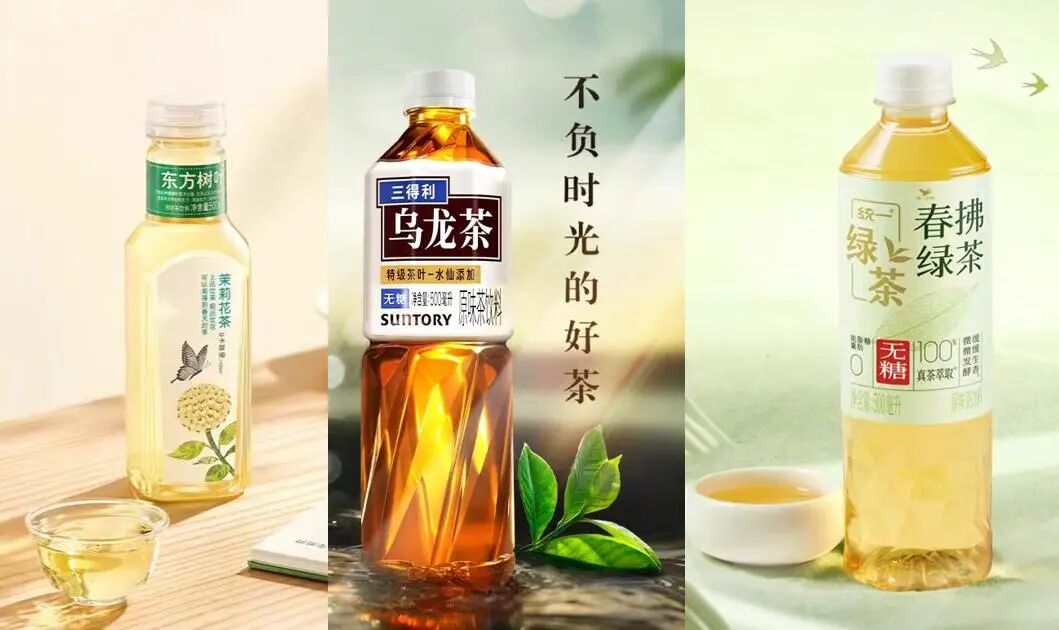
Core Insights - The trend of young consumers moving away from "sugar-free" products is evident, with a noticeable slowdown in the growth of sugar-free tea sales and a decline in the popularity of sugar substitutes [5][12][14] Industry Overview - Sugar-free tea sales growth has significantly decreased, with sales growth rates from April to September 2023 being 3.9%, 7%, 19.9%, 19.5%, 8.5%, and 6.3%, all lower than the same periods in the previous year [2] - The average price of sugar-free tea has been on the rise, increasing from 5.1 yuan per piece in 2023 to 5.6 yuan per piece by 2025, indicating that despite higher prices, total sales growth is slowing [2] - The market is dominated by established brands like Nongfu Spring and Suntory, which together hold 87.3% market share as of September 2023, up 6.4% from the previous year [7] - The second-tier brands' market share has decreased from 11.3% to 7.4%, while the third-tier brands' share has shrunk from 5.1% to 3.4%, highlighting the intensifying head effect in the industry [7][9] Consumer Behavior - The shift in consumer preferences indicates that the younger generation is moving away from extreme health consciousness towards a more indulgent lifestyle, seeking comfort in sugary beverages [5][12] - The demand for sugar substitutes, particularly erythritol, has also faced challenges, with a reported oversupply in the market as of May 2023, where domestic production capacity reached 380,000 tons per year against a global demand of only 173,000 tons [2][14] Product Innovation - There has been a lack of new hit products in the sugar-free tea market, with established products like unsweetened oolong and jasmine tea dominating nearly 70% of the market share [9] - The innovation in the sugar-free tea sector has stagnated, with brands focusing on minor innovations around existing products rather than developing new ones, leading to potential homogenization and price competition [9][11] - In contrast, the sugary tea segment has seen a surge in new product launches, with sugary tea products outnumbering sugar-free tea products significantly in recent months [10] Supplier Challenges - Suppliers of sugar substitutes are experiencing significant operational pressures, with major companies like San Yuan Bio reporting a 7.54% decline in total revenue and a 16.8% drop in net profit for the first three quarters of the year [14][19] - The industry is facing a broader trend of declining demand, leading to increased competition and financial strain on suppliers, many of whom are exploring alternative products and markets to mitigate losses [17][19]



金禾实业(002597):需求压制,业绩短期承压
Changjiang Securities· 2025-11-09 08:44
Investment Rating - The investment rating for the company is "Buy" and is maintained [8]. Core Views - The company reported a revenue of 3.54 billion yuan for the first three quarters of 2025, a year-on-year decrease of 12.4%. The net profit attributable to shareholders was 390 million yuan, down 4.4% year-on-year, while the net profit after deducting non-recurring items was 350 million yuan, a decline of 6.5% year-on-year. In Q3 alone, revenue was 1.1 billion yuan, down 26.9% year-on-year and 3.8% quarter-on-quarter. The net profit attributable to shareholders for Q3 was 57 million yuan, a significant drop of 65.0% year-on-year and 38.5% quarter-on-quarter, with the net profit after deducting non-recurring items at 14 million yuan, down 89.1% year-on-year and 87.5% quarter-on-quarter [5][6]. Summary by Sections Financial Performance - For the first three quarters of 2025, the company achieved a total revenue of 3.54 billion yuan, with a year-on-year decline of 12.4%. The net profit attributable to shareholders was 390 million yuan, reflecting a decrease of 4.4% year-on-year. The net profit after deducting non-recurring items was 350 million yuan, down 6.5% year-on-year. In Q3, the company reported revenue of 1.1 billion yuan, a year-on-year decrease of 26.9% and a quarter-on-quarter decrease of 3.8%. The net profit attributable to shareholders for Q3 was 57 million yuan, down 65.0% year-on-year and 38.5% quarter-on-quarter, with the net profit after deducting non-recurring items at 14 million yuan, down 89.1% year-on-year and 87.5% quarter-on-quarter [5][6]. Market Dynamics - The prices of key products such as sucralose and acesulfame have been under pressure, leading to a decline in profit margins. The prices for sucralose, acesulfame, and other related products were reported as 20.2, 3.6, 10.2, and 7.9 thousand yuan per ton, with respective changes of -19.2%, -4.5%, +1.8%, and -2.8% [11]. Future Outlook - The company has made significant progress in key project developments, which are expected to lay a solid foundation for future growth. The second phase of the Dingyuan project has achieved substantial results, including the successful trial production of an 80,000-ton electronic-grade hydrogen peroxide project and the completion of key production facilities for lithium salt precursors [11]. The company anticipates revenue growth in the coming years, with projected earnings of 510 million yuan, 860 million yuan, and 1.07 billion yuan for 2025, 2026, and 2027 respectively [11].