弹药

Search documents
单日狂飙22%!军工狂潮席卷全球! 韩华航空航天引领亚洲军工!
美股IPO· 2026-03-03 04:44
Core Viewpoint - The article highlights a significant surge in South Korean defense and military stocks following the escalation of conflict in the Middle East, driven by investor sentiment towards defense stocks amid geopolitical tensions [1][6]. Group 1: Stock Performance - South Korean defense stocks experienced substantial gains, with Hanwha Aerospace rising by 22%, Korea Aerospace Industries increasing by over 7%, and Lignex1 soaring by 30% [3]. - Other notable increases include Victek and Firstec, both rising over 20%, while Poongsan and Hyundai Rotem saw gains of 14% and over 18%, respectively [3]. - The performance of the South Korean military sector starkly contrasts with the broader Kospi index, which fell over 4% [3]. Group 2: Market Dynamics - The rise in South Korean military stocks is attributed to their relatively lower valuations, accelerated orders from Europe, and the push for domestic military autonomy in Asia [4]. - The Kospi index had previously surged by over 50% in 2026, marking it as one of the most volatile stock markets globally [4]. - The global stock market is witnessing a historical divergence, with Asian markets outperforming the U.S. and developed markets, driven by trends in AI and semiconductor industries [5]. Group 3: Geopolitical Factors - The ongoing military actions in the Middle East, including U.S. strikes against Iran, have prompted a renewed focus on defense spending and military stock investments [6]. - South Korean defense companies are increasingly recognized in the global defense sector, with ambitions to become the fourth-largest defense industry by 2030 [6]. - Orders from European countries have significantly contributed to the bullish trend in South Korean defense stocks since 2025 [6]. Group 4: Global Military Stock Trends - Global defense stocks have generally risen, with notable increases in European and U.S. military companies like Lockheed Martin and Northrop Grumman [7]. - The current military conflict emphasizes the importance of a comprehensive military capability, including intelligence, surveillance, reconnaissance, and advanced weaponry [7]. - The article suggests that the most beneficial sectors within military stocks are those addressing current warfare needs, such as missile systems, electronic warfare, and advanced drones [8].

Britain's BAE Systems sets sights on defense spending boom amid record order backlog
CNBC· 2026-02-18 11:05
Core Viewpoint - BAE Systems is experiencing significant growth driven by increased global defense spending, with record orders and strong financial performance in 2025 [1][2] Financial Performance - BAE Systems reported a 10% increase in sales for the last year, reaching a record £30.7 billion ($41.7 billion) [1] - Operating profits rose to £2.93 billion, marking a 9% year-on-year increase, while revenues grew by 8% to £28.3 billion [1] Order Backlog and Future Growth - The company's order backlog reached £83.6 billion, an increase of £5.8 billion from 2024 [2] - BAE Systems anticipates sales growth of 7% to 9% in 2026 and expects cumulative free cash flow exceeding £6 billion from 2026 to 2028 [2] Industry Context - The CEO of BAE Systems, Charles Woodburn, highlighted a "new era of defense spending" driven by escalating security challenges and geopolitical tensions [2]
“唯一非欧洲国家”,加媒:加拿大已正式加入欧盟防务计划
Huan Qiu Wang· 2026-02-15 02:40
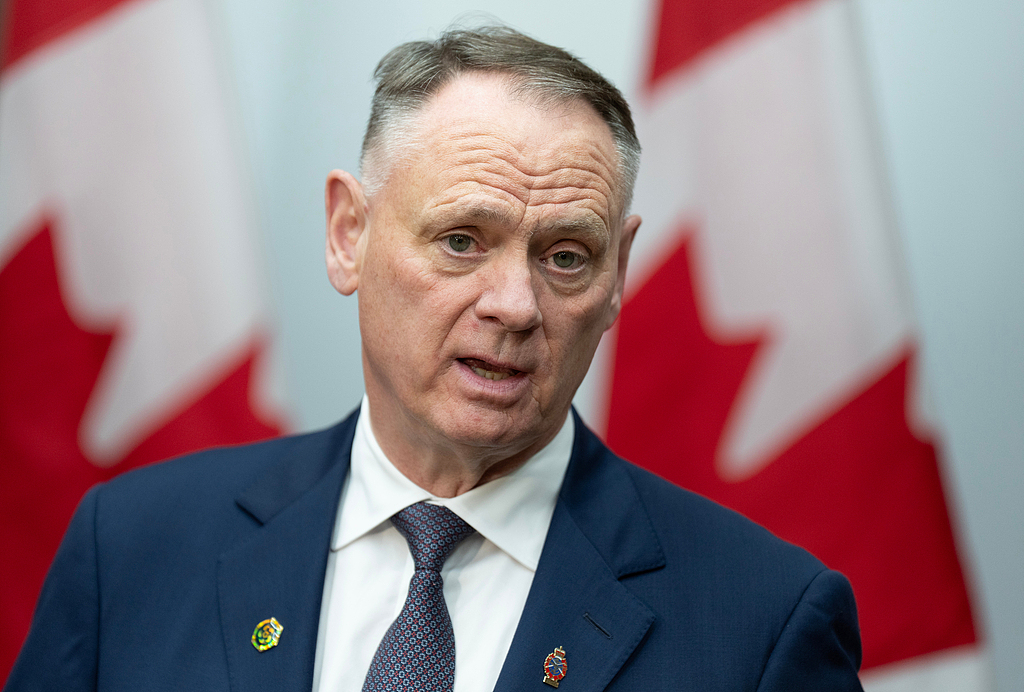
Group 1 - Canada has officially joined the European Union's "European Security Action" (SAFE) program, which provides loans for defense capability investments [1][3] - The SAFE program is a €150 billion defense financing initiative aimed at enhancing the defense capabilities across Europe, funded through credit markets by the European Commission [3] - Canada is the only non-European country to join the SAFE program, which strengthens collective security and supports the development of critical defense capabilities [3]
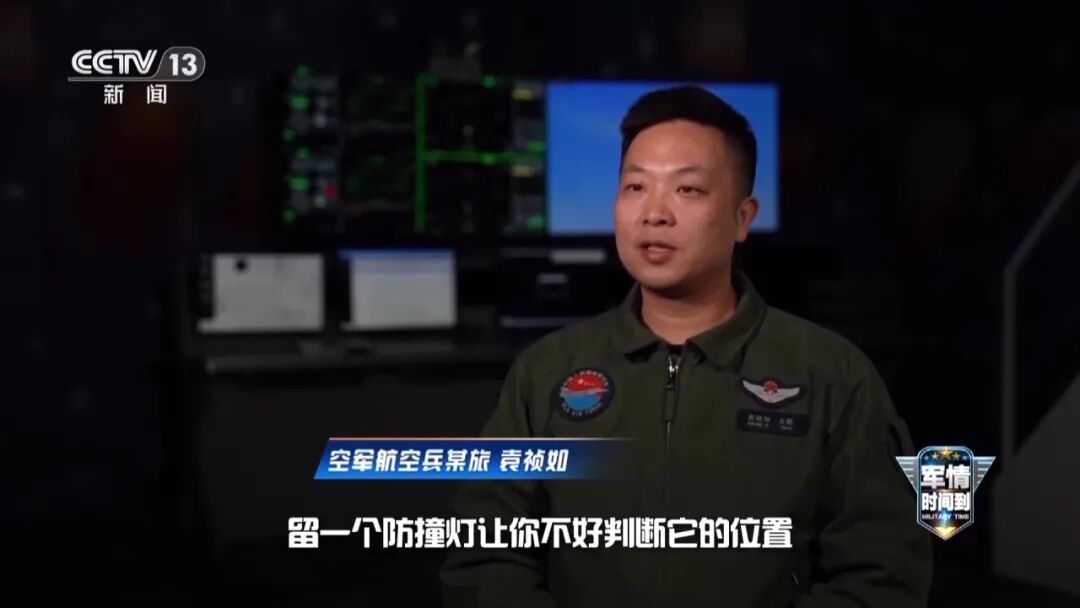
警报声起,两架歼-16战机迅疾起飞!一线飞行员讲述驱离外机细节
Huan Qiu Wang· 2026-02-14 14:33
Group 1 - The core message emphasizes the readiness and rapid response of frontline pilots in the military, especially during critical situations like the New Year holiday [1] - The unit where Yuan Zhenru serves is actively engaged in monitoring and intercepting in the South China Sea, with missions involving the deployment of J-16 fighter jets [3] - After successfully completing a mission, the returning aircraft created a visually striking scene in the night sky, highlighting the intensity of their operations [5] Group 2 - The air force frontline units face various emergencies, requiring pilots to be in a constant state of high alert, ready to respond to unidentified flying objects or potential provocateurs [7] - The rapid response capability is not solely dependent on individual pilots but involves a well-coordinated team and system that operates at high efficiency [9]
Rheinmetall (OTCPK:RNMB.F) Update / briefing Transcript
2026-02-04 18:02
Summary of Rheinmetall Investor and Analyst Recap Call (February 04, 2026) Company Overview - **Company**: Rheinmetall (OTCPK:RNMB.F) - **Industry**: Defense and Automotive Key Points Financial Performance and Expectations - **2025 Defense Business Growth**: Expected growth in the defense business is projected to be between **30%-35%**, with margins anticipated in the range of **18.5%-19%** [2][4] - **2026 Revenue Projections**: The defense business is expected to generate revenues of **EUR 15-16 billion**, including the NVL business, with a cash conversion rate anticipated to be very high due to significant orders [3][4] - **Order Intake for 2026**: Total order intake is expected to be around **EUR 80 billion**, with **EUR 67 billion** coming from German orders over the next four quarters [6][7][12] Major Contracts and Orders - **Boxer Contract**: The largest contract signed is the **EUR 12.5 billion** fixed contract for Boxers, to be executed by **2030**, with an option for an additional **EUR 25 billion** from **2030-2035** [5][12] - **Naval Contracts**: Anticipated orders for naval business (F126 and F127) are expected to total around **EUR 12-13 billion** [5][6] - **Ukrainian Orders**: An additional **EUR 3 billion** is expected from Ukrainian customers over the next quarters [7] Cash Flow and Financial Health - **Cash Flow**: Cash flow has been strong due to customer prepayments, with expectations of being **net debt-free** by the end of 2025 and continuing a positive cash environment into 2026 [3][8][41] - **Advance Payments**: The Boxer contract allows for advance payments of up to **30%** on the first **EUR 12.5 billion**, contributing to a strong cash position [8][12] Operational Insights - **Ammunition Business Growth**: The ammunition segment is expected to grow significantly, with revenues projected to increase from **EUR 3.5 billion to around EUR 5 billion** in 2026 [27][70] - **Production Capacity**: The company is enhancing production capacity in various locations, including South Africa, Spain, and Germany, to meet growing demand [27][33] Strategic Outlook - **Long-term Orders**: The company anticipates that Germany will place around **EUR 500 billion** in orders over the next **10-15 years**, with **EUR 67 billion** expected in 2026 alone [12][13] - **Framework Contracts**: The expectation is to convert existing framework contracts into fixed contracts, which will not increase the total backlog in 2026 but will fulfill existing commitments [60][63] Additional Notes - **Operational Efficiency**: Rheinmetall is focusing on increasing efficiency by dedicating production lines between KMW and Rheinmetall [15] - **Future Contracts**: The company is preparing for additional contracts that will support its growth trajectory, particularly in the ammunition sector [60][63] This summary encapsulates the key insights and projections discussed during the investor and analyst recap call, highlighting Rheinmetall's strategic direction and financial expectations for the upcoming years.
从汽车业挖人!德国军工业带动招聘潮 能挽救经济吗?
Di Yi Cai Jing· 2026-01-13 15:35
Group 1 - The German defense industry has seen a recruitment surge, with employment increasing by nearly one-third over the past four years, reflecting a significant shift in Germany's defense spending and strategy due to geopolitical changes [1] - As of now, the largest defense companies in Germany employ approximately 83,000 people globally, up from 63,000 before the Russia-Ukraine conflict, marking a 30% increase [1] - The German government has signed weapon contracts worth €207 billion since 2022, with €83 billion signed in the last year alone, significantly higher than the €23 billion in 2021 [2] Group 2 - The German defense budget is set to increase to approximately €108 billion by the end of 2024, with plans to reach €152.8 billion by 2029, which would account for 3.5% of the GDP [2] - Rheinmetall, a key player in the defense sector, has seen its workforce grow from about 15,400 in 2021 to 23,500 currently, with expectations to reach 70,000 in three years [3] - Startups in the German defense sector are also thriving, with companies like Helsing experiencing an 18-fold increase in employees over four years, transitioning from AI software to hardware production [3] Group 3 - Despite the growth in the defense sector, the ability to recruit from the struggling automotive industry has been limited, with companies like Hensoldt and Arx Robotics only hiring a small number of employees from that sector [5] - The German economy is projected to grow by only 0.2% to 0.3% in 2025, indicating challenges in stimulating domestic demand despite increased defense spending [6] - The reliance on exports remains high, with exports accounting for approximately 45% of Germany's GDP, a unique structure among EU member states [6]
从汽车业挖人!德国军工业带动招聘潮,能挽救经济吗?
Di Yi Cai Jing· 2026-01-13 12:04
Group 1 - The German defense industry has seen a significant increase in employment, with a nearly one-third growth in workforce over the past four years, driven by geopolitical changes and a large-scale defense initiative launched by Germany [1][3] - As of now, the defense sector employs approximately 83,000 people globally, up from 63,000 before the Russia-Ukraine conflict, reflecting a 30% increase [1] - The German government has signed weapon contracts worth €2.07 trillion since 2022, with €83 billion signed in the last year alone, a substantial increase from €23 billion in 2021 [3] Group 2 - The largest employer in the German defense sector is the European Aeronautic Defence and Space Company (EADS), which has around 38,000 employees, with over half based in Germany [4] - Rheinmetall, the second-largest employer, has seen its workforce grow from approximately 15,400 in 2021 to 23,500 currently, with expectations to reach 70,000 in three years [4] - Startups in the defense sector are also thriving, with companies like Helsing experiencing an 18-fold increase in employees over the past four years [4] Group 3 - The German Defense Industry Association (BDSV) anticipates accelerated growth in the coming years as procurement processes are expedited, allowing companies to better plan their capacities [5] - Despite the interest from defense manufacturers in hiring from the struggling automotive sector, the data suggests that the defense industry's expansion may not fully compensate for the decline in the automotive industry [6] - The German economy is projected to grow by only 0.9% in 2026, with concerns about the government's focus on defense spending at the expense of social governance and environmental initiatives [7]

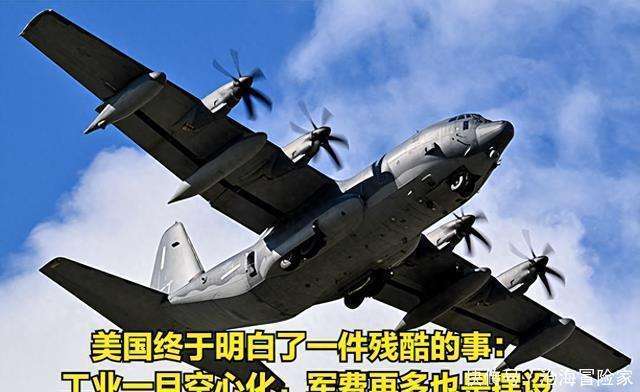
美国终于明白了一件残酷的事:工业一旦空心化,军费再多也是摆设
Sou Hu Cai Jing· 2025-12-25 09:02
Core Viewpoint - The decline of the U.S. manufacturing sector is significantly impacting its military-industrial complex, resulting in a lag in equipment production compared to China, with the inability to meet military needs becoming a nearly irreversible trend [1][3][5] Group 1: Manufacturing and Military Capability - The U.S. military's inability to produce desired equipment is not merely a technical issue but a consequence of the long-term decline of the national industrial system [3][5] - The U.S. has historically had ample military funding, but the funds are now circulating in a hollow system, leading to extended development cycles, project delays, and inflated costs, while equipment performance diminishes [5][9] - The decline in manufacturing capabilities has resulted in slow shipbuilding, rising aircraft costs, and lengthy ammunition production cycles, reflecting a broader deterioration of the U.S. industrial base [5][7] Group 2: Industrial Structure and Globalization - The U.S. military-industrial complex suffers from a lack of a complete and expandable manufacturing system, primarily due to long-term outsourcing and an uncontrollable global supply chain [7][9] - The disappearance of small and medium-sized component manufacturers and the generational gap in skilled labor have weakened the U.S. manufacturing foundation necessary for modern warfare [7][9] Group 3: Comparison with China - China's military advantage lies in its integrated industrial chain, allowing for domestic production of materials, equipment, and processes, enabling rapid scaling of military production when needed [13][14] - The essence of the U.S.-China gap is rooted in the different stages of industrial civilization, with the U.S. facing high costs in manufacturing repatriation and an irreversible generational gap in skilled labor [16][21] Group 4: Future Warfare Dynamics - Future conflicts will not be determined by technological superiority but by the ability to sustain production, quickly repair equipment, and replicate at low costs [18][19] - The U.S. faces a critical question of whether it can return to a manufacturing-based approach to winning wars, with the answer becoming increasingly clear as time progresses [21]
澳大利亚对乌追加9500万澳元军援
Zhong Guo Xin Wen Wang· 2025-12-04 13:02
Core Viewpoint - The Australian government announced an additional military aid package of 95 million AUD (approximately 62.8 million USD) to Ukraine, bringing the total aid to over 1.7 billion AUD (approximately 1.1 billion USD) [1][1][1] Group 1: Military Aid Details - The aid includes 50 million AUD directed towards the "Ukrainian Priority Needs List" (PURL), initiated by NATO to provide critical military equipment to Ukraine [1] - The package also consists of 43 million AUD worth of supplies and equipment, including tactical air defense radars, ammunition, and combat engineering equipment [1] - An additional 2 million AUD will be provided to the "Drone Capability Alliance" for advanced drone technology for Ukraine [1] Group 2: Additional Context - The final batch of 49 M1A1 Abrams main battle tanks promised by Australia will be delivered in the coming weeks [1] - Recent discussions between Russian President Putin and the U.S. Middle East envoy, as well as upcoming meetings between U.S. and Ukrainian representatives, indicate ongoing international diplomatic efforts regarding the Ukraine situation [1] - The Australian Defense Minister stated that this aid could have a tangible impact on the operational capabilities of the Ukrainian military amid U.S. efforts to mediate the situation [1]
澳大利亚宣布向乌克兰提供6278万美元军事援助
Xin Lang Cai Jing· 2025-12-04 11:25
Group 1 - Australia announced an additional military aid package to Ukraine valued at 95 million AUD (approximately 62.78 million USD), bringing the total aid to over 1.7 billion AUD (approximately 1.1 billion USD) [1][3] - The new aid includes 50 million AUD (approximately 33.04 million USD) directed towards Ukraine's priority needs list for critical military equipment [3][5] - An additional 43 million AUD (approximately 28.41 million USD) will be provided for supplies and equipment, including tactical air defense radar, ammunition, and combat engineering equipment [3][5] Group 2 - Australia will contribute 2 million AUD (approximately 132,000 USD) to the "Drone Capability Alliance," aimed at providing advanced drone technology to Ukraine [3][5] - The final batch of 49 M1A1 Abrams main battle tanks promised by Australia will be delivered in the coming weeks [3][5]