
恒生黄金ETF

Search documents
交易结算将获税务优惠,香港国际黄金交易、定价中心“快进”
Di Yi Cai Jing Zi Xun· 2026-02-26 08:48
Core Viewpoint - The Hong Kong government is actively working to establish itself as an international gold trading and pricing center, with plans to provide tax incentives for qualified institutions and develop a central clearing system for gold transactions [1][2]. Group 1: Government Initiatives - The Hong Kong government has proposed tax incentives and support for the establishment of an industry association and training systems to promote the development of an international gold trading center [1]. - A fully government-owned company has been established to govern the clearing system, with participation from government, financial regulators, and major banks in the international gold market [2]. - The government is supporting the construction of advanced gold storage facilities at Hong Kong International Airport, aiming to increase storage capacity to over 2000 tons within three years [3]. Group 2: Market Context and Demand - There is a global trend of increasing gold accumulation, with central banks reportedly purchasing a net total of 634 tons of gold from January to September 2025, and an expected total purchase of between 750 tons and 900 tons for the entire year [4]. - The establishment of a central clearing system is seen as a measure to solidify and enhance Hong Kong's status as an international financial center, potentially creating new financial growth opportunities [4]. - The launch of the Hang Seng Gold ETF, which allows for physical gold redemption, marks a significant step in upgrading traditional gold products and integrating digital financial innovations in Hong Kong [4]. Group 3: Strategic Collaborations - Hong Kong is deepening cooperation with mainland cities, particularly through a partnership with the Shanghai Gold Exchange to establish a central clearing system [1][2]. - A memorandum of cooperation has been signed between Shenzhen and Hong Kong to support gold trading and refining activities, aiming to create a collaborative base for the gold refining industry [3].
全球矿业研究 | 2026年金属市场的七大展望
彭博Bloomberg· 2026-02-25 06:05
Core Viewpoint - The article discusses the 2026 outlook for the metals and mining sector, focusing on three main themes: persistent safe-haven demand, supply structure changes driving divergence in base metals, and resource security becoming a policy priority [3][4]. Group 1: Precious Metals - Gold is expected to outperform the S&P 500 again in 2026, with an average price projected around $5,000 per ounce [3][6]. - Silver may experience a modest correction after a strong rally, but its average price is still anticipated to be significantly above market consensus [3][5]. Group 2: Supply Structure Changes - The copper market is expected to tighten, with prices likely to remain above $12,000 per ton, while nickel may see a price drop to around $15,000 due to oversupply unless Indonesia intervenes [4][5]. - The alumina market is projected to see price support from cost curves, with a potential decline limited to about 10% [4]. Group 3: Resource Security - Government funding is driving accelerated development of rare earth resources, with an estimated $10 billion in public sector investment expected [4][5]. - U.S. steel tariffs are likely to remain in place, benefiting domestic producers [4]. Group 4: Mining Companies Outlook - Major mining companies are reflecting a rebound in market risk appetite, with a trend of capital reallocation towards tangible assets [9]. - The structural supply constraints in metals, particularly copper, support price resilience, indicating potential upward revisions in profit forecasts [9]. Group 5: Silver Mining Companies - Silver mining companies, including Fresnillo, are expected to maintain strong performance in 2026, benefiting from high precious metal prices and robust operational execution [11]. - The consensus forecast predicts a 44% year-over-year increase in earnings for silver companies in 2026, based on silver and gold prices of $83 and $4,820 per ounce, respectively [11][12].

上市首日涨幅达9%!香港首只实物黄金ETF挂牌,打通实物黄金兑换通道
Sou Hu Cai Jing· 2026-01-31 11:00
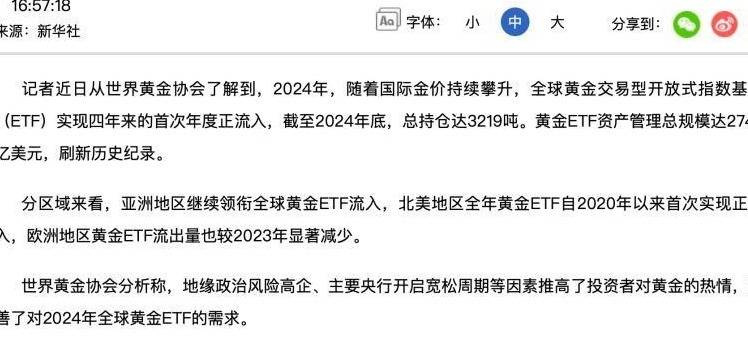
Core Viewpoint - The launch of the Hang Seng Gold ETF (code: 03170.HK) marks a significant development in the Hong Kong market, being the first physical gold ETF that allows direct redemption of physical gold through banks, thus bridging the gap between "paper gold" and physical gold [1][12]. Group 1: Product Overview - The Hang Seng Gold ETF was officially listed on January 29, 2026, with an initial price of HKD 16 per unit and a minimum investment threshold of approximately HKD 800 [3]. - On its first trading day, the ETF experienced a 9% increase, closing at HKD 17.44 [1][3]. - The ETF's structure allows for a seamless connection between ETF shares and physical gold, addressing a gap in the Hong Kong market [1][12]. Group 2: Market Context - As of January 14, 2026, the total scale of domestic gold-related ETFs reached CNY 262.86 billion, with the Huaan Gold ETF alone surpassing CNY 100.76 billion, reflecting a growth of over 67% since 2025 [2]. - The World Gold Council reported that by the end of 2024, the global gold ETF assets under management are expected to reach USD 274 billion, setting a new historical record [2][3]. Group 3: Redemption Mechanism - The Hang Seng Gold ETF offers equal redemption rights for both individual and institutional investors, allowing them to choose between cash or physical gold upon redemption [12]. - In contrast, mainland China's gold ETFs have a tiered redemption system, where individual investors can only sell ETF shares for cash, while institutional investors face minimum redemption thresholds [12]. Group 4: Strategic Developments - Recent initiatives in Hong Kong's gold market include signing cooperation agreements with the Shanghai Gold Exchange and plans to enhance gold storage capacity to 2,000 tons within three years, aiming to improve the entire gold trading ecosystem [13].
香港正在争夺全球黄金定价权
2 1 Shi Ji Jing Ji Bao Dao· 2026-01-30 16:40
Core Viewpoint - The establishment of a central clearing system for gold in Hong Kong is set to enhance its position as an international financial center and improve the efficiency and security of gold transactions, addressing long-standing market bottlenecks [2][4][6]. Group 1: Market Context - Gold prices have reached historical highs, with spot prices hitting $5,598 per ounce on January 29, 2026, and domestic prices in Shanghai rising to 1,243.40 yuan per gram [2]. - The global geopolitical climate, increased central bank gold purchases, and the acceleration of the internationalization of the renminbi are driving factors behind the rising gold prices [2][4]. - In 2025, global central banks purchased a net total of 634 tons of gold, with expectations for total purchases to reach between 750 tons and 900 tons for the year [5][6]. Group 2: Central Clearing System - Hong Kong has lacked a unified central clearing mechanism for gold trading, relying on a bilateral clearing model that has led to high costs and risks [4][5]. - The new central clearing system aims to integrate clearing, storage, and trading, enhancing operational efficiency and reducing transaction costs [8][9]. - The system is designed to facilitate cooperation between Hong Kong and the Shanghai Gold Exchange, allowing for efficient connections between renminbi-denominated gold products [6][10]. Group 3: Infrastructure and Governance - The Hong Kong government has established a wholly-owned company to govern the central clearing system, ensuring collaboration between government, financial regulators, and major banks [6][8]. - The system will enhance the safety and public nature of gold transactions while integrating with existing market institutions [9][10]. - Plans are in place to increase gold storage capacity at Hong Kong International Airport to over 2,000 tons within three years [8]. Group 4: Product Innovation - The central clearing system will support the diversification of gold financial products, including traditional ETFs and digital innovations [13][14]. - The launch of the Hang Seng Gold ETF, which allows for physical gold redemption, marks a significant step in product innovation within the Hong Kong market [14]. - The development of tokenized gold products is being explored, with a focus on establishing a regulatory framework to ensure asset security and integrity [15]. Group 5: Regional Cooperation - The collaboration between Hong Kong and Shenzhen in gold refining and trading is expected to enhance Hong Kong's capabilities and attract more international gold enterprises [16][17]. - The integration of the central clearing system with the Shanghai Gold Exchange's offshore delivery warehouse will facilitate a dual-currency pricing system for gold [17][18]. - The establishment of a "Shanghai-Hong Kong dual hub" is anticipated to strengthen China's influence in the global gold market [10][11].
香港正在争夺全球黄金定价权
21世纪经济报道· 2026-01-30 16:00
Core Viewpoint - The article discusses the significant rise in gold prices and the establishment of a central clearing system for gold in Hong Kong, which is expected to enhance the region's position as an international financial center and improve the efficiency of gold trading and settlement [1][6][7]. Group 1: Gold Price Surge - As of January 29, 2026, the spot price of gold in London reached a historic high of $5,598 per ounce, with domestic prices in China also rising, as evidenced by the Shanghai Gold Exchange's T+D price reaching 1,243.40 yuan per gram [1]. - The global geopolitical tensions and increased gold purchases by central banks have contributed to this price surge, with the World Gold Council reporting that central banks bought a net total of 634 tons of gold from January to September 2025, with annual purchases expected to be between 750 tons and 900 tons [6][12]. Group 2: Central Clearing System - Hong Kong has lacked a unified central clearing mechanism for gold trading, relying on a bilateral clearing model that has led to high costs and risks [3][5]. - The newly announced central clearing system aims to address these issues by integrating clearing, storage, and trading, thereby enhancing operational efficiency and reducing transaction costs [9][10]. - The system is designed to be government-led with market participation, ensuring a collaborative approach to governance and rule-making [9][10]. Group 3: Market Infrastructure and Collaboration - The Hong Kong government is actively supporting the development of the gold market, including the establishment of storage facilities and the promotion of interconnectivity with the Shanghai Gold Exchange [6][10]. - The collaboration between Hong Kong and Shanghai is expected to create a dual hub for gold trading, enhancing China's influence in the global gold market and facilitating the pricing of gold in renminbi [12][17]. - The central clearing system will also enable the seamless integration of various market functions, addressing the current fragmentation in gold trading processes [10][11]. Group 4: Product Diversification and Innovation - The establishment of the central clearing system provides a solid foundation for the innovation of gold financial products in Hong Kong, including the introduction of gold ETFs and tokenized gold products [14][15]. - The total assets under management for gold ETFs in Hong Kong grew by 45% year-on-year to 15 billion HKD in the first three quarters of 2025, indicating a significant increase in market activity [14]. - The article highlights the potential for developing a regulatory framework for tokenized gold products, ensuring that physical gold reserves back these digital assets [15]. Group 5: Regional Cooperation and Future Outlook - The Hong Kong government is enhancing regional cooperation with mainland China to streamline the supply chain for gold, which could lead to cost advantages and meet global demand [16]. - The integration of the central clearing system with existing market institutions is expected to improve the efficiency of gold trading and settlement processes, thereby attracting more international investors [17]. - The article concludes that the establishment of the central clearing system and the innovation in gold products represent a strategic move for Hong Kong to solidify its role as a global gold trading center and support the internationalization of the renminbi [18].
越秀证券每日晨报-20260130
越秀证券· 2026-01-30 11:30
Market Performance - The Hang Seng Index closed at 27,968, up 0.51% and has increased by 9.12% year-to-date [1] - The Hang Seng Technology Index fell by 1.00% to 5,841, with a year-to-date increase of 5.89% [1] - The A-share market showed mixed results, with the Shanghai Composite Index rising 0.16% to 4,157, while the Shenzhen Component Index fell 0.30% to 14,300 [4] Currency and Commodity Trends - The Renminbi Index increased by 0.37% over the past month, while the US Dollar Index decreased by 1.85% [2] - Brent crude oil prices rose by 13.38% over the past month, while gold prices surged by 27.09% [2] IPO Market Insights - The Hong Kong IPO market is projected to raise $37.4 billion in 2025, regaining the top position globally, driven by multiple listings over $1 billion [9] - The average first-day gain for new listings is 23.8%, with a cumulative first-month increase of 30.7% [9] Biotechnology Sector Growth - The biotechnology sector has become a significant force in the Hong Kong capital market, with a complete ecosystem including stocks, ETFs, and futures [10] - By the end of 2025, the total size of ETFs tracking the Hang Seng Biotechnology Index is expected to reach HKD 11.1 billion [10] Gold Demand Forecast - The World Gold Council forecasts global gold demand to reach 5,002 tons in 2025, driven by geopolitical and economic uncertainties [16] - Investment demand for gold is expected to increase significantly, with net inflows into gold ETFs reaching 801 tons [16] Automotive Industry Performance - Toyota has maintained its position as the world's best-selling car manufacturer for six consecutive years, with sales increasing by 4.6% to 11.3 million vehicles [17]
永安期货股指日报-20260130
Xin Yong An Guo Ji Zheng Quan· 2026-01-30 02:34
Market Performance - The Shanghai Composite Index rose by 0.16% to 4157.98 points, while the Shenzhen Component fell by 0.3% and the ChiNext Index dropped by 0.57%[1] - The Hong Kong Hang Seng Index increased by 0.51% to 27968.09 points, with the Hang Seng Tech Index declining by 1% and the Hang Seng China Enterprises Index rising by 0.42%[1] - The total market turnover in Hong Kong was 3319.942 million HKD[1] Currency and Economic Relations - The U.S. Treasury Department labeled the Chinese yuan as "severely undervalued" and urged China to allow timely appreciation of its currency[12] - China and the UK reached several positive outcomes during Prime Minister Keir Starmer's visit, including the establishment of a yuan clearing bank in the UK[12] Corporate Earnings - Apple reported a record quarterly revenue of 143.8 billion USD, exceeding Wall Street expectations, with a 38% increase in revenue from China[12] - The anticipated net profit for Sunny Optical Technology is expected to increase by 70% to 75%, reaching approximately 4.589 to 4.724 billion RMB[14] - Baidu's expected net profit for the year is projected to increase by 384% to 443%[14] Commodity Market Trends - Gold prices fell from above 5500 USD per ounce, experiencing a significant drop of 5.7% in a single day due to profit-taking and a stronger dollar[12] - Copper prices surged by 10.1%, reaching a historic high of over 14,400 USD per ton, driven by speculative trading in China[12]


争夺全球黄金定价权 香港在下一盘什么“大棋”|中环观察
2 1 Shi Ji Jing Ji Bao Dao· 2026-01-29 14:55
Core Viewpoint - The establishment of a central clearing system for gold in Hong Kong is expected to enhance its position as an international financial center and improve the efficiency and safety of gold transactions, addressing long-standing market bottlenecks [1][5][14]. Group 1: Market Context and Growth - Gold prices have surged, reaching a historical high of $5,598 per ounce on January 29, 2026, with an approximate 18% increase since the beginning of the year [1]. - Hong Kong's gold trading market has seen significant growth, with daily trading volume reaching HKD 2.9 billion in November 2025, more than doubling year-on-year [2]. - The global demand for gold is rising, with central banks reportedly purchasing between 750 to 900 tons of gold in 2025, reflecting gold's status as a key reserve asset [3][14]. Group 2: Central Clearing System Development - The Hong Kong government has announced the launch of a central clearing system for gold, which aims to fill a critical gap in the market and facilitate better integration with global gold markets [1][5]. - The new system will operate under a governance structure that includes major banks and financial regulators, ensuring a collaborative approach to its implementation [6][5]. - The system will integrate clearing, storage, and trading, enhancing operational efficiency and reducing transaction costs [7][6]. Group 3: Infrastructure and Collaboration - The Hong Kong government is investing in advanced gold storage facilities, aiming to increase capacity to over 2,000 tons within three years [7]. - The collaboration between Hong Kong and the Shanghai Gold Exchange is expected to create a dual hub for gold trading, enhancing pricing influence and resource allocation in the global market [9][13]. - The establishment of a unified clearing platform will facilitate smoother transactions between mainland China and Hong Kong, addressing current market fragmentation [3][9]. Group 4: Product Innovation and Diversification - The central clearing system will support the development of diverse gold financial products, including ETFs and tokenized gold assets, catering to both institutional and retail investors [10][11]. - The launch of the Hang Seng Gold ETF, which allows for physical gold redemption, marks a significant step in product innovation within the Hong Kong market [10]. - The integration of traditional gold products with digital financial innovations is expected to attract more international investors and enhance market liquidity [10][11]. Group 5: Strategic Implications - The establishment of the central clearing system is seen as a proactive measure by Hong Kong to align with national financial strategies and enhance its global competitiveness [14][5]. - The move towards a RMB-denominated gold market is anticipated to facilitate cross-border transactions and attract more international participation [14][9]. - The collaboration with mainland China in refining and trading gold is expected to leverage Hong Kong's unique advantages, further solidifying its role in the global gold market [12][13].
香港首只可兑换实物黄金ETF挂牌
新华网财经· 2026-01-29 13:55
Group 1 - The Hang Seng Gold ETF has been listed on the Hong Kong Stock Exchange, marking it as the first ETF in Hong Kong that allows physical gold redemption through banks [2] - The listing signifies an important new chapter for the Hong Kong financial market, driven by increasing demand from sovereign nations and investors for diversified reserves and asset allocation, with gold's value as a commodity, investment tool, and safe-haven asset further enhanced [2] - A cooperation agreement was signed between the Financial Services and the Treasury Bureau and the Shanghai Gold Exchange, establishing a solid foundation for the integration of Hong Kong's gold central clearing system with the mainland market [2] Group 2 - The market supervisor of the Hong Kong Stock Exchange noted that this is the first gold-themed ETF product listed in nearly a decade, with more precious metal-related products expected to be available for investors as additional gold-themed ETFs are launched [2] - The chairman of the Hong Kong Securities and Futures Commission expressed support for more innovations to expand market participation and enhance market resilience, emphasizing the use of cutting-edge tools like blockchain to prepare the Hong Kong market for the future [2]

香港首只可兑换实物黄金ETF挂牌
Xin Hua Wang· 2026-01-29 12:17
Core Viewpoint - The launch of the Hang Seng Gold ETF marks a significant development in Hong Kong's financial market, providing a new avenue for investors to access physical gold through an ETF product [1]. Group 1: Product Launch - The Hang Seng Gold ETF was listed on the Hong Kong Stock Exchange on the 29th, becoming the first ETF in Hong Kong that can be redeemed for physical gold [1]. - This launch is seen as a pivotal moment for the financial market in Hong Kong, reflecting the increasing demand for diversified reserves and asset allocation among sovereign nations and investors [1]. Group 2: Government and Regulatory Support - The Financial Secretary of the Hong Kong Special Administrative Region, Xu Zhengyu, highlighted the importance of the ETF's launch and the signing of a cooperation agreement with the Shanghai Gold Exchange, which lays a solid foundation for connecting Hong Kong's gold central clearing system with the mainland market [1]. - The Hong Kong Securities and Futures Commission (SFC) Chairman, Huang Tianyou, expressed support for more innovations to expand market participation and enhance market resilience, indicating a commitment to responsible innovation in the financial sector [1]. Group 3: Market Implications - The market is expected to see more gold-themed ETFs launched in the near future, providing investors with a wider range of precious metal-related products [1]. - The SFC aims to utilize cutting-edge tools like blockchain to prepare the Hong Kong market for future developments, indicating a forward-looking approach to market evolution [1].