
放射性药物

Search documents
ATS (NYSE:ATS) FY Conference Transcript
2026-03-03 20:17
ATS Corporation FY Conference Summary Company Overview - **Company**: ATS Corporation (NYSE: ATS) - **Industry**: Industrial Automation and Technology Key Points Leadership Introduction - Doug Wright, the incoming CEO, has a diverse background in industrial technology and building automation, previously working at Indicor and Honeywell [1][2][3][4][5] Growth Opportunities - ATS is focused on growth in several end markets, particularly: - **Life Sciences**: Significant involvement in developing therapies, including GLP-1 products and medical devices [6][7] - **Nuclear Energy**: Unique positioning in emerging nuclear technologies, particularly with small modular reactors (SMRs) [7] - **Food Technology**: A stable revenue source, viewed as a long-term core holding [7] Margin Expansion Strategy - The company aims to improve its margin profile, which has historically been below the target of 15% Adjusted EBIT. Strategies include: - Lean execution and improving aftermarket mix [10][11] - Setting new margin targets as progress is made [11] - Focus on gross margin improvements and efficiency in SG&A [14][15] Life Sciences Market Insights - High order intake in Fiscal Year 2025 for GLP-1 products, with a backlog expected to be delivered over the next 1-2 years [18][19] - Diversification in the life sciences portfolio to mitigate risks associated with single-event exposures [19][20] Nuclear Business Development - Current focus on refurbishment and life extension of CANDU reactors, with ongoing projects in the U.S. and several SMR designs in development [21][22][29] - Anticipation of regulatory approvals as a key driver for future growth in the nuclear segment [24] Transportation Segment Outlook - The company is restructuring its transportation segment, focusing on niche opportunities related to battery technologies rather than large-scale EV contracts [32][33] - Plans to maintain optionality in the segment while managing costs effectively [34] Capital Allocation and M&A Strategy - Current leverage is at the top end of the targeted range of 2-3x, with a focus on small to medium-sized bolt-on acquisitions to enhance margin profiles [40][41] - Emphasis on acquiring businesses with strong aftermarket capabilities to improve overall service content [42][43] Integration and Human Capital in M&A - Doug Wright emphasizes the importance of human capital in acquisitions, ensuring the retention of key personnel and disciplined integration management [46][48][49] Conclusion - ATS Corporation is positioned for growth through strategic focus on life sciences, nuclear energy, and operational efficiency, with a disciplined approach to capital allocation and M&A activities. The leadership is committed to improving margins and expanding the company's market presence while managing risks effectively.

我国核与辐射安全可控 99台核电机组运行稳定
Xin Lang Cai Jing· 2026-02-24 02:52
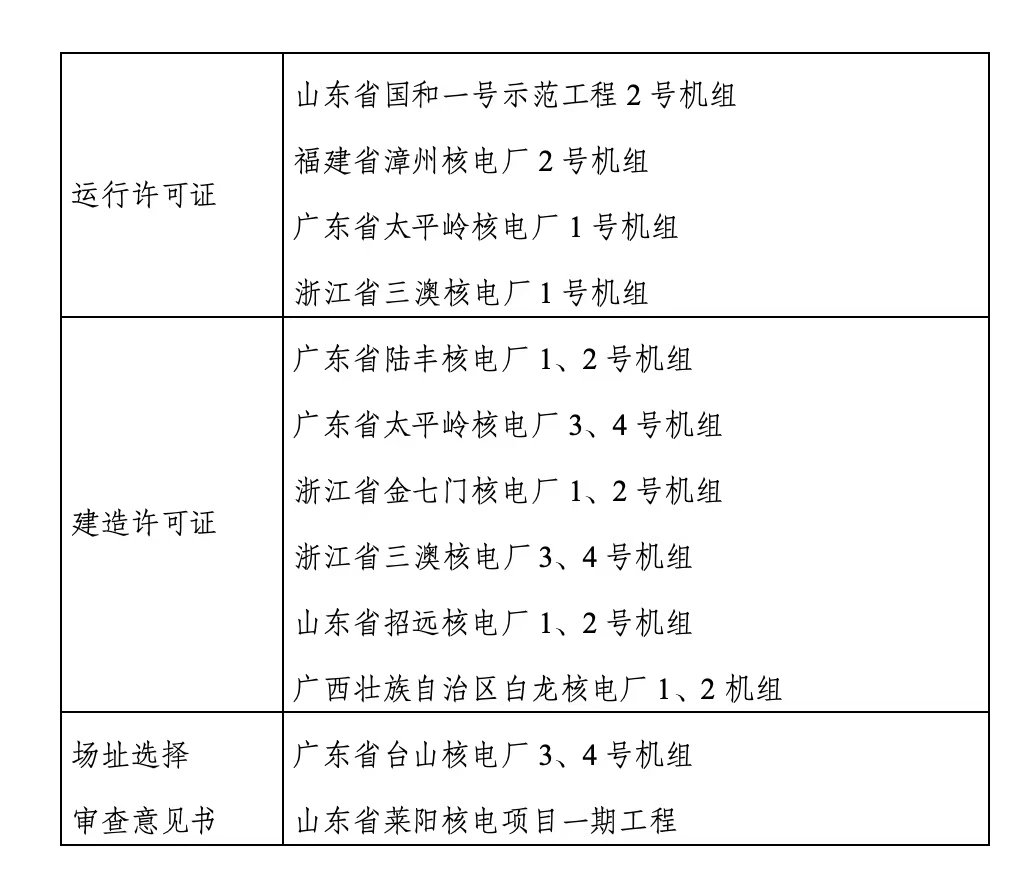
Core Insights - The Ministry of Ecology and Environment (National Nuclear Safety Administration) emphasizes strict regulation of nuclear and radiation safety, ensuring effective protection by 2025 [1][8] - In the past year, China's nuclear power sector has maintained stable operations with no significant nuclear incidents, and the safety performance of nuclear power plants meets relevant safety targets [1][11] - The total number of operational nuclear power units in China reached 62, with 37 under construction, making it the highest globally [9][11] Regulatory Actions - In 2025, the Ministry issued 4 operating licenses and 12 construction licenses for nuclear power units, along with 10 environmental impact assessment approvals [2] - The Ministry approved over 90 applications for significant safety modifications at nuclear power plants [2] - A total of 30 nuclear safety licenses and over 10 environmental impact assessment documents were approved for nuclear fuel cycle facilities [5] Safety Monitoring - The Ministry has implemented a comprehensive safety monitoring system for operational nuclear power plants, ensuring strict technical reviews and on-site supervision [11] - The safety of water intake at nuclear power plants has been reinforced, successfully mitigating impacts from marine biological outbreaks [3] - The Ministry has established a safety health record system for nuclear power plants, collecting and organizing over 10,000 operational status reports [3] Environmental and Waste Management - The Ministry issued a retirement approval for the first heavy water reactor in China and granted licenses for radioactive waste storage and treatment [6] - It approved over 20 radiation safety licenses for various applications, including medical proton and heavy ion accelerators [6] Regulatory Framework - Eight standards related to nuclear power plant environmental radiation protection and particle accelerator radiation protection were revised and published [7] - The Ministry is focused on enhancing the regulatory framework to adapt to the rapid development of nuclear technology and public safety demands [10] Future Plans - In 2026, the Ministry aims to strengthen nuclear safety analysis and feedback mechanisms, ensuring rigorous oversight of nuclear power plant operations and construction [8][12] - The Ministry plans to enhance the management of new nuclear facilities and projects, emphasizing high-quality construction to ensure future safety [12]

湾财晚报 | 广东外贸 全国首位!70城房价数据出炉;黄金白银价格再创新高;黄小卫被查!
Nan Fang Du Shi Bao· 2026-01-19 14:59
Group 1: Guangdong Foreign Trade - Guangdong's foreign trade reached a historical high of 9.49 trillion yuan in 2025, marking a year-on-year growth of 4.4% [4] - Guangdong has maintained its position as the top province in China for 40 consecutive years, accounting for 20.9% of the national foreign trade total and contributing 24.1% to the national growth [4][6] - The import value was 3.46 trillion yuan, increasing by 7.8%, while the export value was 6.03 trillion yuan, with a growth of 2.5% [4] Group 2: Real Estate Market - In December 2025, new residential prices in Shanghai increased by 0.2% month-on-month and 4.8% year-on-year, making it the only city among the top-tier cities to show growth [5] - The overall residential sales prices in 70 major cities saw a month-on-month decline, with first-tier cities experiencing a 0.3% decrease [5] Group 3: Gold and Silver Prices - International gold and silver prices reached historical highs, with gold surpassing $4,690 per ounce and silver exceeding $94 per ounce [8] - Domestic gold jewelry prices also surged, with several brands reporting prices over 1,450 yuan per gram [8] Group 4: Shenzhen Office Market - Shenzhen's Grade A office market saw a net absorption of 664,000 square meters in 2025, the highest in four years, driven by demand from technology companies [15] - The total supply of Grade A office space increased by 9.4% year-on-year, reaching 12.84 million square meters [15] Group 5: Guangzhou Pharmaceutical Export Platform - Guangzhou Pharmaceutical Group established a comprehensive service platform for pharmaceutical exports, aiming to enhance the export of medical products [13] - A collaboration with GE Healthcare was announced to create a research and development laboratory for nuclear medicine [13]

2026年,全球生物制药行业有哪些新变局?
Sou Hu Cai Jing· 2026-01-06 02:55
Core Insights - The global biotechnology industry is at a pivotal turning point in 2026, marked by a significant rebound in merger and acquisition (M&A) activity, with 173 BD transactions in 2025, a notable increase from 136 in 2024, and total transaction values reaching $146.8 billion, up 218% from the previous year [1][2] - The changing regulatory environment, including the implementation of the IRA and the legislative challenges of the Biodefense Act, alongside the Federal Reserve's interest rate cuts, is redefining capital flows and asset pricing logic [1] Industry Transaction Evolution - The biopharmaceutical sector is transitioning from an abnormal to a normal state in terms of transaction activity, following a peak during the COVID-19 pandemic, with a notable decline in 2023-2024 due to valuation discrepancies and multiple uncertainties [1][2] Transaction Trends and Preferences - In 2025, 58% of the total transaction value was attributed to marketed products and late-stage clinical assets, reflecting a clear preference among pharmaceutical companies for lower-risk assets amid a looming $300 billion patent cliff [2][3] Emerging Treatment Areas and Technologies - The focus of investment is shifting, with neurological diseases approaching oncology in transaction value, indicating a significant change in investment priorities [3] - Cardiovascular and metabolic diseases, driven by the GLP-1 drug trend, have become the third-largest investment hotspot, while interest in rare diseases and gene therapy has cooled [4] - New technological platforms such as bispecific antibodies and molecular glue degraders are emerging, while AI applications are rapidly transitioning from concept validation to integration into workflows, enhancing clinical trial success rates [4] China's Market Growth - The Chinese biopharmaceutical market has seen a tenfold increase in Western capital investment, growing from $6 billion in 2020 to $61 billion by Q3 2025, now accounting for 35% of global alliance investment [5] - China's shift from a "fast follower" to an "innovation source" is supported by a flexible regulatory environment and strategic government backing, fostering rapid drug development [5] Future Outlook - The biopharmaceutical industry is at a critical crossroads in 2026, characterized by substantial cash reserves, imminent patent cliffs, evolving technology platforms, and changing geopolitical dynamics, presenting both opportunities and challenges [6] - For Chinese biopharmaceutical companies, this period represents a golden opportunity to engage in the global innovation ecosystem and enhance independent innovation capabilities [6]

2025年科尔尼行业系列回顾|医疗与大健康
科尔尼管理咨询· 2025-12-22 09:54
Group 1 - The global healthcare industry is entering a structural reshaping period by 2025, driven by technological breakthroughs, payment reforms, and digitalization, shifting focus from scale expansion to value creation and precision medicine [1] - The Chinese market is experiencing growth driven by healthcare insurance reforms and health consumption upgrades, while globally, companies face innovation pressures and capital constraints, necessitating clearer strategic focus to navigate uncertainties [1] - The rapid rise of GLP-1 drugs is reshaping the global healthcare industry, significantly reducing the risk of various chronic diseases but also causing structural anxiety among healthcare providers due to anticipated declines in clinical service demand, impacting industry profit models [2] Group 2 - The radioactive drug industry is emerging as a new "golden track" following ADC and GLP-1, showing breakthrough potential in precision diagnosis and treatment of major diseases, with the Chinese market poised for rapid expansion driven by substantial patient demand [6] - Post-COVID, health anxiety persists, with new technologies and products encouraging consumers to shift from passive treatment to proactive health management, creating new growth logic and innovation space for the healthcare industry in China [8] - Pharmaceutical companies are transitioning from a product-centric growth model to providing systematic solutions, integrating the entire value chain and fostering collaborative innovation to redefine their roles and growth logic within the healthcare system [12] Group 3 - Cardiovascular diseases represent a core long-term pressure on healthcare systems in China and globally, with a large patient base that continues to grow with population aging, necessitating enhanced prevention, diagnosis, and long-term management capabilities [13] - The Chinese healthcare industry is entering a new phase of high-quality, full-chain development driven by consumption upgrades and population aging, with the medical service market expected to reach 10 trillion yuan by 2030, becoming a significant growth engine for the Chinese economy [17] - Hospitals are accelerating digitalization and AI applications to enhance operational resilience and patient experience, with those that can flexibly restructure processes around patient needs likely to gain competitive advantages in the new growth cycle [18] Group 4 - The healthcare industry is transitioning from standardized medication to highly personalized treatment, with cell and gene therapy (CGT) emerging as a core innovation force, necessitating systemic restructuring around distribution, payment, and delivery models [22] - There is a significant gap in medical research focused on women's health, with only 7% of studies addressing women's diseases, highlighting the need to bridge this systemic disparity to unlock substantial social and economic value [23] - Many consumers understand the importance of health but struggle with daily life challenges that hinder healthy choices, indicating that true health consumption opportunities lie in designing products and services that seamlessly integrate healthy choices into everyday life [26] Group 5 - In a challenging environment marked by profit pressures, R&D uncertainties, and intensified competition, biopharmaceutical companies must focus on a few decisive issues to avoid strategic blind spots and maintain long-term performance [27] - The integration of artificial intelligence and value-based healthcare has the potential to transform the healthcare industry, overcoming fragmentation and driving systemic upgrades focused on outcomes [31] - The next wave of innovation in immunotherapy is shifting from single blockbuster drugs to multi-mechanism, cross-indication advancements, with future growth relying on breakthroughs in new targets and the redefinition of efficacy standards [32]
调研速递|联化科技接待国海证券等5家机构 植保业务加码海外基地 医药CDMO拓展多肽等新领域
Xin Lang Cai Jing· 2025-12-21 09:50
Core Viewpoint - Company focuses on enhancing its core businesses in agricultural protection and pharmaceutical CDMO through overseas base expansion and R&D innovation, while steadily advancing its new energy business for long-term development [2] Group 1: Investor Relations Activity - On December 19, the company held an investor relations activity with five institutions, including Guohai Securities and Nomura Asset Management, discussing key issues such as agricultural protection business layout, pharmaceutical CDMO development, R&D innovation direction, and capital operation plans [1] - The meeting was attended by the company's Senior Vice President and Secretary of the Board, Chen Feibiao, and Securities Affairs Representative Dai Yiyi [1] Group 2: Agricultural Protection Business - The company plans to enhance its overseas base layout, establishing Malaysia as a second overseas base for a differentiated supply chain, collaborating with production bases in China and the UK [1] - The agricultural protection industry is highly concentrated, and the company has formed long-term strategic partnerships with several international agrochemical companies, covering all stages of the product lifecycle [1] Group 3: Pharmaceutical Business - The pharmaceutical business is expanding its coverage and deepening cooperation, focusing on products under patent protection [1] - The company aims for steady long-term growth by enhancing technical capabilities to strengthen customer cooperation [1] Group 4: R&D Innovation - The company is expanding into emerging fields such as peptide and radioactive drugs, while continuing to develop small molecule CDMO and starting materials [1] - The team has experience in delivering peptide and PEG linker products, optimizing synthesis routes based on customer needs [1] Group 5: CDMO Core Competitiveness - The company's core competitiveness lies in strong technological innovation, high safety and environmental standards, efficient production management, and a strict quality assurance system [1] - These advantages have earned recognition from leading global agricultural and pharmaceutical companies, ensuring stable and long-term cooperation [1] Group 6: Capital Operation - Currently, the company has no plans for secondary market financing, focusing capital expenditures on the construction of coastal and Malaysian bases [1] - As of the first three quarters of 2025, the company reported a net cash flow from operating activities of approximately 900 million yuan, sufficient to support planned capital expenditures [1] Group 7: New Energy Business - The company primarily sells LiFSI and electrolyte products, while improving the technology for lithium hexafluorophosphate [1] - It is expected that the new energy business will achieve significant revenue breakthroughs in 2025, leveraging its R&D and production advantages in fine chemicals [1]


强链破“卡点” 激活“核动力”——核技术应用产业剑指6000亿元市场
Zhong Guo Zheng Quan Bao· 2025-12-01 22:34
Core Insights - The Chinese nuclear technology application industry is transitioning from a "follower" to a "leader" position, with significant advancements in key isotopes and domestic medical equipment [1][2] - The market for radioactive drugs is projected to grow from 9.3 billion yuan in 2025 to 26 billion yuan by 2030, indicating strong growth potential [3][4] Industry Developments - The successful domestic production of Lu-177 isotope marks a significant milestone, enabling targeted therapies for prostate cancer and neuroendocrine tumors, with annual production capacity meeting domestic demand [2][3] - Over 90 types of radiation therapy equipment have been approved for market, with domestic brands accounting for over 70% of the market share, reducing reliance on imports [2][3] Market Potential - The radioactive drug market is expected to grow significantly, with projections indicating a rise from 9.3 billion yuan in 2025 to 26 billion yuan by 2030 [3] - Nuclear technology applications are expanding beyond healthcare into industrial and agricultural sectors, driving modernization and growth [3] Policy and Support - The "Three-Year Action Plan for High-Quality Development of the Nuclear Technology Application Industry (2024-2026)" aims for an annual economic output of 400 billion yuan by 2026, supported by legal frameworks and national research facilities [4] - The establishment of a national-level isotope supply base is part of the strategy to enhance supply chain resilience and reduce dependency on single sources [7][8] Challenges and Solutions - The industry faces challenges such as single-point dependency risks for key isotopes and insufficient supply chain elasticity, which could impact stability in nuclear medicine and industrial applications [5][6] - A "Strong Chain Action Plan" has been initiated to address these challenges, focusing on collaborative efforts among state-owned enterprises, research institutions, and private companies to enhance the entire industry chain [7][8] Future Outlook - The nuclear technology application industry is expected to maintain a compound annual growth rate of over 10%, with a target output of 600 billion yuan by the end of the 14th Five-Year Plan [7] - The integration of nuclear technology with AI and new materials is anticipated to create significant new value, potentially exceeding 100 billion yuan during the 14th Five-Year Plan period [8]
强链破“卡点” 激活“核动力”
Zhong Guo Zheng Quan Bao· 2025-12-01 20:25
Core Insights - The Chinese nuclear technology application industry is transitioning from a "follower" to a "leader" position, particularly in the nuclear medical field, with significant advancements in the supply of key isotopes and domestic market share of radiation therapy equipment [1][2][3] - The market for radioactive drugs is projected to grow from 9.3 billion yuan in 2025 to 26 billion yuan by 2030, indicating strong growth potential in the nuclear medical sector [3] - The "Nuclear Technology Application Industry High-Quality Development Three-Year Action Plan (2024-2026)" aims for the industry to achieve a direct economic output of 400 billion yuan by 2026, with a target of 600 billion yuan by the end of the 14th Five-Year Plan [3][5] Achievements - The successful production of Lu-177 isotope by Qinshan Nuclear Power, which is expected to meet domestic market needs for targeted cancer therapies, marks a significant milestone in self-sufficient isotope supply [1][4] - Over 90 radiation therapy devices have been approved for market use by the National Medical Products Administration, with more than 70% being domestic brands, reducing reliance on imports [2] - The development pipeline for new radioactive drugs has accelerated, with over 200 candidates entering clinical trials, enhancing treatment options for cancer [2] Challenges - The industry faces risks related to single-point dependency on key isotopes and insufficient elasticity in the supply chain, which could jeopardize stability in nuclear medicine and industrial applications [4] - There is a lack of understanding among small and medium enterprises regarding national support policies, leading to difficulties in seizing development opportunities [4] - Issues such as insufficient investment in basic research, weak pilot testing for technology transfer, and imbalanced regional development are hindering overall industry progress [4] Strategic Initiatives - The "Strong Chain Action Plan" was launched to address existing challenges and promote a systematic upgrade of the nuclear technology application industry, involving collaboration among state-owned enterprises, research institutions, and private companies [5][6] - The plan emphasizes a collaborative approach to enhance the entire industry chain, ensuring the stability of domestic isotope supply and fostering innovation through cross-sector integration [6] - The initiative aims to create industrial clusters in key regions to address developmental imbalances and stimulate growth across the industry [6]
先通医药港股IPO及境内未上市股份“全流通”获中国证监会备案
Zhi Tong Cai Jing· 2025-11-28 12:51
Core Insights - The China Securities Regulatory Commission (CSRC) has issued a notice regarding Beijing Xiantong International Pharmaceutical Technology Co., Ltd.'s overseas issuance and the "full circulation" of unlisted shares in the domestic market, allowing the company to issue up to 9,259,900 overseas listed ordinary shares and list them on the Hong Kong Stock Exchange [1] - Xiantong Pharmaceutical is a leader in China's radiopharmaceutical market, focusing on the development and commercialization of innovative radiopharmaceuticals, aiming to be the first listed company in China with unique or best-in-class potential in this field [1] - The company is recognized as the first in China to obtain approval for innovative radiopharmaceuticals, hold production licenses as a Marketing Authorization Holder (MAH), and complete clinical trials for therapeutic radioligands [1] Company Overview - Xiantong Pharmaceutical plans to convert a total of 34,466,214 unlisted shares held by 95 shareholders into overseas listed shares for trading on the Hong Kong Stock Exchange [1] - The company is positioned as a pioneer in the innovative radiopharmaceutical sector, with significant achievements in regulatory approvals and clinical trials [1] Shareholder Details - A detailed list of shareholders and the number of shares they plan to convert to full circulation has been provided, with notable shareholders including Xu Xingsheng (3,343,071 shares) and Jiangsu Jiequan Chengda Equity Investment Center (2,959,381 shares) [2][3]

新股消息 | 先通医药港股IPO及境内未上市股份“全流通”获中国证监会备案
智通财经网· 2025-11-28 12:14
Core Viewpoint - The China Securities Regulatory Commission (CSRC) has approved Beijing Xiantong International Pharmaceutical Technology Co., Ltd. to issue up to 9,259,900 overseas listed ordinary shares and to list on the Hong Kong Stock Exchange, along with the conversion of 34,466,214 domestic unlisted shares into overseas listed shares by 95 shareholders [1]. Company Overview - Xiantong Pharmaceutical is a leader in the Chinese radiopharmaceutical market, focusing on the development and commercialization of innovative radiopharmaceuticals with the potential to be the first listed or best-in-class in China [1]. - The company is recognized as the first in China to obtain marketing approval for innovative radiopharmaceuticals, to receive production licensing as a Marketing Authorization Holder (MAH), and to complete clinical trials for therapeutic radioligands accepted by the National Medical Products Administration (NMPA) [1]. Shareholder Participation - A total of 95 shareholders are involved in the conversion of shares, with significant contributions from various investment funds and individuals, including: - Xu Xingsheng: 3,343,071 shares - Jiangsu Jiequan Chengda Equity Investment Center: 2,959,381 shares - Jinshi Manufacturing Transformation and Upgrading New Materials Fund: 2,276,447 shares - China State-Owned Enterprises Structural Adjustment Fund II: 1,707,335 shares [1][2].