
文和友

Search documents
中国十大最具幸福感城市排名
泽平宏观· 2026-02-15 16:06
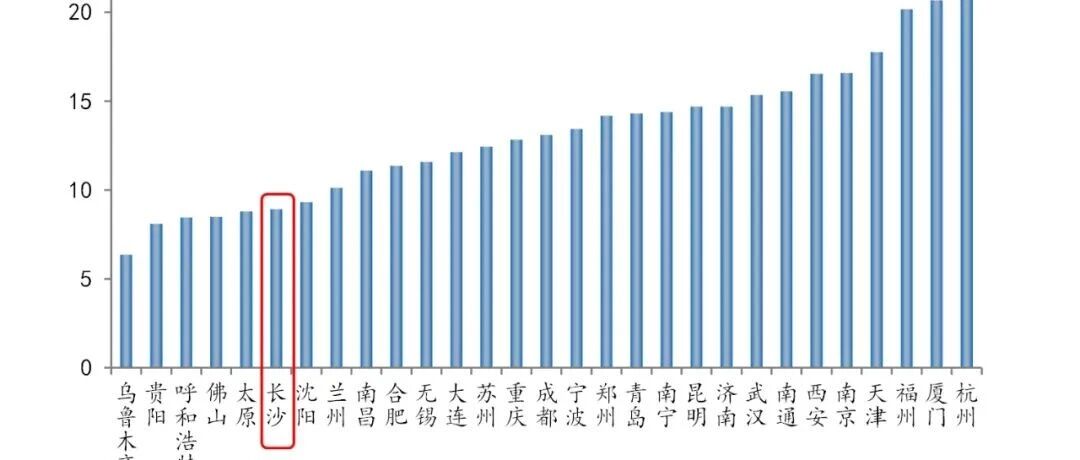
Core Viewpoint - The article emphasizes that high-quality development is the primary task for building a modern socialist country, with a focus on enhancing residents' happiness index as a crucial aspect of achieving this goal. The research ranks the happiness index of 337 cities in mainland China, identifying Nanjing, Hangzhou, and Changsha among the top ten happiest cities in 2023. Group 1: Nanjing - Nanjing is recognized for its rich historical background, excellent transportation network, and abundant educational resources. The city has a favorable climate and high urban greenery, with a green coverage rate of 45.0% and a green land rate of 40.8% [8][9] - In 2022, Nanjing's GDP per capita reached 179,000 yuan, ranking first among provincial capital cities in China. The city has a diverse industrial structure, primarily driven by modern services and advanced manufacturing [9][10] - Nanjing boasts a concentration of higher education institutions, including 8 211 universities and 12 double first-class universities, and is a significant transportation hub with a well-developed public transport network [10] Group 2: Hangzhou - Hangzhou is characterized by its blend of historical heritage and modern vitality, with a strong emphasis on ecological civilization. The city has an air quality rate of 83.3% and a forest coverage rate of 65.3% [15][16] - The digital economy is a key driver of Hangzhou's growth, with the core industry value added exceeding 507.6 billion yuan in 2022, accounting for over 27.1% of the city's GDP [16][17] - The city maintains a strong population attraction, with a total population of 12.376 million by the end of 2022, and a continuous improvement in urbanization rate [17] Group 3: Changsha - Changsha is known for its vibrant night economy and balanced urban-rural development, with the night economy retail sales accounting for about 60% of the city's total retail sales in 2022 [21][22] - The city has a low cost of living among second-tier cities, with a housing price-to-income ratio of 8.9, making it attractive for young talents [22] - Changsha's urban-rural income disparity is minimal, with a ratio of 1.7, and the average disposable income for urban residents reached 35,481 yuan in 2023 [22] Group 4: Hefei - Hefei is recognized as the first "China Climate Comfortable City" provincial capital, with an air quality rate of 86.0% and a favorable climate for living [23][24] - The city has experienced rapid economic growth, with a GDP growth rate of 7.4% in the first half of 2023, entering the top 20 cities in China [24][25] - Hefei's population growth rate is the highest in the country, supported by its strong educational resources and innovation capabilities [25] Group 5: Zhoushan - Zhoushan is the only fourth-tier city in the top ten happiest cities, known for its beautiful island scenery and rich marine resources [27][28] - In 2022, Zhoushan's GDP per capita reached 167,000 yuan, ranking first in Zhejiang Province, with a low housing price-to-income ratio of 7.7 [28][29] - The city has a strong focus on ecological protection and sustainable development, with a PM2.5 annual average concentration of only 14 micrograms per cubic meter [29] Group 6: Wuhu - Wuhu is recognized as the second city in Anhui, with a strong focus on high-end manufacturing and a GDP of 450.21 billion yuan in 2022 [32][33] - The city has a low housing price-to-income ratio of 8.4, making it attractive for residents and contributing to stable population growth [33][34] - Wuhu's population growth rate was 1.6% in 2022, ranking third in the country, supported by favorable economic conditions and talent attraction policies [34] Group 7: Suzhou - Suzhou is an industrial powerhouse with the highest economic strength in Jiangsu Province, achieving a GDP of 2.4 trillion yuan in 2022 [36][37] - The city has a reasonable housing price-to-income ratio of 12.4, making it more affordable compared to other cities with similar economic strength [36] - Suzhou's urban construction and transportation infrastructure are well-developed, providing residents with a high quality of life [37] Group 8: Ningbo - Ningbo is a historical port city with a GDP of 1.57043 trillion yuan in 2022, showing a growth of 3.5% [41][42] - The city has a balanced urban-rural development, with a disposable income ratio of 1.7, indicating a narrowing income gap [42] - Ningbo's transportation infrastructure is highly developed, with an average commuting time of 31.3 minutes, contributing to residents' satisfaction [42] Group 9: Dalian - Dalian is known as the "Northeast Window," with a GDP of 843.09 billion yuan in 2022, ranking first in Liaoning Province [47][48] - The city has the highest population growth rate in Northeast China, supported by its quality education and healthcare resources [48] - Dalian's air quality is among the best in the country, with a high number of days with good air quality [46] Group 10: Zhuhai - Zhuhai is recognized for its excellent ecological environment, with a per capita GDP of 164,000 yuan in 2022 [49][50] - The city has a strong talent attraction capability, with a population growth of 58.8% from 2010 to 2022 [51] - Zhuhai's economic structure is diverse, focusing on high-end manufacturing and high-tech industries [50][51]

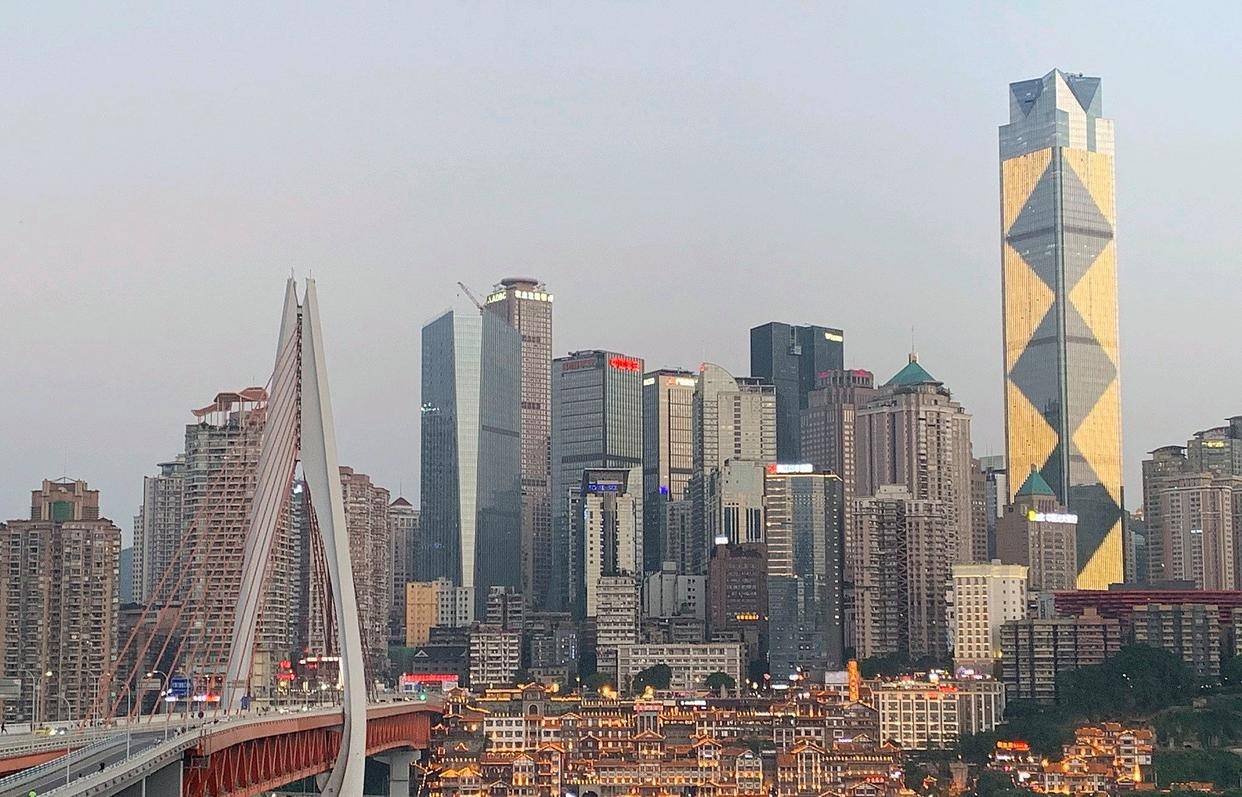
重庆登顶消费第一城,武汉长沙合肥能中部城市崛起?
Sou Hu Cai Jing· 2026-02-10 05:55
Core Viewpoint - The article discusses the rise of central cities in China, highlighting the economic growth and development opportunities presented by the national strategy of "Central Rise" and the integration of industry, culture, and tourism as key drivers for this transformation [2][4][76]. Economic Growth - The total GDP of the six central provinces reached 5.55 trillion yuan in the first half of 2024, with a year-on-year growth of 8.9%, slightly below the national average of 11.4% [2][3]. - Wuhan leads the central region with a GDP of 997.5 billion yuan, followed by Zhengzhou at 903.4 billion yuan, showcasing their strengths in high-end manufacturing and modern services [3][8]. Urban Development Models - The article emphasizes the need for a "production-city integration" model, which combines industrial development with urban planning, infrastructure, and public services to create a mutually beneficial relationship between industry and urban life [3][4]. - Central cities are responding to national strategies and seizing new opportunities, with cities like Wuhan, Changsha, Zhengzhou, and Hefei emerging as leaders in this transformation [4][76]. Cultural and Tourism Integration - Cultural tourism has become a new engine for the transformation of central cities, leveraging rich historical and natural resources to develop unique local tourism projects [4][24]. - The integration of culture and tourism is seen as essential for enhancing the competitiveness of central cities, yet many face challenges in effectively combining these sectors [26][30]. Challenges Faced by Central Cities - Central cities struggle with branding, lacking a memorable and representative "super IP" that can effectively communicate their unique identities [26][28]. - There is a disconnect between cultural tourism and industrial development, with both sectors often operating independently without synergy [30][32]. Future Development Strategies - The article suggests that central cities should focus on identifying and leveraging their unique cultural and industrial strengths to create distinctive brands and improve their market presence [54][57]. - Emphasis is placed on the importance of collaboration among government, enterprises, and society to achieve a cohesive brand strategy that integrates industry, culture, and urban development [58][60].
湖南省长沙市天心区:探索新消费产业发展新路径
Ren Min Ri Bao· 2025-12-10 22:14
Core Viewpoint - Changsha's Tianxin District has made significant progress in developing new consumption industries, supported by government policies and initiatives aimed at enhancing consumer quality and efficiency [1][2]. Group 1: Policy Support - Tianxin District has released development plans such as the "International Consumption Center and International Cultural and Creative Center Development Plan" and the "Three-Year Action Plan for High-Quality Development of New Consumption (2023-2025)" [1]. - The district has implemented a selection process for "Four New Economy Demonstration Enterprises" and new consumption industry demonstrations, along with the "Tianxin Red" talent program, recognizing 8 new consumption economic talents and 21 key talents from new consumption enterprises [1]. Group 2: Platform Development - The first "Tianxin District Night Economy Service Center" was established in 2019, and the Changsha New Consumption Research Institute was founded in 2022, utilizing an 800 million yuan fund to support new consumption enterprises with financing and human resources [1]. - The Changsha New Consumption Gig Market was created, along with the "Xiaochi Technology" platform, which has onboarded over 6,100 employers, providing more than 790,000 job positions and serving 810,000 individuals [1]. Group 3: Technological Empowerment - The Huangxing South Road Cultural and Business District has developed a smart platform for real-time monitoring, data collection, and consumer behavior analysis, contributing to the establishment of national demonstration smart business circles and stores [2]. - New immersive experiences have been created, with popular attractions like the Du Fu Pavilion and Tianxin Pavilion becoming new hotspots for visitors [2]. Group 4: Environmental Optimization - The district aims to be a benchmark for the business environment in the province, enhancing the "Wuyi Credit Demonstration Business Circle" and initiating a consumer complaint pre-compensation program [2]. - By the end of October this year, 9,200 merchants have been covered under the "one code per household" initiative, with 78 pre-compensation cases processed and a 100% satisfaction rate for follow-up visits [2]. - The healthy and harmonious consumer environment has attracted 46 flagship and first-store brands to the Wuyi Business Circle this year [2].
前三季度GDP30强城市预测:重庆第4,长沙接近无锡,温州27
Sou Hu Cai Jing· 2025-10-13 14:16
Core Insights - The GDP forecast for the first three quarters of 2025 indicates a new dynamic in China's economic geography, with a multi-polar development trend among the top 30 cities [1] - Major cities like Shanghai, Beijing, and Shenzhen continue to lead, while new first-tier cities like Chongqing, Suzhou, and Chengdu show potential for breakthroughs [1][3] Group 1: Economic Performance of Major Cities - Shanghai leads with a GDP forecast of 40.48 trillion yuan, followed by Beijing at 38.35 trillion yuan and Shenzhen at 27.49 trillion yuan [7] - Chongqing, as the only city from the central and western regions in the top five, has a forecast of 24.42 trillion yuan, benefiting from the Yangtze River Economic Belt strategy [3] - New first-tier cities like Suzhou and Chengdu are expanding their economic scale, with Suzhou's GDP forecast at 19.83 trillion yuan and Chengdu at 18.29 trillion yuan [7] Group 2: Growth Drivers and Sectoral Performance - The industrial added value in Chongqing is growing at over 6%, with the digital economy's core industries increasing by over 15% [3] - In Changsha, the engineering machinery industry cluster has a production value exceeding 300 billion yuan, with leading companies seeing a 43% increase in overseas orders [5] - Wenzhou's GDP is projected to grow by 11.7%, driven by the digital transformation of traditional industries and a significant increase in cross-border e-commerce transactions [6] Group 3: Competitive Landscape and Future Outlook - The competition among cities is intensifying, with cities like Wuxi and Changsha closely contesting for positions in the top 15, showcasing their respective strengths in semiconductor and cultural industries [5][7] - The overall economic landscape is characterized by resilience, driven by technological innovation, industrial upgrades, and open integration [7] - The multi-dimensional drivers of economic growth are reshaping the competitive logic among cities, indicating a robust future for China's economy [7]
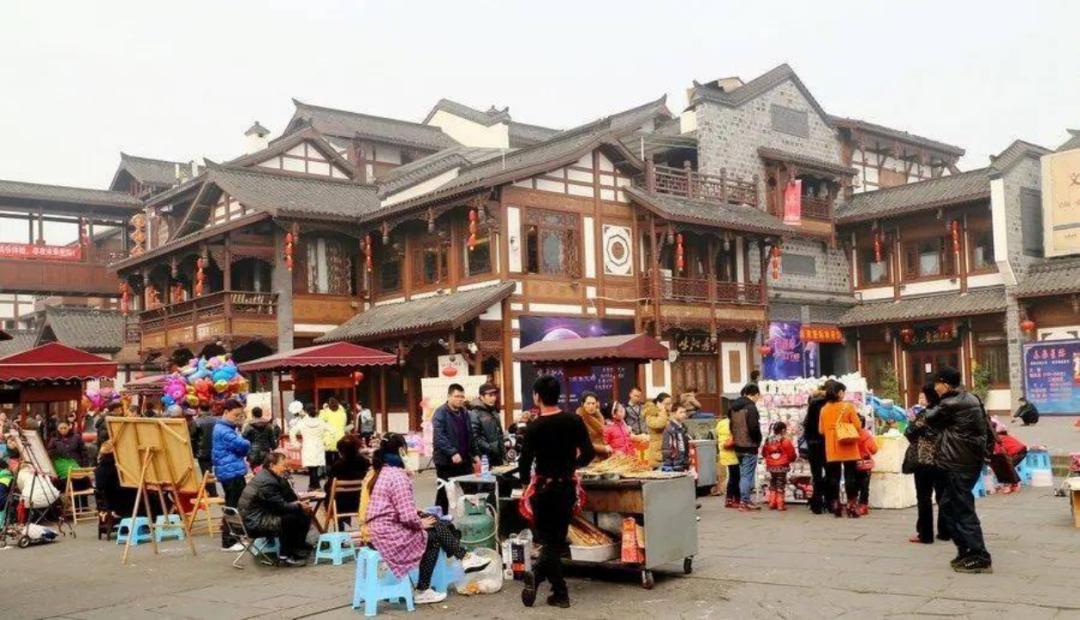
为什么网红文旅项目大多数都很短命?
3 6 Ke· 2025-09-08 00:23
Core Insights - The article discusses the transient nature of "internet celebrity cultural tourism" projects, highlighting their rapid rise and fall in popularity, often leading to closures within a few years [1] Group 1: Reasons for Short-lived Projects - Content homogenization is a significant issue, with many projects mimicking successful models, leading to a lack of uniqueness and visitor fatigue [2][4] - Many projects rely heavily on a single revenue model, primarily ticket sales, which can lead to financial difficulties when visitor numbers decline [5][6][8] - Over-marketing creates unrealistic expectations, resulting in disappointment among visitors when the actual experience does not match the promotional material [9][11] Group 2: Operational Challenges - Poor operational management and inadequate service quality can diminish visitor experiences, contributing to a decline in repeat visits [12][14] - Many projects suffer from a lack of strategic planning and innovation, often resulting in a failure to differentiate themselves in a crowded market [15][16][18] Group 3: Conclusion and Future Directions - The article emphasizes the need for cultural tourism projects to focus on delivering genuine value and quality experiences rather than chasing fleeting trends [19]
中部大省,拼命“抢人”
Mei Ri Jing Ji Xin Wen· 2025-05-30 14:32
Group 1 - The core viewpoint of the articles is that Hunan Province is implementing a strategic initiative to attract and retain young talent, particularly university graduates, to foster innovation and entrepreneurship, which is seen as crucial for long-term development [2][3][6] - Hunan's "Double Backpack" action plan aims to provide comprehensive support for young entrepreneurs, from initial setup to market entry, reflecting a systematic approach to talent retention [2][16] - The "Intelligent Gathering of Xiang River Talent" series of actions includes job fairs and recruitment events targeting both local and national talent, with over 30,000 job openings available [8][10] Group 2 - The competition for talent has intensified across various cities in China, with a shift from quantity to quality in talent acquisition strategies, focusing on meeting industry needs and fostering innovation [3][5] - Hunan's initiatives are part of a broader trend where cities are recognizing the importance of creating a conducive environment for talent retention, including affordable living and high-quality life [12][13] - The tourism sector in Hunan is also being leveraged to attract talent, with significant visitor numbers and revenue contributing to the local economy, thus creating more job opportunities [10][14] Group 3 - Hunan's approach includes a multi-faceted strategy that encompasses policy support, economic development, and quality of life improvements to create an attractive environment for young professionals [12][16] - The province's focus on entrepreneurship is underscored by the low startup rates among graduates in China compared to global standards, with Hunan aiming to bridge this gap through innovative policies [6][15] - The "Xiang Business Return" initiative aims to attract local entrepreneurs back to Hunan, further enhancing the province's economic growth and talent pool [10][11]
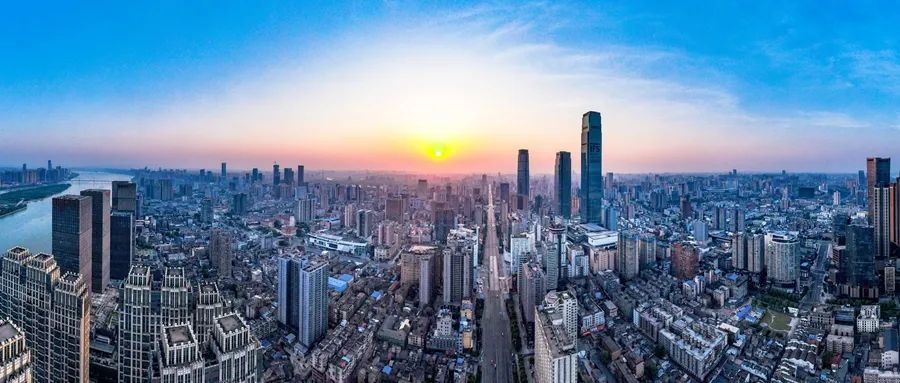
中国十大最具幸福感城市排名
泽平宏观· 2024-12-17 14:53
持强劲的人口虹吸效应,城镇化水平不断提升。杭州人口增速呈放缓趋势,城镇化率仍在提升, 2022年末杭州常住人口1237.6万人,增量位居全省11个地级市之首。 文:任泽平团队 导读 党的二十大报告提出,"高质量发展是全面建设社会主义现代化国家的首要任务"。 高质量发展 是满足人民美好生活需要的内在要求,因此, 提升居民的幸福感指数,对于提升人民获得感和 幸福感、实现高质量发展的最终目的至关重要。我们在《中国十大最具幸福感城市2023》研究报告 中对全国除港澳台外的337个地级及以上城市幸福感指数进行了客观排名, 南京、杭州、长沙、合 肥、舟山、芜湖、苏州、宁波、大连、珠海位居前十。 根据我们构建的城市幸福感指数评价体系, 生态环境、经济环境、社会环境是影响居民幸福感的三个重要维度。幸福在哪里?哪里最幸福? 摘要 NO1.南京:六朝古都,交通枢纽,教育资源丰富。 1)南京地处中国东部、长江下游,濒江近 海,气候宜居,地理位置优越,名胜古迹众多,城市绿化程度高。2)经济发展潜力巨大,人民物 质生活水平不断提高,2022年,南京市人均GDP17.9万元,居全国第六、中国省会城市第一。3) 交通便利,公共基础设施完备 ...