旅游专线

Search documents
服务消费再迎重磅政策利好,哪些亮点值得关注
Di Yi Cai Jing· 2026-01-30 07:58
Core Viewpoint - The State Council has issued a plan to accelerate the cultivation of new growth points in service consumption, focusing on optimizing service supply and enhancing consumer experience across various sectors [1][2]. Group 1: Key Areas of Service Consumption - The plan identifies key service consumption areas including transportation, housekeeping, online audio-visual services, travel, automotive aftermarket, inbound consumption, performance services, sports event services, and emotional experience services [1][2]. - The growth rate of service consumption is expected to exceed that of goods consumption during the 14th Five-Year Plan period, with emerging sectors like culture, education, sports, health, and travel driving significant growth [1][2]. Group 2: Policy Measures to Stimulate Growth - The plan outlines 12 policy measures aimed at stimulating development in key areas, including the integration of railway and tourism services, enhancing cruise consumption, and improving the overall service quality in transportation [2][3]. - The Ministry of Commerce emphasizes the importance of service consumption in driving domestic demand and improving the quality of life, highlighting its high frequency, strong multiplier effect, and sustainable growth potential [2]. Group 3: Inbound Consumption and Tourism - The plan aims to boost inbound consumption by extending visa-free policies and enhancing the convenience of entry for foreign visitors, which is expected to significantly increase consumer spending [3]. - The focus on creating immersive consumption experiences and promoting high-quality international events and services is intended to attract more foreign tourists and enhance their spending in China [3]. Group 4: Sports Events and Economic Impact - The rise of sports events across the country is recognized as a key driver for upgrading local consumption, with initiatives to improve safety management and increase the supply of quality sports events [4][5]. - The economic impact of sports consumption is significant, contributing to growth in tourism, dining, accommodation, and retail sectors, thereby supporting sustainable economic development [5]. Group 5: Emotional Consumption Trends - Emotional consumption is emerging as a new trend, with the market expected to grow from 2.31 trillion yuan in 2024 to over 4.5 trillion yuan by 2029, indicating a shift towards personalized and quality-driven consumer demands [5][6]. - The plan encourages the development of emotional and experiential services while promoting a regulatory framework that supports innovation and protects consumer rights [5][6].
事关消费,国办印发重磅文件
财联社· 2026-01-29 10:45
Core Viewpoint - The State Council's recent work plan aims to accelerate the cultivation of new growth points in service consumption, focusing on key areas such as transportation, housekeeping, online audio-visual services, travel services, automotive aftermarket services, and inbound consumption, with a goal to enhance service supply and stimulate economic growth [1][5]. Group 1: Key Areas of Focus - **Transportation Services**: The plan includes policies to promote the integration of railways and tourism, enhance cruise services, and develop diverse tourism products, including themed trains and night cruises [6]. - **Housekeeping Services**: Support for innovative service models and smart scenarios in housekeeping, along with the establishment of service standards and vocational training to improve professionalism in the sector [6]. - **Online Audio-Visual Services**: Encouragement for private capital to engage in online audio-visual services, with a focus on enhancing content quality and technological advancements in ultra-high-definition services [7]. - **Travel Services**: Development of travel destination cities, improvement of infrastructure, and support for projects that utilize idle rural land for tourism [8]. - **Automotive Aftermarket Services**: Promotion of innovation in the automotive sector, including pilot programs in select cities, and support for the development of car culture and related events [8]. - **Inbound Consumption**: Expansion of visa policies and enhancement of inbound tourism marketing to improve the experience for international visitors [9]. Group 2: Potential Growth Areas - **Performance Services**: Optimization of performance management and encouragement for cross-regional tours, along with the establishment of incentive mechanisms for performing arts organizations [10]. - **Sports Event Services**: Improvement of safety management for large events, promotion of high-quality sports events, and support for outdoor sports destinations [10]. - **Emotional and Experiential Services**: Support for the development of new service categories and regulatory frameworks to foster innovation in emotional and experiential services [11]. Group 3: Support and Assurance - **Standard System Improvement**: Development of advanced standards for service consumption to promote healthy growth in new business models [12]. - **Credit System Enhancement**: Establishment of credit systems in various service sectors to encourage compliance and quality service delivery [12]. - **Financial Support Strengthening**: Utilization of existing funding channels to support service consumption growth, including loan interest subsidies and bond issuance for qualified enterprises [12].


利好来了!刚刚,国务院办公厅重磅发布!
券商中国· 2026-01-29 10:20
Core Viewpoint - The article discusses the release of the "Work Plan for Accelerating the Cultivation of New Growth Points in Service Consumption" by the State Council, aimed at optimizing and expanding service supply, focusing on key and potential areas to stimulate service consumption and support high-quality economic development [2][8]. Group 1: Key Support Policies - The plan emphasizes three main support policies: focusing on key areas such as transportation, domestic services, and online audiovisual services; nurturing potential areas like performance services and experiential services; and enhancing support through standard systems and financial backing [2][6][8]. - Specific measures include promoting the integration of railways and tourism, enhancing yacht consumption, and supporting the development of night tours and cruise services [3][4]. Group 2: Financial and Credit Support - The plan calls for increased consumer credit support, encouraging financial institutions to develop products tailored to service consumption characteristics and to assist eligible enterprises in issuing bonds [2][8]. - It also highlights the need for a robust financial support system to facilitate the growth of service consumption sectors, including culture, tourism, education, and sports [8]. Group 3: Development of Potential Areas - The article outlines initiatives to enhance performance services by optimizing management and safety protocols, and to improve sports event services by increasing the supply of quality events and supporting local sports activities [6][7]. - It mentions the importance of emotional and experiential services, advocating for a supportive regulatory environment and the establishment of new consumption scenarios [7]. Group 4: Infrastructure and Innovation - The plan encourages the development of infrastructure for travel and leisure, including the revitalization of rural land and properties for tourism purposes [4]. - It also promotes innovation in the automotive sector, including the exploration of vehicle modification management and the enhancement of car rental services [5].

成都立体交通网激活高质量发展新动能
Xin Lang Cai Jing· 2026-01-19 18:11
Core Insights - Chengdu's rail transit system has achieved an 800-meter coverage commuting ratio of 35%, ranking second among major cities in China, reflecting a 1% increase from the previous year, which translates to millions of new convenient commuting experiences for residents [8][9][10] Transportation Development - The Chengdu rail network has expanded to over 750 kilometers, evolving from a basic structure to a comprehensive transportation network that supports multi-polar collaboration and enhances urban commuting efficiency [9][10] - New lines, such as Line 27 and Line 30, connect key industrial zones and serve over 150,000 residents, significantly reducing commuting times and improving access to employment opportunities [9][10] - The upcoming cross-city rail line, the Ziyang Line, is expected to enhance regional connectivity, with 80% of peak commuters traveling across city borders, contributing to a "one-hour commuting circle" [10] Tourism and Economic Impact - Chengdu's efficient transportation network has bolstered its tourism sector, with Southeast Asian visitors significantly contributing to the influx of tourists, particularly to attractions like Xiling Snow Mountain [11][12] - The city has established direct flights to Southeast Asian countries, creating a "4-hour cross-border tourism circle," which enhances the attractiveness of Chengdu as a travel destination [12] - Competitive pricing for travel packages and seamless transportation options have made Chengdu an appealing choice for international tourists, with significant cost savings compared to other destinations [12] Urban Integration and Infrastructure - Recent infrastructure developments, including the opening of three new highways, have improved connectivity within the Chengdu metropolitan area, facilitating regional economic integration and cultural exchange [13][14] - The "big channel + micro-circulation" strategy aims to create a robust transportation network that supports both industrial and tourism growth, enhancing the overall quality of urban life [13][14]
中国产业经济行业 现状格局与投资规划分析报告2026年版
Sou Hu Cai Jing· 2025-12-20 13:41
Core Insights - The report provides a comprehensive analysis of the current state and future prospects of various industries in China, focusing on investment opportunities and macroeconomic factors influencing these sectors [3][4][5]. Group 1: Macroeconomic Environment - The report discusses the macroeconomic environment for industrial investment in China, including policies, economic growth, and foreign direct investment trends [3][4]. - It highlights the GDP growth forecast for 2025, indicating a positive outlook for economic expansion [3]. - The analysis includes fixed asset investment scale from 2020 to 2025, showing significant growth trends [3][4]. Group 2: Industry-Specific Investment Opportunities - The real estate sector is analyzed for its investment environment, including policy impacts and market conditions, with a focus on urban complexes and tourism real estate as key opportunities [5][6]. - The internet industry is identified as a strategic emerging sector, with investment opportunities in mobile payment and e-commerce [5][6]. - The energy sector is highlighted for its investment potential, particularly in renewable energy resources and processing [6][7]. Group 3: Mergers and Acquisitions - The report outlines the trends in mergers and acquisitions within various industries, noting increased regulatory scrutiny and the rise of private equity as a driving force [4][5]. - It discusses the active merger activities in cultural media and real estate sectors, indicating a dynamic market environment [4][5]. Group 4: Emerging Industries - New energy and new materials industries are emphasized for their growth potential, supported by government policies and increasing market demand [15][16]. - The biotechnology sector is also highlighted, with a focus on investment opportunities arising from policy support and market trends [15][16]. Group 5: Regional Investment Analysis - The report provides a detailed analysis of investment environments across different regions in China, identifying specific opportunities in provinces like Guangdong and Jiangsu [20][21]. - It emphasizes the importance of regional characteristics in shaping investment strategies and opportunities [20][21].

快进、慢游、绿色,皖南交旅融合蹚出哪些新路?
Di Yi Cai Jing· 2025-12-08 01:09
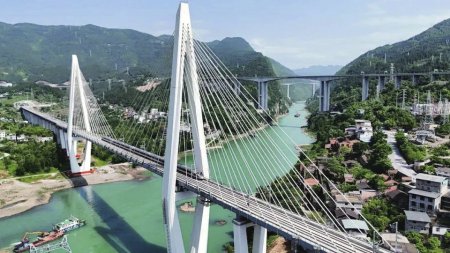
Core Viewpoint - The completion of the "Promoting the Integration of Transportation and Tourism in Southern Anhui" pilot project has established a comprehensive transportation infrastructure network, enhancing connectivity and service quality in the region's tourism sector [1][2]. Group 1: Infrastructure Development - The "Fast Access" transportation infrastructure network has been completed, linking major tourist attractions such as Qiyun Mountain, Huangshan, Jiuhua Mountain, Tianzhushan, and Dabie Mountain through high-speed rail and highways [1][2]. - A series of roads have been constructed to improve connectivity between main roads and scenic areas, including the Jingxian to Taohuatan to Huangshan road and the Wanfo Lake tourism road [1][2]. - The "Slow Travel" transportation infrastructure network has also been developed, featuring scenic routes and various slow travel systems like greenways and cycling paths [1][2]. Group 2: Pilot Project Outcomes - The pilot project has resulted in a basic establishment of the "Fast Access and Slow Travel" transportation infrastructure network, promoting a green transportation system and enhancing tourism service quality [2][5]. - The project has demonstrated strong innovation and has significant value for replication, contributing to the development of a new model for the integration of transportation and tourism [2][5]. Group 3: Future Plans and Policies - Over the next 1-2 years, the goal is to establish tourism scenic roads and centers, ensuring access to 4A and 5A scenic spots through multiple transportation modes [5]. - The Anhui Provincial Transportation Department has introduced a series of policy documents to guide the integration of transportation and tourism, including funding support for scenic road upgrades [5][6]. - The province has categorized scenic roads into three levels (FA, FB, FC) to optimize resource allocation and responsibility [5]. Group 4: Economic Impact and Community Development - The establishment of over 120 tourism bus lines and customized routes during peak seasons has improved accessibility to tourist destinations [6]. - The integration of solar power generation along highways has contributed to sustainability, with significant reductions in carbon emissions [6]. - Local communities have benefited from tourism development, with initiatives like the "township coordination + business integration" model enhancing local economies and creating job opportunities [6][7].

广西促进人工智能赋能丝路电商合作
Sou Hu Cai Jing· 2025-09-17 14:12
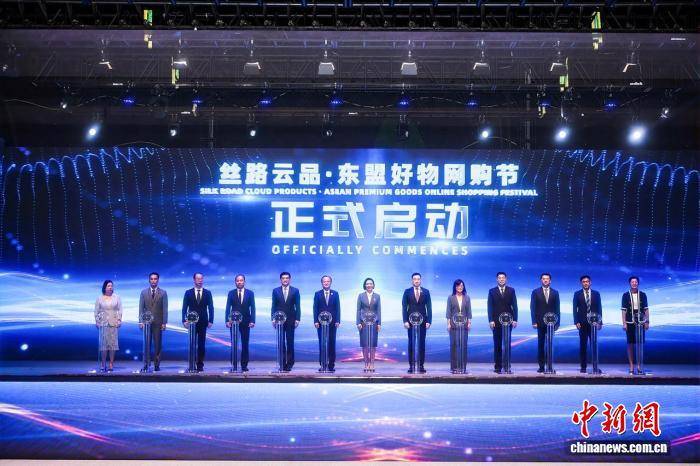
Core Insights - The event titled "AI Empowering the Silk Road E-commerce for a Brighter Future" was held in Nanning, focusing on the integration of AI technology in cross-border e-commerce between China and ASEAN [3][5] - The Guangxi Zhuang Autonomous Region government initiated mechanisms for "AI + E-commerce" innovation, education integration, and promotional activities to enhance collaboration with ASEAN [3][5] Group 1 - The event aims to explore new models and business formats for Silk Road e-commerce under the influence of AI technology [3] - Guangxi's cross-border e-commerce import and export volume reached 30 billion RMB from January to August this year, showing a year-on-year growth of over 110% [5] - Future plans include promoting AI-enabled Silk Road e-commerce cooperation and facilitating the entry of quality ASEAN products into the Chinese market [5] Group 2 - The event featured the launch of the Silk Road Cloud Products ASEAN Shopping Festival, providing consumers with a one-stop shopping experience for cross-border goods [5] - Yunnan Province's commerce department introduced its Silk Road e-commerce policy resources during the event [3] - The People's Daily chairman announced the AI Inclusive Port Plan to support ASEAN countries in building local language databases and large models [3]
“小票根”撬动“大消费” “交通+文旅”解锁消费新活力
Yang Shi Xin Wen· 2025-05-05 12:11
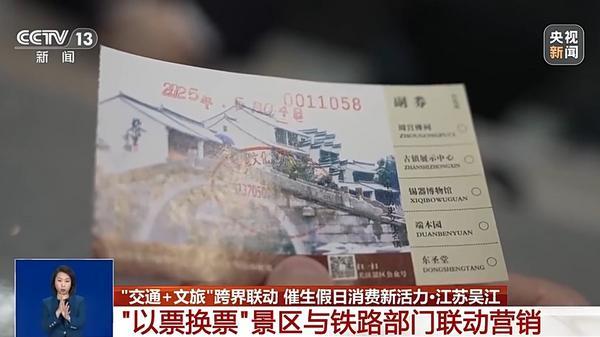
Group 1 - The "May Day" holiday has seen significant cross-industry marketing effects, particularly in "transportation + cultural tourism," driving the holiday economy's growth [1] - The "ticket exchange" initiative allows tourists to exchange high-speed train tickets for free scenic area tickets, leading to a surge in visitors to ancient towns like Lili [2][4] - In Changzhou, music festival ticket stubs serve as a "universal key" for discounts on accommodation and dining, promoting the integration of culture, commerce, and tourism [4] Group 2 - Various regions are actively promoting cultural tourism integration, with initiatives like discounts for train ticket holders attending local performances and staying in accommodations [5] - The "stamp collection" activity in Lushan integrates cultural elements into modern travel, allowing tourists to receive commemorative items after their visit [5] - Free tourist shuttle lines have been established in Jiaozuo, providing convenient access to popular local attractions for travelers [5]