
洛塞那肽

Search documents
司美格鲁肽等GLP-1用了以后怎么吃饭?这件事比你想的更重要
GLP1减重宝典· 2026-03-23 11:32
Core Viewpoint - The article discusses the emerging concept of "GLP-1 Friendly" foods, highlighting the need for dietary adjustments among GLP-1 users due to changes in appetite and satiety caused by GLP-1 medications. It emphasizes the importance of nutritional density in meals as overall food intake decreases [2][4][10]. Dietary Adjustments - GLP-1 medications lead to reduced appetite and food intake, necessitating a focus on the quality of nutrition rather than merely eating less. Users may experience decreased interest in high-calorie foods and an earlier onset of satiety [2][4]. - Insufficient protein intake during weight loss can result in muscle loss, affecting physical strength and metabolic state. Therefore, protein, dietary fiber, and hydration become crucial for GLP-1 users [6][9]. GLP-1 Friendly Foods - The term "GLP-1 Friendly" does not refer to a specific diet or commercial products but rather to prioritizing essential nutrients in limited meal opportunities. Users should focus on protein sources and include vegetables, fruits, and whole grains in their meals [6][10]. - While GLP-1 Friendly products may offer convenience for busy users, they lack a standardized medical definition and may not always meet nutritional needs. Users should evaluate the nutritional content of these products rather than relying solely on labels [8][9]. Practical Dietary Recommendations - Users are encouraged to rearrange their daily meals to ensure adequate protein intake, followed by vegetables, fruits, and whole grains. Smaller, more frequent meals can help maintain stable nutrient intake [9]. - Hydration is often overlooked but is essential for preventing constipation and fatigue. Users should avoid high-fat, high-sugar, or overly stimulating foods that may cause discomfort during medication use [9][10].


司美格鲁肽的使用,推动了长期被忽视病症的诊断
GLP1减重宝典· 2026-03-02 15:17
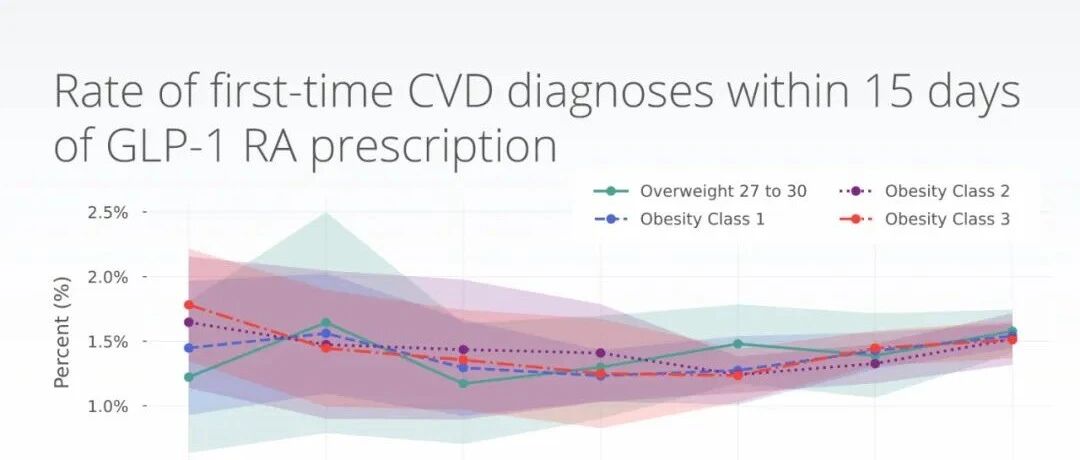
Core Viewpoint - The rise of GLP-1 receptor agonists (GLP-1 RAs) is transforming the healthcare landscape, with significant adoption among the population, particularly for treating obesity and cardiovascular diseases in addition to type 2 diabetes [2][4]. Group 1: Research Methodology - Truveta's study included patients who received their first GLP-1 RA prescription between January 2018 and October 2024, focusing on those with a BMI over 27, indicating overweight or obesity [6]. - The study analyzed the percentage of patients diagnosed with type 2 diabetes (T2D), cardiovascular disease (CVD), or sleep apnea within 15 days of their first GLP-1 RA prescription, particularly in the overweight/obese categories [6]. Group 2: First Prescription Rates - The percentage of new diagnoses within 15 days of the first GLP-1 prescription increased with the severity of obesity, with rates for T2D, CVD, and sleep apnea documented [7]. - The rates of new diagnoses were as follows: Overweight (2.5% T2D, 1.4% CVD, 0.5% sleep apnea), Obesity Class 1 (3.3% T2D, 1.4% CVD, 0.8% sleep apnea), Obesity Class 2 (3.9% T2D, 1.4% CVD, 1.1% sleep apnea), and Obesity Class 3 (5.1% T2D, 1.4% CVD, 1.5% sleep apnea) [8]. Group 3: Trends Over Time - The rate of first CVD diagnoses increased by 14.3% from 2020 to 2024, with a notable increase of 34.5% among overweight individuals [10]. - The incidence of sleep apnea diagnoses rose by 34%, from 0.8% in 2020 to 1.1% in 2024, with the highest increase seen in Obesity Class 1 [11]. - The prevalence of T2D diagnoses increased from 3.2% in 2020 to 4.2% in 2024, marking a 31.6% rise, with the increase correlating with higher obesity classes [12]. Group 4: Summary - The study provides insights into the evolving role of GLP-1 RAs in healthcare, particularly their potential as catalysts for early diagnosis and intervention in metabolic and related diseases among overweight or obese populations [14].
速递|和老板签“减肥对赌协议”,河南一员工1年狂瘦30斤拿了5000元奖励
GLP1减重宝典· 2026-02-07 04:43
Core Viewpoint - The article discusses the growing interest and developments in GLP-1 medications, which are used for weight loss and diabetes management, highlighting their mechanism of action and the potential benefits they offer in these areas [14]. Group 1: GLP-1 Medications Overview - GLP-1 (Glucagon-like peptide-1) is a hormone produced by intestinal L cells, classified as an incretin, which enhances insulin secretion in a glucose-dependent manner and suppresses glucagon secretion [14]. - GLP-1 receptor agonists are a new class of diabetes medications that also aid in weight loss by delaying gastric emptying and reducing appetite through central mechanisms [14]. Group 2: Industry Engagement and Community - The "GLP-1 Club" has established a network of hundreds of professionals, creating a comprehensive expert database that covers various sectors of the GLP-1 industry, making it a primary choice for industry insights [10]. - The article mentions a weight loss challenge involving two individuals in Zhengzhou, who entered a "bet agreement" with their employer to lose weight, reflecting the increasing societal focus on weight management [4].

为什么使用司美格鲁肽等GLP-1药物减肥期间一定要多喝水?
GLP1减重宝典· 2026-01-25 14:10
Core Viewpoint - The article emphasizes the importance of hydration for individuals using GLP-1 medications for weight loss, highlighting that adequate water intake can enhance the efficacy of the drugs and mitigate side effects [5][7][8]. Group 1: Importance of Hydration - Water constitutes about 20% of daily total water intake from food, and using GLP-1 medications may lead to reduced food intake and potential dehydration risks [5] - Proper hydration is crucial for digestion and drug metabolism, ensuring sufficient digestive fluids are available to aid in food breakdown and nutrient absorption [7] - Insufficient water intake can lead to constipation and bloating, which may hinder weight loss efforts [7] Group 2: Symptoms of Dehydration - Users of GLP-1 medications may experience mild dehydration, leading to symptoms such as headaches, muscle cramps, nausea, constipation, fatigue, and dizziness [8] - Dehydration can exacerbate common gastrointestinal side effects of GLP-1, such as nausea and constipation, making hydration particularly important for those experiencing vomiting or diarrhea [8] Group 3: Detoxification and Fat Metabolism - Water aids in the elimination of toxins released from fat cells during weight loss, preventing their accumulation and ensuring effective metabolism [9] - Adequate hydration is necessary for the body to metabolize fat efficiently, as insufficient water can slow down weight loss progress [10] Group 4: Energy Levels and Exercise Performance - Fatigue is a common side effect of dehydration and weight loss medications; drinking water can help restore energy levels [12] - Hydration is essential for muscle function, endurance, and recovery, especially when exercise is part of a weight loss plan [12] Group 5: Hydration Guidelines - There are no specific guidelines for water intake for individuals using GLP-1 medications, but general recommendations suggest women should consume about 91 ounces and men about 125 ounces of water daily [13] - Individual hydration needs may vary based on factors such as body size, other medications, outdoor temperature, and physical activity [13] Group 6: Monitoring Hydration - A simple method to check hydration status is by observing urine color; light yellow indicates adequate hydration, while dark yellow suggests a need for increased intake [14] - Keeping track of fluid intake and ensuring regular hydration throughout the day can help meet daily liquid goals [14]

减重约20%的替尔泊肽,你能用吗?
GLP1减重宝典· 2026-01-22 11:06
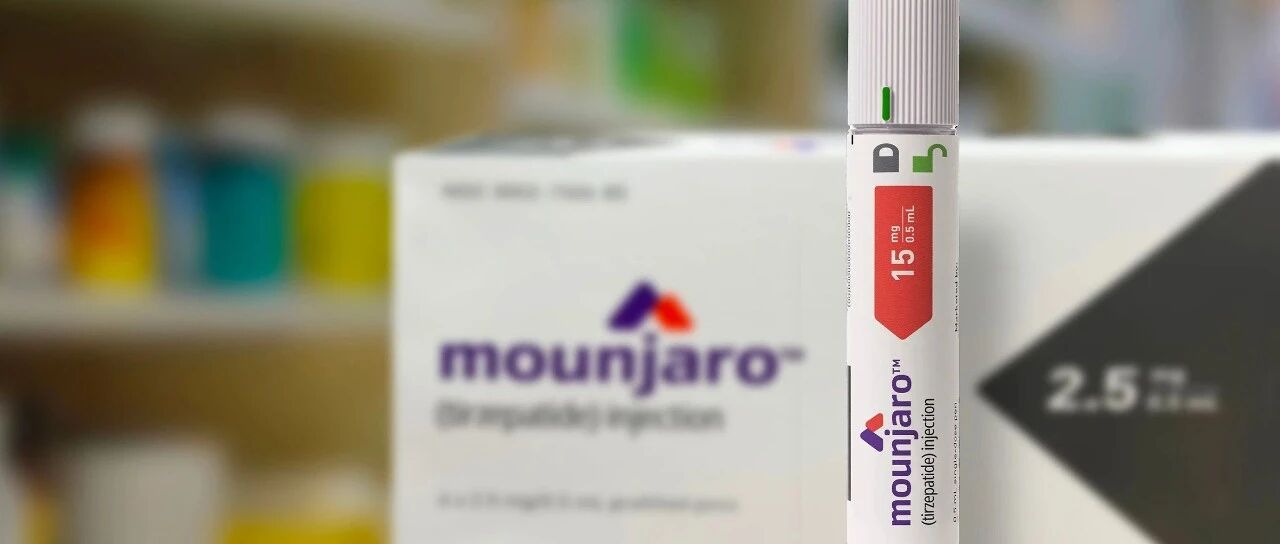
Core Viewpoint - Tirzepatide is a drug that has gained attention in diabetes treatment and weight management, mimicking the action of the natural GLP-1 hormone to regulate blood sugar levels, promote insulin secretion, suppress appetite, and delay gastric emptying [4][10]. Mechanism of Action and Clinical Advantages - Tirzepatide activates GIP/GLP-1 receptors, promoting insulin secretion when blood sugar rises, reducing glucagon release, delaying gastric emptying, and suppressing appetite, making it advantageous for treating type 2 diabetes and obesity [6][7][8][9][10]. Main Indications - **Type 2 Diabetes Patients**: Suitable for adults with poorly controlled blood sugar despite diet and exercise, especially those who are overweight or obese, as 67.7% of diabetes patients in China are overweight/obese [11][12]. - **Obesity Patients**: Effective for adults with a BMI ≥28 kg/m² or ≥24 kg/m² with at least one weight-related comorbidity [13][20]. Contraindications and Precautions - Not suitable for type 1 diabetes patients, those with diabetic ketoacidosis, severe gastrointestinal diseases, history of medullary thyroid carcinoma, pregnant or breastfeeding women, and patients with hypersensitivity [14][15][16][17]. Patient Characteristics Suitable for Tirzepatide - **Weight Management Needs**: Patients with a BMI ≥28 kg/m² or ≥24 kg/m² with comorbidities [20]. - **Blood Sugar Control Needs**: Patients with poorly controlled blood sugar on other medications [21]. - **Simplified Treatment Needs**: Patients preferring less frequent dosing [22][23]. - **Low Hypoglycemia Risk**: Suitable for elderly patients and those in high-risk occupations [24][25]. Adverse Reactions and Management Strategies - Common adverse reactions include gastrointestinal issues (nausea, vomiting, diarrhea) and injection site reactions [27][28]. Management strategies involve gradual dose escalation and dietary adjustments [30][31]. Combination Use with Other Medications - **With SGLT-2 Inhibitors**: Can improve blood sugar control and weight loss [33]. - **With Insulin**: Can reduce insulin dosage and mitigate weight gain associated with insulin [34][35]. Future Development Directions - **Oral Formulations**: Development of oral tirzepatide formulations to enhance patient options [36][37]. - **Applications in Specific Patient Populations**: Research on its use in obese patients with heart failure and obstructive sleep apnea [38][40]. - **Personalized Treatment**: Potential for genetic testing to identify suitable patients for tirzepatide [41][42]. Efficacy - Clinical studies show that tirzepatide can reduce HbA1c by an average of 2.37% and lead to an average weight loss of 10.3 kg in type 2 diabetes patients [43]. It is the first drug to achieve over 20% weight loss in obese patients in phase 3 trials [43]. Conclusion - Tirzepatide offers multiple metabolic benefits for treating type 2 diabetes and obesity, suitable for patients needing blood sugar and weight control, with attention to contraindications and personalized treatment [44].
速递|英国三大内分泌权威组织解答:GLP-1 受体激动剂与甲状腺癌的四大疑问
GLP1减重宝典· 2026-01-13 14:15
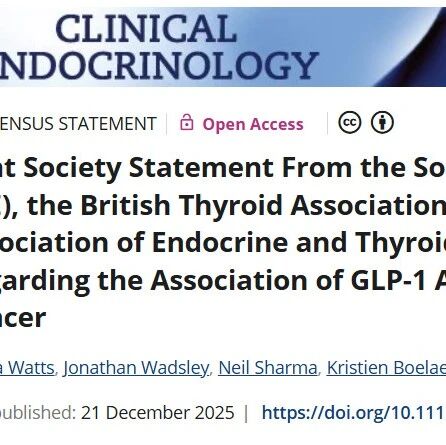
Core Viewpoint - The joint statement from UK endocrine and thyroid associations indicates that GLP-1 receptor agonists show clear metabolic and cardiovascular benefits in treating type 2 diabetes and obesity, but concerns regarding their safety related to thyroid cancer, particularly medullary thyroid carcinoma, need clarification based on existing evidence [3][4]. Summary by Sections Question 1: Does GLP-1 receptor agonists increase the risk of thyroid cancer? - The core conclusion of the joint statement is that current evidence does not support a causal link between GLP-1 receptor agonists and thyroid cancer. Clinical studies and follow-ups have not observed a clinically significant increase in thyroid cancer risk shortly after starting the medication [4]. - Initial concerns stemmed from animal studies where long-term exposure to certain GLP-1 receptor agonists led to changes in thyroid C cells and an increased incidence of medullary thyroid carcinoma. However, these findings have not been consistently replicated in human studies [4]. - High-quality population studies have not shown a substantial increase in thyroid cancer risk associated with the use of GLP-1 receptor agonists [4]. Question 2: Can patients with hyperthyroidism, hypothyroidism, benign nodules, or goiter use GLP-1 receptor agonists? - The joint statement suggests that common thyroid diseases such as hyperthyroidism, hypothyroidism, benign thyroid nodules, or goiter do not constitute special restrictions for using GLP-1 receptor agonists. Existing systematic reviews and clinical data do not indicate a significant increase in thyroid function abnormalities or nodule-related risks in these patients [6]. Question 3: Can patients with differentiated thyroid cancer use GLP-1 receptor agonists? Does it increase recurrence risk? - There is currently no evidence that GLP-1 receptor agonists increase the recurrence risk of differentiated thyroid cancer, which includes papillary, follicular, and anaplastic thyroid cancers. For patients who have been treated and are in follow-up, these medications can be used if they provide clear benefits in weight control, blood sugar management, or cardiovascular metabolism [7]. Question 4: Can patients with medullary thyroid carcinoma or MEN2-related risk populations use GLP-1 receptor agonists? - The joint statement aligns with existing medication warnings, advising against the use of GLP-1 receptor agonists in individuals with a history of medullary thyroid carcinoma, known pathogenic RET gene mutations, or a family history of multiple endocrine neoplasia type 2 (MEN2). In rare cases where strong medical reasons exist, careful decision-making should occur within a multidisciplinary team [8]. Summary Points - Overall, the consensus from authoritative organizations in the UK endocrine and thyroid fields indicates that GLP-1 receptor agonists remain a safe and effective treatment option for most populations, with current evidence not supporting a clear causal link to thyroid cancer. In cases with clear indications, there should be no blind cessation or refusal of use due to generalized concerns [9]. - Caution is warranted for a small number of high-risk populations, particularly those related to medullary thyroid carcinoma or MEN2, who should adhere to contraindications or use the medication cautiously within a multidisciplinary framework [10].
速递|史上首个!礼来市值突破万亿美元
GLP1减重宝典· 2025-11-22 03:28
Core Insights - Eli Lilly's market capitalization reached $1 trillion, making it the first pharmaceutical company to achieve this milestone [2] - Over the past two years, Eli Lilly's market value has significantly outpaced major competitors like Johnson & Johnson and Novo Nordisk [3] Market Comparison - Eli Lilly's market value of approximately 71,116 billion RMB is equivalent to 4.18 times the total market capitalization of all A-share pharmaceutical companies valued over 1 billion RMB [7][9] - This valuation is roughly equal to the combined market capitalizations of 17.63 Heng Rui Medicine, 22.76 BeiGene, 25.37 WuXi AppTec, 46 Bai Li Tian Heng, or 67 Pian Zai Huang [9]

速递 | 外国人,是如何教外企跟中国BioPharma打交道的?
GLP1减重宝典· 2025-11-06 08:17
Core Insights - The article discusses the growing interest of Western pharmaceutical companies in China's biopharmaceutical market, highlighting both opportunities and challenges in collaboration with local firms [4][11]. Group 1: Cultural Differences - One of the main challenges in collaborating with Chinese companies is the cultural differences, particularly in communication and decision-making processes [7][8]. - In China, decision-making is often hierarchical, with authority resting with founders or chairpersons rather than operational CEOs, necessitating careful identification of decision-makers by foreign firms [7][19]. - Building trust through informal interactions over 6 to 12 months is crucial, as relationships (guanxi) play a significant role in Chinese business culture [7][19]. Group 2: Decision Dynamics and Collaboration Models - The rapid development of China's biopharmaceutical industry has led to a shift from merely importing Western assets to a more globalized collaboration model, with Chinese firms increasingly focusing on independent R&D [9][11]. - Foreign companies need to understand the importance of "headline numbers" in negotiations, which often reflect high upfront payments or market promotion figures, and adjust contract structures accordingly [9][11]. Group 3: Risk Management and Data Transparency - Data transparency remains a challenge, as the quality of data provided by Chinese biopharmaceutical companies may not always meet FDA or EU standards, necessitating thorough due diligence [10][15]. - Collaborating with local experts can help foreign firms ensure data accuracy and mitigate risks associated with data discrepancies [10][15]. Group 4: Future Outlook - Despite challenges, foreign companies maintain confidence in the Chinese biopharmaceutical market due to its rapid growth, large market demand, and supportive government policies [11][24]. - Partnerships with Chinese firms are essential for cost savings of 40%-70%, and future collaboration models will likely become more diverse, including joint ventures and new business units [11][24].
翰森制药(03692.HK):2025年中报发布 内生增长超预期
Ge Long Hui· 2025-09-15 19:29
Core Viewpoint - The company reported strong financial performance for H1 2025, with total revenue of 7.434 billion RMB, a year-on-year increase of 14.3%, and a net profit attributable to shareholders of 3.135 billion RMB, up 15.02% [1] Financial Performance - Total revenue for H1 2025 reached 74.34 billion RMB, reflecting a 14.3% year-on-year growth [1] - Net profit attributable to shareholders was 31.35 billion RMB, marking a 15.02% increase compared to the previous year [1] - Revenue from innovative drug products amounted to 61.45 billion RMB, up 22.1%, accounting for 82.7% of total revenue [1] Product Revenue Breakdown - Revenue from the oncology product portfolio, including drugs like Amatinib and Flumatinib, was 45.31 billion RMB, remaining stable year-on-year [1] - Revenue from the anti-infection product portfolio, including Adefovir and Metronidazole, reached 7.35 billion RMB, a 4.9% increase [1] - Revenue from the central nervous system disease product portfolio, including Inalizumab, was 7.68 billion RMB, up 4.8% [1] - Revenue from the metabolic and other diseases product portfolio surged to approximately 14.00 billion RMB, a significant increase of 134.5% [1] Strategic Developments - The company received an upfront payment of 112 million USD from MSD for the agreement related to HS-10535 (an oral small molecule GLP-1RA) [1] - The sales data from sample hospitals indicated a growth from 18.41 million RMB in 2020 to 1.784 billion RMB in 2024, with a compound annual growth rate of 214% [2] - Amatinib has expanded its indications related to NSCLC, with four approved indications and additional ones under review [2] Clinical Development - The company has over 40 candidate innovative drugs undergoing more than 70 clinical trials as of H1 2025 [3] - Eight new innovative drugs entered clinical trials in H1 2025, including HS-20122 (EGFR/c-Met ADC) and HS-10510 (PCSK9) [3] - Three new drugs entered Phase III clinical trials, including HS-20137 (IL-23p19) for psoriasis and two ADCs for bone and soft tissue sarcoma and ovarian cancer, with overseas rights granted to GSK [3] Revenue and Profit Forecast - The company's revenue forecast for 2025 has been revised upward from 13.741 billion RMB to 14.668 billion RMB, with expected revenues of 15.835 billion RMB and 17.779 billion RMB for 2026 and 2027, respectively [3] - The net profit forecast for 2025 has been adjusted from 4.746 billion RMB to 5.167 billion RMB, with expected net profits of 5.325 billion RMB and 6.133 billion RMB for 2026 and 2027, respectively [3]

天风证券:维持翰森制药“增持”评级 25年中报显示内生增长超预期
Zhi Tong Cai Jing· 2025-09-15 09:14
Core Viewpoint - Tianfeng Securities maintains an "overweight" rating for Hansoh Pharmaceutical, adjusting revenue and net profit forecasts for 2025, 2026, and 2027 due to expected large BD transaction payments [1] Group 1: Financial Performance - The revenue forecast for 2025 is raised from 137.41 billion to 146.68 billion RMB, with expected revenues of 158.35 billion and 177.79 billion RMB for 2026 and 2027 respectively [1] - The net profit forecast for 2025 is increased from 47.46 billion to 51.67 billion RMB, with expected net profits of 53.25 billion and 61.33 billion RMB for 2026 and 2027 respectively [1] - In the first half of 2025, total revenue reached 74.34 billion RMB, with a net profit of 31.35 billion RMB [1] Group 2: Product Performance - Revenue from innovative drug products reached 61.45 billion RMB, accounting for 82.7% of total revenue [1] - The metabolic and other fields saw significant growth, with revenue from this segment approximately 14.00 billion RMB, a year-on-year increase of 134.5% [1] - The anti-tumor product portfolio, including Amatinib and Flumatinib, generated revenue of 45.31 billion RMB, remaining stable year-on-year [1] Group 3: Innovation and Clinical Development - Over 40 candidate innovative drugs are undergoing more than 70 clinical trials, with 8 new drugs entering clinical trials in the first half of 2025 [3] - Three drugs have entered Phase III clinical trials, including HS-20137 for psoriasis and HS-20093 and HS-20089 for sarcoma and ovarian cancer respectively [3] - The TYK2 inhibitor HS-10374 is also in Phase III trials, showing low skin toxicity risk [3] Group 4: Market Position and Growth - Amatinib, as the first domestic third-generation EGFR TKI, has seen rapid sales growth, with a compound annual growth rate of 214% from 2020 to 2024 [2] - Amatinib is expanding its indications related to NSCLC, with four approved indications and additional ones expected in 2025 [2] - The drug received approval from the UK MHRA in June 2025, marking Hansoh's first entry into the overseas market [2]
