
海南糟粕醋

Search documents
儋州万宁乐东定安昌江白沙6市县代表答记者问
Hai Nan Ri Bao· 2026-01-31 02:20
Core Viewpoint - The press conference highlighted the transformation of various industries in six counties of Hainan, focusing on sustainable development and the promotion of local specialties, aiming to attract investment and enhance economic growth. Group 1: Industry Transformation - Changjiang is shifting its industrial structure from "black and gray" to "blue and green," emphasizing the development of clean energy, new materials, and smart computing [2][6] - Danzhou's shipping hub capabilities have significantly improved, with the registration of 82 vessels and a total capacity exceeding 7.62 million deadweight tons during the 14th Five-Year Plan period [6][11] - The industrial park in Ding'an has entered the "billion-yuan park" category, focusing on local specialties like coconut milk and coffee [10] Group 2: Agricultural Development - Ledong's winter melon occupies a 65% market share in the national winter market, showcasing the success of tropical specialty agriculture [2][9] - The county has successfully established provincial industrial parks for seed breeding and winter melon, leading in the export of winter vegetables [9] Group 3: Tourism and Cultural Integration - Wanning aims to enhance its tourism sector by leveraging its surfing culture and tropical rainforest resources, planning events like the "Wanning Marathon" to attract visitors [9] - The integration of "duty-free + cultural tourism" is expected to stimulate consumer activity in Wanning [9] Group 4: Investment Opportunities - Danzhou's health food processing sector has become the first hundred-billion-level manufacturing cluster directly stimulated by free trade port policies in Hainan [11] - The counties are encouraged to attract investors by showcasing their unique industrial flavors and opportunities for high-quality development in the Hainan Free Trade Port [11]
抢抓封关机遇 瞄向国际餐桌|贵州酸汤在海南投资建厂
Sou Hu Cai Jing· 2026-01-08 00:21
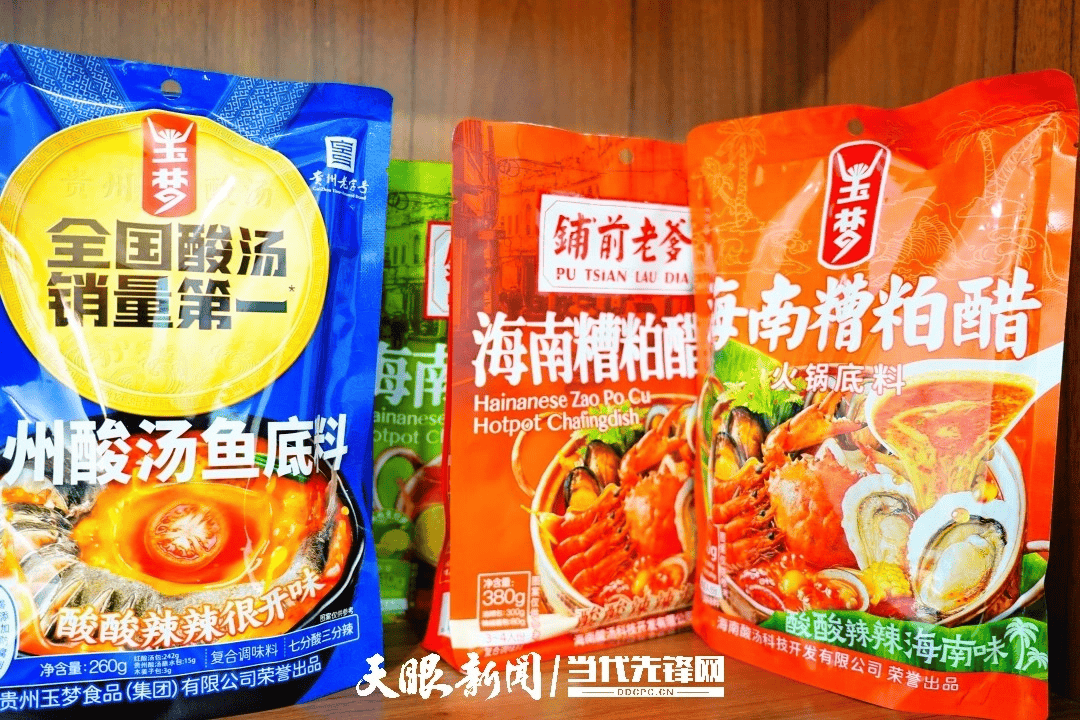
Core Insights - Guizhou Yumeng Food (Group) Co., Ltd. is actively expanding its operations in Hainan, leveraging the opportunities presented by the Hainan Free Trade Port to establish a factory and promote Guizhou sour soup products internationally [1][5] Group 1: Company Developments - The company has established Hainan Sour Soup Technology Development Co., Ltd. in Hainan Province, focusing on the research and production of Guizhou sour soup and Hainan fermented vinegar [3][5] - A total investment of 120 million yuan is planned for the fermented vinegar project, with an initial production line capable of producing 5,000 tons annually, and plans for a second phase to achieve a total capacity of 50,000 tons [5][7] Group 2: Market Expansion - As of October 2025, there are over 8,700 restaurants nationwide featuring "sour soup," with approximately 1,600 located in 62 cities, indicating a robust domestic market for the sour soup industry [3] - The company has achieved over 4 million yuan in foreign trade exports through overseas channels, with products already reaching markets in the United States, Spain, Vietnam, and Thailand [3][5] Group 3: Strategic Advantages - The company aims to utilize the favorable policies of the Hainan Free Trade Port, including zero tariffs on imports of quality ingredients and tax exemptions for products with over 30% added value, enhancing market competitiveness [5][7] - The company is focusing on Southeast Asia and East Asia markets, capitalizing on the regional taste similarities and has established an international trade department to facilitate overseas market entry [7]

2025餐饮十大关键词发布:上市潮、外卖大战、现炒……
Sou Hu Cai Jing· 2025-12-26 11:01
Core Insights - The restaurant industry in 2025 faced significant challenges, with a sense of uncertainty prevailing throughout the year, leading to transformative changes that will impact the future [1] Group 1: IPO Wave - A wave of IPOs occurred in the restaurant industry in 2025, particularly in the tea beverage sector, with companies like Gu Ming, Mi Xue Bing Cheng, and others successfully entering the capital market [2] - Future IPO activity is expected to decline due to the saturation of top-tier companies and increased listing standards set by the Hong Kong Stock Exchange [2] Group 2: Takeout Wars - The fierce competition in the takeout sector resulted in a loss of 80 billion yuan, highlighting the intense and brutal nature of the market [3] - The competition evolved through two phases, with major players like JD and Meituan initially competing, followed by a shift in focus to instant retail [3] - Regulatory intervention and industry association calls for sustainability led to a de-escalation of the takeout wars by late 2025 [3] Group 3: Platform Rankings - Internet giants engaged in a battle for restaurant rankings, with platforms like Gaode and Douyin launching various lists to address industry pain points and rebuild evaluation systems [5] - The competition for rankings reflects a fundamental shift in business logic, aiming to create a trustworthy, data-driven local service ecosystem [5] Group 4: Regional Flavors Nationalization - The trend of regional flavors gaining national popularity intensified, with dishes like Guizhou sour soup and Jiangxi stir-fry emerging as significant market players [6] - The market for Jiangxi stir-fry is projected to exceed 50 billion yuan, driven by consumer preferences for cost-effectiveness and freshly cooked meals [6] - Challenges such as ingredient supply and standardization remain, but the trend contributes to local agricultural development and diversifies consumer choices [6] Group 5: Growth in Store Count and Cross-Industry Expansion - Three brands joined the "10,000 store club" in 2025, marking a significant milestone despite a shift in focus from store count to horizontal expansion [8] - Brands like Haidilao are exploring various formats and cross-industry ventures, indicating a trend towards diversification and resilience [8] Group 6: The "Xi Luo" Controversy - The "Xi Luo" incident triggered significant industry reflection, leading to a reevaluation of standards and consumer perceptions within the restaurant sector [9] - The founder of Xibei acknowledged the impact of pride on business decisions, emphasizing the need for humility and adaptability in the face of challenges [9] Group 7: Foreign Enterprises Changing Ownership - In November 2025, Starbucks China and Burger King China changed ownership to local institutions, indicating a shift towards deep localization in the restaurant sector [10] - The ability to understand local consumer demands and establish a localized operational framework is becoming crucial for success in the Chinese market [10] Group 8: Regulatory Standardization - Increased regulatory scrutiny in the restaurant industry was evident in 2025, particularly concerning takeout services and social security compliance [11] - The implementation of national standards for takeout platforms and the prohibition of voluntary social security waivers reflect a commitment to consumer protection and industry accountability [11]




海南糟粕醋向柳州螺蛳粉学什么?
Hai Nan Ri Bao· 2025-12-09 01:30
Core Insights - The article discusses the success of Liuzhou's snail rice noodle industry, which has grown into a national food sensation with an annual sales revenue exceeding 70 billion yuan, and explores what Hainan's fermented vinegar industry can learn from this success. Group 1: Government and Industry Collaboration - The rapid growth of the Liuzhou snail rice noodle industry is attributed to strong government support, including policies and funding to encourage businesses to expand beyond local markets [2][4]. - A significant turning point for the industry was the exposure from the show "A Bite of China" in 2012, which helped to elevate the profile of snail rice noodles [2][3]. - The local government has implemented over 20 policies to support the industry, including establishing industrial clusters and providing financial incentives for businesses [4]. Group 2: Industrialization and Standardization - The transition from traditional hand-made production to industrialized processes has been crucial for the snail rice noodle industry, allowing for mass production and extended shelf life [6][9]. - The introduction of a comprehensive standard system for the production and quality of snail rice noodles has improved product consistency and safety, with a quality inspection pass rate of over 97.5% [10][12]. - Hainan's fermented vinegar industry is also beginning to adopt similar industrial practices and is working on establishing its own quality standards to enhance marketability [12]. Group 3: Market Expansion and Consumer Engagement - The Liuzhou snail rice noodle industry has successfully created a robust supply chain that integrates production, processing, and sales, leading to a thriving market presence [14][15]. - The development of diverse consumer experiences, such as factory tours and themed cultural events, has significantly boosted tourism and sales for the snail rice noodle industry [16][17]. - Hainan's fermented vinegar industry is encouraged to enhance its market presence by creating unique consumer experiences and leveraging cultural narratives to attract a broader audience [18].
海南出台糟粕醋食品安全地方标准
Hai Nan Ri Bao· 2025-12-07 01:31
Core Viewpoint - The Hainan Province has implemented a local food safety standard for "Hainan Zhaompo Vinegar" to ensure scientific and unified technical guidelines for production, inspection, and regulation, promoting high-quality development of the industry and supporting the establishment of distinctive food brands in the free trade port [1] Group 1 - The standard is mandatory and will be officially implemented on November 26 [1] - Hainan Zhaompo Vinegar is a beloved product among consumers and an important part of the local dining culture [1] - The standard aims to regulate market order and enhance the quality of the Zhaompo vinegar industry [1] Group 2 - The core content of the standard includes five aspects: applicability to vinegar produced in Hainan, clear definitions of terms, compliance of raw materials with national food safety standards, setting key limit indicators for contaminants, and ensuring hygiene during production [2] - Specific limits for pollutants, acid value, peroxide value, and pathogenic bacteria are established to delineate safety thresholds [2] - The production process must adhere to GB 14881 hygiene requirements, and product labeling must comply with GB 7718, GB 23350, GB 28050, and relevant regulations to protect consumer rights [2] Group 3 - The provincial health commission will continue to improve the local standard system and strengthen risk monitoring and assessment to ensure food safety [3]
组团参加“火锅大会”,海南糟粕醋学什么
Hai Nan Ri Bao· 2025-10-30 01:36
Core Insights - The 10th China (Chongqing) International Hot Pot Industry Expo took place from October 17 to 19, showcasing over 6,000 products from more than 2,000 industry chain enterprises, with Hainan's unique fermented vinegar making its debut at the event [1][2] - Hainan's fermented vinegar, known for its distinctive flavor, has gained popularity beyond the province, becoming a must-try for tourists visiting Hainan [2] - The industry is projected to reach an output value of approximately 100 million yuan by 2024, with over 270 related production and dining entities established in Hainan, more than half of which are new brands and factories formed in the last five years [2] Group 1: Industry Development - Hainan's fermented vinegar is made from the byproducts of wine production, showcasing local culinary wisdom and ecological concepts [2][3] - The industry is transitioning from traditional handcrafting to standardized production, with innovations in fermentation processes addressing quality and storage challenges [2] - The Chongqing hot pot industry, valued at over 300 billion yuan by the end of 2024, serves as a model for Hainan's fermented vinegar industry to learn from [4] Group 2: Strategic Recommendations - Hainan's fermented vinegar industry can benefit from a top-level design approach, involving government and industry associations to create comprehensive standards from raw material procurement to product testing [6][7] - Establishing an industrial cluster for fermented vinegar can enhance supply chain resilience and brand consolidation, fostering the growth of small and medium enterprises [7] - Learning from Chongqing's branding strategies, Hainan can develop its own brand narrative and collaborate with local cultural and tourism initiatives to enhance market presence [8] Group 3: Talent and Support - The Chongqing hot pot industry has successfully integrated education and industry through community initiatives, which Hainan can replicate to address talent shortages and promote skills development [9] - Targeted support measures in funding, talent cultivation, and market promotion can significantly aid the growth of Hainan's fermented vinegar industry [9]
海南糟粕醋美食推介会暨“海南鲜品一桌菜”推介活动在重庆举行
Hai Nan Ri Bao· 2025-10-19 01:13
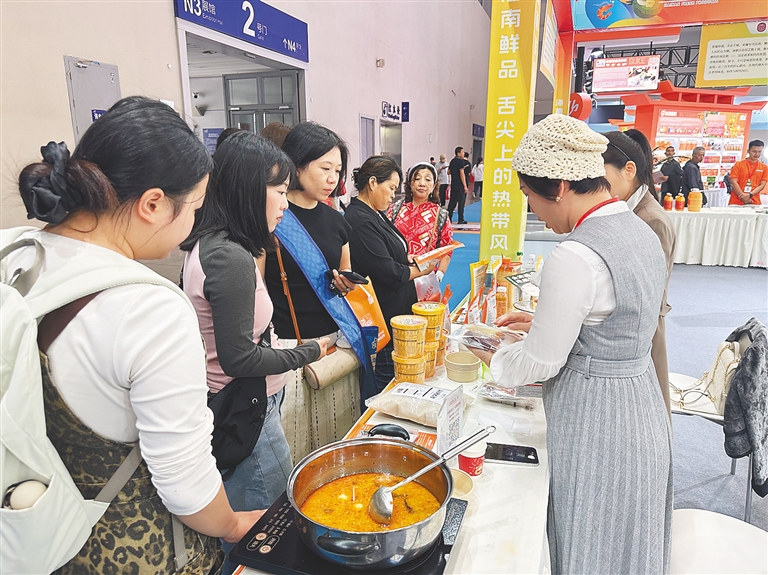
Core Insights - The event "Hainan Zao Po Vinegar Food Promotion Conference" was held in Chongqing, showcasing the unique flavor of Hainan Zao Po vinegar and promoting culinary exchange and industrial cooperation between Hainan and Chongqing [3][4]. Industry Development - The promotion highlighted the vitality of the Wenchang Zao Po vinegar industry, with 95 traditional vinegar shops, 137 related dining establishments, and 16 processing enterprises in Wenchang, projecting an annual production of over 5,000 tons this year [4]. - The event featured innovative ideas such as "everything can be Zao Po vinegar" and products tailored to Sichuan-Chongqing tastes, including "chopped pepper Zao Po vinegar" and "spicy Zao Po vinegar" [4][5]. Consumer Reception - Attendees praised the unique taste of Hainan Zao Po vinegar, with comments highlighting its refreshing and distinctive flavor, which contrasts with the spicy hot pot typical of Chongqing [6]. - Various companies showcased their signature products, offering both traditional and modern flavor combinations that appealed to the local palate [6]. Business Opportunities - The event attracted numerous buyers seeking collaboration, with interest from major food companies and local restaurant owners looking to incorporate Zao Po vinegar into their offerings [7][8]. - The Wenchang government expressed its commitment to advancing the Zao Po vinegar industry towards industrialization, standardization, branding, clustering, and internationalization [8].
从街头小吃到省级议题——糟粕醋“升级密码”藏在哪?
Hai Nan Ri Bao· 2025-09-22 01:20
Core Insights - Hainan's fermented rice vinegar, known as "糟粕醋," is transitioning from a local delicacy to a mainstream culinary trend, with significant social media engagement and government support for its development [1][2][3] Industry Overview - The popularity of "糟粕醋" has surged, with nearly 1 billion views on Douyin and over 10,000 related posts on Xiaohongshu in the past three months [1] - The Hainan provincial government is actively promoting the high-quality development of the "糟粕醋" industry, aiming to cultivate recognizable and distinctive brands [1][2] Unique Selling Proposition - "糟粕醋" is made from leftover rice mash from sake production, which undergoes fermentation to create a unique flavor profile that is mildly spicy, sweet, and sour [2] - Initially used in local street food, it has evolved into a popular hot pot ingredient, gaining traction in major cities like Beijing, Shanghai, and Guangzhou, as well as international markets such as the USA, Canada, and Australia [2] Market Potential - The projected industry output value for Hainan's "糟粕醋" is approximately 100 million yuan for the year 2024 [2] - The rise in consumer interest is attributed to a shift towards healthier, flavorful food options, aligning with the increasing living standards and dietary preferences of consumers [3] Cultural Significance - "糟粕醋" embodies Hainan's maritime culture and traditional fermentation techniques, appealing to consumers' desire for cultural exploration in their dining experiences [4][5] Challenges and Opportunities - Despite its popularity, "糟粕醋" faces challenges in scaling up compared to competitors like Guizhou's sour soup, which has a market size exceeding 2.5 billion yuan [6] - The industry is characterized by small-scale, workshop-style production, with over 270 producers in Hainan, many of which have been established in the last five years [6] Strategic Recommendations - To enhance the market presence of "糟粕醋," a comprehensive strategy is needed, including the development of a standardization system, brand building, and the establishment of industrial clusters [7][9] - Engaging younger consumers through social media and innovative culinary applications can help integrate "糟粕醋" into contemporary food culture [9][10] - Expanding consumption scenarios beyond restaurants and home cooking to include tourism and office settings can diversify the product's appeal [11][12] Broader Implications - The focus on "糟粕醋" reflects a larger trend in Hainan's food industry, where other local specialties like Wenchang chicken and Qiong rice noodles also seek to gain national recognition [13][14] - The development of a cohesive strategy for Hainan's culinary products can create a "Qiong flavor matrix," enhancing the overall market impact of local delicacies [13][15]