
重庆火锅

Search documents
人文经济激活消费新动能丨重庆美食如何闻名世界
Sou Hu Cai Jing· 2026-02-12 13:25
Core Insights - The article highlights the cultural significance and international expansion of Chongqing hotpot, emphasizing its unique flavors and culinary heritage [3][4][7] Industry Overview - Chongqing hotpot has deep historical roots, originating from local laborers who used inexpensive ingredients to create flavorful dishes, which have evolved into a global culinary phenomenon [3][4] - The hotpot industry in Chongqing is experiencing significant growth, with nearly 40,000 restaurants projected by the end of 2024 and an industry output value exceeding 340 billion yuan [4][7] Company Strategies - Companies like Chongqing Chaotianmen Catering Group have successfully adapted their offerings for international markets by maintaining authentic flavors while incorporating local preferences, resulting in over 1,000 global locations [4][6] - The "Li Zi Ba Liang Shan Chicken" brand has leveraged social media and e-commerce to enhance its visibility and sales, showcasing the importance of innovation in traditional food businesses [6] Policy Support - The Chongqing government is actively promoting local cuisine through policies aimed at enhancing the hotpot and noodle industries, with initiatives like "Chongqing Noodle Going Global" contributing to an annual output value of 56 billion yuan [7] - Upcoming regulations, such as the "Chongqing Hotpot Industry Development Promotion Ordinance," aim to support the industry's high-quality development by focusing on craftsmanship, standardization, and cultural promotion [7]

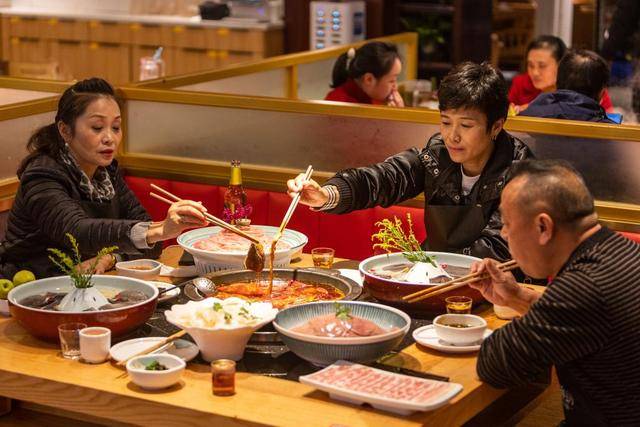
人文经济激活消费新动能丨从“舌尖记忆”到“消费IP”——重庆美食如何闻名世界
Xin Hua Wang· 2026-02-12 10:24
Core Viewpoint - Chongqing cuisine is evolving from local "taste memories" to a globally recognized "consumption IP," contributing to the city's transformation into an international consumption hub [7] Group 1: Cultural and Historical Significance - Chongqing's culinary roots are deeply embedded in local culture and history, with traditional dishes like hot pot originating from the practices of laborers over a century ago [3] - The experience of dining in Chongqing is enhanced by cultural performances and unique dish presentations, showcasing the region's heritage [3] Group 2: Global Expansion and Market Strategy - The Chongqing hot pot brand, represented by companies like Chao Tian Men, has expanded internationally, with over 1,000 global locations and a strategy of "original flavor + local adaptation" [4] - The total number of hot pot restaurants in Chongqing is projected to reach nearly 40,000 by the end of 2024, with the entire industry chain's output value exceeding 340 billion yuan [4] Group 3: Innovation and Modernization - Companies are focusing on innovation to remain competitive, with examples like Li Zi Ba Liang Shan Ji, which has successfully utilized social media and e-commerce to enhance brand visibility and sales [6] - The Chongqing government is actively supporting the culinary industry through policies aimed at promoting local specialties like "Chongqing noodles," which have generated an annual output value exceeding 56 billion yuan [6] Group 4: Economic Impact - The projected revenue for Chongqing's catering industry is expected to reach 247.034 billion yuan by 2025, reflecting a year-on-year growth of 4.6% [6]
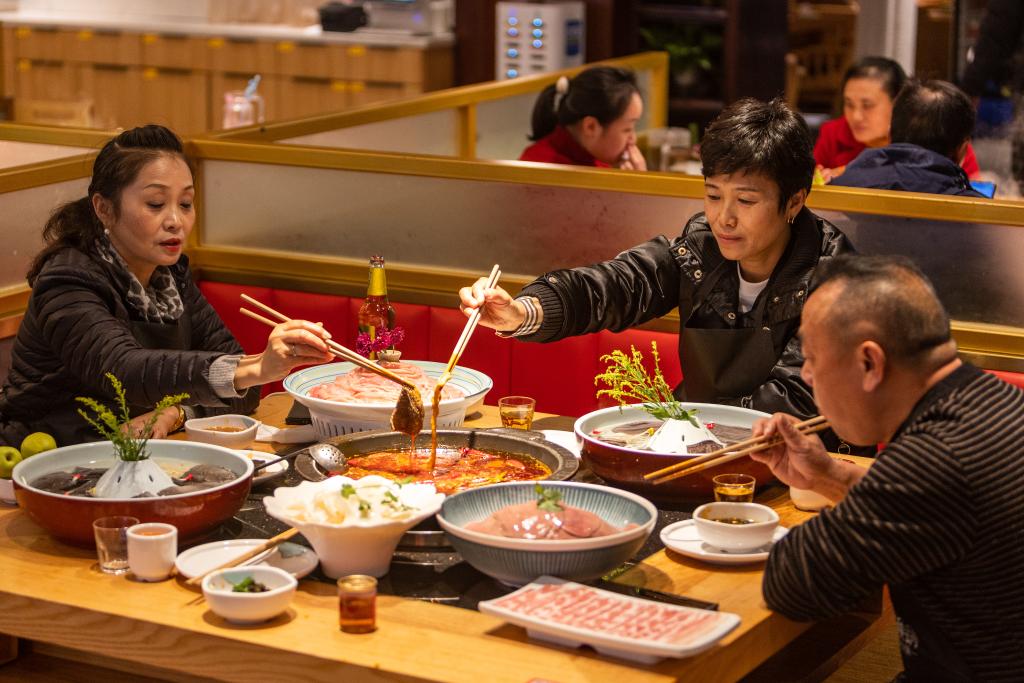
网红烟火城市的品牌顶层设计和产业底层运营
3 6 Ke· 2026-01-19 02:30
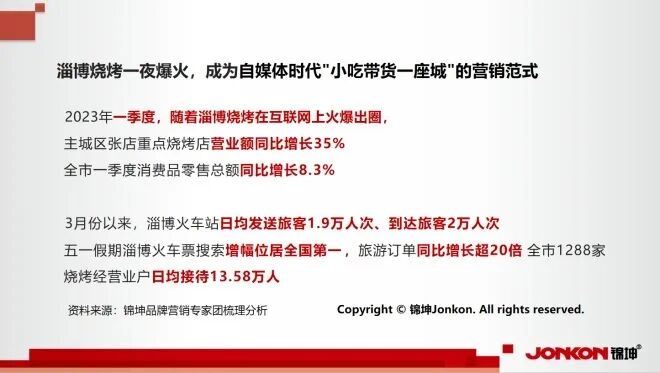
Core Insights - The "smoky economy" has evolved from a basic aspect of people's livelihoods to a core driver of urban industrial iteration and consumer potential activation [1] - Various cities have emerged as "internet celebrity" cities, leveraging unique local IPs to break through traditional consumption patterns, driven by the demands of Generation Z and Alpha [1][3] - The success of cities like Zibo, Harbin, and Changsha highlights the importance of government support and the need for sustainable development in the "smoky economy" [1][30] Group 1: Zibo's Barbecue Economy - Zibo's barbecue gained popularity in early 2023, transforming the city into a "smoky capital" with over 5 million tourists during the May Day holiday, doubling tourism revenue [4][7] - The local government implemented measures such as special barbecue trains and buses, price regulation, and complaint mechanisms to enhance the consumer experience [6] - Challenges include a fragmented supply chain, product homogeneity, and reliance on a single IP, which may lead to a decline in popularity after initial success [7][8] Group 2: Harbin's Winter Economy - Harbin's unique combination of "ice and fire" has made it a winter tourism hotspot, attracting over 30 million visitors and generating over 60 billion yuan in tourism revenue [9][10] - The government has focused on upgrading ice-related IPs and improving infrastructure to enhance visitor experiences [9] - Seasonal dependency and project homogeneity pose significant challenges for sustainable growth [10] Group 3: Tianshui's Culinary Integration - Tianshui's distinct spicy hot pot has gained traction, with a 40% increase in tourist numbers and a 35% rise in tourism revenue [11][12] - The local government is promoting standardization and creating culinary tourism routes to enhance the integration of food and culture [12][14] - However, the lack of chain brands and deep integration with cultural experiences limits long-term growth potential [14] Group 4: Rongchang's Goose Economy - Rongchang's unique braised goose has become a key IP, with a 40% increase in industry output value and a 35% rise in tourist numbers [17][19] - The government is standardizing production and promoting cultural events to enhance the goose's market presence [17][21] - Challenges include a short supply chain and shallow integration with tourism experiences [19] Group 5: Chongqing's Culinary Landscape - Chongqing's hot pot and noodles are deeply integrated into the city's culture, with over 6 billion tourists and 400 billion yuan in tourism revenue [23][24] - The government is promoting standardization and creating unique culinary spaces to enhance the dining experience [23][26] - However, issues like homogeneity and service quality remain significant challenges [24] Group 6: Changsha's Night Economy - Changsha's night economy has become a core aspect of its identity, generating over 300 billion yuan and attracting 260 million visitors [27][28] - The government has implemented policies to support night-time operations and enhance the overall experience [27] - Challenges include brand homogeneity and uneven development across different areas [28] Group 7: Key Takeaways for Sustainable Development - The rise of "internet celebrity" cities underscores the importance of government-business collaboration and the need for sustainable practices [30] - The "smoky economy" relies on a balance of cultural identity, consumer engagement, and industry support to avoid short-lived popularity [30][63] - Future competitiveness will hinge on brand strength and industrial capacity, necessitating a focus on differentiation and sustainability [63]
提升成渝地区双城经济圈发展能级
Jing Ji Ri Bao· 2026-01-15 21:26
Core Viewpoint - The Chengdu-Chongqing Economic Circle is emerging as a significant growth engine for high-quality development in China, with its economic output projected to increase from 6.4 trillion yuan in 2019 to 8.7 trillion yuan by 2024 [1] Group 1: Industrial Development - The Chengdu-Chongqing Economic Circle is focusing on building a modern industrial system that emphasizes collaboration, competition, and integration, enhancing its development capabilities and comprehensive strength [2] - The advanced manufacturing sector is being strengthened, with industrial added value expected to reach 2.42 trillion yuan in 2024, marking a 6.3% increase from the previous year [3] - The region is developing four trillion-yuan industrial clusters in electronics, equipment manufacturing, advanced materials, and specialty consumer goods, with the electronic information cluster projected to reach 1.72 trillion yuan by 2024, accounting for 10.6% of the national total [3] Group 2: Digital Economy - The digital economy is rapidly evolving, with significant advancements in digital infrastructure, including the establishment of 29 large and super-large data centers by August 2025, achieving a total computing power exceeding 20,000 P [4] - The integration of digital and physical economies is deepening, with industries such as big data, advanced computing, and blockchain experiencing accelerated growth [4] Group 3: Modern Service Industry - The modern service industry is showing significant improvement, with service sector added value projected to grow by 6.5% in 2024 [5] - The financial sector is expanding, with total deposits expected to reach 17.5 trillion yuan and loans 16.7 trillion yuan by 2024, reflecting annual growth rates of 9.6% and 12.6%, respectively [5] Group 4: Agricultural Development - The region is advancing modern, efficient, and characteristic agriculture, with total grain production expected to reach 38.116 million tons in 2024 [6] - Collaborative agricultural projects are being established, focusing on high-standard farmland and integrated agricultural parks [6] Group 5: Ecological Cooperation - The Chengdu-Chongqing Economic Circle is prioritizing ecological protection and pollution control, with a focus on collaborative governance to improve environmental quality [14][15] - The region has implemented a joint mechanism for environmental risk prevention and control, achieving a 100% compliance rate for water quality in 25 cross-border river monitoring points [15] Group 6: Consumer Market Development - The region is actively working to create an international consumption destination, with a focus on integrating consumption markets and enhancing infrastructure [19] - By 2024, the total retail sales of consumer goods in the Chengdu-Chongqing Economic Circle are expected to exceed 4 trillion yuan [21] - Efforts are being made to enrich consumer experiences through diverse consumption formats and innovative consumption scenarios [22]
赵款款:外食记
Xin Lang Cai Jing· 2025-12-23 23:14
Group 1 - The article discusses the shift in dining habits, highlighting a trend towards increased reliance on takeout and a decrease in dining out experiences [3][5] - The author reflects on the convenience of living near a shopping mall, yet notes a significant reduction in movie outings and a preference for takeout food over dining in restaurants [3][5] - A specific restaurant, a Chongqing hotpot, has become a regular choice, emphasizing the stability and predictability of the dining experience [5][6] Group 2 - The article describes the routine of selecting a fixed restaurant, leading to a sense of familiarity with the staff and menu, which contrasts with the desire for variety in dining options [5][6] - The author humorously mentions a specific outfit, referred to as "hotpot pants," which has become a part of the dining experience, indicating a blend of comfort and casualness in dining habits [6] - There is a playful suggestion of splitting up to choose different meals, yet both individuals end up at the same restaurant, highlighting the habitual nature of their dining choices [6]
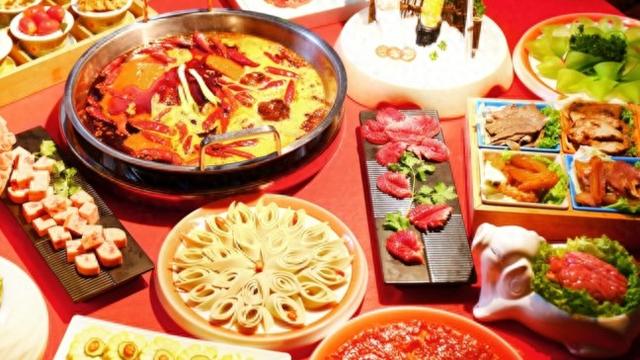
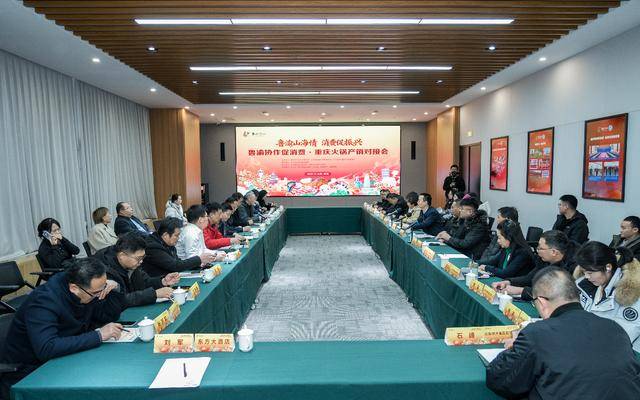
“鲁渝山海情 消费促振兴” 鲁渝协作促消费·重庆火锅产销对接会在济南成功举办
Sou Hu Cai Jing· 2025-12-12 16:50
Core Insights - The "Chongqing Hotpot Production and Sales Connection Conference" aims to enhance collaboration between Shandong and Chongqing, focusing on industry synergy and consumer interaction through hotpot as a medium [2][5] - The event is part of a broader national strategy to promote regional coordinated development and common prosperity [4] Group 1: Event Overview - The event took place in Jinan from December 12 to 14, featuring a three-day hotpot cultural festival with various exhibitions and interactive activities [11] - The festival adopted a "1+1+2" exhibition model, including one connection meeting, one main venue, and two sub-venues, showcasing the entire hotpot industry chain [11] Group 2: Industry Collaboration - A strategic cooperation agreement was signed between the Chongqing Hotpot Industry Association and the Shandong Hotpot Catering Association to establish industry standards and share resources [10] - The Chongqing hotpot industry has developed a complete industrial chain with a total output value of 300 billion yuan [7] Group 3: Market Engagement - The event featured a lively atmosphere with discussions on supply chain integration, product innovation, and market channel collaboration among representatives from both regions [10] - Various promotional activities, including discounts and interactive experiences, were organized to attract public participation and enhance consumer engagement [11]
组团参加“火锅大会”,海南糟粕醋学什么
Hai Nan Ri Bao· 2025-10-30 01:36
Core Insights - The 10th China (Chongqing) International Hot Pot Industry Expo took place from October 17 to 19, showcasing over 6,000 products from more than 2,000 industry chain enterprises, with Hainan's unique fermented vinegar making its debut at the event [1][2] - Hainan's fermented vinegar, known for its distinctive flavor, has gained popularity beyond the province, becoming a must-try for tourists visiting Hainan [2] - The industry is projected to reach an output value of approximately 100 million yuan by 2024, with over 270 related production and dining entities established in Hainan, more than half of which are new brands and factories formed in the last five years [2] Group 1: Industry Development - Hainan's fermented vinegar is made from the byproducts of wine production, showcasing local culinary wisdom and ecological concepts [2][3] - The industry is transitioning from traditional handcrafting to standardized production, with innovations in fermentation processes addressing quality and storage challenges [2] - The Chongqing hot pot industry, valued at over 300 billion yuan by the end of 2024, serves as a model for Hainan's fermented vinegar industry to learn from [4] Group 2: Strategic Recommendations - Hainan's fermented vinegar industry can benefit from a top-level design approach, involving government and industry associations to create comprehensive standards from raw material procurement to product testing [6][7] - Establishing an industrial cluster for fermented vinegar can enhance supply chain resilience and brand consolidation, fostering the growth of small and medium enterprises [7] - Learning from Chongqing's branding strategies, Hainan can develop its own brand narrative and collaborate with local cultural and tourism initiatives to enhance market presence [8] Group 3: Talent and Support - The Chongqing hot pot industry has successfully integrated education and industry through community initiatives, which Hainan can replicate to address talent shortages and promote skills development [9] - Targeted support measures in funding, talent cultivation, and market promotion can significantly aid the growth of Hainan's fermented vinegar industry [9]
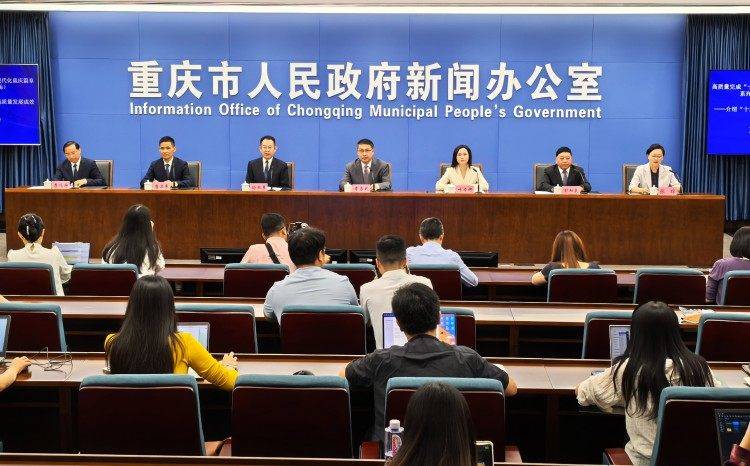
外贸稳、社零增、国际范足……重庆“十四五”商务经济“火力全开”
Sou Hu Cai Jing· 2025-10-11 05:10
Core Insights - The Chongqing government has reported significant achievements in the high-quality development of its business economy during the "14th Five-Year Plan" period, highlighting the city's progress in various economic indicators [2][7][10]. Economic Performance - The total retail sales of consumer goods in Chongqing are projected to reach 1.6 trillion yuan in 2024, marking a 35.4% increase compared to the end of the "13th Five-Year Plan," thus exceeding the targets set for the "14th Five-Year Plan" [7]. - The annual growth rate of online retail sales from 2021 to 2024 is expected to be 17.5%, with the total expected to double during the "14th Five-Year Plan" [7]. Foreign Trade and Investment - Chongqing's total foreign trade has exceeded 3.5 trillion yuan over the past five years, with the city becoming a significant player in international trade [8][9]. - The Chongqing Free Trade Zone has contributed over 60% of the city's foreign trade and more than 30% of foreign investment, with nine institutional innovations being promoted nationwide [8]. Infrastructure and Market Development - The city has established 520 urban vegetable markets and 981 rural agricultural markets, enhancing local access to fresh produce [7]. - Chongqing has introduced 2,200 domestic and international brands, with many new flagship stores opening in the city [7]. Policy and Innovation - Chongqing has successfully secured 16 national pilot projects in the business sector during the "14th Five-Year Plan," enhancing its reputation for innovation [10]. - The city has implemented a digital supply system for essential goods, involving over 3,000 enterprises to ensure the availability of necessities for residents [10].
意大利月光下的中国味道
Ren Min Ri Bao Hai Wai Ban· 2025-10-10 01:21
Core Insights - The article highlights the cultural significance of Chinese cuisine in Italy, particularly during the Mid-Autumn Festival, showcasing how food serves as a bridge between cultures [1][2]. Group 1: Cultural Exchange through Cuisine - Chinese restaurants in Italy, such as a Sichuan hot dish shop, are introducing local customers to traditional Chinese customs, like eating mooncakes during the Mid-Autumn Festival, which symbolizes reunion [1]. - The presence of various Chinese dishes, such as Xi'an meat sandwiches and Chongqing hot pot, reflects the growing integration of Chinese flavors into Italian daily life, fostering curiosity and understanding among locals [1][2]. Group 2: Personal Connections and Understanding - Customers express that dining on Chinese food is not just about the meal but also about gaining insights into Chinese culture, as seen in the experiences shared by patrons of a meat sandwich shop [2]. - The act of sharing food leads to deeper conversations about cultural origins, enhancing the connection between Chinese and Italian communities, as illustrated by the interactions between restaurant owners and their customers [2].
记者手记丨意大利月光下的中国味道
Xin Hua Wang· 2025-10-05 11:49
Core Perspective - The article highlights the cultural significance of Chinese cuisine in Italy, showcasing how food serves as a bridge for understanding and connection between different cultures [1][2]. Group 1: Cultural Exchange through Cuisine - Chinese restaurants in Italy, such as a Sichuan hot dish shop in Milan, are introducing local customers to traditional Chinese customs, like the Mid-Autumn Festival and mooncakes, fostering cultural appreciation [1][2]. - Customers express curiosity about the origins of dishes, leading to deeper conversations about Chinese culture and history, as seen with the meat sandwich shop owner who shares stories related to Xi'an [2]. Group 2: Food as a Medium for Connection - Dining experiences in these restaurants go beyond mere sustenance; they create opportunities for cultural exchange and understanding, as customers feel a sense of familiarity with China through its cuisine [2]. - The article emphasizes that food can serve as a medium for building trust and curiosity between Chinese and Italian communities, illustrating the idea that "food is a bridge for reunion with the world" [2].