
羽绒制品

Search documents
黑猫投诉2025年度服饰领域投诉数据报告:服饰行业回复率差异明显
Xin Lang Cai Jing· 2026-02-05 08:27
Core Insights - The report highlights a significant increase in complaints within the apparel sector, with nearly 40,000 complaints recorded in 2025, marking a 31.23% increase from 2024 [2][12] - The data indicates a strong correlation between complaint volumes and major e-commerce promotional events, particularly during pre-sale phases of events like Double 11 [2][12] Complaint Volume and Trends - The total complaint volume in the apparel sector reached close to 40,000, with a notable spike during major promotional events, especially Double 11, where daily complaints peaked at nearly 200 [2][12] - Complaints related to clothing accounted for 70.43% of the total, with common issues including poor product quality, difficulties in returns and exchanges, and discrepancies in product descriptions [2][12] Specific Product Complaints - Complaints regarding down products surged by over 60% in 2025, totaling more than 3,700 complaints, reflecting heightened consumer awareness and ongoing quality issues within the industry [3][13] Brand Response Rates - Among the top ten footwear and apparel brands, companies like FILA, Anta, Li Ning, NIKE, and Uniqlo demonstrated high responsiveness to consumer complaints, with response rates exceeding 95% [4][15] - In contrast, brands such as New Balance and ZARA did not respond to any consumer complaints, resulting in a response rate of 0% [4][15] Demographics of Complainants - The majority of complaints originated from consumers aged 20-40, who accounted for 91.43% of the total complaints, indicating a trend of younger consumers being more active in voicing their grievances [5][16] Geographic Distribution of Complaints - Guangdong province led in complaint volume with an 11.55% share, followed by Jiangsu and Shandong provinces at 8.47% and 8.04% respectively, while Zhejiang and Henan had lower complaint rates [6][17]
同比降幅收窄!2025年12月PPI继续向好|快讯
Hua Xia Shi Bao· 2026-01-09 03:34
Group 1 - In December 2025, the Producer Price Index (PPI) decreased by 1.9% year-on-year, with the decline narrowing by 0.3 percentage points compared to the previous month; month-on-month, it increased by 0.2%, expanding by 0.1 percentage points from the previous month, marking three consecutive months of increase [2] - The industrial producer purchase prices fell by 2.1% year-on-year, with the decline narrowing by 0.4 percentage points from the previous month; month-on-month, it rose by 0.4%, an increase of 0.3 percentage points from the previous month [2] - In 2025, the annual industrial producer ex-factory prices decreased by 2.6%, while the industrial producer purchase prices fell by 3.0% [2] Group 2 - The improvement in supply-demand structure in December led to price increases in certain industries, with coal mining and washing prices rising by 1.3% and 0.8% month-on-month, respectively, both increasing for five consecutive months; lithium-ion battery manufacturing prices rose by 1.0%, and cement manufacturing prices increased by 0.5%, both for three consecutive months [2] - Seasonal demand increases drove prices up in the gas production and supply industry and the electricity and heat production and supply industry, which rose by 1.2% and 1.0%, respectively [2] - The prices in the feather processing and wool textile dyeing and finishing industries increased by 1.2% and 1.0%, respectively [2] Group 3 - Input factors influenced the price trends in the domestic non-ferrous metals and petroleum-related industries, with domestic non-ferrous metal mining and smelting prices rising by 3.7% and 2.8% month-on-month, respectively, driven by international non-ferrous metal price increases; silver smelting, gold smelting, copper smelting, and aluminum smelting prices rose by 13.5%, 4.8%, 4.6%, and 0.9%, respectively [3] - Conversely, the decline in international crude oil prices affected domestic oil extraction and refined petroleum product manufacturing prices, which fell by 2.3% and 0.9%, respectively [3] - The year-on-year PPI decline of 1.9% showed a narrowing of the decline by 0.3 percentage points from the previous month, indicating positive changes in certain industries due to the effectiveness of ongoing macro policies [3]


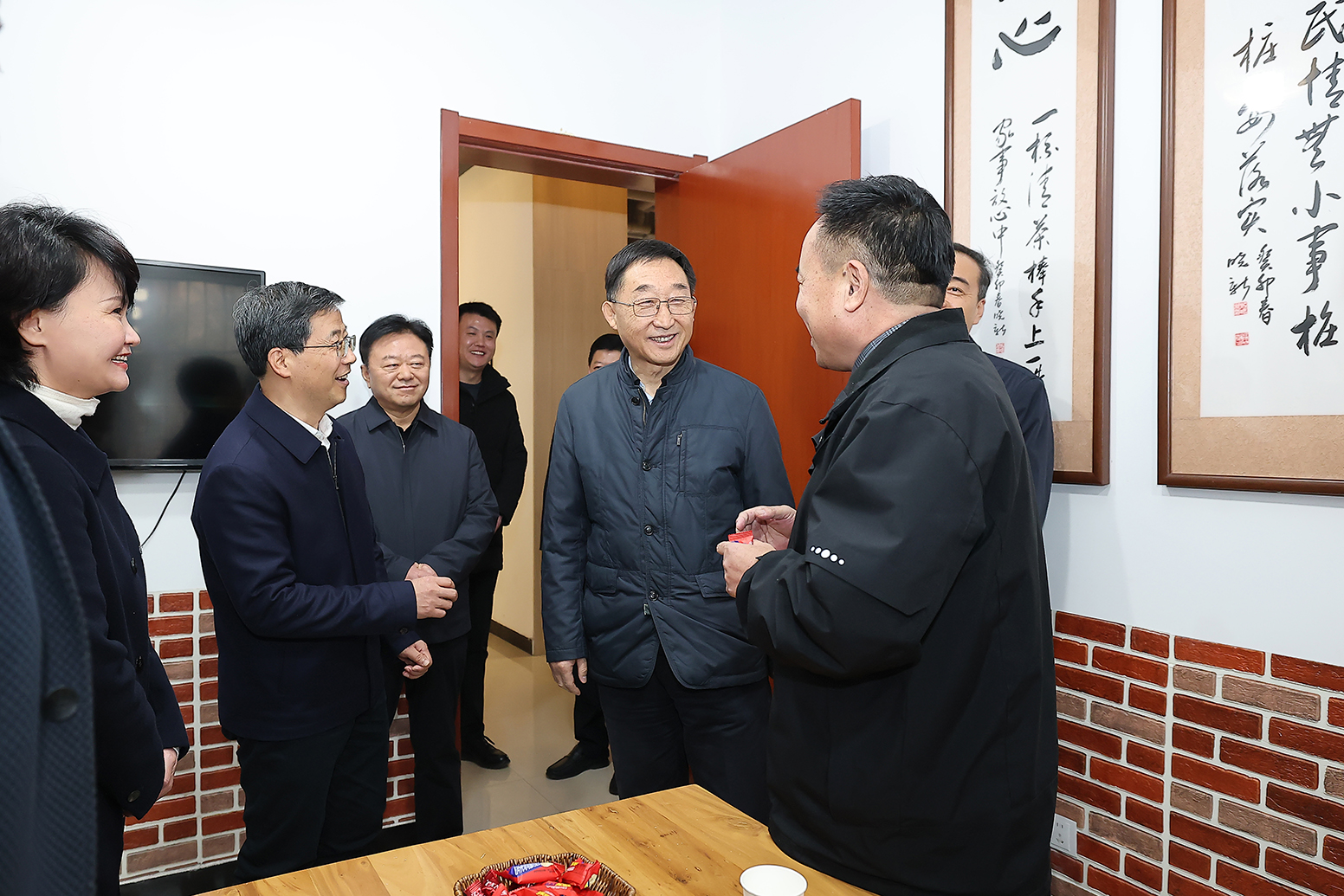
刘宁到濮阳台前县华龙区调研推动工作并看望基层干部群众时强调:用心用情用力保障和改善民生 让广大人民群众共享发展成果
He Nan Ri Bao· 2025-12-30 10:48
Group 1 - The provincial government emphasizes the importance of improving people's livelihoods and enhancing social governance, aligning with the directives from the 20th Central Committee and the Central Economic Work Conference [2] - Puyang City, built on the oil industry, is pursuing a high-quality development path, focusing on technological innovation and transformation in the petrochemical sector [3] - The feather down industry in Taifeng County has over 200 enterprises, contributing one-third of the national feather down production, highlighting the region's industrial strength [3] Group 2 - The government is prioritizing ecological protection and high-quality development in the Yellow River basin, with a focus on monitoring and flood management to ensure safety [5] - Community engagement is emphasized, with local leaders encouraged to address residents' needs and enhance community services, particularly for oil field workers [5] - The government aims to stabilize employment, businesses, and market expectations while planning for future economic development and integrating technological innovation [6]
宝藏之城丨这座小城温暖冬天
Xin Hua She· 2025-12-28 02:09
Core Viewpoint - The article highlights the development of the down industry in Guangxi's Gangnan District, known as "China's Down Town," which has established a complete industrial chain over 40 years of growth [1] Industry Overview - The down industry in Gangnan District began in the 1980s and is primarily concentrated in Qiaoxu Town [1] - There are currently 170 down processing enterprises in Gangnan District, processing approximately 90,000 tons of down annually [1]
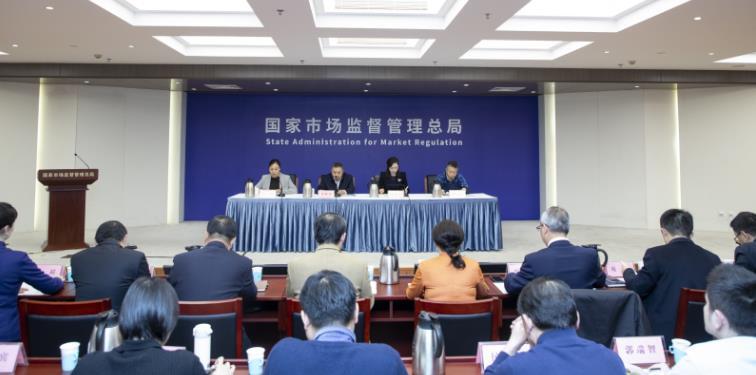
提质共治 放心消费 网络交易平台产品质量提升和召回共治承诺活动举行
Zhong Guo Jing Ji Wang· 2025-12-17 06:55
Group 1 - The event on December 16 aimed to enhance product quality and recall governance in online trading platforms, guided by the State Administration for Market Regulation [2] - The "Guiding Opinions on Improving Product and Service Quality in Online Trading Platforms" was introduced, addressing quality issues in current online transactions and establishing a comprehensive governance framework for platform economy regulation [2] - Quality parameter information databases and knowledge bases for down products, home decoration materials, and selenium-rich products were released as part of initiatives to strengthen quality and promote consumption [2] Group 2 - As of November 2024, there were 924 consumer product recalls in China, involving 5.3331 million items, marking a 25.13% increase in the number of recalls compared to the same period in 2023 [3] - Children's products had the highest recall frequency, with 300 recalls, accounting for 32.47% of total recalls from January to November [3] - The recall of electronic appliances was the most significant in terms of quantity, with 1.4809 million items involved, representing 27.77% of total recalls [3] Group 3 - The "Guidelines for Monitoring and Evaluating the Joint Commitment to Safety and Recall of Online Consumer Goods" was introduced, with major online platforms signing a joint commitment to enhance product safety and recall processes [4] - The event contributed positively to the implementation of national policies promoting innovation and healthy development of the platform economy, reinforcing the responsibility of online trading platforms for product and service quality [4] - The initiative aims to create a safe and trustworthy online consumption environment, protecting consumers' rights and interests [4]
网络交易平台产品质量提升和召回共治承诺活动举办
Zhong Guo Jing Ji Wang· 2025-12-16 14:27
Group 1 - The event aimed to promote the healthy development of platform economy and create a safe online consumption environment, ensuring consumer safety and rights [1] - As of November this year, China has conducted 924 recalls of consumer products, involving 5.3331 million items, representing a year-on-year increase of 25.13% compared to the same period in 2024 [1] - The recall of online sold consumer products has significantly increased, with 1.179 million online sold power banks recalled, accounting for 79.6% of the electronic and electrical products recalled in 2025 [1] - Over 90% of problematic power banks were recalled through online methods, indicating a shift towards digital recall processes [1] Group 2 - The event also launched quality parameter information databases for down products, home decoration materials, and selenium-rich products, as part of initiatives to enhance quality and promote consumption [2] - The event concluded with major online trading platforms, including Taobao, Meituan, JD.com, Xiaohongshu, Tencent, Kuaishou, Douyin, Dewu, and Vipshop, signing the "Commitment to Joint Governance of Safety and Recall of Online Consumer Products" [2]





让企业招得来留得住发展好——广西贵港以全周期服务引资金兴产业
Jing Ji Ri Bao· 2025-12-15 22:38
Core Viewpoint - The construction of the Pinglu Canal, part of the Western Land-Sea New Corridor, is enhancing the connectivity of Guigang City, creating new advantages for inland ports and transforming its development landscape [1] Group 1: Investment and Economic Development - Guigang has successfully attracted seven projects with investments exceeding 10 billion yuan, including Xinlianxin Green Chemical and Zhihua Yuanchuang Paper Industry, leveraging its port advantages and efficient services [1][2] - The city has implemented a "one project, one leader, one special team" follow-up service mechanism to accelerate the construction of major projects, resulting in a total investment of 87.5 billion yuan from seven projects [3] - Since the beginning of the 14th Five-Year Plan, Guigang has launched 82 major industrial projects, completing investments of over 30 billion yuan [3] Group 2: Service and Support Mechanisms - Guigang provides group-style services for large projects, establishing a collaborative mechanism among various departments to ensure smooth project execution [2][3] - The city has conducted a "thousand enterprises, ten thousand households" outreach activity to assess financing needs, resulting in 35,800 small and micro enterprises receiving loans totaling 39.7 billion yuan [6] Group 3: Industry Transformation and Upgrading - The wood-based panel and home furnishing industry in Qintang District faces challenges due to market contraction, prompting local authorities to assist companies in transitioning to producing eco-friendly boards [5] - Guigang has facilitated the integration and upgrading of over 63 small panel enterprises to enhance competitiveness [5] Group 4: Employment and Community Support - Guigang has established a "worker home" for employees in the electric vehicle industry, providing amenities that improve worker satisfaction and retention [7][8] - The city has implemented measures to reduce inspection frequencies for businesses, transforming regulatory checks into supportive services [7] Group 5: Project Tracking and Evaluation - Guigang has established a project tracking and evaluation mechanism to monitor the implementation and effectiveness of investment projects, ensuring timely problem resolution [9][10] - From January to September, the city initiated 188 investment projects, with 141 completed [10]
物价水平保持企稳态势(锐财经)
Ren Min Ri Bao Hai Wai Ban· 2025-12-11 22:56
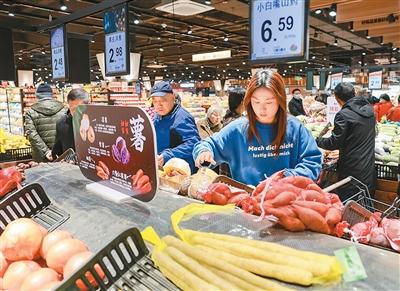
Group 1 - The Consumer Price Index (CPI) increased by 0.7% year-on-year in November, the highest since March 2024, driven primarily by a reversal in food prices from a decline to an increase [2] - Core CPI, excluding food and energy, rose by 1.2% year-on-year, maintaining above 1% for three consecutive months [2] - The increase in CPI was influenced by seasonal price rises in services and industrial consumer goods, with household appliances and clothing prices rising by 4.9% and 2.0% respectively [2][4] Group 2 - The Producer Price Index (PPI) saw a month-on-month increase of 0.1% but a year-on-year decrease of 2.2%, with the decline attributed to high comparison bases from the previous year [4][6] - Seasonal demand increases in certain domestic industries, such as coal and gas, contributed to the month-on-month price rise in PPI [4] - New industries, including new materials and intelligent technology, are driving price increases in related sectors, with prices for external storage devices rising by 13.9% year-on-year [6] Group 3 - To stabilize price levels and promote reasonable price recovery, there is a need to continue expanding domestic demand and optimizing market competition [7] - The upcoming year-end and early-year period is seen as a crucial time for consumer spending, with plans for various promotional activities to enhance consumption [7] - Looking ahead to 2026, policies aimed at expanding domestic demand are expected to support a moderate recovery in prices, particularly in service sectors such as dining, accommodation, and health services [7]
CPI同比涨幅扩大 核心CPI继续上涨
Xin Hua She· 2025-12-11 00:31
Group 1: Consumer Price Index (CPI) Trends - In November, the national Consumer Price Index (CPI) slightly decreased by 0.1% month-on-month but increased by 0.7% year-on-year, marking the highest growth since March 2024, with a 0.5 percentage point increase from the previous month [1] - The rise in CPI year-on-year was primarily driven by a shift in food prices from a decline to an increase, with food prices changing from a decrease of 2.9% to an increase of 0.2%, impacting CPI by approximately 0.04 percentage points [1] - Fresh vegetable prices saw a significant turnaround, increasing by 14.5% after a 9-month decline, contributing an additional 0.49 percentage points to the CPI [1] Group 2: Core CPI and Industrial Prices - The core CPI, excluding food and energy, rose by 1.2% year-on-year, maintaining a growth rate above 1% for three consecutive months [2] - Service prices and industrial consumer goods prices, excluding energy, increased by 0.7% and 2.1%, respectively, contributing approximately 0.29 and 0.53 percentage points to the CPI [2] - The Producer Price Index (PPI) increased by 0.1% month-on-month but decreased by 2.2% year-on-year, with the decline attributed to a high comparison base from the previous year [2] Group 3: Industry-Specific Price Changes - The "involution" competition in key industries has shown improvement, with price declines in coal mining, photovoltaic equipment manufacturing, and lithium-ion battery manufacturing narrowing over several months [3] - Emerging industries such as new materials and intelligent technology are driving price increases, with external storage devices and components rising by 13.9% year-on-year [4] - Consumer demand has been effectively released, leading to price increases in related industries, such as a 20.6% rise in the manufacturing of arts and crafts and ceremonial goods [5]
11月CPI同比上涨0.7% 为2024年3月以来最高 国家统计局:宏观政策不断显效 价格呈现积极变化
Zhong Guo Zheng Quan Bao· 2025-12-10 22:27
Group 1: Consumer Price Index (CPI) Insights - In November, the national Consumer Price Index (CPI) showed a slight month-on-month decrease of 0.1% but a year-on-year increase of 0.7%, marking the highest growth since March 2024, with an increase of 0.5 percentage points from the previous month [1] - The increase in CPI year-on-year was primarily driven by a turnaround in food prices, which shifted from a decrease of 2.9% in the previous month to an increase of 0.2% [2] - Core CPI, excluding food and energy prices, rose by 1.2% year-on-year, maintaining a growth rate above 1% for three consecutive months, indicating effective domestic demand expansion policies [2] Group 2: Producer Price Index (PPI) Insights - The Producer Price Index (PPI) increased by 0.1% month-on-month in November, marking the second consecutive month of growth [3] - The rise in PPI was attributed to seasonal increases in demand across certain domestic industries, particularly in coal and gas, with coal mining prices rising by 4.1% and gas production prices by 0.7% [3] - Year-on-year, the PPI decreased by 2.2%, with the decline slightly widening by 0.1 percentage points compared to the previous month, largely due to high comparison bases from the previous year [3] Group 3: Sector-Specific Price Changes - The rapid development of emerging industries has led to price increases in related sectors, with prices for external storage devices and components rising by 13.9% year-on-year [4] - Consumer demand has been effectively released, contributing to price recoveries in relevant industries, such as a 1.1% increase in the price of nutritional food manufacturing [4] - The prices of household appliances, including washing machines and air conditioners, saw a narrowing of year-on-year declines, indicating a positive trend in consumer goods pricing [4]