
适老食品

Search documents
乳业深度调整期寻路,两会代表热议精深加工破局与“一老一小”扩容
第一财经· 2026-03-06 11:59
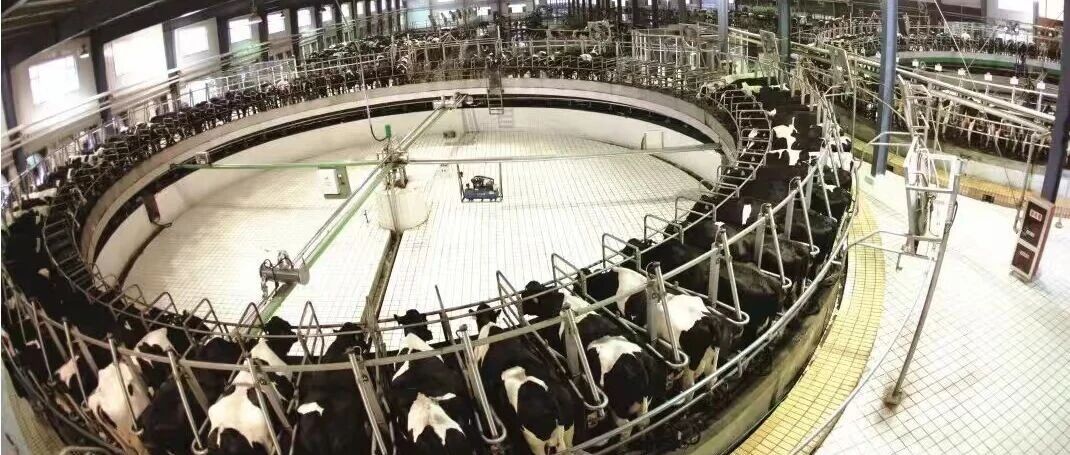
Core Viewpoint - The Chinese dairy industry is undergoing a profound structural transformation due to nearly two years of deep adjustments, weak consumer demand recovery, and a temporary surplus of raw milk, leading to widespread performance pressure among listed companies [3]. Group 1: Industry Challenges - Since 2025, the performance of major domestic dairy companies has further declined, with many issuing profit warnings. Nielsen IQ data indicates an 8.6% overall decline in domestic dairy product consumption across all channels in 2025 [5]. - The decline in dairy consumption is primarily attributed to the shrinking sales of liquid milk products, reflecting a long-standing structural imbalance in the industry. In comparison to developed countries like the Netherlands and France, where liquid milk and deep-processed products have a balanced structure of about 5:5, China's liquid milk consumption accounts for 92.7%, while high-value products like cheese and butter make up less than 7.3% [5][6]. Group 2: Strategic Recommendations - Industry representatives have called for accelerating the development of deep processing in dairy products to address the structural issues. This includes using deep processing as a "reservoir" to regulate raw milk capacity and enhance the comprehensive utilization efficiency of raw milk through high-value functional ingredients [6]. - Key dairy companies have made progress in deep processing. For instance, Mengniu has completed tests on its first batch of deep-processed products, while Feihe has achieved 100% self-sufficiency in key raw materials like concentrated whey protein and lactoferrin [6]. Group 3: Market Expansion Opportunities - To stimulate short-term consumption, representatives suggest tapping into the "one old, one young" market. For the youth segment, there is a push to support the development of student milk programs, which currently only cover about 17% of students in compulsory education, indicating significant room for improvement [9]. - In the elderly segment, the aging population presents an opportunity for growth in the senior food market. As of the end of 2025, the population aged 60 and above is projected to reach 320 million, accounting for 23% of the total population [10]. However, the market faces challenges that require systematic solutions to meet the nutritional needs of the elderly [10].



牢记食品安全知识,很重要
Xin Lang Cai Jing· 2026-01-18 21:31
Core Viewpoint - The article discusses the importance of food safety and health in China, highlighting recent developments and regulations aimed at improving food safety governance and addressing public concerns [1]. Group 1: Regulatory Developments - In March 2025, the Central Committee and State Council issued guidelines to enhance food safety through a full-chain regulatory approach, addressing eight weak links and proposing 21 specific measures to shift from reactive to proactive governance [2]. - The new regulations focus on emerging challenges such as online food delivery and cross-regional risks, aiming to include all stakeholders in the food supply chain under regulatory oversight [2]. Group 2: Food Labeling Improvements - New food labeling standards were introduced in March 2025, which include digital labels to resolve issues of visibility and accessibility of food information [3]. - The updated standards require clear labeling of expiration dates and allergenic substances, enhancing consumer awareness and safety [3]. Group 3: Food Safety Incidents - The "water-retaining shrimp" incident raised concerns over excessive use of food additives, highlighting the need for companies to adhere to legal standards and ensure safe practices in food production [5]. - The issue of "sterile eggs" was discussed, clarifying that they are not absolutely sterile and emphasizing the importance of consumer awareness regarding food safety [7]. Group 4: New Food Ingredients - D-alloheptulose was approved as the first bio-synthesized food ingredient in China, marking a significant step in the application of synthetic biology in the food sector [9]. - The approval indicates a mature technological capability and policy support for synthetic biology in food production, presenting new opportunities for the industry [9]. Group 5: Nutritional Products for Seniors - The draft standards for "senior nutrition supplements" were released in July 2025, indicating a growing market demand for products tailored to the nutritional needs of the elderly [17]. - The development of these products requires collaboration between enterprises, academia, and government to ensure scientific research and standardized production [17]. Group 6: Food Safety Awareness - Recent incidents, such as the use of non-food-grade colorants in school meals, underscore the need for heightened awareness and training among food industry workers to prevent food safety violations [11]. - The article emphasizes the importance of robust monitoring and traceability systems in the food supply chain to enhance safety and quality [15].
打造银发经济 培育养老健康领域新质生产力
Xin Lang Cai Jing· 2026-01-11 21:21
Core Viewpoint - The establishment of Tianjin Kanghui Health Industry Development Co., Ltd. aims to enhance the silver economy by focusing on the health and elderly care sectors, aligning with the city's goal to develop life service industries by 2026 [1][2]. Group 1: Company Overview - Tianjin Kanghui Health Industry Development Co., Ltd. was jointly established with an investment of 200 million yuan by Tianjin Health and Elderly Care Group, Tianjin Food Group, and Tianjin Bohai Light Industry Investment Group [1]. - The ownership structure includes 60% from the Health and Elderly Care Group, 25% from the Food Group, and 15% from the Bohai Light Industry Group, leveraging their respective strengths in elderly care operations, food supply, and light industry manufacturing [1]. Group 2: Business Focus - The company aims to create a core operating platform for quality elderly care assets, focusing on four main areas: professional elderly service operations, embedded elderly care service applications, optimizing travel and health projects, and developing senior-friendly products [2]. - The target is to achieve an annual revenue exceeding 100 million yuan by 2030 [2]. Group 3: Strategic Goals - During the 14th Five-Year Plan period, the company plans to extend the silver economy industry chain across elderly care, medical services, and health tourism, aiming to become a leading enterprise in the Beijing-Tianjin-Hebei region [3]. - The company will enhance the elderly care service system by integrating institutional, community, and home-based care, and will develop a comprehensive service model that includes medical, rehabilitation, and cultural services [3]. - By 2030, the company aims to have nearly 1,000 medical institution beds, with an annual emergency visit volume of nearly 1 million, and an overall bed utilization rate of 85% [3].
保水虾仁、无菌蛋、长保食品…… 热议食品安全,你敢吃吗?
2 1 Shi Ji Jing Ji Bao Dao· 2026-01-08 09:25
Group 1: Food Safety Concerns - The excessive use of additives, such as water-retaining agents in shrimp products, has raised significant safety concerns, with one company exceeding the legal limit of phosphate by 145% [2] - Microbial contamination, particularly from botulinum toxin, remains a major risk in food safety, necessitating strict control measures from production to storage [3] - Experts emphasize that the safety of long shelf-life foods does not correlate directly with their nutritional value, and modern processing techniques can ensure both safety and nutrition [3] Group 2: Industry Trends and Innovations - The demand for "suitable elderly food" is increasing, with a significant gap in the market for scientifically defined products that cater to the nutritional needs of older adults [5] - The approval of D-alloheptulose as a new food ingredient marks a significant advancement in synthetic biology applications within the food industry, indicating a mature technological and policy framework [5] - The introduction of new food safety standards, including updated labeling regulations, aims to enhance consumer awareness and safety, addressing long-standing industry concerns [6][7] Group 3: Regulatory Developments - The release of 50 new national food safety standards, including those for prepackaged food labeling, represents a significant upgrade in food labeling management [6] - The new regulations require clear labeling of expiration dates and allergenic substances, aiming to reduce food allergy risks and improve consumer information [6] - The implementation of comprehensive food safety regulations across the entire supply chain reflects a shift towards proactive risk management and consumer safety [7]
长保食品也营养、无菌蛋并非真无菌 2025食品安全与健康热点解读会回应民生关切
Zhong Guo Jing Ji Wang· 2026-01-07 11:04
Core Viewpoint - The conference organized by the China Food Science and Technology Society focused on ten major food safety and health issues, providing scientific guidance for industry development and regulatory improvement [1] Group 1: Food Safety Issues - The "water-retaining shrimp" incident highlighted the serious violation of food additive usage principles by involved companies, emphasizing the need for responsible and compliant use of food additives [2] - The introduction of new food labeling regulations aims to enhance transparency and consumer safety, including mandatory allergen labeling and an updated nutrition facts format [3] - The need for strengthened full-chain supervision in food safety was discussed, addressing regulatory gaps in transportation, delivery, and cross-border e-commerce [4] Group 2: Emerging Food Technologies - The approval of D-allohexose as a new food ingredient signifies advancements in synthetic biology technology within the food sector, indicating a mature application of these technologies [6] Group 3: Specific Food Safety Concerns - The issue of lead contamination in children due to illegal additives underscores the importance of strict adherence to food safety laws and the need for enhanced training and supervision in food handling [7] - The risk of botulinum toxin contamination from improperly processed foods remains a significant food safety concern, necessitating better control measures from production to storage [9] - The debate over the safety and nutritional value of long-shelf-life foods suggests that modern processing techniques can ensure both safety and nutrition [10] Group 4: Nutritional Needs and Market Opportunities - The concept of "age-appropriate foods" for the elderly is gaining attention, with a significant market demand for products that meet the nutritional needs of older adults, highlighting a gap in current market offerings [12] - The safety of campus dining is critical, with calls for improved raw material control and a comprehensive traceability system to ensure food safety for students [11]
剑指1500亿!上海合成生物食品5年规划!培育8-10家领军企业,推动1-2家创新企业上市
合成生物学与绿色生物制造· 2025-12-25 05:23
Core Insights - The article discusses Shanghai's action plan for accelerating food technology innovation from 2026 to 2030, aiming to enhance the food industry's development through synthetic biology and digital manufacturing [1][2]. Group 1: Goals and Objectives - By 2027, the plan aims to achieve significant breakthroughs in synthetic biology food creation, including the development and approval of 3-5 new food raw materials, additives, and related products, as well as 1-2 special medical purpose formula foods [2]. - The initiative seeks to cultivate over 5 innovative enterprises with core food creation technologies and digital manufacturing capabilities, and establish a comprehensive standard system for food industry development [2]. Group 2: Long-term Vision - By 2030, the goal is to create a globally influential hub for food technology innovation, resulting in a safer, healthier, more convenient, and sustainable food innovation ecosystem [3]. - The plan includes forming an innovation enterprise cluster covering the entire food industry chain, nurturing 8-10 leading companies in specific segments, and promoting 1-2 synthetic biology food innovation companies to go public [3]. - The food industry output value is projected to exceed 150 billion yuan, alongside the establishment of a national-level nutrition and health industry cluster and new food pilot parks [3]. Group 3: Research and Development Focus - The plan emphasizes accelerating the exploration of new food raw materials, focusing on functional proteins, carbohydrates, and lipids, while also considering active substances, flavors, and colorants [5]. - It aims to enhance biosynthesis technology through the integration of synthetic biology and artificial intelligence, improving the performance and adaptability of standardized components and chassis cells [5]. - Support for the development of new food products includes alternative proteins, plant-based meats, 3D-printed foods, and other innovative food solutions to meet diverse consumer needs and sustainable development goals [5].

上海:开展替代蛋白、人造肉、人造奶、3D打印食品、藻类等新食品研发
Zheng Quan Shi Bao Wang· 2025-12-22 11:12
Core Viewpoint - The Shanghai Municipal Science and Technology Commission, along with multiple departments, has issued the "Action Plan for Accelerating Food Technology Innovation to Empower Industrial Development (2026-2030)", which emphasizes support for the research and development of new food products [1] Group 1: New Food Development - The plan focuses on the development of alternative proteins, artificial meat, artificial milk, 3D-printed foods, and algae-based products [1] - It aims to create products with physiological regulatory functions, including active peptides, engineered probiotics, prebiotics, postbiotics, and food-medicine homologous products [1] - The initiative seeks to meet diverse food consumption needs, personalized nutrition and health demands, and sustainable development requirements [1]
2025年适老食品品牌推荐:聚焦适老食品创新,科学营养助力品质晚年
Tou Bao Yan Jiu Yuan· 2025-10-22 12:19
Investment Rating - The report does not explicitly provide an investment rating for the elderly food industry Core Insights - The elderly food industry in China is transitioning from marketing hype to standardized development, focusing on scientific nutrition to meet the unique physiological and health needs of the elderly population [5] - The market is expected to grow from CNY 943.03 billion in 2020 to CNY 1,194.06 billion in 2024, with a compound annual growth rate (CAGR) of 6.1% [8] - The industry is characterized by a significant supply-demand gap, with a lack of products that meet professional elderly standards [9] - The competition landscape includes both traditional dairy giants and innovative brands, indicating a diverse market [17] Market Background - Elderly food is defined as food that meets the dietary and nutritional needs of the elderly, focusing on easy-to-eat products and specialized nutritional formulations [6] - The industry has evolved from chaotic exploration to standardized development, with increasing regulatory support and technological innovation [7] Market Status - The market size is projected to reach CNY 1,463.94 billion by 2029, with a CAGR of 4.1% [8] - There is a critical shortage of suitable elderly food products, with only 5% of surveyed products meeting basic elderly standards [9] - Nutritional deficiencies are prevalent among the elderly, particularly in rural areas, highlighting the need for targeted nutritional solutions [10] Market Competition - The evaluation of leading brands is based on five dimensions: product strength, R&D capability, integration of medical and nutritional resources, professional service capability, and quality control maturity [11][12][13][14][15] - The competition includes established brands like Mengniu and Yili, as well as emerging companies focusing on specialized nutritional products [17] Development Trends - The industry is expected to see structural upgrades, with a focus on personalized nutrition and the integration of medical and nutritional services [18] - Product innovation is driving market segmentation, with a shift towards tailored nutritional solutions for specific health conditions [28] - The integration of online and offline channels is becoming mainstream, enhancing accessibility and consumer engagement [31]
黑龙江发布旅居康养和银发产业投资机会白皮书
Zhong Guo Chan Ye Jing Ji Xin Xi Wang· 2025-08-10 22:20
Group 1 - The "White Paper on Investment Opportunities in Travel Health Care and Silver Economy" was released by the Heilongjiang Provincial Civil Affairs Department, highlighting the integration of travel health care and the silver economy [1] - The white paper includes 33 high-quality health care institutions, 8 premium travel routes suitable for elderly tourism, and 132 investment cooperation projects across various fields such as health care demonstration bases and smart elderly care services [1] - The Harbin Silver Economy Industry High-Quality Development Index reached 132.88 points in 2024, with an average annual growth rate of 15.27% since the base period, indicating a shift from basic construction to quality improvement and efficiency enhancement [1] Group 2 - 14 travel health care institutions signed cooperation agreements for cross-regional tourism health care projects, marking a new development stage in the integration of travel health care and the silver economy [2] - Experts emphasized the need for continuous efforts in the silver economy from the perspectives of livelihood, economy, and social construction, while highlighting the shift towards service-driven collaborative models in elderly tourism and health care projects [2] - Companies believe that enhancing service quality and standardization, along with deepening the integration of medical care, health, and tourism, is crucial for achieving sustainable development in this trillion-level market [2]
第十一届中国国际养老服务业博览会5月21日起举行
Xin Jing Bao· 2025-04-03 11:46
Core Viewpoint - The 11th China International Elderly Care Service Expo will be held from May 21 to 23, 2025, in Beijing, focusing on the theme of "Collaborating to Promote New Productive Forces and Exploring the New Future of the Silver Economy" [1] Group 1: Expo Overview - The expo will feature over 220 exhibitors from more than 10 countries and regions, including government departments, social organizations, and brand institutions [1] - Various exhibition areas will be set up, including international and domestic brand zones, smart elderly care technology, elderly-friendly environment and equipment, talent training, elderly finance and legal services, health food, cultural tourism services, and immersive elderly experience zones [1] Group 2: International Participation - The expo has garnered significant attention from government departments and international organizations, with participation from the International Federation on Ageing, UNFPA, and embassies from countries such as Australia, Canada, and the UK [2] - It aims to showcase innovative concepts and technologies in elderly care services, facilitating international cooperation and accelerating the integration of China's elderly care industry with global standards [2] Group 3: Local Government Involvement - Local government departments and provincial elderly care industry associations are actively mobilizing and organizing local brand institutions to participate, showcasing innovative achievements in elderly care during the 14th Five-Year Plan [3] - This initiative aims to provide valuable experiences and references for the development of the national elderly care industry, promoting scale, clustering, and branding [3] Group 4: Market Potential and Service Innovation - The expo targets the diverse and personalized service needs of the elderly, aiming to unlock new market potential in the silver economy [4] - New exhibition areas will include financial and legal services tailored for the elderly, fashion and lifestyle products, health food, and smart home innovations, all designed to enhance the quality of life for seniors [4] Group 5: Talent Development and Industry Standards - A dedicated talent training exhibition area will showcase the 1+X elderly care vocational skill certification pilot project and promote collaboration between educational institutions and industry leaders [5] - The "Zhongfu Huiyang Silver Industry Platform" will be launched to address issues such as low service quality and fraud against the elderly, integrating technology, legal support, and services to enhance industry standards and market efficiency [5]