银行积存金

Search documents
最近大跌的黄金到底该怎么买?别再盲目囤啦
雪球· 2026-03-27 04:40
Core Viewpoint - The article discusses the recent significant decline in gold prices, which have dropped nearly 20% from the beginning of the month, marking the largest monthly decline of the year [4]. Group 1: Gold's Nature and Value - Gold is a finite resource that originated from neutron star collisions billions of years ago, with only 1% of its total remaining accessible to humans [10][11]. - Its unique properties, such as being non-perishable, extremely scarce, and easy to store, have made gold a universally accepted form of hard currency throughout history [12]. - In the modern financial system, gold serves as a counterbalance to the US dollar, with its value inversely related to the strength of the dollar [13][14]. Group 2: Current Market Dynamics - The recent drop in gold prices is attributed to rising oil prices due to ongoing conflicts, which have increased inflationary pressures, prompting the Federal Reserve to adopt a zero-tolerance stance on inflation [16][17]. - The article suggests that while investing in gold is important, it should not be the sole focus of investment strategies [18]. Group 3: Investment Methods - **Physical Gold**: This traditional form of investment includes gold bars, coins, and nuggets. Its value lies in long-term stability rather than short-term price fluctuations [21][22]. - **Gold ETFs**: These allow investors to buy gold like stocks, offering flexibility and lower entry costs, but they are not suitable for short-term trading due to volatility [26][30]. - **Bank Accumulated Gold**: This method allows individuals to gradually accumulate gold through bank accounts, with the option to convert to physical gold later. It is convenient but may incur higher transaction fees [40][42]. Group 4: Additional Investment Options - The article briefly mentions gold futures and gold stocks as alternative investment methods, noting their higher risks and investment thresholds, which are not elaborated upon [45].


春节黄金暴涨引发争议!为什么说这波上涨其实并不健康?
Sou Hu Cai Jing· 2026-02-26 17:37
Core Viewpoint - The domestic gold market has seen a significant price increase, with traditional wedding "five gold" items now starting at 100,000 yuan, driven by rising gold prices both domestically and internationally [1][3][5] Price Trends - The retail price of gold jewelry has surged, with brands like Chow Tai Fook and Lao Feng Xiang quoting prices between 1,550 to 1,600 yuan per gram, reflecting a strong demand during the Spring Festival [1][3] - International gold prices reached a peak of 5,176 USD per ounce during the Spring Festival, with a notable fluctuation where prices dropped from 5,400 USD to 4,700 USD in just 30 hours, marking a 9.25% decline [3][10] Consumer Behavior - Despite high prices, the gold consumption market remains robust, with a 30% increase in customer traffic in major gold jewelry hubs like Shenzhen and Zhengzhou during the Spring Festival [5][7] - The demand for wedding gold remains a strong driver, with many families considering it a necessary expense, leading to increased wedding costs [7][19] Investment Demand - There is a noticeable shift towards more rational investment channels, with increased inquiries at bank investment gold bar counters, highlighting a price difference of over 400 yuan per gram compared to retail gold jewelry [8][10] - The inflow into gold ETFs reached 51 billion yuan in Q4 2025, indicating a strong interest in gold as a financial asset [8][11] Market Dynamics - Financial institutions have begun to implement measures to manage risks associated with price volatility, such as dynamic trading limits and adjustments to minimum purchase amounts for gold products [10][11] - Central banks globally have maintained a net buying trend for gold, with 2025 seeing a net purchase of 863 tons, providing a long-term support for gold prices [11][13] Diverging Market Opinions - Analysts are divided on future gold price trends, with bullish forecasts suggesting prices could reach between 6,200 to 6,300 USD per ounce, while cautious predictions estimate a range of 4,450 to 4,550 USD [13][14] - Concerns have been raised about the sustainability of the current price increases, with some analysts noting that the recent surge lacks solid fundamental support [16][17] Changing Consumer Preferences - Younger consumers are shifting towards smaller, high-design gold products as a form of self-reward, leading to a transformation in product offerings [19][20] - The rise of gold-backed digital assets is expanding the investment landscape, allowing for easier access to gold for a broader range of investors [20][21]
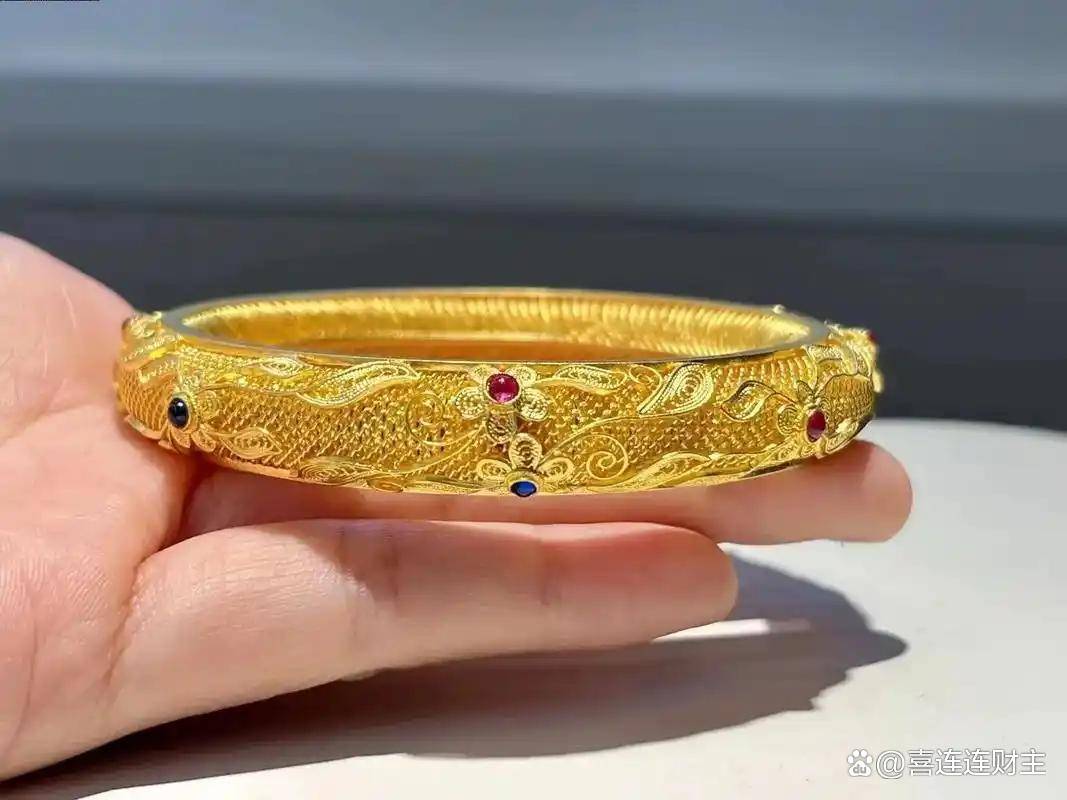
金价:今日金价1109克!没意外的话,明天或将迎更大级别变盘?
Sou Hu Cai Jing· 2026-02-23 18:14
Core Viewpoint - The recent surge in gold prices, with retail prices reaching 1545 yuan per gram, reflects significant market volatility and varying pricing structures across different sales channels [1][5][6]. Pricing Structure - Retail gold prices at major jewelry stores like Chow Tai Fook and Lao Feng Xiang have increased to 1545 yuan per gram, up from 1518 yuan, indicating a rise of 27 yuan per gram [1]. - In contrast, the wholesale market in Shenzhen quotes gold at 1298 yuan per gram, while banks offer investment gold bars at prices ranging from 1150.14 to 1155 yuan per gram, showing a significant price disparity of up to 445 yuan per gram between retail and wholesale [3][5][6]. - The gold recovery market offers a uniform buyback price of around 1100 yuan per gram, regardless of the purchase price, highlighting the lack of brand value in the recovery process [6]. Market Influences - Geopolitical tensions in the Middle East, particularly involving U.S. military actions and Iranian military exercises, are driving investors towards gold as a safe-haven asset [8]. - Expectations regarding the U.S. Federal Reserve's monetary policy have shifted, with a low probability of interest rate cuts in March, which has affected gold's appeal as an inflation hedge [9][11]. - Domestic demand for gold jewelry has surged post-Chinese New Year, contributing to higher retail prices, while global central bank purchases of gold provide long-term support for prices [12]. Consumer Behavior - Consumers are becoming more discerning, with a preference for investment gold bars and lower-weight gold products, indicating a shift towards viewing gold as a long-term asset rather than just a luxury item [14]. - Innovative purchasing strategies are emerging, where consumers buy investment gold bars from banks and then have them crafted into jewelry at lower costs, balancing investment and personal use [16]. Market Predictions - Major financial institutions have raised their gold price forecasts, with Goldman Sachs projecting a target of 5400 USD per ounce by the end of 2026, driven by geopolitical risks [16].
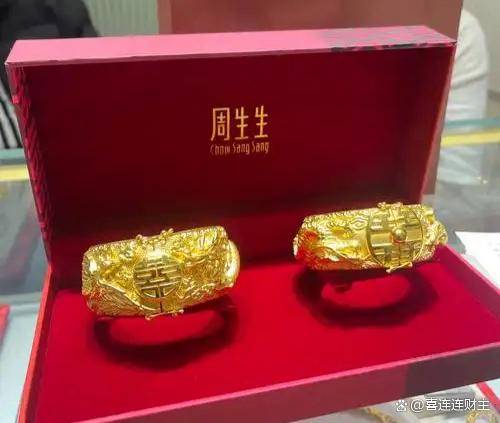
美联储的降息预期会对未来金价走势产生什么影响?
Sou Hu Cai Jing· 2026-02-20 07:15
Core Viewpoint - The expectation of interest rate cuts by the Federal Reserve is a key variable influencing gold prices, potentially leading to a long-term bull market or significant volatility due to expectation discrepancies, with gold prices projected to exceed $5,000 by early 2026 [1] Group 1: Impact of Rate Cut Expectations on Gold Prices - Lowering of real interest rates reduces the holding cost of gold, as its cost is negatively correlated with real interest rates; for instance, after three rate cuts totaling 75 basis points in 2025, the real yield on 10-year U.S. Treasuries fell from 2.5% to 1.2%, triggering a 60% increase in gold prices [1] - A depreciation of the U.S. dollar amplifies the pricing effect of gold; in 2025, the dollar index fell by 9.4%, while gold priced in euros rose 15 percentage points more than in dollars, contributing to gold surpassing $4,900 in early 2026 [1] Group 2: Safe-Haven Demand and Credit Hedge Resonance - When rate cut expectations stem from economic recession risks or debt crises, gold's "credit hedge" property may surpass traditional interest rate logic; for example, in January 2026, despite a pause in rate cuts, concerns over U.S. dollar credit stability led to a 3% surge in gold prices to a historical high [2] - Central banks have increased gold holdings for 15 consecutive months, with net purchases exceeding 1,200 tons in 2025, providing long-term support for gold prices [2] Group 3: Expectation Discrepancies as Catalysts for Short-Term Volatility - Discrepancies between market expectations and actual Federal Reserve actions can trigger significant price fluctuations; for instance, in February 2026, stronger-than-expected U.S. non-farm data caused a sharp drop in rate cut probabilities, leading to a $200 decline in gold prices within 30 minutes [3] - Conversely, dovish signals from the Federal Reserve in January 2026, despite a pause in rate cuts, were interpreted as a delay rather than a reversal, prompting hedge funds to drive gold prices above the psychological threshold of $5,000 [3] Group 4: Projections for Gold Prices in 2026 - The baseline scenario (50% probability) suggests a gradual upward trend, with potential rate cuts in June and September leading to gold prices stabilizing between $5,400 and $5,600, while caution is advised for technical corrections with key support at $4,800 to $4,900 [5] - An aggressive scenario (30% probability) could see gold prices surge to $6,000 if geopolitical risks escalate and inflation rebounds, prompting the Federal Reserve to cut rates by 50 basis points [6] - A conservative scenario (20% probability) may result in a pullback to the $4,300 to $4,500 range if strong employment data delays rate cuts until 2027, although central bank purchases and increased demand from the solar industry may limit downside risks [7] Group 5: Investor Strategy Recommendations - Trend followers should monitor the divergence between 10-year TIPS yields and gold prices, increasing gold ETF holdings when real rates fall below 1% [8] - Swing traders can capitalize on expectation discrepancies by positioning in volatility derivatives ahead of Federal Reserve meetings [8] - Long-term investors are advised to accumulate gold in phases through bank storage to mitigate futures leverage risks, with a recommended holding period of over two years [8]
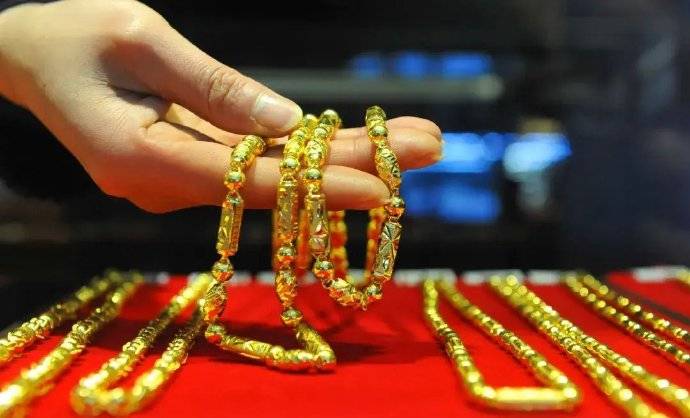
黄金白银上演心跳游戏,普通人还能不能淘金了?
Sou Hu Cai Jing· 2026-02-16 22:14
Core Viewpoint - The precious metals market experienced extreme volatility at the beginning of 2026, with gold prices initially soaring above $5600 per ounce before plummeting below $4500, while silver saw daily declines exceeding 15% [1][3]. Group 1: Market Dynamics - The immediate trigger for the volatility was the nomination of Kevin Warsh as the next Federal Reserve Chairman, which reversed market expectations for interest rate cuts and strengthened the dollar, putting pressure on gold and silver prices [3]. - The U.S. Labor Department reported that the core Producer Price Index (PPI) for December 2025 exceeded economists' expectations, indicating that inflation is becoming more embedded in the economy, which may prolong the Fed's neutral monetary policy [3]. - The Chicago Mercantile Exchange (CME) raised margin requirements for gold and silver, exacerbating the volatility as high-leverage positions were forced to liquidate, leading to a liquidity crunch [3][5]. Group 2: Institutional Responses - Major financial institutions, including banks, have implemented measures to mitigate risks associated with the market's volatility, such as increasing minimum investment amounts for gold accumulation products and adjusting margin requirements for silver contracts [7][15]. - The Shanghai Gold Exchange and Shanghai Futures Exchange have also taken steps to manage risk by adjusting margin and trading limits for silver futures [5]. Group 3: Long-term Outlook - Despite the short-term volatility, many fund managers believe that the long-term bullish trend for gold remains intact, supported by structural factors such as ongoing central bank purchases and a weakening dollar credit system [7][9]. - UBS Wealth Management has raised its gold price target for the first three quarters of 2026 to $6200 per ounce, reflecting strong demand from central banks [9]. Group 4: Investment Strategies - Experts recommend that ordinary investors adopt differentiated strategies, such as using dollar-cost averaging to mitigate the impact of market volatility on investment returns [11][12]. - Investment in gold ETFs and bank accumulation products is advised over direct futures trading, with a suggested allocation of 5% to 15% of household financial assets to precious metals [12][14]. - Specific trading strategies include positioning in gold and silver ETFs when prices fall within certain ranges, while maintaining strict risk management practices [14].

本金翻倍VS高位“站岗”,金价还能涨吗?
经济观察报· 2026-02-15 02:55
Core Viewpoint - The article discusses the volatility in the gold market at the beginning of 2026, questioning whether it is still a good time to invest in gold and what investment strategies could mitigate risks while maximizing opportunities [2][4]. Investment Landscape - In 2025, the gold market experienced a significant surge, with the London spot gold price closing around $4,300 per ounce, marking a 65% increase for the year, the largest annual gain since 1979 [2][9]. - By early 2026, gold prices reached nearly $5,600 per ounce before experiencing a sharp decline, stabilizing around $5,000 per ounce [2][13]. - The article highlights the diverse experiences of investors during this period, with some achieving substantial gains while others faced losses due to high entry points [4][5]. Investor Experiences - An investor named Xuedi, who entered the market early, reported a significant return on investment, with his gold account value peaking at $5.6 million from an initial investment of 2.8 million yuan [4]. - In contrast, another investor, Shiyue, who entered the market at a high price, faced substantial losses and expressed anxiety over her investment decisions [5][6]. - A third investor, Tianrui, reflected on missed opportunities due to hesitation, illustrating the emotional impact of market timing on investment decisions [7]. Market Dynamics - The global gold demand reached a record high of 5,002 tons in 2025, driven by geopolitical risks and economic uncertainties, with total demand valued at $555 billion [9]. - Central banks contributed significantly to gold demand, purchasing 863 tons in 2025, although this was below the previous three-year average of over 1,000 tons [9][10]. - The pricing logic of gold has evolved, with a shift from being primarily influenced by U.S. Treasury yields to being more closely related to central bank purchases and global economic conditions [10][11]. Future Outlook - The article notes that the gold market is currently experiencing volatility, with predictions for gold prices to potentially rise to $6,300 per ounce by the end of 2026, and even $6,600 per ounce in 2027 according to optimistic forecasts [15]. - Analysts suggest that while the current market conditions are uncertain, the long-term outlook for gold remains positive due to ongoing geopolitical risks and economic pressures [13][14]. - Investment strategies such as dollar-cost averaging and careful position management are recommended to navigate the volatile market [16].
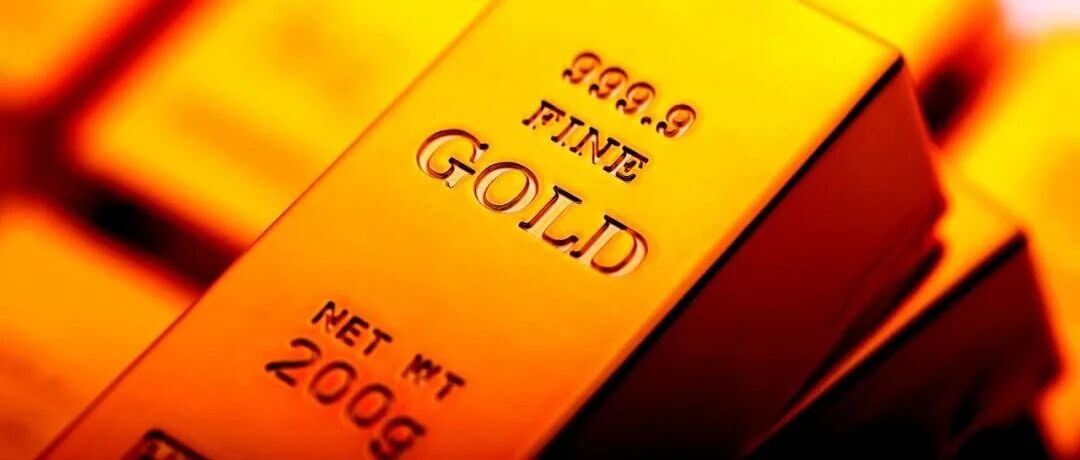
黄金牛市悲喜:本金翻倍VS高位“站岗”,金价还能涨吗?
Jing Ji Guan Cha Wang· 2026-02-14 13:25
Core Viewpoint - The year 2025 marked a significant surge in gold prices, with London spot gold closing around $4,300 per ounce, a 65% increase, the largest annual gain since 1979. This trend continued into 2026, where prices peaked near $5,600 before experiencing a sharp decline, leading to investor uncertainty about future gold investments and strategies [1][8]. Investor Experiences - Different investor experiences highlight the complexities of the gold market. Some, like Xuedi, benefited from early investments, while others, such as Shiyue, faced anxiety after entering the market at high prices. Tianshui's regret over missed opportunities illustrates the emotional spectrum among investors during this volatile period [2][3][5]. Market Dynamics - In 2025, global gold demand reached a record high of 5,002 tons, driven by economic volatility and geopolitical risks, with total demand valued at $555 billion. Investment demand surged to 2,175 tons, with significant contributions from gold ETFs and physical gold investments [6][7]. - The pricing logic of gold has evolved, shifting from a negative correlation with U.S. Treasury yields to a more complex relationship involving U.S. debt levels and central bank purchases. This change reflects a diversified influx of investment sources, particularly from Asia and North America [7][10]. Future Outlook - As of early 2026, gold prices experienced volatility, with a peak above $5,600 followed by a drop exceeding 20%. Investor sentiment is mixed, with concerns about future price movements amid potential changes in U.S. monetary policy under the new Federal Reserve chair [9][10]. - Optimistic forecasts from institutions suggest gold prices could reach $6,600 per ounce by 2027, driven by sustained demand from central banks and investors. However, the end of the current bull market may hinge on U.S. economic conditions and Federal Reserve policies [11][12].
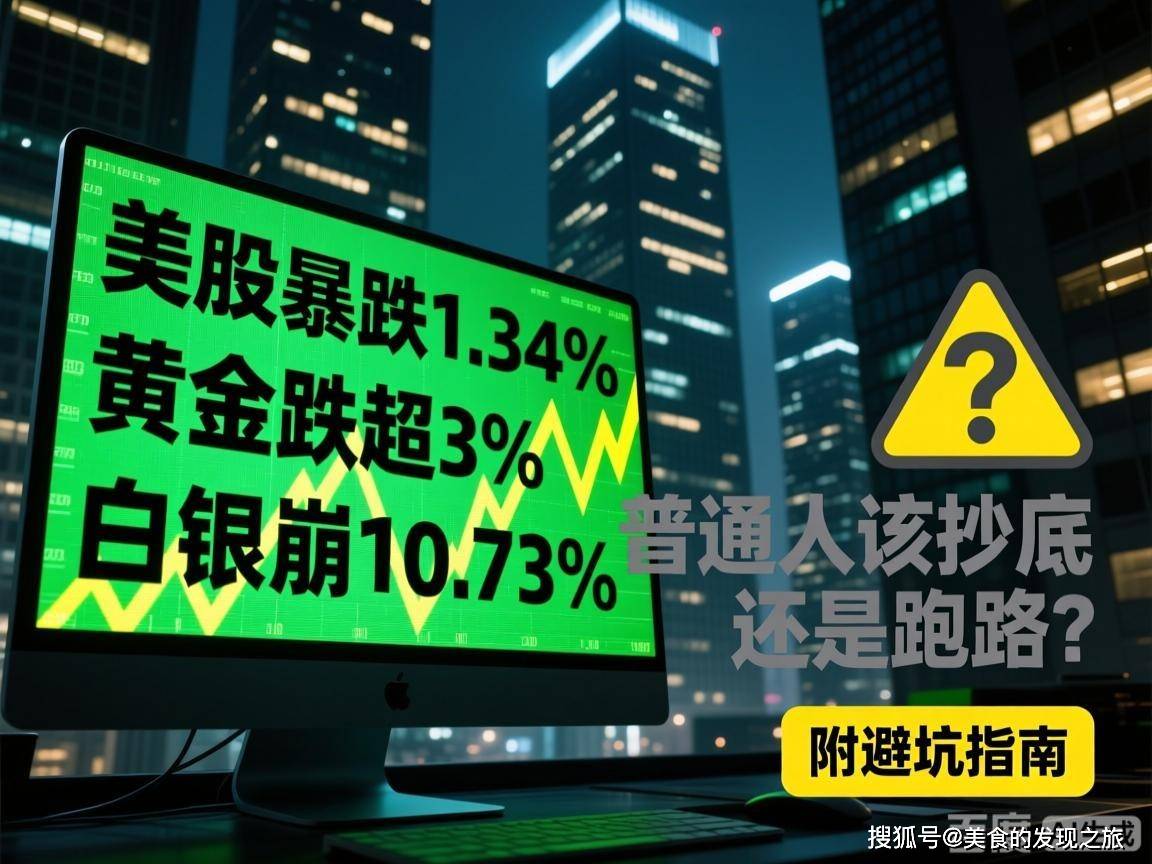
猝不及防!美股暴跌1.34%、黄金跌超3%、白银崩10.73%,深夜闪崩真相曝光,普通人该抄底还是跑路?附避坑指南
Sou Hu Cai Jing· 2026-02-13 13:45
Core Viewpoint - The recent market crash on February 12, where both U.S. stocks and precious metals experienced significant declines, is attributed to multiple underlying factors, including unexpected U.S. employment data and a subsequent drop in interest rate expectations from the Federal Reserve [6][30]. Summary by Sections U.S. Stock Market Performance - On February 12, the three major U.S. stock indices opened in a downward trend, with the Dow Jones Industrial Average closing down 669.42 points, a drop of 1.34%, and the Nasdaq Composite Index falling 2.03%, down 469.32 points [3][30]. - The trading volume for the S&P 500 index reached a recent high, indicating a growing sense of panic among investors [3]. Precious Metals Market Performance - On the same day, international spot gold fell by over 3%, closing at $4921.7 per ounce, with a peak decline of more than 4% during the session [4][30]. - Silver experienced an even more dramatic drop, closing down 10.73% at $75.224 per ounce, marking one of the largest single-day declines since 2026 [4][30]. Key Factors Behind the Market Crash - The primary trigger for the market downturn was the U.S. non-farm payroll data, which exceeded expectations, leading to a significant reduction in the likelihood of interest rate cuts by the Federal Reserve [6][7]. - Concerns over the impact of artificial intelligence on job markets contributed to the sell-off in tech stocks, which in turn led to a liquidity crisis, prompting traders to liquidate precious metals to cover losses [9][10]. - Algorithmic trading exacerbated the situation by triggering stop-loss orders, resulting in a chain reaction of selling in both stocks and precious metals [11][12]. Implications for Investors - The market crash has direct implications for investors holding U.S. stocks, gold, or silver, as many experienced significant losses [14][30]. - Even those not directly involved in the markets should be aware of the broader economic implications, as U.S. monetary policy and economic performance can influence global markets, including domestic equities [14][30]. Investment Guidance - Investors are advised to control their positions and avoid leverage, ensuring that no single asset constitutes more than 10% of their total liquid assets [20]. - It is recommended to optimize investment tools and avoid blindly following market trends, as well as to establish clear stop-loss and take-profit strategies [21][27]. - Monitoring key economic indicators, such as the upcoming U.S. Consumer Price Index (CPI) data, is crucial for understanding potential market movements [28].


春节前,你的黄金该留还是卖?
36氪· 2026-02-13 10:14
Core Viewpoint - The article discusses the fluctuations in gold prices during the Spring Festival and provides insights on how investors should respond to these changes in the gold market [5]. Group 1: Market Conditions - The Shanghai Gold Exchange will be closed from February 14 to February 23, while the international precious metals market will continue to operate normally [6]. - Recent discussions among investors focus on whether to hold gold during the holiday period [7]. Group 2: Investor Strategies - Investors like Ms. Ma, who purchased gold at lower prices, choose to hold their investments through the holiday, indicating that significant price fluctuations do not impact their decisions [9]. - Ms. Yan plans to sell her gold if prices reach 1200 or 1300 yuan per gram, while she is open to buying more if prices drop below her purchase price of 1058 yuan per gram [10]. - Investor Mr. Li, who bought a gold ETF, experienced a brief profit but is cautious about potential market volatility and is considering selling before the holiday [12]. Group 3: Trading and Repurchase Policies - Several banks and gold jewelry brands have adjusted their repurchase policies, limiting transactions during non-trading days, including weekends and holidays [14][15]. - The Bank of China announced that transactions for gold accumulation will be limited during the holiday, and repurchase services will be suspended [15][16]. Group 4: Expert Recommendations - Experts suggest that ordinary investors should treat gold as a hedge in their asset allocation, keeping their positions between 3% to 5% of total assets and favoring safer investment vehicles like bank gold bars and gold ETFs [21]. - Caution is advised for short-term speculators, as market volatility during the holiday could lead to significant price movements that may not allow for timely exits [22]. - Investors are encouraged to monitor economic data from the U.S. that could impact gold prices and to consider using options to hedge against price fluctuations [25].
金价真的是一夜大反转,最新报价,全国金价竟然差这么多?
Sou Hu Cai Jing· 2026-02-11 19:51
Core Viewpoint - The gold market is experiencing significant price discrepancies, with domestic prices varying widely from international prices and among different sales channels, leading to confusion among consumers about the true value of gold [1][6][10] Price Discrepancies - As of February 11, 2026, the international gold price is stable at $5,058 per ounce, while domestic base gold price is at 1,124 RMB per gram, but actual market prices can differ by hundreds of RMB depending on the sales channel [1][6] - Bank gold bars are priced at 1,137 RMB per gram, while retail brands like Chow Tai Fook list prices at 1,550 RMB per gram, and the Shenzhen Shui Bei wholesale market offers a price of 1,287 RMB per gram, excluding additional processing fees [3][6] Cost Structure - The price differences arise from varying cost structures across sales channels; the Shanghai Gold Exchange price reflects raw material costs, while retail prices include significant overheads such as rent and marketing [3][10] - Processing fees also contribute to price variations, with basic polishing costing around 10 RMB per gram, while more complex techniques can add 30-35 RMB per gram [4][10] Market Demand and Supply - The price discrepancies are exacerbated by seasonal demand, particularly around the Chinese New Year, which increases gold jewelry consumption, while some investors liquidate their holdings, affecting the supply in the recovery market [6][10] - The exchange rate also plays a role; as the RMB depreciates against the USD, the domestic gold price in RMB increases, widening the gap between domestic and international prices [6][10] Consumer Guidance - For investment purposes, bank gold bars at 1,137 RMB per gram are the most cost-effective option, while brand stores offer added value through services like free cleaning and exchange [8][10] - Consumers should be cautious when choosing recovery channels, as unofficial buyers may impose hidden fees, while banks and brand stores provide more transparent processes [8][10] Market Volatility - Gold ETFs have shown significant volatility, with record inflows in January 2026, but are sensitive to price fluctuations, leading to potential sell-offs when prices drop [8] - As of February 11, 2026, New York gold futures are quoted at $5,082 per ounce, reflecting a 1.02% increase from the previous day, with market participants awaiting key economic data that could influence future price movements [8]