雷凌

Search documents
广汽集团(02238) - 海外监管公告
2026-03-29 10:46
香港交易及結算所有限公司及香港聯合交易所有限公司對本公告的內容概不負責,對其準確性或完整 性亦不發表任何聲明,並明確表示,概不對因本公告全部或任何部分內容而產生或因依賴該等內容而 引致的任何損失承擔任何責任。 GUANGZHOU AUTOMOBILE GROUP CO., LTD. 廣州汽車集團股份有限公司 ( 於中華人民共和國註冊成立的股份有限公司 ) (股份編號: 2238) 海外監管公告 本公告乃廣州汽車集團股份有限公司(「本公司」)按香港聯合交易所有限公司證券上市規 則第 13.10B 條發出。 以下文件乃本公司於二零二六年三月二十七日在中華人民共和國上海證券交易所網頁登載, 僅供參閱。 承董事會命 廣州汽車集團股份有限公司 馮興亞 董事長 中國廣州,二零二六年三月二十七日 於本公告日期,本公司的執行董事為馮興亞及閤先慶,本公司的非執行董事為陳小沐、鄧蕾、 周開荃、王亦偉及洪素麗,以及本公司的獨立非執行董事為趙福全、肖勝方、王克勤及宋鐵波。 1. 《廣州汽車集團股份有限公司 2025 年年度報告摘要》 2. 《廣州汽車集團股份有限公司 2025 年年度報告》 3. 《廣州汽車集團股份有限公司 2025 ...
广汽丰田想要重回百万产销量
Bei Jing Ri Bao Ke Hu Duan· 2025-11-24 09:19
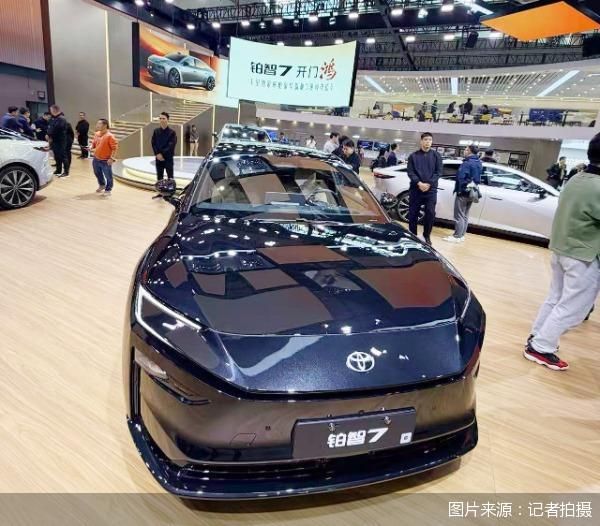
Core Insights - GAC Toyota officially launched its "oil-electric dual strong" strategy during the 2025 Guangzhou International Auto Show, introducing the new models Vellfire and Platinum 7, which dispels rumors about the discontinuation of fuel vehicles and marks a shift from the long-standing "sister car" strategy to a differentiated product approach aimed at achieving a production and sales target of one million units by 2028 [1][3] Group 1: Historical Context and Market Dynamics - The "sister car" strategy was crucial for Toyota's market penetration in China, where core models were slightly adjusted for different joint ventures, such as the Vellfire and RAV4 [3] - In 2022, GAC Toyota achieved sales of 1.005 million units, marking a 21.4% year-on-year increase despite a significant downturn in the overall joint venture market [3] - The Chinese automotive market is transitioning from an incremental growth phase to a saturated market, with rapid growth in domestic brands and electric vehicles highlighting the limitations of the "sister car" model [3][4] Group 2: Strategic Shifts and Future Goals - GAC Toyota is adjusting its product strategy to address the homogenization issues of the "sister car" competition, introducing the Platinum 7, which is developed by a local engineering team and will not have a corresponding version from FAW Toyota [4] - The company has set new production and sales targets, aiming for over 800,000 units by 2026 and more than 10% sales growth by 2027, with a significant increase in the proportion of electric vehicle sales [4] - GAC Toyota anticipates that by 2026, the share of electric vehicle sales will exceed 20%, and by 2027, it will surpass 40% [4] Group 3: Industry Expert Opinions - Analysts suggest that the "sister car + channel expansion" strategy, while effective in the growth phase, is less viable in the current saturated market, advocating for a focus on differentiation and rapid iteration of products [5] - Experts emphasize the need for joint ventures to accelerate electrification and enhance local collaborations, while also optimizing fuel vehicle product lines to focus on high-value models and improve user experience [5]

告别“姊妹车”内耗,广汽丰田想要重回百万产销量
Bei Jing Shang Bao· 2025-11-23 10:07
Core Insights - GAC Toyota officially launched its "Oil-Electric Dual Strong" strategy during the 2025 Guangzhou International Auto Show, introducing the new models Vellfire and Platinum 7, which aims to dispel rumors about ceasing fuel vehicle production and marks a shift from the long-standing "sister car" strategy [2][4] - The company aims to achieve a production and sales target of one million units by 2028, with a focus on differentiated product offerings to enhance competitiveness [2][4] Market Context - The Chinese automotive market is transitioning from an incremental growth phase to a saturated market, with domestic brands and new energy vehicles (NEVs) rapidly gaining market share, leading to a 16% year-on-year decline in retail sales of joint venture fuel vehicles in 2024 [3] - In contrast, the NEV market in China saw a 40.7% year-on-year growth in retail sales, with domestic brands achieving a penetration rate of 77.9% by October 2025 [3] Strategic Adjustments - GAC Toyota is moving away from the "sister car" model due to its homogenization issues and is focusing on product differentiation, as evidenced by the introduction of the Platinum 7, which is developed by Toyota's Chinese engineering team and will not have a corresponding version from FAW Toyota [4] - The new Vellfire is the first model to utilize Toyota's new electronic architecture, allowing for continuous over-the-air (OTA) updates, addressing previous limitations of traditional fuel vehicles [4] Future Goals - GAC Toyota has set ambitious production and sales targets, aiming for over 800,000 units in 2026 and over 10% sales growth in 2027, with a significant increase in the proportion of NEV sales, targeting over 20% in 2026 and over 40% in 2027 [4] Industry Expert Opinions - Analysts suggest that the "sister car + channel expansion" strategy, while effective in the growth phase, is less viable in the current market, advocating for a focus on refining fuel vehicles and innovating NEVs [5] - Experts emphasize the need for joint venture automakers to accelerate electrification and enhance local collaborations to navigate challenges posed by slow transitions and competition from domestic brands [5]
独家|丰田中国的平衡:“姊妹车”退场,广汽丰田多主销油车将停产
Tai Mei Ti A P P· 2025-11-19 03:29
Group 1 - GAC Toyota will stop production of at least two main fuel vehicles by 2026, which contribute nearly 130,000 units to its total sales of 639,100 units in the first ten months of this year, accounting for about 20% of total sales [1][7] - The decision to reduce fuel vehicle models is part of Toyota China's strategic adjustment, moving away from the "sister car" strategy that has been in place for over 20 years, which has led to internal competition and price wars between joint ventures [2][3] - Starting in 2024, GAC Toyota will narrow down price cuts on models that are in fierce competition, leading to a significant drop in sales from nearly 20,000 units to around 5,000 units [3] Group 2 - GAC Toyota plans to gradually stop production to minimize the impact on short-term sales, with the third production line set to be modified to produce new energy vehicles in the first half of next year [6] - The company aims to focus on increasing sales of new energy vehicles to offset the long-term impact of reducing fuel vehicle production, with the goal of returning to an annual sales volume of 1 million units by 2028-2030 [7][8] - The first locally developed new energy vehicle, the Pure Electric Model Platinum 3X, has seen cumulative sales of 45,000 units in the first ten months, with a target of 12,000 orders for November [7][9] Group 3 - GAC Toyota is enhancing its research and development capabilities by expanding its engineering team and optimizing user research processes, aiming to build its own product system [9][10] - The company is collaborating with local automotive companies for new vehicle development, as the scale of its R&D team is relatively small compared to competitors [8][9] - A recent strategic cooperation framework agreement was signed with FAW Group and GAC Group to develop electric and intelligent connected vehicles, indicating a shift towards a more localized product strategy [9]
轩逸裸车价降至5.98万,汽车又现大降价意味着什么?
3 6 Ke· 2025-09-15 04:30
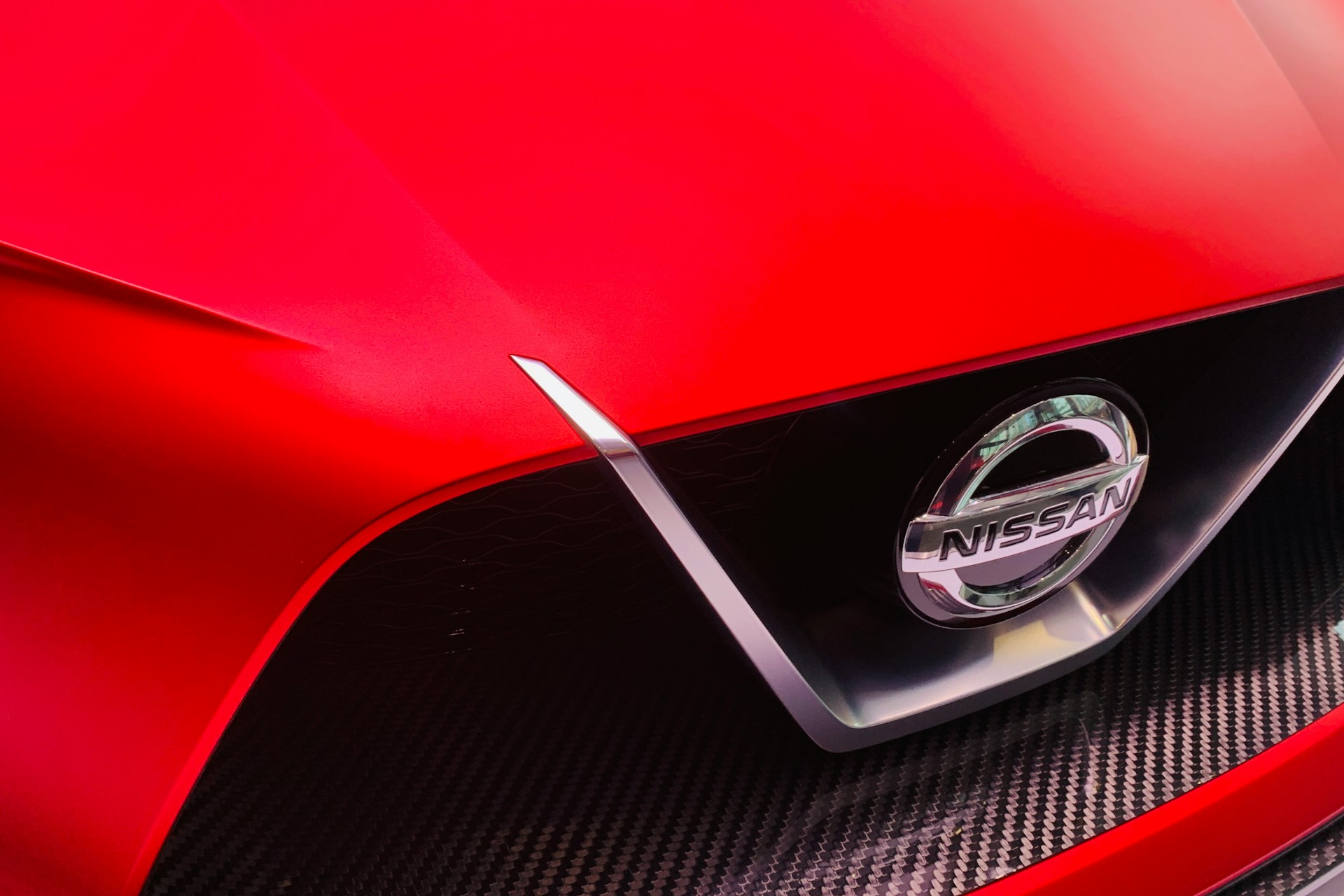
Group 1 - The recent price drop of the Nissan Sylphy to 59,800 yuan reflects a broader trend in the automotive market, where price wars have become commonplace among car manufacturers [3][6] - The Sylphy's price reduction is part of a competitive response to the introduction of lower-priced models from brands like BYD, which has led to significant price adjustments across the A-class sedan segment [3][4] - Other competitors, such as the Volkswagen Lavida and Toyota Corolla, have also seen substantial price cuts, indicating a market-wide trend towards aggressive pricing strategies [4][6] Group 2 - The decline in demand for entry-level A-class sedans is evident, with market share dropping from 28.5% in 2020 to just 15% in 2024, highlighting a significant shift in consumer preferences [7] - The rise of domestic electric vehicles (EVs) has disrupted the traditional fuel vehicle market, as these EVs offer superior features at competitive prices, further pressuring traditional manufacturers [8][9] - The ongoing price competition in the low-end market is likely to persist, as many manufacturers lack the innovation needed to differentiate their products, leading to a reliance on price reductions to attract consumers [11]
A级轿车市场硝烟再起,轩逸裸车价不足6万元!背后这一数据惊人:5年销量“蒸发”超200万辆
Mei Ri Jing Ji Xin Wen· 2025-09-12 09:11
Core Viewpoint - The competition in the A-class sedan market is intensifying as major brands, including Nissan and Toyota, are significantly reducing prices to attract consumers, with models like the Nissan Sylphy dropping below 60,000 yuan [1][2][11]. Price Reductions - The 2024 Nissan Sylphy 1.6L Comfort version has a bare price of 59,800 yuan, which is 21,000 yuan lower than its guide price of 79,900 yuan [1]. - Other brands are also following suit, with the Volkswagen Lavida priced at 73,000 yuan after a cash discount of around 15,000 yuan, and the Toyota Corolla seeing a price drop of 39,000 to 41,000 yuan [2]. Market Dynamics - The A-class sedan market is experiencing a shift, with the sales of domestic brands like BYD's Qin PLUS gaining traction, capturing significant market share from traditional joint ventures [8][10]. - In the first eight months of the year, the sales rankings show that only the Sylphy, Lavida, and Sagitar remain competitive among joint venture brands, while domestic models occupy the majority of the top ten spots [7][8]. Sales Trends - The total market size for A-class sedans has decreased from 5.5 million units in 2020 to 3.4 million units in 2024, a reduction of over 200,000 units [11][12]. - Despite the decline, A-class sedans still represent the highest sales segment in the domestic car market, accounting for 36% of total car sales in the first seven months of the year [13]. Consumer Preferences - Consumers are increasingly comparing traditional models with new energy vehicles, indicating a shift in purchasing behavior towards more cost-effective and technologically advanced options [10]. - The market is seeing a growing preference for new energy vehicles, which accounted for 43% of A-class car sales in August, while the share of fuel-powered A-class cars has dropped significantly [10][12].


丰田汽车金融以普惠金融方案激活夏日车市
Zhong Guo Chan Ye Jing Ji Xin Xi Wang· 2025-08-18 04:41
Core Insights - The automotive industry is a key driver for consumer market growth, heavily supported by automotive finance, with China's new car finance penetration rate nearing 70% [1] - Toyota Financial Services is actively responding to national policies aimed at boosting consumption and local car purchase subsidies by launching customized financial solutions [1][2] - The introduction of "0 interest" financing options aims to reduce the financial burden on consumers, making car purchases more accessible [2] Group 1: Financial Products and Consumer Benefits - Toyota Financial Services has launched a "Cool Financial Plan" that includes low down payments, low interest rates, and flexible payment options tailored to various consumer needs [1] - The "0 interest" financing plan covers popular models from FAW Toyota and GAC Toyota, allowing for zero down payment and flexible repayment terms of 12 to 36 months [2] - All Toyota and Lexus models are eligible for a zero down payment and low-interest financing option, with annual interest rates starting at 3.82% [3] Group 2: Market Strategy and Consumer Engagement - Toyota Financial Services emphasizes a customer-centric approach, providing a range of financial products and services to meet diverse consumer needs [4] - The company collaborates with professional insurance brokers to offer insurance services alongside car loans, enhancing convenience for consumers [4] - The integration of financial solutions with consumer demands is seen as a way to stimulate sustained growth in the automotive market [4]
丰田国内召回23.6万辆车 凯美瑞、亚洲龙成“重灾区”
Xi Niu Cai Jing· 2025-08-13 08:18
Group 1 - Toyota's large-scale recall involves over 236,000 vehicles across multiple popular models including Avalon, Lexus LM/LS series, imported Alphard, and Camry [2][5] - The recall is primarily due to defects in the instrument system and manufacturing flaws, particularly a control program setting issue that may cause a black screen at vehicle startup, leading to a "blind driving" safety risk [5][7] - The recall includes 96,157 vehicles, with the Avalon model alone accounting for 54,143 units, representing 56.3% of the total recall volume [5] Group 2 - GAC Toyota has initiated two recall plans affecting key models such as Camry, Levin, Linghang, and Fanglanda, totaling 140,192 vehicles, with the new ninth-generation Camry making up 75,323 units or 53.7% of the total [7] - The recall will be executed in two phases: the first phase starting September 30, recalling 139,032 vehicles due to instrument program defects, and the second phase recalling 6,154 vehicles for potential front suspension spring breakage risks [7] - The industry is alerted by this large-scale recall, emphasizing the need for manufacturers to intercept quality issues during production rather than relying solely on post-recall remedies [7]


丰田计划在中国市场召回汽车23.66万辆 第一财季净利降36.9%全年预期下调14%
Chang Jiang Shang Bao· 2025-08-11 23:31
Group 1: Recall Information - Toyota is recalling a total of 236,600 vehicles in the Chinese market, including models from GAC Toyota and FAW Toyota [1][6][11] - The recall includes 69,169 units of the new ninth-generation Camry, 57,402 units of the Levin, and 6,574 units of the Linghang, among others [2][5] - The reason for the recalls is due to improper control program settings in the combination instrument, which may lead to a black screen at startup, posing safety risks [2][6] Group 2: Sales Performance - In the first half of 2025, Toyota's sales in China (including Lexus) reached 837,700 units, a year-on-year increase of 6.8% [8][9] - Cumulative sales in China surpassed 25 million units, making Toyota the first Japanese automaker to reach this milestone [9] - The sales of electric vehicles reached 185,200 units, accounting for nearly half of the total sales for FAW Toyota [9] Group 3: Financial Outlook - Toyota's net profit for the first quarter of the 2026 fiscal year fell by 36.9% to 841 billion yen, with a projected operating profit loss of 1.4 trillion yen (approximately $9.5 billion) due to increased tariffs on U.S. auto imports [11][12] - The company has revised its net profit forecast for the 2026 fiscal year down by 14% to 2.6 trillion yen (approximately 126.8 billion yuan) [12] - The increase in U.S. tariffs from 2.5% to 25% has significantly impacted the company's financial outlook [12]

最新通知!法拉利、丰田等多品牌汽车被召回
Di Yi Cai Jing· 2025-08-09 06:06
Group 1 - Ferrari is recalling 381 units of the imported Purosangue due to a potential short circuit in the fuse box, which may lead to decreased braking performance [2][3] - GAC Toyota is recalling multiple models including 69,169 units of the new Camry and 57,402 units of the Levin due to improper control program settings that may cause the instrument panel to go black during startup [3][4] - GAC Toyota will provide free upgrades to the instrument panel control program for the affected vehicles to eliminate safety risks [4] Group 2 - FAW Toyota is recalling 54,143 units of the domestic Avalon due to safety concerns [5] - BMW is recalling various models including 1 unit of the imported 5 Series and 379 units of the domestic X5 due to potential issues with the starter generator's power connector that may lead to vehicle stalling or fire [8][9] - BMW will conduct free inspections and necessary replacements for the affected vehicles to address safety hazards [9][10] Group 3 - Stellantis is recalling 3,339 units of the imported Jeep Grand Cherokee 4xe due to potential damage to the air conditioning blower motor connector, which may impair visibility and increase collision risk [11] - Stellantis will inspect and replace the air conditioning blower motor assembly if necessary to mitigate safety concerns [11]