LPDDR6内存

Search documents
美光:未来汽车将需要300GB的内存
芯世相· 2026-03-23 06:34
Core Insights - Micron's CEO Sanjay Mehrotra highlighted that with the introduction of L4 autonomous vehicles, the demand for RAM will exceed 300GB, driven by the strong demand for high-end HBM chips from AI cloud providers [3] - Micron reported a significant revenue increase of 200%, reaching $23.86 billion in Q2 2023, primarily due to AI infrastructure and structural supply constraints [3] - The company plans to build multiple fabs in Japan, Singapore, and New York, aiming for a 20% capacity increase by 2026 to alleviate supply-side pressures [3] Group 1: Automotive Memory and Processing Needs - The surge in data from advanced driver-assistance systems (ADAS) and autonomous driving sensors is creating unprecedented demands on automotive memory and storage systems [5] - As vehicles become more electronic and intelligent, the challenges faced in automotive systems are increasingly similar to those in large data centers [6] - The integration of high-priority data functions necessitates faster data transmission speeds between processing units and memory [6] Group 2: System Architecture and Design - The shift towards software-defined vehicles allows for modular design, enabling better bandwidth and memory capacity management [10] - Centralized architectures are being favored over distributed ECUs to handle the large volumes of real-time data from multiple sensors [10] - The design of vehicles is evolving to incorporate various processing units and memory types, focusing on performance where it is most needed [8] Group 3: Memory Technology Trends - LPDDR memory is gaining traction due to its higher bandwidth and lower power consumption, with LPDDR6 achieving 14.4Gb/s [12] - The automotive sector is increasingly utilizing DRAM for computation and NAND for data storage, with a focus on balancing performance and cost [14] - Emerging memory types like MRAM and RRAM are being explored for their low power and high-density storage capabilities [18] Group 4: Future Directions and Challenges - The complexity of future vehicles will require a layered memory and storage architecture to ensure performance and safety [11] - As the industry moves towards L4 and L5 autonomous driving, the need for higher memory capacity and bandwidth will become critical [13] - The automotive memory market is highly concentrated, with a few leading manufacturers dominating, making it essential for OEMs to understand the storage industry dynamics [14]


AMD新一代APU规格曝光 Zen6来了
Xin Lang Cai Jing· 2026-02-23 04:15
Group 1 - AMD's next-generation Ryzen 500 series APU, codenamed Medusa Point and Medusa Halo, specifications have been recently revealed [1] - Medusa Point will utilize a derivative version of RDNA 4, specifically designed for mobile applications such as laptops and mini PCs [1] - Medusa Halo will feature AMD's next-generation RDNA 5 / UDNA GPU microarchitecture, with Medusa Point also offering a desktop-exclusive version of RDNA 4 [3] Group 2 - Both APU versions will be equipped with Zen 6 CPU cores, with Medusa Point employing a hybrid architecture of Zen 6 and Zen 6c, while Medusa Halo will utilize pure Zen 6 cores for maximum CPU performance [3] - The platform will adopt LPDDR6 memory, which will enhance memory bandwidth by 50% compared to the current mainstream LPDDR5X [3] - This marks AMD's first departure from the RDNA 3.5-based integrated graphics design in several years [3]

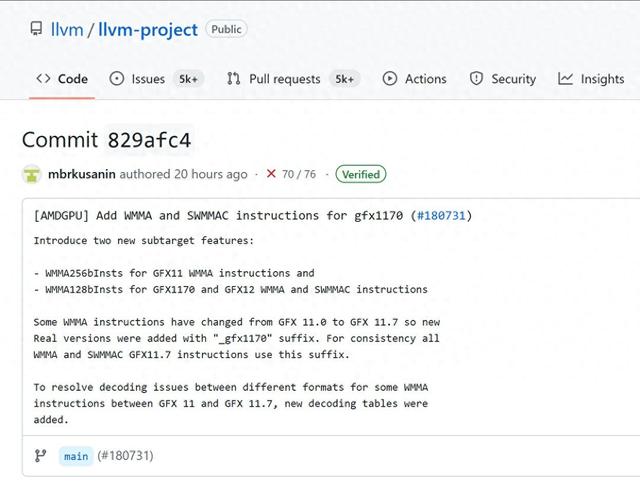
16层HBM 4,首次公开
半导体芯闻· 2026-01-06 10:30
Group 1 - SK Hynix will showcase its next-generation AI storage solutions at the 2026 CES, themed "Creating a Sustainable Future with Innovative AI Technology" [1] - The company will unveil its 48GB 16-layer HBM4 product, an upgrade from the 36GB 12-layer HBM4, which has a leading data transfer speed of 11.7Gbps [1] - SK Hynix will also present the 36GB 12-layer HBM3E product, expected to be a core product in the HBM market in the first half of the year, along with AI server GPU modules [1] Group 2 - The new generation of general memory products includes the LPDDR6 memory, which significantly enhances data processing speed and energy efficiency for AI applications [2] - In the NAND flash sector, SK Hynix will launch a 321-layer, 2Tb capacity QLC product optimized for large-capacity enterprise SSDs, driven by the growing demand from AI data centers [2] - An "AI System Demonstration Zone" will be set up for visitors to observe how the currently developed AI memory solutions integrate into a cohesive AI ecosystem [2]
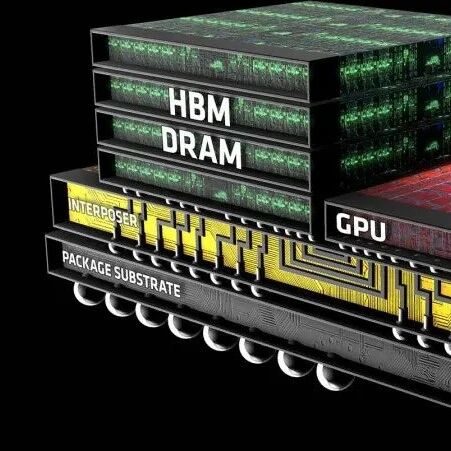
内存疯狂涨价的理由,又多了一个
3 6 Ke· 2025-11-26 02:48
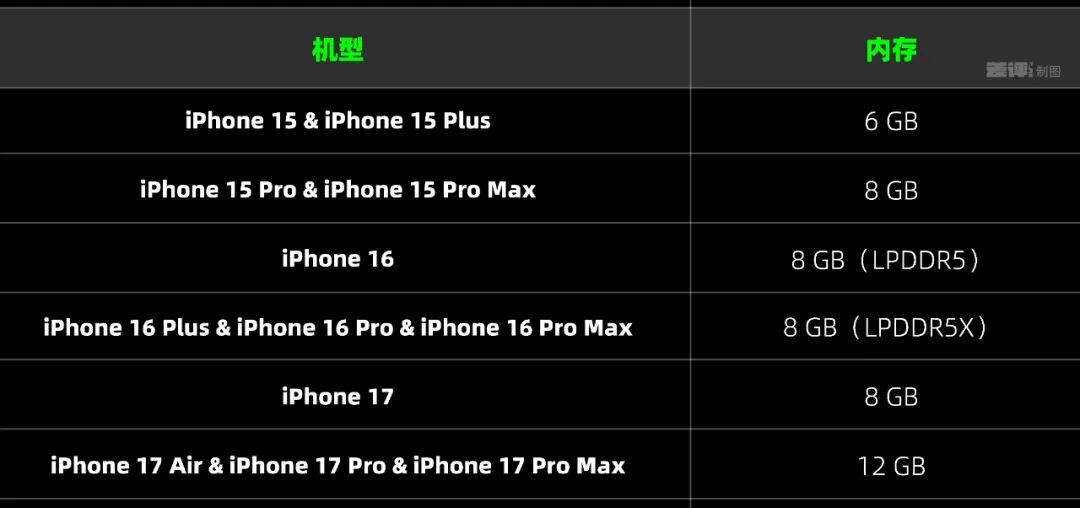
Core Insights - The article discusses the evolution of iPhone memory specifications and the introduction of the new LPDDR6 memory standard, highlighting the differences in memory capacity between standard and Pro models, as well as the implications of the new memory standard for future devices [1][2][33]. Memory Specifications - iPhone models have varying memory capacities, with the iPhone 15 and 15 Plus featuring 6 GB, while the Pro models have 8 GB. The upcoming iPhone 16 series will standardize at 8 GB, and the iPhone 17 Pro models are expected to have 12 GB [2]. - The new LPDDR6 standard, announced in July, will replace the LPDDR5 standard, which has been in use for seven years, indicating a significant upgrade in memory technology [6][11]. LPDDR6 Standard Features - LPDDR6 offers increased frequency and bandwidth while reducing power consumption, with a theoretical peak bandwidth of 32–43 GB/s, significantly higher than LPDDR5 [11][19]. - The architecture of LPDDR6 includes dual sub-channels, allowing for improved data throughput despite a decrease in individual channel width [17][20]. - The new memory standard supports three data transfer modes, enabling bandwidth allocation based on demand, which enhances efficiency in various usage scenarios [24]. Power Efficiency and Stability - LPDDR6 introduces a dual power supply design that allows for lower voltage operation during idle times, contributing to overall power savings [26][28]. - The standard includes enhanced error correction features, such as ECC, which improves stability and reliability, making it suitable for high-demand applications [31][33]. Market Implications - The introduction of LPDDR6 is expected to improve the performance of future devices, particularly in gaming and multitasking scenarios, as well as enhance the capabilities of lightweight laptops [33]. - However, the adoption of LPDDR6 may face challenges due to rising memory prices, which could delay its widespread availability [36].

三星将展出全球首款LPDDR6内存产品,科创半导体ETF(588170)涨超2%,规模流动性双优
Mei Ri Jing Ji Xin Wen· 2025-11-10 02:31
Group 1 - The core viewpoint of the articles highlights a strong performance in the semiconductor sector, particularly with the rise of the Sci-Tech Innovation Board Semiconductor Materials and Equipment Index, which increased by 2.03% [1] - Notable individual stock performances include ShenGong Co., which surged by 20.00%, and Jingyi Equipment, which rose by 9.09% [1] - The Sci-Tech Semiconductor ETF (588170) also showed significant growth, with a 2.05% increase and a trading volume of 3.38 billion yuan, indicating strong liquidity [1] Group 2 - The semiconductor industry is identified as a crucial area for domestic substitution, with a low domestic replacement rate and high potential for growth, driven by the AI revolution and advancements in technology [2] - The Sci-Tech Semiconductor ETF (588170) and its linked funds focus on semiconductor equipment (61%) and materials (23%), reflecting the industry's emphasis on upstream sectors [2] - The upcoming CES 2026 will showcase Samsung's LPDDR6 memory, the first of its kind globally, which boasts an 11.5% increase in transmission speed compared to its predecessor, LPDDR5X [1]
半导体板块震荡走高,半导体产业ETF(159582)涨近2%,神工股份20CM涨停
Sou Hu Cai Jing· 2025-11-10 02:07
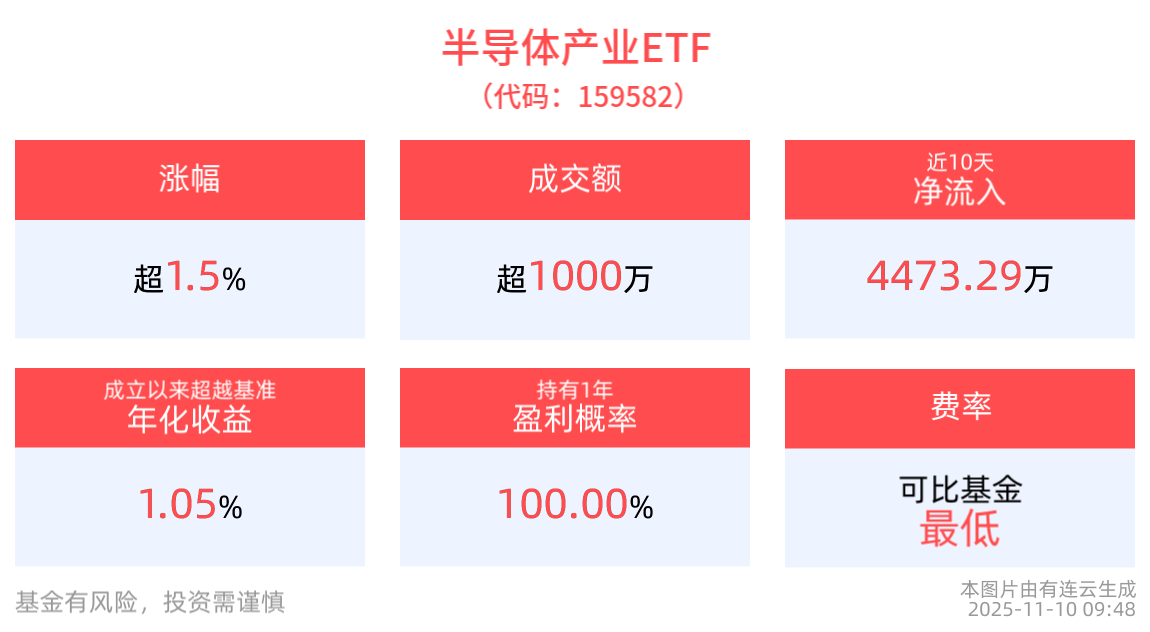
Group 1: Semiconductor Industry Performance - The CSI Semiconductor Industry Index rose by 1.65%, with notable increases in stocks such as ShenGong Co. (+20.00%), LiAng Micro (+10.02%), and Jingyi Equipment (+8.34%) [3] - The Semiconductor Industry ETF (159582) increased by 1.60%, reaching a latest price of 2.23 yuan, and has seen a cumulative increase of 2.77% over the past week [3] - The ETF had a turnover rate of 3.99% during trading, with a transaction volume of 18.0648 million yuan, and an average daily transaction volume of 69.4753 million yuan over the past week [3] Group 2: NAND Flash Market Insights - SanDisk anticipates that NAND product demand will continue to exceed supply, a trend expected to last until the end of 2026, with inventory turnover days decreasing from 135 to 115 days [3] - By 2026, the data center market is projected to surpass the mobile market as the largest segment for NAND flash memory, driven by strong demand from AI and cloud computing [3] Group 3: DRAM and NAND Supply Dynamics - Current DRAM shortages are reported to be the most severe in 30 years, with shortages in DDR5, DDR4, and DDR3 expected to persist until 2027 [5] - The surge in demand for SSDs in data centers has led to NAND flash shortages, with some upstream suppliers failing to deliver in October and prices increasing by 50% in November [5] - Lumentum reported that the optical chip market's supply-demand gap has widened from 20% to 25%-30%, while Coherent is working to double its internal capacity by 2026 due to production bottlenecks [5] Group 4: ETF and Index Composition - The Semiconductor Industry ETF closely tracks the CSI Semiconductor Industry Index, which includes up to 40 companies involved in semiconductor materials, equipment, and applications [5] - As of October 31, 2025, the top ten weighted stocks in the CSI Semiconductor Industry Index accounted for 78.04% of the index, including companies like Zhongwei Company, Beifang Huachuang, and SMIC [5]

全球首款LPDDR6内存来了
半导体行业观察· 2025-11-09 03:14
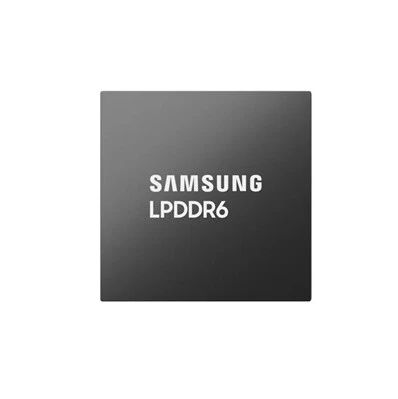
Core Viewpoint - Samsung is set to showcase the world's first LPDDR6 memory at CES 2026, featuring a 12nm process and a maximum speed of 10.7Gbps, representing an 11.5% increase over the previous LPDDR5X memory [2][4]. Group 1: Technical Specifications - LPDDR6 is designed to meet the growing demands of AI, edge computing, and mobile platforms, offering a data transfer rate of up to 10.7Gbps and enhanced I/O capabilities for maximum bandwidth [4][10]. - The new memory features a dynamic power management system that improves energy efficiency by approximately 21% compared to its predecessor [4][12]. - LPDDR6 introduces a dual sub-channel design with four 24-bit channels, enhancing memory concurrency and reducing access latency, which is crucial for AI workloads [11][12]. Group 2: Performance Enhancements - Compared to LPDDR5X, LPDDR6 significantly increases data rates, starting from 10.667GB/s and reaching up to 14.4GB/s, effectively doubling the bandwidth of the previous generation [10][15]. - The new memory supports dynamic burst control, allowing devices to switch between 32-byte and 64-byte burst modes, optimizing bandwidth and power consumption for variable workloads [11][12]. Group 3: Reliability and Security Features - LPDDR6 includes enhanced reliability features such as on-chip ECC, command/address parity, and self-test routines, which are critical for applications in automotive and other safety-sensitive environments [12][16]. - The memory also incorporates a new voltage domain (VDD2) for lower effective voltage operation, improving power efficiency during idle and low-activity modes [12][16]. Group 4: Market Implications and Adoption - Early applications of LPDDR6 are expected in automotive computing, edge inference accelerators, and high-end ultrabooks, with mass production anticipated to begin in Q2 2025 [13][14]. - The adoption of LPDDR6 is projected to enhance battery life and performance in laptops, as manufacturers seek to balance scalability and efficiency in the face of increasing AI workloads [14][15].
电子行业周报:电子景气度得到财报验证,行业有望迎来密集催化-20250715
Guoxin Securities· 2025-07-15 15:11
Investment Rating - The report maintains an "Outperform the Market" rating for the electronic industry [1][10]. Core Views - The electronic industry's prosperity is validated by financial reports, with expectations for a series of catalysts ahead. The sector has shown resilience with a 0.93% increase, while sub-sectors like optical optoelectronics rose by 1.34% [1][11]. - The AI infrastructure development is highlighted as a key growth opportunity, with companies like Nvidia leading the way, and a strong focus on AI-related investments is recommended [2][7]. - The launch of the LPDDR6 memory standard is expected to create new opportunities in edge storage solutions, enhancing performance for AI terminals and edge computing [4]. - The PCB industry is experiencing a significant uptrend, with leading companies like XinXing Electronics reporting strong revenue growth driven by AI server architecture upgrades [5][7]. Summary by Sections Market Performance - The Shanghai Composite Index rose by 1.09%, while the electronic sector increased by 0.93%. The optical optoelectronics sub-sector performed particularly well with a 1.34% rise [1][11]. AI and Infrastructure - Nvidia's market capitalization surpassed $4 trillion, marking a historic milestone, and the company is entering a decade-long AI infrastructure development cycle [2]. - The report emphasizes the importance of AI infrastructure as a high-growth investment theme, recommending companies involved in this space [2]. Product Innovations - Xiaomi's AI glasses have sold over 80,000 units, exceeding internal expectations, and the company is planning the next generation of these products [3]. - The LPDDR6 memory standard was released, promising significant improvements in bandwidth and power efficiency, which will benefit AI applications [4]. Company Performance - XinXing Electronics reported a revenue of 32.466 billion New Taiwan Dollars for Q2 2025, marking a 16.46% year-on-year increase, attributed to the demand for AI server upgrades [5]. - Huadian Holdings and other major companies are expected to benefit from the growing demand for high-end PCBs driven by AI computing needs [7]. Investment Recommendations - The report recommends a focus on companies such as Industrial Fulian, Xiaomi Group, and others within the semiconductor and electronic sectors, anticipating strong performance driven by macroeconomic policies and AI innovations [1][10].





消息称三星加速1c DRAM工艺量产LPDDR6内存 计划下半年供货高通
Huan Qiu Wang· 2025-06-07 03:45
Group 1 - Samsung Electronics' Device Solutions (DS) division plans to mass-produce the next-generation LPDDR6 memory using the sixth-generation "1c DRAM" process in the second half of this year [1][3] - The 1c DRAM technology offers higher transistor density and better energy efficiency compared to previous generations, with cold yield rates reaching 50% and hot yield rates between 60%-70% [3][4] - Samsung aims to supply LPDDR6 memory to major tech companies like Qualcomm, enhancing its presence in the smartphone, laptop, and AI server markets [4] Group 2 - China’s Changxin Memory Technologies (CXMT) has completed the development phase of LPDDR5X memory and is working to close the technology gap with Samsung, potentially achieving mass production by 2026 [3] - Samsung is accelerating its LPDDR6 memory technology development in response to CXMT's advancements [3][4] - The upcoming Qualcomm Snapdragon 8 Elite Gen2 chip will be the first to support LPDDR6 memory, set to be unveiled at the Snapdragon Summit on September 23 [3] Group 3 - Samsung is also deploying 1c DRAM technology in high-end storage products like HBM4, aiming to create a comprehensive memory solution for AI applications [4] - The company has established an expansion plan for 1c DRAM, with production line construction in its Hwaseong factory expected to be completed by the end of this year [4] - Samsung is concurrently developing 1c DRAM for both DDR and LPDDR applications, breaking traditional development sequences to accelerate commercialization [4]