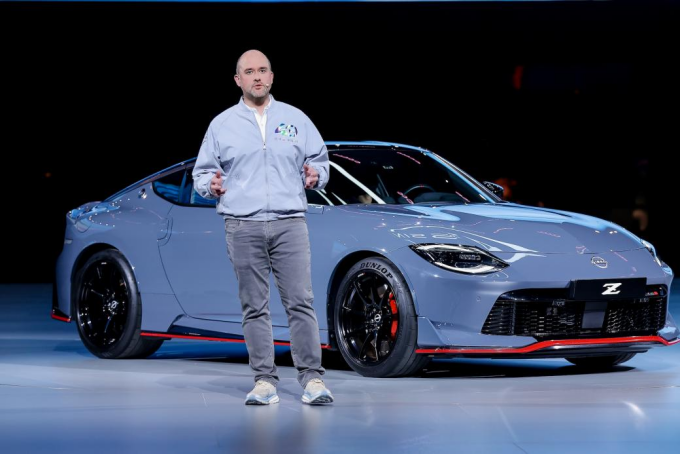
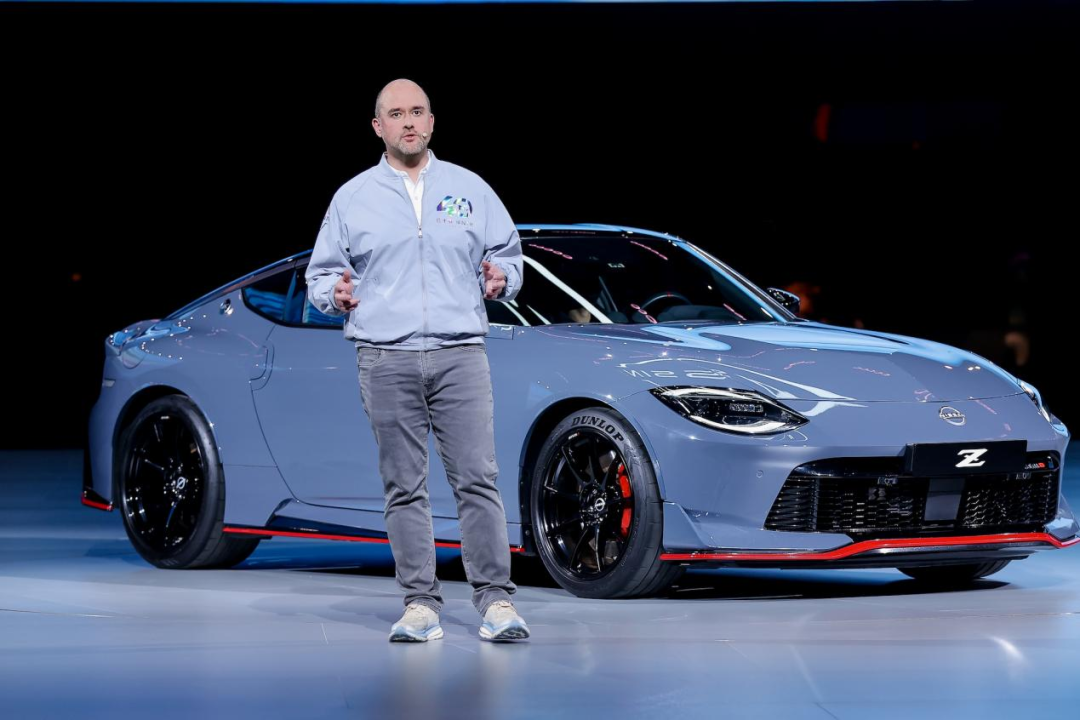
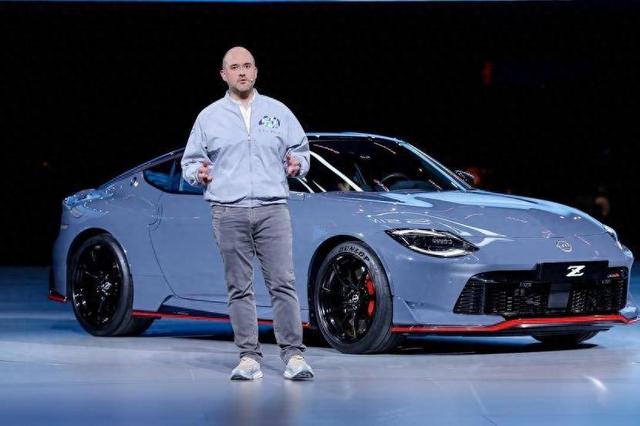
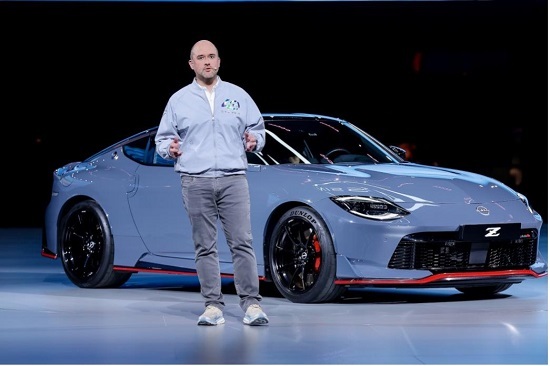
Z NISMO

Search documents
日产中国四十载:以中国为关键,跨国车企转型样本观察
Zhong Guo Jing Ying Bao· 2025-10-22 06:34
Core Insights - Nissan's 40-year journey in China highlights its strategic transformation, emphasizing the importance of the Chinese market for its global future [3][4][17] - The company is launching significant new models, including the N6 plug-in hybrid and the Tianlai with Harmony OS, showcasing its commitment to innovation in the Chinese market [3][4] - Nissan's strategy reflects a shift towards greater autonomy for its Chinese team, allowing for faster product development and a more localized approach to market demands [5][8] Market Context - In September, China's new energy vehicle sales reached 1.296 million units, a 15.5% year-on-year increase, with a market penetration rate of 57.8%, indicating a shift from emerging to mainstream market status [4] - The automotive industry is undergoing a critical transformation, with Nissan adapting its positioning to align with the evolving market landscape in China [4][17] Strategic Initiatives - Nissan has established a new LCV R&D center in Zhengzhou, enhancing its capabilities in light commercial vehicle development and reinforcing its "Glocal" strategy [7][8] - The company is focusing on a diversified technology approach, including electric, hybrid, and fuel vehicles, to meet the varied preferences of Chinese consumers [8][9] Brand Evolution - Nissan's "Re:Nissan" business plan aims to redefine its value proposition, emphasizing emotional connections with consumers and a shift from being a reliable partner to a passionate companion [9][10] - The brand is actively engaging with younger consumers through innovative designs and collaborations with local tech companies, such as Huawei [13][14] Future Outlook - Nissan's transformation is seen as a necessary evolution to maintain competitiveness in the rapidly changing automotive landscape, particularly in China [17][18] - The company's commitment to localizing its operations and decision-making processes is expected to enhance its resilience and adaptability in the face of market challenges [17][18]

日产中国,四十不惑
汽车商业评论· 2025-10-21 23:08
Core Viewpoint - Nissan is celebrating its 40th anniversary in China with a commitment to innovation and transformation, introducing new products and a refreshed brand strategy to meet the evolving demands of the market [2][5][32]. Group 1: Brand Evolution and Market Position - Nissan has established a significant presence in China since 1985, marking its journey from localization to a global strategy [8][9]. - The company emphasizes its commitment to technology and innovation, maintaining its core values while adapting to market changes [11][12]. - The new brand proposition "Enjoyment by NI" reflects Nissan's focus on consumer-centric experiences and innovation [12][30]. Group 2: Product Innovation and Strategy - Nissan unveiled two key models: the N6, its first global plug-in hybrid sedan, and the Tianlai with Huawei's HarmonyOS, showcasing its commitment to advanced technology [25][27]. - The company is also preparing to introduce the Z NISMO, a performance-oriented vehicle, to the Chinese market, highlighting its dual strategy of electric and performance vehicles [29][30]. - This "two-pronged" product strategy demonstrates Nissan's understanding of diverse market needs and its ability to provide varied power solutions [30]. Group 3: Embracing Change and Future Outlook - Nissan is positioning itself as a proactive player in the rapidly changing automotive landscape, particularly in the electric and intelligent vehicle sectors [16][17]. - The company has empowered its local team in China with greater autonomy to respond swiftly to market demands, resulting in successful product launches [18][19]. - Nissan's strategy of "In China, For China, and Towards Global" underscores its commitment to leveraging the Chinese market as a key pillar of its global strategy [20][21].

西装换牛仔:40岁的日产中国“二次创业”,决战年轻化市场
2 1 Shi Ji Jing Ji Bao Dao· 2025-10-21 09:33
Core Insights - Nissan is undergoing a significant transformation to appeal to younger consumers in China, marking a "second entrepreneurship" phase as it celebrates its 40th anniversary in the market [2][10] - The company faces a critical survival crisis, with a notable decline in global retail sales and a significant drop in the Chinese market, which is now seen as a key pillar of Nissan's global strategy [3][4] Sales Performance - In Q1 FY2025, Nissan's global retail sales fell to 707,000 units, a decrease of 10.1% year-on-year, with net sales dropping to 2.7 trillion yen, down 9.7% [3] - The Chinese market experienced a staggering 27.5% decline in sales, the largest drop among all regions [3] Market Positioning - Nissan's brand perception as a "technology-driven" company is fading, struggling to compete with Toyota and Volkswagen while facing pressure from local Chinese brands [3][4] - The company's luxury brand, Infiniti, is losing its presence in the premium market [3] Strategic Initiatives - Nissan has launched the "Re:Nissan" revival plan, which includes global layoffs of 20,000 employees and the closure of seven factories, aiming to optimize costs [5] - The company is focusing on localizing its operations in China, with plans to introduce three new models led by the Chinese team in Q4, including the N6, a new Altima, and the FrontierPro [6][9] Product Development - The N6 will be Nissan's first plug-in hybrid sedan, while the new Altima will feature Huawei's HarmonySpace 5.0 smart cockpit [6][9] - Nissan plans to introduce 10 new energy models in China by 2027, covering various powertrain types [8] Future Outlook - The company aims to invest 10 billion yuan in new energy research and development over the next three years, expanding its technical team to 4,000 members [10] - Nissan's strategy emphasizes a "Glocal" approach, decentralizing decision-making to the Chinese team to enhance responsiveness to market demands [9][10]

入华四十载 日产汽车用三个关键词“致敬明天”
Zhong Guo Jing Ying Bao· 2025-10-17 23:13
Core Insights - Nissan's business plan "Re:Nissan" aims to redefine the value it needs to achieve now and in the future, focusing on strengthening core advantages, reigniting brand passion, and creating trustworthy products [2] - The transformation of Nissan is heavily reliant on the Chinese market, which is seen as a benchmark for the global automotive industry due to its rapid development, technological leadership, and consumer insights [2] Group 1: Strategic Focus - Nissan plans to establish a new energy vehicle base and export hub in China, highlighting the country's importance in its global strategy [2] - The global first plug-in hybrid sedan N6 and the first fuel vehicle equipped with Harmony cockpit, the Tianlai, are set to launch in Q4 of this year [2] - The legendary performance model Z NISMO will be introduced to the Chinese market next year [2] Group 2: Brand and Market Positioning - The 40th anniversary celebration in China emphasized a strategy of "rooted in China, serving China, and radiating globally," showcasing a youthful and vibrant image of the new Nissan [4] - The collaboration with local designers and car owners during the anniversary event reflects Nissan's commitment to understanding and catering to Chinese consumers [4] Group 3: Organizational Changes and Achievements - Nissan's Chinese team has gained greater autonomy in product definition, development pace, supply chain integration, pricing strategy, and market approach, leading to initial successes in transformation [6][7] - The partnership with Dongfeng Motor has been crucial for localizing products and accelerating innovation, making China a key pillar in Nissan's global strategy [7] Group 4: Future Outlook - Confidence in the future stems from Nissan's long-term brand and technology accumulation, with a commitment to reliability, safety, and quality [8] - The company aims to implement a "Glocal" model, producing vehicles in China for global markets, leveraging a diverse team of local and global talents [8] Group 5: Customer Experience and Engagement - User experience is highlighted as a critical measure of product success, with testimonials from Nissan owners emphasizing the brand's reliability and user-centric values [9][11] - Nissan is focusing on a youthful, innovative, and passionate brand evolution, engaging younger consumers and encouraging their participation in product development and service improvements [11]
“四十不惑”的日产看得更清了:为中国造车,才能走向全球
Guan Cha Zhe Wang· 2025-10-17 10:53
Core Insights - Nissan is celebrating its 40th anniversary in China, marking a significant milestone in its market presence and strategic evolution [1][3] - The company is launching its first plug-in hybrid sedan, the N6, and the Tianlai with Harmony OS cockpit, indicating a shift towards electrification and advanced technology [1][10] - Nissan's CEO emphasizes the importance of the Chinese market in the global strategy, highlighting the need for a transformation to adapt to the rapidly changing automotive landscape [4][6] Market Position and Historical Context - Nissan has been a pioneer in the Chinese market since establishing its office in Beijing in 1985, with significant partnerships leading to the formation of joint ventures [3] - The company has served over 19 million users in China, with models like the Sylphy and X-Trail being popular choices among consumers [3] - Despite reaching a peak sales volume of 1.13 million units in 2020, Nissan has faced declining sales since 2022 due to the rise of domestic electric vehicle brands [3][4] Strategic Initiatives - The "Re:Nissan" global revival plan was introduced to enhance core strengths and re-energize the brand, with a focus on the Chinese market as a key component of this strategy [4][6] - Nissan China has gained greater autonomy in product development, supply chain management, and market strategies, allowing for a more localized approach [7][9] - The company plans to launch 10 new energy models by summer 2027, expanding its product range to include various powertrain options [9][10] New Product Launches - The N6 and Tianlai with Harmony OS cockpit are part of Nissan's strategic upgrade in China, showcasing new technology and design [10] - The Frontier Pro, a pickup designed and developed in China, represents a new phase of global standards defined by local innovation [10] - Nissan's new LCV R&D center in Zhengzhou signifies a commitment to enhancing its product offerings and capabilities in the commercial vehicle segment [10] Brand Transformation - Nissan is focusing on a younger, more innovative brand image, engaging with younger consumers and adapting to their preferences [12][13] - The company's leadership believes that its long-standing reputation for reliability and quality will continue to resonate with consumers despite market changes [15] - A diverse team combining local and global talent is seen as a core competitive advantage in executing the new "Glocal" strategy [15][16]
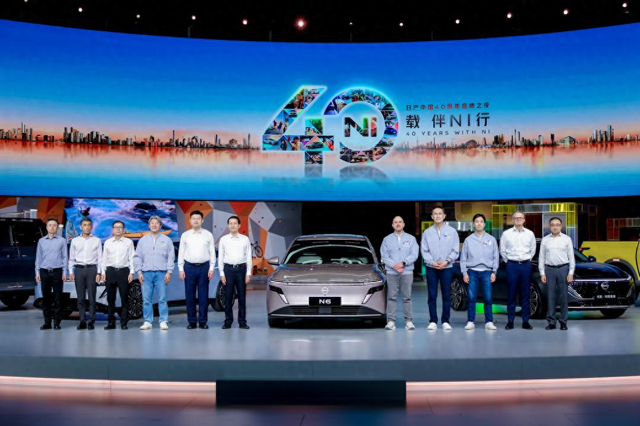
为日产中国40周年庆献上贺礼,两款全新车型在华联袂首秀
Zhong Guo Jing Ji Wang· 2025-10-17 10:09
Group 1 - Nissan unveiled its first global plug-in hybrid sedan, the N6, and the world's first fuel vehicle equipped with HarmonyOS cockpit, the Tianlai HarmonyOS cockpit, during the celebration of Nissan China's 40th anniversary [1][3] - The introduction of new models and technologies marks a significant milestone for Nissan, showcasing its strategic blueprint of "In China, For China, To the World" [3] - Nissan's CEO, Ivan Espinosa, emphasized the importance of the Chinese market in Nissan's global strategy, stating that the "Re:Nissan" business plan aims to redefine the values needed for the present and future [3][5] Group 2 - The N6 is based on Nissan's new energy technology architecture and features an advanced hybrid power system, maintaining Nissan's reputation for high quality and reliability [9] - The Tianlai HarmonyOS cockpit is positioned as a super comfortable mid-to-high-end intelligent fuel flagship, developed in collaboration with Huawei, setting a new benchmark for intelligent aesthetics in fuel vehicles [9] - Nissan is preparing to introduce the legendary performance model Z NISMO to the Chinese market, which embodies the commitment of applying track technology to road driving [9]
四十载伴NI行,日产中国40周年品牌之夜璀璨启幕
Qi Lu Wan Bao· 2025-10-17 04:05
Core Insights - Nissan celebrates its 40th anniversary in China, highlighting its commitment to the market and unveiling new products, including the N6 plug-in hybrid and the Tianlai Hongmeng cockpit [1][4][9] - The company emphasizes the importance of the Chinese market in its global strategy, aiming to redefine its value proposition through the "Re:Nissan" business plan [2][4] - Nissan's transformation in China is driven by local insights and innovation, with a focus on electric and intelligent vehicle development [2][4][17] Group 1: Product Launches and Innovations - The N6 is Nissan's first global plug-in hybrid sedan, featuring advanced hybrid technology and maintaining the brand's high standards of quality and reliability [7][9] - The Tianlai Hongmeng cockpit is the world's first fuel vehicle equipped with Huawei's HarmonyOS, aiming to set a new standard for intelligent fuel vehicles [7][9] - Nissan plans to introduce the Z NISMO model to the Chinese market next year, showcasing its commitment to performance and innovation [9] Group 2: Strategic Importance of the Chinese Market - Nissan's CEO highlights China's rapid development and technological leadership as a benchmark for the global automotive industry [2] - The partnership with Dongfeng Motor has been crucial for localizing products and accelerating innovation, contributing significantly to Nissan's growth in China [2][4] - The company aims to leverage its local team to enhance the development and export of new energy vehicles [2][4] Group 3: Brand Transformation and Youth Engagement - Nissan is undergoing a brand transformation towards being "young, innovative, and passionate," engaging with younger consumers through interactive experiences and fresh talent [13][15] - The company is focused on creating products that resonate with the lifestyle and aesthetic preferences of Chinese youth, integrating local insights into design [13][15] - Nissan's commitment to comfort, safety, and reliability will continue, with an emphasis on user participation in product development [15]