Ren Min Wang

Search documents
“苏超”启示录③ 从群众中来,到群众中去!
Ren Min Wang· 2025-11-02 01:33
Core Insights - The "Su Super" event has become a significant cultural phenomenon, attracting over 2.118 million live spectators and 1.734 billion online views during the regular season, with social media discussions reaching 66.77 billion views [1][5][19] - The grassroots nature of "Su Super" is a key factor in its popularity, with over 65% of the 516 participating players coming from everyday professions, fostering a strong emotional connection between the event and the community [4][5][19] - The event has successfully integrated local culture and economic activity, with ticket stubs being utilized for discounts and promotions, leading to a reported 7.3 times increase in surrounding consumption for every 1 yuan ticket sold [17][19] Group 1: Community Engagement - "Su Super" emphasizes community involvement, with players like Dai Hu, a village leader, using their roles to promote unity and sports among local youth [3][4] - The event has sparked a sense of local pride and cultural identity, with teams representing different cities in Jiangsu, enhancing community spirit and engagement [12][20] Group 2: Economic Impact - The "ticket root economy" has been developed, allowing fans to use their tickets for various discounts, thus stimulating local consumption and economic activity [17][19] - The integration of cultural elements into the event has shown a positive correlation between cultural engagement and economic growth, with Jiangsu's rich cultural heritage playing a significant role [13][14] Group 3: Future Prospects - The success of "Su Super" has inspired similar events in other provinces, indicating a growing trend in grassroots sports leagues across China [19][20] - Plans for the second season of "Su Super" are already underway, with a focus on enhancing the event's uniqueness and quality [21]

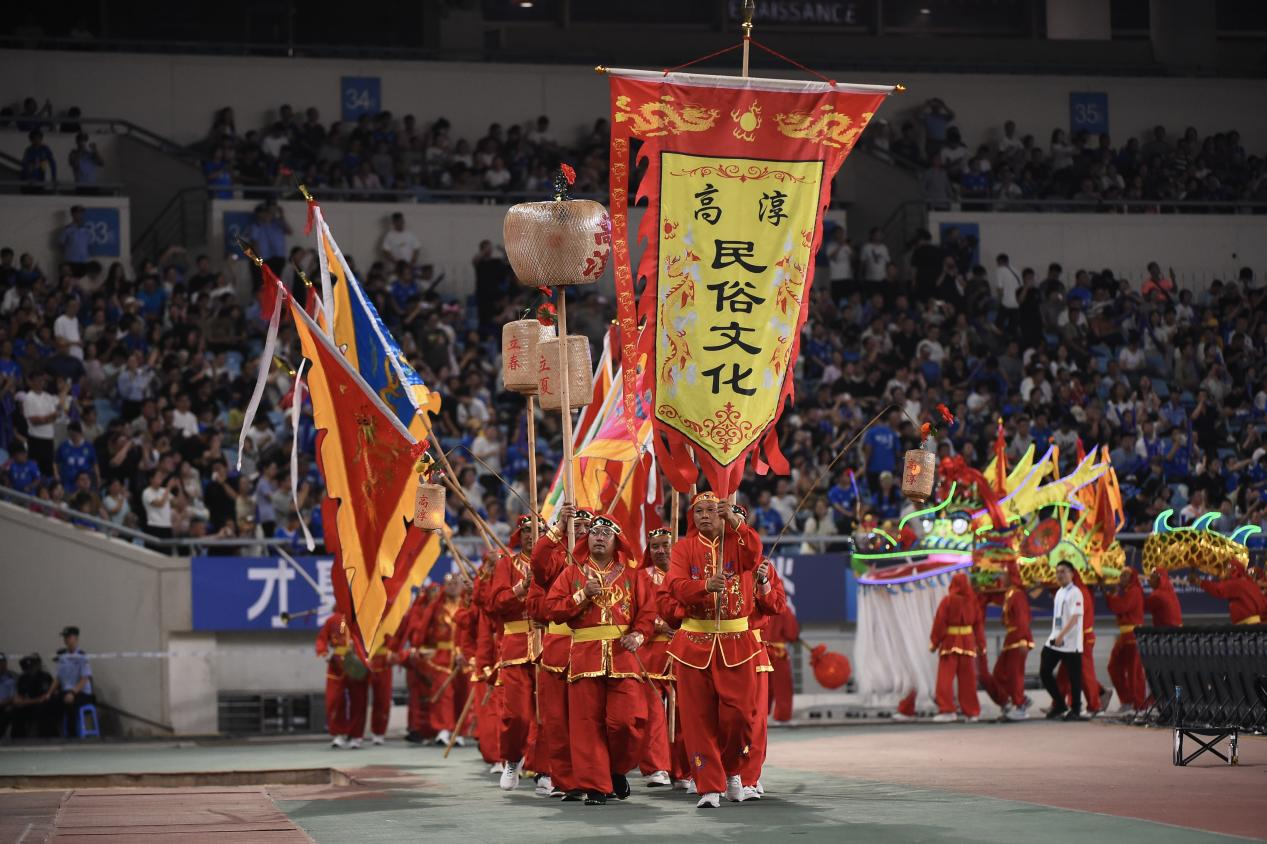
从群众中来,到群众中去!
Ren Min Wang· 2025-11-02 01:08
Core Insights - The "Su Super" league has become a significant cultural and sporting event, attracting over 2.118 million live spectators and 1.734 billion online views during the regular season, with social media topic views reaching 66.77 billion [1][5][19] - The league's success is attributed to its grassroots nature, which resonates with the public's needs and fosters community engagement [5][20] - The integration of local culture and community spirit into the league has created a strong emotional connection between the teams and their respective cities [12][21] Group 1: Community Engagement - The league features a diverse range of participants, with over 65% of players coming from everyday professions such as delivery workers and students, which helps bridge the gap between football and the general public [4][19] - The "Su Super" league has fostered community unity, as exemplified by players like Dai Hu, a village leader who has used the league to promote sports among local youth [3][21] - The league's affordable ticket prices and local cultural events have made it accessible and appealing to a wide audience, enhancing community participation [7][17] Group 2: Cultural Significance - The league has successfully incorporated local cultural elements, with each of the 13 participating cities fielding its own team, thus igniting local pride and cultural resonance [12][20] - The "Su Super" league has become a platform for cultural exchange, showcasing regional culinary traditions and fostering a sense of belonging among fans [12][21] - The league's ability to generate cultural content and engage fans through social media has amplified its reach and popularity [19][21] Group 3: Economic Impact - The "Su Super" league has created a "ticket root economy," where a single ticket can stimulate an average of 7.3 yuan in additional local spending, demonstrating its economic impact [17] - The league's events have led to increased local consumption and tourism, contributing to the overall economic vitality of the regions involved [17][21] - The successful model of "Su Super" has inspired similar leagues across various provinces, indicating a growing trend in community-based sports events [19][20]
我家的“十四五” 财米油盐|直击“新包邮区”物流旺季!看西部“购物车”里都有啥?
Ren Min Wang· 2025-11-02 01:08
Core Insights - The expansion of the "free shipping zone" in western China has significantly improved consumer experiences and increased demand for logistics services [1][2] - The total express delivery volume in China has surpassed 1.5 trillion pieces this year, equivalent to nearly 80% of the global express parcel volume in 2022 [1][3] - Innovations in logistics models, such as "consolidation and delivery" and the introduction of advanced sorting technologies, have contributed to reduced delivery costs and improved efficiency [2][3] Group 1 - The western regions of China are now included in the "new free shipping zone," allowing consumers to enjoy affordable and convenient express delivery services [1] - The express delivery volume in western regions has increased by approximately 30%, with the proportion of express deliveries in these areas rising by 0.5 percentage points compared to the previous year [1] - The growth in orders from remote areas on platforms like JD.com has reached three times that of the same period last year since the start of this year's "Double 11" shopping festival [1] Group 2 - China Post has implemented new logistics models, including dedicated lines connecting various regions, to enhance delivery speed and efficiency [2] - The introduction of advanced sorting machines and intelligent robotic arms at logistics centers has significantly increased package processing efficiency [2] - The competitive edge of agricultural products from western regions, such as Xinjiang cotton and Akesu apples, has improved due to lower logistics costs [2][3]
中俄人文合作委员会第二十六次会议召开
Ren Min Wang· 2025-11-01 22:13
新华社北京11月1日电 中俄人文合作委员会第二十六次会议1日在北京举行。国务委员谌贻琴与俄罗斯 副总理戈利科娃共同主持会议。 谌贻琴指出,自去年第二十五次会议以来,双方高效落实两国元首重要共识,持续深化人文合作,举办 系列主题活动,引发两国民众情感共鸣。"中俄文化年"框架下各项活动精彩纷呈,取得圆满成功,推动 人文合作迈向新高度。 《 人民日报 》( 2025年11月02日 03 版) 谌贻琴表示,2026年是中国"十五五"规划开局之年,下一个五年将为中俄人文合作提供更多新机遇。期 待双方在两国元首战略引领下,以中俄建立战略协作伙伴关系三十周年为契机,深化人文各领域务实合 作,全面提升合作实效,为进一步促进中俄双边关系发展以及世代友好作出新的贡献。 戈利科娃高度评价俄中人文合作机制取得的积极成果,表示愿与中方共同努力,携手推进务实合作,共 绘俄中人文合作美好新画卷。 会议期间,双方见证签署了相关领域合作文件。 ...
热词里的“十五五”丨这些“三农”关键词,透露增收新路径--经济·科技--人民网
Ren Min Wang· 2025-11-01 13:45
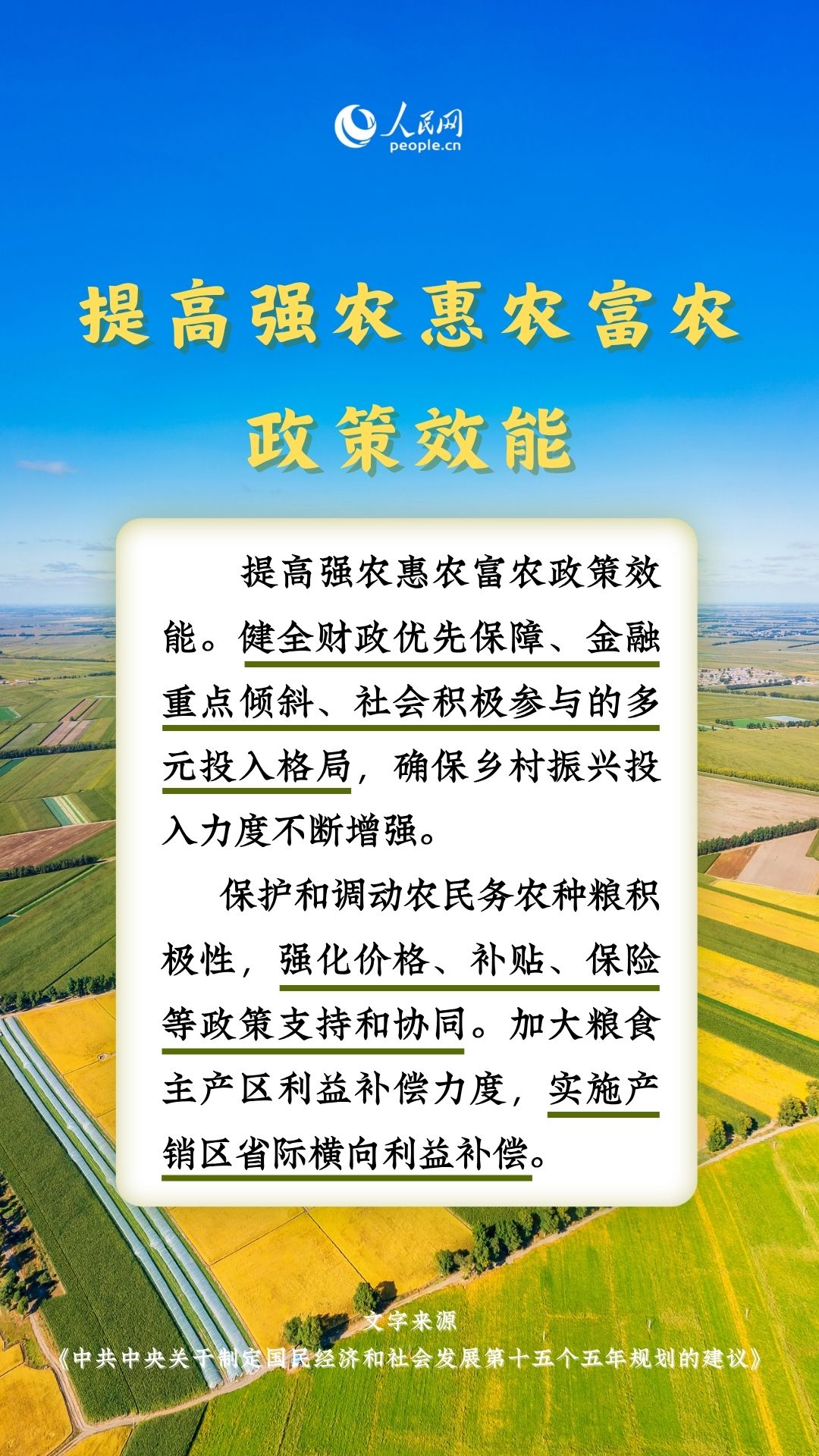
Group 1 - The core viewpoint emphasizes the need to enhance the effectiveness of policies aimed at supporting agriculture and rural development [1] - It advocates for a diversified investment structure that includes prioritized financial support, active social participation, and increased fiscal guarantees to ensure continuous investment in rural revitalization [1] - The policy aims to protect and motivate farmers' enthusiasm for farming and grain production by strengthening support through pricing, subsidies, and insurance [1] Group 2 - There is a call for increased compensation for grain-producing regions, along with the implementation of horizontal compensation mechanisms between production and sales areas [1]

十四五·十四物“系列报道之十一 一张”异地结算单“铺就便捷就医路
Ren Min Wang· 2025-11-01 12:28
Core Insights - The article highlights the significant improvements in the cross-province medical insurance settlement process in China, making it more convenient for patients to receive medical care outside their home provinces [1][2]. Group 1: Policy Impact - The number of people utilizing cross-province direct settlement for medical expenses has surged from 5.37 million in 2020 to 238 million by 2024, representing a 44-fold increase [2]. - The direct settlement rate for cross-province hospitalization expenses has exceeded 90%, indicating a high level of efficiency in the system [2]. - The scope of cross-province direct settlement has expanded from hospitalization to include outpatient services and ten specific chronic diseases, enhancing accessibility for patients [2]. Group 2: User Experience - Patients now experience a streamlined process where they can settle medical expenses directly through the "National Medical Insurance Service Platform" app, significantly reducing the burden of upfront payments and lengthy reimbursement processes [1]. - The implementation of these policies has made accessing medical care in different provinces as convenient as receiving care in one's home province, reflecting a positive shift in public sentiment towards healthcare accessibility [1][2].
京气神儿丨小巷管家 心为大家
Ren Min Wang· 2025-11-01 10:16
Core Viewpoint - The article highlights the role of community leaders like Li Caixian in fostering local governance and community engagement through initiatives like the "Small Courtyard Discussion Hall" [2]. Group 1 - Li Caixian is described as a vital community figure in the neighborhood, acting as a "small alley manager" who connects residents and addresses their needs [2]. - The "Small Courtyard Discussion Hall" serves as a platform for democratic engagement, bringing together community members to discuss local issues [2]. - Li Caixian possesses an extensive mental map of the neighborhood, symbolizing her deep connection and commitment to the community [2].
加快全面绿色转型 产业如何做好“加减法”?
Ren Min Wang· 2025-11-01 09:17
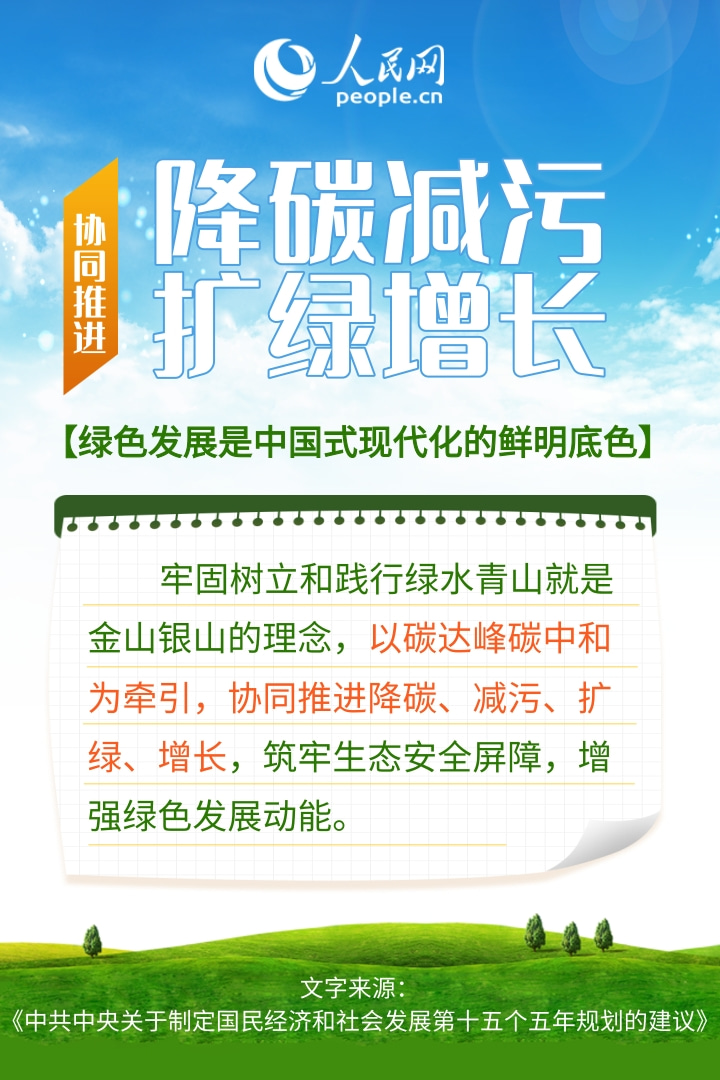
Core Viewpoint - Green development is a prominent feature of Chinese modernization, emphasizing the need for a comprehensive green transformation in economic and social development as outlined in the 15th Five-Year Plan proposal by the Central Committee of the Communist Party of China [1][3]. Group 1: Pollution Prevention and Ecological Optimization - The focus is on environmental protection for the public, implementing precise and scientific pollution control, emphasizing source governance, and enhancing collaborative efforts in reducing pollution and carbon emissions [5]. - There is a commitment to a comprehensive approach to protect and manage ecosystems, including biodiversity conservation and large-scale afforestation initiatives [6]. Group 2: New Energy System Construction - The plan aims to increase the proportion of renewable energy supply, ensuring a safe and orderly transition from fossil fuels, and building a robust new power system [7]. - The strategy includes a multi-energy approach, integrating wind, solar, water, and nuclear energy, while promoting high-quality development of clean energy [7]. Group 3: Carbon Peak Achievement - The implementation of a dual control system for total carbon emissions and intensity is a key focus, alongside promoting energy-saving and carbon-reduction transformations [8][9]. Group 4: Green Production and Lifestyle Formation - The initiative aims to advance ecological environment zoning and control, optimizing industrial layout in collaboration with national spatial planning [13]. - There is a push for green and low-carbon transformations in key sectors such as industry, urban construction, and transportation [13].
加大保障和改善民生力度,重点解决这些急难愁盼
Ren Min Wang· 2025-11-01 08:51
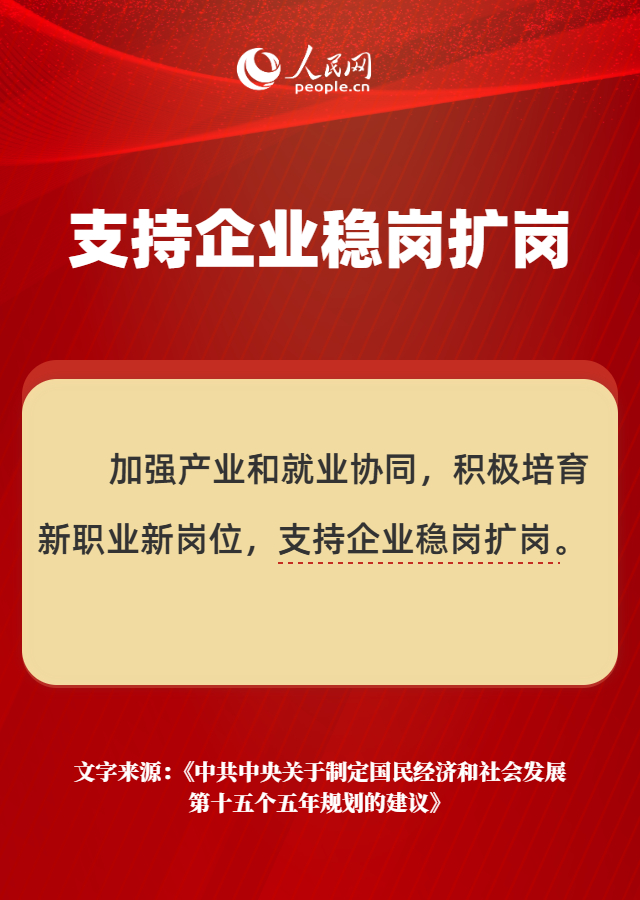
Core Viewpoint - The core objective of China's modernization is to fulfill the people's aspirations for a better life, as outlined in the recently released "Suggestions on Formulating the 15th Five-Year Plan for National Economic and Social Development" by the Central Committee of the Communist Party of China [1] Group 1: Income and Employment - Implementation of an urban and rural resident income increase plan to effectively raise the income of low-income groups, steadily expand the middle-income group, reasonably adjust excessively high incomes, eliminate illegal income, and promote an olive-shaped distribution pattern [3] - Gradual implementation of a policy to optimize age restrictions in employment and social security, including a gradual increase in the statutory retirement age and the development of the silver economy by actively utilizing elderly human resources [18] Group 2: Education and Health - Steady expansion of free education and exploration of extending the duration of compulsory education [5][6] - Implementation of a strong foundation project in healthcare, optimizing the functional positioning and layout of medical institutions, and promoting digital health for all [12][13] Group 3: Social Security and Housing - Establishment of a sound occupational injury protection system, expanding the coverage of unemployment and work injury insurance [8] - Construction of safe, comfortable, green, and smart housing, along with the implementation of housing quality improvement projects and property service quality enhancement actions [10] Group 4: Family and Community Services - Improvement of the maternity insurance system and implementation of maternity leave policies, along with early pregnancy care initiatives and plans to enhance the prevention of birth defects [15][16] - Strengthening the overall planning of basic public service supply in county areas and improving the long-term mechanism for investment guarantees [20][21]
是时候,重新认识深圳了!
Ren Min Wang· 2025-11-01 06:42
Core Insights - Shenzhen has transformed from a small fishing village into a modern international metropolis, showcasing a remarkable development miracle in the world history of progress [1] - The city embodies the concept of "Shenzhen Speed," emphasizing efficiency and rapid development, with significant improvements in business operations and service delivery [5][7] - Shenzhen's strategic location with extensive transportation networks facilitates trade and connectivity, enhancing its role as a vital economic hub [9] Group 1: Economic Development - Shenzhen's business registration process has been streamlined to just one working day, with over 4.4 million operating entities [5] - The city has achieved a leading global market share in 23 product categories within the Bao'an District [5] - The Deep-Shan Special Cooperation Zone produces a new energy vehicle every 60 seconds, highlighting the city's manufacturing prowess [5] Group 2: Technological Innovation - The integration of artificial intelligence in government services has significantly reduced the number of required visits and paperwork for citizens [7] - Shenzhen is redefining "Made in China" with innovations in medical devices, new energy batteries, and flexible screens, positioning itself as a leader in advanced manufacturing [23] Group 3: Cultural and Recreational Aspects - The city boasts over 1,300 parks and 3,600 kilometers of greenways, providing ample recreational spaces for residents [11] - Cultural infrastructure includes more than 1,200 libraries, 65 museums, and 34 art galleries, fostering a vibrant cultural life [16] Group 4: Historical Significance - Shenzhen's history is rich, with the Nanshan Ancient City dating back nearly 1,700 years, serving as a cultural source for the Shenzhen-Hong Kong region [25] - The Dapeng Fortress, a historical site from the Ming and Qing dynasties, continues to be a symbol of the city's heritage [27] Group 5: Future Prospects - The city is embracing futuristic technologies, with drones for delivery and robots for infrastructure maintenance, indicating a strong focus on innovation [21] - Shenzhen is characterized as a city that welcomes new opportunities, ensuring that it remains a dynamic environment for growth and development [29]