
2 1 Shi Ji Jing Ji Bao Dao

Search documents
全球SaaS概念股遭抛售,港股5大百亿巨头跌超5%,标普相关指数蒸发近3000亿美元
2 1 Shi Ji Jing Ji Bao Dao· 2026-02-04 14:04
Core Viewpoint - The global capital markets are experiencing significant turbulence due to fears that AI may disrupt the SaaS industry, leading to a sell-off in SaaS stocks following the release of an AI tool by Anthropic aimed at legal services [1][5]. Market Impact - On February 3, the combined market value of two S&P indices tracking software and financial data stocks dropped by approximately $300 billion [1]. - The Hong Kong SaaS index fell by 6.39% on February 4, resulting in a total market value loss of nearly HKD 150 billion [1]. - Major SaaS stocks in Hong Kong, such as Kingdee International and Kingsoft, saw declines of 12.64% and 5.14%, respectively [3][4]. Stock Performance - The performance of major SaaS stocks on February 4 included: - Kingdee International: -12.64% - Kingsoft: -5.14% - Huya Technology: -5.88% - China Software International: -6.72% - Fubo Group: -5.16% [3][4]. - In the U.S., SaaS stocks also faced declines, with the Wind U.S. SaaS index dropping by 4.12% on February 3, including significant losses from Microsoft (-2.87%) and Salesforce (-6.84%) [4][8]. Market Sentiment - The term "SaaSpocalypse" has emerged among traders to describe the current market sentiment regarding SaaS stocks [5]. - Concerns were exacerbated by a question raised at an investor forum about whether "software is dead," further fueling market anxiety [5]. SaaS Business Model Challenges - The SaaS model, which typically involves subscription-based revenue, is facing challenges as AI tools may offer more personalized solutions, potentially undermining the traditional SaaS value proposition [10][11]. - The market is expected to differentiate between traditional SaaS providers and those that integrate AI capabilities, with the latter likely to gain a competitive edge [11][12]. Future Outlook - Deloitte predicts that the SaaS business model may evolve, with a shift towards hybrid pricing models based on usage and outcomes rather than solely on subscriptions [12]. - Gartner forecasts that by 2030, at least 40% of enterprise SaaS spending will transition to usage-based or outcome-based pricing models [12].


长光华芯回应华为注资45亿传闻
2 1 Shi Ji Jing Ji Bao Dao· 2026-02-04 14:03
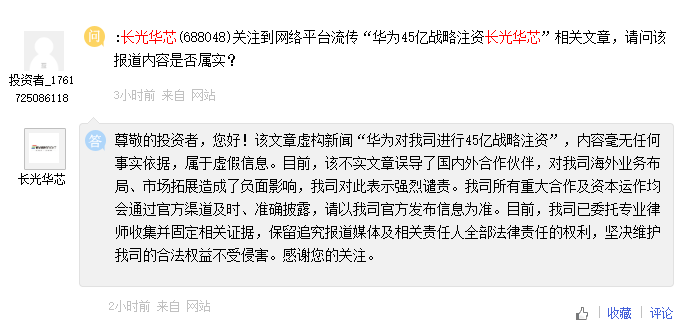
长光华芯成立于2012年,2022年4月在科创板上市。 长光华芯1月28日披露的业绩预告显示,预计2025年度实现营业收入4.69亿元,同比增长71.84%;净利润约1877.51万元,与上年 同期相比扭亏为盈。报告期内,公司持续深耕高功率半导体激光领域,凭借技术积累与产品性能优势,进一步拓展了下游应用 市场,推动该系列产品销售收入实现增长,成为公司营收的核心支撑。 据中国基金报,长光华芯招股书显示,华为旗下投资机构哈勃投资在2020年参与了长光华芯的定增,跻身公司前十大股东之 列。2025年8月,长光华芯在投资者互动平台表示,华为哈勃是公司的战略股东,与公司保持着良好的合作关系,坚定看好公司 未来的发展,目前和公司在多个项目上开展技术合作与交流。 截至2月4日收盘,长光华芯报135.2元/股,跌1.39%,总市值为238亿元。 2月4日,《21辟谣》注意到,有投资者在互动平台提问长光华芯:网络平台流传"华为45亿战略注资长光华芯"相关文章,请问 该报道内容是否属实? 长光华芯对此表示,该文章虚构新闻"华为对公司进行45亿战略注资",内容毫无任何事实依据,属于虚假信息。目前,该不实 文章误导了国内外合作伙伴, ...

宁德时代董事长曾毓群:未来可持续能源系统呈现三大特征
2 1 Shi Ji Jing Ji Bao Dao· 2026-02-04 14:00
当化石能源的篇章翻向下一页,人类该以怎样的智慧,续写未来的动力之源? 当地时间2月3日,在世界顶尖科学家峰会(WLS)与世界政府峰会(WGS)首次联合举办的峰会上, 71位顶尖科学家、近40位国家元首和500多位政府部长汇聚阿联酋迪拜,共商人类未来挑战与解法。 宁德时代董事长曾毓群作为本届WLS唯一一位中国企业家代表发表主题演讲,从零碳科技发展与产业 实践角度出发,分享了宁德时代在推动全球能源转型进程中的思考与行动。 人类正经历革命性能源变革 从地下开采的黑色能源,到天地间汲取的绿色动力,一场深刻的能源革命已席卷全球。 曾毓群表示,人类正经历一场革命性的能源变革,从勘探、开采化石能源的时代,迈向在风电场、光伏 电站里获取能源,并将其储存在电池里的新时代。技术的进步已使可持续能源解决方案具备商业可行 性。 在零碳矿山领域,由宁德时代提供支持的"光伏+储能"系统已在智利和刚果民主共和国偏远矿山部署, 其电力成本约为柴油发电机的四分之一。在零碳工业领域,宁德时代的储能解决方案正在为巴基斯坦当 地水泥厂提供可靠电力,配合光伏将用电成本降低了一半。而在美国加州,零碳电力系统初现雏形,规 模化储能已有效缓解高比例可再生能 ...

南财快评:啥是未来产业?
2 1 Shi Ji Jing Ji Bao Dao· 2026-02-04 13:47
第三,政策与资金给力。广东设立1500亿"耐心资本"引导基金,其中1000亿投向未来产业,存续期长、 不追求短期回报。同时前瞻布局6G、具身智能、脑机接口等,建平台、推场景,让未来产业从"实验 室"快速走向"生产线"。 我们已经享受了几十年的传统产业红利,未来产业也不是遥不可及的概念,而是正在落地的现实。传统 产业不会消失,只会被未来技术重构;当然未来产业也不是一句口号就能实现的,需要我们一步一个脚 印去培育。 熬过这段新旧交替的日子,下一个增长周期,属于那些敢于布局未来、拥抱变革的人。但愿我们每个 人,都会在这场产业变革中找到自己的位置。 而我们广东作为经济第一大省,优势是实打实的。 第一,产业底盘厚。2025年规上工业营收超19万亿,连续37年GDP全国第一。工业机器人产量占全国 44%,新能源汽车占全国1/4,AI核心产业规模破3000亿、占全国1/4。传统制造+新兴产业的完整生 态,能给未来产业提供最肥沃的转化土壤。 第二,创新能力强。区域创新能力九连冠,122个大模型通过国家备案,430余个行业模型落地,AI专 精特新"小巨人"147家,全国第一。从芯片设计到终端制造,从算法到算力,全链条布局,技术 ...
地方两会再提公积金改革 城市更新成高频词
2 1 Shi Ji Jing Ji Bao Dao· 2026-02-04 13:36
Core Viewpoint - The recent provincial-level local two sessions emphasize the importance of stabilizing the real estate market as a key task for 2026, focusing on high-quality development and new models for the industry [1][2]. Group 1: Stabilizing the Real Estate Market - Multiple provinces have highlighted the need to "stabilize the real estate market" in their government work reports, proposing specific measures such as controlling supply, reducing inventory, and improving the supply of housing [2]. - Guangdong Province aims to implement city-specific policies to manage supply and demand, enhance the transaction convenience of existing homes, and promote the construction of affordable housing [2]. - Jiangsu Province emphasizes tailored strategies for different regions and groups to stimulate housing demand, alongside reforms in the housing provident fund system [2]. Group 2: Urban Renewal - Urban renewal is a recurring theme in government work reports, with many regions committing to "high-quality urban renewal" through specific tasks like renovating old neighborhoods and upgrading infrastructure [4][5]. - Beijing plans to address safety issues in 507 old buildings and complete renovations in over 300 old neighborhoods, while Shanghai aims to accelerate the transformation of urban villages [4][5]. - The central urban work conference has shifted the focus of urbanization from rapid growth to stable development, making urban renewal a strategic priority for enhancing urban quality [6]. Group 3: Institutional Reforms - Several provinces are set to deepen reforms in the housing provident fund system, with expectations for significant changes in policies related to loan limits and usage [7][8]. - The housing sales system is also expected to undergo gradual reforms, particularly in third and fourth-tier cities with high inventory levels [8]. - The concept of "good housing" has gained traction, with provinces integrating it into broader community development plans, indicating a systematic approach to housing quality [9][10].
中央农办详解中央一号文件:促进农民增收 多渠道增加财产性收入
2 1 Shi Ji Jing Ji Bao Dao· 2026-02-04 13:35
Core Viewpoint - The recently released Central Document No. 1 outlines major tasks and key work in the "Three Rural Issues" sector for the year, emphasizing four key tasks and two major support guarantees to promote agricultural modernization and rural revitalization [1][2]. Group 1: Key Tasks - The four key tasks focus on enhancing agricultural production capacity and quality, implementing normalized precise assistance, promoting stable income growth for farmers, and advancing the construction of livable and workable beautiful villages [1][2]. - The document emphasizes the need to maintain national food security, consolidate poverty alleviation achievements, and improve rural industry, construction, and governance levels [1]. Group 2: Support Guarantees - The two major support guarantees include strengthening institutional innovation and enhancing the Party's comprehensive leadership over "Three Rural Issues" work [1]. - The document aims to leverage the Party's leadership as a significant advantage and improve the effectiveness of agricultural support policies through reform and innovation [1]. Group 3: Normalized Precise Assistance - The document introduces normalized precise assistance as a new phase in poverty alleviation, emphasizing the need for dynamic management of assistance recipients to prevent poverty [2][4]. - It outlines four design arrangements for normalized assistance, including dynamic management of assistance recipients, precise and efficient assistance methods, stratified and categorized assistance regions, and maintaining overall stability in assistance policies [4][5]. Group 4: Food Security and Technological Innovation - Food security is highlighted as a critical task, with a focus on maintaining stable grain production and enhancing agricultural production capacity through technological innovation [6][7]. - The document outlines three measures to promote agricultural technology innovation, including strengthening integrated innovation, expanding application scenarios, and facilitating the transformation of technological achievements [7][8]. Group 5: Income Growth Measures - The document proposes a comprehensive set of measures to promote stable income growth for farmers, including stabilizing farming income, developing county-level industries, and supporting employment for migrant workers [9][10]. - Specific measures include utilizing price, subsidy, and insurance policies to protect farmers' income, promoting local economic development, and enhancing employment support for migrant workers [9][10]. Group 6: Land Contracting and Management - The document emphasizes the importance of land contracting, stating that the second round of land contracting will be extended for another 30 years, ensuring stability for most farmers [11]. - It highlights the need for standardized management of land use rights and the importance of protecting the legal rights of both parties involved in land transfers [11].
两家上市公司审计机构跑了?年报倒计时不足3个月
2 1 Shi Ji Jing Ji Bao Dao· 2026-02-04 13:32
这种异常举动往往意味着,审计机构在进场后与上市公司在审计过程中沟通不畅,难以达成一致;或是 在审计中发现公司存在问题较多、审计难度远超预期。因此选择"紧急避险",以免引火烧身。 对于*ST公司,2025年报可谓"生死线"。一旦2025年年报被出具非标审计意见,或未在法定期限内披露 年报,抑或半数以上董事无法保证年报真实性,该公司即会被终止上市。 21世纪经济报道记者崔文静 年报倒计时不足3个月,两家上市公司却陷入审计机构"真空"! 截至2月4日,*ST海华(600243)与*ST赛隆(002898)两家公司在审计机构仓促辞任后,至今未能确 定新的年审会计师事务所,退市风险骤然加剧。 值得注意的是,此前已有上市公司因无法找到年审会计所被迫退市。2024年7月退市的三盛教育即是如 此,其当年迟迟无法找到会计所,后被查实财务造假。 ...


“笼中虎”站上十字路口,公募基金如何接招?
2 1 Shi Ji Jing Ji Bao Dao· 2026-02-04 13:31
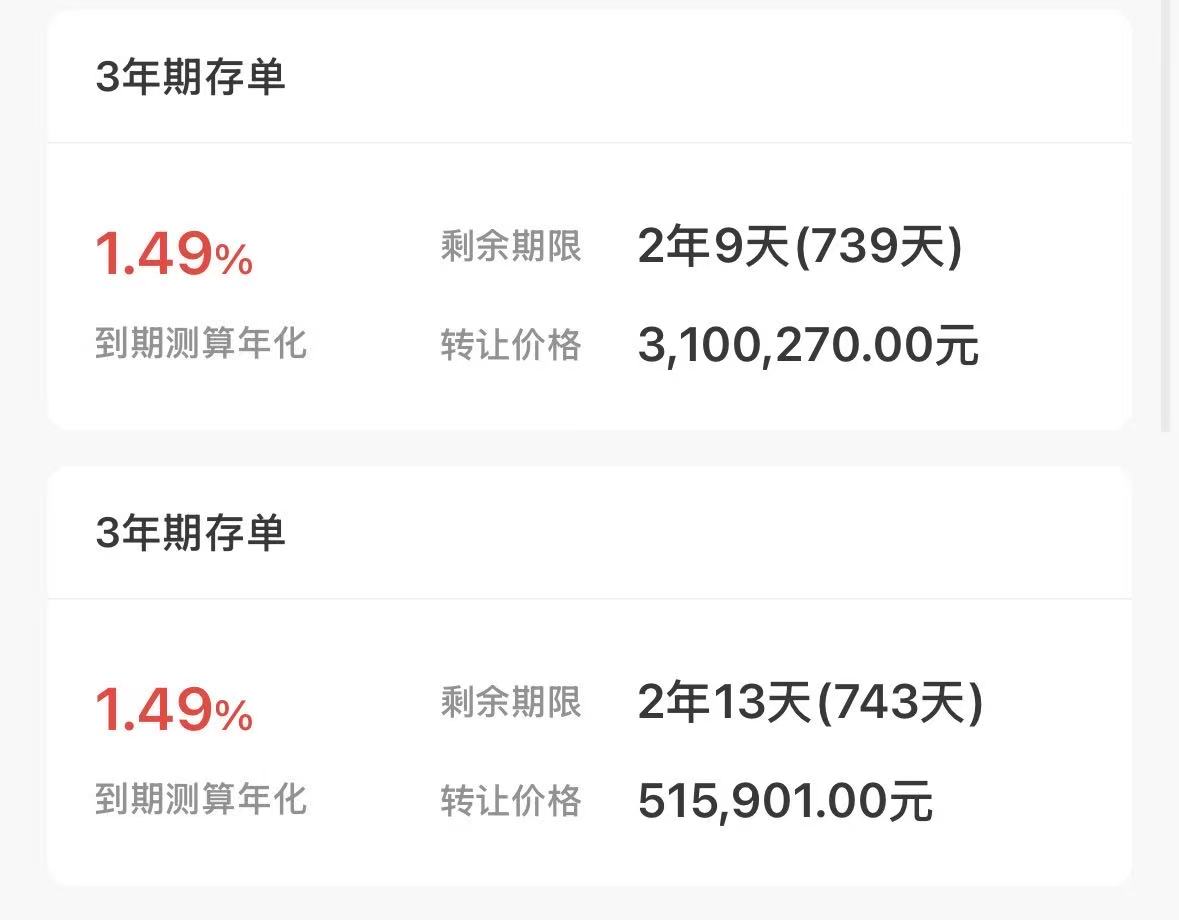
21世纪经济报道记者 杨娜娜 "大额存单最长期限是两年期,利率1.4%",招商银行一客户经理告诉记者。该行大额存单转让专区显示,剩余期限约2年的产品,到期测算年化收益率在 1.49%左右。 建设银行的大额存单"最长期限是3年,利率1.55%,很早就没有五年的大额存单了。"该行客户经理向记者表示。 如此低的利率,并不是这一两家银行的现状。2021年前利率动辄超过5%的五年期大额存单已难觅踪迹,随着银行存款利率步入"1时代",部分活期利率甚至 向0.05%靠拢,储户对低利率的心理防线正被逐渐侵蚀。 2022年以来,受房地产市场调整与股市债市震荡加剧影响,特别是2022年底债市波动引发的理财"破净"潮等多重因素下,居民的大量资金从股市、基金、理 财等渠道回流至定期存款寻求"庇护"。这批巨额资金也将在2025-2026年陆续到期,这预示着一场规模宏大的存款"重定价"与"再配置"浪潮因此展开。 "笼中虎"站上十字路口 2026年是中国居民资产负债表的一个关键转折点,银行系统将迎来存款到期的历史性峰值。据瑞银Evidence Lab测算,2026年约有约55万亿至60万亿元的存 款到期,其规模与集中度均为近年罕见。此后随 ...
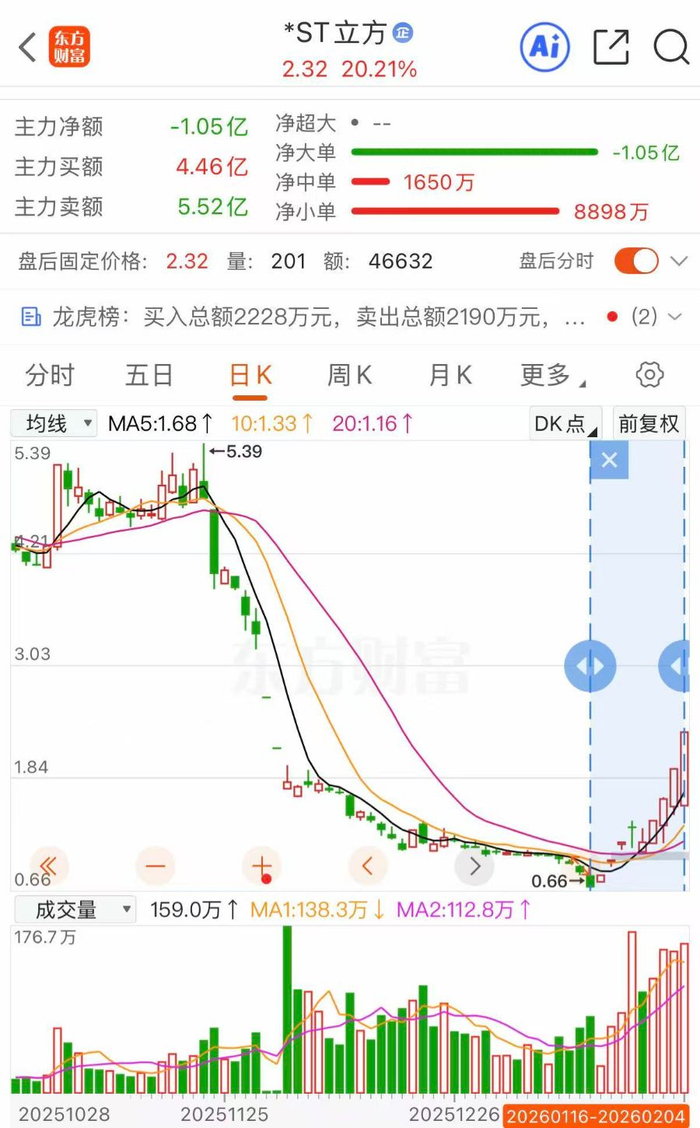
9天暴涨246%!*ST立方股价狂欢之下藏“三重退市雷区”
2 1 Shi Ji Jing Ji Bao Dao· 2026-02-04 13:30
Core Viewpoint - *ST Lifan experienced a dramatic stock price reversal, with a 246.27% increase over nine trading days, raising concerns about the sustainability of this surge and the underlying risks associated with the company's financial health and market manipulation [1][4][9]. Stock Price Movement - On January 16, *ST Lifan's stock closed at 0.67 yuan per share, having been below 1 yuan for four consecutive trading days, indicating a risk of delisting [4]. - The stock began to rise on January 20, reaching a peak of 2.32 yuan by February 4, with multiple instances of hitting the daily limit up [4][5]. - The stock's trading volume surged, with a turnover rate exceeding 23.55% on January 29 and 24.84% on February 4, indicating high trading activity [7][8]. Market Sentiment and Trading Behavior - Despite the stock price surge, there was a notable outflow of institutional funds, with a net outflow of 9.37 million yuan, while retail investors showed significant inflow, totaling 88.98 million yuan [7]. - The trading pattern suggests a "pump and dump" scheme, where institutional investors may have inflated the stock price to attract retail investors before exiting [7][8]. Regulatory Concerns - The Anhui Securities Regulatory Bureau has flagged *ST Lifan for serious financial misconduct, including inflated revenue figures over three years, totaling 638 million yuan [9]. - The company faces potential penalties, including a fine of 10 million yuan and possible delisting due to its financial irregularities [9][10]. Financial Performance - For the first three quarters of 2025, *ST Lifan reported a total revenue of 203 million yuan, a decline of 0.44%, and a net loss of 62.21 million yuan, worsening by 20.59% year-on-year [11]. - The company anticipates a net loss of 180 to 210 million yuan for the full year of 2025, exacerbated by a significant drop in its core business segments [12].

新安股份发力算力新场景,落地首个硅基液冷项目
2 1 Shi Ji Jing Ji Bao Dao· 2026-02-04 13:27
Core Viewpoint - Company Xin'an Co., Ltd. (600596.SH) is advancing in the computing power sector by launching its first commercial immersion silicon-based liquid cooling project in collaboration with Hangzhou Suanxiang Technology Co., Ltd. [1] Group 1: Project Details - The immersion cooling project has officially commenced operations, utilizing self-developed silicon-based cooling liquid to validate its reliability and economic viability in real load environments [1] - The energy usage efficiency (PUE) of the project has stabilized below 1.1, achieving over 35% energy savings compared to traditional air cooling solutions [1] Group 2: Product Offerings - Xin'an Co., Ltd. has introduced three series of immersion silicon-based liquid cooling products, which include immersion computing liquid cooling, immersion energy storage liquid cooling, and fast charging liquid cooling, targeting various applications such as large computing centers and energy storage stations [2] Group 3: Industry Landscape - The liquid cooling technology is emerging as a significant development direction for next-generation computing infrastructure, with competitors like Dow Chemical, Runhe New Materials, and Chenguang New Materials also entering the silicon-based cooling liquid market [3] - The future market ecosystem for immersion liquid cooling is expected to feature multiple media coexisting, with silicon-based liquid cooling showing promising growth potential considering factors like stability, safety, energy consumption, cost, and environmental impact [3] - Xin'an Co., Ltd. has over 40 years of experience in the silicon industry and is extending its applications from traditional industrial uses to new scenarios in computing infrastructure [3]
