Hua Xia Shi Bao

Search documents
盈利1087万背后:ST张家界前三季99%盈利靠补助,扣非后只剩“零头”
Hua Xia Shi Bao· 2025-10-29 13:56
Core Viewpoint - ST Zhangjiajie has reported a single-quarter profit for the first time in years, but the overall financial situation remains precarious due to high debt levels and ongoing losses [2][3][4]. Financial Performance - In Q3 2025, ST Zhangjiajie achieved revenue of 143 million yuan, a year-on-year increase of 4.82%, and a net profit of 10.87 million yuan, marking a significant year-on-year growth of 405.29% [2][3]. - Despite the quarterly profit, the company recorded a cumulative net loss of 22.40 million yuan for the first three quarters of 2025, continuing a six-year trend of losses [4][5]. Debt and Financial Health - As of September 30, 2025, ST Zhangjiajie had total assets of 2.099 billion yuan and total liabilities of 1.831 billion yuan, resulting in a debt-to-asset ratio of 87.24% [4][5]. - The company's cash and current liabilities ratio is only 11.84%, with a current ratio of 0.14, indicating significant short-term repayment pressure [4][5]. Impact of Tourism Market - The recovery of the inbound tourism market has contributed to ST Zhangjiajie's improved performance, with 722,300 inbound visitors and total spending of 376 million USD from January to July 2025, reflecting year-on-year increases of 14.2% and 16.42% respectively [3][4]. - The Tianmen Mountain scenic area alone welcomed 370,000 foreign tourists in the first half of 2025, setting a record [3][4]. Challenges and Risks - The company's financial difficulties are largely attributed to the Duyong Ancient City project, which has incurred significant losses, totaling over 1 billion yuan from 2020 to 2024 [5][6]. - The reliance on non-recurring income, such as government subsidies, raises concerns about the sustainability of the reported profits [5][6]. Restructuring Efforts - ST Zhangjiajie is currently undergoing a pre-restructuring process, with the latest deadline extended to January 16, 2026, amid ongoing challenges in reaching consensus with creditors and attracting strategic investors [7][9]. - The company’s ability to successfully restructure and manage its debt will be crucial for its survival and future growth [9][11]. Industry Context - The challenges faced by ST Zhangjiajie are reflective of broader issues within the traditional tourism sector, where many companies are grappling with high debt levels and changing consumer behaviors post-pandemic [8][11]. - The case of ST Zhangjiajie serves as a cautionary tale for the industry, highlighting the importance of sound financial management and strategic investment decisions [8][11].



房地产迈向高质量发展,链接共同富裕,“十五五”将优化保障性住房供给
Hua Xia Shi Bao· 2025-10-29 13:56
Core Insights - The article discusses the release of the "Suggestions on Formulating the 15th Five-Year Plan for National Economic and Social Development," emphasizing the promotion of high-quality development in the real estate sector, linking it closely with common prosperity and improving people's livelihoods [2][9]. Group 1: Housing Supply Optimization - The focus on optimizing the supply of affordable housing aims to meet the basic housing needs of urban wage earners and various disadvantaged families [3][4]. - The "15th Five-Year Plan" emphasizes increasing the supply of improvement housing, marking a significant shift in policy direction [4][7]. - The article highlights the importance of local conditions in determining the scale, structure, and quality of affordable housing supply [4]. Group 2: Quality Housing Development - The concept of "good housing" is introduced, with an emphasis on safety, comfort, sustainability, and smart features [5]. - Initiatives for enhancing housing quality and property service standards are outlined, including the establishment of a comprehensive safety management system for housing [5]. - Pilot programs in cities like Shanghai are being implemented to improve housing safety management [5]. Group 3: Urban Renewal Initiatives - The article notes a shift from "implementing urban renewal actions" to "vigorously implementing urban renewal," indicating a stronger commitment to urban development [5]. - The need for a sustainable urban renewal model is emphasized, with a focus on integrating urban inspections and renewal processes [5][6]. - Challenges in urban renewal, such as land use rights and funding pressures, are acknowledged, with suggestions for innovative financing models to encourage market participation [6]. Group 4: Policy Adjustments and Market Dynamics - The article discusses the need for policy adjustments to support the new real estate development model, including reforms in property development, financing, and sales [7]. - The removal of unreasonable restrictions in the housing market is highlighted, suggesting a clearer exit for certain restrictive policies to facilitate housing consumption [7]. - The article indicates that core cities may see a gradual easing of purchase restrictions during the "15th Five-Year Plan" period [7]. Group 5: Risk Management - The article mentions the importance of enhancing risk prevention and resolution capabilities in key areas such as real estate, local government debt, and small financial institutions [8][9]. - The need for effective management of second-hand housing listings is identified as a crucial measure to mitigate real estate risks and promote market health [9].

“十五五”新信号!房地产回归消费和民生,限购等不合理限制措施将进一步清理
Hua Xia Shi Bao· 2025-10-29 10:57
Core Viewpoint - The recent "15th Five-Year Plan" emphasizes the repositioning of real estate as a consumer good, aiming to stimulate consumption and improve living standards by removing unreasonable restrictions on housing consumption [2][4]. Group 1: Policy Changes - The "15th Five-Year Plan" suggests the removal of unreasonable restrictions on housing consumption, highlighting the importance of boosting consumption as a core strategy for domestic economic circulation [2][4]. - The plan indicates a shift from managing housing as an investment to treating it as a consumer good, aligning with the goal of creating a strong domestic market [3][4]. Group 2: Real Estate as a Consumer Good - Real estate is increasingly recognized as a consumer product, with the plan advocating for the promotion of healthy housing consumption and the establishment of a management framework that accommodates new consumption patterns [2][3]. - The focus on housing as a consumer good is part of a broader strategy to enhance the quality of life and ensure that housing meets the needs of the population [4][5]. Group 3: Market Dynamics - The plan calls for a systematic review of existing restrictive policies in the housing market, aiming to enhance market fluidity and promote resource allocation across different regions and housing types [6][7]. - There is an emphasis on addressing hidden restrictions that limit housing consumption, such as stringent regulations on the use of housing funds, which hinder cross-regional mobility [6][7].

七年两曝“老鼠仓”,海富通基金又出事了
Hua Xia Shi Bao· 2025-10-29 09:40
Core Viewpoint - The Shanghai Securities Regulatory Commission has publicly announced an administrative penalty against fund manager Yang Ningjia for engaging in "rat trading," resulting in a fine of 500,000 yuan while managing products that suffered nearly 40% losses [2][3][4]. Group 1: Case Details - Yang Ningjia, previously a fund manager at Hai Fu Tong Fund Management Co., was found to have used his position to guide others in synchronized trading, which is a typical "rat trading" behavior [3][4]. - The penalty decision revealed that Yang had access to non-public information regarding fund holdings and trading details, which he exploited for personal gain [3][4]. - The regulatory framework explicitly prohibits fund personnel from leaking non-public information obtained through their positions for trading purposes [4]. Group 2: Performance Issues - During Yang Ningjia's tenure, the funds he managed, such as Hai Fu Tong Electronic Media A and C, reported significant underperformance, with returns of -37.79% and -39.31% respectively, falling far short of performance benchmarks [5][6]. - The Hai Fu Tong New Domestic Demand Mixed Fund, which Yang managed for over a year, also showed poor performance with returns of -19.69% and -19.84% [5][6]. Group 3: Compliance and Regulatory Concerns - The incident has raised concerns about compliance shortcomings at Hai Fu Tong Fund Management, which has faced similar scandals in the past, including a previous case involving another fund manager, Xie Zhigang, who was penalized for similar violations [8]. - Despite advancements in monitoring technologies like AI and big data, violations continue to occur, indicating potential systemic issues within the company's internal controls [8]. - The recent appointment of a new chairman, Xie Lebin, who is recognized as a risk management expert, has led to expectations for improved governance and compliance within the firm [8].

3D打印企业冲刺IPO!易加增材业绩三连增难掩隐忧,现金流连续两年告负|透市
Hua Xia Shi Bao· 2025-10-29 09:15
Core Viewpoint - Hangzhou Yijia 3D Additive Technology Co., Ltd. (referred to as "Yijia Additive") is set to go public with an IPO application accepted on June 30, 2025, aiming to raise 1.205 billion yuan, despite facing challenges such as reliance on imported core components, negative operating cash flow, and increasing accounts receivable [2][3]. Financial Performance - Yijia Additive's revenue has shown consistent growth, with reported revenues of 247 million yuan, 409 million yuan, and 471 million yuan for the years 2022 to 2024, respectively [3]. - The net profit for the same period was 28.93 million yuan, 68.58 million yuan, and 98.81 million yuan, indicating a positive trend in profitability [3]. - However, compared to competitors like Plater and Huashu High-Tech, Yijia Additive's performance still lags, with Plater achieving 1.326 billion yuan in revenue and 104 million yuan in net profit in 2024 [3]. Cash Flow and Financial Health - The operating cash flow of Yijia Additive has deteriorated, with figures of -106 million yuan, 19.67 million yuan, and -93.79 million yuan over the reporting period [4][5]. - The company has indicated improvements in cash flow management, with a focus on reducing inventory increases and managing supplier payments [5]. - Despite these efforts, the operating cash flow remains negative for the first half of 2025 due to a decrease in customer payment ratios [5]. Dependency on Imports - Yijia Additive relies heavily on imported core components such as lasers and galvanometers, which are well-established in the industry [6]. - The company is working with domestic manufacturers to validate and test domestic alternatives, aiming to reduce dependency on imports over time [6]. Accounts Receivable Management - Accounts receivable have been increasing, with balances of 74 million yuan, 138 million yuan, and 195 million yuan over the reporting period, representing 33.30%, 37.68%, and 46.04% of revenue, respectively [8]. - The company has a higher accounts receivable turnover rate compared to industry averages, indicating a relatively efficient collection process [8]. Inventory and Risk Management - Yijia Additive's inventory has been growing, with values of 268 million yuan, 375 million yuan, and 445 million yuan, constituting 61.26%, 47.20%, and 43.26% of current assets [9]. - The company has been proactive in managing inventory write-downs, with provisions increasing from 2.39 million yuan to 7.17 million yuan over the reporting period, reflecting a cautious approach to inventory risk [9][10].

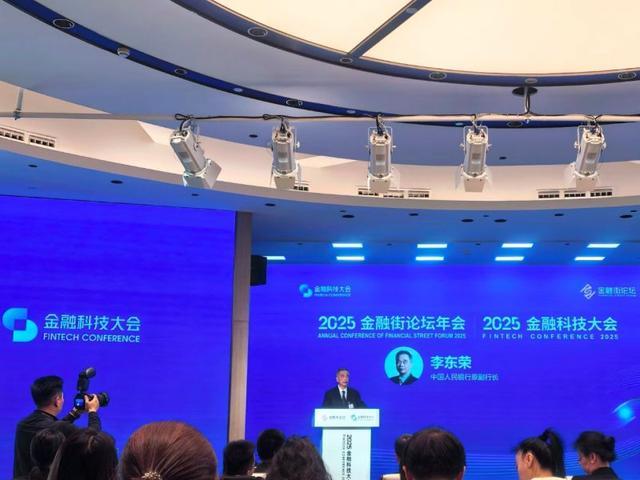
央行原副行长李东荣:ESG已逐步成为衡量企业长期价值的核心战略指标|快讯
Hua Xia Shi Bao· 2025-10-29 08:55
Core Viewpoint - The forum highlighted the importance of ESG (Environmental, Social, and Governance) as a core strategic indicator for measuring long-term corporate value, emphasizing the need for continuous improvement in top-level design, data governance, and technology application in ESG development [1][2]. Group 1: ESG Development Strategies - Continuous improvement of top-level design is necessary to implement ESG policies effectively, with a focus on sustainable information disclosure and the need for a comprehensive regulatory framework [1]. - Establishing a robust ESG data governance system is crucial, as ESG data encompasses multiple dimensions and requires a solid foundation to minimize future governance costs [2]. Group 2: Technological Integration - There is a need to enhance the application of artificial intelligence in the ESG sector, as advancements in AI can improve data processing and analysis capabilities, providing innovative solutions for ESG development [2]. Group 3: Sustainable Development Mindset - Financial institutions and companies must adopt a sustainable development mindset, recognizing the importance of ESG and addressing challenges such as talent shortages, weak data foundations, and low disclosure quality [2]. Group 4: Collaboration and Support - Large enterprises, including state-owned enterprises, should play a leading role in promoting ESG practices among small and medium-sized enterprises (SMEs) by providing training, building carbon management platforms, and enhancing technology applications [4].
厦门户籍新政落地在即,新增岛外租房落户及放宽就业落户 | 快讯
Hua Xia Shi Bao· 2025-10-29 08:55
Core Points - Xiamen City has issued a notification to optimize and improve household registration conditions, set to take effect on November 1, 2025 [2] - The reform aims to fully relax household registration conditions for individuals from outside the island while gradually easing restrictions for those within the island [2] Group 1: New Registration Policies - New policies include allowing individuals renting from outside the island to register, easing employment-based registration for those from outside the island, and enabling rental-based registration for employment personnel within the island [2] - Specific conditions for registration in districts such as Jimei, Haicang, Tong'an, and Xiang'an include having a rental registration and residence registration for at least six months, along with continuous social insurance contributions for at least three months [2] - For the island districts of Siming and Huli, individuals must have continuous social insurance contributions for two years and residence registration for two years to apply for household registration [2] Group 2: Application Process - Individuals meeting the registration criteria must apply in the order of their employment unit's collective household, the community public household of their employment location, and the community public household of their residence [2] - Spouses and minor children of eligible individuals are allowed to register together [2]

证监会改革燃爆!创业板新兴、未来产业来袭,“量身定制”上市标准
Hua Xia Shi Bao· 2025-10-29 08:29
Core Insights - The China Securities Regulatory Commission (CSRC) plans to deepen comprehensive reforms in investment and financing to enhance the inclusiveness, adaptability, attractiveness, and competitiveness of the capital market, better serving economic and social development [2][3] Group 1: Capital Market Reforms - The CSRC will implement reforms in the ChiNext board, setting listing standards that align with the characteristics of innovative enterprises in emerging fields and future industries [2][5] - The recent release of the "Suggestions for the 15th Five-Year Plan" emphasizes the cultivation of emerging industries and strategic clusters such as new energy and aerospace [2][4] - The focus on "inclusiveness, adaptability, and coordinated investment and financing" will be key themes for the future of China's capital market [2][3] Group 2: Multi-Layered Market Development - The CSRC aims to enhance the multi-layered market system, ensuring it serves as a platform for innovative small and medium-sized enterprises [7] - Policies will promote the high-quality development of the Beijing Stock Exchange and improve the differentiated listing and trading systems of the New Third Board [7] - The reforms are expected to address the mismatch between the current direct financing system and the needs of technology innovation enterprises [7] Group 3: Entrepreneurial Board Reform - The reform of the ChiNext board is seen as a critical measure to support the "modern industrial system" and accelerate high-level technological self-reliance [5][6] - The new listing standards may provide more opportunities for technology innovation companies, potentially blurring the lines between the ChiNext and Sci-Tech Innovation Board [6] - The emphasis on "precision" in the reforms suggests a more inclusive approach to listing criteria, possibly allowing loss-making tech companies to list [6]


6天狂揽4板!CPO概念股狂飙,资金为何青睐汇绿生态?
Hua Xia Shi Bao· 2025-10-29 07:54
Core Viewpoint - The A-share index has been strengthening since late October, with the Shanghai Composite Index surpassing 4000 points for the first time since August 2015, driven by significant stock performances, particularly by HuiLv Ecology, which has seen a remarkable rise in its stock price amid ongoing capital operations and market speculation [1][4]. Company Overview - HuiLv Ecology operates in two main sectors: optical modules and landscaping, providing a full range of services from research and production of optical communication products to landscaping project execution and maintenance [2]. - The company plans to acquire a 49% stake in Junheng Technology for 1.127 billion yuan, with a premium of 317.72%, enhancing its control and synergy in the optical module industry [2][3]. Financial Performance - HuiLv Ecology reported significant revenue growth, with projected revenues for Junheng Technology of 4.35 billion yuan, 6.66 billion yuan, and 6.10 billion yuan for 2023, 2024, and the first half of 2025, respectively, indicating year-on-year growth rates of 53.21% and 153.34% [2]. - The company’s revenue for 2022 to the first half of 2025 is reported as 6.11 billion yuan, 6.85 billion yuan, 5.87 billion yuan, and 6.96 billion yuan, with a notable increase in net profit for the first three quarters of 2023, reaching 51.72 million yuan, a 96.96% increase year-on-year [6]. Market Dynamics - The stock price of HuiLv Ecology has seen a substantial increase, with a 46.04% rise from 14.77 yuan to 21.57 yuan within a week, and it reached a historical high of 22.77 yuan on October 28 [4]. - The surge in stock prices is closely linked to the booming CPO (Co-Packaged Optics) concept, driven by AI computing demands and technological advancements, which have led to increased market interest in optical modules [5]. Strategic Investments - HuiLv Ecology has made significant investments in expanding its optical module production capacity, including a 2 billion yuan investment for a new production base with a capacity of 150 million optical modules per year [7].
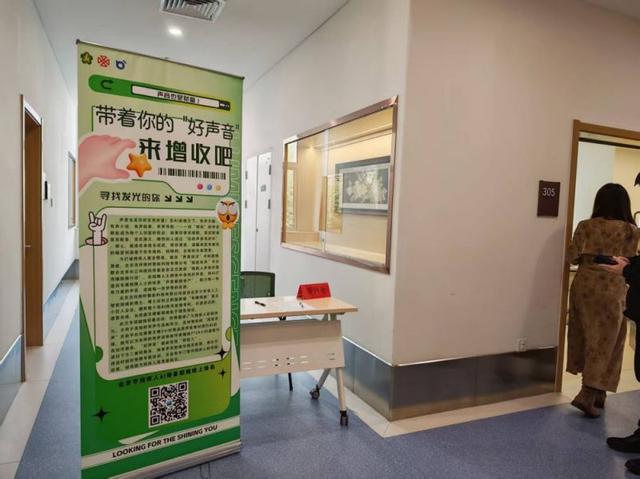
技术向善暖人心!北京启动AI声音公益计划,为残疾人打造可传承的“声音资产”|快讯
Hua Xia Shi Bao· 2025-10-29 03:38
Core Insights - A new public welfare initiative named "AI Assistance - Voice Value Dissemination for the Disabled" has been launched in Beijing, aimed at leveraging artificial intelligence to unlock the voice value of disabled individuals and create new employment opportunities in the digital age [2][4]. Group 1: Project Overview - The initiative is a response to the national guidelines on promoting technology assistance for the disabled, shifting from traditional support models to a technology-enabled approach that empowers individual potential [4]. - The core technology supporting this initiative is the "AI Avatar" technology developed by Lingban Intelligent Technology Co., Ltd., which allows participants to create a highly realistic personal voice model by recording just two hours of audio [4]. Group 2: Benefits and Opportunities - The voice model can operate 24/7, converting text into the participant's own voice, applicable in various commercial scenarios such as audiobooks and radio dramas, with revenue shared between the platform and participants [4]. - This initiative not only aims to generate income for participants but also to create a sustainable "voice data asset" that can be passed down [4]. - The project will open online channels in the coming month to recruit the first batch of "voice partners," who will receive comprehensive training and professional recording support at no cost [5]. Group 3: Social Impact - This initiative represents an innovative breakthrough in employment models for disabled individuals and serves as a practical application of the "technology for good" concept, providing a forward-looking solution to protect the rights of vulnerable groups and share the benefits of technology in the digital era [5].