Hua Xia Shi Bao

Search documents
追讨员工三年过节费近1.4万元,广州农商银行这是怎么了?
Hua Xia Shi Bao· 2025-10-21 10:16
Core Viewpoint - Guangzhou Rural Commercial Bank's demand for employees to return holiday bonuses issued since 2022 has sparked widespread public concern, with some employees reportedly needing to return a total of approximately 14,000 yuan [2][3]. Group 1: Company Response and Regulations - The bank stated that the action is aimed at further standardizing the issuance of allowances and benefits to ensure compliance with relevant regulations [3]. - According to the revised guidelines for grassroots union fund management in Guangdong Province, holiday gifts should not exceed 3,000 yuan per person annually and cannot be issued in cash or vouchers [3]. - The bank has a responsibility to assist employees in handling tax refunds for the holiday bonuses that have already been taxed [4]. Group 2: Tax Implications - Employees who have already paid personal income tax on the returned holiday bonuses should be eligible for a tax refund, as the income no longer exists [4]. - The bank, as the withholding agent, is required to provide tax authorities with refund proof and correct declarations [4]. Group 3: Industry Context - The practice of reclaiming holiday bonuses has occurred in the banking industry before, with instances of banks requesting former employees to return holiday payments due to compliance issues [5]. - The concept of "reverse salary recovery" has become a common management mechanism in the banking sector, where banks reclaim performance-related pay from employees due to misconduct or risk exposure [6]. - Experts suggest that while the recovery of holiday bonuses may not become a widespread trend, the management of welfare compliance will continue to strengthen in the industry [6].

中原银行迎“75”后新行长,资产质量攻坚成首要考验
Hua Xia Shi Bao· 2025-10-21 08:33
Core Viewpoint - Zhongyuan Bank is undergoing a leadership change with the appointment of Zhou Feng as the new president, following the resignation of Liu Kai due to work adjustments. Zhou's qualifications are pending approval from the Henan Financial Regulatory Bureau [2][3]. Leadership Change - On October 17, Zhongyuan Bank announced the resignation of Liu Kai as president, with Zhou Feng appointed as his successor. Zhou's appointment as an executive director is subject to approval at the upcoming shareholders' meeting and regulatory approval [3][4]. Background of Zhou Feng - Zhou Feng, born in 1977, has extensive experience in financial regulatory bodies and local government. He worked for nearly 17 years at the Henan Regulatory Bureau of the China Banking and Insurance Regulatory Commission before transitioning to local government roles [4]. Management Structure - The current management team of Zhongyuan Bank includes members with government backgrounds, such as Chairman Guo Hao. The bank has seen frequent adjustments in its executive team this year, with a current structure of one president, four vice presidents, and six assistants [5]. Asset Quality Concerns - Zhongyuan Bank has faced challenges with asset quality, maintaining a high non-performing loan (NPL) ratio. As of mid-2023, the NPL ratio was 2.01%, which is above the average for city commercial banks [2][6]. Financial Performance - The bank's financial performance has shown mixed results. In 2022, operating income increased by 32.8% to 25.61 billion, but net profit only grew by 5.3% to 3.83 billion due to rising operating expenses and asset impairment losses [7][8]. Cost Management Efforts - To address profitability pressures, Zhongyuan Bank has implemented cost-cutting measures, resulting in a 7.4% reduction in operating expenses in the first half of 2025. The bank's capital adequacy ratios have also improved [8].

近20年首次!上海第八批次土拍解绑“中小套型限制”,徐汇滨江、苏河湾地块成争抢焦点
Hua Xia Shi Bao· 2025-10-21 08:14
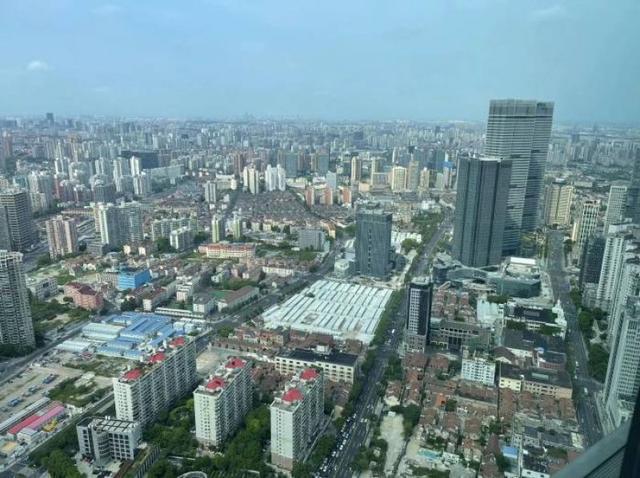
Core Viewpoint - The recent land auction in Shanghai, which included six plots with a total starting price of 18.495 billion yuan, successfully sold all plots, indicating a cautious yet optimistic market response from real estate companies [2][6]. Group 1: Land Auction Results - The auction attracted over 20 companies, with three plots sold at a premium and three at the base price, generating a total revenue of 19.877 billion yuan [2]. - The highest premium was recorded at 14.69% for a plot in the Yangpu area, while the overall premium rates remained below 15%, reflecting a more conservative approach from developers compared to previous auctions [6][8]. Group 2: Policy Changes and Market Trends - The absence of small unit ratio requirements in the recent land sales marks a significant shift from the previous "7090" policy, which mandated that 70% of new housing units be under 90 square meters [3][4]. - This policy adjustment aligns with the evolving market demand for larger, more comfortable living spaces, particularly in central Shanghai, where high-end improvement needs are increasing [4][5]. Group 3: Market Performance and Future Outlook - The high-end residential market in Shanghai has shown strong performance, with several luxury projects selling out quickly, and average prices for new projects ranging from 136,000 to 205,000 yuan per square meter [5]. - Analysts predict that the removal of unit size restrictions will allow developers to introduce premium products, such as large flats and stacked villas, enhancing their pricing power in the market [5][6].
联影医疗CT失速:50亿元应收账款压顶,增长引擎显疲态
Hua Xia Shi Bao· 2025-10-21 06:37
Core Insights - The latest financial report from the domestic medical equipment leader, United Imaging Healthcare, reveals a facade of growth that masks underlying issues such as slowing revenue growth, high accounts receivable, and declining gross margins [2][4][6] - The company is at a crossroads, facing challenges in maintaining market share and managing liquidity risks due to relaxed credit policies and industry adjustments [2][12] Financial Performance - United Imaging Healthcare reported a revenue of 6.016 billion yuan for the first half of 2025, representing a year-on-year growth of 12.79%, while the net profit attributable to shareholders increased by 21.01% to 966 million yuan [3] - The operating cash flow turned positive at 48.76 million yuan, a significant improvement from a negative 625 million yuan in the same period last year [3] Revenue Growth Concerns - The revenue growth rate of 12.79% marks a significant slowdown compared to the compound annual growth rate of 40% from 2020 to 2023, indicating a loss of the company's previous high-growth momentum [6][7] - The performance of different product lines shows a mixed picture, with MR equipment revenue growing by 16.81% to 1.968 billion yuan, while CT revenue declined by 6.37% to 1.515 billion yuan [8][9] Market Dynamics - The decline in CT revenue, a core segment for the company, raises concerns, especially as the domestic medical equipment procurement policies may be exerting downward pressure on prices [9][12] - The company has seen a notable increase in overseas revenue, which reached 1.142 billion yuan, growing by 22.48% and accounting for 18.99% of total revenue [9] Financial Health and Risks - The company's accounts receivable surged by 16.9% from 4.359 billion yuan at the end of 2024 to 5.080 billion yuan by June 2025, indicating potential issues with revenue quality [12] - Cash reserves decreased significantly from 8.4 billion yuan at the end of 2024 to 6.566 billion yuan by June 30, 2025, reflecting deteriorating financial health [12]


工银理财吴茜:银行理财9月末规模已超过32万亿元
Hua Xia Shi Bao· 2025-10-21 05:28
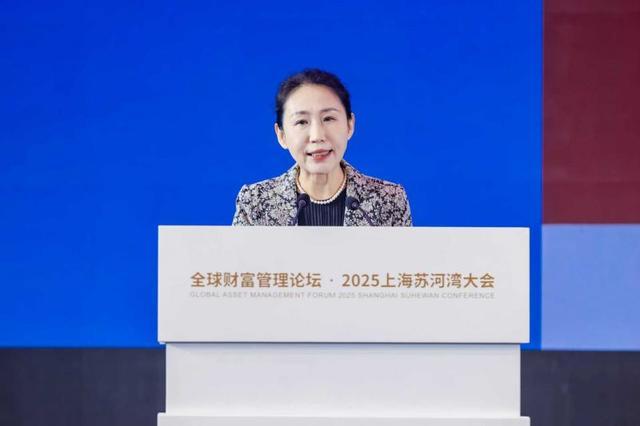
Core Insights - As of the end of September, the scale of the bank wealth management industry has exceeded 32 trillion yuan, reaching 32.1 trillion yuan [2] - The reallocation of resident wealth presents growth opportunities for various asset management sectors, although the growth rate of insurance and public funds is higher than that of wealth management this year [2] - The differentiation in risk preferences among clients during the wealth reallocation process indicates a clear positioning for various wealth management tools [2] - The bank wealth management sector needs to maintain its differentiated positioning in the asset management race, shifting from "asset-driven" to "strategy combination capability-driven" to enhance product performance stability and consistency [2]

工银理财吴茜:银行理财9月末规模已超过32万亿元|快讯
Hua Xia Shi Bao· 2025-10-21 04:53
Core Insights - As of the end of September, the scale of the bank wealth management industry has exceeded 32 trillion yuan, reaching 32.1 trillion yuan [2] - The reallocation of resident wealth presents growth opportunities for various asset management sectors, with insurance and public funds showing higher growth rates compared to wealth management this year [2] - The differentiation in risk preferences among clients during the wealth reallocation process indicates a clear positioning of various wealth management tools [2] - The bank wealth management sector needs to maintain its differentiated positioning in the asset management race, shifting from "asset-driven" to "strategy combination capability-driven" to enhance product performance stability and consistency [2]
美国区域性银行信贷危机再起 会重蹈硅谷银行覆辙吗?
Hua Xia Shi Bao· 2025-10-21 01:08
Core Viewpoint - The recent significant stock price declines of Zions Bancorp and Western Alliance Bancorp highlight emerging concerns over credit quality and potential systemic risks in the U.S. regional banking sector due to fraudulent commercial mortgage loans [1][3][5]. Group 1: Bank Performance and Financial Impact - Zions Bancorp reported a full provision for approximately $60 million in unpaid debts related to two commercial and industrial loans, which will impact its Q3 2025 financial statements [2]. - The losses from these loans represent about 3.5% of Zions Bancorp's projected net revenue of $3.1 billion for 2024 [2]. - Both banks have initiated legal actions against borrowers for fraud, indicating a serious breach of trust and potential systemic issues in credit approval processes [3][2]. Group 2: Market Reactions and Comparisons - The stock prices of Zions Bancorp and Western Alliance Bancorp fell by 13% and 11% respectively, marking one of the worst trading days for regional banks since the Silicon Valley Bank collapse in March 2023 [1][5]. - Investors are drawing parallels between the current situation and the 2023 Silicon Valley Bank crisis, which was primarily driven by liquidity issues rather than credit quality [5][6]. Group 3: Risk Factors and Industry Concerns - The fraudulent activities reveal significant weaknesses in the risk management frameworks of regional banks, particularly in their due diligence processes for commercial loans [3][7]. - The current economic environment, characterized by high interest rates and a cooling commercial real estate market, has led to increased default rates on commercial mortgages, putting additional pressure on regional banks [7]. - Regional banks hold approximately 80% of the U.S. commercial mortgage loans, making them particularly vulnerable to credit quality deterioration [6][5].
价格、股价、业绩齐飞 有色金属背后是周期拐点还是短期躁动?
Hua Xia Shi Bao· 2025-10-20 05:17
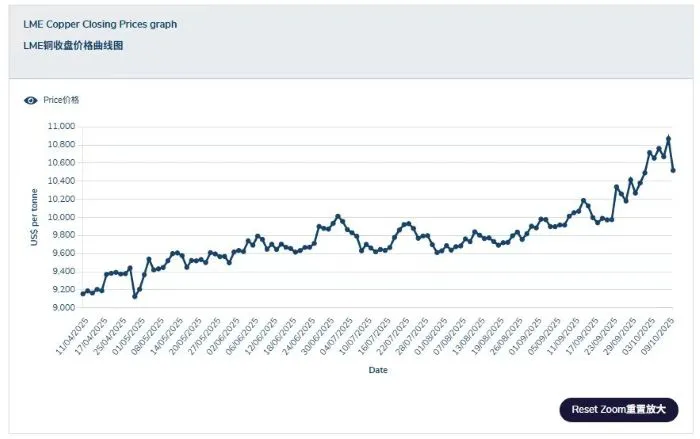
Core Insights - The performance of the gold and non-ferrous metals sector in 2025 is significantly influenced by the dual factors of the Federal Reserve's interest rate cuts and external uncertainties, with gold futures prices surpassing $4200 per ounce, marking a year-to-date increase of over 50% [1] - The non-ferrous metals sector shows a mixed performance, with industrial metals facing price volatility due to tariff policies and global economic expectations, while energy metals are showing signs of recovery with narrowing price declines [1][4] - The market has seen a strong rally in the non-ferrous metals sector post the National Day holiday, with core commodities like gold, copper, and rare earths performing exceptionally well [1][4] Industry Performance - The non-ferrous metals industry has maintained high production levels and investment growth, with a net inflow of over 20 billion yuan into related stocks in the past month, indicating strong market sentiment [4][11] - The precious metals sector reported significant revenue growth, with the A-share precious metals sector achieving 188.25 billion yuan in revenue in the first half of 2025, a 27.15% year-on-year increase, and a net profit of 9.68 billion yuan, up 64.72% [5][14] - The industrial metals sector also saw revenue growth of 1.36 trillion yuan, a 3.46% increase, with net profit rising by 24.42% [5][14] Market Dynamics - The rise in metal prices is attributed to a combination of macroeconomic monetary easing policies and supply-demand imbalances, with analysts noting that the current market conditions are a sensitive reaction to these factors [1][6] - The demand for gold as a safe-haven asset has been reinforced by geopolitical risks and uncertainties surrounding U.S. government policies, leading to increased investor interest [4][19] - The copper market is particularly noteworthy, with prices rising by 13% this year, reflecting its status as a barometer for the global economy, despite cautious capital expenditure from major copper companies [7][8] Company Performance - Leading companies in the non-ferrous metals sector, such as Zijin Mining and Luoyang Molybdenum, have seen their stock prices surge, with Zijin Mining's A-share price increasing by 99.47% year-to-date [11][22] - The energy metals sector has shown remarkable recovery, with net profits increasing by 1389.34% year-on-year, indicating a shift from losses to profitability [5][14] - Companies like Jincheng Mining have reported significant production increases, with copper output rising by 198.52%, contributing to overall performance improvements [22]



前三季度消费支出对经济增长贡献率为53.5%|快讯
Hua Xia Shi Bao· 2025-10-20 05:14
Core Insights - The data released by the National Bureau of Statistics indicates that China's consumption potential is being continuously released, with consumption policies effectively boosting service consumption and stabilizing the overall consumption market [2] Group 1: Economic Contribution - In the first three quarters, final consumption expenditure contributed 53.5% to economic growth, driving GDP growth by 2.8 percentage points [2] - In the third quarter, final consumption expenditure's contribution to economic growth increased to 56.6%, contributing 2.7 percentage points to GDP growth [2] - The contribution rate of final consumption expenditure in the first three quarters increased by 9.0 percentage points compared to the entire previous year, reinforcing its role as the main engine of economic growth [2] Group 2: Policy Impact - The government has allocated 300 billion yuan in special long-term bonds in four batches to support the consumption of new goods through trade-in programs, directly aiding the release of consumer demand [2] - Retail sales of household appliances, audio-visual equipment, cultural office supplies, furniture, and communication equipment involved in the trade-in policy have all maintained double-digit growth [2] - As of September 10, over 8.3 million applications for vehicle trade-ins have been submitted nationwide, averaging more than 30,000 applications per day [2] Group 3: Industry Development - The "Two New" and "Two Heavy" policies are continuously transmitting effects to the production side, driving the manufacturing of equipment and consumer goods [3] - These policies are promoting production expansion and technological iteration in smart manufacturing, green manufacturing, and digital technology sectors [3] - The initiatives are accelerating the optimization of industrial structure and the transition from old to new growth drivers [3]

工业保持较快增长,三季度工业增加值同比增长5.8%|快讯
Hua Xia Shi Bao· 2025-10-20 03:11
Group 1 - The industrial sector showed a strong growth trend in Q3, with an increase of 5.8% year-on-year, contributing 1.7 percentage points to economic growth [2] - The modern service industries, including information transmission, software, and IT services, as well as leasing and business services, experienced rapid growth, with value-added increasing by 11.7% and 8.6% respectively, contributing a total of 0.9 percentage points to economic growth [2] - The financial sector also performed well, with a year-on-year increase of 5.2% in value-added, contributing 0.4 percentage points to economic growth [2] Group 2 - In the first three quarters, industrial production maintained stable growth, with a year-on-year increase of 6.1% in industrial value-added, contributing 1.8 percentage points to economic growth [2] - The manufacturing sector outperformed the overall industrial growth, with a value-added increase of 6.5% [2] - Notably, the transformation and upgrading of the manufacturing sector accelerated, with value-added in equipment manufacturing and high-tech manufacturing increasing by 9.7% and 9.6% respectively, surpassing the overall industrial growth by 3.5 and 3.4 percentage points [2] Group 3 - The automotive manufacturing sector, as well as railway, shipbuilding, aerospace, and other transportation equipment manufacturing, maintained double-digit growth in investment year-on-year [3] - Driven by continuous innovation investment, several domestic general large models have reached international advanced levels, and significant breakthroughs have been achieved in various technology fields [3] - According to the World Intellectual Property Organization, China's innovation index is expected to enter the global top ten by 2025, with 24 innovation clusters ranked among the global top 100, maintaining the highest number for three consecutive years [3]