Hua Xia Shi Bao

Search documents
14年等待 纸白银投资者终于“解套”
Hua Xia Shi Bao· 2025-10-19 00:51
Core Insights - The silver market has experienced significant volatility, with silver prices reaching a high of $53.51 per ounce on October 16, marking an over 80% increase in 2023, surpassing gold's performance [1][3][4] - Many investors, like Mr. Wei, who have been "stuck" in paper silver investments for over a decade, are now seeing profits but still feel regret due to the opportunity cost compared to other investments like real estate [1][6][8] Market Performance - The current surge in silver prices is attributed to various factors, including the overall bullish trend in precious metals, with silver's year-to-date increase outpacing that of gold [3][4] - Historical context shows that silver prices were significantly influenced by the Federal Reserve's quantitative easing measures from 2009 to 2011, leading to a peak in 2011, followed by a prolonged bear market [4][8] Investor Sentiment - Many long-term paper silver investors are sharing their experiences on social media, highlighting the challenges they faced during the prolonged downturn and the recent price recovery [6][7] - Despite the current profits, investors like Mr. Wei express that the investment still feels like a loss when compared to other potential returns from different asset classes [1][6] Banking Sector Response - Banks have largely withdrawn from offering paper silver trading due to increased risk management measures following incidents like the "Oil Treasure" event, which highlighted the risks associated with leveraged trading [7][8] - The discontinuation of paper silver services is also attributed to the complexities of silver's supply and demand dynamics compared to gold, making it less suitable for stable investment offerings [8][9] Recommendations for Investors - Experts suggest that current paper silver holders should recognize the high volatility of silver investments and consider strategies such as gradual profit-taking to lock in gains [8][9] - Investors are advised to avoid using leverage in their trading strategies to mitigate risks associated with market fluctuations [8][9]

人形机器人入厂经济账曝光?智元合伙人姚卯青:成本优化后服役两年可打平人力
Hua Xia Shi Bao· 2025-10-19 00:49
Core Insights - The lifecycle of humanoid robots is designed around a three-year metric, with the potential for cost parity with human labor after scaling production [1][8] - The company has become one of the leading humanoid robot manufacturers in China, recently announcing significant orders for its new industrial-grade interactive robot, ZhiYuan Spirit G2 [1][6] - The company aims for overseas revenue to account for over 30% of total income by next year, driven by higher labor costs and automation demand in developed markets [1][8] Product Development - The ZhiYuan Spirit G2 was launched as the latest iteration, showing significant improvements in hardware performance, control precision, and interactive intelligence compared to its predecessor, G1 [3][4] - The G2 robot features enhanced flexibility and efficiency, allowing it to perform tasks that previously required multiple robots with just one [3][4] - The G2 is a wheeled humanoid robot, chosen for its advantages in stable environments, while bipedal robots are reserved for more complex terrains [4][5] Commercialization Progress - The company has secured several multi-million yuan orders, including a framework order from Longqi Technology and a contract with Junsheng Electronics for automotive parts manufacturing [6][7] - The humanoid robot industry is entering a commercial phase, with multiple companies, including ZhiYuan, receiving substantial orders [6] - The company has seen a significant increase in delivery volume, achieving thousands of units delivered from January to September this year [6][7] Economic Viability - The cost of human labor in a factory setting can reach approximately 300,000 yuan over two years for a worker on a two-shift schedule, making the economic case for robots compelling [8][9] - The company anticipates that with optimized production costs, deploying a robot to replace multiple human workers will become economically viable [8][9] - The company is actively pursuing global expansion strategies, including establishing a distribution network and local partnerships for design and production [9]

湖南白银年内涨近140%!国资大股东承诺期刚过拟减持2%,回购价半月两连跳
Hua Xia Shi Bao· 2025-10-18 15:01
Core Viewpoint - The global precious metals market has experienced a strong upward trend this year, significantly impacting Hunan Silver's stock price, which has risen by 137.17% year-to-date. However, the company's second-largest shareholder, Chenzhou State-owned Assets Holding Group, plans to reduce its stake by 2%, raising concerns about potential short-term pressure on the stock price due to this high-level cash-out behavior [2][6]. Shareholder Reduction Plan - Chenzhou State-owned Assets will reduce its holdings from 7.44% to 5.44%, maintaining its status as an important shareholder. The reduction will occur through centralized bidding and block trading from November 10, 2025, to February 9, 2026, totaling no more than 56.46 million shares [3][4]. - The reduction plan is the first since Chenzhou State-owned Assets acquired shares through a capital reserve adjustment in November 2020. The shareholder has committed not to sell or transfer shares for 36 months following the acquisition [4][5]. Market Reaction and Stock Performance - The stock price of Hunan Silver has surged due to the rising silver prices, with a notable increase of 79.46% from August 4 to October 17. As of October 17, the stock closed at 8.04 yuan per share, with a total market capitalization of 22.7 billion yuan [7][9]. - Analysts suggest that the high-level reduction by a major shareholder may exert downward pressure on the stock price in the short term, especially with the upcoming release of 132 million shares from a private placement [7][8]. Company Buyback Actions - In response to market conditions, Hunan Silver has adjusted its share buyback plan, raising the maximum buyback price to 8 yuan per share and planning to repurchase between 17.55 million and 21.38 million shares, with a total buyback fund of no less than 926 million yuan [8]. - This adjustment marks the second increase in the buyback price within a month, reflecting the company's proactive approach to support its stock price amid shareholder reductions [8]. Financial Performance - Hunan Silver reported a 35.59% year-on-year increase in revenue for the first half of 2025, amounting to 4.529 billion yuan, with a net profit of 62.2 million yuan, representing a 7.01% increase. The non-recurring net profit saw a significant rise of 367.41% [9].


珀莱雅赴港上市迈入实质性推进阶段,高管团队仍在换代
Hua Xia Shi Bao· 2025-10-18 14:59
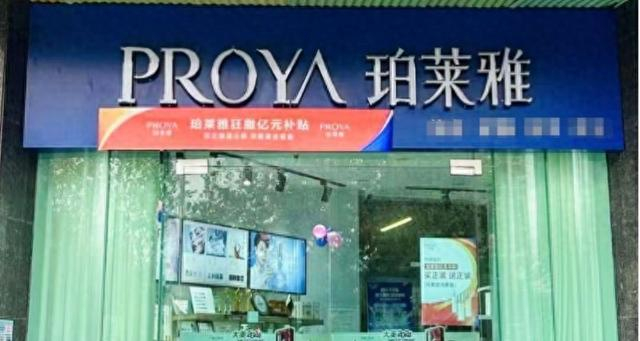
Core Viewpoint - Proya's plan for listing in Hong Kong has moved from the preparatory stage to substantial progress, with funds raised intended for R&D, product innovation, and global expansion [2][3] Group 1: Company Developments - Proya has appointed Jin Chang as the new financial officer, who previously worked at L'Oreal [2][4] - The company has experienced frequent changes in its executive team over the past two years, which is linked to the transition to a younger leadership and a focus on digitalization [2][4] - Proya's recent announcements detail the specifics of its H-share issuance, marking a significant step in its Hong Kong listing process [2][3] Group 2: Financial Performance - Since its listing in 2017, Proya's market value has doubled, and it has rapidly expanded its market share, becoming the first domestic beauty brand to enter the "100 billion club" [5] - Proya's revenue figures from 2021 to 2024 show consistent growth: 46.33 billion, 63.86 billion, 89.05 billion, and 107.8 billion, with year-on-year growth rates of 23.47%, 37.82%, 39.45%, and 21.04% respectively [5] - The company's net profit has also seen significant increases, with figures of 5.76 billion, 8.17 billion, 11.94 billion, and 15.52 billion for the same years, reflecting growth rates of 21.03%, 41.88%, 46.06%, and 30.00% respectively [5] Group 3: Market Strategy - Proya's success is attributed to its strategic positioning and strong product innovation, capitalizing on the rise of domestic brands and e-commerce opportunities [3][5] - The company has effectively utilized a "big product strategy" and has established deep ties with leading influencers to enhance its e-commerce operations [3][4] - Proya's sales strategy remains focused on online channels, with significant growth in direct sales, which accounted for 72.9% of its main business revenue [6] Group 4: Challenges and Recommendations - Proya faces challenges with slowing growth rates, particularly in skincare sales, and increasing sales expenses, which reached 26.59 billion in the first half of the year [6][7] - The reliance on online channels poses risks related to rising traffic costs and platform rule changes, suggesting a need for diversification in sales strategies [7] - Recommendations for Proya include increasing investment in foundational R&D, enhancing brand value through innovation, and exploring new markets and customer segments [7]

中国资环集团成立满一年!领航资源循环新篇章,共绘绿色发展蓝图
Hua Xia Shi Bao· 2025-10-18 14:59
Core Insights - The establishment of China Resource Recycling Group marks the formation of a national team focused on resource recycling, crucial for national strategic security and green development [1][2] - The group aims to build a national resource recycling and reuse platform, enhancing industry vitality and promoting sustainable development [1][5] Group Structure and Strategy - China Resource Recycling Group has a registered capital of 10 billion yuan, with significant equity participation from major state-owned enterprises, ensuring strong capital and resource synergy [4] - The group has established a "2+6+N" planning system, focusing on optimizing recycled steel and strengthening green investments, while expanding into six emerging business sectors [2][4] - A three-phase development path is outlined: establishing a foundation by 2025, solidifying growth by 2030, and achieving significant advancements by 2035 [2] Business Network and Operations - The group has launched nine subsidiaries, creating an industrial network covering major economic regions in China [4] - A nationwide recycling network has been established with 34 central bases and 360 satellite bases, achieving over 20% market share in recycled steel [5] Technological Innovations - The group has achieved high recovery rates for metals from retired batteries, with nickel, cobalt, and manganese recovery rates at 99.6% and lithium at 91% [6] - Innovations in the recycling of waste vehicles have increased the reuse rate of components by over 30%, surpassing industry averages [6] Future Outlook and Policy Support - The group is positioned to capitalize on the growing market opportunities in the resource recycling industry, driven by increasing environmental awareness and supportive government policies [8] - The State Council has set ambitious targets for resource recycling, aiming for an annual utilization of 450 million tons of major recycled resources by 2025 [8]

《我的梦》绘就残健共融新图景,中国残疾人艺术团在青岛演绎生命赞歌
Hua Xia Shi Bao· 2025-10-18 13:47
Core Viewpoint - The performance "My Dream" by the China Disabled People's Art Troupe, supported by the Bank of Communications, showcases the artistic talents of disabled individuals, emphasizing the power of art to transcend physical limitations and promote social inclusion [2][6]. Group 1: Event Overview - The event took place on October 16 at the Qingdao People's Hall, featuring two performances that captivated the audience with the remarkable abilities of disabled artists [3][4]. - The performance included a variety of acts, such as ballet sign language poetry and traditional dances, highlighting the integration of traditional and modern artistic elements [2][4]. Group 2: Audience Engagement - Audience members expressed deep emotional connections to the performances, with one attendee noting the educational value of the experience for her child [3][5]. - The finale, featuring the dance "Thousand-Hand Guanyin," received prolonged applause, illustrating the impact of the performance on the audience [5][6]. Group 3: Social Impact - The event aimed to foster understanding and appreciation for the talents of disabled individuals, with the Bank of Communications emphasizing its commitment to supporting the disabled community through various initiatives [6][7]. - The performance served as a reminder of the resilience and artistic expression of disabled artists, encouraging a reevaluation of societal attitudes towards disability [6][7].

房地产完成最后业绩贡献后将退场,紫江非主营调整或致短期营收承压
Hua Xia Shi Bao· 2025-10-18 12:55
Core Viewpoint - Shanghai Zijiang Enterprise Group Co., Ltd. expects a 70% to 90% increase in net profit attributable to shareholders for the first three quarters of 2025, driven primarily by the delivery of 14 villas from the "Shanghai Jingyuan" Phase III project [2][3] Financial Performance - In the first half of 2025, Zijiang Enterprise reported total revenue of 5.248 billion yuan, a year-on-year increase of 12.43%, and a net profit of 473 million yuan, up 33.39% [3] - The company anticipates net profit for the first three quarters of 2025 to be between 897 million and 1.002 billion yuan, an increase of 369 million to 475 million yuan compared to the previous year [3] - The expected net profit excluding non-recurring gains and losses is projected to be between 623 million and 727 million yuan, reflecting a year-on-year increase of 20% to 40% [3] Business Strategy - Zijiang Enterprise plans to exit the real estate sector after completing the current projects, emphasizing that real estate is not a primary business direction [2][5][6] - The company has initiated a gradual reduction of its trading business and has transferred 27.89% of its shares in Shanghai Zijiang New Materials Technology Co., Ltd. [2][7] - The focus will remain on enhancing operational efficiency and seeking strategic partnerships for non-core businesses [2][7] Project Development - The "Shanghai Jingyuan" project has significantly contributed to the company's recent performance, with 54 out of 68 villas in Phase III delivered by the end of 2024 [5] - The company plans to complete the fourth phase of the project, which includes 128 traditional Chinese-style courtyards, before fully exiting the real estate market [5][6] Main Business Segments - In 2024, beverage packaging and paper-plastic packaging accounted for 71.54% of the company's revenue, with beverage packaging generating 2.514 billion yuan and paper-plastic packaging 1.486 billion yuan in the first half of 2025 [8] - The company is concentrating resources on enhancing its core competitiveness in the packaging sector, while maintaining a minority stake in Zijiang New Materials as a financial investment [8]


华厦眼科ESG评级持续突破,以治理深耕与价值实践树立行业标杆
Hua Xia Shi Bao· 2025-10-18 12:36
Core Insights - The article emphasizes the growing importance of ESG (Environmental, Social, and Governance) ratings as a key metric for assessing corporate health and long-term competitiveness, with companies like Huaxia Eye Hospital demonstrating exceptional ESG governance performance [1][2]. ESG Ratings and Performance - Huaxia Eye Hospital achieved remarkable ESG ratings, ranking in the top 24% globally in the S&P Global Corporate Sustainability Assessment, surpassing industry averages in environmental, social, and governance dimensions [1]. - The company has seen significant improvements in various domestic ESG rating systems, with Wind ESG rating rising from BBB to A, and other ratings also reflecting upward trends [1]. Policy Guidance and Framework - In 2024, the Ministry of Finance and other departments released guidelines for corporate sustainability disclosures, marking a new phase of standardization in China's ESG development [3]. - The Shenzhen Stock Exchange issued self-regulatory guidelines for sustainability reporting, requiring companies to publish their sustainability reports by April 30, 2026 [3]. Internal Mechanisms and Governance - Huaxia Eye Hospital has integrated ESG governance into its corporate strategy, establishing a dedicated committee under the board to oversee ESG strategy formulation and execution [3]. - The company has developed a comprehensive sustainable development policy framework, including environmental protection policies and supplier conduct guidelines, to support its ESG practices [4]. Employee Development and Social Responsibility - The company places a strong emphasis on employee development, with a focus on talent cultivation and a commitment to gender equality in the workplace [5][6]. - Huaxia Eye Hospital actively protects the rights of female employees, ensuring equal pay and providing necessary support during maternity [7]. Community Engagement and Philanthropy - The company engages in significant social responsibility initiatives, including free surgeries for impoverished patients and training local medical teams in underserved areas [8]. - Huaxia Eye Hospital has participated in international aid efforts, providing medical assistance in countries like Cambodia and Nepal, and has been recognized for its impactful community service [8][9]. Risk Management and Innovation - The company has established a robust risk management system covering supply chain, medical quality, and information security to ensure stable operations [9]. - Huaxia Eye Hospital is advancing its technological capabilities through the deployment of smart medical platforms and innovative models, enhancing its operational efficiency and service delivery [9].
谁将是溶瘤病毒王者?滨会生物携全球首个III期HSV-2药冲港交所,亏损扩大能否突破商业化迷雾|创新药观察
Hua Xia Shi Bao· 2025-10-18 12:33
Core Insights - The IPO journey of Wuhan Binhui Biotechnology Co., Ltd. is seen as a critical test for the clinical value of oncolytic virus therapies in China, transitioning from a "research concept" to "clinical value" [2] - Binhui Biotechnology has a differentiated advantage with its HSV-2 oncolytic virus candidate BS001, which is the first of its kind to enter Phase III clinical trials globally [2][3] - The global oncolytic virus market is projected to reach $7.5 billion by 2030, but Binhui faces challenges such as ongoing losses, commercialization capabilities, and increasing industry competition [2] Company Overview - Founded in 2010, Binhui Biotechnology focuses on innovative cancer immunotherapy, with a pipeline that includes oncolytic viruses, nucleic acid therapies, and protein biologics [3] - The company is led by Liu Binlei, a core member of the first FDA-approved oncolytic virus drug development team, and has developed BS001, which is currently in Phase III trials for melanoma and other indications [4] Clinical Development - BS001 is undergoing simultaneous Phase III trials in China, the U.S., and Europe, with overall survival as the primary endpoint [4] - The company also has another significant asset, BS006, which targets difficult-to-treat solid tumors and has received clinical approval in China [4] Financial Performance - Binhui has raised over 1.5 billion RMB through 13 rounds of financing, with a valuation of 3.22 billion RMB post-2023 financing [5] - The company reported revenues of 981,000 RMB in 2023, with projections of 1.73 million RMB in 2024, but a significant drop to 140,000 RMB in the first half of 2025 [5][6] - The net loss for 2023 was 110.1 million RMB, increasing to 113.1 million RMB in 2024, with cumulative losses exceeding 270 million RMB over two and a half years [6][7] Cash Flow and Funding - As of June 30, 2025, Binhui held 166 million RMB in cash, while facing a net loss of 113.1 million RMB for 2024, indicating a potential cash flow crisis [7] - The funds raised from the IPO are intended for global Phase III trials of BS001, pipeline development, and commercialization capacity building [8] Commercialization Challenges - Binhui acknowledges limited experience in drug commercialization, which poses a risk to revenue realization [9] - The company faces challenges in building a sales network and educating the market about oncolytic virus therapies, which require specialized knowledge [9][10] - The competitive landscape includes established players like Beijing Anuo Biopharmaceuticals, which has a significant market share and a mature commercialization team [10]
非银存款连续两个月同比少增,存款搬家正在潮落
Hua Xia Shi Bao· 2025-10-18 05:56
Core Insights - The transfer of bank deposits to non-bank financial institutions can be described as a "tide rising and falling" phenomenon, where deposits move to wealth management and bond funds when deposit yields are lower than bond market returns [2] - In the first half of this year, there was a significant increase in non-bank deposits due to a wealth effect from rising capital markets, but the growth rate began to decline in August and September [2][3] - The latest data from the central bank indicates a decrease of 1.06 trillion yuan in non-bank deposits in September, with a year-on-year reduction of 1.97 trillion yuan [2] - In contrast, non-bank deposits increased by 1.18 trillion yuan in August, showing a year-on-year increase of 0.55 trillion yuan, but a month-on-month decrease of nearly 1 trillion yuan [2] - The trend of deposit migration peaked in July, with a notable increase in non-bank deposits, but this trend has started to slow down in August and September [3] Deposit Trends - In the first three quarters of this year, non-bank financial institution deposits increased by 4.81 trillion yuan, compared to an increase of 4.5 trillion yuan in the same period last year, indicating a slowdown in growth in the third quarter despite a strong first half [3] - Household deposits increased by 12.73 trillion yuan in the first three quarters, while non-financial enterprise deposits rose by 1.53 trillion yuan, a significant improvement from a decrease of 2.11 trillion yuan last year [3][4] - The increase in enterprise deposits is attributed to government bond issuance and local governments' efforts to clear overdue payments to businesses, which has improved corporate financial conditions [3][4] M1 and Investment Behavior - M1 has shown continuous improvement for five months, indicating an increase in demand deposits, which are primarily held for further investment rather than for earning interest [4] - The phenomenon of "deposit migration" reflects a reallocation of assets by residents in response to changes in asset return rates, indicating a broader risk appetite [4] - The growth of non-bank financial institution deposits is also linked to the increased regularization of non-bank deposits and a rise in interbank certificates of deposit [4][5] Regulatory Impact - In December 2024, new regulations aimed at curbing fund circulation will affect non-bank interbank deposit rates, but the current data suggests that the impact on non-bank deposits has been limited [5] - The sudden decrease in non-bank deposits in September indicates a potential shift in investor risk preferences, as rational investors may begin to move back towards deposit markets or fixed-income markets as capital markets reach certain heights [5]