Hua Xia Shi Bao

Search documents
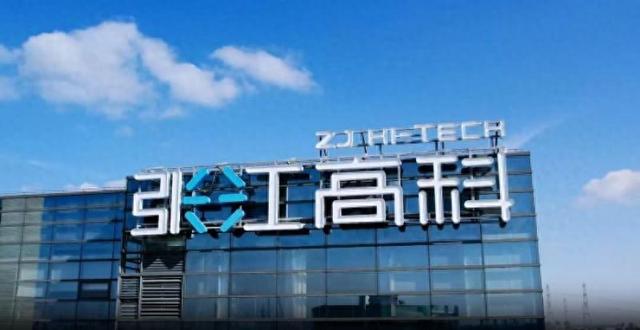
从房东到“光刻机股东”,张江高科“借东风”资本突围的转型考题
Hua Xia Shi Bao· 2025-09-29 12:37
Core Viewpoint - Zhangjiang Hi-Tech (600895.SH) has recently gained significant attention in the capital market due to a surge in its stock price, driven by its investment in Shanghai Micro Electronics Equipment (Group) Co., Ltd., a key player in the domestic semiconductor equipment industry [2][4]. Group 1: Stock Performance and Market Reaction - Since September 19, Zhangjiang Hi-Tech's stock price has risen sharply, reaching a historical high of 54.95 yuan per share on September 25, with a total market capitalization soaring to 851 billion yuan [2]. - The company announced that its stock price had deviated by a cumulative 20% over three consecutive trading days from September 19 to 23 [2]. - On September 26, the stock price experienced a quick correction, closing at 52.15 yuan per share, indicating a rational market adjustment after the previous surge [8]. Group 2: Strategic Investments and Business Transformation - Zhangjiang Hi-Tech has transitioned from a real estate-focused company to a "technology investment bank," with a growing emphasis on industrial investments, particularly in the semiconductor sector [4][10]. - The company holds approximately 10.78% of Shanghai Micro Electronics, which has become increasingly valuable amid the acceleration of domestic lithography machine replacements and international technology blockades [5]. - Zhangjiang Hi-Tech's revenue has shown steady growth, increasing from 779 million yuan in 2020 to an expected 1.983 billion yuan in 2024, with a compound annual growth rate of about 26.3% [10]. Group 3: Financial Performance and Challenges - In the first half of 2024, Zhangjiang Hi-Tech reported a 39.05% increase in revenue, reaching 1.129 billion yuan, driven by a 55.43% rise in industrial space sales [11]. - Despite revenue growth, the company faces cost pressures, with operating costs rising by 119.60% compared to the previous year [12]. - The company has been experiencing negative cash flow from operating activities since 2020, with a cash flow ratio dropping from 0.21 to -1.21 by 2024, indicating a struggle between profitability and cash availability [14]. Group 4: Industry Context and Future Outlook - The semiconductor equipment sector is undergoing a significant transformation, with Zhangjiang Hi-Tech positioned at a critical juncture in the domestic upgrade of semiconductor manufacturing equipment [3]. - The market is currently driven by enthusiasm for lithography machines, but experts warn of potential risks due to overvaluation and speculative trading [7]. - The future investment value of Zhangjiang Hi-Tech will largely depend on whether Shanghai Micro Electronics can achieve sustainable technological breakthroughs and successfully convert them into commercial success [14].


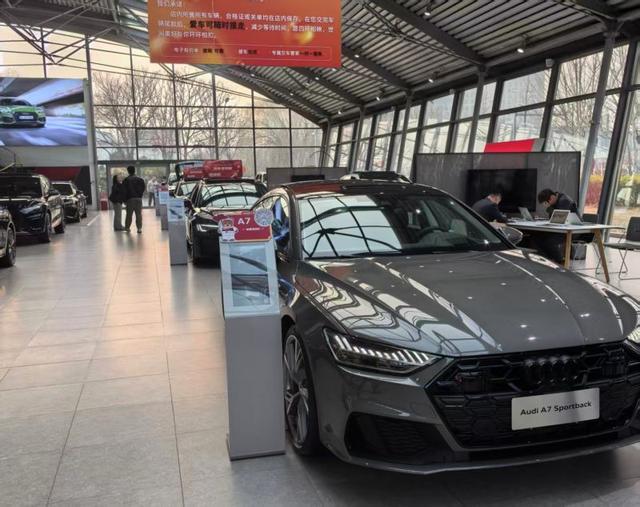
多地汽车置换补贴收紧!消费者连夜抢搭政策末班车
Hua Xia Shi Bao· 2025-09-29 09:57
Core Points - Jiangsu Province announced the suspension of the vehicle replacement subsidy policy effective from September 28, 2025, marking a shift from broad-based consumer incentives to more targeted regulatory measures [2][3] - The new model for scrapping subsidies will require consumers to first obtain qualification before applying for subsidies, effective from September 29, 2025 [3][6] - The rapid consumption of subsidy funds in Jiangsu, exceeding 100 billion yuan in the first half of the year, necessitated this policy adjustment to prevent fiscal risks [6] Summary by Sections Policy Changes - The vehicle replacement subsidy will officially cease on September 28, 2025, with a deadline for consumers who purchased vehicles before this date to submit their applications by October 20, 2025 [3] - The scrapping subsidy will now follow a "qualify first, then apply" model starting September 29, 2025, while previous purchasers can still apply under the old rules [3][4] Market Reactions - The announcement led to a surge in consumer purchases, with dealerships experiencing a significant increase in sales as consumers rushed to take advantage of the subsidies before they ended [5][6] - In various cities, dealerships implemented marketing strategies to encourage last-minute purchases, highlighting the financial impact of the subsidy cessation on price-sensitive consumers [5] Industry Trends - The automotive market is transitioning from a policy-driven model to a market-driven one, with increasing internal growth dynamics as evidenced by a 59.8% retail penetration rate for new energy vehicles in early September [6][8] - The upcoming end of the full exemption from vehicle purchase tax for new energy vehicles in 2025 is prompting manufacturers to accelerate new model launches during the traditional sales peak in September and October [6][8] Local Government Initiatives - Local governments are responding to the national subsidy cuts with targeted measures, such as Lanzhou's expanded subsidy program and Zhengzhou's substantial 560 million yuan green vehicle subsidy [7][8] - The focus is shifting towards environmentally friendly vehicles and the scrapping of older, high-emission vehicles, indicating a move from broad subsidies to more precise financial support [8]
河南农商银行再吸收合并82家机构,成立半年多累计整合已破百家
Hua Xia Shi Bao· 2025-09-29 09:53
Core Viewpoint - The Henan Rural Commercial Bank is advancing its reform by officially absorbing and merging 82 institutions, including rural commercial banks and village banks from nine cities, following a previous merger of 25 institutions earlier this year [2][4]. Group 1: Merger Details - The recent merger includes 78 rural commercial banks and 4 village banks, with the original institutions becoming branches of the Henan Rural Commercial Bank [4]. - After the completion of this merger, there will still be 34 rural commercial banks awaiting reform within the system [4]. - The bank's structure will consist of one provincial-level rural commercial bank and 112 city and county rural commercial banks by March 2025 [3][4]. Group 2: Reform Strategy - The reform strategy involves a phased and incremental approach to merging institutions, which is not unique to Henan, as similar strategies are being adopted in other provinces like Jilin [4][5]. - This approach allows for the gradual absorption of high-risk institutions, helping to prevent issues from spreading throughout the financial system [5]. Group 3: Asset Management Companies (AMCs) Involvement - Prior to the merger, local AMCs have been actively involved in the disposal of non-performing assets, with significant purchases made from various rural commercial banks [6][7]. - The total investment by local AMCs in acquiring non-performing assets amounts to 50.69 billion yuan [6]. - The involvement of AMCs is seen as beneficial for the merged institutions, allowing them to shed historical burdens and facilitating a smoother integration into the new banking structure [7][8].

下限低至0%!部分股份行信用卡透支利率大调整
Hua Xia Shi Bao· 2025-09-29 09:40
Core Viewpoint - The credit card overdraft interest rate adjustment by a certain bank marks a significant shift towards differentiated pricing based on customer creditworthiness, potentially benefiting high-quality credit card users by reducing or eliminating interest charges [2][4]. Group 1: Interest Rate Adjustment - A certain bank announced a change in its credit card overdraft interest rate from a range of "daily interest rate of 0.035% to 0.05%" to "daily interest rate of 0%-0.05%, with an approximate annual interest rate of 0%-18.25%" effective from September 29 [2][3]. - This is the first instance in the industry where a bank has publicly broken the previous interest rate range, indicating that high-quality credit card customers may not incur overdraft interest [2][4]. Group 2: Market Pricing and Regulation - The adjustment aligns with the central bank's 2020 directive to promote market-oriented pricing for credit card overdraft rates, allowing banks to negotiate rates with cardholders without fixed upper and lower limits [4][5]. - Despite the regulatory changes, few banks have actively implemented differentiated pricing strategies until now, indicating a slow adoption of the market-oriented approach [4][6]. Group 3: Industry Challenges - The credit card industry is facing challenges, with many banks reporting a decline in transaction volumes and an increase in non-performing loans [7]. - As the competitive landscape shifts, banks are focusing on refining their customer segmentation and enhancing digital integration to create proprietary consumption ecosystems [7].

数字资产财库“狂欢”退潮:股价腰斩、监管收紧,DAT公司陷“死亡螺旋”
Hua Xia Shi Bao· 2025-09-29 09:33
Core Insights - The recent decline in stock prices of Digital Asset Treasury Companies (DAT) is a result of multiple risks being released after market enthusiasm waned, highlighting flaws in the business model and changes in the external environment [3][10] - The DAT model, which involves financing, purchasing digital assets, and market value growth, is facing significant pressure due to regulatory tightening, valuation compression, and liquidity challenges [8][10] Summary by Sections Market Performance - Many DAT companies experienced a dramatic drop in stock prices after initially soaring following their announcements to adopt digital asset treasury strategies. For instance, SharpLink Gaming's stock surged from $3 to $124, only to fall back to around $16, representing an over 80% decline from its peak [4][5] - Helius Medical Technologies saw its stock price drop over 90% this year, while KindlyMD's stock fell more than 90% after merging with Nakamoto Holdings [5][6] Regulatory Scrutiny - The SEC and FINRA have initiated investigations into the unusual trading patterns and potential insider trading associated with DAT companies, as several firms experienced abnormal stock price movements prior to announcing their digital asset treasury plans [6][10] - Nasdaq has proposed enhanced scrutiny for DAT companies, requiring shareholder approval for new stock issuance aimed at digital asset purchases and detailed reporting on asset holdings and investment strategies [6][10] Business Model Challenges - The core business model of DAT companies relies heavily on the price expectations of digital assets, with many firms using PIPE (Private Investment in Public Equity) to rapidly raise funds, which increases leverage and risk [9][10] - The market value of digital assets held by DAT companies has exceeded $120 billion, with Bitcoin holdings nearing 1 million coins. However, the sustainability of this model is in question as the early premium enjoyed by first movers has dissipated [8][10] Market Dynamics - The DAT model's reliance on digital asset price stability is problematic, as any price fluctuations can trigger significant sell-offs by PIPE investors, leading to a downward spiral in stock prices [10] - Standard Chartered has warned of a significant collapse in the market net asset value (mNAV) of DAT companies, indicating a potential industry transformation as larger firms may seek to acquire undervalued peers [10][11]

火热AI竞赛京东健康跳出参数比拼,高质量数据撑起B端破局核心
Hua Xia Shi Bao· 2025-09-29 08:01
Core Insights - The value of medical AI lies not just in technical parameters but in its integration into clinical scenarios to solve real problems, as stated by JD Health CEO Jin Enlin during the JD Global Technology Explorers Conference [2] - JD Health announced the upgrade of its medical model "Jingyi Qianxun 2.0" and the launch of "AI Hospital 1.0," highlighting the deep integration of AI with various industries and the importance of high-quality data [2][3] Company Developments - The Jingyi Qianxun model, launched in 2023 and upgraded to version 2.0 in June, is the first medical model capable of understanding medical reports and patient descriptions, aiming to approach human clinical cognition [3] - JD Health's AI Hospital 1.0, launched on September 25, features over a thousand expert doctor AI agents and provides comprehensive services from diagnosis to medication [3][4] - Since its independence from JD Group in 2019, JD Health has seen significant growth, with total revenue of 35.3 billion yuan in the first half of 2023, a 24.5% year-on-year increase, and a net profit of 3.57 billion yuan, up 35% [4] Industry Trends - The rapid deployment of large models in various vertical industries, including healthcare, is exemplified by JD's initiatives, which also extend to logistics, industrial, and e-commerce sectors [5] - Data quality is crucial for the success of large models, with JD focusing on enhancing data quality through rigorous selection processes and addressing challenges related to fragmented and high-privacy data in the B2B market [6] - The integration of AI in healthcare is part of a broader trend where industries are leveraging advanced models to improve efficiency and service delivery [5][6]

稳电价、稳煤价!国资委带头抵制“内卷式”竞争,国企须走差异化发展与品牌竞争之路
Hua Xia Shi Bao· 2025-09-29 07:28
Core Insights - The meeting led by Zhang Yuzhuo, Director of the State-owned Assets Supervision and Administration Commission (SASAC), focused on stabilizing electricity and coal prices, preventing "involution" competition, and promoting high-quality development among state-owned enterprises [3][4]. Group 1: Price Stabilization - The central government has emphasized the need to regulate low-price disorderly competition and promote the exit of backward production capacity in the coal industry, indicating that "anti-involution" is now actionable [4]. - The coal market has seen significant price declines this year, with some coal enterprises in eastern regions facing severe losses, highlighting the need for attention [4]. - The National Energy Administration has noted that the coal supply-demand situation is generally loose, with prices continuing to decline, and some coal mines are producing beyond their announced capacity, disrupting market order [4]. Group 2: Economic Indicators - In August, the Producer Price Index (PPI) fell by 2.9% year-on-year, with the decline narrowing by 0.7 percentage points compared to the previous month, marking the first narrowing since March [5]. - Coal processing prices increased by 9.7%, while coal mining and washing prices rose by 2.8%, indicating a shift in pricing dynamics [5]. - The construction of a new type of power system is being accelerated to ensure energy security and promote the clean and efficient use of various energy sources [5][6]. Group 3: Addressing Involution - "Involution" competition is prevalent in sectors such as energy, construction, and manufacturing, where companies engage in blind expansion or aggressive bidding that undermines quality and profitability [7]. - SASAC has initiated measures to combat "involution" by focusing on institutional development and incentive guidance, aiming to enhance operational strategies and improve efficiency [7][8]. - The government aims to optimize the investment structure, focusing on key areas such as infrastructure and energy resource security, while promoting digital and green upgrades [9].

困局中谋变?华熙生物押注圣诺医药,新赛道探索暗藏多重考验|创新药观察
Hua Xia Shi Bao· 2025-09-29 04:40
Group 1 - Sanofi Pharmaceutical announced a subscription agreement with four investors, including Huaxi Biotechnology, to issue approximately 17.35 million new shares at HKD 12 per share, representing about 16.50% of the current issued share capital [2] - The share placement price reflects a discount of approximately 19.84% compared to Sanofi's closing price of HKD 14.97 on September 5 [2] - The total funds raised from this placement are expected to be around HKD 208 million, with a net amount of approximately HKD 206 million [2] Group 2 - Sanofi Pharmaceutical, a pioneer in the nucleic acid drug field in China, has not yet commercialized any products since its establishment in 2007 and is currently facing financial losses [6] - The company reported a net profit loss that narrowed from USD 216 million in 2021 to USD 50 million in 2024, but still recorded a loss of USD 3.49 million in the first half of 2025 [6] - As of June 30, 2025, the company's current assets were only USD 14 million, highlighting the need for sufficient funding to support clinical pipelines and market preparations [6] Group 3 - The core candidate drug STP705 is being developed for two tumor indications and has shown potential in the local fat reduction field, which is of particular interest to Huaxi Biotechnology [3][4] - STP705 has demonstrated excellent safety in early clinical trials, supporting its advancement to the II phase of development [4] - Huaxi Biotechnology's investment is seen as a strategic move to leverage Sanofi's technology platform, particularly in targeted fat reduction applications [7] Group 4 - Huaxi Biotechnology's investment in Sanofi is not merely financial but a strategic positioning in the small nucleic acid and RNAi technology field, with plans for further investment and collaboration if market and technology validation progresses [7] - The investment aims to provide Sanofi with much-needed capital support while opening doors for Huaxi Biotechnology in cutting-edge treatment areas [7] - The success of this partnership will depend on the clinical validation of technology, commercialization capabilities, and the depth of strategic collaboration between the two companies [7] Group 5 - Huaxi Biotechnology has faced growth challenges, with revenue declining from CNY 6.359 billion in 2022 to CNY 5.371 billion in 2024, marking a significant downturn [9] - The company's skin science innovation business, once a revenue pillar, has seen a substantial drop in income, contributing to overall performance issues [10] - The investment in Sanofi is viewed as a strategic response to these pressures, aiming to balance immediate financial needs with long-term innovation goals [12]

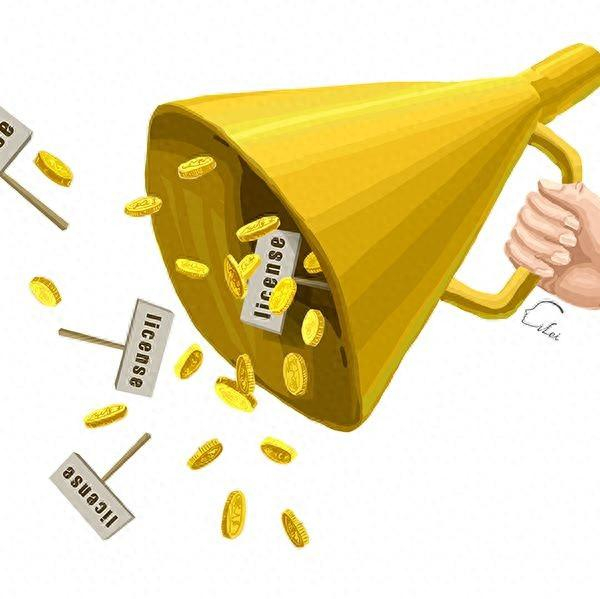
A股现天价合同纠纷!美迪西遭鸿绪生物1.59亿元索赔,双方各执一词
Hua Xia Shi Bao· 2025-09-29 03:51
Core Viewpoint - The legal dispute between Medisi (688202.SH) and its former client Hongxu Biotech involves a significant compensation claim of approximately 159 million yuan, which is about 30 times the service contract amount, raising concerns in the capital market [2][3][4]. Group 1: Background of the Dispute - The dispute traces back to December 18, 2020, when Medisi signed a technical service contract with Hongxu Biotech to conduct non-clinical safety evaluations for a biopharmaceutical project [3][4]. - The project, named "HX-100101-1 injection," aims to treat type 2 diabetes and is part of a highly competitive market with major players like Eli Lilly and domestic companies such as Hengrui Medicine and Innovent Biologics [3][4]. Group 2: Claims and Counterclaims - Hongxu Biotech claims that Medisi failed to deliver the required safety evaluation reports on time, leading to delays in obtaining clinical trial approvals from both the National Medical Products Administration (NMPA) and the FDA [4][5]. - Medisi asserts that it fulfilled its contractual obligations and that the delays were primarily due to Hongxu Biotech's late delivery of samples and other external factors, including the COVID-19 pandemic [5][6]. Group 3: Legal Proceedings and Market Reactions - The lawsuit was filed in July 2023, and the court has frozen Medisi's bank accounts as part of the asset preservation measures [4][5]. - The case has attracted significant attention in the market, as it raises questions about the collaboration models and contractual obligations within the Chinese innovative drug development industry [8].


与现代化产业新城建设同频共振,广西贵港残疾人事业创新破局显成效
Hua Xia Shi Bao· 2025-09-29 02:51
Core Viewpoint - Guangxi Guigang is transitioning from a traditional agricultural area to a modern industrial city, integrating the development of disabled people's services with urban growth, focusing on precise services in employment, medical rehabilitation, and education [1][2][16] Employment and Entrepreneurship - Guigang's approach to solving employment challenges for disabled individuals involves systematic policies and innovative models, particularly through "Internet + integration of disabled and healthy" strategies, leveraging digital technology to create collaborative employment models [2][6] - Guangxi Kuanyuan Network Technology Co., Ltd. has employed 52 disabled individuals, with average monthly incomes ranging from 2,600 to 3,500 yuan, and has implemented supportive workplace modifications [6][7] - Over 30,000 out of 56,233 disabled individuals of working age in Guigang have found employment, representing 54.15% of the eligible population, with additional funding supporting 187 individuals in entrepreneurship [7] Rehabilitation Services - The Guigang Disabled Persons' Federation has enhanced rehabilitation services through improved quality and expanded institutions, addressing the comprehensive needs of disabled individuals [8][10] - Since the beginning of the 14th Five-Year Plan, 8,954 disabled children have received rehabilitation assistance, with funding of 86.63 million yuan allocated for these services [10] - The establishment of 28 designated rehabilitation institutions across the city has improved access to services for disabled children, reducing the burden on families [12][15] Multi-Field Collaboration - The Guigang Disabled Persons' Federation has achieved significant advancements in special education, sports for disabled individuals, and barrier-free environment construction, contributing to a collaborative effort across multiple sectors [16] - The city has received recognition for its performance in rehabilitation assistance for disabled children, showcasing its commitment to high-quality service delivery [15][16]