Hua Xia Shi Bao

Search documents
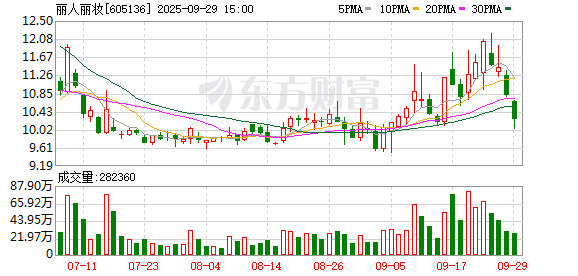
孩子也要1675万股!美妆大佬再遭前妻起诉 白手起家上市不到1年就“反目” 营收已四连缩
Hua Xia Shi Bao· 2025-09-30 00:46
Core Viewpoint - The ongoing legal dispute involving Huang Tao, the actual controller of Liren Lizhuang, regarding a high-profile divorce case, has raised concerns about potential impacts on the company's ownership structure and stock performance, although the company asserts that its operations remain unaffected [2][4][6]. Group 1: Legal Issues - Huang Tao has received a court notice related to a property dispute following his divorce, making him a defendant in the case [2]. - Huang Tao's ex-wife, Weng Shuhua, is seeking to transfer 16.75 million shares registered in Huang's name to their children [4]. - The court case has not yet commenced, leaving the outcome uncertain regarding any changes in the controlling shareholder's rights [4][6]. Group 2: Company Performance - Liren Lizhuang reported a revenue of 831 million yuan in the first half of 2025, a year-on-year decline of 13.98%, with a net profit attributable to shareholders of -32.76 million yuan, down 1315.98% [12]. - The company has experienced a continuous decline in revenue for four consecutive years, with revenues of 4.155 billion yuan, 3.242 billion yuan, and 2.762 billion yuan from 2021 to 2023, reflecting year-on-year decreases of 9.67%, 21.98%, and 14.78% respectively [12]. - In 2024, the company's revenue further decreased by 37.44% to 1.728 billion yuan [12]. Group 3: Shareholding Changes - Following the completion of the share transfer, Huang Tao's shareholding decreased from 32.46% to 28.28%, while Weng Shuhua's stake increased to 4.18%, making her a significant shareholder [6]. - The company was founded in May 2010 and has transitioned from a small online cosmetics retailer to a publicly listed entity [6].


黄金业务毛利率直冲80%!又一矿企谋“A+H”双上市,如何应对金价回调风险与资源短板?
Hua Xia Shi Bao· 2025-09-29 16:25
Core Viewpoint - The recent trend of mining companies, including Shandong Gold's subsidiary Shanjin International, seeking listings on the Hong Kong Stock Exchange highlights the market's internationalization and liquidity, which are beneficial for capital expansion in the gold sector [2][5]. Company Overview - Shanjin International, formerly known as Yintai Gold, has a history in the capital market since its listing in 2000. It has grown through acquisitions and is now a significant player in the gold mining industry [4]. - The company plans to use the funds raised from its Hong Kong listing for mine construction, asset acquisitions, debt repayment, and general operations to enhance capacity and international presence [3]. Financial Performance - Shanjin International has demonstrated strong profitability, with a gross margin nearing 80% in the first half of the year, supported by high gold prices, effective cost control, and rapid resource expansion [2][9]. - The company's revenue and net profit have shown significant growth, with a 42.14% increase in revenue to 92.46 billion yuan and a 48.43% increase in net profit to 15.96 billion yuan in the first half of 2025 [8]. Market Conditions - The gold price has recently reached historical highs, exceeding $3700 per ounce, which has positively impacted sales revenue for gold companies [2][6]. - However, there are mixed opinions on future gold price trends, with some analysts suggesting potential upward movement if the Federal Reserve maintains a loose monetary policy, while others warn of possible corrections due to economic recovery [11]. Competitive Landscape - Shanjin International faces increasing competition in the gold mining sector, with other companies also targeting gold resources. Its resource reserves are significantly smaller compared to major competitors like Zijin Mining and Shandong Gold [10][9]. - The company has been increasing its gold production, with targets set for 8 tons in 2025, supported by new projects and expansions [10].


毛利率比同行高28个百分点!百诺医药IPO:“研发转化”模式还是财务技巧?|创新药观察
Hua Xia Shi Bao· 2025-09-29 13:06
Core Viewpoint - Shandong Bainuo Pharmaceutical Co., Ltd. has submitted its IPO application to the Beijing Stock Exchange, aiming to raise 800 million yuan for various projects, including drug development technology and digital platforms [2]. Fundraising and Investment Plans - The company plans to allocate the raised funds primarily for the construction of a "Drug Development Technology and Digital Platform" and a "Drug Research Center," as well as to supplement working capital [3][5]. - The total investment for the digital formulation platform is approximately 327.15 million yuan, with a construction period of three years [4]. - The digital raw material drug platform has a total investment of 108.03 million yuan, also with a three-year construction period [4]. - The drug research center construction project has a total investment of 132.81 million yuan, with a two-year construction period [4]. Business Model and Financial Performance - Bainuo Pharmaceutical positions itself as an "innovative one-stop drug research and development achievement transformation operator," with its business divided into three main segments: CRO (Contract Research Organization), CMO (Contract Manufacturing Organization), and raw material drug production and sales [6]. - The revenue from the R&D achievement transformation business has shown significant growth, with revenues of 218 million yuan, 322 million yuan, and 391 million yuan from 2022 to 2024, representing 59.62%, 66.7%, and 67.52% of total revenue respectively [7]. - The company's gross profit margins are notably high, with figures of 73.34%, 77.60%, 75.56%, and 74.05% from 2022 to the first quarter of 2025, significantly exceeding the industry average [14][17]. Concerns and Risks - The company has triggered multiple financial risk warning indicators, raising concerns about the sustainability of its high gross margins and the quality of its financial data [6]. - Revenue growth has slowed, with a 32.03% increase in 2023 dropping to 19.84% in 2024, and net profit growth declining from 85.06% in 2023 to 18.18% in 2024 [10][11]. - The cash-to-revenue ratio has consistently been below 1, indicating potential issues with cash flow and revenue quality [11]. - Accounts receivable growth has significantly outpaced revenue growth, raising concerns about liquidity and bad debt risks [11][13].

爱科百发三冲IPO背后:两年半累计亏损达5.71亿元,主要产品依赖授权引进,核心产品仍在突围|创新药观察
Hua Xia Shi Bao· 2025-09-29 13:01
Core Viewpoint - Shanghai Aikobio Pharmaceutical Technology Co., Ltd. has submitted a listing application to the Hong Kong Stock Exchange, with JPMorgan and CITIC Securities as joint sponsors. The company focuses on developing therapies for respiratory and pediatric diseases, with its core product, Ziresovir, being the first NDA-stage drug targeting respiratory syncytial virus (RSV) infection globally. However, the company has accumulated losses of 571 million yuan due to the product not yet being commercialized [1][4]. Company Overview - Aikobio was founded in 2013 and has not yet commercialized any products, remaining in a loss-making state. The company reported revenue of 6.7 million yuan in 2023 but has not generated further income since then. The revenue was related to a collaboration on a hepatitis B virus candidate drug, which has since been paused [4][5]. - The company has undergone multiple rounds of financing, with notable investors including Qiming Venture Partners, TF Capital, and Hillhouse Capital. In June 2022, Aikobio completed a Series D financing round, achieving a post-money valuation of 4.69 billion yuan [2][5]. Financial Performance - Aikobio has reported cumulative losses of 571 million yuan over two and a half years. The losses for the years 2020 to 2024 were 214 million yuan, 197 million yuan, 104 million yuan, 270 million yuan, and 197 million yuan, respectively. R&D costs were approximately 86 million yuan, with a year-on-year increase of 20.58% [4][5]. - The net cash flow from operating activities for 2023, 2024, and the first half of 2025 is projected to be -232.8 million yuan, -188.7 million yuan, and -71.7 million yuan, respectively. As of June 30, 2025, the company expects to have cash and cash equivalents of 96.74 million yuan [4]. Product Pipeline - Aikobio has developed six candidate drug pipelines, including Ziresovir, AK0610 (a monoclonal antibody for RSV prevention), and AK3280 (for idiopathic pulmonary fibrosis). The company has licensed several products from Roche, including Ziresovir, which is currently in the NDA stage [6][7]. - Ziresovir is specifically designed to treat RSV infections, a common and contagious RNA virus that causes respiratory diseases, particularly in vulnerable populations. The company submitted the NDA for Ziresovir to the National Medical Products Administration in August 2025 [7]. Market Competition - Although Ziresovir has a first-mover advantage, it faces competition from other approved monoclonal antibodies for RSV, such as nirsevimab and clesrovimab, which have already captured market share [8].

医保“绿色通道”打通,脑机接口加速从实验室狂飙至千亿级市场
Hua Xia Shi Bao· 2025-09-29 12:59
Core Insights - The brain-computer interface (BCI) technology is experiencing a critical breakthrough in China, with the National Healthcare Security Administration (NHSA) opening a "green channel" for BCI and surgical robots to enter the medical insurance coding system, facilitating faster clinical application and commercialization [2][3] Policy Developments - The NHSA's announcement allows BCI products with medical device registration to expedite their coding process, while products without registration can submit technical materials for preliminary review, significantly reducing the time from approval to clinical application [3][4] - This policy aims to accelerate the application of cutting-edge medical technologies in clinical settings and supports genuine innovation in high-level medical products [3][4] Market Growth - The global BCI market is projected to grow from $1.2 billion in 2019 to $2 billion in 2023, with an expected compound annual growth rate (CAGR) of 17.5%, reaching $7.63 billion by 2029 [4][5] - Investment in the BCI sector has exceeded $10 billion globally, with the U.S. accounting for over 50% and China over $2 billion [4][5] Clinical Applications - The medical rehabilitation sector is the primary area for BCI technology application, with a significant increase in clinical trials from 11 in 2023 to 31 in 2024, addressing various conditions such as stroke rehabilitation and depression [5][6] - The demand for BCI technology is driven by the high incidence of stroke and the large population of individuals with disabilities in China [5][6] Future Prospects - BCI technology is expected to expand beyond medical applications into industrial manufacturing, education, elderly care, and emergency safety, indicating a broad potential for growth [6][7] - The integration of BCI technology with home medical devices could lead to comprehensive health management solutions, enhancing the competitive landscape for home healthcare [7]

白云山成为南京医药二股东,医药流通领域整合加速
Hua Xia Shi Bao· 2025-09-29 12:57
Core Insights - The pharmaceutical distribution sector is experiencing a rapid increase in market concentration, with significant moves from major players like Nanjing Pharmaceutical and Guangzhou Pharmaceutical [2][3][6] Group 1: Strategic Investment and Partnerships - Nanjing Pharmaceutical and Guangzhou Pharmaceutical have signed a strategic investment agreement, with Guangzhou Pharmaceutical's fund planning to acquire approximately 749 million RMB worth of shares, representing 11.04% of Nanjing Pharmaceutical's total equity [2][4] - The strategic cooperation aims to enhance capital collaboration, distribution channel cooperation, and collaboration in traditional Chinese medicine [4] Group 2: Industry Trends and Benefits - The trend towards increased concentration in the pharmaceutical distribution industry is leading to systemic optimization across the supply chain, allowing companies to expand purchasing scale and enhance bargaining power with upstream manufacturers [3][7] - Enhanced industry concentration is expected to improve regulatory efficiency and facilitate the implementation of drug traceability systems, ultimately benefiting healthcare institutions and patients [7] Group 3: Innovations in Traditional Chinese Medicine - Nanjing Pharmaceutical has been innovating in traditional Chinese medicine services, with its subsidiary providing comprehensive services to over 200 medical institutions and participating in the establishment of national standards for traditional Chinese medicine preparation [5]

定点帮扶“责任田”变“示范田”,民生银行“别样”赋能乡村振兴丨五篇大文章调研行
Hua Xia Shi Bao· 2025-09-29 12:47
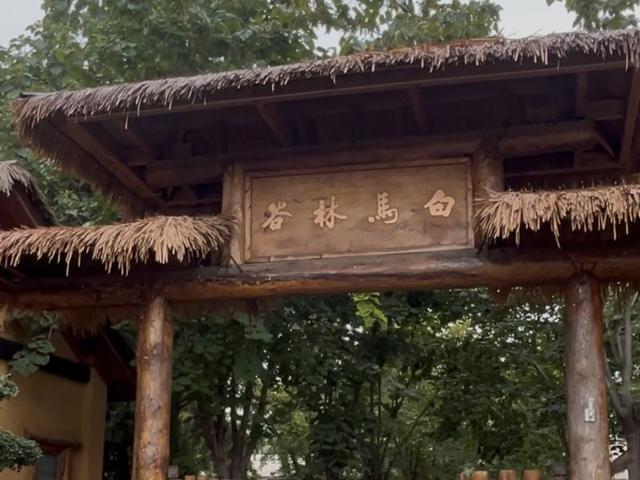
"今年五一、端午假期都满房了。"走进河南滑县堤上村的白马林谷民宿,仿佛来到世外桃源,这里溪水 潺潺,环境清幽,原汁原味的村落民宿复古中透露着时尚。中国民生银行派驻堤上村第一书记曹奕萌告 诉《华夏时报》记者,自2023年5月31日民宿正式开业以来,每年都有上万名游客来到这里感受乡间野 趣,直接带动堤上村10余位村民转变身份当管家,村集体收入每年分红超10万元。 这家"网红"民宿,也正是民生银行在定点帮扶的"责任田"里种出的"丰收果"。 作为我国第一家主要由民营企业发起设立的全国性股份制商业银行,民生银行秉承"服务大众,情系民 生"初心和使命,从2002年就主动承担起中央单位定点帮扶政治任务,是唯一一家承担此项任务的民营 企业。 今年是民生银行对口帮扶河南滑县和封丘县的第23年。23年来,民生银行累计向两县捐赠无偿帮扶资金 超2.6亿元(其中包括员工捐款),投放贷款逾14亿元,引入无偿帮扶资金超1.7亿元,引入有偿帮扶资 金8864万元,培训各类人员9.8万人次,消费帮扶金额超2亿元。 "空心村"变身文旅热土 堤上村隶属河南滑县枣村乡,因坐落于"古黄河十米大堤之上"而得名,村内现存黄河故道大堤遗存,见 证着黄河治 ...

背靠“零售之王”却难享渠道红利,掌门换人、渠道江湖变天,招商基金面临双重突围
Hua Xia Shi Bao· 2025-09-29 12:40
Core Viewpoint - The recent leadership transition at China Merchants Fund, with General Manager Zhong Wenyue taking over as Chairman, comes amid challenges such as shrinking company size and talent loss, despite being backed by China Merchants Bank, a leading retail bank [2][3]. Group 1: Leadership Transition - Zhong Wenyue has assumed the roles of Party Secretary, General Manager, and Chairman, making him a rare figure in the company to hold all three positions simultaneously [3]. - The leadership change was anticipated, following Wang Xiaoqing's resignation as Chairman and his appointment as Party Secretary of China Merchants Jin控 [5]. - During Wang Xiaoqing's tenure from March 2020, the fund's management scale doubled, maintaining a top ten position in the industry [5]. Group 2: Industry Challenges - The public fund industry is experiencing intense competition, with the total scale surpassing 34 trillion yuan in the first half of 2025, while nine of the top ten fund companies reported significant growth [6]. - Despite the overall industry expansion, China Merchants Fund's net profit declined by 6.81% year-on-year in the first half of 2025, with revenue only slightly increasing by 1.17% [6]. - The company has faced a talent exodus, with notable fund managers leaving for other firms, raising concerns about its ability to retain key personnel [6]. Group 3: Channel Dynamics - China Merchants Bank's fund distribution income has significantly decreased from 12.32 billion yuan in 2021 to 4.165 billion yuan in 2024, indicating a substantial decline [7]. - Although China Merchants Bank is a major shareholder, the fund does not overly rely on its distribution channels, as the bank's contribution is below the industry average [7]. - The fund distribution landscape is shifting, with platforms like Ant Wealth and Tiantian Fund surpassing banks as the largest distribution channels [7].


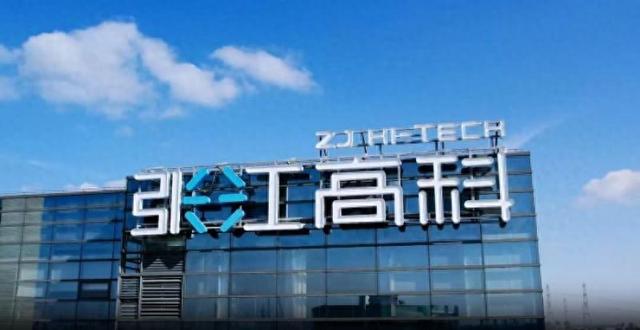
从房东到“光刻机股东”,张江高科“借东风”资本突围的转型考题
Hua Xia Shi Bao· 2025-09-29 12:37
Core Viewpoint - Zhangjiang Hi-Tech (600895.SH) has recently gained significant attention in the capital market due to a surge in its stock price, driven by its investment in Shanghai Micro Electronics Equipment (Group) Co., Ltd., a key player in the domestic semiconductor equipment industry [2][4]. Group 1: Stock Performance and Market Reaction - Since September 19, Zhangjiang Hi-Tech's stock price has risen sharply, reaching a historical high of 54.95 yuan per share on September 25, with a total market capitalization soaring to 851 billion yuan [2]. - The company announced that its stock price had deviated by a cumulative 20% over three consecutive trading days from September 19 to 23 [2]. - On September 26, the stock price experienced a quick correction, closing at 52.15 yuan per share, indicating a rational market adjustment after the previous surge [8]. Group 2: Strategic Investments and Business Transformation - Zhangjiang Hi-Tech has transitioned from a real estate-focused company to a "technology investment bank," with a growing emphasis on industrial investments, particularly in the semiconductor sector [4][10]. - The company holds approximately 10.78% of Shanghai Micro Electronics, which has become increasingly valuable amid the acceleration of domestic lithography machine replacements and international technology blockades [5]. - Zhangjiang Hi-Tech's revenue has shown steady growth, increasing from 779 million yuan in 2020 to an expected 1.983 billion yuan in 2024, with a compound annual growth rate of about 26.3% [10]. Group 3: Financial Performance and Challenges - In the first half of 2024, Zhangjiang Hi-Tech reported a 39.05% increase in revenue, reaching 1.129 billion yuan, driven by a 55.43% rise in industrial space sales [11]. - Despite revenue growth, the company faces cost pressures, with operating costs rising by 119.60% compared to the previous year [12]. - The company has been experiencing negative cash flow from operating activities since 2020, with a cash flow ratio dropping from 0.21 to -1.21 by 2024, indicating a struggle between profitability and cash availability [14]. Group 4: Industry Context and Future Outlook - The semiconductor equipment sector is undergoing a significant transformation, with Zhangjiang Hi-Tech positioned at a critical juncture in the domestic upgrade of semiconductor manufacturing equipment [3]. - The market is currently driven by enthusiasm for lithography machines, but experts warn of potential risks due to overvaluation and speculative trading [7]. - The future investment value of Zhangjiang Hi-Tech will largely depend on whether Shanghai Micro Electronics can achieve sustainable technological breakthroughs and successfully convert them into commercial success [14].

多地汽车置换补贴收紧!消费者连夜抢搭政策末班车
Hua Xia Shi Bao· 2025-09-29 09:57
Core Points - Jiangsu Province announced the suspension of the vehicle replacement subsidy policy effective from September 28, 2025, marking a shift from broad-based consumer incentives to more targeted regulatory measures [2][3] - The new model for scrapping subsidies will require consumers to first obtain qualification before applying for subsidies, effective from September 29, 2025 [3][6] - The rapid consumption of subsidy funds in Jiangsu, exceeding 100 billion yuan in the first half of the year, necessitated this policy adjustment to prevent fiscal risks [6] Summary by Sections Policy Changes - The vehicle replacement subsidy will officially cease on September 28, 2025, with a deadline for consumers who purchased vehicles before this date to submit their applications by October 20, 2025 [3] - The scrapping subsidy will now follow a "qualify first, then apply" model starting September 29, 2025, while previous purchasers can still apply under the old rules [3][4] Market Reactions - The announcement led to a surge in consumer purchases, with dealerships experiencing a significant increase in sales as consumers rushed to take advantage of the subsidies before they ended [5][6] - In various cities, dealerships implemented marketing strategies to encourage last-minute purchases, highlighting the financial impact of the subsidy cessation on price-sensitive consumers [5] Industry Trends - The automotive market is transitioning from a policy-driven model to a market-driven one, with increasing internal growth dynamics as evidenced by a 59.8% retail penetration rate for new energy vehicles in early September [6][8] - The upcoming end of the full exemption from vehicle purchase tax for new energy vehicles in 2025 is prompting manufacturers to accelerate new model launches during the traditional sales peak in September and October [6][8] Local Government Initiatives - Local governments are responding to the national subsidy cuts with targeted measures, such as Lanzhou's expanded subsidy program and Zhengzhou's substantial 560 million yuan green vehicle subsidy [7][8] - The focus is shifting towards environmentally friendly vehicles and the scrapping of older, high-emission vehicles, indicating a move from broad subsidies to more precise financial support [8]