
Hua Xia Shi Bao

Search documents
建筑央企巨头突发!中铁五局被停业整顿180日,暂停特级资质承揽新工程
Hua Xia Shi Bao· 2026-01-09 05:23
据经济参考报,日前,全国建筑市场监管公共服务平台信息显示,中铁五局集团有限公司(以下简 称"中铁五局")被住房和城乡建设部实施停业整顿180日,决定时间为2025年12月16日,有效期至2026 年6月14日。停业整顿期间,不得以建筑工程施工总承包特级资质承揽新的工程项目,涉及的具体事由 未公开。 对此,记者拨打中铁五局官网披露的联系方式尝试进一步了解,截至发稿电话未能接通。 官网信息显示,中铁五局是世界500强企业中国中铁股份有限公司骨干成员企业,始建于1950年,原为 铁道部第五工程局,1999年改制为中铁五局集团有限公司;下辖18个实体性子分公司、7个区域总部、 33个经营性分公司、18个境外派驻机构及设计研究院。主要从事国内外建筑工程投资、设计、施工及运 营管理,拥有铁路、建筑、公路、市政、水利水电工程等施工总承包特级资质8项。 (文章来源:华夏时报) 记者查询后发现,这并非公司近年来首次被通报。2024年10月,中铁五局下属的中铁五局集团机械化工 程有限公司,在格库铁路七个泉站铁路线路安全保护区内施工作业过程中,不遵守保证铁路安全的施工 安全规范,导致挖断电缆,构成铁路交通一般事故。2025年4月1 ...
曲光吉,任中航集团总经理
Hua Xia Shi Bao· 2026-01-09 05:21
来源:中航集团网站、长安街知事 (文章来源:华夏时报) 据中航集团网站消息,2026年1月9日上午,中国航空集团有限公司召开领导班子(扩大)会议。受中央 组织部领导委托,中央组织部有关干部局负责同志宣布了党中央关于中国航空集团有限公司总经理调整 的决定:曲光吉同志任中国航空集团有限公司董事、总经理、党组副书记,免去其中国南方航空集团有 限公司副总经理、党组成员职务;免去王明远同志的中国航空集团有限公司董事、总经理、党组副书记 职务。相关职务任免,按有关法律和章程的规定办理。 据公开信息显示,曲光吉,男,1970年2月出生,1993年7月参加工作,1992年3月加入中国共产党。 2023年8月,曲光吉任中国南方航空集团有限公司副总经理、党组成员。 据介绍,中国航空集团有限公司简称"中航集团",2002年10月11日成立,是特大型国有航空运输集团公 司,也是中国唯一载国旗飞行的航空运输企业。2017年12月29日,按照公司制改制要求,中航集团由全 民所有制企业改制为国有独资公司,改制后公司名称由中国航空集团公司改为中国航空集团有限公司。 ...
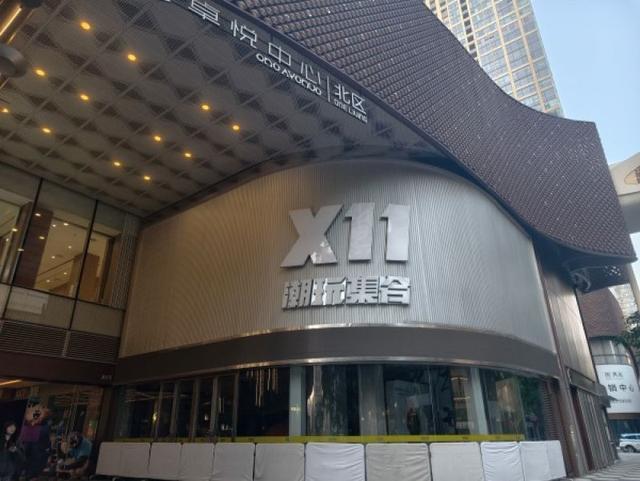
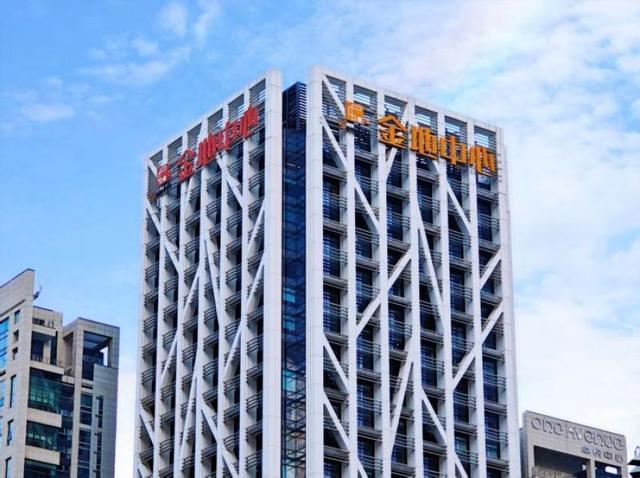
调查!四年“合作伙伴”一朝翻脸,KKV与深圳卓悦中心的租约罗生门
Hua Xia Shi Bao· 2026-01-09 03:54
Core Viewpoint - The dispute between Shenzhen One Avenue and KKV has escalated due to allegations of unpaid performance rent and fundamental breach of contract, leading to the forced closure of KKV's store [2][4][5]. Group 1: Contractual Dispute - KKV claims that it has consistently paid the basic rent and has not defaulted on rent payments, while One Avenue asserts that KKV has failed to pay the agreed performance rent, constituting a fundamental breach of contract [2][5]. - One Avenue cites a specific clause in the lease agreement that allows for termination if KKV fails to pay performance rent for three consecutive months or accumulates six months of non-payment within a year [5][9]. - KKV argues that One Avenue has never raised concerns about unpaid performance rent during the four years of operation, suggesting that the right to terminate the contract has lapsed [5][8]. Group 2: Performance Evaluation - One Avenue claims that KKV's store has consistently underperformed, failing to meet the agreed sales targets, which has led to the issue of unpaid performance rent [5][8]. - KKV counters that the poor performance is not solely due to its management but is also influenced by low foot traffic and unfulfilled promises from One Avenue regarding brand placement and customer attraction [8][11]. - The ongoing debate highlights the challenges in the retail sector, where the initial expectations of high foot traffic and brand appeal have not materialized as anticipated [11][12]. Group 3: Industry Context - The breakdown of the partnership reflects broader changes in the retail landscape, where the previous model of attracting customers through flagship stores is becoming less effective in a market characterized by oversupply and low conversion rates [11][12]. - Experts suggest that the focus has shifted from merely attracting brands to ensuring that they contribute to stable revenue and profitability, indicating a transition in commercial real estate towards a more sustainable model [12]. - The situation underscores the need for both parties to recognize the dynamic nature of their relationship and the importance of long-term collaboration over short-term gains [12].

2025年全年CPI与上年持平,12月同比上涨0.8%|快讯
Hua Xia Shi Bao· 2026-01-09 03:34
12月份,食品烟酒类价格同比上涨0.8%,影响CPI(居民消费价格指数)上涨约0.24个百分点。食品 中,鲜菜价格上涨18.2%,影响CPI上涨约0.39个百分点;鲜果价格上涨4.4%,影响CPI上涨约0.09个百 分点;水产品价格上涨1.6%,影响CPI上涨约0.03个百分点;蛋类价格下降12.7%,影响CPI下降约0.09 个百分点;畜肉类价格下降6.1%,影响CPI下降约0.19个百分点,其中猪肉价格下降14.6%,影响CPI下 降约0.20个百分点;粮食价格下降0.3%,影响CPI下降约0.01个百分点。 其他七大类价格同比五涨两降。其中,其他用品及服务、生活用品及服务、医疗保健价格分别上涨 17.4%、2.2%和1.8%,衣着、教育文化娱乐价格分别上涨1.7%和0.9%;交通通信、居住价格分别下降 2.6%和0.2%。 环比来看,12月份,CPI环比上涨0.2%。其中,城市上涨0.2%,农村上涨0.2%;食品价格上涨0.3%,非 食品价格上涨0.1%;消费品价格上涨0.3%,服务价格持平。 文/张智 1月9日,国家统计局发布数据显示,2025年全年,全国居民消费价格指数(CPI)与上年持平。 201 ...
同比降幅收窄!2025年12月PPI继续向好|快讯
Hua Xia Shi Bao· 2026-01-09 03:34
Group 1 - In December 2025, the Producer Price Index (PPI) decreased by 1.9% year-on-year, with the decline narrowing by 0.3 percentage points compared to the previous month; month-on-month, it increased by 0.2%, expanding by 0.1 percentage points from the previous month, marking three consecutive months of increase [2] - The industrial producer purchase prices fell by 2.1% year-on-year, with the decline narrowing by 0.4 percentage points from the previous month; month-on-month, it rose by 0.4%, an increase of 0.3 percentage points from the previous month [2] - In 2025, the annual industrial producer ex-factory prices decreased by 2.6%, while the industrial producer purchase prices fell by 3.0% [2] Group 2 - The improvement in supply-demand structure in December led to price increases in certain industries, with coal mining and washing prices rising by 1.3% and 0.8% month-on-month, respectively, both increasing for five consecutive months; lithium-ion battery manufacturing prices rose by 1.0%, and cement manufacturing prices increased by 0.5%, both for three consecutive months [2] - Seasonal demand increases drove prices up in the gas production and supply industry and the electricity and heat production and supply industry, which rose by 1.2% and 1.0%, respectively [2] - The prices in the feather processing and wool textile dyeing and finishing industries increased by 1.2% and 1.0%, respectively [2] Group 3 - Input factors influenced the price trends in the domestic non-ferrous metals and petroleum-related industries, with domestic non-ferrous metal mining and smelting prices rising by 3.7% and 2.8% month-on-month, respectively, driven by international non-ferrous metal price increases; silver smelting, gold smelting, copper smelting, and aluminum smelting prices rose by 13.5%, 4.8%, 4.6%, and 0.9%, respectively [3] - Conversely, the decline in international crude oil prices affected domestic oil extraction and refined petroleum product manufacturing prices, which fell by 2.3% and 0.9%, respectively [3] - The year-on-year PPI decline of 1.9% showed a narrowing of the decline by 0.3 percentage points from the previous month, indicating positive changes in certain industries due to the effectiveness of ongoing macro policies [3]

ATM机“余额不足”,中小银行现金服务遭遇尴尬
Hua Xia Shi Bao· 2026-01-09 02:15
记者在走访中注意到,春节将近,部分网点出现了ATM机现金暂时短缺、柜台大额取款需预约的情 况。一些小微企业主和个体工商户也表示,为应对春节前工资发放、货款结算等需要,已主动与银行沟 通预约,以确保资金顺利支取。 本报(chinatimes.net.cn)记者吴敏 见习记者 林佳茹 北京报道 新年伊始,传统现金需求高峰随之到来。在部分县域地区,中小银行网点柜台及ATM机出现临时性现 金供应偏紧现象,引发储户关注。专家分析指出,这与县域居民对现金使用的结构性需求密切相关。 中国邮储银行研究员娄飞鹏在接受《华夏时报》记者采访时指出,县域居民对现金的依赖源于金融服务 覆盖不均、部分居民不习惯用移动支付,以及小微企业和老年人对现金交易的偏好,尤其在春节前因消 费集中、工资发放、红包发放等季节性因素,会导致对现金需求显著上升。 娄飞鹏同时指出,中小银行并非资金短缺,关键在于应对短期需求波动的服务管理能力。现金调度机 制、需求预测精度以及网点协同效率等方面,仍有持续优化空间。 储户取款体验受关注 "本想取些现金提前订购年猪,结果ATM机显示'余额不足',只能取1万;柜台说目前也只能给取1万, 这才凑够了2万。"1月3日,在 ...

“冠军基”VS“垫底基”:回撤差不多,收益为何天差地别?
Hua Xia Shi Bao· 2026-01-09 02:15
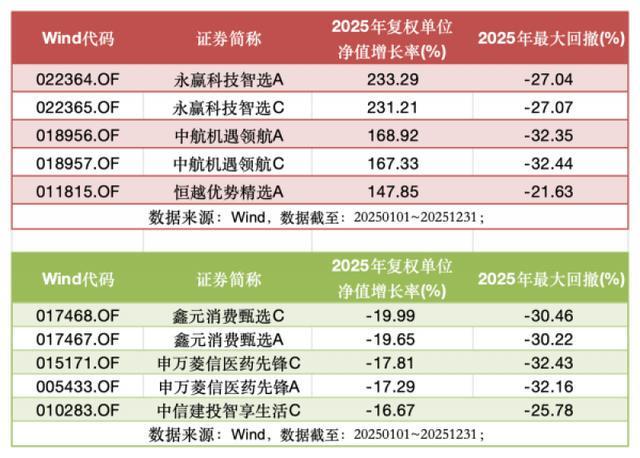
Core Insights - The article highlights the significant performance of the Yongying Technology Select A fund, which achieved a total return of over 233% in 2025, making it the annual champion among public funds [1][3] - A notable market phenomenon is observed where top-performing funds and underperforming funds experienced similar maximum drawdowns of around 30%, yet their net value performances diverged significantly [2][3] Fund Performance - Yongying Technology Select A fund recorded a total return of 233.29% with a maximum drawdown of -27.04% [1] - Other top-performing funds include Zhonghang Opportunity Navigator A with a return of 168.92% and a maximum drawdown of -21.63%, and Hengyue Advantage Select A with a return of 147.85% and a maximum drawdown of -32.44% [1][3] Drawdown Analysis - The article emphasizes that the nature of drawdowns and the ability to recover are more critical than the drawdown itself in determining long-term returns [2][4] - High-performing funds often faced drawdowns due to temporary market adjustments in sectors like AI and high-end manufacturing, which are characterized as "effective drawdowns" [5] - Conversely, underperforming funds experienced drawdowns linked to weak fundamentals and policy changes, leading to "ineffective drawdowns" that hinder recovery [5] Risk Assessment - Traditional risk metrics such as volatility and maximum drawdown are deemed less effective in today's highly differentiated market [6] - The article suggests that investors should analyze the reasons behind drawdowns rather than focusing solely on the percentage decline in net value [6][7] - Investors are encouraged to understand the type of risk they are taking, whether it is a "growth volatility" or a "value trap," and to consider the fund manager's risk management capabilities [7]
“美国必须‘拥有’整个格陵兰”!特朗普再发声,丹麦国防部:若美动武,士兵可先开枪再请示
Hua Xia Shi Bao· 2026-01-09 01:01
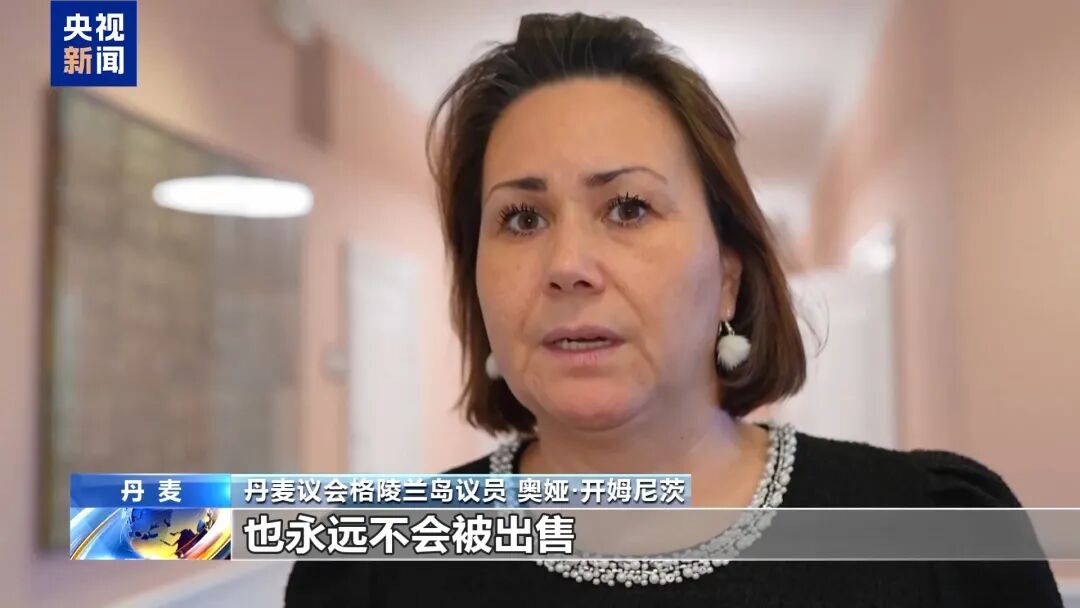
Core Viewpoint - The United States is escalating its threats regarding the acquisition of Greenland, with President Trump emphasizing the need for full ownership rather than just existing lease agreements, which has led to diplomatic tensions with Denmark and Europe [1][8]. Group 1: U.S. Position and Actions - President Trump stated that the U.S. must "own" all of Greenland, highlighting the strategic value of ownership over mere lease agreements [1]. - A proposed "purchase plan" is under discussion within the White House, which may involve a one-time payment to Greenland residents ranging from $10,000 to $100,000 to persuade them to separate from Denmark [2]. - The U.S. Secretary of State indicated that discussions regarding Greenland will continue, with military options still on the table [6]. Group 2: International Reactions - The European Union expressed significant concern over the U.S. threats, calling for respect for international law and discussing potential responses to U.S. military threats [2][8]. - Danish and Greenlandic officials are actively lobbying U.S. Congress members to dissuade the Trump administration from pursuing its plans regarding Greenland [3][5]. - A joint statement from several European countries emphasized that only Denmark and Greenland have the right to decide on matters concerning their own affairs [8]. Group 3: Implications for U.S.-Europe Relations - Analysts suggest that the U.S. threats could lead to a significant deterioration in transatlantic relations, with potential military action marking the end of the alliance [13][16]. - The situation reflects a shift in the perception of the U.S. as a security threat rather than a reliable ally, prompting Europe to reconsider its defense strategies [13][16]. - The ongoing tensions may push Europe towards a more independent foreign and security policy, moving away from reliance on U.S. assurances [16].
国资补位落定,金地闯过债务关后,销售腰斩下转型出路何在?
Hua Xia Shi Bao· 2026-01-09 00:51
金地集团总部 黄指南/摄 本报记者 张蓓 见习记者 黄指南 深圳报道 季彤离任后,金地悬空的国资代表席位画上句点。 1月7日,金地集团(600383.SH)公告披露,经股东单位推荐与董事会提名委员会审查,福田投资控股 有限公司(下称:福田投控)董事长杨宇球将补选进入金地第十届董事会,填补季彤因工作变动离任后 悬空的国资代表席位。 从治理逻辑来看,补位本在外界预期之内。作为金地第二大股东,福田投控向来以核心管理层派驻保障 股东话语权,杨宇球兼具国资体系深耕背景与企业管理经验,成为派驻代表完全契合市场化治理惯例。 而意料之外的是补位调整形成的时间差差异。接近公司治理层面的知情人士向本报记者透露,与万科较 快完成管理层迭代的核心分野在于股东层级与程序顺位的不同。 据他分析,万科此前的股东代表调整,源于第一大股东更迭,相关前置程序已在股东层面完成闭环,为 标的公司人事衔接扫清障碍;而金地此次补位的主导方为第二大股东,且股东方内部管理层调整先行落 地,标的公司需待股东方核心人选正式就位后,方可启动内部提名、审查与补选全流程,程序顺位差异 客观上导致了人事衔接的时间差。 全域换防收官 当房地产行业的调整进入深水区,人事变 ...

委内瑞拉:感谢中国支持!
Hua Xia Shi Bao· 2026-01-08 15:32
"中国强烈谴责美国严重违反国际法和侵犯委内瑞拉主权的行为。"希尔写道,"委内瑞拉总统尼古拉斯· 马杜罗·莫罗斯领导的政府感谢中国政府的支持,中国政府捍卫国际法,维护委内瑞拉人民对其领土和 自然资源的完全主权。" 商务部:中方持续深化中委经贸关系意愿不会改变 据新华社报道,委内瑞拉外长希尔7日通过社交媒体发文感谢中国政府支持。 商务部8日举行例行新闻发布会,商务部新闻发言人何亚东在回应有关委内瑞拉的提问时说,美方的霸 权行径,严重违反国际法,侵犯委内瑞拉主权,威胁拉美地区和平与安全,中方对此坚决反对。中委经 贸合作是主权国家之间的合作,受到国际法和两国法律的保护,其他国家无权干涉。无论委政局如何变 化,中方持续深化两国经贸关系的意愿不会改变。 (文章来源:华夏时报) 何亚东表示,中国同拉美国家开展经贸合作始终秉持平等相待、互利共赢原则,从不寻求势力范围,也 不针对任何一方。经济互补性是中拉经贸合作的坚实基础,开放包容、合作共赢是鲜明特色。中方将继 续同拉美国家一道,以团结协作应对国际风云变幻,以平等互利为基础开展经贸合作,实现共同发展。 来源 :新华社、央视新闻 ...