
Zhong Guo Qing Nian Bao

Search documents
海归博士促进杭州临平生物医药产业集群发展
Zhong Guo Qing Nian Bao· 2025-09-22 07:30
Core Insights - The article highlights the entrepreneurial journey of Ding Lieming, chairman of Betta Pharmaceuticals, over the past 20 years, emphasizing the company's growth and its role in the biopharmaceutical industry in China [1] Company Overview - Betta Pharmaceuticals was established in 2006 in Linping District, Hangzhou, which significantly accelerated its clinical research and development processes [1] - The company has emerged as a leader in the biopharmaceutical sector, notably contributing to the development of China's first chemical targeted anti-cancer drug, Kaimena, breaking the technological monopoly of foreign pharmaceutical giants [1] Industry Development - Linping District has developed a biopharmaceutical industry cluster led by Betta Pharmaceuticals, including companies like Deshi Bio, Zhonghan Bio, Hu Qingyu Tang, and Baicheng Pharma [1] - By 2024, Linping District is projected to have 802 industrial enterprises above designated size, achieving an industrial output value of 1,760.02 billion yuan and an industrial added value of 447.53 billion yuan [1] - High-tech industries are expected to account for 84.04% of the district's industrial added value, indicating a strong focus on innovation and technology [1] Innovation and Support Systems - Linping District aims to build a comprehensive support system for major scientific and technological innovation platforms, inspired by the entrepreneurial innovation of Betta Pharmaceuticals [1] - The district is implementing digital reforms, reconstructing approval processes, and optimizing resource allocation to stimulate entrepreneurship and innovation among enterprises and talents [1]
幼儿师专在生存冲击中探索转型
Zhong Guo Qing Nian Bao· 2025-09-22 07:22
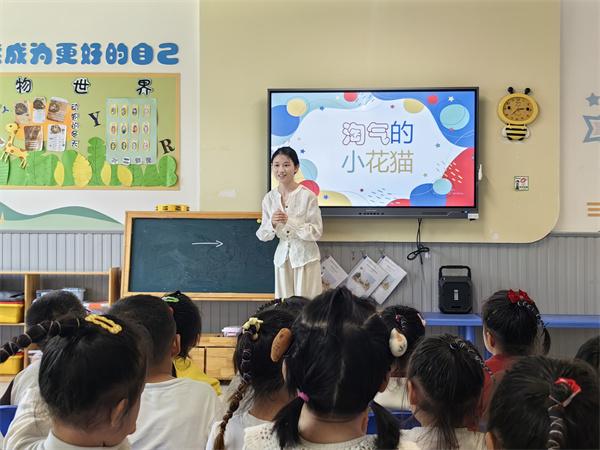
Core Insights - The education landscape is undergoing significant changes due to declining birth rates, leading to a reduction in the number of kindergartens and early childhood education teachers in China [2][18] - Institutions focused on early childhood education are facing severe enrollment challenges and are compelled to transform their programs to survive [3][12] Group 1: Declining Enrollment and Institutional Challenges - By the end of 2024, the total number of kindergartens in China is projected to decrease from 274,400 in 2023 to 253,300 [2] - The number of full-time early childhood education teachers has also declined from over 3.24 million in 2022 to approximately 2.83 million in 2024 [2] - In Hunan province, the number of newborns in 2024 is expected to hit a record low of 386,000, exacerbating competition among the six local early childhood education colleges [2][3] Group 2: Institutional Responses and Transformations - Hunan's educational authorities have proposed a plan to merge and optimize several teacher training colleges, including early childhood education institutions, to adapt to the changing landscape [3] - Some colleges, like Changsha Preschool Education College, have proactively reduced the proportion of teacher training students to 30% and diversified their programs to include non-teaching fields [5][12] - Ningbo Preschool Education College has cut its enrollment in early childhood education by 255 students and is shifting focus towards integrated childcare services for children aged 0-6 [8][12] Group 3: New Educational Models and Trends - The trend of integrating childcare and education services is gaining traction, with cities like Hangzhou and Shanghai implementing models that combine early childhood education with elder care [6][8] - Institutions are increasingly offering programs in areas such as infant care management, nutrition, and arts therapy to meet the evolving needs of society [6][12] - The establishment of international partnerships and the introduction of foreign language courses are also being pursued by some colleges to enhance their educational offerings [14]

院士专家下乡记:为孩子“摘星”,帮土地“点金”
Zhong Guo Qing Nian Bao· 2025-09-22 07:22
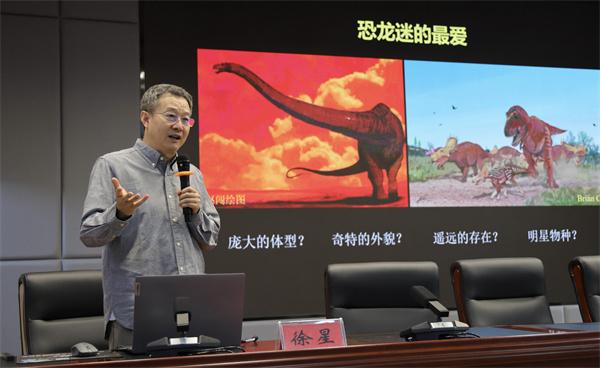
Group 1: Scientific Outreach and Education - The event featured a science lecture by academician Xu Xing, aimed at engaging students in scientific discovery, particularly in paleontology [2][4] - Xu emphasized the importance of local relevance in science education, stating that students are more likely to engage with science if they can relate to it [5] - The Chinese Academy of Sciences has been actively involved in educational support in the region since 2017, deploying multiple research projects and scientists to enhance local science education [6][7] Group 2: Agricultural Innovation and Support - The Chinese Academy of Sciences has contributed to the development of new agricultural varieties, such as the "Donghong" kiwifruit, which has become a staple crop in the region [10][11] - The area has seen a significant increase in kiwifruit cultivation, growing from less than 20,000 acres in 2013 to a peak of 112,000 acres, benefiting over 14,000 households [10] - The introduction of hail nets has proven effective in protecting crops from severe weather, with loss rates under 20% for protected crops compared to 100% for unprotected ones during hailstorms [11] Group 3: Economic Development through Research - The transformation of local industries, such as the successful cultivation of prickly pear and kiwifruit, illustrates the potential of integrating scientific research with local economic development [12][13] - The Chinese Academy of Sciences is exploring new applications for coal byproducts, aiming to develop high-value products and promote sustainable practices in the coal chemical industry [13]
“遇事不决问AI”,近八成受访大学生曾把AI当朋友
Zhong Guo Qing Nian Bao· 2025-09-22 00:25
Core Insights - The integration of AI tools in the daily lives of university students has transformed them from optional resources to essential assistants in both academic and personal contexts [1][2][3] - A significant majority of students (99.2%) are using AI, with 11.7% identified as heavy users, indicating a strong reliance on AI for problem-solving [1][3] - AI has become the preferred channel for information retrieval among students, surpassing traditional search engines and social media [3][6] Group 1: AI in Academic Context - AI tools are utilized for various academic tasks, including literature review, text editing, translation, and summarization, with over 43% of students applying AI in these areas [3][9] - Students report increased efficiency in academic work, with AI assisting in brainstorming, data organization, and content generation [2][4] - The shift in information retrieval habits signifies a fundamental change in how students engage with knowledge, moving from keyword searches to interactive AI assistance [3][6] Group 2: AI in Daily Life - AI applications extend to daily life, with students using AI for travel planning, social interactions, and even emotional support [5][6][7] - A notable percentage of students (59.8%) view AI as a work assistant, while 62.7% use it to navigate social situations [6][7] - The emotional connection with AI is evident, as 26% of students seek comfort from AI during low moods, indicating its role in emotional companionship [7][8] Group 3: Concerns and Future Outlook - There are concerns regarding over-reliance on AI, with 40.9% of students fearing psychological dependency and a decline in critical thinking skills [8][9] - Students recognize the importance of maintaining human connections and critical thinking, emphasizing that AI should complement rather than replace human capabilities [9][10] - Educational institutions are adapting to the AI landscape by integrating AI-related courses and developing AI-assisted teaching methods [11]
国防教育进学校
Zhong Guo Qing Nian Bao· 2025-09-22 00:23
9月17日,内蒙古呼和浩特,玉泉区五塔寺东街小学学生在"心系国防 强国有我"活动现场参加轮胎拉力赛项目的比拼。视觉中国供 图 9月4日,安徽合肥,庐阳区林店街道六安路小学荣城花园分校,民兵为小学生讲解武器模型。当日,林店街道武装部联合学校开 展"国防小卫士"国防教育主题实践活动。视觉中国供图 9月18日,河北省邯郸市丛台区春光小学开展"国防教育进校园"活动,学生展示国防教育主题手抄报。视觉中国供图 【责任编辑:原春琳,梁国胜,邱晨辉,李沛然】 ...

在传承与转型中寻找突围
Zhong Guo Qing Nian Bao· 2025-09-22 00:22
Core Insights - The landscape of early childhood education is undergoing significant restructuring due to shrinking teacher demand and intense competition among similar institutions [1][4] - Some institutions have successfully transformed their programs to adapt to market changes, such as introducing new majors and establishing training centers [1][2] - The emergence of new educational roles, like "education planners," reflects a shift towards integrated educational services that cater to diverse needs [2][3] Group 1: Institutional Adaptation - Changsha Preschool Normal College has pioneered a medical nutrition program, leading to high employment rates for graduates [1] - Ningbo Preschool Normal College has expanded its reach by establishing a training center for Southeast Asian teachers, indicating a strategic international focus [1] - Many schools are exploring self-transformation by aligning with local industries, although this path presents challenges, particularly in faculty expertise [3] Group 2: Educational Transformation - The education sector is witnessing a profound change, with a growing demand for professionals who possess cross-cultural educational skills [2] - The traditional roles of educators are evolving, necessitating a shift towards interdisciplinary service capabilities [2] - Institutions are encouraged to enhance their educational offerings and focus on cultivating high-quality talent in early childhood and primary education [4] Group 3: Policy and Support - Experts suggest that rather than blindly pursuing industry trends, schools should leverage their strengths to find viable paths for transformation [4] - There is a call for supportive policies from educational authorities to assist teachers in transitioning to new professional roles [4] - Collaboration among government, schools, and society is essential to preserve the core values of education while exploring new directions for sustainable development [4]
政策“组合拳”激发购车热情 市场洗牌步入深水区
Zhong Guo Qing Nian Bao· 2025-09-21 23:35
Core Insights - The introduction of a personal consumption loan interest subsidy policy is expected to stimulate automobile consumption in China, providing financial relief to consumers [1][5]. Policy Implementation - The policy, effective from September 1, 2023, to August 31, 2026, offers a 1% interest subsidy on personal loans of 50,000 yuan or more for car purchases, covering expenses like insurance and maintenance [1][2]. - Each borrower can receive a maximum subsidy of 3,000 yuan, corresponding to a total eligible consumption amount of 300,000 yuan [1]. Market Response - The policy is anticipated to alleviate the financial burden on consumers, as over 60% of car buyers currently utilize loans for purchases [1][4]. - However, consumers must apply for loans through designated institutions, which may complicate the purchasing process [2]. Industry Trends - The automotive market has shown strong demand, with production and sales figures for the first seven months of the year reaching 18.23 million and 18.27 million units, respectively, marking year-on-year growth of 12.7% and 12% [4]. - Despite the positive sales figures, there is a noted divergence in profitability among car manufacturers, with less than 45% of major listed companies reporting profit growth in the first half of the year [6]. Future Outlook - The combination of the consumption loan subsidy and existing vehicle replacement policies is expected to create a synergistic effect, potentially boosting consumer demand [5]. - Analysts predict that the automotive market will gradually recover, but the process will require collaboration among policies, enterprises, and consumers to sustain growth [5][6].
展商数量超百家 中国汽车在慕尼黑书写出海新篇章
Zhong Guo Qing Nian Bao· 2025-09-21 23:07
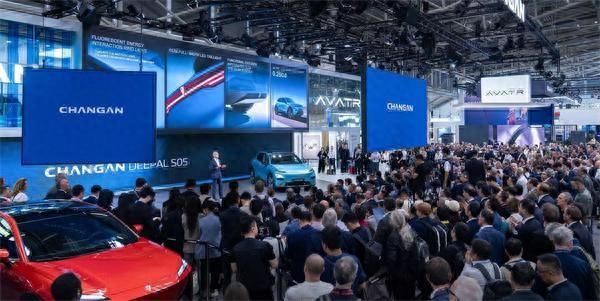
Core Insights - The 2025 Munich International Motor Show showcased a significant presence of Chinese automotive manufacturers and suppliers, with 116 exhibitors, the highest among international participants, indicating a strong shift in the global automotive landscape [2][14] - Chinese automotive companies are transitioning from exploratory participation to establishing a solid foothold in the European market, demonstrating a comprehensive representation of the entire automotive supply chain [2][9] Group 1: Chinese Automotive Brands - BYD launched its Dolphin Surfing Edition at the Munich Motor Show, priced at €37,990 (approximately ¥316,000), marking its first mass-produced model from its upcoming European factory in Hungary [3] - Xpeng Motors gained attention through its collaboration with Volkswagen, showcasing five new models and advanced technologies, including humanoid robots and flying cars [4][5] - Leap Motor's B10, a global model, has seen over 50,000 deliveries since its launch in China, with plans for European delivery starting in October [6] Group 2: Technological Innovations - CATL introduced the NP3.0 technology platform, the highest safety level in battery technology, and launched the Shining Pro lithium iron phosphate battery, responding to the European market's demand for electric vehicle safety and efficiency [9] - Lightyear showcased its NOA intelligent driving and L4 autonomous driving solutions, announcing a global strategy and a partnership with Qualcomm to enhance its technological capabilities [10] - Momenta presented its AI technology and deep collaborations with over 20 global automakers, including plans for L4 autonomous Robotaxi operations in Munich by 2026 [11] Group 3: European Automotive Industry Response - European automakers like BMW and Mercedes are emphasizing collaboration with Chinese companies to enhance battery performance and meet the demands of the Chinese market [13][14] - Audi's CEO acknowledged China's advancements in automotive intelligence and electrification, highlighting the importance of partnerships with Chinese tech firms [14] - The Munich Motor Show illustrated a dual dynamic of competition and cooperation between Chinese and European automotive industries, driving innovation and transformation in the sector [14][15]
课堂连接产线 吉大学子奔赴车企一线“练兵场”
Zhong Guo Qing Nian Bao· 2025-09-21 23:04
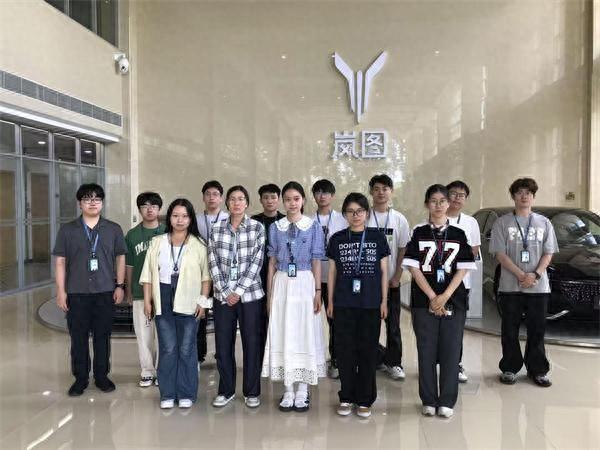
Core Insights - The article highlights the importance of nurturing young talent in China's automotive industry, particularly in the context of the ongoing transition to new energy and intelligent manufacturing [2][5] - The practical training undertaken by students from Jilin University emphasizes the integration of theoretical knowledge with real-world applications in the automotive sector [3][4] Group 1: Industry Transformation - The Chinese automotive industry is accelerating its shift towards new energy and intelligent manufacturing, necessitating a new generation of skilled professionals who understand technology and have a sense of responsibility [2] - Students engaged in hands-on experiences at Lantu Automotive and Weichai Power, gaining insights into advanced manufacturing processes and the significance of "new production capacity" [3][4] Group 2: Practical Experience - Students participated in various tasks, from basic assembly line operations to advanced technology discussions, witnessing the rise of China's new energy vehicles firsthand [3] - The experience included technical research activities, such as electric motor efficiency testing and modeling analysis, illustrating that technological innovation is rooted in practical efforts and resilience [3] Group 3: Cultural and Historical Context - The social practice also served as a "big ideological class," where students visited historical sites related to China's revolutionary history, reinforcing the connection between personal aspirations and national development [4][5] - The integration of red education into the training program helped students understand the importance of aligning personal goals with national strategies, fostering a sense of duty towards contributing to the automotive industry's growth [5]
优胜劣汰通道开启 民办高校加速洗牌
Zhong Guo Qing Nian Bao· 2025-09-21 22:45
今年高校招生季,民办本科高校招生经历了"冰火两重天"。一方面,少数新建"新型研究性大学"招生分 数奇高,甚至超过一些"双一流"建设高校和专业;另一方面,不少传统民办本科高校招生遇冷,引起人 们对民办高校发展前景的担忧。据报道,少部分省份民办本科高校在第一轮招生后缺额严重,有的高校 经过多次征集补录仍难以完成招生计划,有的甚至被迫取消了文化课分数限制。 目前,我国本科教育体量巨大,出现以上两种情况的高校均为少数,各种夸大其词的议论并不完全可 信。然而,从历史、现实和未来的维度认识,这两种情况都体现了我国本科教育发展的新趋势,对民办 乃至公办本科高校发展前景的担忧并不多余。面对来自人口、技术、政策、产业等方面的重大变化,民 办本科高校进入优胜劣汰的发展通道,转型升级成为必然选择。 本科高校生源供给面临多重挑战 我国民办本科教育从20世纪90年代中期开始出现,2000年以后进入快速发展轨道。2024年全国教育事业 发展统计公报显示,全国共有民办高校803所,占全国高校总数比例的25.75%。民办高校在普及高等教 育、探索办学和管理体制改革、创新人才培养模式等方面发挥了重要作用。近年来,随着新出生人口减 少和政策规范 ...