
Zhong Guo Qing Nian Bao

Search documents
医美“免费打卡”“私下服务”藏风险 法官提醒:爱美者谨防“美丽陷阱”
Zhong Guo Qing Nian Bao· 2025-09-23 07:28
Core Points - The article highlights the alarming trend of cosmetic surgery institutions targeting students with promotional offers, which often lead to consumer traps and illegal practices [1][2] - Legal cases illustrate the risks associated with unregulated cosmetic procedures, emphasizing the need for consumers to be cautious and informed [3][4] Group 1: Industry Practices - Many cosmetic institutions are using deceptive marketing strategies, such as "discounts for students" and "free services," to attract young consumers [1] - The industry is rife with irregularities, including unfulfilled service promises and hidden conditions that complicate refund processes [2] Group 2: Legal Cases - A case involving a consumer named Lu Lu illustrates how a beauty institution failed to provide promised services, leading to a court ruling that mandated a full refund of 13,780 yuan [2] - Another case involving a consumer named Jin Wei highlights the dangers of private cosmetic procedures, resulting in severe health complications and a court ruling that required compensation of over 230,000 yuan from the practitioner [3] Group 3: Consumer Warnings - Legal experts warn that cosmetic procedures should only be performed in licensed medical facilities by certified professionals due to the high risks involved [4] - Consumers are advised to be cautious of promotional offers and to thoroughly evaluate the legitimacy of cosmetic institutions before proceeding with treatments [4]
活力中国调研行 | 海南自贸港:跨境资金流动有了“高速路” 一年多来完成上千亿元结算
Zhong Guo Qing Nian Bao· 2025-09-23 06:13
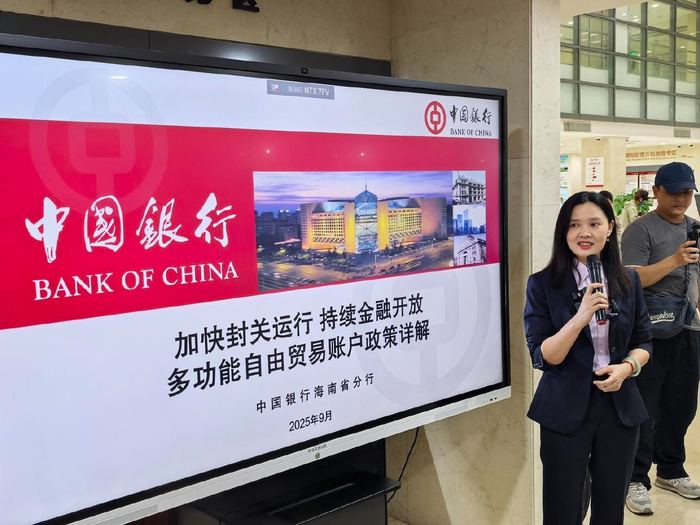
Core Insights - The multi-functional free trade account (EF account) in Hainan Free Trade Port has facilitated over 170 billion yuan in cross-border fund flows since its launch on May 6, 2022, covering transactions with 61 countries and regions [2][4]. Group 1: EF Account Overview - The EF account is a crucial financial infrastructure for Hainan Free Trade Port, promoting high-level financial openness and facilitating the free flow of cross-border funds [2]. - The management of funds in the EF account follows the principle of "one line open, two lines under cross-border management," allowing for significant freedom in fund transfers with international financial markets [2][4]. Group 2: Beneficiary Enterprises - Yuan Cheng Technology (Hainan) Co., Ltd., recognized as the first cross-border fund concentration operation center in Danzhou, has seen its cross-border settlement business volume double compared to the previous year, with offshore trading reaching 820 million USD by the end of August 2025 [4]. - Ri Sheng Fuel (Hainan) Co., Ltd., a subsidiary of Ri Sheng Fuel Group, reported an offshore trading settlement volume of 430 million USD by the end of August 2025, benefiting from the EF account and high-level open policies [5]. Group 3: Growth Metrics - As of August 2025, the Bank of China Hainan Branch has opened EF accounts for 61 domestic and foreign market entities, processing 601 transactions totaling 27.929 billion yuan [5]. - The banking system in Hainan has established over 500 EF accounts, with a total transaction volume exceeding 170 billion yuan in just over a year [5].

【中国青年报】院士专家下乡记:为孩子“摘星”,帮土地“点金”
Zhong Guo Qing Nian Bao· 2025-09-23 06:02
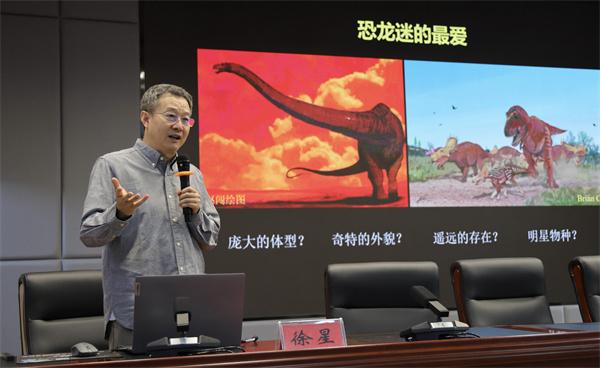
Group 1: Scientific Outreach and Education - The Chinese Academy of Sciences (CAS) organized a science outreach event in Liupanshui City, Guizhou Province, featuring a lecture by academician Xu Xing on dinosaur discoveries, aimed at engaging local students and promoting scientific curiosity [4][5][7]. - The CAS has been actively involved in educational support in Liupanshui since 2017, deploying a team to implement 27 research projects across 12 locations, enhancing local scientific education and resources [7][8]. - The CAS has developed a scientific education and innovation service platform for primary and secondary schools, investing over 30 million yuan, which has begun implementation in local schools [8]. Group 2: Agricultural Development and Innovation - The CAS has assisted local farmers in Liupanshui by developing new agricultural varieties, such as the "Donghong" kiwifruit, which has become a staple crop and significantly boosted local income [9][10]. - The area under kiwifruit cultivation in Liupanshui has expanded from less than 20,000 acres in 2013 to a peak of 112,000 acres, benefiting over 14,000 households and increasing local income [10]. - The introduction of hail nets has proven effective in protecting crops from severe weather, with loss rates under 20% for protected crops compared to 100% for unprotected ones during hailstorms [11]. Group 3: Economic Impact and Industry Transformation - The CAS has played a crucial role in transforming local industries, particularly in the development of the prickly pear industry, which has improved farmers' incomes and created new products for the market [12]. - The prickly pear cultivation has shifted from traditional crops like corn, with income per acre increasing significantly, demonstrating the economic benefits of scientific intervention [12]. - The CAS is also exploring new applications for coal byproducts in the local coal chemical industry, aiming to enhance value-added production and promote sustainable practices [13].
球星卡热潮背后的收益与风险
Zhong Guo Qing Nian Bao· 2025-09-23 00:49
Core Viewpoint - The recent case of a gambling ring using sports trading cards for illegal activities highlights the evolving nature of the sports card market in China, where cards have shifted from collectibles to speculative products, necessitating better regulation and consumer awareness [1][5][8]. Group 1: Evolution of Sports Cards - Sports cards, once a childhood memory for many, have transformed from simple collectibles to high-stakes gambling tools, particularly through live streaming platforms [2][4]. - The market for sports cards in China is still developing, lacking the established culture and systems seen in Western countries, which can lead to speculative behavior and market volatility [3][6]. Group 2: Market Dynamics and Risks - The rise of live streaming and short videos has fueled a speculative frenzy in the sports card market, with many participants seeking quick profits rather than genuine collection [4][5]. - The gambling-like mechanisms employed by some sellers, such as guaranteed prizes and high-value card giveaways, have turned the card trading experience into a risky venture for consumers [5][8]. Group 3: Need for Regulation - There is a pressing need for regulatory frameworks to protect consumers and ensure fair practices in the sports card market, including transparency in card distribution and sales [7][9]. - Industry experts emphasize that the market should focus on cultural and emotional connections to sports rather than purely speculative gains, which could help restore the integrity of sports card collecting [6][8].
海南离岛免税销售额占全球免税市场超8%
Zhong Guo Qing Nian Bao· 2025-09-23 00:49
Group 1 - The core viewpoint is that Hainan Free Trade Port has made significant progress in its development over the past five years, with increasing openness and an improved industrial system [1][2] - Hainan's actual foreign investment reached 102.5 billion yuan, with an annual growth rate of 14.6%, and investment from 176 countries and regions [1] - The tourism, modern service, high-tech industry, and tropical agriculture sectors account for 68.6% of Hainan's GDP, highlighting their importance in economic growth [1] Group 2 - The duty-free sales in Hainan account for over 8% of the global duty-free market, with cumulative shopping amounts exceeding 250 billion yuan [1] - Hainan's total retail sales from January to August reached 176.2 billion yuan, growing by 9.6%, which is 5 percentage points higher than the national average [1] - The Hainan Free Trade Port will enter a new phase of full island closure operation on December 18, with ongoing policy benefits and innovation [2]
从“童年收藏”到“直播赌局”:球星卡热潮背后的收益与风险
Zhong Guo Qing Nian Bao· 2025-09-23 00:34
Core Viewpoint - The rise of sports trading cards in China has transformed from a nostalgic collectible into a speculative market, leading to gambling-like behaviors and the need for regulatory oversight [1][4][8]. Group 1: Gambling and Speculation - A criminal gang in Ningbo was prosecuted for operating an online gambling scheme disguised as sports card trading, with the main perpetrator sentenced to six years in prison and fined 500,000 yuan [1]. - The gambling methods involved using sports-themed cards, such as NBA and Premier League player cards, as gambling chips, with various promotional tactics that misled consumers [1][5]. - The current market dynamics have shifted from genuine collection to a speculative frenzy, where many participants are driven by the desire for quick profits rather than long-term investment [4][5]. Group 2: Cultural and Historical Context - Sports trading cards have a rich history, particularly in Western countries, where they are tied closely to sports narratives and player performances, providing a stable market for collectors [2][3]. - In China, the culture surrounding sports cards is still developing, lacking the depth and understanding seen in Western markets, which has led to a focus on short-term gains rather than cultural appreciation [6][7]. Group 3: Regulatory Needs - There is a pressing need for improved regulations in the sports card market to protect consumers and ensure fair practices, including transparency in card distribution and sales [7][8]. - Experts suggest that the market should adopt regulations similar to those in the blind box industry to establish clear rules regarding card issuance, probability disclosures, and trading channels [7][9]. - The long-term success of the sports card market in China hinges on fostering a deeper appreciation for sports culture and moving away from speculative practices [8][9].
AI加持,中国与东盟经贸合作转向“全新赛道”
Zhong Guo Qing Nian Bao· 2025-09-22 22:59
Group 1 - The 22nd China-ASEAN Expo is leveraging AI to enhance trade cooperation between China and ASEAN, shifting from traditional methods to a new digital empowerment approach [3][15] - The expo featured a dedicated AI pavilion covering 10,000 square meters, showcasing approximately 1,200 AI-related exhibits, including 20 large models, 60 intelligent robots, and 520 AI terminal products [6][10] - The event highlighted the importance of AI in various sectors, demonstrating applications such as four-legged robots, industrial robotic arms, and smart agriculture systems, providing replicable solutions for industry upgrades [8][10] Group 2 - The expo facilitated significant partnerships, including a contract between Guangxi Environmental Group and Thailand's Royal Water Company, focusing on smart electricity usage and clean energy [10][13] - The establishment of the China-ASEAN AI Application Cooperation Center was announced, aiming to strengthen foundational AI development and promote practical cooperation projects [15][17] - ASEAN countries actively participated in the expo, showcasing their own AI innovations, such as Brunei's AI healthcare system and Malaysia's green energy applications, indicating a shift towards high-tech and digital economy collaborations [15][17]
浙江临安:“大树王国”书写生态共富答卷
Zhong Guo Qing Nian Bao· 2025-09-22 22:57
Core Points - The article highlights the ecological and economic development achievements of the Tianmu Mountain National Nature Reserve, emphasizing its role as a biodiversity hotspot and a model for harmonious coexistence between nature and human activities [1][2][3]. Group 1: Ecological Achievements - The Tianmu Mountain Nature Reserve has seen a significant increase in forest coverage, reaching 97.56%, up by 10.6% compared to 20 years ago [2]. - The number of wild animal species has risen from 4,716 to 7,173, marking a growth of 52%, while higher plant species increased from 2,160 to 2,668, a rise of 23.5% [2]. - Five species of nationally protected wildlife have been discovered in the reserve, including the eagle and Ba Mountain yew [2]. Group 2: Legislative and Institutional Support - The implementation of the "Zhejiang Tianmu Mountain National Nature Reserve Regulations" on October 1, 2024, represents the first legislation for a national nature reserve in Zhejiang Province, establishing a comprehensive protection mechanism [2]. - The new regulations promote multi-departmental collaboration in ecological protection, moving away from a single management approach [2]. Group 3: Technological Integration - The reserve has adopted advanced technology for ecological monitoring, including ecological positioning stations and video surveillance platforms, enhancing the precision of conservation efforts [3]. - The "one tree, two managers" mechanism has been introduced, pairing ancient trees with research and protection managers to integrate scientific research with daily care [3]. Group 4: Economic Development and Community Engagement - Local communities are encouraged to develop tourism and eco-friendly agricultural practices, with initiatives like the "Million Project" improving rural environments and attracting visitors [4][5]. - Villagers are establishing businesses such as homestays and cafes, leveraging the area's natural beauty and proximity to the reserve to boost local economies [5]. - The integration of agriculture and tourism is exemplified by innovative farming practices that promote ecological sustainability while generating income [4][5].
开学了!“青春主理人”的自主成长图鉴
Zhong Guo Qing Nian Bao· 2025-09-22 22:34
Core Insights - The "Youth Principal" group is actively leading various projects in university campuses, showcasing a proactive approach to life and learning rather than passively accepting circumstances [3][10][12] Group 1: Research Leaders - Liang Zhizong, a biomedical engineering student, emphasizes a problem-oriented research approach, focusing on real clinical needs and leading his team to develop prototypes for clinical application [4] - The transformation from a student to a research leader is highlighted by the success in competitions, showcasing the importance of turning research into practical solutions for patient needs [4] - Lu Zitao, a pharmaceutical student, illustrates the journey from a regular student to a research problem-solver, emphasizing the importance of initiative and value creation in research [5][6] Group 2: Cultural Leaders - Liu Luyun, a student at Guangdong University of Foreign Studies, aims to modernize traditional Chao opera, using social media and cultural events to engage younger audiences [6] - The initiative "潮起潮剧" serves as a bridge between youth and traditional culture, demonstrating the potential for cultural revitalization through innovative approaches [6] Group 3: Community and Social Leaders - Zhang Yinying, a student involved in a public education project, integrates local history into educational programs, showcasing the blend of professional knowledge and community engagement [7] - The "Red Path Drama Society" promotes the idea that everyone can be a mentor, reflecting the importance of community involvement and personal growth [7] Group 4: Sports and Activity Leaders - Chen Xinzhu, a Taekwondo enthusiast, exemplifies leadership in sports by encouraging peers to embrace physical activity and take charge of their youth [8] - The role of student organizations in fostering a sense of community and personal development is emphasized through the experiences of leaders like Chen [8] Group 5: Media and Communication Leaders - Yi Youyang, president of a university news agency, highlights the reciprocal influence of media practice and personal development, showcasing how leadership roles can clarify future career paths [9] - The experience in media organizations fosters a sense of purpose and direction, reinforcing the value of helping others while achieving personal goals [9]

针对量子AI,上海成立两大联盟、发布十大应用场景
Zhong Guo Qing Nian Bao· 2025-09-22 07:53
Core Insights - The forum on "AI Quantum: Quantum Intelligence" held in Shanghai focused on the intersection of artificial intelligence and quantum technology, discussing key scientific issues and development opportunities in the field of quantum artificial intelligence [1][2] Group 1: Quantum Artificial Intelligence - Quantum artificial intelligence is emerging as a strategic high ground for the deep integration of quantum technology and artificial intelligence, leveraging quantum physical properties to overcome classical computing limitations [1] - Artificial intelligence is providing significant support for quantum research, enhancing the performance of quantum devices while quantum computing is entering the Noisy Intermediate-Scale Quantum (NISQ) era, offering unprecedented computational power for AI development [1][2] Group 2: Recent Achievements and Collaborations - A team from the Shanghai Quantum Science Research Center and Shanghai Artificial Intelligence Laboratory set a record by constructing over 2,000 atomic arrays in 60 milliseconds, showcasing Shanghai's leading capabilities in the "AI + Quantum" engineering [2] - The Shanghai Quantum Artificial Intelligence Consortium was established, comprising 12 research institutions and several leading companies in the quantum field, focusing on interdisciplinary research and talent cultivation over the next five years [2] Group 3: Industrial Innovation and Applications - The Shanghai Quantum Technology Equipment Industry Innovation Alliance aims to enhance the overall competitiveness of China's quantum technology equipment through collaboration and standard-setting [3] - The ten major application scenarios for quantum computing cover various sectors including electricity, finance, logistics, new energy, and biomedicine, highlighting quantum technology's potential in solving complex problems and driving future industrial transformation [3]