Zhong Guo Zi Ran Zi Yuan Bao

Search documents
福建生态修复筑牢海岸带安全屏障
Zhong Guo Zi Ran Zi Yuan Bao· 2025-09-18 07:58
Core Insights - Fujian Province has made significant progress in marine ecological protection and restoration through systematic planning and implementation of major projects [1][2] Group 1: Planning and Implementation - Fujian issued the "Fujian Provincial Land and Space Ecological Restoration Plan (2021-2035)", designating marine ecological protection and restoration zones and 12 key areas, along with 25 major projects [1] - The provincial natural resources department collaborated with various sectors to issue implementation plans for ecological system protection and restoration, providing guidance for marine ecological efforts [1] Group 2: Systematic Governance - Since 2019, Fujian has guided coastal cities to implement 18 central-supported marine ecological protection and restoration projects, with 9 completed and 9 ongoing [1] - The restoration efforts have successfully rehabilitated 45,000 acres of coastal wetlands and 78 kilometers of coastline, as well as restored 51,000 acres of mangroves, exceeding the "14th Five-Year Plan" targets [1] Group 3: Exemplary Projects - Two ecological disaster reduction projects in Fuzhou and Xiamen have been included in an international case collection for coastal ecological disaster reduction [2] - Several projects in Quanzhou, Putian, and Pingtan have been recognized as national exemplary cases, highlighting the successful marine ecological protection and restoration efforts in Xiamen [2]
“未来”号科考船开展深海试验
Zhong Guo Zi Ran Zi Yuan Bao· 2025-09-18 07:58
"未来"号总长110.8米,满载排水量7000吨,最大航速超15节,定员80人,续航力大于10000海里, 自持力超60天,具备无限航区航行能力,在绿色技术、智能化等方面实现了多项创新突破。值得一提的 是,与传统科考船或试验船相比,"未来"号全船采用模块化设计,预留了舱室空间和30多个标准化接 口,如同"乐高积木"一般,可实现发电机组、雷达、科考设备、智能系统等多种船用器件、设备机系统 的便捷加换装。 "未来"号的建设以及后期的产学研合作,将为无锡、连云港南北共建开创崭新模式——变传统"输 血式"帮扶,为更大力度推动科技创新和产业创新深度融合,立足沿江沿海城市的自然地理位势和创新 优势,跨区域分工,实现"江强海兴"的生动图景。 9月15日,随着一声长长的鸣笛,"未来"号船从母港连云港港口缓缓驶出,标志着这艘江苏无锡、 连云港合作共建的我国首艘深远海绿色智能技术试验船,正式进入深海试验阶段。 据介绍,无锡是"未来"号诞生地与"智慧核心",肩负着研发设计、关键技术攻关和船舶建造的重 任;而连云港则是母港与"实战舞台",为其提供了深远海装备起锚地、完善的船舶保障和广阔的试验场 景。 ...
我国地表基质调查从试点探索转向面上铺开
Zhong Guo Zi Ran Zi Yuan Bao· 2025-09-18 00:24
Core Insights - The recent seminar on the 2025 National Surface Matrix Survey in Harbin, Heilongjiang Province, highlighted the latest advancements in surface matrix research and outlined future work directions [1][2] Group 1: Key Findings from the Seminar - The seminar emphasized the urgent need to comprehensively clarify the types, configurations, distributions, properties, and resource potential of surface matrices to support national food security, ecological safety, and land spatial planning [1] - Significant achievements have been made in pilot projects for surface matrix surveys, establishing a scientific connotation and a layered classification system for these surveys [1][2] - The meeting identified three key areas for future focus: expanding surface matrix surveys to meet national demands, establishing a comprehensive standard system, and developing high-precision, intelligent monitoring technologies [2] Group 2: Contributions and Discussions - Experts from institutions such as the Chinese Academy of Sciences and China Agricultural University presented reports on the foundational theories related to surface matrices [2] - The China Geological Survey's Natural Resources Comprehensive Investigation Command Center provided insights into the scientific connotation and ecological functions of surface matrices, along with updates on survey content and methodologies [2] - Representatives discussed new methods for surface matrix surveys, talent development, and contributions to high-quality economic and social development [2]
破题生态修复“最初一公里”
Zhong Guo Zi Ran Zi Yuan Bao· 2025-09-17 07:54
Group 1 - The Zhejiang Provincial Ecological Protection and Restoration Industry Special Fund aims to address the issue of insufficient project capital, with six initial projects signed across five locations: Huzhou, Shaoxing, Hangzhou, Jinhua, and Taizhou, to be completed in phases [2] - The Anji County Agricultural Ecosystem Restoration and Enhancement Project in Huzhou focuses on the integrity and biodiversity of agricultural ecosystems, employing various measures such as degraded farmland management and ecological environment governance to create a comprehensive "protection-restoration-utilization-operation" system [2] - The Keqiao District Ecological Restoration Project in Shaoxing combines ecological protection with cultural revitalization, utilizing lake and forest resources to restore the ecological environment and create a model for rural governance and agricultural prosperity [2] Group 2 - The Nübu Street Fruit Fragrance Town Ecological Restoration Project in Lanxi integrates historical and cultural elements with agricultural upgrades, enhancing agricultural system resilience through ecological restoration and infrastructure improvements [3] - The Land Comprehensive Improvement and Ecological Restoration Project in Pujiang County, Jinhua, promotes ecological farming practices and integrates industrial development with agriculture, aiming to create a new paradigm of "ecological restoration + industrial activation + common prosperity" [3] - The Huanleqing Bay Marine Ecological Restoration Project in Wenling focuses on coastal ecosystem protection and integrates tourism and fishing industries, aiming to create a model for regional prosperity and biodiversity [3] Group 3 - The Liangzhu Site Wetland Protection and Ecological Restoration Project in Yuhang District, Hangzhou, utilizes various measures to create a demonstration area for environmental protection and cultural heritage, showcasing the integration of ancient and modern Chinese culture [4]

安徽巢湖现人鸟和谐美景
Zhong Guo Zi Ran Zi Yuan Bao· 2025-09-17 07:54
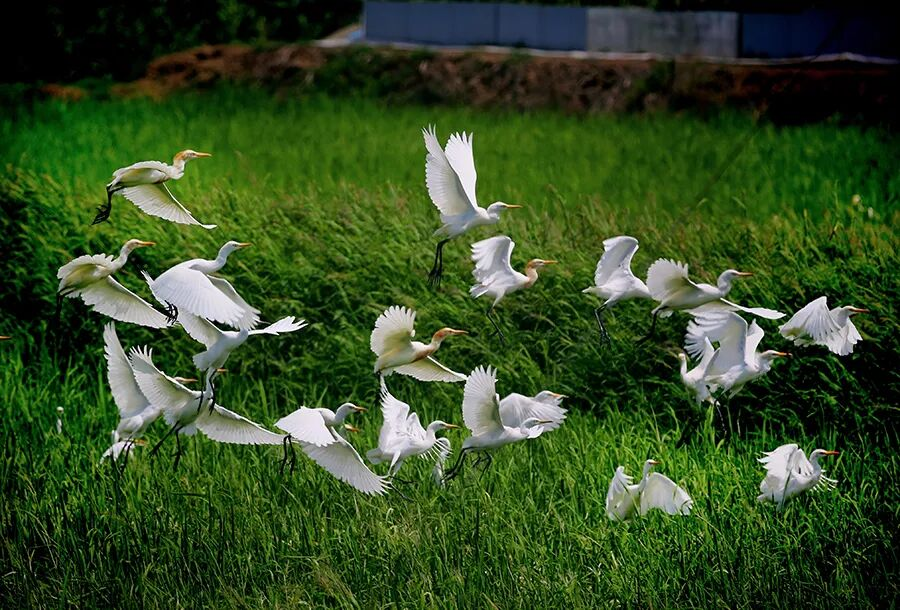
Core Viewpoint - The article highlights the significant improvement in the ecological environment and biodiversity in the area around Chaohu Lake, particularly in the wetlands, due to ongoing ecological restoration and comprehensive governance efforts [2] Group 1: Ecological Improvement - The wetlands around Chaohu Lake have seen a notable enhancement in ecological conditions, including improved water quality and lush vegetation [2] - The area now provides excellent habitats and abundant food sources for various bird species, especially waterbirds [2] Group 2: Biodiversity - A large number of wild birds, including egrets and whiskered terns, are now breeding and thriving in the vicinity of Xiaoliu Village, showcasing the region's rich biodiversity [2]
NbS下的蓝色修复方案
Zhong Guo Zi Ran Zi Yuan Bao· 2025-09-17 07:54
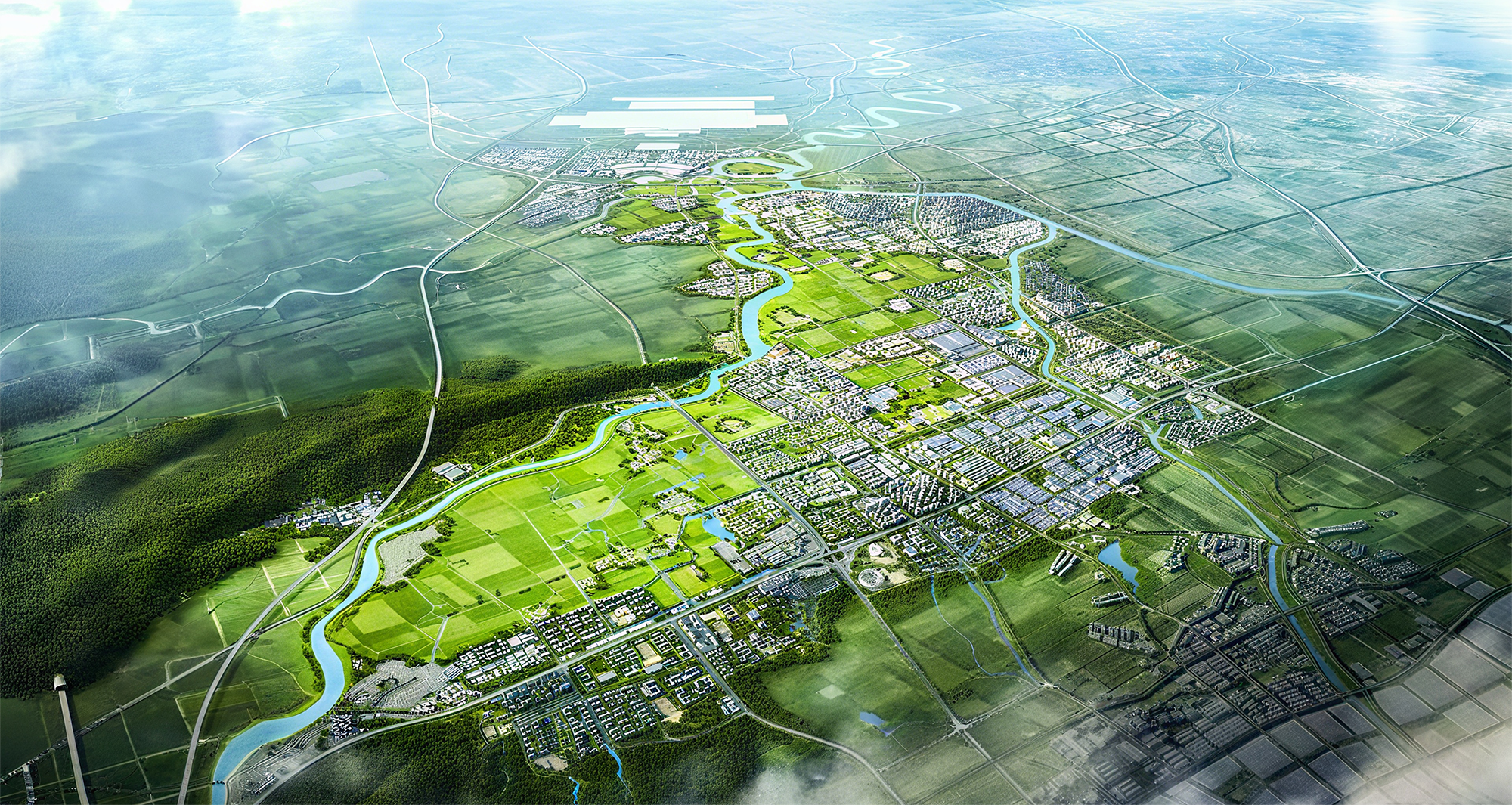
Core Viewpoint - Nature-based Solutions (NbS) are gaining recognition globally, including in China, as a new approach to address challenges such as climate change, ecological degradation, and biodiversity loss [1] Challenges - The current marine ecological restoration practices face five core challenges: high costs, small scale, unsatisfactory results, limited types, and excessive human intervention [4] - Global marine ecological restoration costs are generally 10 to 400 times higher than terrestrial ecosystems, with median costs for coral reefs, seagrasses, and mangroves reaching $80,000 per hectare, and averages as high as $1.6 million per hectare [4] - Most coastal ecological restoration projects cover less than 10 hectares, while the global area needing restoration is between 100,000 to 1 million hectares [4] - Only 40% of marine ecosystem types have undergone restoration, with significant gaps in areas like "marine deserts" due to technical limitations and lack of awareness [4] Restoration Success Rates - Survival rates for common marine ecological restoration types are low, with seagrass at 30.8% and salt marshes at around 64%, while coral transplants in Japan had a survival rate of less than 20% after four years [5] Solutions - To build a low-cost, large-scale marine ecological restoration system, it is essential to adopt NbS principles, emphasizing natural recovery over artificial methods [7] - Innovative management models should be developed, focusing on long-term ecological monitoring and flexible engineering goals [7] - International collaboration and funding should be directed towards developing countries where restoration costs are lower and benefits are higher [7] Technological Innovations - Multi-ecosystem restoration approaches, such as simultaneous restoration of mangroves and coral reefs, should be explored [8] - Deep-sea restoration technologies and ecological connectivity enhancement are crucial for promoting marine rewilding [8] - Research and development of low-cost restoration technologies and equipment are necessary to improve efficiency [8] Public Participation - Increasing community and volunteer involvement can lower costs and enhance restoration outcomes, linking ecological restoration with local poverty alleviation [9] - Establishing a collaborative mechanism among scientists, communities, and governments can foster public engagement and knowledge sharing [9] Future Outlook - China's transition from a global environmental governance participant to a leader is underway, with marine ecological restoration evolving from localized efforts to systematic approaches [11] - Future projects should integrate ecological restoration with sustainable development goals, emphasizing the importance of respecting and aligning with natural processes for long-term success [11]
全国首个省级生态保护修复产业专项基金启动
Zhong Guo Zi Ran Zi Yuan Bao· 2025-09-17 07:48
Core Viewpoint - Zhejiang has launched the first provincial-level ecological protection and restoration industry special fund in China, aiming to attract more social capital for land space ecological restoration through market-oriented solutions [1][2]. Group 1: Fund Structure and Objectives - The special fund is led by Zhejiang Provincial Natural Resources Group, involving state-owned enterprises, private enterprises, and national green development funds to invest in the restoration and reconstruction of damaged ecosystems within Zhejiang [2]. - The fund will focus on five major areas: natural ecosystems, agricultural ecosystems, urban ecosystems, mining, and marine environments, as well as eco-friendly industries like ecological agriculture, eco-tourism, and nature education [2]. Group 2: Initial Projects and Investment - At the launch ceremony, six intended investment projects were signed, with a total investment exceeding 3 billion yuan, covering various ecological protection and restoration fields [2]. - Initial projects aim to integrate ecological restoration with related industries to enhance profitability, such as combining ecological restoration with agricultural processing and cultural tourism [2]. Group 3: Future Plans and Expansion - The fund aims to establish a project library for screening, investment decision-making, and risk control, with plans to expand the investment scale to over 5 billion yuan [3].
短评丨从“输血”到“造血”
Zhong Guo Zi Ran Zi Yuan Bao· 2025-09-17 07:48
Core Viewpoint - The launch of the first ecological protection and restoration industry special fund in Zhejiang represents an innovative financial tool and a significant transformation in ecological governance, aiming to attract social capital for sustainable ecological protection and economic development [1][2] Group 1: Fund Launch and Objectives - The fund aims to address the challenge of making social capital willing to invest, stay, and achieve returns in ecological protection [1] - It breaks away from the traditional reliance on fiscal investment for ecological restoration by utilizing market mechanisms to engage social capital as active participants [1] Group 2: Investment Scope and Innovative Models - The fund's investment scope includes both public welfare areas like ecosystem restoration and extends to sectors such as ecological agriculture and tourism [1] - Two innovative paths are identified: 1. "Ecological Restoration + Industry Integration," where regions like Anji and Pujiang combine land restoration with cultural and tourism industries to generate returns [1] 2. "Ecological Restoration + Rights Packaging," exemplified by Shaoxing Keqiao linking mining rehabilitation with tourism development rights, adhering to the principle of "whoever restores benefits" [1] Group 3: Economic and Ecological Value Transformation - The exploration in Zhejiang embodies the "Two Mountains" concept, demonstrating that green mountains and gold mountains can coexist through effective transformation mechanisms [2] - By assigning economic attributes to ecological resources and utilizing market-based methods for rights allocation, dormant ecological assets can be activated to drive common prosperity [2]
海洋二所:系列培训助力非洲海洋观预测
Zhong Guo Zi Ran Zi Yuan Bao· 2025-09-17 07:28
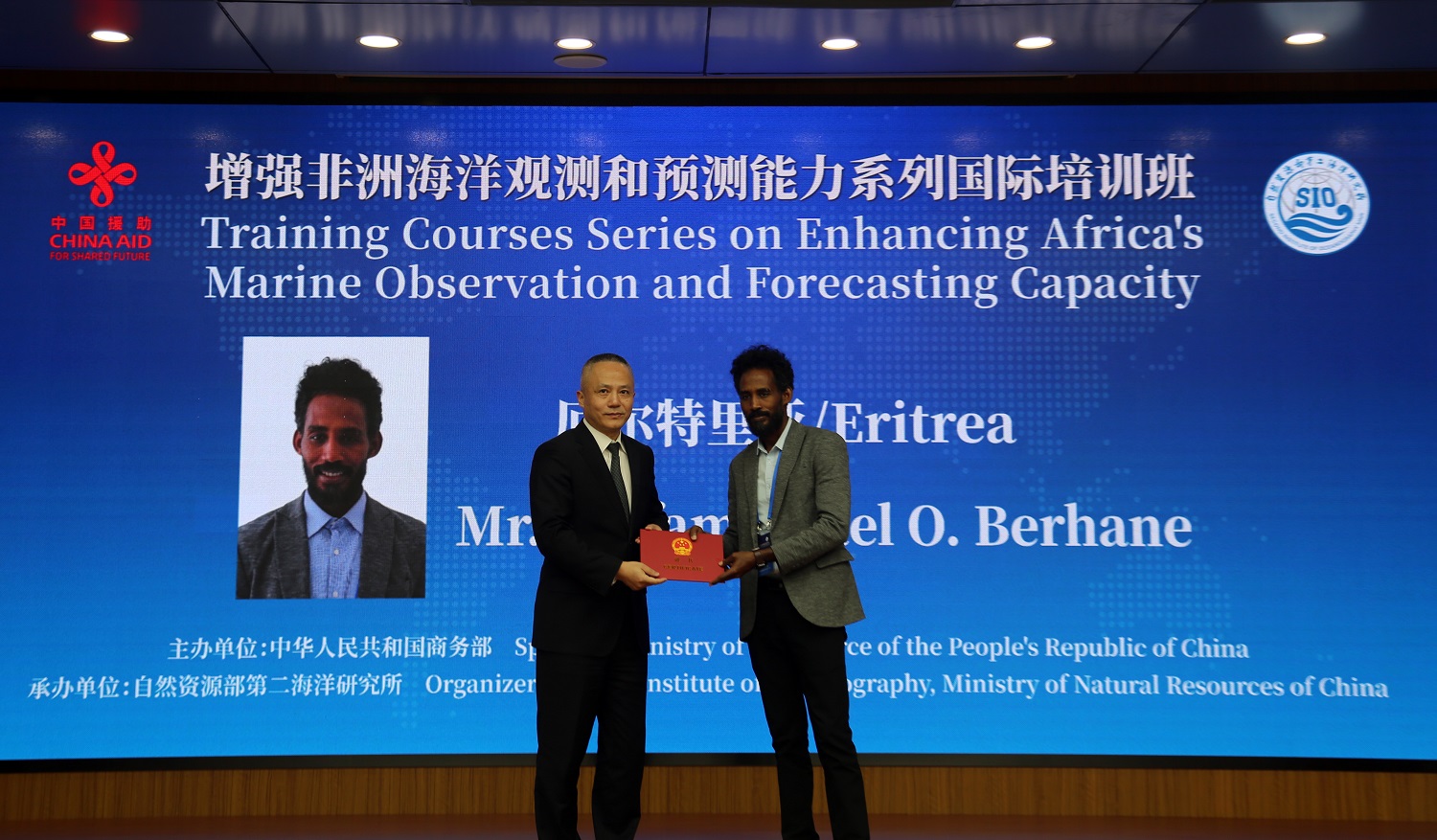
Group 1 - The core objective of the training program is to enhance the marine observation and forecasting capabilities of African countries, sharing China's experience and technology in this field [1][2] - The training lasted for 10 days and involved 32 participants from five African countries: Nigeria, Egypt, Mauritius, Benin, and Eritrea, who engaged with Chinese experts across four locations [1][2] - The program was organized by the Ministry of Commerce and hosted by the Second Institute of Oceanography, aiming to build a bridge for knowledge exchange and collaboration to address global marine challenges [1][2] Group 2 - The training incorporated a "theory-practice-culture" integrated curriculum, allowing participants to learn about China's marine economy and technological innovations through high-quality classroom instruction and field visits [2] - Participants visited Qingdao Port and Haier Group to gain insights into China's marine economic development and technological advancements, fostering international research collaboration [2]
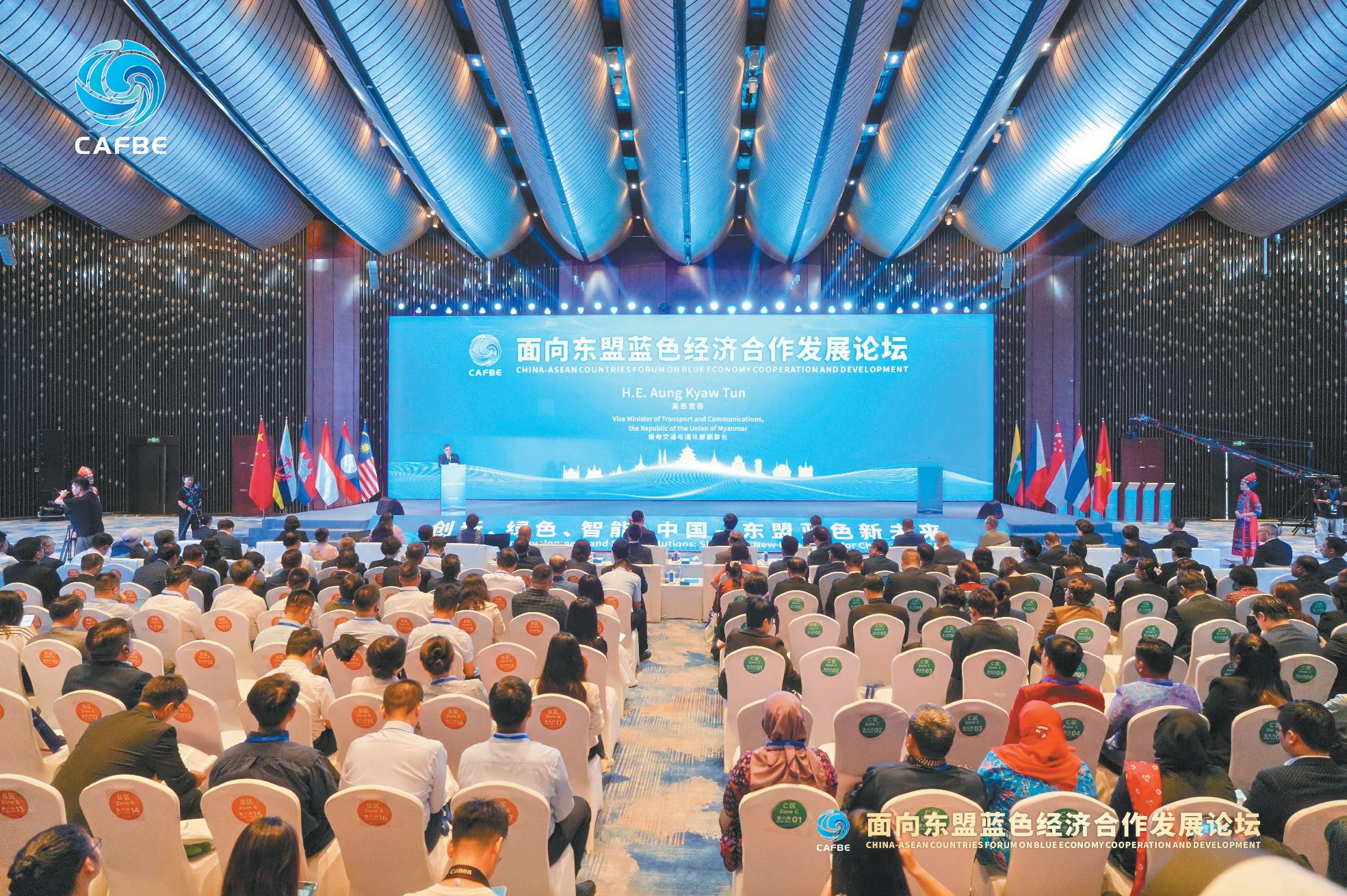
面向东盟蓝色经济合作发展论坛丨广西壮族自治区海洋局局长谢瑾瑜:为共建中国—东盟蓝色伙伴关系提供支撑
Zhong Guo Zi Ran Zi Yuan Bao· 2025-09-17 07:28
Group 1 - The forum on "Innovation, Green, Smart, China-ASEAN Blue New Future" was held in Nanning, Guangxi, focusing on blue economy cooperation and development [2] - Over 500 representatives and experts from China and ASEAN countries participated, discussing innovation-driven development, industrial updates, and harmonious human-ocean relationships [2] - Guangxi is strategically located as the only province in China adjacent to ASEAN countries, serving as a key hub for blue economy development [3] Group 2 - The blue economy is identified as a significant engine for high-quality development, with Guangxi's marine production value projected to reach 258.09 billion yuan in 2024, accounting for 9% of the region's GDP [4] - Guangxi and ASEAN countries are encouraged to deepen cooperation in fisheries, marine tourism, and cross-border industrial parks to enhance economic collaboration [4] - Emerging industries such as marine power, marine engineering equipment manufacturing, and marine pharmaceuticals are also highlighted for growth [4] Group 3 - Technology is emphasized as the core driving force of the blue economy, with Guangxi implementing various technological initiatives and establishing 45 provincial-level marine innovation platforms [5] - Collaboration with ASEAN countries will focus on AI applications in marine observation, fisheries management, and logistics, along with talent training and innovation competitions [5] - The aim is to promote the transformation of Belt and Road project outcomes in marine-related fields [5] Group 4 - The health of marine ecosystems is crucial for public welfare, with Guangxi and ASEAN countries sharing unique marine ecosystems and rare species habitats [6] - Joint efforts will be made in ecological protection and restoration projects, sharing experiences in rare species conservation, and addressing marine resource management [6] - The collaboration aims to contribute to global marine governance and support the United Nations' "Decade of Ocean Science for Sustainable Development" [6]